When And How To Prune Japanese Maples In Georgia For Healthy And Beautiful Trees
If you’ve ever stood in the yard in late winter, coffee in hand, staring at your Japanese maple and wondering if it’s time to grab the pruners, you’re not alone.
These trees have a way of becoming part of the family. They’ve shaded backyard barbecues, framed front porch photos, and quietly marked the passing of seasons for years.
When a tree has been with you that long, you want to care for it properly, and that’s where thoughtful pruning comes in.
The tricky part isn’t just cutting branches, it’s pruning at the right moment and in the right way. Japanese maples respond best when pruning is timed carefully, especially in Georgia, where mild winters can shift quickly into warm spells.
Prune too early and you may stress the tree. Wait too long and you might miss the ideal shaping window.
There’s a dependable timeframe that works well here, along with a few pruning techniques that protect that natural, flowing shape. Once you understand how and when to prune properly, stepping outside with those pruners feels much more reassuring.
1. Why Pruning Timing Matters More In Georgia Than You Think
Georgia’s weather plays by its own rules, and Japanese maples respond to every shift. Unlike cooler states farther north, much of Georgia experiences mild winters that can encourage trees to show signs of growth earlier than expected.
Pruning at the wrong moment can stimulate new growth right before a late frost arrives. Tender tissue exposed to freezing temperatures may suffer injury, which can slow recovery and affect the tree’s appearance during the growing season.
Humidity also plays a role in overall tree health. Warm, damp conditions can support fungal issues, and fresh pruning wounds are more vulnerable during those stretches.
Choosing cooler, relatively dry periods for pruning allows the tree’s natural defense processes to begin sealing cuts efficiently.
Summer presents a different challenge. High temperatures and drought stress are common across Georgia, and removing large amounts of foliage during extreme heat can increase water demand on a tree that is already working to stay balanced.
While light corrective pruning may be acceptable, major reshaping during peak heat is not recommended.
Timing is one of several important factors in maintaining healthy Japanese maples in Georgia. When combined with proper watering, good drainage, and thoughtful placement in the landscape, well-timed pruning supports steady growth and long-term structure without unnecessary stress.
2. The Sweet Spot For Pruning In Georgia
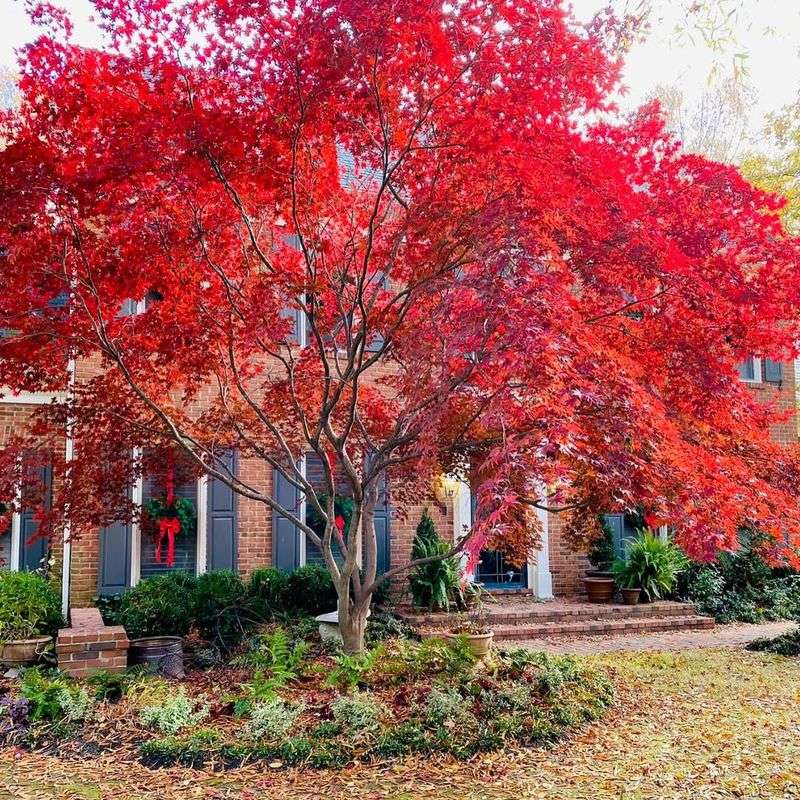
Late winter is the sweet spot for pruning Japanese maples in Georgia, typically running from mid-January through late February. With January behind us and February coming to a close, the timing is still ideal.
As long as the tree remains fully dormant and buds have not begun to swell, you are working within the recommended window. During this period, sap movement is slow and the risk of disease entering fresh cuts is lower.
The bare branch structure is also easy to see, which makes shaping more precise and thoughtful.
Early spring pruning, just before bud break, is still acceptable if needed. Keep an eye on the buds on your specific tree.
Once they begin swelling and showing color, it is time to put the pruners away and let the tree leaf out naturally.
Light touch-up pruning can happen in early summer, around June in most parts of Georgia, once new growth has hardened off. This is not the season for major reshaping, but removing a few crossing twigs or damaged stubs is reasonable.
Staying within these windows supports steady growth and helps your maple enter the season strong and balanced.
3. The Moment You Should Stop Pruning
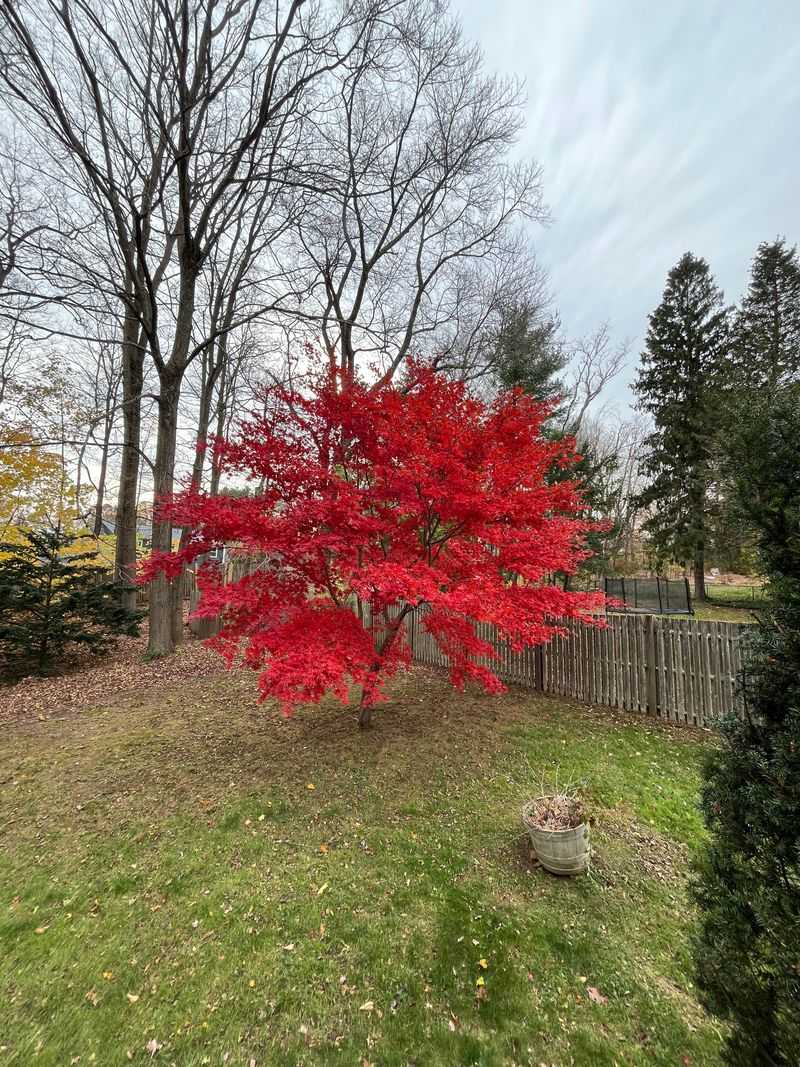
Knowing when NOT to prune is just as valuable as knowing when to pick up the shears. For Japanese maples growing in Georgia, the period between early spring bud break and late May is a hands-off zone.
The tree is pushing enormous energy into producing new leaves, and cutting during this rush interrupts that flow in ways that can leave branches looking ragged and weak for the entire growing season.
Summer pruning, especially from July through September, is another period to avoid for anything beyond the most minor cleanups. Georgia summers are relentless, with heat indexes regularly climbing well above 100 degrees Fahrenheit.
A freshly pruned tree exposed to that kind of heat and intense sunlight can experience bark scorch and branch dieback that takes years to recover from.
Fall pruning is a trap that catches many Georgia gardeners. Cutting in September or October stimulates new, tender growth that has no time to harden before cooler temperatures arrive.
That soft new growth is incredibly vulnerable, and losing it sets the tree back noticeably. Patience is genuinely a gardening skill, and for Japanese maples in Georgia, walking away at the right times protects everything you have worked hard to build with your beautiful tree.
4. Georgia’s Three Zones, Three Different Rules
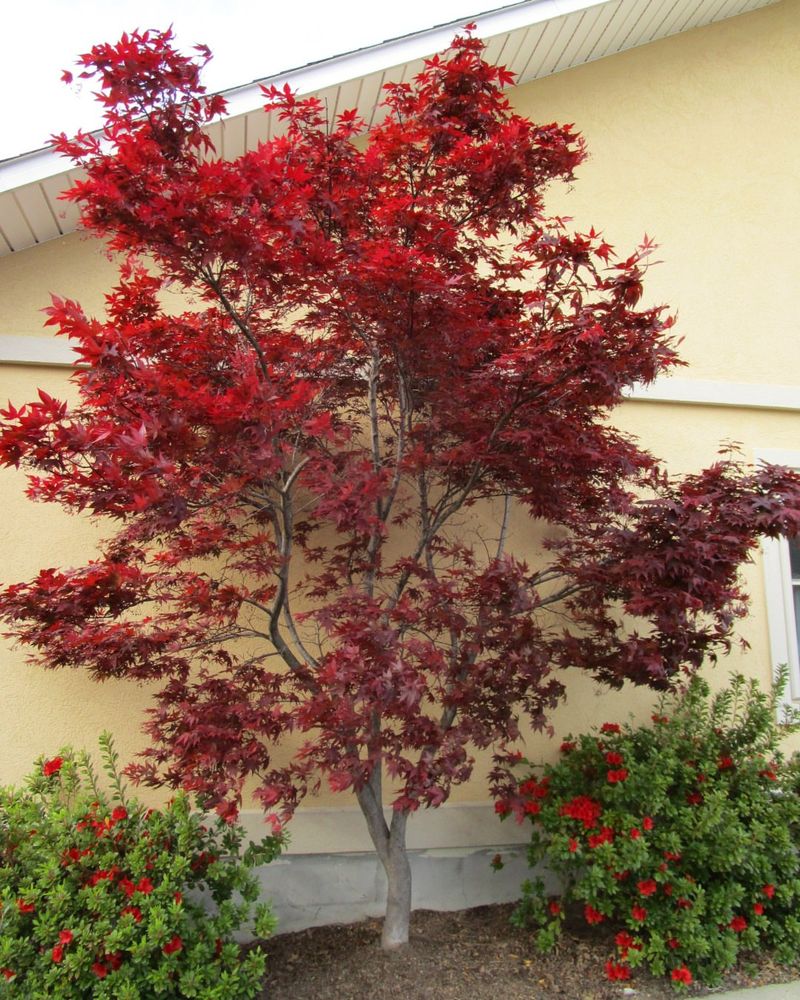
Georgia is a surprisingly diverse state when it comes to climate, and where you live within its borders makes a real difference in your pruning calendar. Up in the Blue Ridge Mountain region of north Georgia, winters are colder and longer.
Japanese maples there stay dormant well into February and sometimes early March, giving gardeners a longer and more forgiving pruning window without worrying about waking the tree too soon.
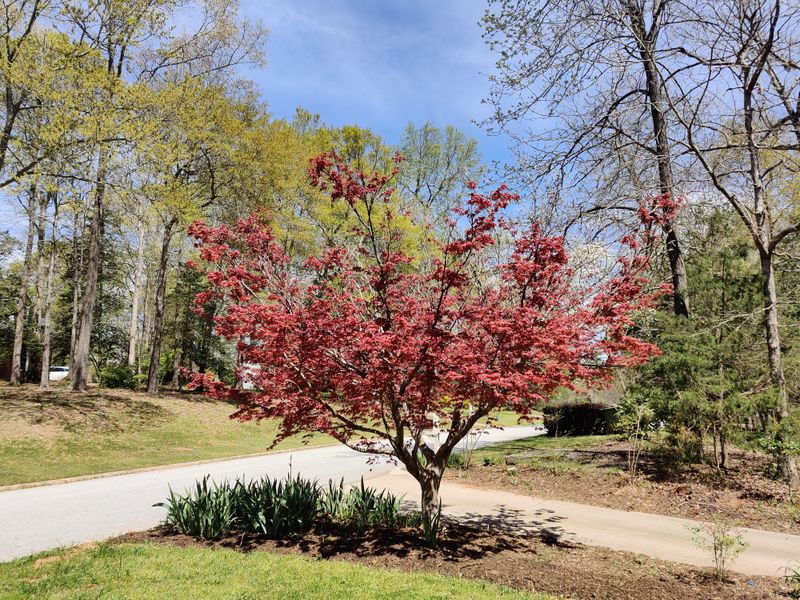
Central Georgia, including the Metro Atlanta area and the Piedmont region, sits in a middle zone where winters are mild but unpredictable. A warm week in January can be followed by a hard freeze in February, which is exactly why pruning in mid-to-late January works well here.
You catch the tree while it is still fully dormant and avoid the rollercoaster of late-winter warm spells that fool both trees and gardeners alike.
South Georgia near Valdosta, Thomasville, and the coastal areas operates on a completely different schedule. Winters are short and mild, meaning Japanese maples may begin showing bud swell as early as late January.
Gardeners in south Georgia need to prune in early-to-mid January to stay ahead of the growing season. Checking your local last frost dates every year is a smart habit no matter which part of the great state of Georgia you call home.
5. What To Remove First: Damaged, Diseased, And Crossing Branches
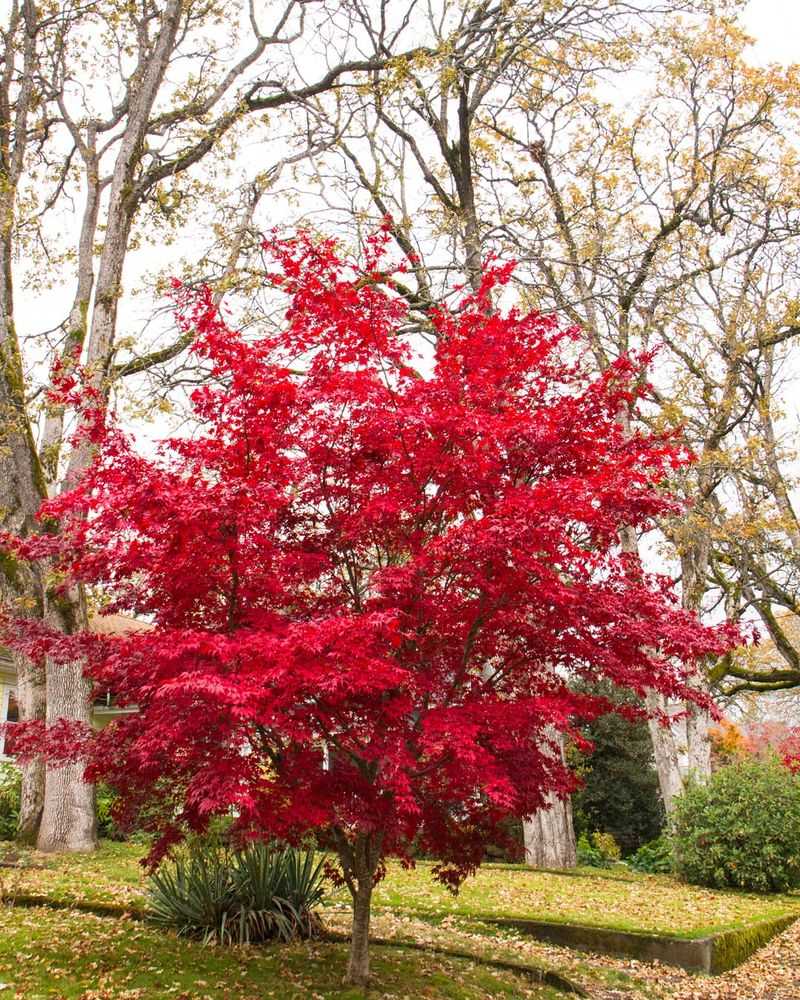
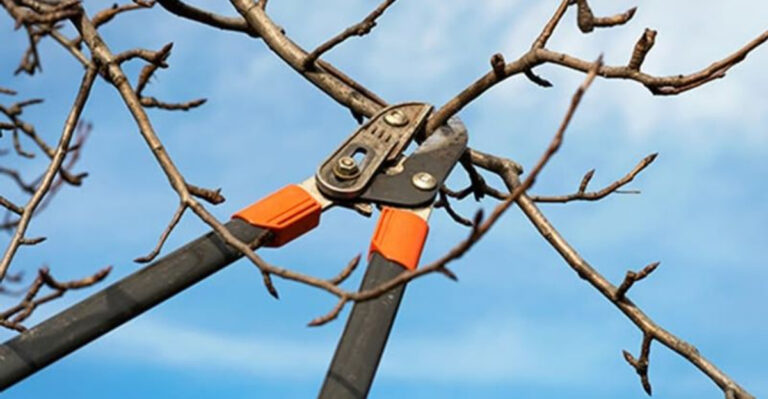
Every good pruning session starts with the same first step: removing anything that is clearly not helping the tree. Damaged branches, whether snapped by a storm, split by ice, or simply broken from age, should always come out first.
Georgia gets its share of ice storms in the northern counties and the occasional strong thunderstorm statewide, so checking for storm damage before anything else is a smart habit to build every single year.
Diseased wood is the next priority. Look for branches with unusual discoloration, sunken areas in the bark, or any spots that look different from healthy wood.
Cut several inches below any visible signs of trouble to make sure you are removing all the affected tissue. Always wipe your pruner blades with rubbing alcohol between cuts when dealing with diseased material so you do not accidentally spread the problem to healthy parts of the tree.
Crossing and rubbing branches deserve attention after damaged and diseased wood is cleared out. When two branches rub against each other, they create open wounds that invite pests and pathogens right in.
Remove the weaker of the two crossing branches, always cutting back to a healthy lateral branch or the main trunk. Starting with these three categories keeps the process organized and makes sure every cut you make is actually benefiting the tree’s long-term structure and vitality.
6. Shape With Care, Not Chaos
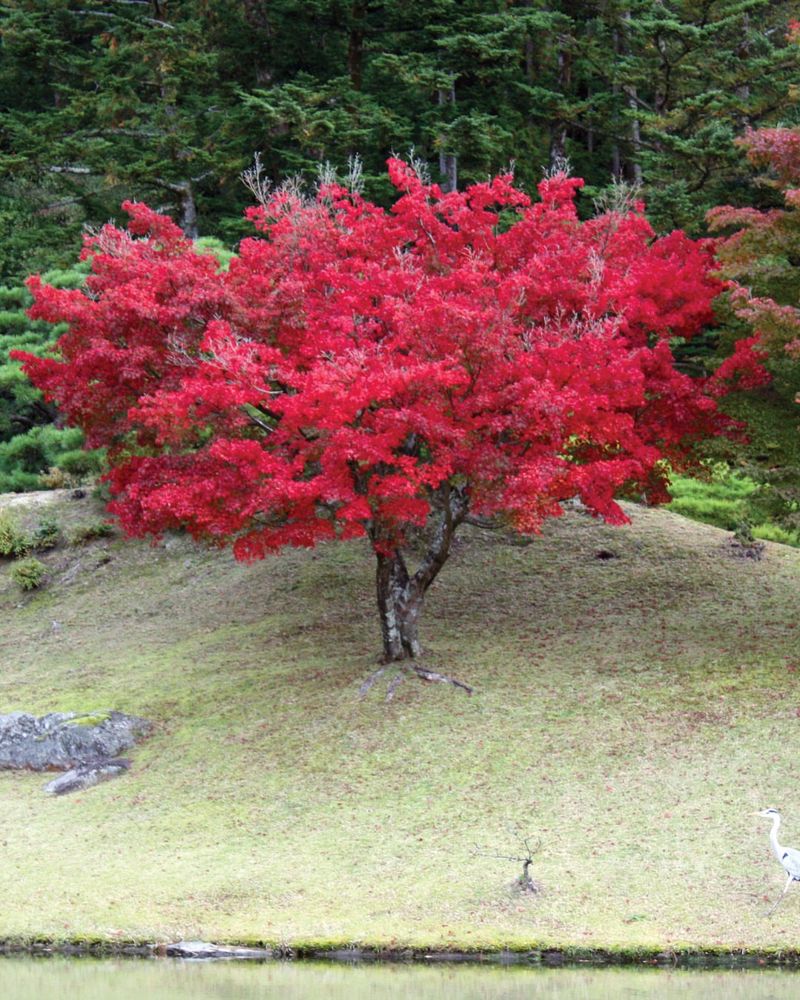
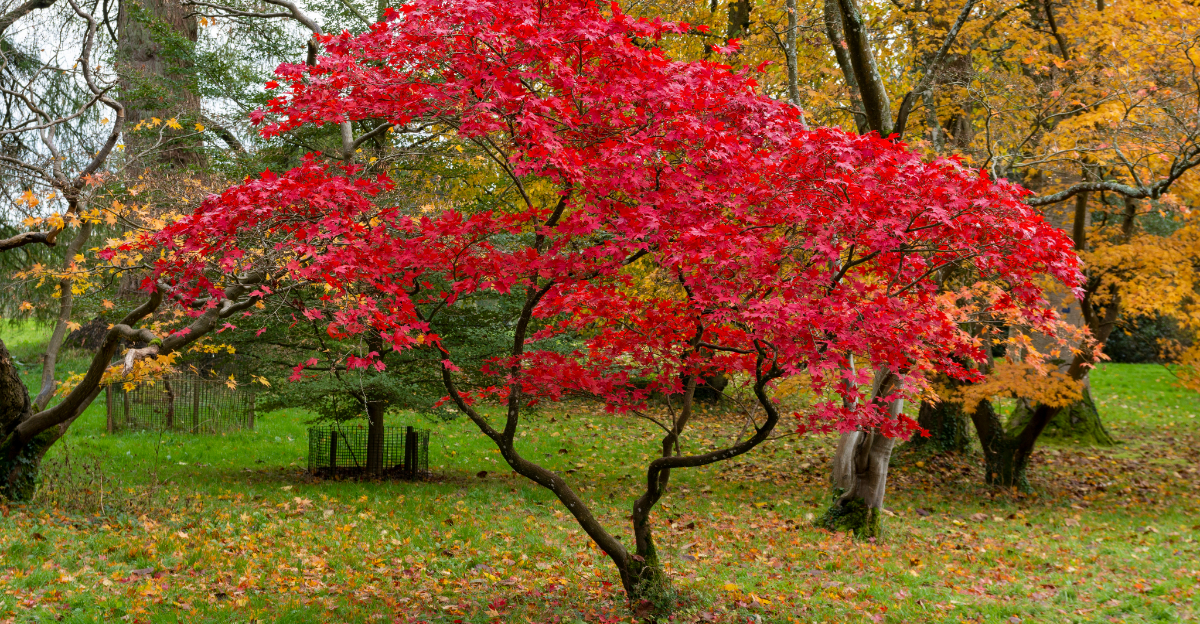
Few landscape trees carry themselves with the quiet grace of a Japanese maple. Their layered branches and soft, arching lines are part of what makes them so striking in the first place.
The biggest mistake you can make when shaping one is trying to force it into a round, tightly clipped ball. These trees want to grow in graceful tiers and flowing arches, and the best pruning approach works with that natural habit rather than fighting against it.
Start shaping by thinning from the inside out. Remove small, twiggy growth from the interior of the canopy to open up airflow and let light filter through.
This technique, often called canopy lifting or crown thinning, gives the tree a lighter, more airy appearance that looks absolutely stunning in a Georgia landscape setting. Avoid removing more than one-third of the live canopy in a single season, as heavier pruning can place added stress on the tree.
When shortening a branch, always cut back to a lateral branch that is growing in the direction you want the tree to expand. Avoid leaving stubs, because stubs do not heal cleanly and tend to become entry points for wood-rotting fungi.
Step back from the tree frequently as you work to check the overall silhouette. Good shaping is slow, thoughtful work, and the reward is a Japanese maple that looks like it was sculpted by nature itself right in your own Georgia yard.
7. Mistakes That Cost Your Maple Its Beauty
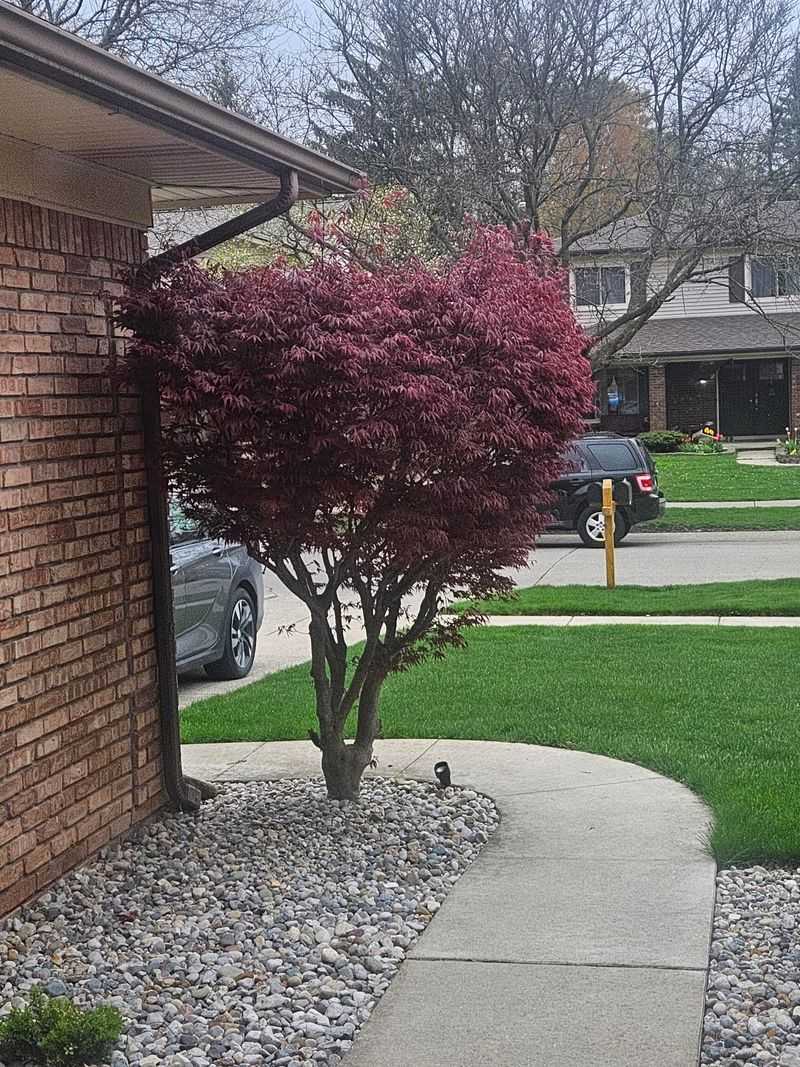
One of the most common pruning errors seen across Georgia yards is cutting at the wrong time of year. Plenty of well-meaning gardeners grab their pruners during a warm fall afternoon or a mild December day, not realizing they are setting up their tree for a rough spring.
Timing, as covered earlier, plays a major role in how well Japanese maples perform in Georgia’s climate.
Using dull or dirty tools is another mistake that causes real harm. Dull blades crush and tear wood rather than making a clean slice, leaving ragged wounds that are slow to callus over.
Dirty tools can carry fungal spores or bacteria from one tree to the next without the gardener ever realizing it. Sharp, clean tools are not optional; they are a basic requirement for responsible tree care anywhere in Georgia.
Over-pruning tops the list of structural mistakes. Some gardeners remove so much of the canopy in one session that the tree spends years trying to recover its natural form.
Topping a Japanese maple, which means cutting the main leader or major branches back to stubs, is particularly damaging and permanently ruins the tree’s elegant structure. Another frequent error is using pruning paint or wound sealant on cuts, which research has shown actually slows healing rather than helping it.
Skip the sealant and let the tree do what it does naturally.
8. Aftercare Steps That Keep Your Maple Healthy And Vibrant
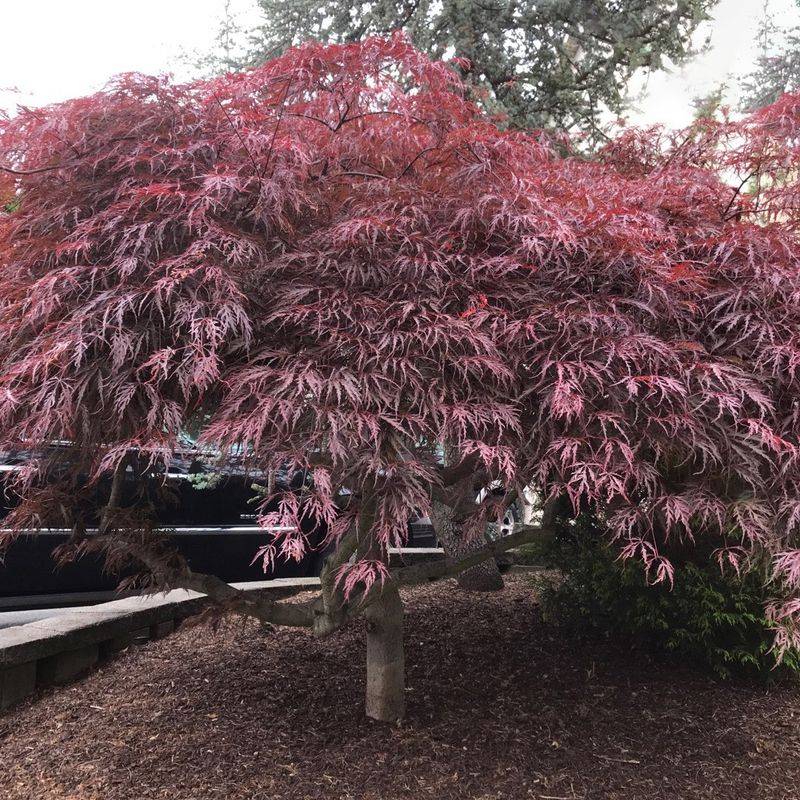
Once the pruning work is finished, what you do next matters just as much as the cuts themselves. Cleaning up all the removed branches and leaves from around the base of the tree is the first aftercare step.
Leaving debris on the ground can harbor fungal spores and overwintering insects that come back to cause problems when Georgia’s warm weather returns. A quick cleanup takes only minutes and makes a big difference in tree health.
Applying a fresh layer of organic mulch around the base of the tree is one of the best things you can do after pruning. Spread two to three inches of shredded hardwood or pine bark mulch in a wide ring, keeping it a few inches away from the trunk itself to prevent moisture buildup and bark rot.
Mulch keeps Georgia’s sometimes brutal summer heat from scorching the roots and helps retain soil moisture during dry stretches.
Hold off on fertilizing right after pruning. Feeding a freshly pruned tree pushes rapid new growth before the wounds have had a chance to close properly.
Wait until you see strong, healthy new growth emerging in spring before applying a slow-release, balanced fertilizer. Water deeply during dry spells, especially through Georgia’s hot summers, and your Japanese maple will reward you with years of spectacular beauty and lush seasonal color.