When And How To Prune Your Apple Trees For Stronger Growth In Washington
Do your apple trees look healthy, yet something about their growth makes you pause when pruning season comes around?
That hesitation is common in Washington, where weather shifts and timing never feel completely predictable.
Pruning often feels like a make-or-break moment rather than a routine task, especially when you’re trying to encourage better growth.
Many gardeners worry that one wrong cut could undo a season’s worth of progress.
The truth is that pruning is less about perfection and more about understanding when the tree is most ready to respond.
Washington’s climate plays a quiet role in that timing, even when trees look similar from year to year.
Knowing how and when to step in can change how confidently you approach the process. It can also shape how your trees grow long after the tools are put away.
With the right approach, pruning starts to feel intentional instead of intimidating.
1. Prune During Late Winter While Trees Are Fully Dormant
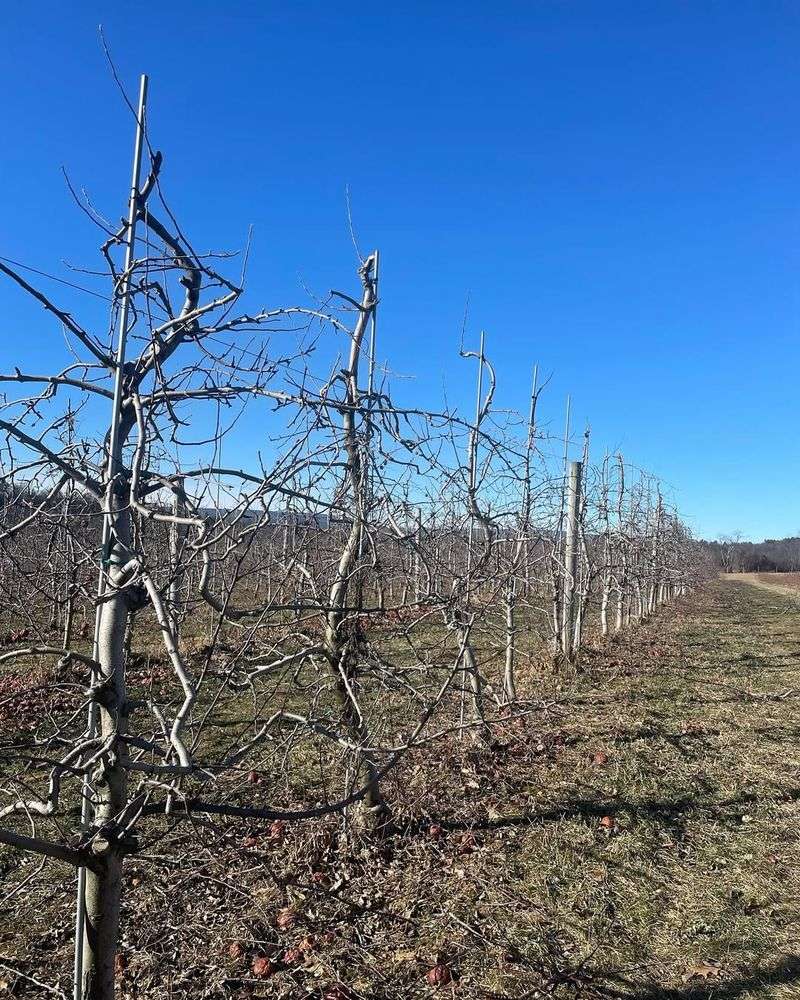
Cold months offer the perfect window for trimming apple trees because the sap has stopped flowing and branches show their true structure without leaves blocking your view. Washington State winters create ideal conditions since temperatures stay low enough to keep trees asleep but rarely drop so far that wood becomes brittle and dangerous to cut.
Most orchardists in the region schedule their pruning between January and early March when the risk of extreme cold has passed.
Dormant pruning causes less stress because trees aren’t actively growing or trying to heal wounds while supporting new leaves and blossoms. Cuts made during this period seal up faster once spring arrives and growth hormones kick in.
You can see exactly which branches need removal when the canopy is bare, making decisions much easier than trying to work through dense summer foliage.
Another advantage is that pests and diseases are far less active during winter months across Washington State. Pruning wounds attract fewer insects and fungal spores when the weather is cold and dry.
Tools stay cleaner, and sawdust doesn’t clump as much in the crisp air.
Late winter timing also lets you finish the job before buds start swelling, which means you avoid accidentally cutting off potential fruit. Trees respond with vigorous spring growth after a good dormant-season trim.
Washington growers have relied on this timing for generations with excellent results.
This timing also gives you a clear window to shape the tree for balanced airflow and sunlight before the growing season begins.
A well-timed winter prune sets the structure now so spring growth follows a cleaner, more productive pattern without extra correction later.
2. Avoid Pruning During Wet Or Freezing Weather
Moisture creates a breeding ground for bacteria and fungi that can infect fresh pruning cuts, turning a simple trim into a serious health problem for your tree. Rain, fog, and melting snow all carry microscopic organisms that settle into open wounds and multiply rapidly.
Washington State sees plenty of damp weather throughout winter and early spring, so picking a dry day becomes crucial for successful pruning.
Freezing temperatures make wood brittle and prone to splitting in unexpected ways when you cut through it. A branch that would normally break cleanly can shatter and tear bark down the trunk, creating ragged wounds that take much longer to heal.
Frostbitten wood also tends to crack further after you make your cut, expanding the damage and leaving more surface area exposed to infection.
Working in wet conditions also makes tools slip more easily, increasing the chance of accidents or poorly angled cuts. Wet gloves lose their grip, and ladder rungs become slick.
Safety should always come first when you’re handling sharp blades and climbing around tree branches in a Washington orchard.
Checking the forecast before you start ensures you have at least a full day of dry weather ahead. This gives cuts time to begin sealing before the next rain arrives.
Patience with weather conditions pays off in healthier trees.
3. Remove Crossing And Inward-Growing Branches First
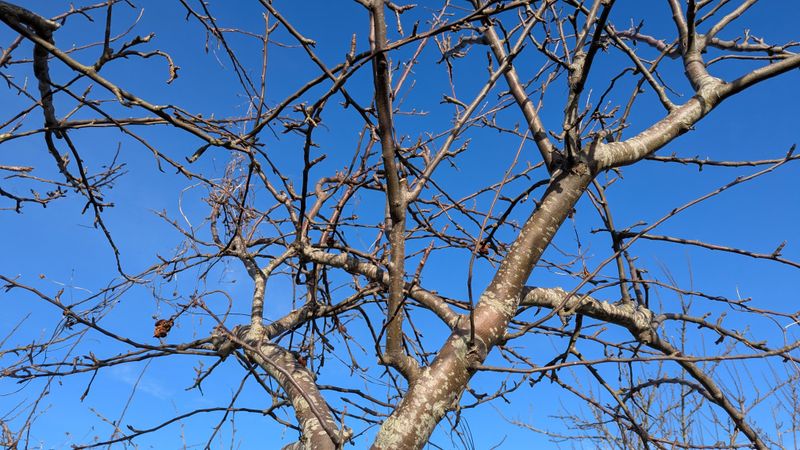
Branches that rub against each other create wounds in the bark where diseases can enter, and over time this friction weakens both limbs and reduces fruit production. Spotting these problem areas becomes much easier when you step back and look at the whole tree rather than focusing on one section at a time.
Washington State apple growers prioritize removing these troublesome branches early in the pruning process to simplify later decisions.
Inward-growing branches crowd the center of the tree, blocking sunlight from reaching interior wood and preventing air from circulating freely. This creates damp, shaded pockets where fungal spores thrive and fruit struggles to ripen properly.
Cutting these inward shoots opens up the canopy and directs the tree’s energy toward outward growth that produces better apples.
When two branches cross, one will eventually dominate and the other will weaken, so removing the less desirable one prevents future problems. Choose the branch with the better angle, stronger attachment point, or more promising position in the overall structure.
This kind of selective pruning builds a framework that will support heavy fruit loads for years.
Starting with crossing and inward branches clears visual clutter and makes it easier to see what other cuts are needed. You’ll avoid accidentally removing good wood because you couldn’t see the full picture.
Washington orchardists use this approach to keep their pruning organized and efficient.
4. Focus On Opening The Canopy For Light And Airflow
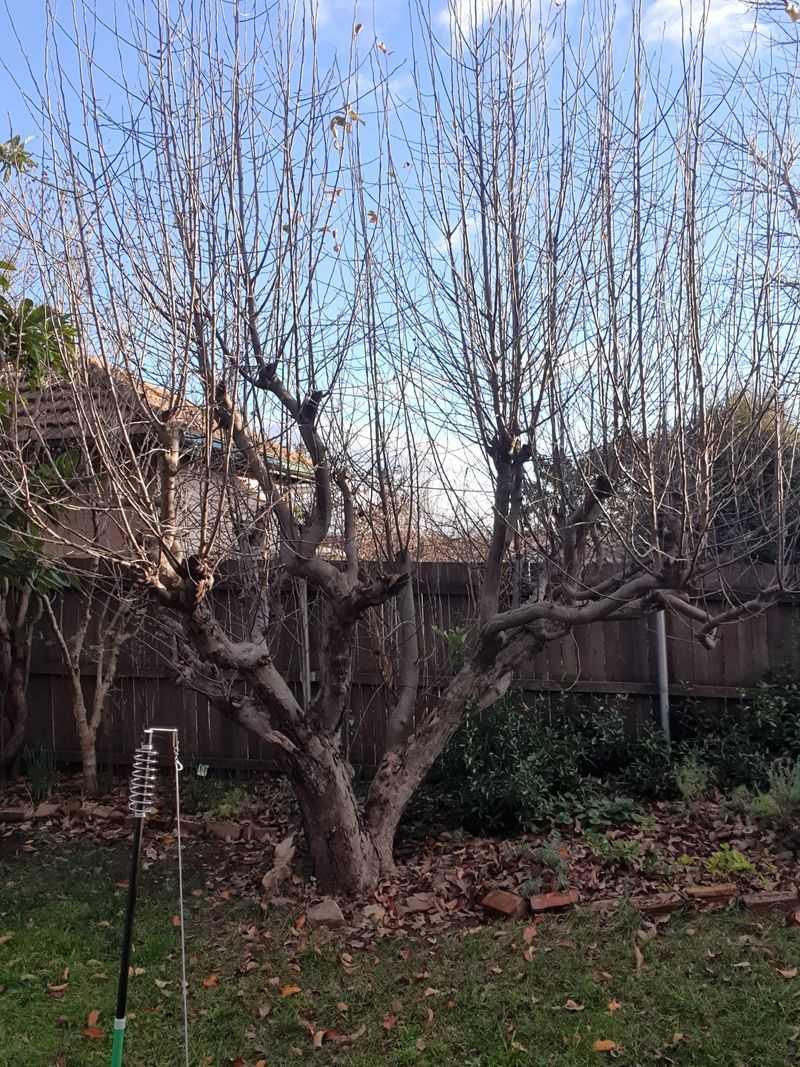
Sunlight needs to reach every part of the tree for fruit to develop proper color, sweetness, and size, and dense canopies block those essential rays from penetrating to interior branches. Opening up the center allows light to filter through and energize wood that would otherwise sit in shadow all season.
Washington State apple trees benefit enormously from this approach because cloudy days are common and every bit of available light matters.
Good airflow prevents moisture from lingering on leaves and fruit, which dramatically reduces the risk of fungal infections like apple scab and powdery mildew. When branches are packed tightly together, damp air gets trapped and creates ideal conditions for disease.
Thinning the canopy lets breezes move freely and dries foliage quickly after rain or morning dew.
An open structure also makes it easier to spot pests and spray treatments evenly when needed. You can walk around the tree and see into the interior, catching problems early before they spread.
This visibility saves time and effort throughout the growing season.
Pruning for light and air doesn’t mean stripping the tree bare—it means creating a balanced framework where every branch has room to breathe and soak up sunshine. Washington growers aim for a vase or open-center shape that maximizes exposure without sacrificing too much wood.
The result is healthier trees and higher-quality fruit.
5. Limit Heavy Cuts To Prevent Excessive Stress
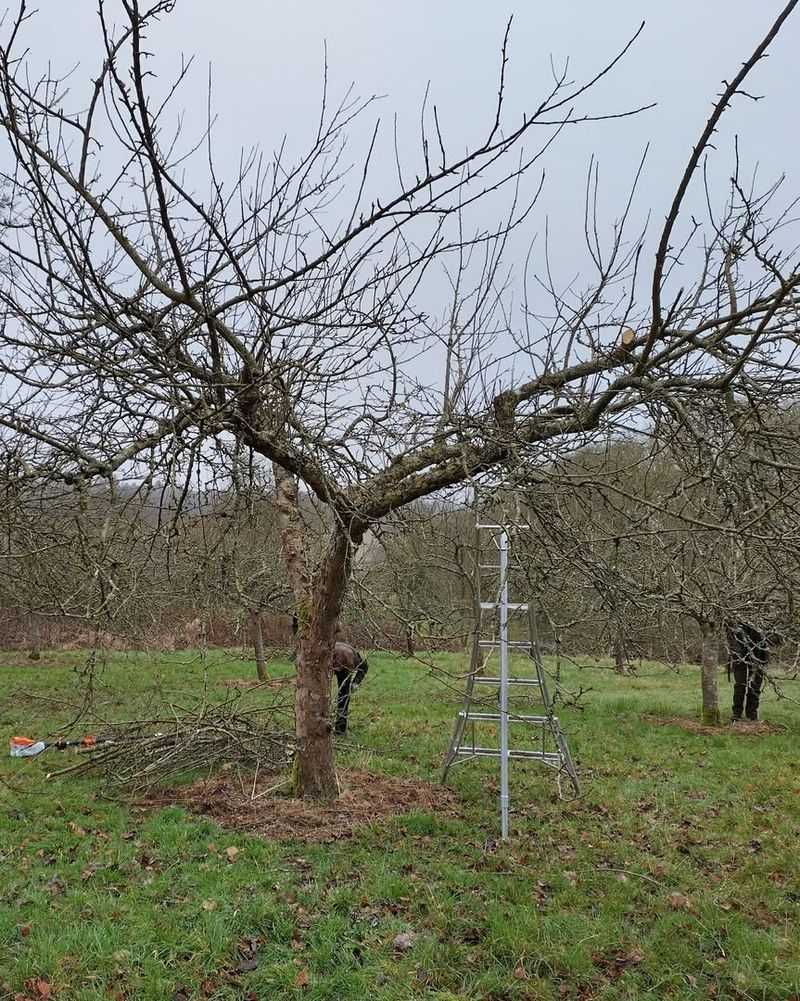
Taking off too much wood in a single season shocks the tree and forces it to divert energy away from fruit production and into emergency healing and regrowth. Apple trees respond to heavy pruning by pushing out clusters of weak, fast-growing shoots called water sprouts that contribute little to long-term structure or harvest.
Washington State orchardists have learned that patience with gradual pruning yields better results than aggressive one-time overhauls.
A good rule of thumb is to remove no more than about one-quarter of the total canopy in any given year. This keeps the tree balanced and gives it time to adjust to the changes without going into survival mode.
If a tree has been neglected and needs major corrective work, spread the job over two or three seasons to avoid overwhelming it.
Heavy cuts also create large wounds that take longer to seal, leaving the tree vulnerable to infection and insect damage for extended periods. Smaller cuts close up faster and cause less disruption to the flow of nutrients and water through the trunk and branches.
Keeping cuts moderate protects the tree’s overall health.
Observing how your tree responds after each pruning session helps you gauge how much it can handle the following year. Washington’s climate supports steady, moderate pruning that builds strong, productive trees over time.
Restraint and consistency beat drastic measures every time.
6. Use Clean Sharp Tools For Every Cut
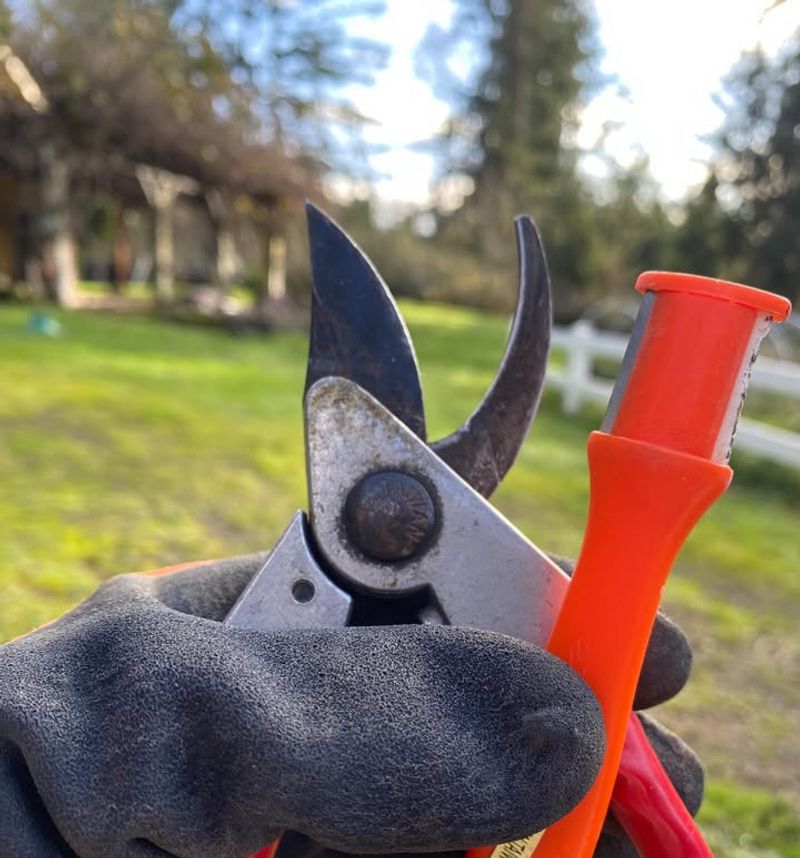
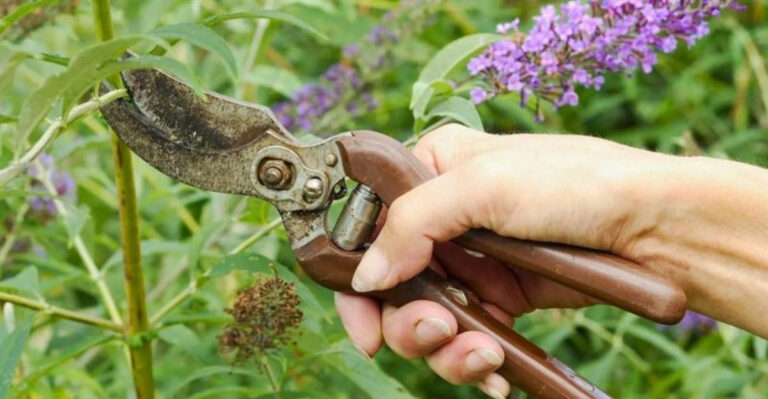
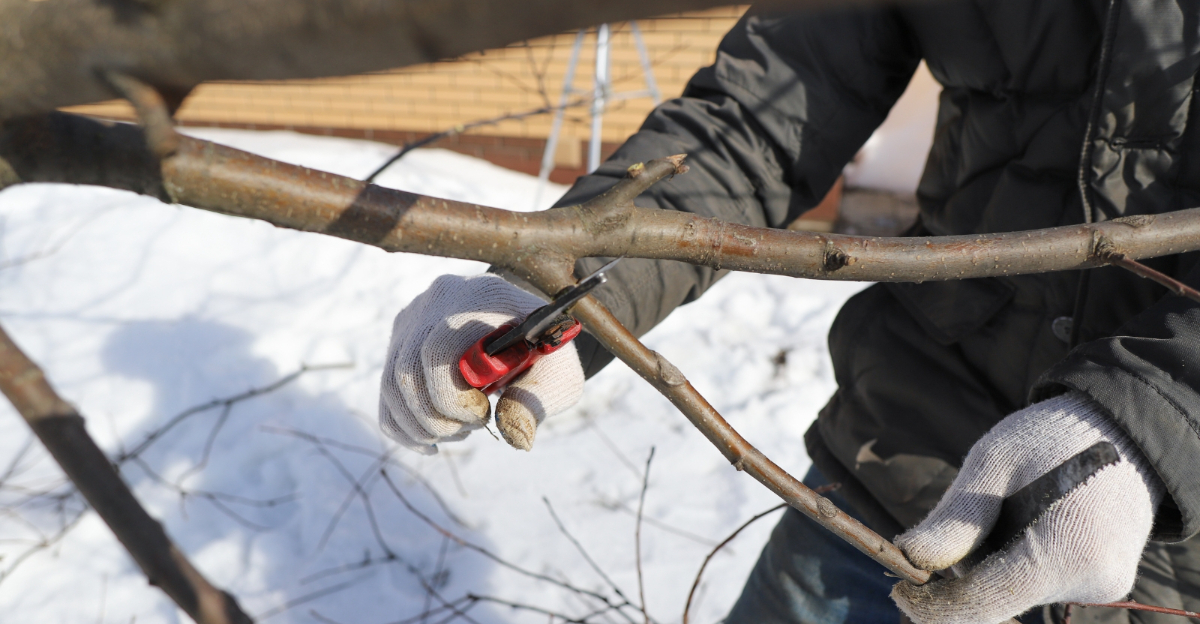
Dull blades crush and tear wood fibers instead of slicing cleanly through them, which creates ragged wounds that heal slowly and invite infection. Sharp tools make smooth cuts that close up quickly and reduce the tree’s stress response.
Washington State apple growers keep their pruning shears, loppers, and saws well-maintained because the quality of each cut directly affects tree health.
Dirty tools carry bacteria, fungi, and viruses from one tree to another, spreading diseases throughout an orchard in a matter of hours. Wiping blades with rubbing alcohol or a bleach solution between trees—or even between major cuts on the same tree—prevents cross-contamination.
This simple habit protects your entire planting from outbreaks that could take years to control.
Investing in quality tools pays off in easier, safer work and better results. Cheap pruners bend, slip, and break under pressure, while professional-grade equipment stays sharp longer and handles thick branches with less effort.
Your hands and arms will thank you after a long day of pruning in a Washington orchard.
Sharpening blades regularly doesn’t take much time, and most hardware stores offer sharpening services if you don’t want to do it yourself. Clean, sharp tools make every cut precise and efficient.
Trees recover faster, and you finish the job with less fatigue and frustration.
7. Delay Pruning Young Trees Until Structure Is Established
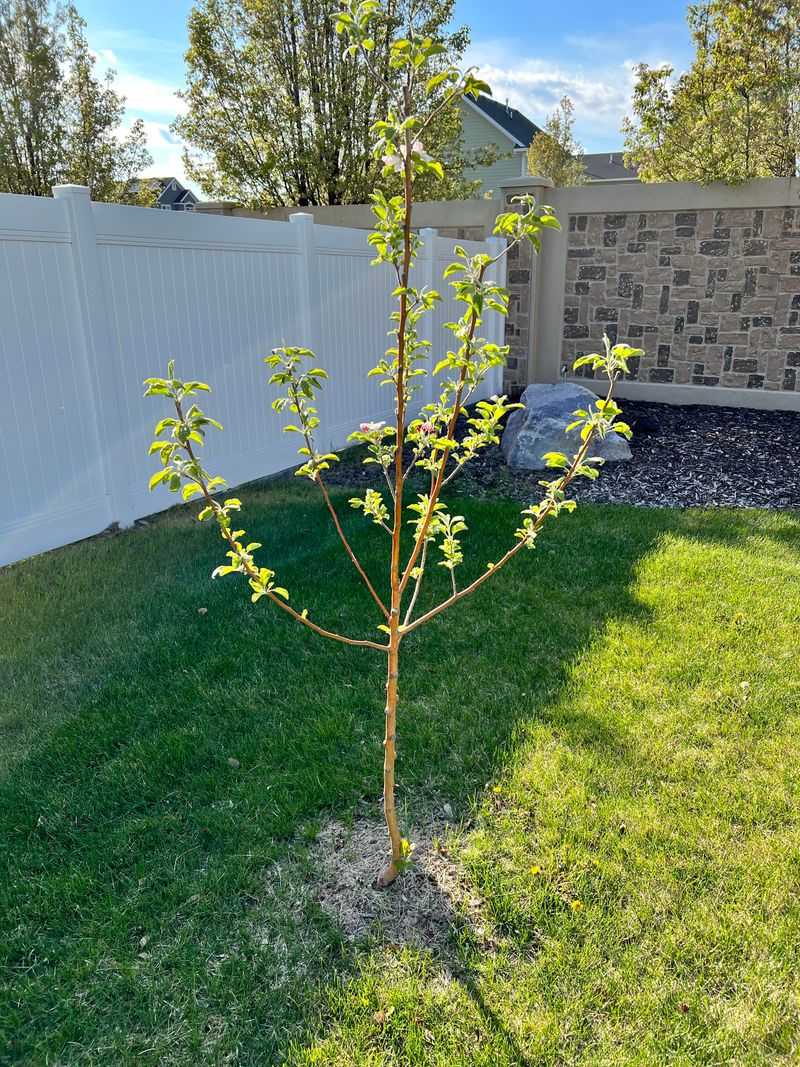
Newly planted apple trees need time to develop strong root systems and establish their basic framework before you start shaping them aggressively. Pruning too early can stunt growth and delay the first harvest by forcing the tree to focus on recovery instead of building a solid foundation.
Washington State growers typically wait until a young tree has completed at least one full growing season before making any significant cuts.
During the first year or two, light pruning to remove damaged or crossing branches is fine, but major structural work should wait until the tree shows vigorous growth and healthy foliage. This patience allows the root system to expand and the trunk to thicken, creating the strength needed to support a productive canopy later on.
Young trees also benefit from keeping more leaves during their early years because foliage drives photosynthesis and fuels growth. Stripping away too much greenery slows development and can leave the tree weak and vulnerable.
Let the tree build itself up naturally before you start directing its shape.
Once the basic structure is in place—usually by the third year—you can begin more deliberate pruning to encourage an open center and strong scaffold branches. Washington’s climate supports steady growth, so young trees typically reach pruning readiness within a predictable timeframe.
Giving them that initial grace period sets them up for decades of healthy production.
8. Finish Before Buds Begin To Swell In Early Spring
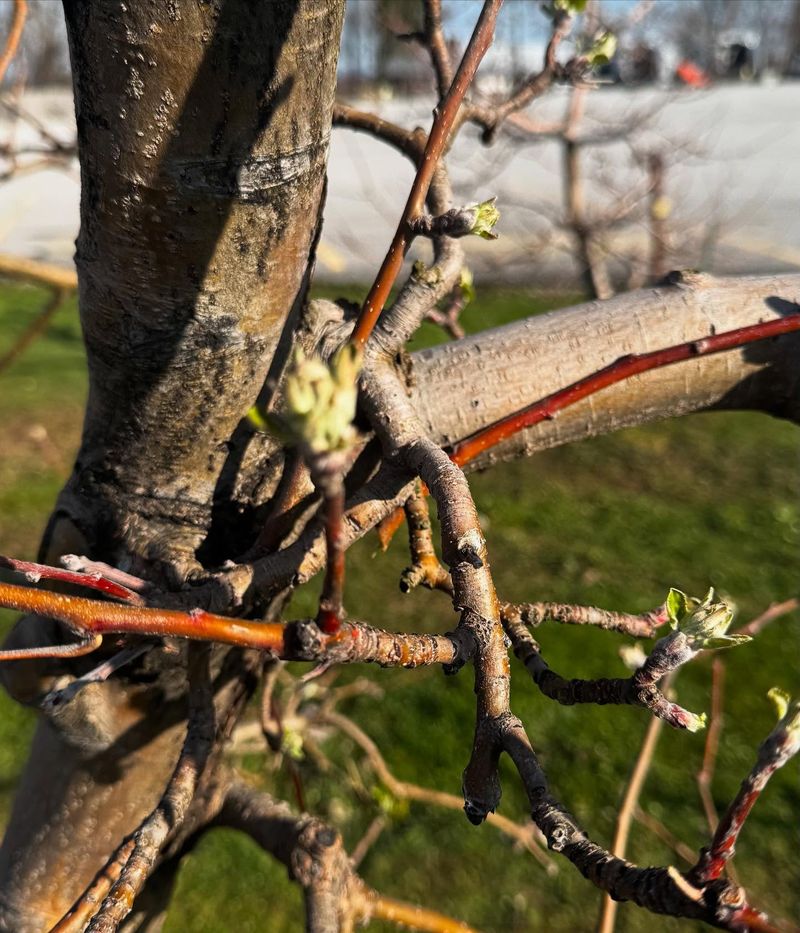
Once buds start swelling and showing green, the tree has already committed energy to pushing out new growth, and cutting branches at that stage wastes resources and reduces the current season’s fruit production. Timing your final cuts to happen before this transition ensures the tree can redirect its energy efficiently.
Washington State orchardists watch their trees closely as February turns into March, finishing pruning before the first signs of bud activity appear.
Swelling buds indicate that sap is flowing strongly again, which means wounds will bleed and take longer to seal. This extended healing period increases the risk of infection and attracts insects looking for fresh sap.
Completing your work while trees are still fully dormant avoids these complications and keeps the pruning process clean and efficient.
Early spring weather in Washington can be unpredictable, with warm spells arriving suddenly and triggering early bud break. Planning your pruning schedule to finish by late February or very early March gives you a buffer against unexpected temperature swings.
If you wait too long, you might find yourself racing against the calendar.
Trees pruned before bud swell respond with strong, organized growth once warm weather arrives. They channel their energy into the branches you’ve chosen to keep, producing better fruit and healthier wood.
Washington growers rely on this timing to maximize every season’s potential and maintain productive orchards year after year.