When Can You Legally Trim A Neighbor’s Shrubs In New York?
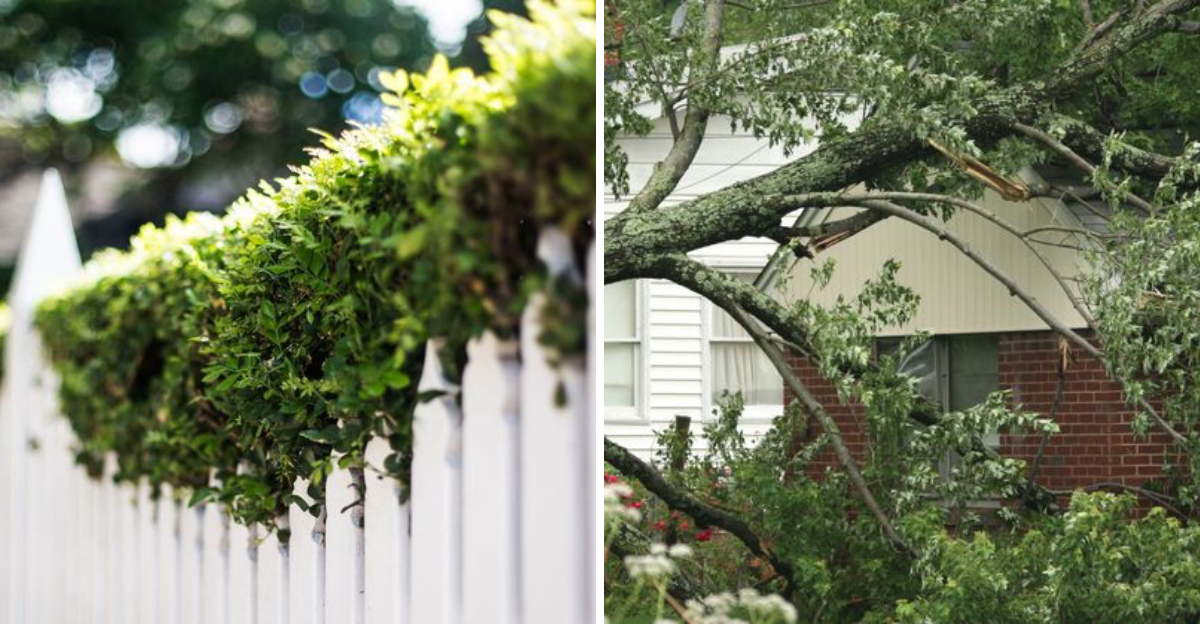
Let’s be real: nothing sparks neighbor drama faster than tree branches creeping over the fence.
You’re enjoying a quiet afternoon when suddenly leaves are piling up in your gutters, shrubs are spilling over the fence, and roots are nudging your patio.
It’s frustrating and can make you feel like your outdoor space is no longer your own. But before you grab the pruning shears and go full weekend warrior, there’s something you need to know.
With a little knowledge and a calm approach, you can manage overhanging branches and unruly shrubs safely, without turning a small nuisance into a costly dispute or ongoing tension.
Understanding Property Line Rights And Encroachment Laws
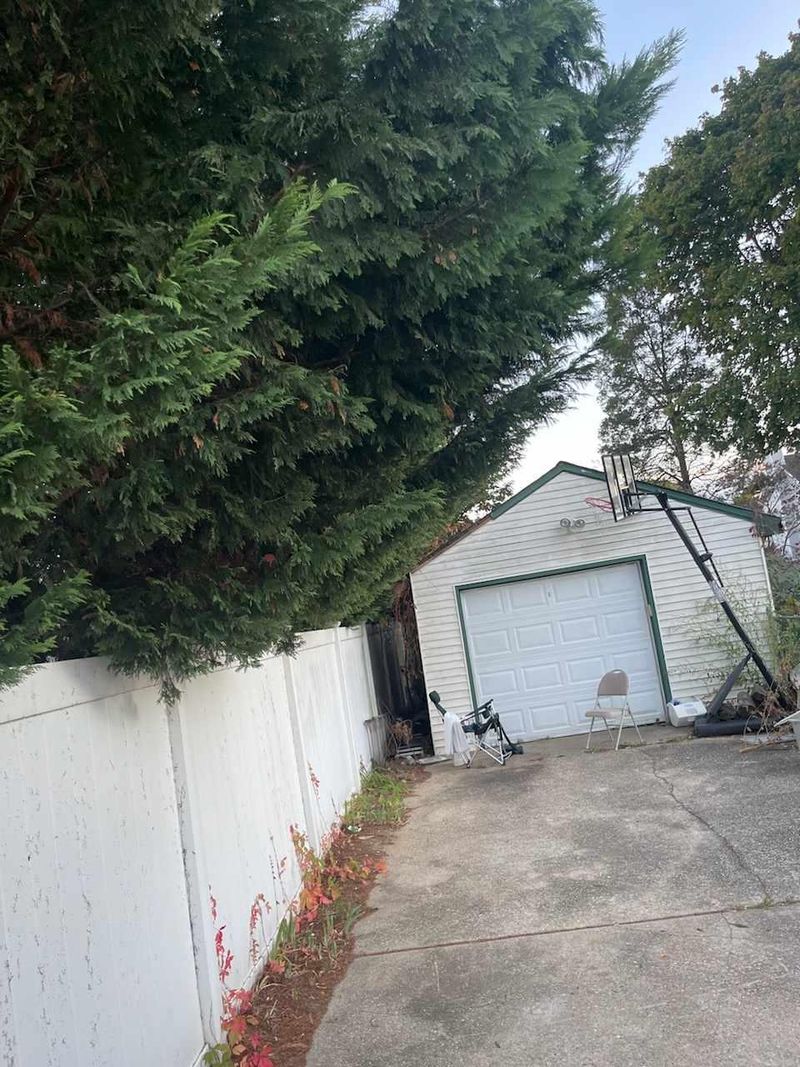
Ever wonder who really “owns” the space above your yard? In New York, property boundaries don’t just define your land on the ground.
They also extend upward, giving you rights to the airspace above your property.
When a neighbor’s shrubs or other vegetation crosses onto your property, this constitutes encroachment regardless of whether the roots remain on their side.
The legal principle of self-help allows property owners to trim encroaching vegetation up to the property line without seeking permission from the neighbor.
You must exercise this right carefully and cannot enter your neighbor’s property to perform the trimming. All cutting must be done from your side of the boundary line, and you bear responsibility for any damage caused by improper trimming techniques.
Before taking action, consider having a professional survey conducted to determine the exact location of your property line, especially if boundaries are unclear.
Many disputes arise from misunderstandings about where one property ends and another begins.
Documentation of the actual property line protects you legally if your neighbor later challenges your trimming activities.
The Self-Help Doctrine And Its Limitations in New York
New York common law is all about the self-help doctrine. What does that actually mean?
Basically, it gives you the legal authority to deal with nuisances caused by encroaching vegetation without court intervention.
This legal principle recognizes that requiring judicial action for every overhanging branch would overwhelm the court system and create unnecessary expense for property owners.
You can trim branches, cut back shrubs, and remove any plant material extending over your property line as long as you do so reasonably.
Reasonable trimming means using proper techniques that won’t harm health of the plant. Cutting too aggressively or at the wrong time of year could damage or even destroy the neighbor’s shrub, potentially exposing you to liability for the plant’s value.
Professional arborists recommend making clean cuts just beyond the property line rather than flush against it, which can cause disease and decay.
The self-help doctrine does not permit you to enter your neighbor’s property without permission, even if accessing their yard would make trimming easier or safer.
Trespassing to trim vegetation violates New York property law and could result in legal action against you. Similarly, you cannot demand that your neighbor trim their own plants, though politely requesting they do so often resolves the situation.
Notice Requirements And Communication Best Practices
You don’t have to notify your neighbor before trimming overhanging branches in New York. But giving them a heads-up is polite and can save you from unnecessary disputes.
A simple conversation explaining your concerns gives your neighbor the opportunity to address the issue. Many homeowners value having control over how their shrubs are maintained and may not even realize their vegetation has crossed the property line.
Providing written notice adds an extra layer of protection. A brief letter or email outlining the encroachment, the specific branches or growth involved, your planned trimming date, and your willingness to discuss reasonable solutions helps establish transparency.
This documentation can serve as evidence of your good-faith efforts if disagreements arise later. Keep copies of all correspondence, and for added security, consider sending important notices via certified mail to confirm delivery.
Clear communication is important as improper trimming can impact property value. Offering to coordinate with or share the cost of a licensed arborist demonstrates fairness and a cooperative spirit while ensuring the work is done professionally.
Liability Issues When Trimming Neighbor’s Vegetation
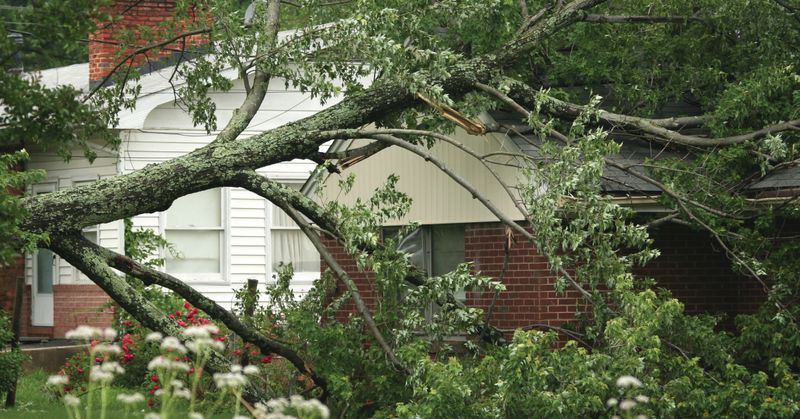
One wrong cut on your neighbor’s old magnolia could cost you thousands of dollars and months of legal headaches.
In New York, courts can hold property owners responsible for any diminished value of plants harmed through excessive or improper trimming. Expensive ornamental shrubs and rare specimens require special caution, as replacement costs can easily reach thousands.
Hiring a licensed and insured tree service or landscaping professional is the safest way to protect yourself from liability. Professional arborists understand proper pruning techniques that preserve plant health, and their insurance covers accidental damage.
Always request proof of liability insurance and workers’ compensation coverage before allowing anyone on your property, if an uninsured worker is injured, you could be held responsible.
Documenting the condition of encroaching vegetation is just as important. Take photos or videos from multiple angles to capture the extent of overgrowth and the plant’s health before trimming.
This evidence can be crucial if a neighbor later claims damage. After completing the work, photograph the area again to show that you trimmed only to the property line and used proper techniques.
Finally, if high-value plants or a contentious neighbor are involved, consult an attorney specializing in property law before cutting. Taking these precautions ensures that your yard stays safe, your plants healthy, and your legal exposure minimal.
Dealing With Roots That Cross Property Lines
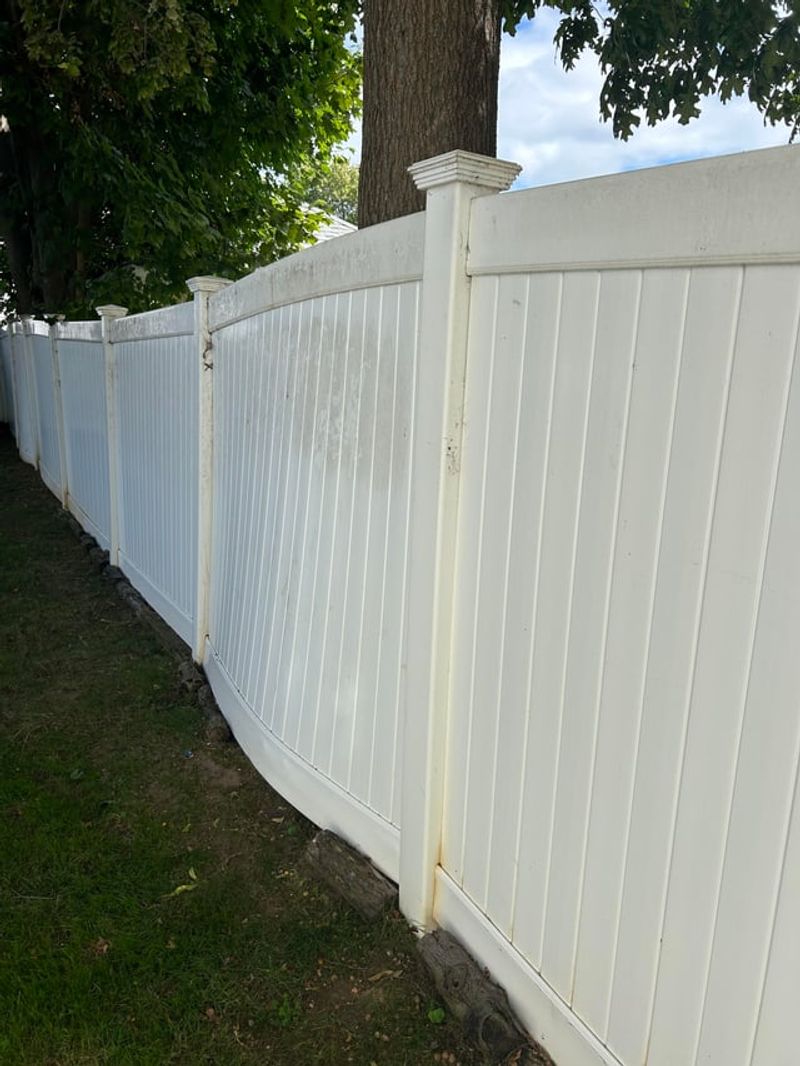
What do you do when a neighbor’s tree roots are cracking your driveway? Can you trim them without facing a lawsuit?
Unlike overhanging branches, roots present far more complex legal and safety challenges because cutting them can destabilize or harm the tree, potentially causing it to fall or decline in health over time.
In New York, property owners are generally permitted to cut roots encroaching on their land, but the risk of damaging the tree creates significant liability concerns.
A weakened tree could topple during a storm, causing injury or property damage for which you might be held responsible.
Professional evaluation is essential when dealing with root encroachment from large or mature trees.
Certified arborists can assess whether root cutting will compromise the tree’s stability and recommend safer alternatives, such as installing root barriers that redirect future growth without immediately weakening the tree.
When roots are actively damaging your property, cracking foundations, breaking pipes, or buckling driveways, you have a stronger legal basis for taking action.
Document all damage thoroughly with photographs and obtain estimates for repairs. In cases involving significant property impact or high-value trees, consulting an attorney before proceeding protects your interests and reduces potential liability.
By taking careful, documented steps, you can manage root encroachment safely, protect your property, and preserve the health and stability of the trees.
Municipal Ordinances And HOA Rules in New York
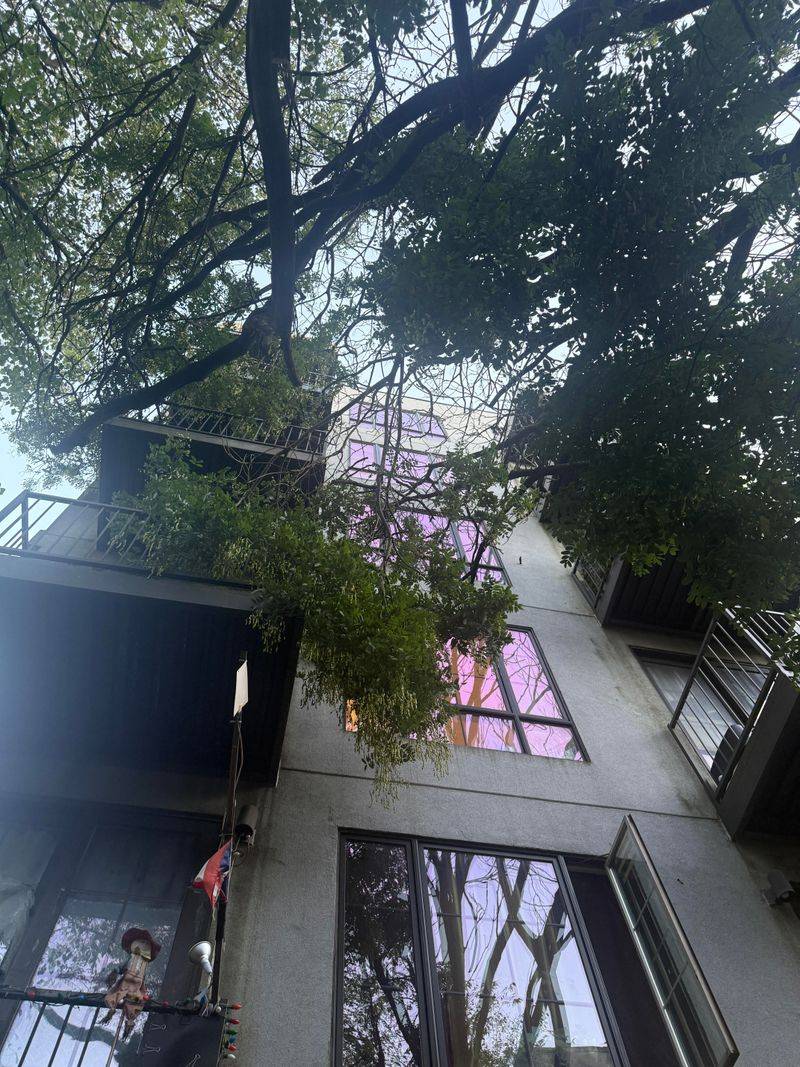
Before you grab the shears, remember: in New York, who owns the tree above your head or the roots beneath your feet isn’t always clear-cut.
Local ordinances often impose additional restrictions beyond state common law, and municipalities like New York City have detailed rules governing street trees, protected species, and vegetation in historic districts.
Even if your trimming would be legally permissible under common law, violating these regulations can result in fines or other penalties.
Street trees—those planted between sidewalks and streets—typically fall under municipal jurisdiction rather than private property rights.
In New York City, the Department of Parks and Recreation maintains authority over these trees and must approve or perform any trimming, even when branches extend onto private property.
Homeowners associations (HOAs) and cooperative housing arrangements frequently set their own rules regarding vegetation maintenance and property modifications.
These private agreements may require advance approval for trimming activities or mandate specific procedures for handling encroachment issues.
Reviewing your HOA covenants, conditions, and restrictions before cutting is essential, as violations can lead to fines or legal action from the association.
Certain historic districts, such as Brooklyn Heights or Greenwich Village, impose additional restrictions on altering vegetation visible from the street.
Homeowners in these areas must obtain approval from landmark preservation boards before making changes, ensuring that the historic character of the neighborhood is preserved.
Staying aware of local ordinances, private agreements, and preservation rules helps protect your property while avoiding costly legal problems.
When Formal Resolution Becomes The Best Option
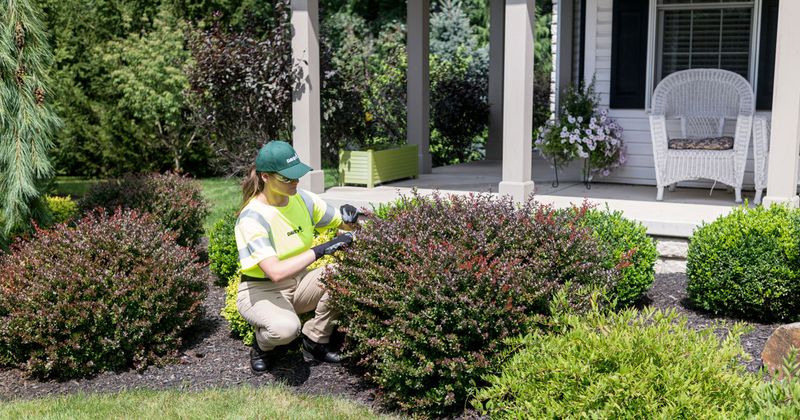
Most vegetation encroachment situations resolve through communication or self-help remedies, but some circumstances require judicial intervention.
Neighbors who repeatedly allow vegetation to encroach after you’ve trimmed it back, situations involving valuable plants where trimming risks significant liability, or disputes about property line locations may necessitate legal action.
Small claims courts in New York handle property disputes involving damages up to five thousand dollars, providing an accessible forum for resolving neighbor conflicts.
Obtaining a court order for vegetation removal or establishing clear property boundaries through legal action protects you when self-help measures prove inadequate or too risky.
Courts can order neighbors to maintain their vegetation or compensate you for damage. However, litigation should remain a last resort due to the expense, time commitment, and potential for permanently damaging neighbor relationships.
Mediation services offer an alternative to courtroom battles, with neutral third parties helping neighbors reach mutually acceptable solutions.
The New York State Unified Court System operates community dispute resolution centers throughout the state that provide affordable or free mediation services for neighbor disputes.