When Detroit Gardeners Should Start Tomatoes And Peppers In Michigan
Detroit gardeners know the excitement of planning a summer vegetable garden, but timing is everything when it comes to tomatoes and peppers.
Michigan winters tend to linger, and planting too early outdoors can set young plants back weeks. The key is getting a head start indoors before the weather fully cooperates.
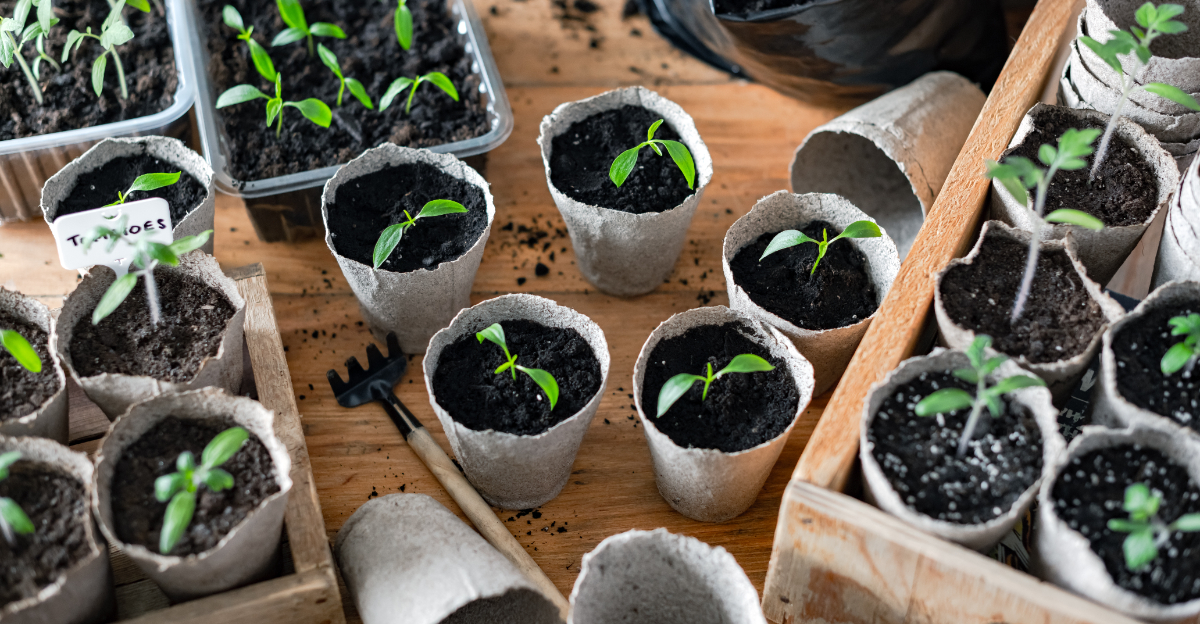
Across Detroit and much of Southeast Michigan, experienced gardeners begin their seeds indoors well before the last frost.
This extra time allows tomatoes and peppers to develop strong roots and sturdy stems while outdoor temperatures are still unpredictable.
By the time warm weather finally settles in, these plants are ready to grow quickly and produce heavily.
Starting seeds at the right moment can make a huge difference in how productive your garden becomes.
With a little planning and the right timing, Detroit gardeners can enjoy stronger plants, earlier harvests, and a far more successful growing season.
Detroit’s Average Last Frost Is In Early May
Planning your garden around frost dates is one of the smartest moves any Detroit gardener can make.
The Detroit area, located in southeastern Michigan, typically sees its last spring frost somewhere between May 1 and May 10.
That window is your green light to finally move warm-season crops outside safely and confidently. Both Solanum lycopersicum, commonly known as the tomato, and Capsicum annuum, the pepper, are highly sensitive to frost and cold soil.
Even a light frost can damage young seedlings that have been carefully grown indoors for weeks. Cold soil slows root development and puts serious stress on plants that crave warmth to grow strong.
Using the frost date as your anchor point makes calculating your seed-starting timeline much easier. Count backward from May 5 or so, and you will know exactly when to plant your seeds indoors.
Detroit gardeners who follow this method consistently produce healthier transplants and enjoy more productive gardens throughout the summer growing season.
Start Tomato Seeds About 6 To 8 Weeks Before The Last Frost

Mid-March in Detroit is the perfect time to grab your seed packets and get those tomato seeds going indoors.
Solanum lycopersicum seeds should be started 6 to 8 weeks before the last expected frost, which lands squarely in the mid-March to late March window for southeastern Michigan gardeners.
Starting at this time gives seedlings enough indoor growing time to become strong before heading outside. Sow your tomato seeds about one-quarter inch deep in a sterile seed-starting mix.
Avoid using regular garden soil, since it tends to compact and can carry pathogens that harm young seedlings.
A quality seed-starting mix keeps things light, airy, and perfectly suited for those tiny roots to spread out comfortably.
Seedlings started in this timeframe will be sturdy and well-developed by the time mid-May arrives in Detroit.
You want plants with thick stems and healthy green leaves, not tall, leggy sprouts that struggle outdoors.
Giving your tomatoes the right indoor head start means they hit the ground running once they finally make it into your Michigan garden beds.
Start Pepper Seeds Earlier Than Tomatoes
Peppers are a bit more demanding than tomatoes when it comes to getting started, and Detroit gardeners quickly learn this lesson.
Capsicum annuum seeds should be started indoors 8 to 10 weeks before the last frost date, which means early to mid-March is your sweet spot in southeastern Michigan.
Some experienced growers even push it to late February for extra-thick, well-rooted transplants.
The reason peppers need that extra time is straightforward. They simply grow more slowly than tomatoes, and rushing them does not work in your favor.
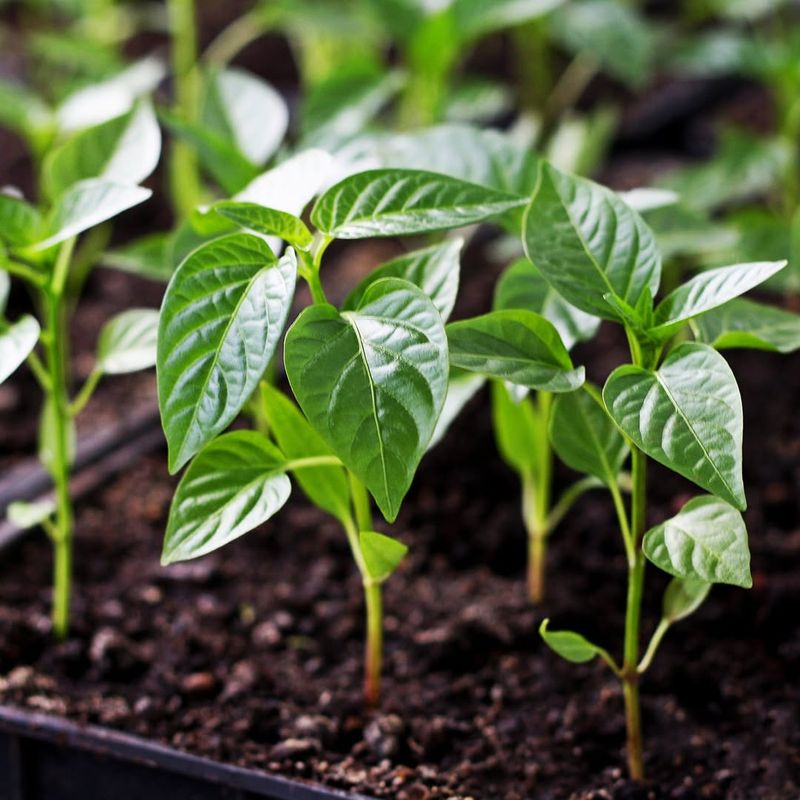
A pepper seedling that gets only 6 weeks of indoor growth often looks pale and underdeveloped compared to one that had a full 8 to 10 weeks to mature properly under good light.
Starting peppers early gives them the indoor runway they need to develop strong root systems and sturdy stems.
By the time late April rolls around in Detroit, well-started pepper plants will look noticeably more robust and ready for the transition outdoors.
Giving these slower growers extra weeks indoors is one of the easiest ways to guarantee a more rewarding pepper harvest all summer long.
Warm Soil Helps Pepper Seeds Germinate
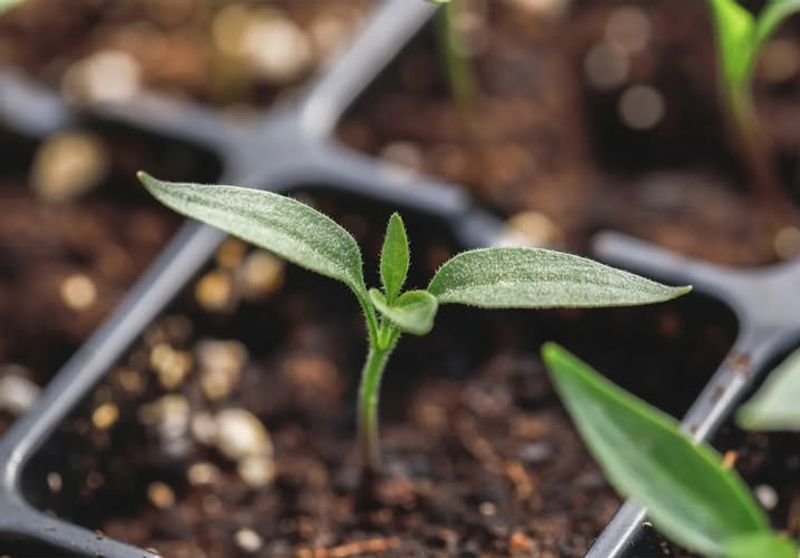
Here is something that surprises many first-time pepper growers in Detroit. Pepper seeds need soil temperatures between 75 and 85 degrees Fahrenheit to germinate well, and most Michigan homes in early spring simply do not reach that warmth naturally.
Unheated rooms, drafty windows, and cold basement floors can all slow germination or prevent it entirely if you are not careful.
Seedling heat mats are a game-changer for Detroit gardeners starting Capsicum annuum indoors in March.
These affordable mats sit beneath your seed trays and gently warm the soil from below, hitting that ideal temperature range consistently.
Most pepper growers see significantly faster and more even germination when they use a heat mat compared to leaving trays on a regular countertop.
Once your pepper seeds sprout, you can remove the heat mat and focus on providing plenty of light instead.
The germination phase is where heat matters most, and getting through it successfully sets the whole season up for success.
Many Detroit gardeners consider a heat mat one of the best investments they have made for their indoor seed-starting setup, especially when growing peppers in a Michigan spring.
Tomatoes Germinate Well In Slightly Cooler Conditions
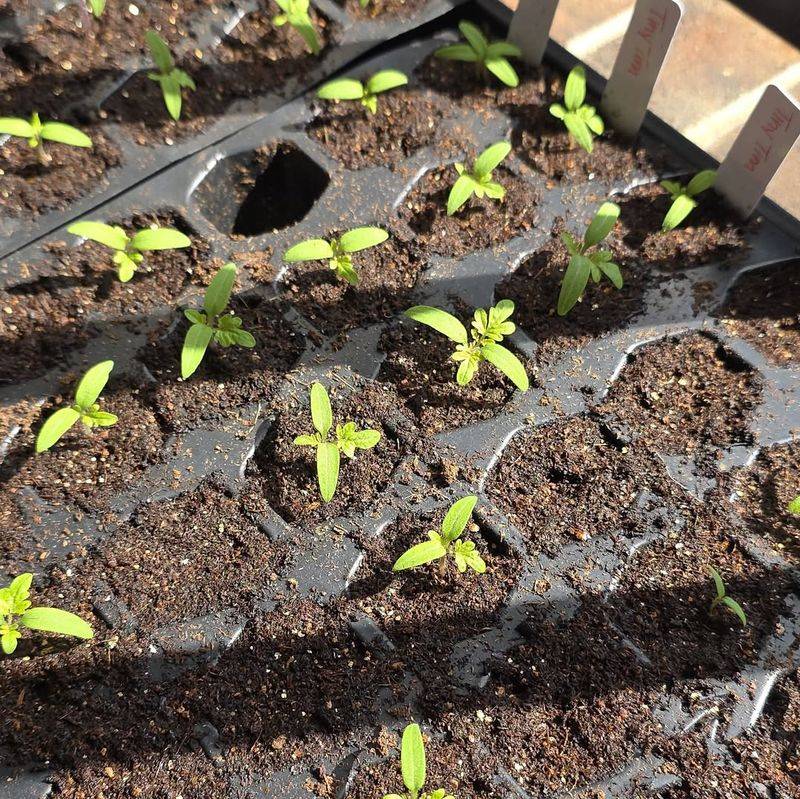
One of the reasons tomatoes are so popular with Detroit gardeners is that they are genuinely forgiving to start indoors.
Solanum lycopersicum seeds germinate best at soil temperatures between 75 and 80 degrees Fahrenheit, a range that most Michigan homes naturally maintain during late winter and early spring.
You do not need a heat mat, though using one certainly speeds things along nicely. Keeping your seed trays evenly moist is just as important as temperature during germination.
Dry soil causes seeds to stall, while overly soggy conditions can lead to mold and rot that damages seedlings before they even get started.
A light misting with a spray bottle every day or two usually keeps moisture levels right where they need to be.
Most tomato seeds will sprout within 5 to 10 days under good conditions, which feels incredibly rewarding after a long Michigan winter.
Once those first green sprouts appear, move your trays to the brightest spot available or place them under grow lights to encourage compact, healthy growth.
Tomatoes respond quickly to light and warmth, and Detroit gardeners who provide both from the start are rewarded with strong, vigorous plants ready for the garden in May.
Harden Off Seedlings Before Moving Outdoors
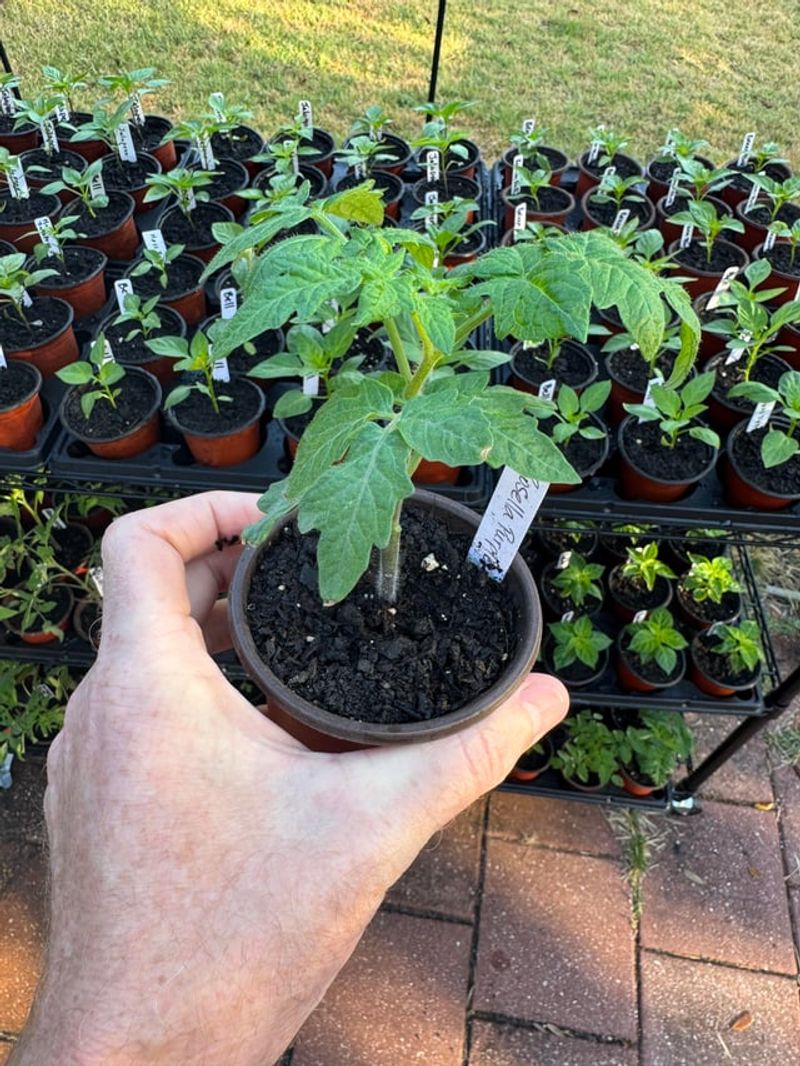
After weeks of careful indoor growing, it might be tempting to just move your seedlings straight outside the moment Detroit’s weather warms up.
Resist that urge, because the hardening off process is genuinely important for plant survival and long-term success.
Seedlings grown indoors under controlled conditions need time to adjust to the real world of wind, direct sun, and fluctuating temperatures.
Start hardening off your tomato and pepper plants about 7 to 10 days before you plan to transplant them, usually in late April or early May in southeastern Michigan.
On the first day, set them outside in a sheltered, shady spot for just an hour or two, then bring them back inside.
Gradually increase their outdoor time each day, introducing more direct sunlight and cooler air as the days go on.
By the end of the hardening off period, your seedlings should be spending most of the day outside without any signs of stress.
Leaves that droop, curl, or look bleached are signs you may be moving too fast, so slow down if needed.
Detroit gardeners who take this gradual approach end up with transplants that settle into garden soil quickly and start producing much sooner than plants that skipped this critical adjustment period.
Wait For Warm Soil Before Transplanting
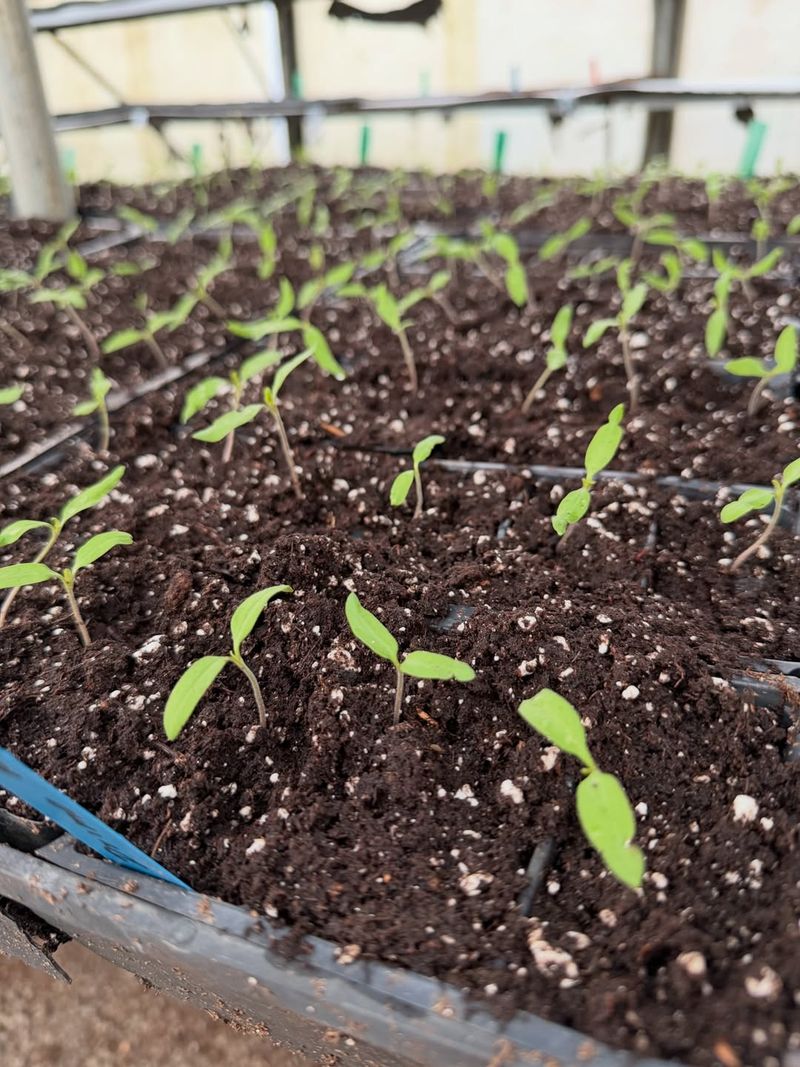
Soil temperature is something Detroit gardeners cannot afford to ignore when transplant time arrives.
Tomatoes need soil that has reached at least 60 degrees Fahrenheit before going in the ground, while peppers prefer it even warmer at around 65 degrees.
Planting into cold Michigan soil, even after the air has warmed up nicely, can stunt root growth and set your plants back by several weeks.
A simple soil thermometer, available at most garden centers, takes the guesswork out of this decision completely.
Push it a few inches into the ground in your planting area and check the reading in the morning when soil temperatures are at their coolest.
If the numbers are not there yet, wait a few more days and check again before committing to transplanting.
In the Detroit area, soil temperatures typically hit the safe zone for tomatoes and peppers sometime between early and mid-May, right around when the last frost threat has also passed.
Waiting for both conditions to align before transplanting gives your seedlings the best possible start in the Michigan garden.
Plants moved into warm, frost-free soil establish quickly, grow vigorously, and reward patient Detroit gardeners with an impressive and satisfying summer harvest.