When Hydrangeas Bloom In Michigan And How To Get Bigger, Better Flowers
Hydrangeas are a favorite for anyone growing a garden in Michigan because they bring so much life to the yard.
These stunning shrubs burst into massive clouds of color every summer and make any outdoor space feel like a professional landscape.
Understanding exactly when your flowers will open and how to help them reach their full size can completely change your results this year.
You do not need to be an expert to get those huge, show-stopping blooms that everyone loves to see. The unique climate in Michigan offers the perfect setting for these plants to grow strong and healthy if you know a few simple tricks.
We have gathered eight essential facts to help you get the very best flowers from your bushes all season long. Your home will quickly become the most colorful spot on the block with these easy tips.
1. Hydrangea Bloom Times Depend On Variety
Not all hydrangeas bloom at the same time, and that is actually great news for Michigan gardeners.
Different varieties have their own schedules, which means you can plan your garden to have color from early summer all the way through fall. Knowing which type you have makes a huge difference in how you care for it.
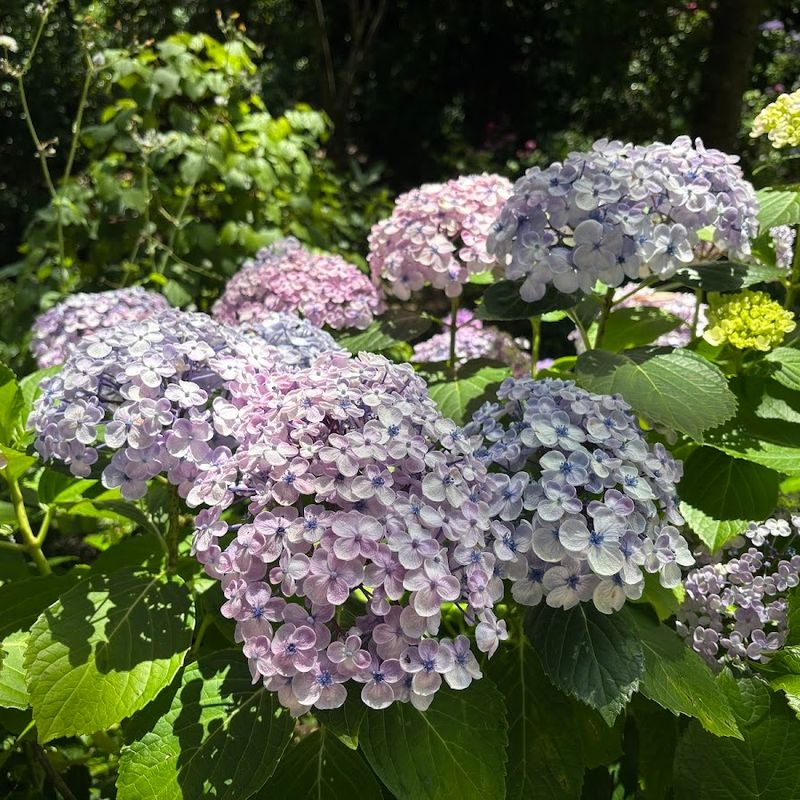
Bigleaf hydrangeas, like the popular Nikko Blue, typically start blooming in early to mid-June in Michigan, with peak flowers showing up in July.
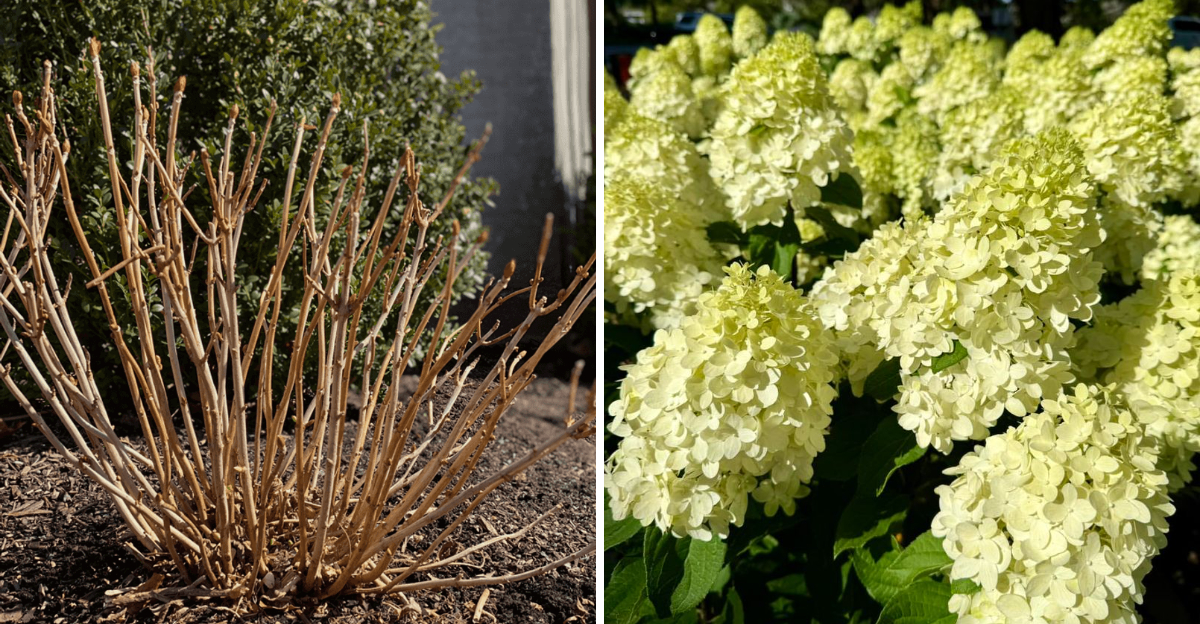
Panicle hydrangeas, such as the beloved Limelight variety, hold off until midsummer around July and keep going strong into October.
Smooth hydrangeas like Annabelle usually kick off in late June and peak through July and August. Michigan’s climate plays a real role in shifting these bloom windows.
A cool, wet spring can push blooms a little later, while a warmer season might bring them on sooner. Planting a mix of varieties is a smart move because you get a longer overall bloom season.
Panicle hydrangeas are especially popular across Michigan since they handle the state’s cold winters really well and still deliver an impressive floral show every single year without much fuss from the gardener.
2. Bigleaf Hydrangeas May Have Delayed Blooms After Harsh Winters
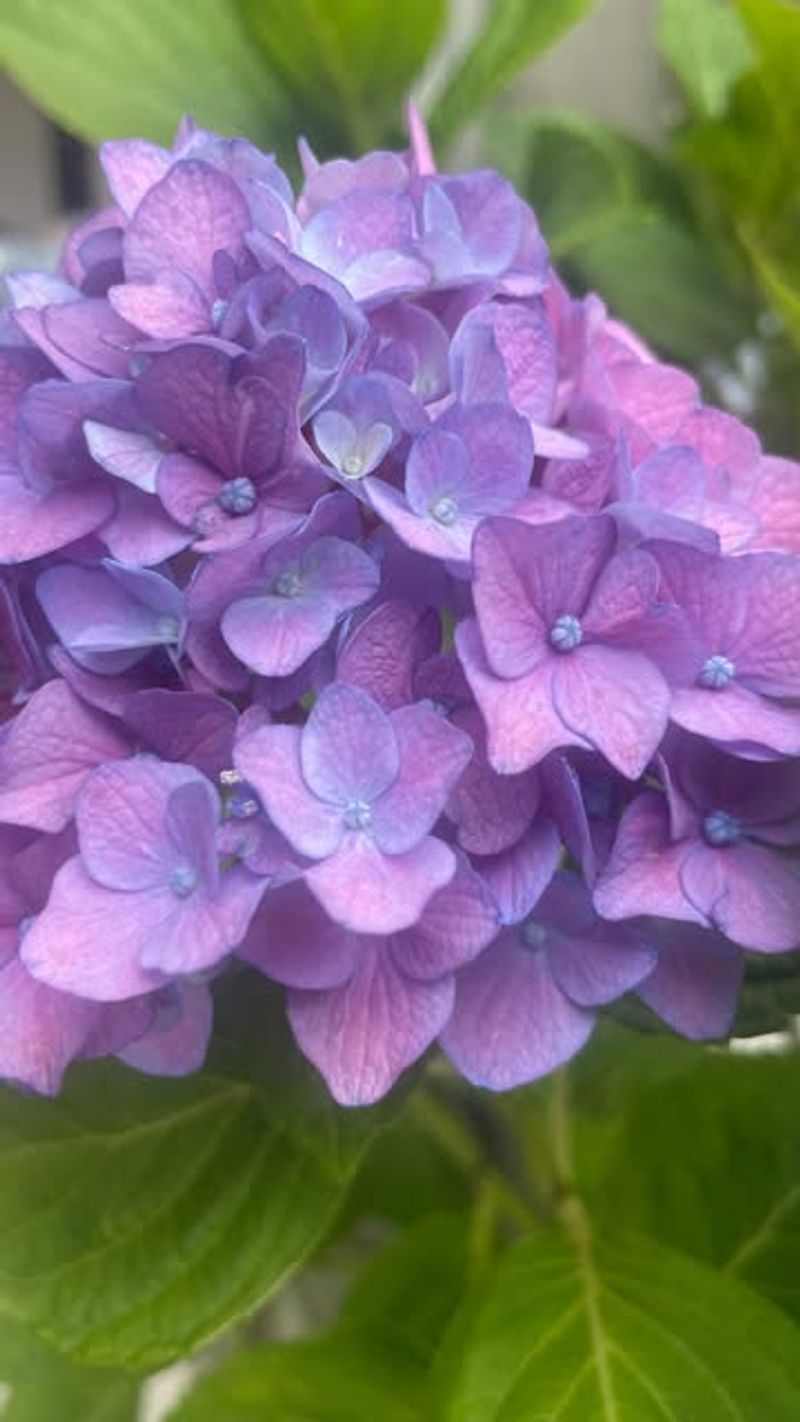
Bigleaf hydrangeas are the most popular type planted across Michigan, and gardeners absolutely adore their big, colorful blooms. But here is something many people do not realize until it is too late in the season.
These beauties bloom on old wood, meaning the flower buds form on the previous year’s stems during fall and then survive winter to bloom the following spring.
Michigan sits in hardiness zones 5 and 6, and winters here can get seriously cold. When temperatures drop too low, those tender buds on bigleaf hydrangeas can get damaged before they ever get a chance to open.
After a particularly rough winter, you might notice your plant looks healthy and green but produces very few or even no flowers at all.
The good news is that the plant itself usually survives just fine. Protecting your bigleaf hydrangeas before winter arrives can save those precious buds.
Wrapping the shrubs loosely with burlap or piling leaves around the base creates insulation that buffers against extreme cold.
Some Michigan gardeners also plant bigleaf hydrangeas near a south-facing wall or fence, which naturally holds heat and shields the buds.
With a little preparation each fall, you can dramatically improve your chances of seeing a full, gorgeous bloom display come the following summer, even after a tough Michigan winter.
3. Panicle Hydrangeas Are Hardier And Bloom Reliably
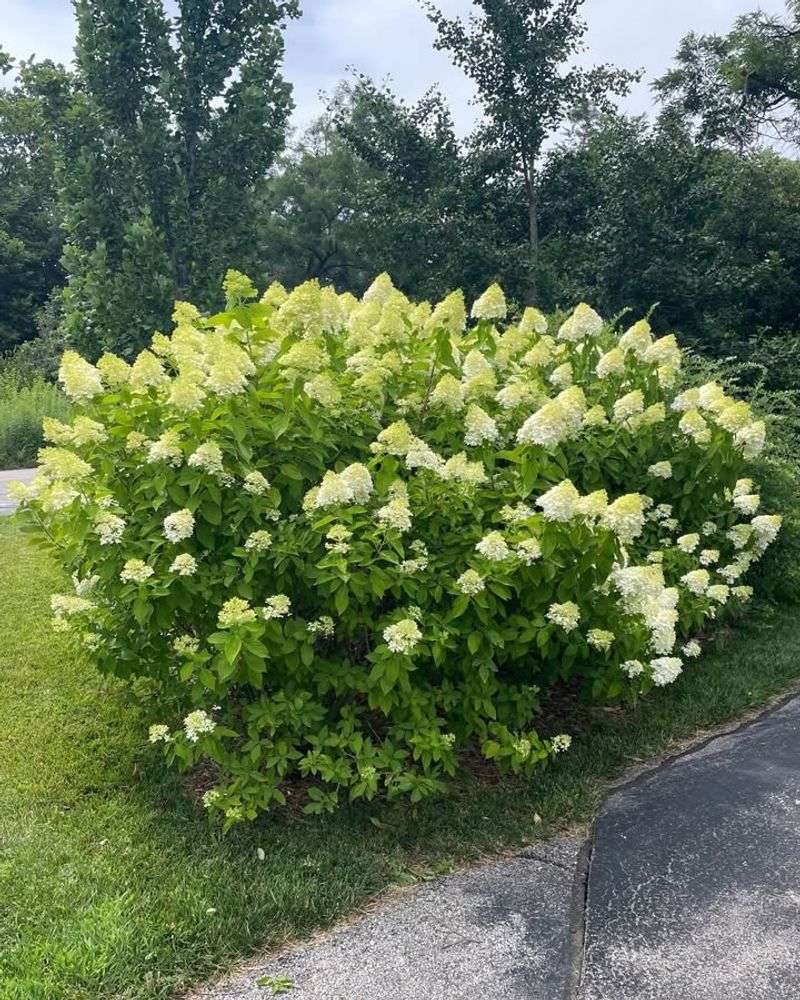
If you want a hydrangea that truly thrives in Michigan without much drama, panicle hydrangeas deserve a serious look.
These tough, cold-hardy shrubs handle Michigan’s unpredictable winters better than almost any other hydrangea variety.
They bloom on new wood each year, which means even if the top growth gets nipped by frost, new stems will grow and still produce flowers that same summer.
Panicle hydrangeas typically start blooming in July and keep going well into October, giving Michigan gardens color deep into the fall season.
Their flowers are cone-shaped rather than round, and they shift from creamy white to shades of pink and even burgundy as the season progresses.
Varieties like Limelight, Bobo, and Quick Fire are especially popular with Michigan gardeners for their reliability and size.
These plants can handle full sun better than bigleaf types, making them flexible for different spots in the yard.
They grow fast, sometimes reaching six feet or taller in just a few seasons, and their sturdy stems hold up well even in wind and rain.
For anyone who has struggled with finicky hydrangeas that refused to bloom after a cold winter, switching to panicle hydrangeas can feel like a total game changer.
They are low-maintenance, stunning, and perfectly suited for the Michigan growing season from start to finish.
4. Soil pH Affects Hydrangea Flower Color
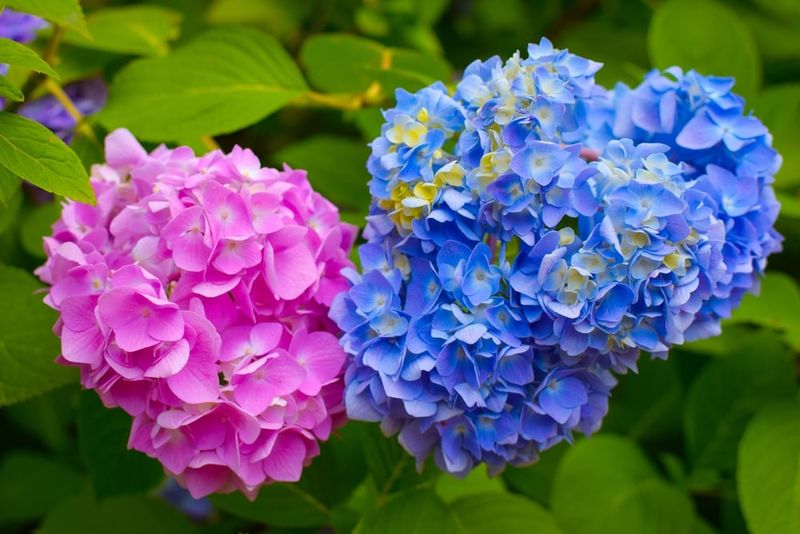
One of the most fascinating things about growing hydrangeas in Michigan is that you can actually influence what color the flowers turn out to be. It sounds almost like magic, but the science behind it is pretty straightforward.
The pH level of your soil determines how much aluminum the plant absorbs, and that directly affects bloom color in bigleaf hydrangeas.
Acidic soil with a pH below 6 encourages blue blooms, while alkaline soil above pH 7 pushes the flowers toward pink.
Neutral soil somewhere in the middle often produces a mix of both, sometimes showing lavender or purple tones.
Michigan soils vary quite a bit across the state, so testing your soil before planting is always a smart first step. To nudge blooms toward blue, gardeners can add aluminum sulfate to lower the soil pH gradually over time.
For pink flowers, adding garden lime raises the pH and shifts the color in the other direction. Changes do not happen overnight, so patience is key when adjusting soil chemistry.
It is worth noting that white-flowering varieties like Annabelle and most panicle hydrangeas do not change color based on soil pH at all. Only bigleaf hydrangeas respond to these changes.
Testing your Michigan garden soil every spring gives you the best starting point for achieving the exact flower color you are going for this season.
5. Proper Pruning Time Promotes Better Blooms
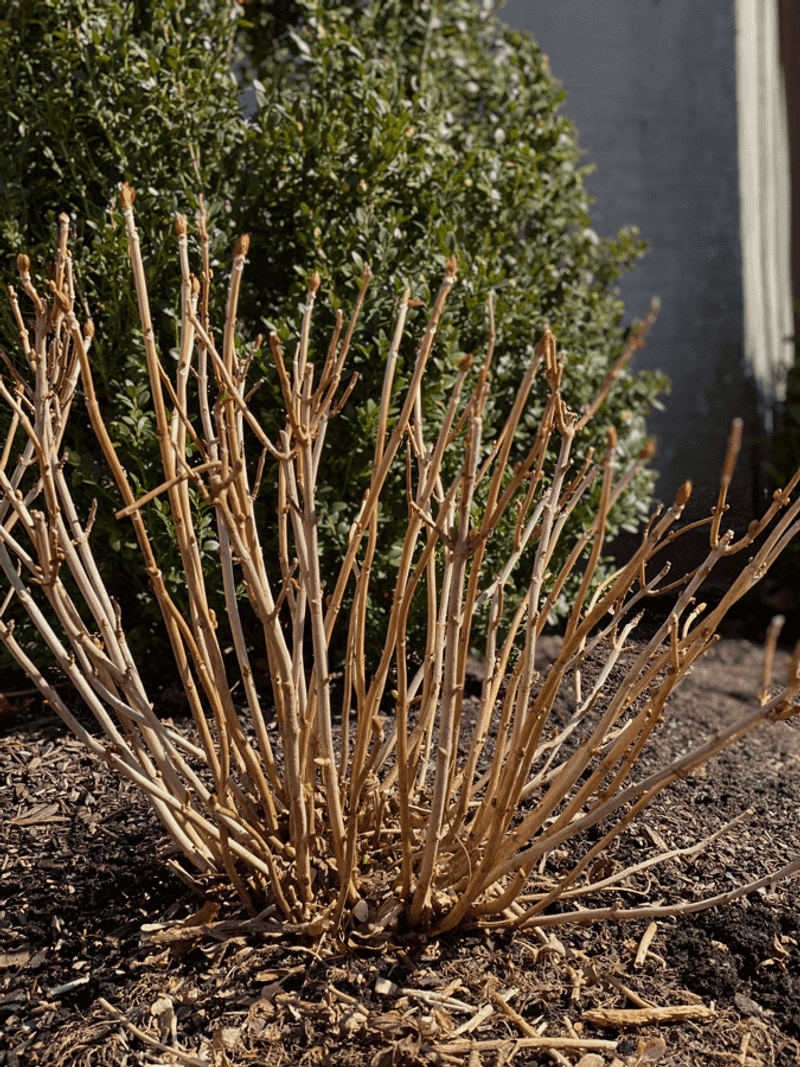
Pruning hydrangeas at the wrong time is one of the most common mistakes Michigan gardeners make, and it can cost you an entire season of blooms.
The good news is that once you understand which type of hydrangea you have, figuring out when to prune becomes much simpler. Timing really is everything when it comes to getting those big, showstopping flowers.
Panicle hydrangeas and smooth hydrangeas bloom on new wood, meaning they grow fresh stems each spring that carry the flowers.
For these types, prune in late winter or early spring, around February or March in Michigan, before new growth kicks in.
Cutting them back at this time encourages strong new stems and larger flower clusters throughout the summer.
Bigleaf hydrangeas are a completely different story because they bloom on old wood. Pruning them in fall or early spring removes the buds that were already set the previous year, which means no flowers come summer.
The right time to prune bigleaf hydrangeas is right after they finish blooming, usually by late July or August at the latest. A light cleanup trim is all they really need.
Removing faded blooms and any weak or crossing stems keeps the plant healthy and tidy without sacrificing next year’s flower production.
Getting this timing right is one of the biggest steps toward a truly spectacular hydrangea display in your Michigan garden.
6. Hydrangeas Need The Right Amount Of Sun
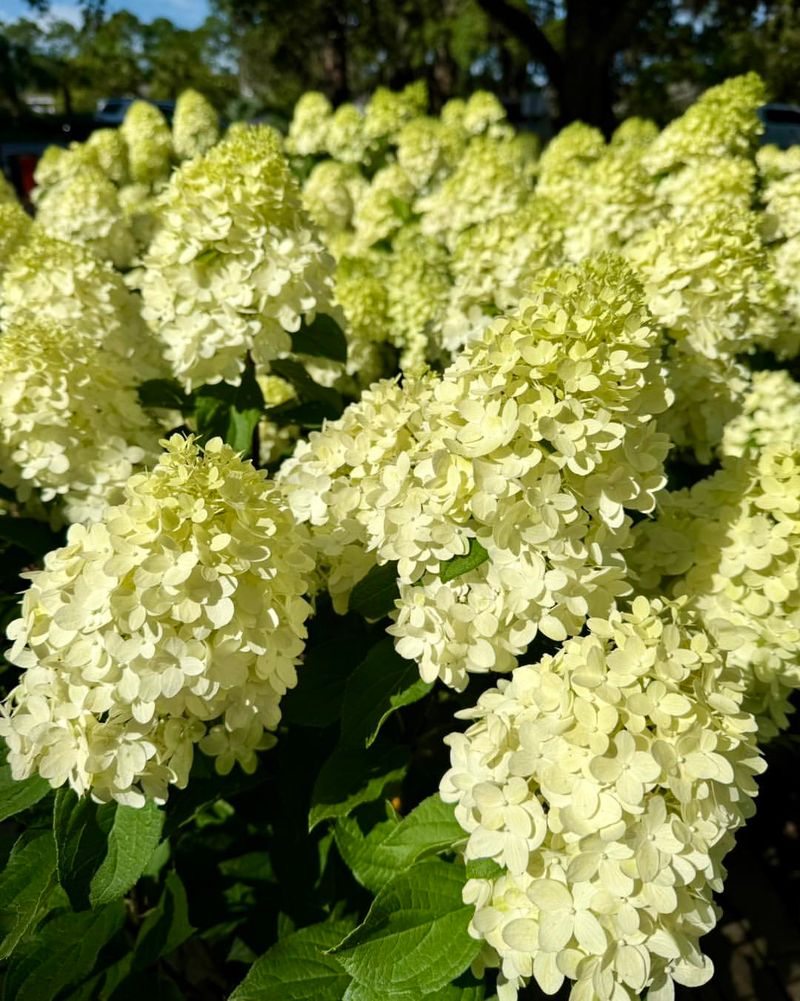
Sunlight is one of the biggest factors that determines how well your hydrangeas bloom in Michigan, and getting it right can make a noticeable difference in flower size and quantity.
Many gardeners assume more sun always means more flowers, but that is not quite the full picture with hydrangeas.
The type of hydrangea you are growing matters a lot when choosing where to plant it. Panicle hydrangeas are the sun lovers of the group and handle full sun with ease.
They actually perform their best with six or more hours of direct sunlight each day, and Michigan’s summer sun suits them perfectly.
Bigleaf hydrangeas, on the other hand, appreciate a bit of protection from the intense afternoon heat, especially during Michigan’s warmer July and August days.
For bigleaf varieties, a spot that gets bright morning sun and gentle afternoon shade is often ideal. East-facing garden beds or areas near taller shrubs that block the late-day sun work beautifully for this purpose.
Too much intense sun can cause the large leaves to wilt and the blooms to fade faster than they should.
Aim for at least four to six hours of daily sunlight for any hydrangea variety to ensure strong, healthy flowering.
Planting in the right location from the start saves a lot of frustration later and sets your Michigan hydrangeas up for a truly impressive bloom season every year.
7. Fertilizing Hydrangeas Encourages Larger Blooms
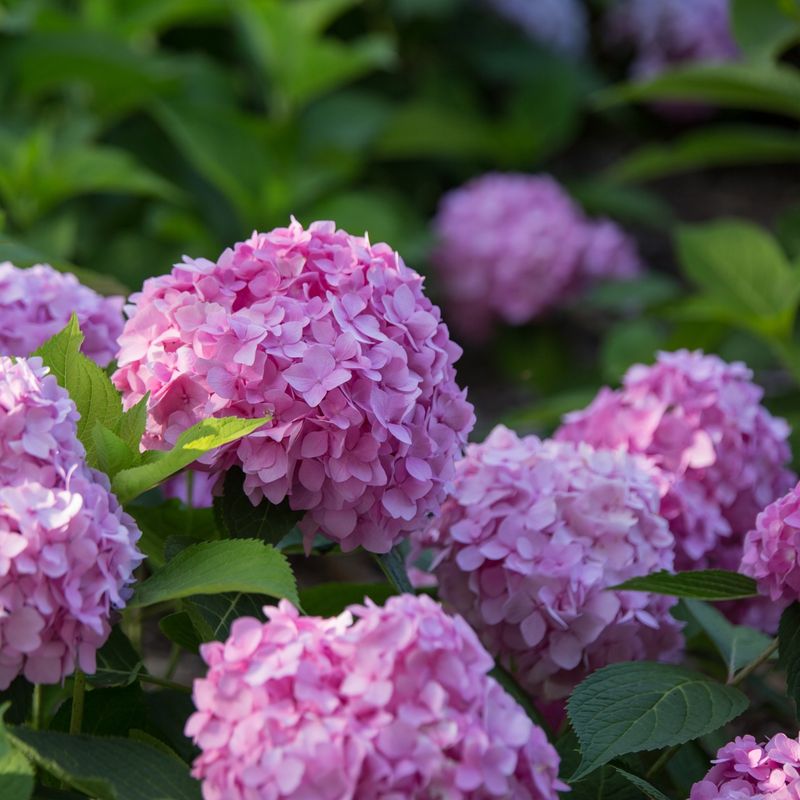
Feeding your hydrangeas the right way can genuinely take your blooms from decent to absolutely stunning.
Many Michigan gardeners skip fertilizing altogether or do it at the wrong time, and the flowers end up smaller and less vibrant than they could be. A little attention to nutrition goes a long way when it comes to these beautiful shrubs.
The best time to fertilize hydrangeas in Michigan is early spring, right as new growth starts pushing out.
A balanced, slow-release fertilizer works really well because it feeds the plant steadily over several weeks rather than all at once.
Look for a fertilizer with roughly equal parts nitrogen, phosphorus, and potassium, often labeled as a balanced formula like 10-10-10.
One thing to watch out for is over-fertilizing, especially with high-nitrogen products. Too much nitrogen pushes the plant into producing lots of lush green leaves but very few flowers, which is the opposite of what most gardeners want.
For reblooming varieties, a second lighter feeding in early summer can help support a second flush of blooms.
Avoid fertilizing late in the season, since that can push out tender new growth right before Michigan winters set in.
Sticking to a simple, consistent fertilizing routine each spring gives your hydrangeas the nutritional foundation they need to produce bigger, more colorful, and more abundant blooms throughout the entire growing season.
8. Consistent Watering Is Key For Bigger Blooms
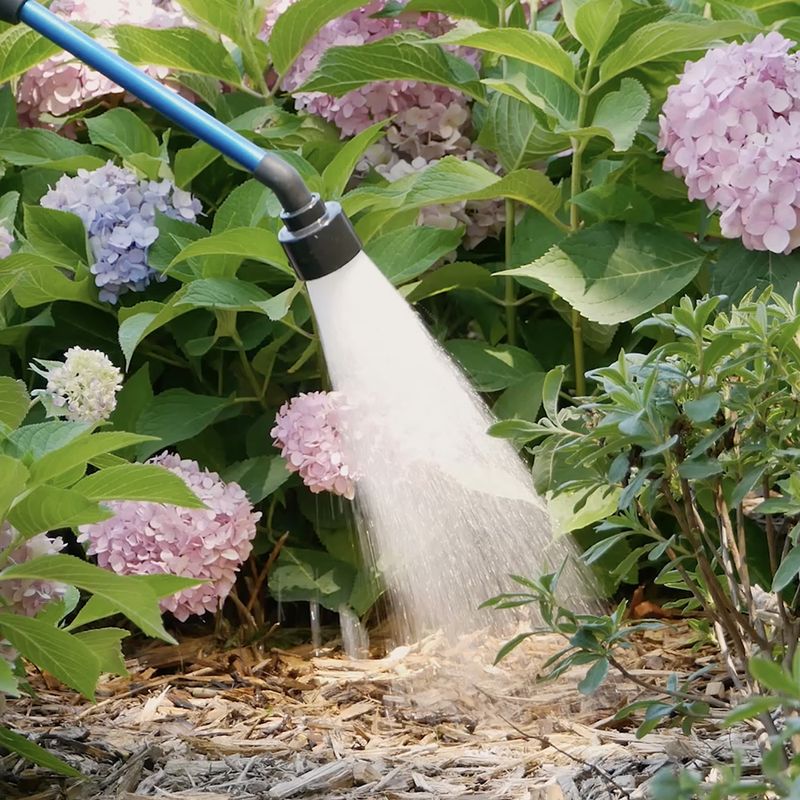
Hydrangeas practically wear their water needs on their sleeves, and the name itself gives it away. The word hydrangea actually comes from the Greek word for water vessel, which tells you a lot about what these plants need to thrive.
Keeping up with consistent watering in Michigan, especially during the warm summer months, is one of the most direct ways to support bigger, healthier blooms.
These plants prefer moist, well-drained soil that never stays soggy but also never dries out completely between waterings.
During Michigan’s summer dry spells, which can happen in July and August, irregular watering puts real stress on the plant.
That stress often shows up as wilting leaves, smaller flower heads, or blooms that fade much faster than they should.
Watering deeply once or twice a week works much better than light, frequent watering because it encourages roots to grow deeper into the soil. Deep roots help the plant access moisture even during brief dry periods.
Morning is the best time to water because it allows the leaves to dry out before evening, which reduces the risk of fungal issues.
Adding a two to three inch layer of mulch around the base of each plant helps the soil hold moisture between waterings.
In Michigan’s sometimes unpredictable summer weather, that mulch layer acts like a buffer that keeps your hydrangeas comfortable, hydrated, and blooming at their very best all season long.