When Is The Best Time To Plant Potatoes In Pennsylvania
Potatoes are one of the most satisfying crops to grow, but in Pennsylvania, timing can make or break your harvest. Spring weather often swings between chilly mornings, soggy soil, and sudden warm spells, so knowing when to plant is key to getting strong, healthy plants.
Potatoes thrive in cool conditions, and planting too early in cold, waterlogged ground can slow sprouting or cause rot. Wait too long, though, and rising temperatures may shorten the growing season and reduce yields.
The sweet spot comes when soil begins to warm slightly while frost risks start to fade, giving seed potatoes the perfect environment to establish roots and push up vigorous shoots.
With the right timing, your plants will grow steadily through spring, forming hearty tubers beneath the soil.
Whether you are new to gardening or a seasoned grower, understanding Pennsylvania’s ideal planting window can lead to a bigger, tastier, and more rewarding potato harvest.
1. Potatoes In Pennsylvania Gardens
Timing makes or breaks your potato crop in Pennsylvania. Potatoes are cool-season vegetables that need specific temperature conditions to thrive.
Plant them too early when the soil is still frozen or waterlogged, and the seed potatoes may rot before they sprout. Wait too long, and the summer heat arrives before the tubers have time to develop properly.
Pennsylvania’s climate offers an ideal growing season for potatoes when you time things right. The state’s cool springs provide perfect conditions for establishing strong root systems and healthy foliage.
These early growing weeks are critical because potatoes form their tubers during the cooler parts of the season. Once temperatures consistently reach the upper 80s, tuber formation slows down significantly.
Getting your potatoes in the ground at the right moment gives them the longest possible cool growing period. This extended timeline allows plants to produce larger, more numerous tubers.
Early planting also means earlier harvests, which lets you enjoy fresh potatoes sooner and potentially plant a second crop of other vegetables in the same space.
The benefits extend beyond just yield size. Properly timed planting reduces disease pressure because plants establish themselves before many common potato pests become active.
Strong, established plants also handle environmental stress better than weak, rushed plantings.
Pennsylvania gardeners who master timing consistently report healthier plants, fewer problems with pests and diseases.
They have better harvests compared to those who plant on arbitrary dates without considering local conditions and climate patterns specific to their region.
2. Understanding Pennsylvania Climate Zones
Pennsylvania stretches across several climate zones, creating different growing conditions depending on where you live. The state divides roughly into three main regions: Southern, Central, and Northern Pennsylvania.
Each zone experiences different average temperatures, frost dates, and growing season lengths. Understanding your specific zone helps you make smart planting decisions.
Southern Pennsylvania, including areas around Philadelphia, Lancaster, and York, enjoys the warmest conditions. This region typically sees its last spring frost between mid-March and early April.
Soil temperatures warm up faster here, allowing earlier planting dates. Gardeners in this zone often get a head start of two to three weeks compared to their northern neighbors.
Central Pennsylvania, covering Harrisburg, State College, and surrounding counties, falls in the middle range. Last frost dates usually occur in mid to late April.
The growing season is slightly shorter than the south but still provides plenty of time for excellent potato crops. Soil warming happens more gradually, requiring patience before planting.
Northern Pennsylvania, including Erie, Scranton, and the mountainous regions, experiences the coolest conditions. Last frost dates can extend into early May in some areas.
Soil takes longer to reach the ideal planting temperature of 45 to 50 degrees Fahrenheit. However, the cooler summer temperatures in this region can actually benefit potato growth during the crucial tuber development phase.
Knowing your zone’s typical patterns helps you avoid costly mistakes and plan your planting schedule with confidence for Pennsylvania’s varied landscape.
3. Best Planting Windows By Region
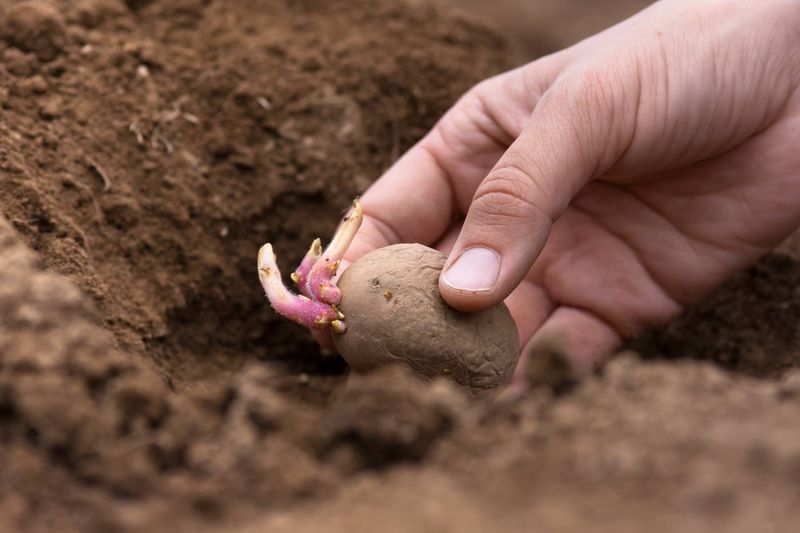
Southern Pennsylvania gardeners can typically start planting potatoes from mid to late March. The soil in this region warms quickly after winter, reaching the necessary 45-degree threshold earlier than other parts of the state.
Watch your local weather forecasts and use a soil thermometer to confirm temperatures before planting. Even in southern counties, unusually cold springs may require waiting a bit longer.
Central Pennsylvania’s ideal planting window opens from late March through early April. This region needs a few extra weeks for soil to warm adequately after winter.
Planting during this timeframe gives potatoes enough cool weather to establish strong growth before summer heat arrives. Many experienced gardeners in Harrisburg and surrounding areas aim for the first or second week of April as their target date.
Northern Pennsylvania requires the most patience, with planting windows typically opening in early to mid-April. Some higher elevation areas might not be ready until late April.
The shorter growing season means choosing appropriate potato varieties becomes especially important. However, the naturally cooler summers work in your favor for producing high-quality tubers.
These timing recommendations factor in both frost risk and soil warming patterns. Soil temperature matters more than air temperature because cold, wet soil leads to rot problems.
Frost risk remains a consideration because while potato plants can tolerate light frost, hard freezes damage emerging foliage. Pennsylvania’s unpredictable spring weather means staying flexible with your planting schedule.
Monitor conditions closely and be prepared to adjust based on the specific weather patterns your region experiences each year.
4. Selecting The Right Potato Varieties For Pennsylvania
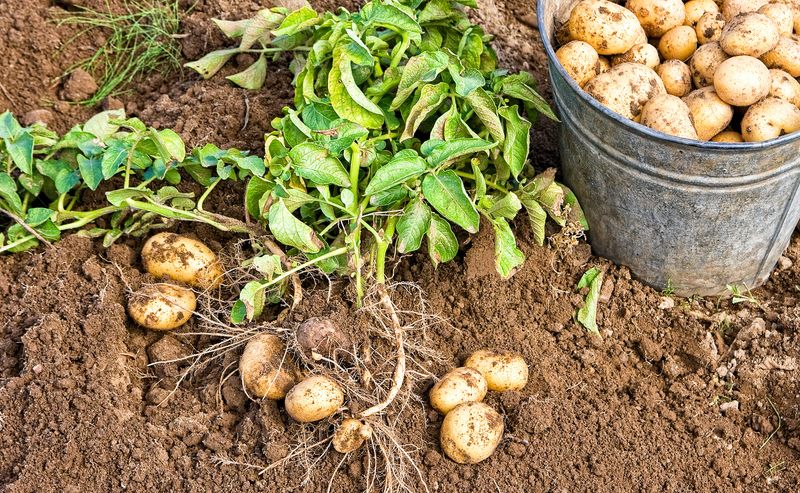
Choosing appropriate potato varieties for Pennsylvania’s climate significantly impacts your harvest success. Cold-tolerant varieties handle the state’s unpredictable spring weather better than heat-loving types.
Early-season varieties mature in 70 to 90 days, making them perfect for Pennsylvania’s growing conditions. Popular early varieties include Yukon Gold, Red Norland, and Irish Cobbler, all of which produce well across the state.
Mid-season potatoes take 90 to 110 days to reach maturity. These varieties work wonderfully in all Pennsylvania regions, giving you larger yields than early types while still maturing before intense summer heat.
Kennebec, Superior, and Carola are excellent mid-season choices. They balance production time with yield size, making them favorites among Pennsylvania gardeners who want versatility.
Late-season varieties require 110 to 140 days to mature fully. These work best in northern Pennsylvania where cooler summer temperatures extend the comfortable growing period.
Katahdin, Russet Burbank, and German Butterball are solid late-season options. Southern Pennsylvania gardeners can grow these too but need to plant early and provide consistent moisture during summer heat.
Matching variety to your specific location and goals makes gardening easier. If you want new potatoes quickly, focus on early varieties.
For storage potatoes that last through winter, late-season types develop thicker skins. Many Pennsylvania gardeners plant a combination of varieties, staggering harvests from early summer through fall.
This strategy provides fresh potatoes throughout the growing season while building up storage supplies.
Disease resistance also varies by variety, so research which types handle Pennsylvania’s common potato diseases best for your area.
5. Soil Preparation And Planting Tips
Proper soil preparation sets the foundation for healthy potato plants in Pennsylvania. Start by choosing a sunny location that receives at least six hours of direct sunlight daily.
Potatoes prefer loose, well-draining soil with a slightly acidic pH between 5.0 and 6.5. Work compost or aged manure into your soil several weeks before planting to improve texture and add nutrients.
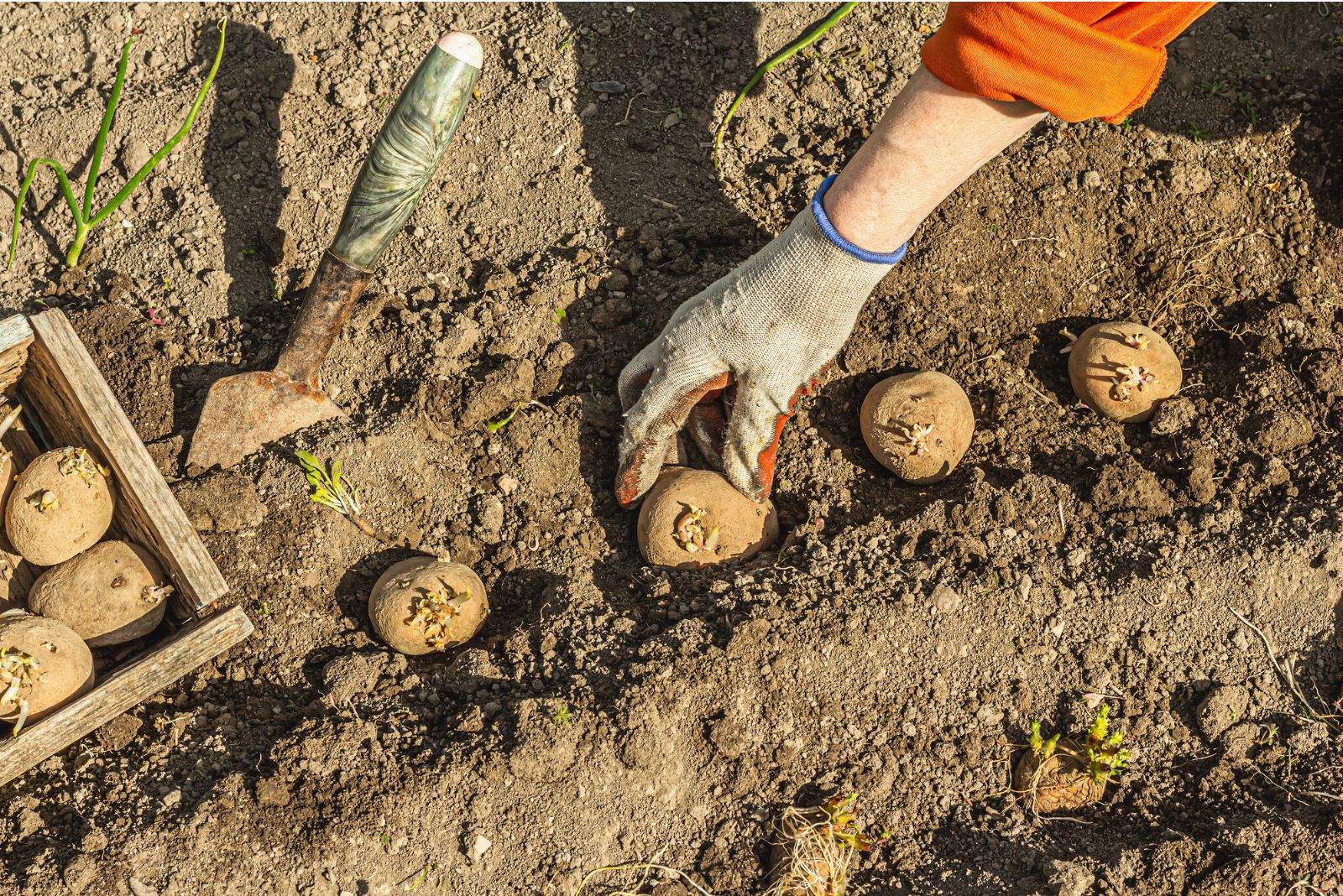
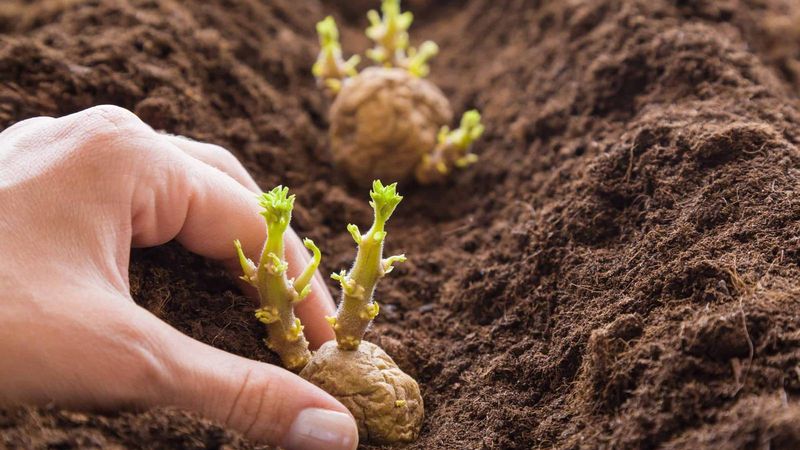
Cut seed potatoes into pieces about two inches across, making sure each piece has at least two eyes. Let cut pieces sit for a day or two to form a protective callus over the cut surfaces.
This step reduces rot risk when pieces go into cool, damp spring soil. Some Pennsylvania gardeners prefer planting small whole seed potatoes to avoid cutting altogether.
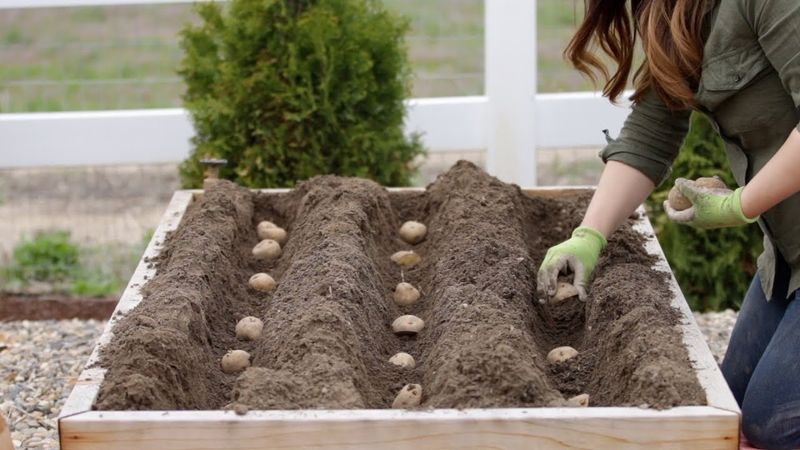
Create rows or raised beds for your potatoes. Raised beds work exceptionally well in Pennsylvania because they warm faster in spring and drain better during heavy rains.
Space rows about three feet apart to allow room for hilling later. Plant seed pieces four inches deep and twelve inches apart within rows.
Deeper planting protects developing tubers from light exposure and temperature fluctuations.
Add a balanced fertilizer at planting time, following package directions carefully. Too much nitrogen produces lush foliage but fewer tubers.
Organic options like fish emulsion or composted chicken manure work well for Pennsylvania gardens. Cover planted pieces with soil and water gently but thoroughly. Consistent moisture during the first few weeks encourages strong sprouting.
Pennsylvania’s spring rains usually provide adequate moisture, but check soil regularly and water during dry spells to ensure successful establishment.
6. Post-Planting Care
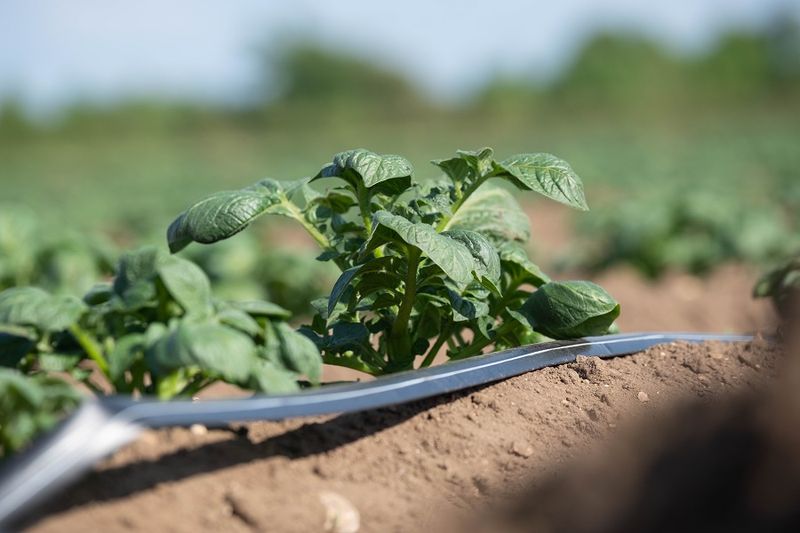
Consistent moisture throughout the growing season keeps potato plants healthy and productive in Pennsylvania. Water deeply once or twice weekly, providing about one to two inches of water total.
Pennsylvania’s rainfall patterns vary significantly, so monitor soil moisture regularly. Stick your finger two inches into the soil near plants.
If it feels dry, water thoroughly. Avoid overhead watering when possible because wet foliage encourages disease problems.
Hilling represents one of the most important potato care tasks. When plants reach about six inches tall, mound soil up around the stems, leaving just the top few inches of foliage exposed.
Repeat this process two or three times as plants grow. Hilling serves multiple purposes in Pennsylvania gardens.
It protects developing tubers from sunlight, which turns them green and bitter. It also provides frost protection for young plants during late spring cold snaps.
Watch for common Pennsylvania potato pests and diseases throughout the season. Colorado potato beetles are the most notorious pest, easily recognized by their yellow and black striped appearance.
Hand-pick beetles and crush egg clusters found on leaf undersides. Late blight, a fungal disease, thrives in Pennsylvania’s humid conditions. Look for dark spots on leaves and remove affected foliage immediately.
Stop watering about two weeks before harvest to allow skins to toughen. This makes potatoes store better and reduces damage during digging.
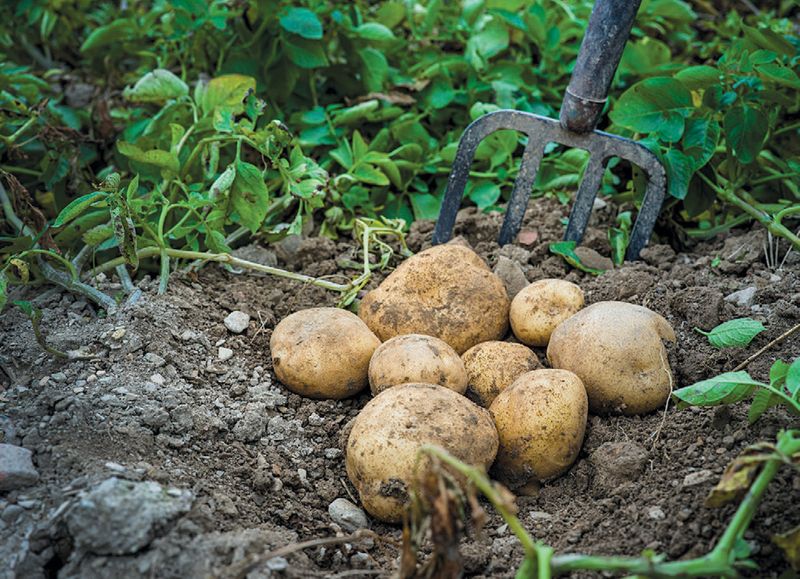
Pennsylvania gardeners can harvest new potatoes about ten weeks after planting by carefully digging around plants. For full-sized storage potatoes, wait until foliage yellows and starts collapsing naturally.
Proper post-planting care ensures healthy plants and bountiful harvests across all Pennsylvania regions.