When Michigan Gardeners Should Actually Start Planting This Year
Every spring in Michigan brings the same question. Is it finally time to plant, or is winter just pretending to be over? One warm week can make soil feel ready, garden centers look tempting, and patience disappear fast.
The problem is that Michigan weather loves surprises. Cold snaps, late frost, and soggy ground can undo early enthusiasm in a hurry. That is why smart gardeners watch more than the calendar.
Soil temperature, overnight lows, and local patterns matter just as much as the date on your phone. When you line these signals up the right way, plants settle in faster and grow with less stress. It also saves money and keeps replanting to a minimum.
If you want this season to start smoothly instead of feeling rushed and messy, knowing the real planting window makes all the difference. Let’s time it right and get growing.
Know Your Last Frost Date
Understanding your local last frost date changes everything about garden planning. Southern Michigan zones typically see their final frost around late April. Northern areas often wait until mid-May before conditions become safe for tender plants.
Your specific location within the state makes a huge difference. Urban areas near Detroit warm up faster than rural northern counties. Proximity to the Great Lakes creates unique weather patterns that affect timing.
Checking with your county extension office provides the most accurate information. They track decades of weather data specific to your area. Online frost date calculators offer quick estimates but local knowledge beats generic predictions.
Marking this crucial date on your calendar helps you plan backward. Count weeks before this date to determine indoor seed starting times. Add weeks after for succession planting of warm season crops.
Remember that average dates represent statistical midpoints, not guarantees. Some years bring late cold snaps while others warm early. Keeping row covers and cloches handy protects against unexpected temperature drops.
Weather patterns shift gradually over time due to climate variations. Comparing historical data with recent trends helps adjust your expectations. Flexibility remains your best strategy when working with Michigan’s unpredictable spring weather.
Start Warm Season Crops Indoors
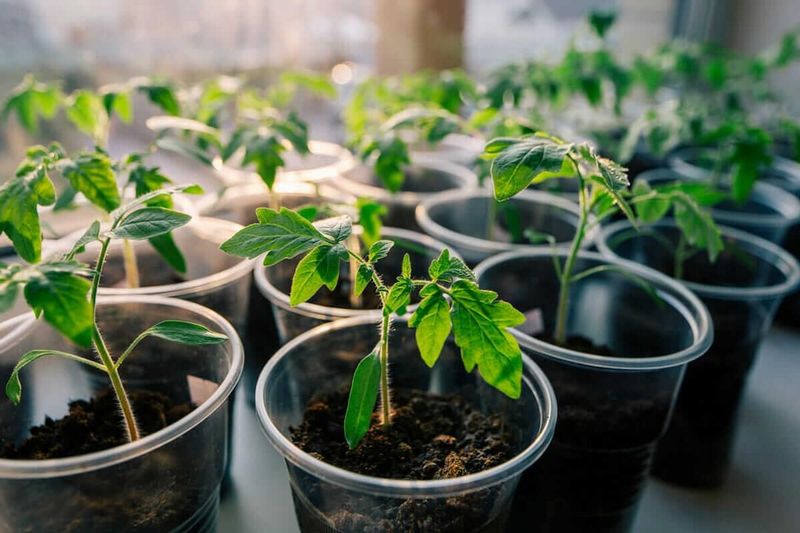
Tomatoes, peppers, and eggplants need a head start indoors for Michigan success. These heat lovers require six to eight weeks of protected growing time. Starting them indoors extends our naturally short growing season significantly.
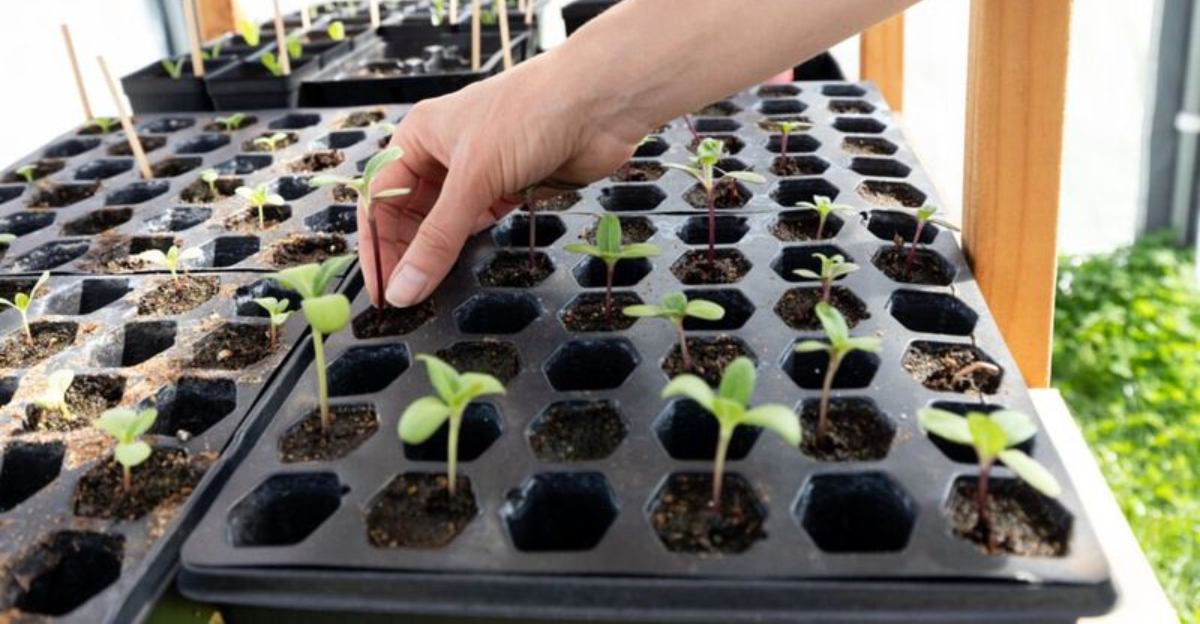
Setting up a simple seed starting station requires minimal investment. Bright windowsills work fine for small operations. Grow lights provide more consistent results and allow you to start more plants.
Use quality seed starting mix rather than garden soil for best results. The lightweight mixture prevents damping off disease and promotes healthy root development. Keep the medium consistently moist but never waterlogged to encourage strong seedling growth.
Maintaining proper temperature accelerates germination and early growth rates. Most warm season vegetables sprout best between 70 and 80 degrees Fahrenheit. Heat mats placed under seed trays create ideal conditions without overheating your home.
Label everything clearly to avoid confusion as seedlings emerge and grow. Multiple varieties look similar in early stages of development. Good record keeping helps you learn what works best in your garden.
Transplanting into larger containers prevents root binding before outdoor planting time arrives. This intermediate step creates stockier, more resilient plants ready for garden life.
Cool Season Crops Can Go Out Early
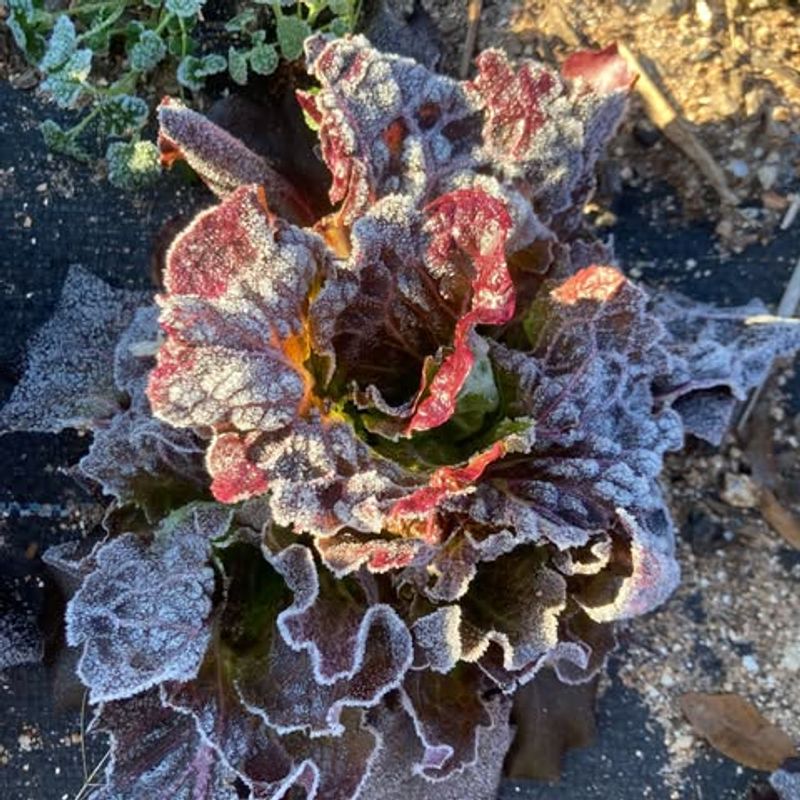
Lettuce, spinach, peas, and radishes laugh at chilly temperatures that would damage tomatoes. These hardy vegetables actually prefer cooler weather for optimal growth. Planting them two to four weeks before the last frost date jumpstarts your harvest.
Cool season crops germinate in soil temperatures between 40 and 60 degrees. This happens much earlier than most gardeners realize in Michigan. Testing your soil temperature helps you determine the perfect planting window.
Early planting means enjoying fresh salads weeks before your neighbors start harvesting. Peas planted in early April often produce pods by late May. Radishes mature in just three to four weeks from seeding.
These vegetables bolt and become bitter once hot summer weather arrives. Getting them established early maximizes quality and flavor in your harvest. Succession planting every two weeks extends your cool crop season beautifully.
Raised beds warm faster than ground level gardens in spring months. This allows even earlier planting for eager gardeners wanting quick results. Adding black plastic mulch speeds soil warming by several degrees.
Row covers provide extra insurance against unexpected cold snaps without much effort. The lightweight fabric traps warmth while allowing rain and light to penetrate. Remove covers once temperatures stabilize for continued healthy growth.
Soil Temperature Matters
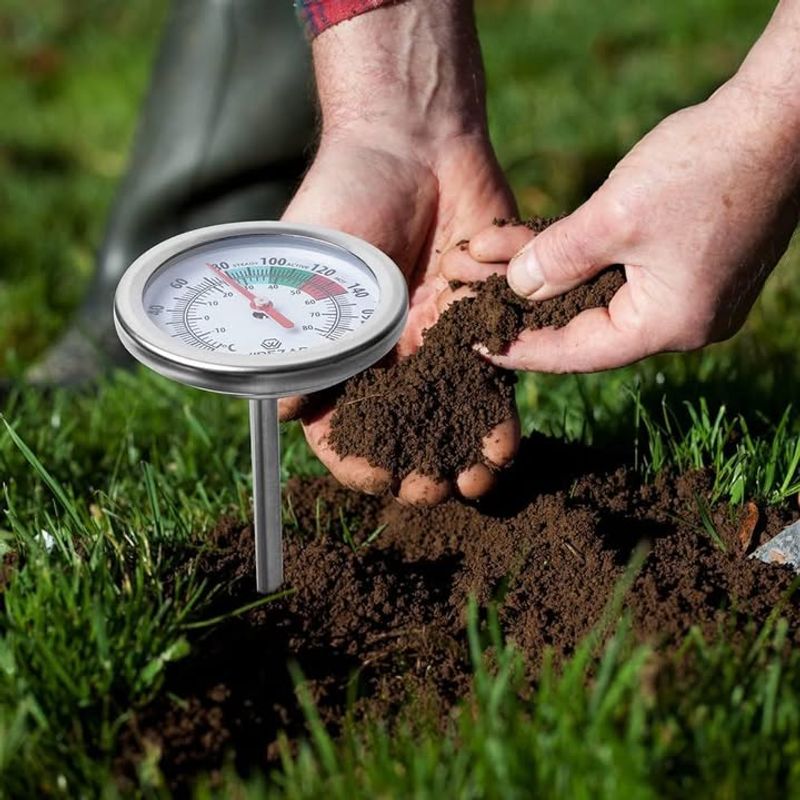
Even after frost danger passes, cold soil prevents successful seed germination. Each vegetable has specific temperature preferences for sprouting and early growth. Ignoring soil temperature leads to rotting seeds and disappointing results.
Beans need soil reaching at least 60 degrees before they’ll sprout reliably. Planting them earlier wastes seeds and delays your harvest unnecessarily. Patience pays off with quick emergence once conditions become favorable.
Peas thrive in cooler conditions, germinating happily in 40 to 50 degree soil. This explains why they succeed with early spring planting in Michigan. Corn requires warmer conditions around 60 to 65 degrees for best results.
Investing in an inexpensive soil thermometer removes all guesswork from planting decisions. Take readings at seed depth in the morning for most accurate information. Different garden areas may show surprising temperature variations worth noting.
South facing slopes and raised beds warm considerably faster than flat ground. These microclimates allow earlier planting of temperature sensitive crops like cucumbers. Dark colored mulch absorbs more solar radiation, further accelerating soil warming.
Clay soils hold moisture longer and warm more slowly than sandy compositions. Understanding your soil type helps predict when conditions become suitable. Amending heavy clay with compost improves both drainage and spring warming rates.
Hardening Off Seedlings
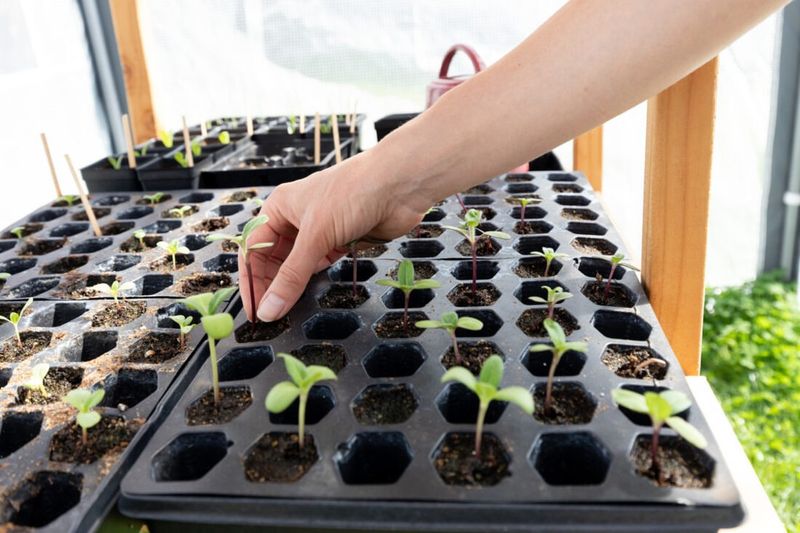
Indoor grown seedlings face shock when moved directly into harsh outdoor conditions. The transition from protected environment to garden reality requires gradual adjustment. Hardening off prevents transplant shock and creates resilient, thriving plants.
Begin the process seven to ten days before your intended transplant date. Start by placing seedlings outside for just one or two hours. Choose a protected spot with filtered light rather than full sun exposure.
Gradually increase outdoor time by an hour or two each day. This slow acclimation strengthens cell walls and prepares leaves for direct sunlight. Wind exposure also needs gradual introduction to prevent physical damage.
Watch weather forecasts carefully during the hardening off period for temperature concerns. Bring plants inside if temperatures drop below 45 degrees at night. Cold damage at this stage undermines all your careful indoor growing efforts.
Reduce watering frequency slightly during hardening off to encourage drought tolerance. Plants develop deeper root systems when searching for moisture resources. This adaptation serves them well once transplanted into garden beds.
By the final day, seedlings should remain outside overnight in mild conditions. This final test confirms their readiness for permanent garden placement. Properly hardened plants establish quickly and outperform those rushed into the garden.
Watch For Late Frosts
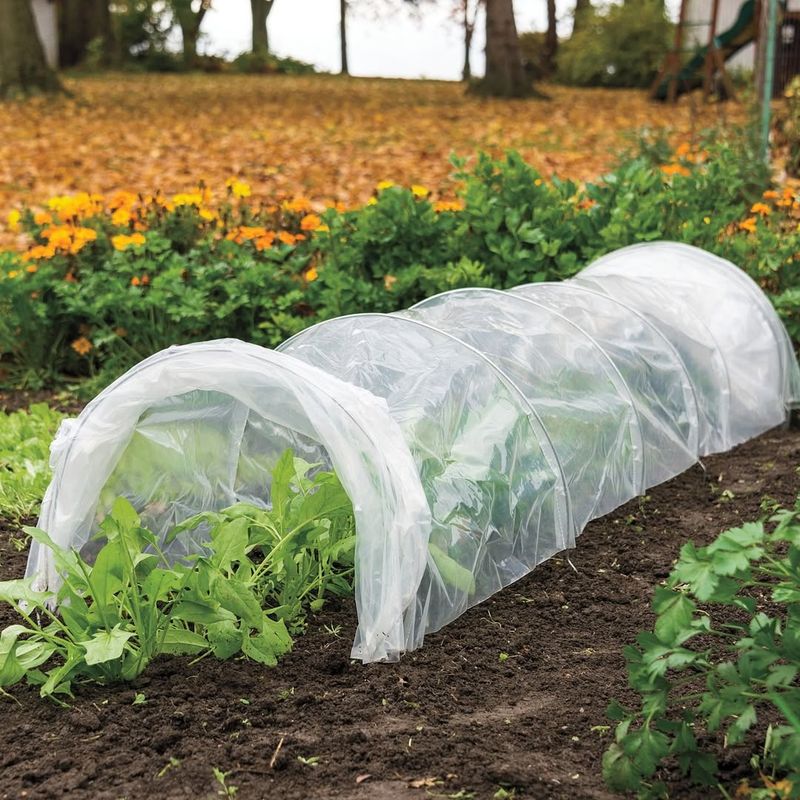
Average last frost dates represent statistical probabilities, not absolute guarantees of safety. Michigan regularly experiences surprise cold snaps well into late May or early June. Prepared gardeners protect their investments rather than gambling with the weather.
Keep lightweight row covers readily accessible throughout late spring planting season. These inexpensive fabrics trap several degrees of warmth around plants overnight. Draping them over beds takes just minutes when forecasts predict frost.
Individual cloches made from milk jugs or purchased products protect especially valuable plants. Cut off jug bottoms and place over seedlings, removing caps for ventilation. These mini greenhouses create surprisingly effective microclimates for tender transplants.
Watering plants thoroughly before expected frost helps them withstand cold temperatures better. Moist soil retains heat more effectively than dry ground throughout the night. The water itself releases heat as it cools, moderating temperature drops.
Mulching around plants provides insulation that buffers against temperature extremes in both directions. Organic mulches like straw work particularly well for this purpose. Apply after soil warms to avoid trapping cold temperatures around roots.
Some gardeners use old sheets or blankets for emergency frost protection overnight. Ensure coverings reach the ground to trap rising soil warmth effectively. Remove protective layers promptly the next morning to prevent overheating.
Timing For Perennials
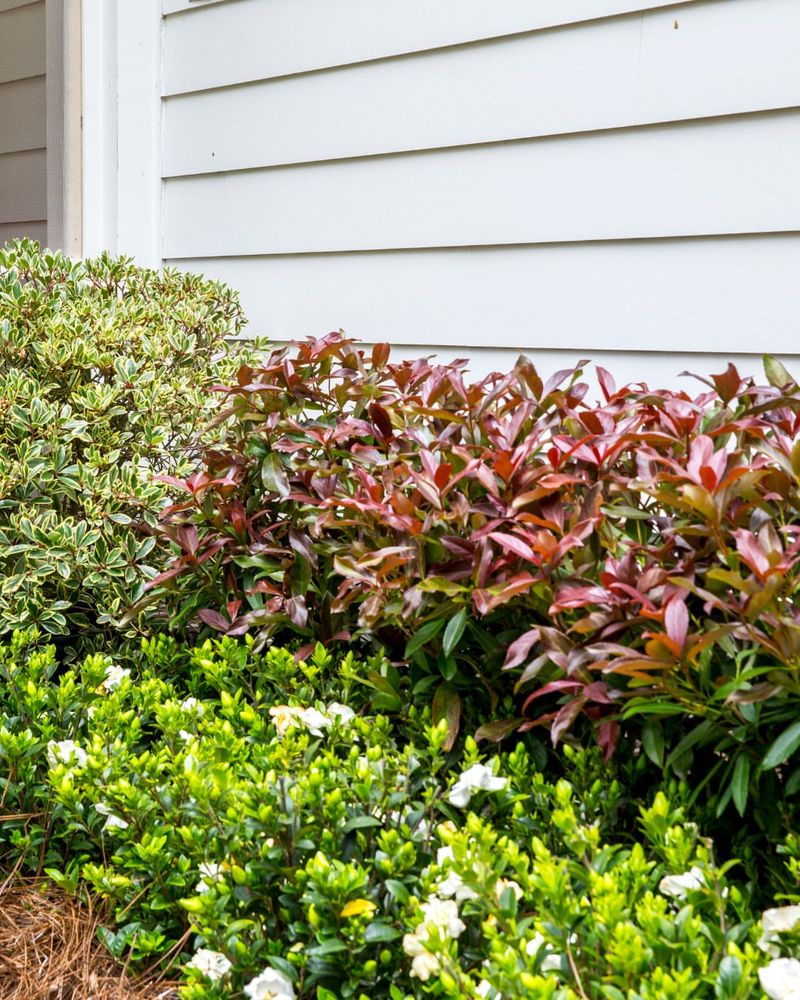
Early spring offers the ideal window for establishing perennial plants throughout Michigan gardens.
Cool temperatures and regular rainfall help roots spread before summer heat arrives. This timing gives perennials months to anchor themselves before facing stressful conditions.
Planting perennials after soil becomes warm and dry creates unnecessary challenges. Plants struggle to establish root systems while simultaneously supporting top growth. Summer planted perennials often languish rather than thriving in their first season.
April through early May represents the sweet spot for most perennial installation. Soil has thawed and dried enough to work without compacting. Plants have maximum time to settle in before hot weather tests them.
Container grown perennials from nurseries transplant successfully throughout the growing season if watered properly.
Bare root perennials absolutely require early spring planting for survival. Mail order companies typically ship bare root stock at appropriate planting times.
Dividing existing perennials works best in early spring as new growth emerges. Plants recover quickly and establish separated sections before summer arrives. Fall division works too but spring generally produces better results in Michigan.
Mulching newly planted perennials conserves moisture and moderates soil temperature fluctuations. Apply two to three inches of organic material around but not touching stems. This simple step dramatically improves establishment success rates.
Succession Planting Is Key
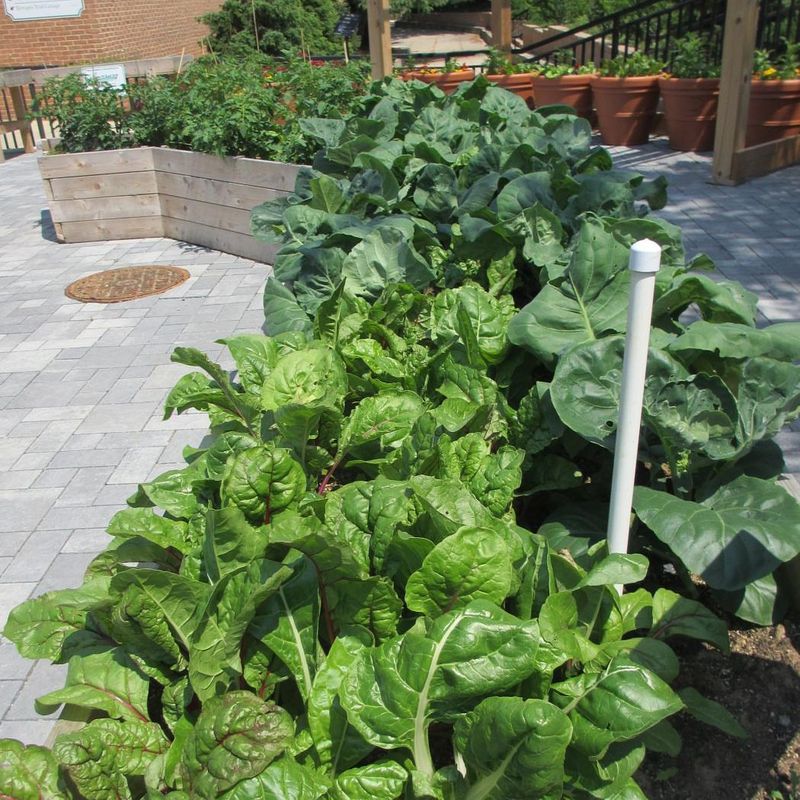
Planting your entire crop at once guarantees a brief harvest period followed by nothing.
Succession planting staggers maturity dates, providing continuous harvests throughout Michigan’s growing season. This strategy works especially well with fast maturing cool season vegetables.
Sow lettuce, radishes, and spinach every two weeks from early spring through late May. Each planting matures just as the previous one finishes producing. You’ll enjoy fresh salads for months rather than dealing with feast or famine.
Beans and cucumbers also benefit tremendously from succession planting in two week intervals. Make three or four plantings for extended harvest periods into fall. Later plantings often escape early season pest problems that plague first crops.
Mark your calendar with specific planting dates to maintain your succession schedule reliably. Life gets busy and it’s easy to forget planned plantings. Setting phone reminders ensures you don’t miss critical planting windows.
Some crops like tomatoes don’t benefit from succession planting in Michigan’s climate. Our season isn’t long enough for multiple tomato crops to mature. Focus succession efforts on quick maturing vegetables for best results.
Save a portion of your garden space for these successive plantings throughout spring. Resist the urge to fill every square foot on the first planting day. Patience and planning create abundant harvests that last all season long.
Consider Microclimates
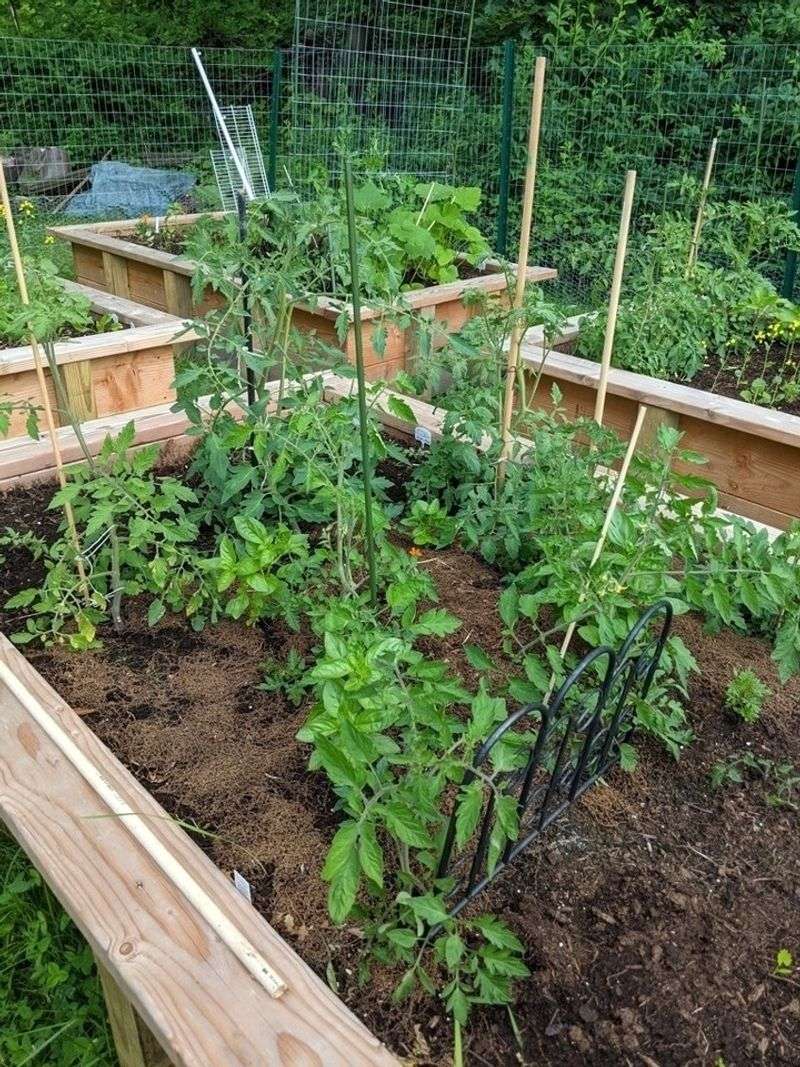
Not all areas of your property warm at the same rate each spring. South facing slopes receive maximum solar radiation and dry out days or weeks earlier. These spots allow adventurous planting before other areas become workable.
Raised beds elevate soil above cold ground level, promoting faster spring warming. The increased surface area exposed to sun and air accelerates temperature gains. Many Michigan gardeners plant raised beds a full week before in ground gardens.
Areas near house foundations benefit from warmth radiating through walls from indoor heating. This creates surprisingly mild microclimates even during cold snaps. Tender plants often survive in these protected spots when they’d perish elsewhere.
Low lying areas collect cold air drainage from surrounding higher ground overnight. These frost pockets remain cold longer in spring and freeze earlier in fall. Avoid planting tender crops in these challenging locations whenever possible.
Windbreaks from fences, buildings, or hedges create calmer, warmer growing conditions nearby. Wind chill significantly impacts plant growth and survival during transitional seasons. Protected areas support earlier planting and extended growing seasons.
Observing where snow melts first reveals your warmest microclimates each year. These areas consistently warm faster and deserve priority for early season planting. Learning your property’s unique characteristics optimizes your entire growing season.