When To Apply Pre-Emergent On Your Lawn In Ohio (The Timing Most People Miss)
In the unpredictable landscape of the Buckeye State, victory over a weed-choked lawn depends entirely on a silent window of opportunity that most homeowners sleep through.
While the neighbor might wait for the first warm weekend to shop for supplies, the true battle for a pristine yard begins while the ground still feels like winter.
Ohio soil temperatures dictate the exact moment dormant seeds wake up, and missing that biological trigger by even forty-eight hours invites a summer of frustration.
Success demands moving away from a fixed calendar and instead watching for the specific thermal shifts unique to our region. Mastering this hidden timeline ensures your grass stays thick and competitive, effectively locking out invaders before they even have a chance to breathe.
This approach transforms a guessing game into a precise strike against the most stubborn weeds.
1. Kickstart Spring Weed Defense Before Soil Warms Up
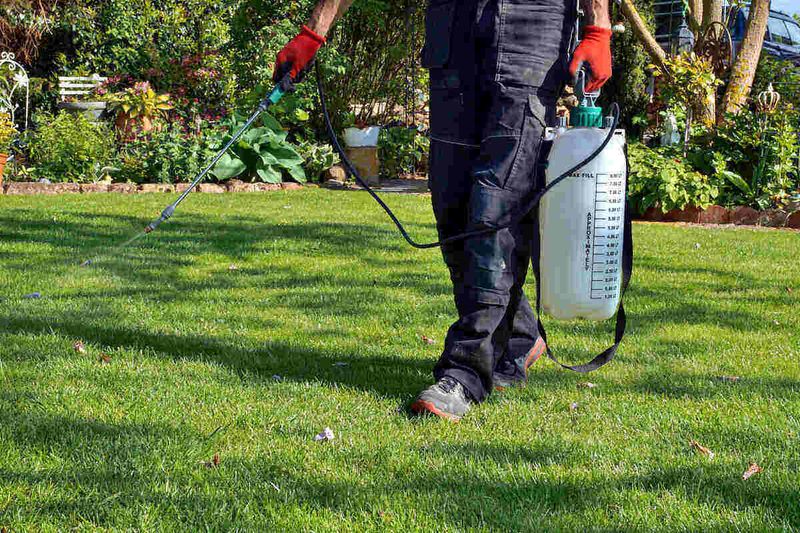
Every spring, thousands of Ohio homeowners head to the garden center, grab a bag of pre-emergent, and come home feeling confident. Then they wait for a warm Saturday, spread it on the lawn, and wonder why crabgrass still shows up in June.
The problem is almost always timing.
Pre-emergent herbicides work by creating a chemical barrier in the upper layer of soil that stops weed seeds from completing germination. Once a weed seedling has already pushed through that barrier, the product has no effect on it.
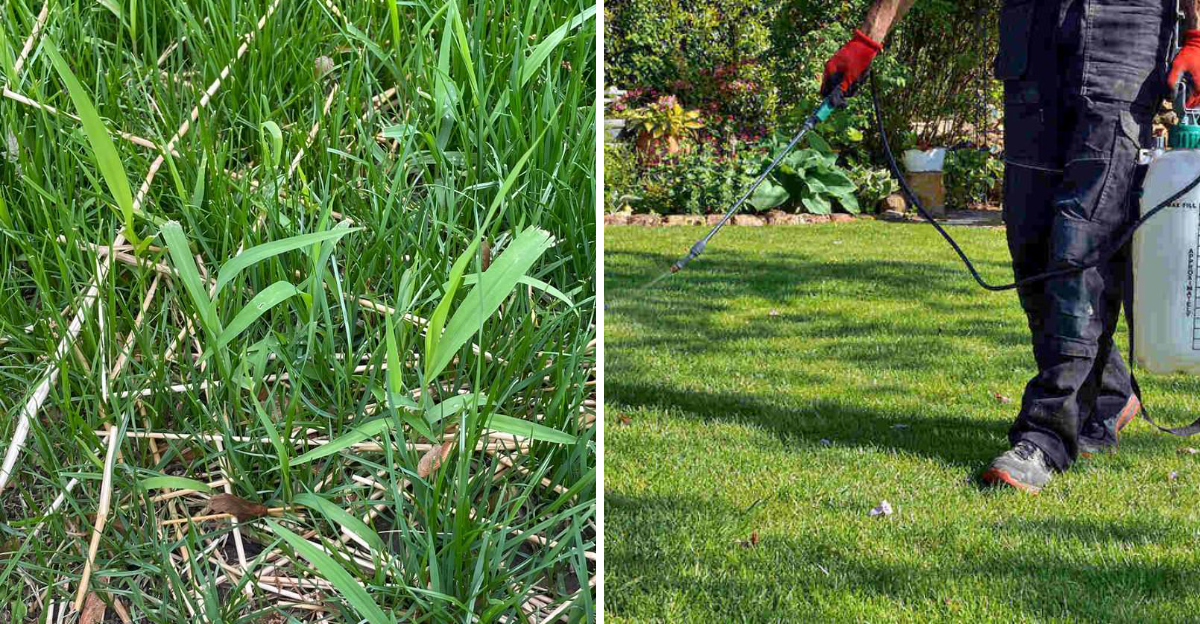
Crabgrass is the biggest offender in Ohio lawns, but annual bluegrass and goosegrass are also common targets that need early attention.
Waiting for a warm, sunny weekend often means you’re already too late. Ohio’s spring can shift from cold to warm very quickly, especially in central and southern parts of the state.
The soil temperature can climb past the critical threshold in a matter of days. Applying before that happens is the only way to get the protection you’re counting on.
Planning ahead and watching soil temperatures closely each spring gives you the best shot at a clean lawn all season long.
2. Use Soil Temperature Not Calendar Dates As Your Guide
A lot of lawn care advice still says things like “apply in early April” or “put it down around Easter.” That kind of calendar-based guidance sounds simple, but Ohio’s weather doesn’t follow a calendar. Some years, soil warms up in mid-March.
Other years, April still feels like February.
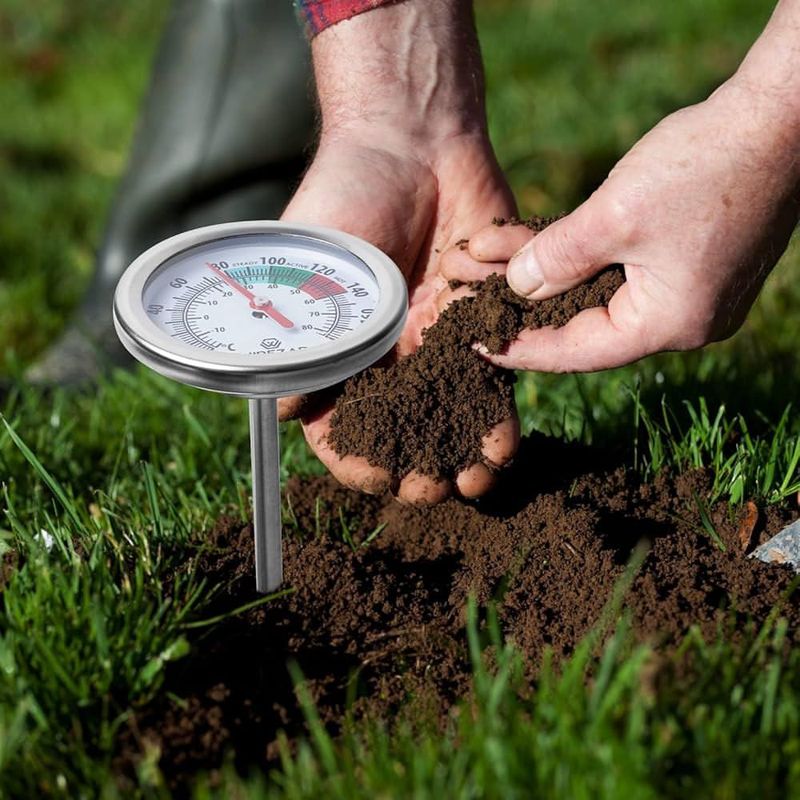
The number to watch is 50 to 55 degrees Fahrenheit measured at a depth of 1 to 2 inches in the soil. Crabgrass seeds begin germinating once soil temperatures consistently hit that range.
Applying your pre-emergent just before soil reaches 50 degrees gives the barrier time to set up properly before those seeds wake up.
Checking soil temperature is easier than most people think. An inexpensive soil thermometer from any garden center works well.
You can also check the Midwest Regional Climate Center or your local Ohio State University Extension office, which often tracks soil temperature data for different regions of the state. Northern Ohio locations like Cleveland and Toledo tend to warm up later than southern areas like Cincinnati or Chillicothe.
Checking your specific region rather than guessing based on a date will always give you a more accurate application window and better results.
3. Water In Pre-Emergent To Activate Its Barrier
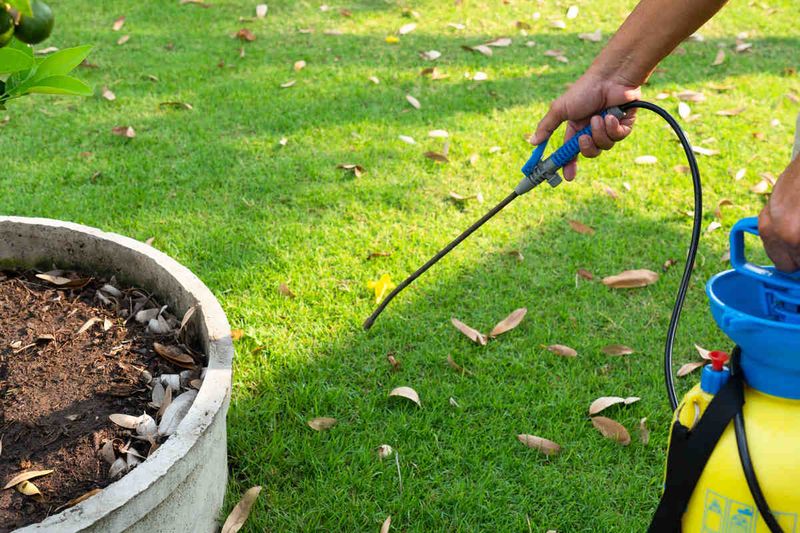
Spreading granular pre-emergent and walking away feels like the job is done, but skipping the watering step is one of the most common mistakes Ohio homeowners make. Without moisture, those granules just sit on top of the grass blades and soil surface doing very little.
Pre-emergent herbicides need water to move them down into the upper soil layer where weed seeds actually germinate. Most granular products need about a quarter to half an inch of water applied within a day or two of spreading.
That can come from your irrigation system, a garden hose, or natural rainfall. The key is making sure it happens soon after application rather than waiting several days.
Liquid pre-emergents also need watering in, though the timing can vary slightly by product. Always read the label on whatever you purchase, since requirements differ between brands and formulations.
One common mistake is applying granular pre-emergent when the ground is already saturated or right before a heavy downpour. While moisture is necessary, a significant storm on waterlogged Ohio soil causes the product to move laterally across the surface and into storm drains rather than soaking vertically into the root zone where it is needed.
Aim for a moderate, even watering that moves the product gently into the soil without runoff.
4. Target Both Spring And Fall Germination Windows
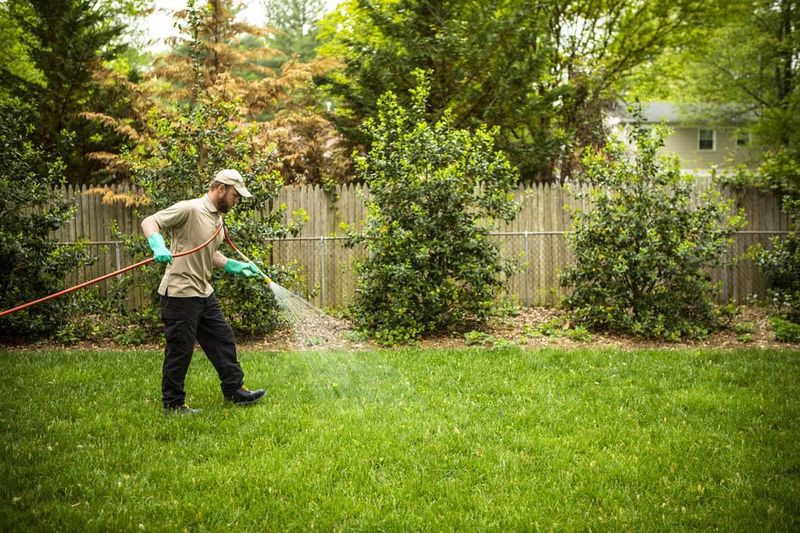
Most Ohio homeowners only think about pre-emergent in the spring, and that makes sense since crabgrass gets all the attention. But spring is only half the story.
Fall brings its own set of problem weeds that need a completely different timing strategy.
Winter annual weeds like common chickweed, annual bluegrass, and hairy bittercress germinate in the fall when soil temperatures drop back down to around 70 degrees Fahrenheit and keep falling. Applying a pre-emergent in late summer to early fall, typically between late August and mid-September in Ohio, can significantly reduce these weeds before they establish over winter and explode in early spring.
Fall applications require the same attention to soil temperature as spring ones, just in reverse. You’re watching for temperatures to cool rather than warm.
Northern Ohio tends to hit that 70-degree threshold earlier in the season than southern Ohio, so timing your fall application to your region matters just as much as it does in spring. Planning two pre-emergent applications per year, one in spring and one in fall, gives your lawn far better year-round protection than a single spring treatment alone.
Many lawn care professionals in Ohio consider the fall window to be just as important as the spring one.
5. Match Herbicide Choice To Your Lawn’s Weed Pressure
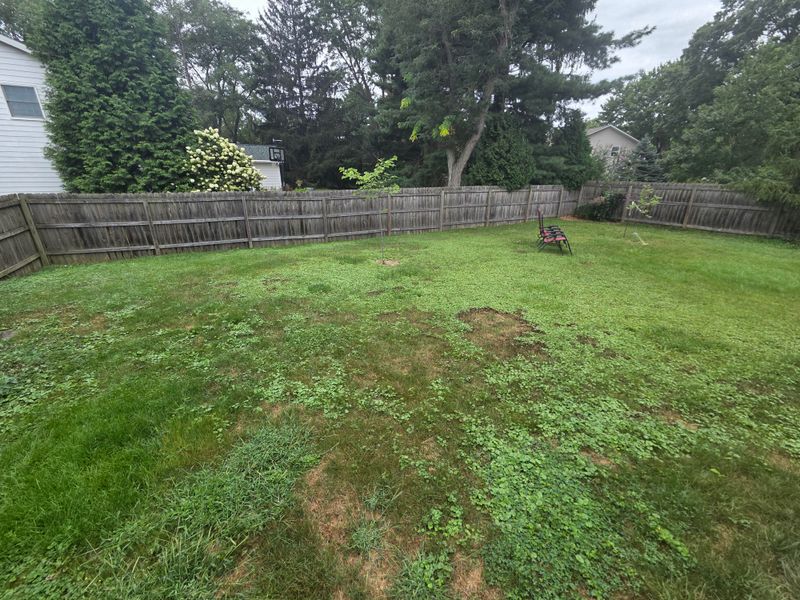
Walk into any Ohio garden center in March and you’ll find a shelf full of pre-emergent products with different names, active ingredients, and claims on the bag. Choosing the right one matters more than most people realize, and it starts with knowing what weeds you’re actually dealing with.
Common active ingredients you’ll see on labels include prodiamine, pendimethalin, and dithiopyr. Prodiamine and pendimethalin are popular choices for crabgrass control and are found in many granular products for homeowner use.
Dithiopyr is sometimes preferred because it offers a slightly longer window of effectiveness and has some early post-emergent activity on young crabgrass, though it still works best applied before germination.
Turf type compatibility is something a lot of homeowners overlook. Some pre-emergent products are not safe for use on certain grass types, and Ohio lawns commonly feature cool-season grasses like tall fescue, Kentucky bluegrass, and perennial ryegrass.
Always read the label completely before purchasing and applying. The label is a legal document and the best source of guidance for any product.
If you’re unsure what weeds you had last year or what grass type you have, your local Ohio State University Extension office can often help you figure that out before you buy anything.
6. Avoid Seed Interference By Timing Around Overseeding
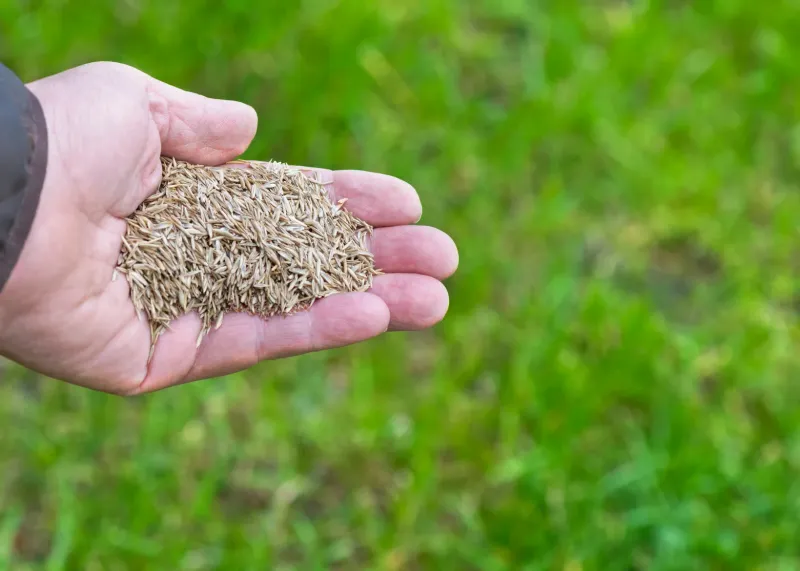
One of the most frustrating lawn care mistakes is spending money on both pre-emergent and grass seed in the same season, only to have them cancel each other out. Pre-emergent herbicides do not distinguish between weed seeds and desirable grass seeds.
They stop germination across the board.
If you plan to overseed your Ohio lawn, you need to schedule carefully around pre-emergent applications. For fall overseeding, which is the best time to seed cool-season grasses in Ohio, you should skip the fall pre-emergent application that year.
Seeding and pre-emergent cannot happen at the same time without sacrificing one or the other. Most products require waiting 6 to 12 weeks after application before seeding, depending on the specific product and active ingredient used.
If your lawn needs both overseeding and weed control in the same year, prioritize overseeding in the fall and plan to use pre-emergent the following spring instead. Alternatively, some Ohio homeowners choose to seed in fall and apply pre-emergent the next spring once the new grass has had a full growing season to establish.
Specialized active ingredients designed for use during the seeding process exist for those who cannot wait until the following season, though they often provide a much shorter window of protection than standard formulas. Always verify that any starter product is labeled specifically for use at the time of seeding to avoid accidentally neutralizing your expensive new grass investment.
7. Understand Why Late Applications Lose Their Punch
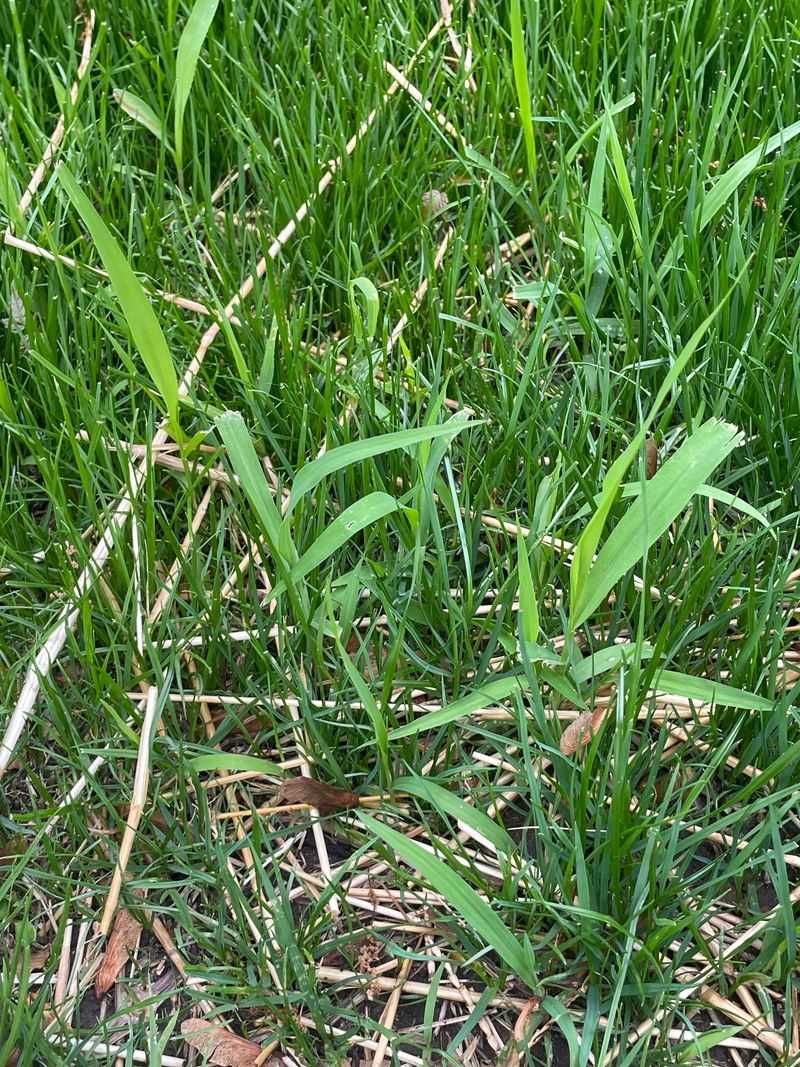
Applying pre-emergent after weeds have already sprouted is a common and understandable mistake, especially in a state like Ohio where spring seems to arrive and then disappear and arrive again. The problem is that once weed seedlings are visible above the soil, the pre-emergent window has already closed.
A pre-emergent herbicide creates a barrier that disrupts the germination process underground. Once a seedling has already germinated and pushed through the soil surface, that barrier does nothing to stop it.
Applying product at that point is essentially wasting money and putting unnecessary chemicals on your lawn with no benefit.
If you realize you’ve missed the spring window, the best move is to stop and reassess rather than apply anyway. Small patches of crabgrass or other summer annuals can be spot-treated with appropriate post-emergent products once identified.
For broader weed pressure, some Ohio homeowners choose to manage through the season with targeted treatments and then focus on getting pre-emergent timing right the following spring. Taking notes on when weeds first appeared in your lawn each year can help you build a better picture of your local timing window.
That kind of observation over two or three seasons is genuinely useful for planning ahead.
8. Monitor Forsythia Bloom As A Natural Spring Signal
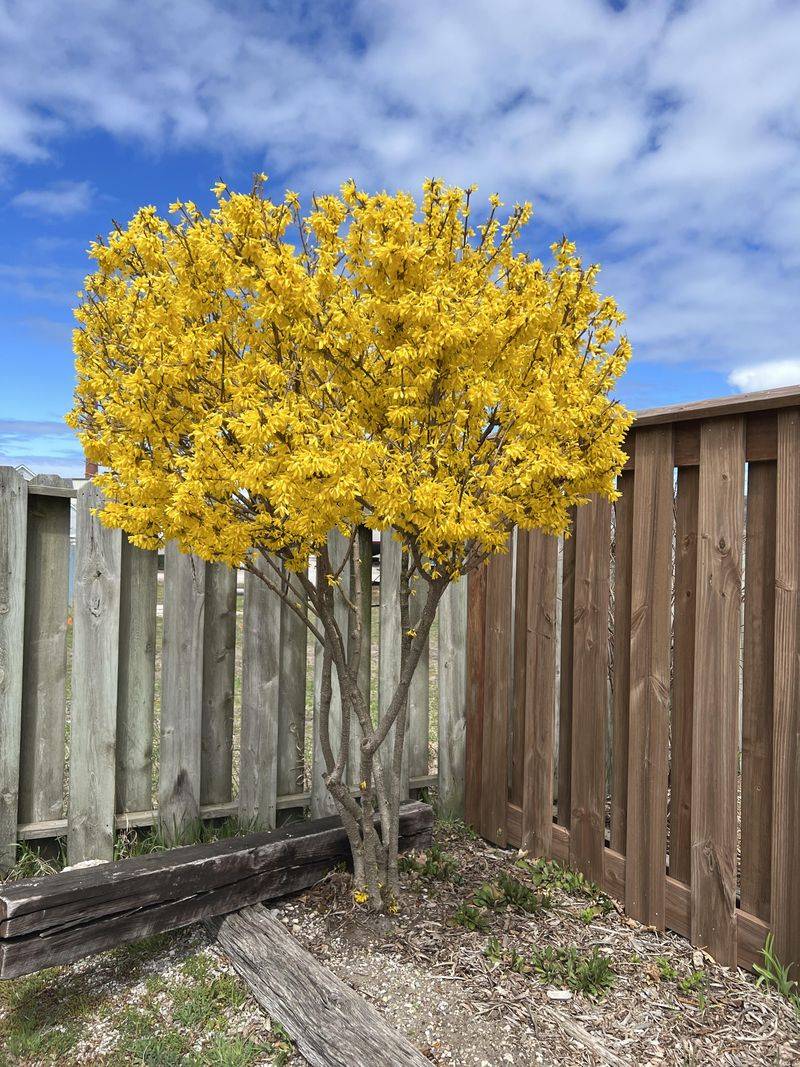
Long before soil thermometers were common, experienced gardeners and turf managers used the natural world around them to track the seasons. Forsythia bloom is one of the most well-known phenological signals tied to spring soil warming, and Ohio homeowners have been using it as a lawn care cue for generations.
Forsythia typically blooms when soil temperatures are approaching or just reaching the 50-degree range, which lines up closely with the optimal pre-emergent application window for crabgrass prevention. When those bright yellow flowers pop open on neighborhood shrubs, the window for application is officially open, but it closes faster than most realize.
The most effective results occur while the flowers are still vibrant on the branch, as the drop of these petals and the emergence of green leaves typically signal that soil temperatures have climbed beyond the reach of a pre-emergent barrier.
That said, forsythia bloom is a guideline, not a precise rule. Microclimates vary across Ohio, and a forsythia on a south-facing slope may bloom earlier than one on a shaded north-facing lot.
Using forsythia as a prompt to go check your soil temperature rather than as a standalone trigger gives you the best of both approaches. Think of it as nature’s alarm clock reminding you to pull out your thermometer and confirm that conditions are right before spreading anything on your lawn.