When To Cut Back Ornamental Grasses In Oregon (And How)
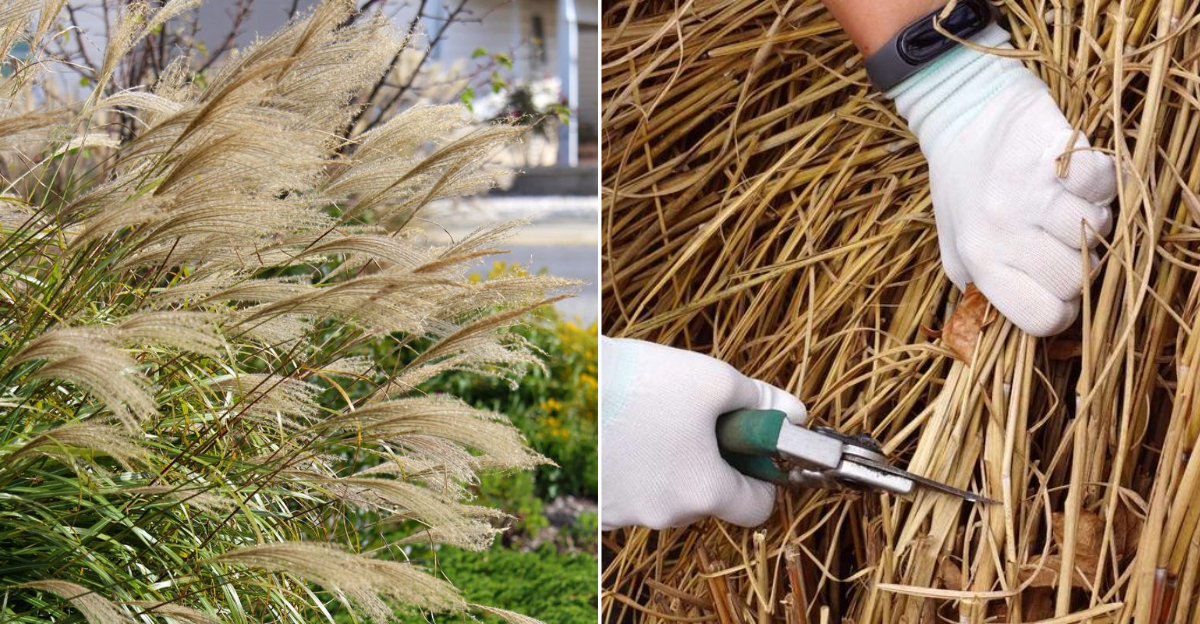
At some point, most Oregon gardeners find themselves standing near their ornamental grasses, wondering if it’s time to do something about them. The blades may be bent over, faded, or tangled from months of weather, and the plant doesn’t quite look like it used to.
Do you cut it back now, or wait a little longer?
Ornamental grasses don’t always follow the same rules as other plants, which can make timing confusing. Cut them too early, and you risk exposing the crown to cold and moisture.
Wait too long, and new growth can get mixed up with old stems, making cleanup harder later. In Oregon, where seasons tend to blur together, knowing when to step in really matters.
If you’ve ever hesitated with pruners in hand, you’re not alone. Many gardeners aren’t sure what’s best, especially since different grasses have different needs.
Learn the right time and the right way to cut back ornamental grasses to help them come back healthier and fuller.
1. Why Ornamental Grasses Should Be Cut Back
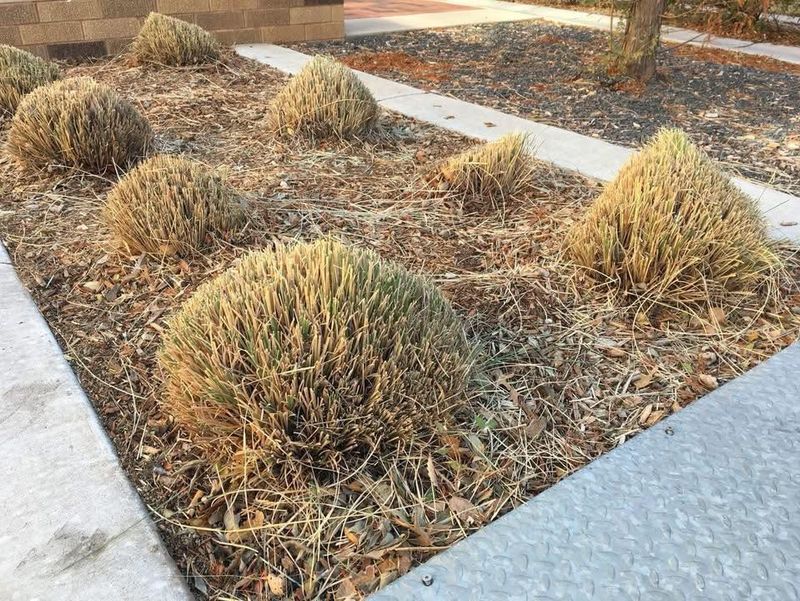
Old growth on ornamental grasses might look charming with frost clinging to the seed heads in January, but leaving it too long creates problems you will notice come spring.
Withered foliage traps moisture against the crown of the plant, especially during Oregon’s long, damp winters, which can lead to rot and fungal issues that weaken or damage the grass over time.
Cutting back removes this soggy blanket and lets air circulate around the base, keeping your plant healthier and more vigorous.
Beyond disease prevention, removing last year’s growth clears the way for fresh new blades to emerge without struggling through a tangled mess of old stems. Your grass will look cleaner, fuller, and more vibrant when it does not have to compete with withered material.
Cutting back also keeps your garden beds looking intentional rather than neglected, which matters if you care about curb appeal or just enjoy a tidy yard.
Another practical reason is simply tidiness and ease of maintenance throughout the growing season. If you skip the cutback, you end up pulling out handfuls of withered leaves all summer long, which is tedious and never really solves the problem.
A single annual trim in late winter saves you months of frustration and keeps your ornamental grasses performing exactly as they should.
2. The Best Time Of Year To Cut Back Grasses In Oregon

Late winter to early spring is the ideal time to cut back most ornamental grasses in Oregon, typically from late February through early March, just before new growth begins to emerge from the crown.
The goal is to finish before fresh green shoots appear, since once they do, it becomes easy to accidentally cut or damage them.
Wait too long and you will be trimming around delicate new growth, which slows the plant down and makes the whole task much harder than it needs to be.
In milder areas like the Willamette Valley or along the coast, you might notice new growth as early as mid-February, so plan accordingly and check your grasses regularly as winter ends.
Colder spots east of the Cascades can wait until mid-March without any trouble, since spring arrives later and grasses stay dormant longer.
Paying attention to what your specific plants are doing matters more than sticking rigidly to a calendar date.
Some gardeners prefer to cut back in late fall after the first hard frost, which works fine if you live in a drier part of Oregon where winter rot is less of a concern.
However, leaving the foliage through winter provides habitat for beneficial insects and adds visual interest when not much else is happening in the garden, so most Pacific Northwest gardeners wait until late winter to tackle the task.
3. How Oregon’s Climate Affects Timing
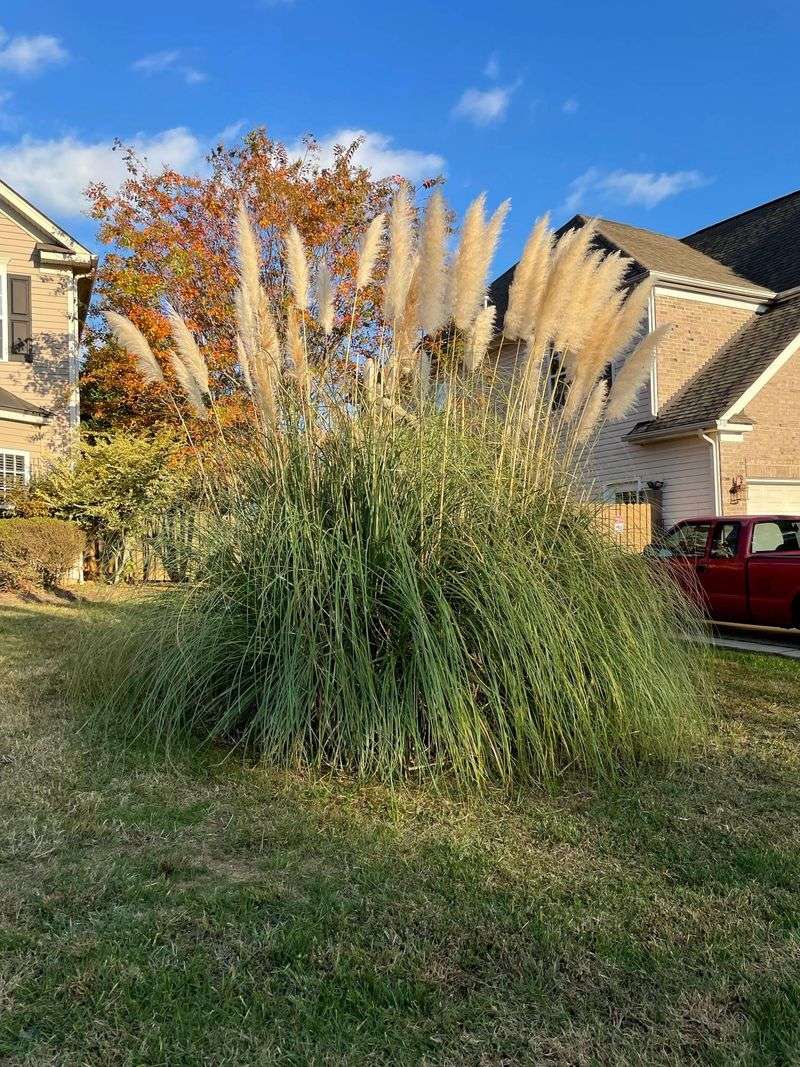
Oregon’s climate is not one-size-fits-all, and that directly impacts when you should cut back your ornamental grasses.
West of the Cascades, you deal with mild, wet winters that keep plants semi-active longer and encourage early spring growth, meaning you need to cut back earlier to avoid damaging new shoots.
East of the mountains, colder temperatures and drier conditions mean grasses stay fully dormant well into March, giving you a wider window to work with and less urgency to finish the job early.
Coastal gardeners face their own unique challenge with constant moisture and mild temperatures that can trick grasses into starting growth as early as late January in some years. Checking your plants every week or two as February approaches helps you catch that narrow window before new blades emerge.
Inland valleys like the Willamette hit a middle ground, where late February is usually perfect, but a warm spell can push things up by a week or two.
Rain is another factor that makes timing tricky in Oregon, since cutting back wet grasses is miserable work and can spread disease if your tools are not clean.
Waiting for a dry stretch in late winter makes the task easier and safer for your plants, even if that means adjusting your schedule by a few days to match the weather forecast.
4. Cool-Season Vs. Warm-Season Grasses
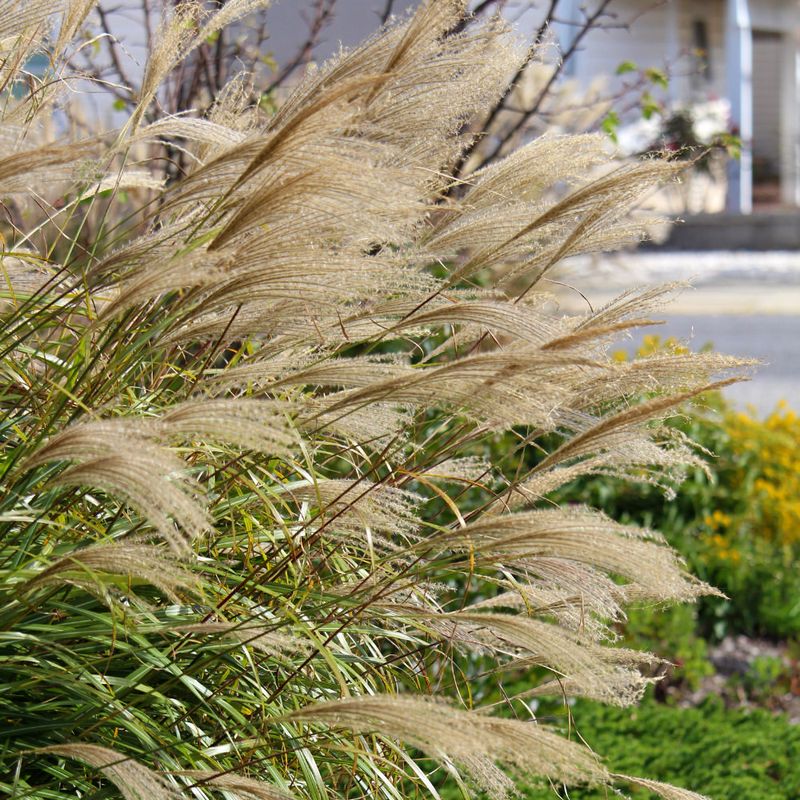
Knowing whether your ornamental grass is cool-season or warm-season makes a big difference in how you manage it. Cool-season grasses, such as blue fescue, tufted hair grass, and feather reed grass, begin active growth in fall, remain somewhat active through winter, and slow down during summer heat.
These grasses benefit from earlier late-winter grooming before growth ramps up. Warm-season grasses, including maiden grass and fountain grass, go fully dormant in fall and don’t begin growing again until soil temperatures warm in spring.
This dormancy gives you a wider window to cut them back without risking damage to new shoots.
In Oregon, most popular ornamental grasses are warm-season types, which is convenient because they align perfectly with a late February or early March cutback schedule.
Cool-season grasses are less common here but still show up in gardens, and they need attention earlier, sometimes as early as late January, to avoid interfering with their active growth phase.
If you are not sure which type you have, check the base of the plant in mid-February for signs of fresh green growth.
Warm-season grasses are more forgiving if you miss the ideal window, since they start growing later and give you a bit more breathing room.
Cool-season types are less patient and will quickly outpace your pruning schedule if you wait too long, leaving you with a messy, half-trimmed plant that never quite looks right all season.
5. How Far Down To Cut Ornamental Grasses
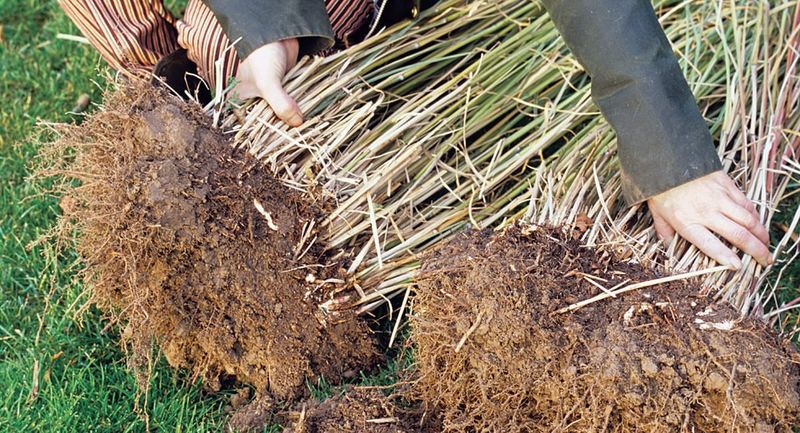
A good rule of thumb is to look for where green tissue begins near the base and cut just above that point. Cutting too close to the soil risks damaging the growing points at the base of the plant, which can delay spring growth or even damage the grass if you are not careful.
Leaving too much old growth defeats the purpose of cutting back in the first place, since you still end up with a mess of withered foliage mixed in with the new blades.
Smaller grasses like blue oat grass or fountain grass can be trimmed closer, down to about three or four inches, because their crowns sit lower and their new growth is more compact.
Larger grasses like miscanthus or pampas grass need that full six inches of stubble left behind, both to protect the crown and to give you a visual guide for where the plant starts when new shoots emerge.
A general rule is to look for where the green tissue begins at the base and cut just above that point.
Do not worry about being perfectly precise with your measurements, since ornamental grasses are tough and forgiving plants that recover well from minor mistakes.
The goal is simply to remove the bulk of the withered material without exposing the crown to damage or leaving so much behind that you might as well not have bothered trimming at all.
6. Tools That Make Cutting Back Easier
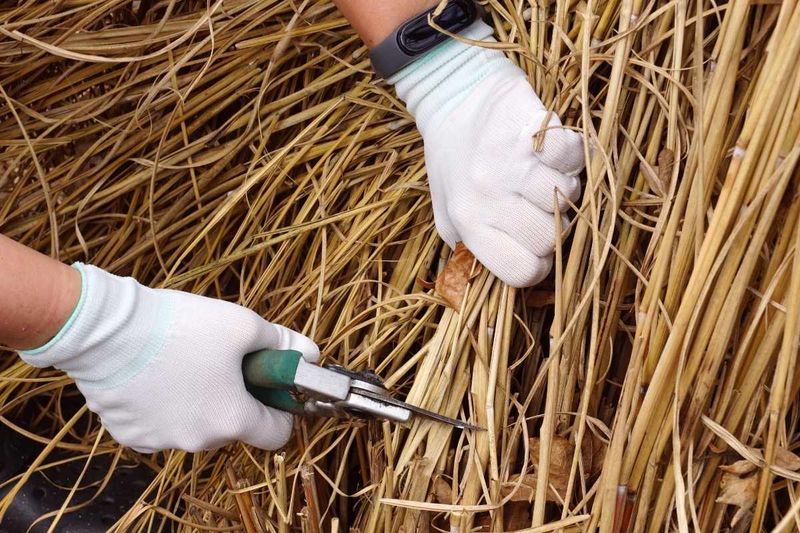
Sharp bypass pruners work well for small grasses or for detail work around the edges, but they will wear out your hands quickly if you are tackling a large clump or multiple plants.
Hedge shears are the workhorse tool for most ornamental grass cutbacks, since they let you slice through a whole plant in just a few cuts and are easy to control for height.
Make sure your shears are sharp, because dull blades crush the stems instead of cutting cleanly, which looks messy and can stress the plant.
For really large grasses like big clumps of miscanthus or pampas grass, some experienced gardeners use reciprocating saws, which can work well if handled carefully and with good control.
Another option is to tie the grass into a bundle with twine or a bungee cord before cutting, which keeps everything contained and makes the job much faster and less frustrating.
Battery-powered hedge trimmers are also popular for homeowners who have multiple grasses to cut back and do not want to spend all afternoon on manual shears.
Whatever tool you choose, clean the blades with rubbing alcohol or a bleach solution between plants to avoid spreading disease, especially if you are working in wet conditions.
Gloves are non-negotiable, since ornamental grass blades have sharp edges that will slice your hands up if you are not protected, and long sleeves help too if you are working with larger, scratchier varieties.
7. What To Do With Old Grass Growth
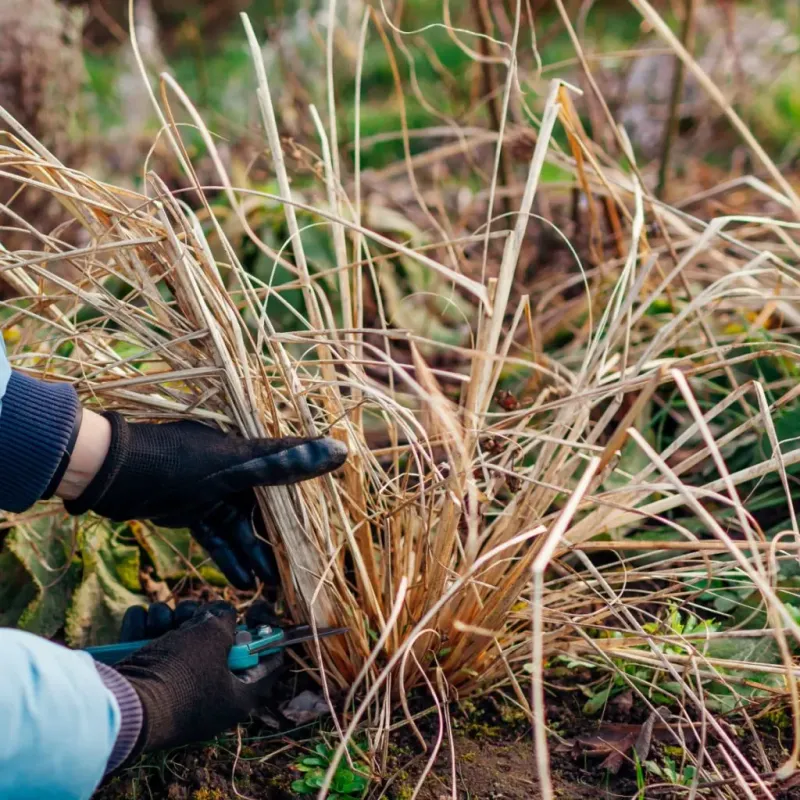
Once you have cut back your ornamental grasses, you will be left with a pile of dried stems and seed heads that need to go somewhere, and you have a few good options depending on your setup.
Composting is ideal if your pile gets hot enough to break down the woody material, but ornamental grass stems can take a long time to decompose, so chop them into smaller pieces first if you want them to break down within a reasonable timeframe.
If your compost pile runs cool, the stems might just sit there for years, which is frustrating and not particularly useful.
Many Oregon gardeners simply bag up the old growth and add it to their yard waste bin, which is the easiest solution and ensures the material gets composted properly at a commercial facility.
Another option is to use the dried stems as mulch in other parts of your garden, where they will slowly break down and add organic matter to the soil while suppressing weeds.
Some people even save the seed heads for dried flower arrangements, which works especially well with grasses like fountain grass or northern sea oats that have interesting shapes.
Burning is not recommended in most of Oregon due to air quality regulations and fire risk, even in rural areas, so skip that option unless you have explicit permission and the right conditions.
The key is to deal with the old growth promptly rather than letting it sit in a pile by your driveway for weeks, which looks bad and attracts pests.
8. Common Mistakes Oregon Gardeners Make
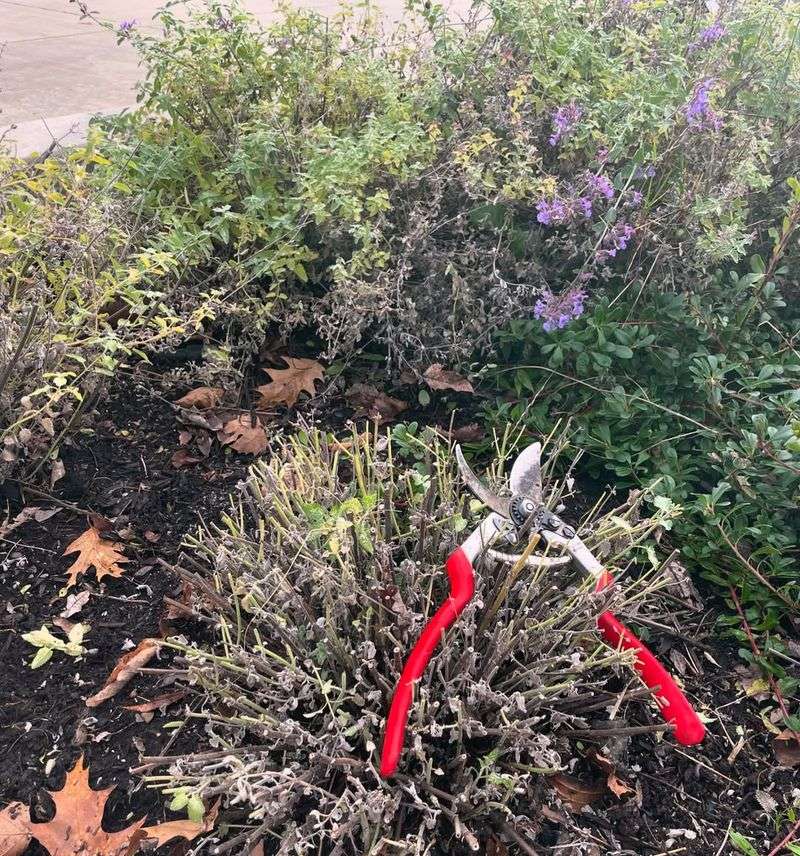
Waiting too long is the number one mistake, since once new growth starts, you either have to work around it or accept that you will damage some of those fresh shoots, neither of which is ideal.
Oregon’s early springs catch a lot of people off guard, especially if they are used to gardening in colder climates where late March cutbacks are perfectly fine.
Set a reminder for mid-February and check your grasses regularly so you do not miss the window.
Cutting too short is another common error that stresses the plant and exposes the crown to potential damage from late frosts or heavy rain. Leaving at least four inches of stubble protects the growing points and gives new shoots a head start without having to push through bare soil.
Conversely, leaving too much old growth defeats the purpose and leaves you with a messy, half-withered-looking plant all spring.
Using dull tools makes the job harder and leaves ragged cuts that look bad and take longer to heal, so sharpen your shears before you start or replace them if they are beyond saving.
Skipping gloves is a painful mistake that most people only make once, since ornamental grass blades are surprisingly sharp and will leave your hands covered in tiny cuts.
Finally, some gardeners try to cut back in fall, which works in drier climates but often leads to winter rot problems in Oregon’s wet conditions, so resist the urge and wait until late winter instead.
9. When You Should Not Cut Back Ornamental Grasses
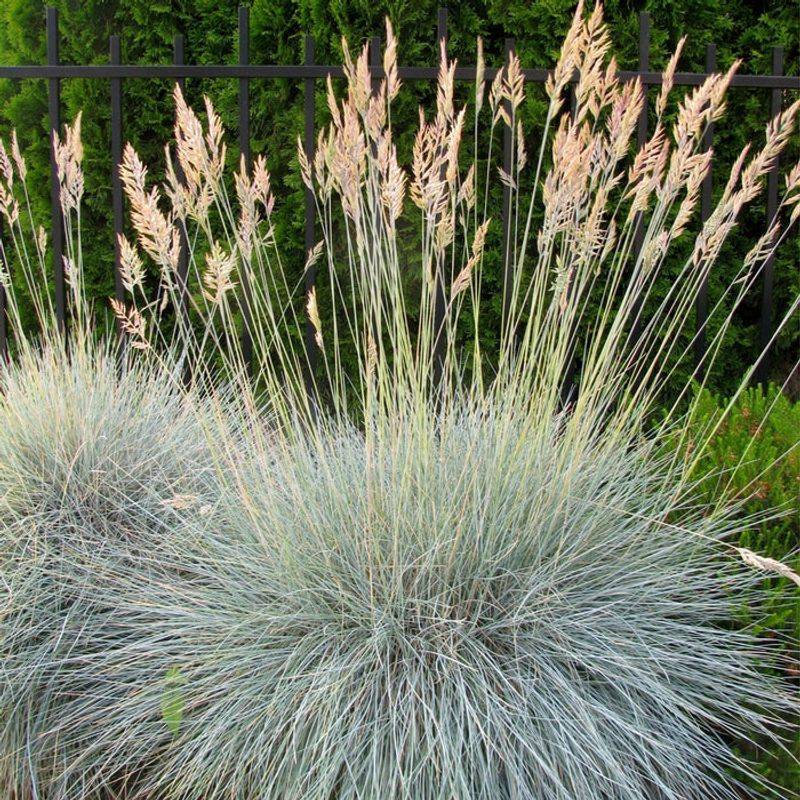
If your ornamental grass is an evergreen or semi-evergreen type, a hard cutback can leave you with bare ground and a stressed plant that takes months to recover. Grasses like blue fescue and some sedges keep their foliage year-round and only need light grooming to remove damaged blades, not a full cutback.
Run your fingers or a rake through the plant in early spring to pull out the withered material, and skip the shears entirely unless the whole clump looks shabby and needs renovation.
Newly planted grasses should not be cut back their first winter, since they need all the foliage they can get to establish strong roots and survive the transition to your garden. Wait until the second year to start the annual cutback routine, and even then, be gentle and leave a bit more stubble than you would on a mature plant.
If your grass looks unhealthy or stressed, cutting it back might do more harm than good, so focus on figuring out what is wrong first before you grab the pruners.
Finally, if you live in a part of Oregon that experiences late hard frosts, consider leaving the old foliage in place a bit longer to protect the crown from cold damage, even if that means cutting back in mid-March instead of late February.
The old growth acts as insulation, and removing it too early in a cold year can set the plant back or even damage it if temperatures drop unexpectedly after you have already trimmed.