When To Fertilize Bermudagrass In Arizona
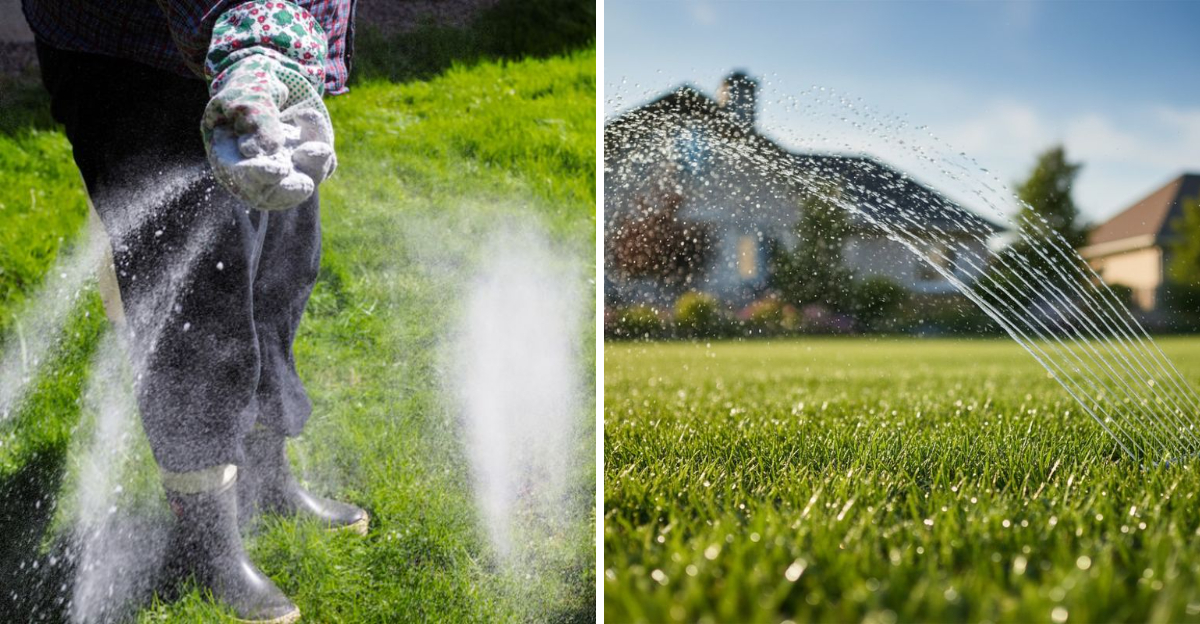
Arizona lawns can look stalled in April, even when heat builds and everything else starts to shift around them.
Bermudagrass often stays brown longer than expected, which makes it hard to tell what the lawn actually needs at this stage.
That uncertainty leads many to act too soon, especially when color does not return as fast as expected. The surface can seem ready from a distance, yet the grass itself may not be in the right condition to respond.
Results depend on what is happening within the lawn rather than what the calendar suggests. Once the grass reaches the proper stage, the difference becomes clear with stronger color and more even coverage across the yard.
1. Fertilize In April After Grass Turns Fully Green
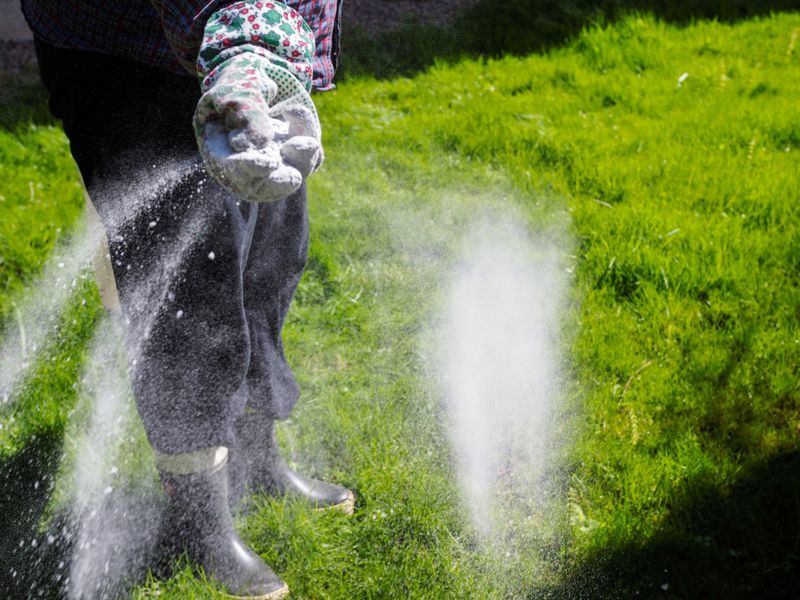
Waiting until your bermudagrass is fully green before you fertilize is one of the smartest moves you can make as an Arizona homeowner.
Feeding the lawn before it wakes up completely just wastes product and can put stress on roots that aren’t ready to absorb nutrients yet.
In Arizona’s low desert areas like Phoenix and Tucson, bermudagrass typically turns fully green somewhere in April, depending on how warm the spring has been.
Soil temperatures need to be consistently around 60 to 65 degrees Fahrenheit before the grass is actively growing enough to use fertilizer efficiently.
Applying nutrients to dormant or barely-green grass won’t speed things up and may cause more harm than good.
Watch your lawn closely during late March and into April. When you see consistent green color spreading across the whole yard rather than just patches, that’s your signal to get the spreader out.
A soil thermometer is a helpful tool if you want to be precise about timing rather than guessing by appearance alone.
Using a nitrogen-based fertilizer once the grass is fully green supports root development and helps the turf build density heading into summer.
Apply at the rate recommended on the product label, which is typically around half a pound of nitrogen per 1,000 square feet for this first spring feeding.
Don’t rush the process. Bermudagrass in Arizona responds well to patience, and feeding it at the right moment gives you far better results than jumping the gun by a few weeks.
2. Avoid Fertilizing In Early Spring Before Green Up Begins
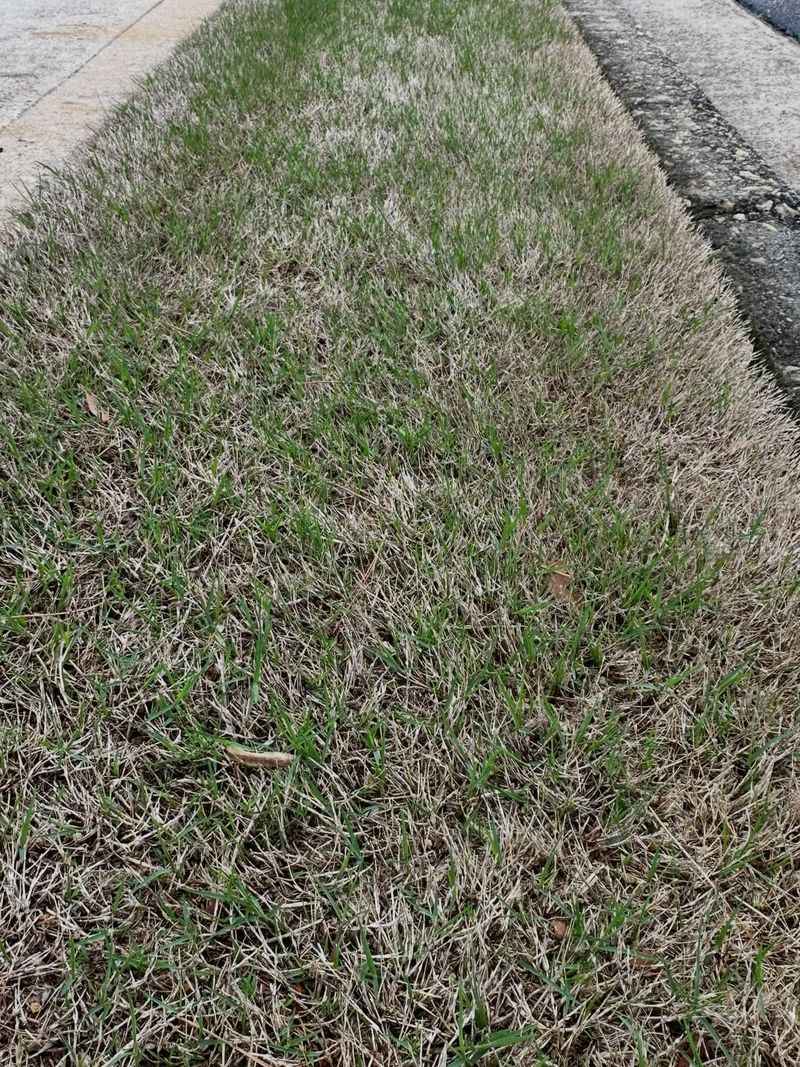
Brown bermudagrass in early spring looks like it needs help, but fertilizer is not the answer at that stage. Applying fertilizer to dormant grass is a common mistake that many Arizona homeowners make when they’re eager to get the season started.
Bermudagrass goes dormant during winter and stays that way until soil temperatures warm up enough to trigger active growth. In Arizona’s lower elevation areas, that transition usually happens between late March and mid-April.
Up in higher elevation spots like Prescott or Flagstaff, it can take even longer. Until that green-up is underway, the grass simply isn’t metabolizing nutrients the way it does during active growth.
Fertilizing too early can lead to nutrient runoff, especially if rain or irrigation moves the product off the lawn before roots can take it in.
You end up spending money on fertilizer that doesn’t benefit the grass and may contribute to environmental issues in surrounding soil or drainage areas.
Neither outcome is worth the impatience.
A better approach is to spend early spring on other prep work. Dethatch if the lawn has heavy thatch buildup, check irrigation heads for proper coverage, and adjust your mowing height in preparation for the growing season.
These steps set the stage for a strong response once you do apply that first fertilizer in April. Patience during the early spring period in Arizona pays off with a healthier, more efficient lawn response when conditions are actually right for feeding.
3. Apply First Feeding In Mid To Late April During Active Growth
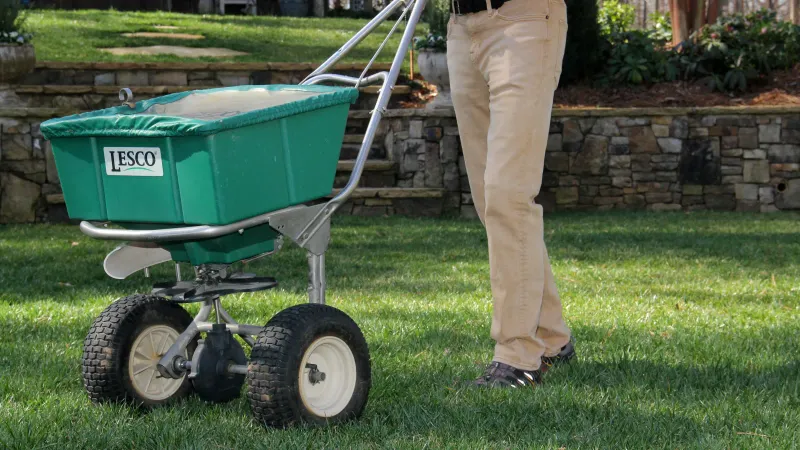
Mid to late April is the sweet spot for that first real feeding of the season in most Arizona locations. By this point, bermudagrass in the lower desert has fully broken dormancy and is actively pushing new growth, which means it can actually use what you give it.
Active growth is easy to spot. Grass blades are coming in thick, the color is a solid medium green, and you’re mowing more frequently than you were just a few weeks earlier.
That increased growth rate signals that root systems are working hard and nutrient demand is rising. Feeding the lawn at this stage gives it the fuel to build a dense, well-rooted turf before the peak heat of summer arrives.
For this first application, a fertilizer with a higher nitrogen ratio works well. Nitrogen drives leaf and shoot production, which is exactly what bermudagrass needs in spring.
Avoid going heavy on phosphorus unless a soil test shows a deficiency, since Arizona soils often already have adequate phosphorus levels. Over-applying certain nutrients won’t accelerate growth and can create long-term soil imbalances.
Apply your fertilizer evenly with a broadcast or drop spreader, and avoid overlapping passes too much since uneven application shows up as streaks of darker and lighter green in the lawn. Follow up with irrigation right after applying to move the product into the soil.
A consistent mid-to-late April first feeding sets a strong foundation for the rest of the growing season across Arizona.
4. Use Nitrogen Fertilizer In Spring To Support Strong Growth
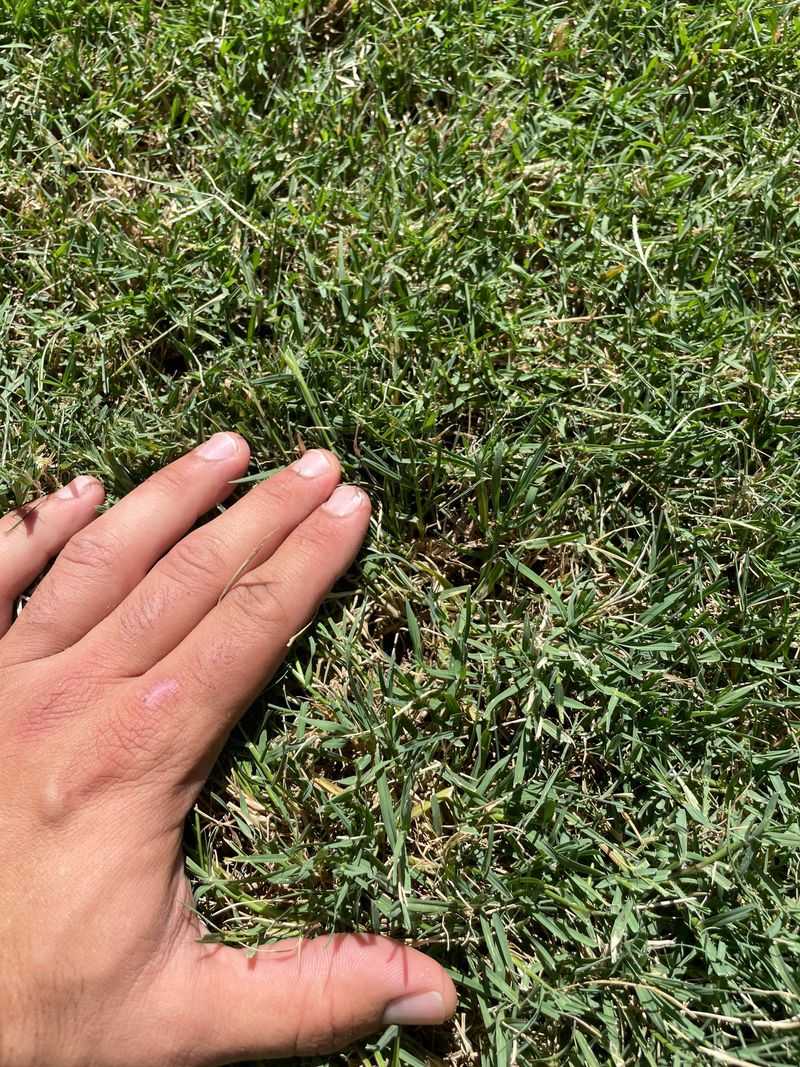
Nitrogen is the nutrient bermudagrass craves most during the growing season, and spring is when getting it right matters the most.
A good nitrogen feeding in spring helps the turf recover from winter dormancy and builds the thick, green carpet that most Arizona homeowners are aiming for.
Bermudagrass is a heavy nitrogen feeder compared to many other grass types. In Arizona, where the growing season is long and heat is intense, the grass pushes hard from spring through early fall.
Supporting that growth with adequate nitrogen keeps the blades green, the density high, and the turf better able to handle foot traffic and heat stress.
Slow-release nitrogen fertilizers are worth considering for spring applications. They break down gradually over several weeks, providing a steady supply of nutrients rather than a single sharp burst.
Quick-release products work faster but can cause a surge in growth that requires more frequent mowing, and there’s a slightly higher risk of burning the lawn if applied unevenly or in excess during warm weather.
A general guideline for Arizona bermudagrass is to apply about half a pound of actual nitrogen per 1,000 square feet during this spring feeding. Check the fertilizer label to calculate how much product you need based on its nitrogen percentage.
Soil testing is genuinely useful here because it tells you if anything else is lacking beyond nitrogen. Going into the growing season with the right nutrient base gives bermudagrass in Arizona a realistic chance at staying healthy through a demanding summer.
5. Water Immediately After Fertilizing To Activate Nutrients
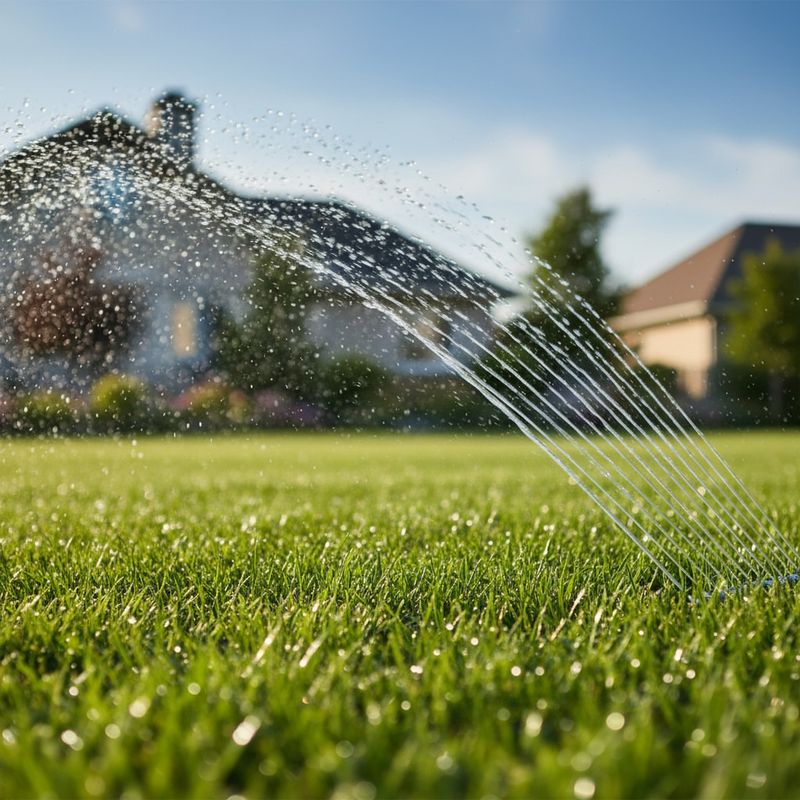
Fertilizer sitting on top of dry grass in Arizona’s heat can cause real problems if you don’t water it in promptly. The combination of intense sun and dry air means granular fertilizer left on the surface can potentially stress the turf, especially during warmer months.
Watering right after applying fertilizer does two important things. First, it moves the product off the grass blades and down into the soil where roots can access it.
Second, it begins the process of dissolving granules so nutrients become available to the plant. Without that initial watering, you’re leaving fertilizer sitting in conditions that work against its effectiveness.
You don’t need to flood the lawn. A light to moderate irrigation that thoroughly wets the top few inches of soil is enough to activate the fertilizer and get it working.
In Arizona, where soils are often sandy or caliche-heavy, water penetration can vary, so make sure your irrigation is actually reaching the root zone and not just running off or pooling.
If you’re hand-watering or using a hose, move slowly and evenly across the lawn to make sure no dry spots are left after fertilizing. Drip systems and pop-up sprinklers should be run long enough to achieve adequate soil moisture.
Early morning watering after a late-day fertilizer application is also a practical option for Arizona homeowners trying to avoid watering during peak heat.
Consistent watering habits after every fertilizer application protect your investment and help the grass respond more predictably through the growing season.
6. Repeat Fertilizing Every Few Weeks Through Summer Growth
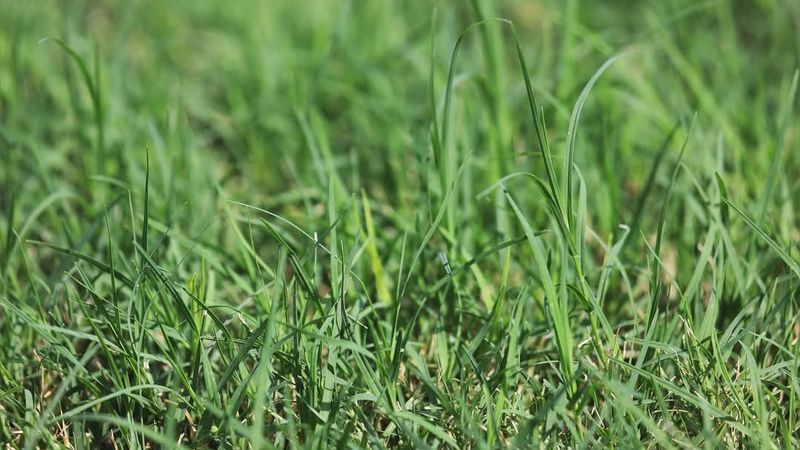
Summer in Arizona is peak growing season for bermudagrass, and a single spring feeding won’t carry the lawn through five or six months of intense heat and growth.
Regular fertilizing through summer keeps the turf from looking thin or yellowed as temperatures climb into the triple digits.
A reasonable schedule for most Arizona lawns is to fertilize every four to six weeks from May through August. That frequency supports steady, consistent growth without overloading the lawn with nutrients at any one time.
Some homeowners in the Phoenix area go with monthly applications during peak summer and find that their bermudagrass stays dense and green with that routine.
The amount to apply each time doesn’t need to be large. Around half a pound of nitrogen per 1,000 square feet per application is a common and practical rate for summer maintenance feeding in Arizona.
Spreading that amount evenly across the season works better than applying a heavy dose all at once, which can cause uneven growth or potential stress during extreme heat events.
Keep notes on when you fertilize so you’re not guessing at intervals as the summer goes on. It’s easy to lose track over a long growing season.
Also pay attention to how the lawn looks between feedings. If the color stays strong and growth is consistent, your schedule is working.
If you notice yellowing between applications, a slightly shorter interval or a quick iron supplement can help address it without dramatically changing your overall fertilizing approach across the Arizona summer.
7. Stop Fertilizing By Early Fall Before Growth Slows Down
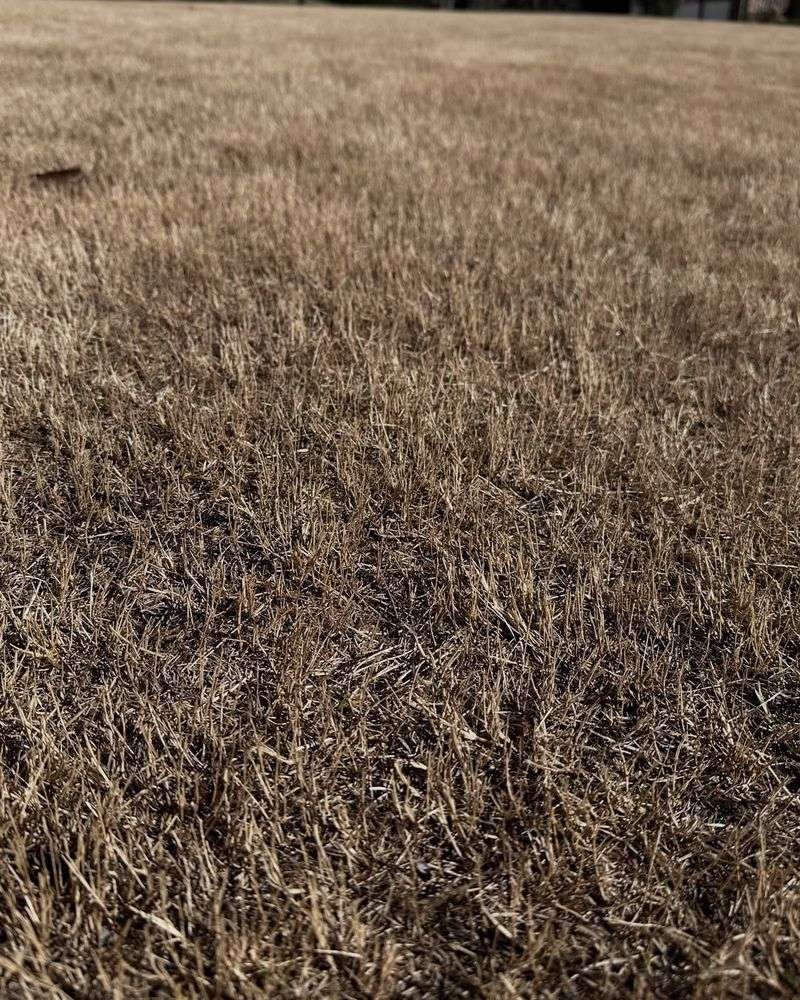
Knowing when to stop fertilizing is just as important as knowing when to start. Applying nitrogen too late in the season pushes the grass to keep growing at a time when it should be winding down and hardening off before cooler temperatures arrive.
In Arizona’s low desert, bermudagrass typically starts slowing down in September as days get shorter and nighttime temperatures drop.
Stopping fertilizer applications by early September gives the grass time to naturally transition without being artificially pushed into late-season growth.
Late nitrogen feeding can leave the turf more vulnerable to cooler temperatures and slow its transition into dormancy.
Higher elevation areas of Arizona, like Prescott or areas above 4,000 feet, may need to stop even earlier since temperatures cool faster there than in the valley. Knowing your local conditions matters more than following a generic calendar.
Pay attention to how the grass is actually growing in your yard as September approaches.
After you stop fertilizing for the season, shift your focus to other fall lawn care tasks.
Reducing irrigation frequency as temperatures drop, adjusting your mowing height, and deciding whether to overseed with ryegrass for winter color are all worthwhile considerations for Arizona homeowners.
Ending the fertilizing season cleanly and at the right time helps bermudagrass go dormant on its own schedule, which generally leads to a faster and more uniform green-up the following spring.
Timing the end of your feeding program well rounds out a full season of thoughtful lawn care across Arizona.