When To Fertilize Roses In Ohio For Stronger Spring Growth
Every Ohio rose garden tells the story of spring before the first bloom even appears. Strong stems, deep green leaves, and vibrant buds do not happen by accident.
The timing of care early in the season can shape how those roses perform for months ahead. Many gardeners focus on watering and pruning, yet one overlooked step quietly determines how powerful that spring growth becomes.
A rose bush that receives the right boost at the right moment can surge with energy, while poor timing often leads to weak stems and fewer flowers.
The difference often comes down to knowing exactly when roses need that extra support.
In Ohio’s changing spring weather, timing matters more than most gardeners realize.
1. Early Spring Feeding For Stronger Rose Growth

Watching those first tiny red buds push through the canes after a long Ohio winter is one of the most satisfying sights in the garden. That moment is also your signal to start feeding your roses.
Late March to early April is typically the best window for the first fertilizer application in Ohio, according to guidance from OSU Extension.
A balanced fertilizer with equal parts nitrogen, phosphorus, and potassium, such as a 10-10-10 granular formula, gives roses the full nutritional support they need as they wake up from dormancy.
Nitrogen drives leafy shoot development, phosphorus encourages strong root growth, and potassium helps the plant handle stress as temperatures continue to swing.
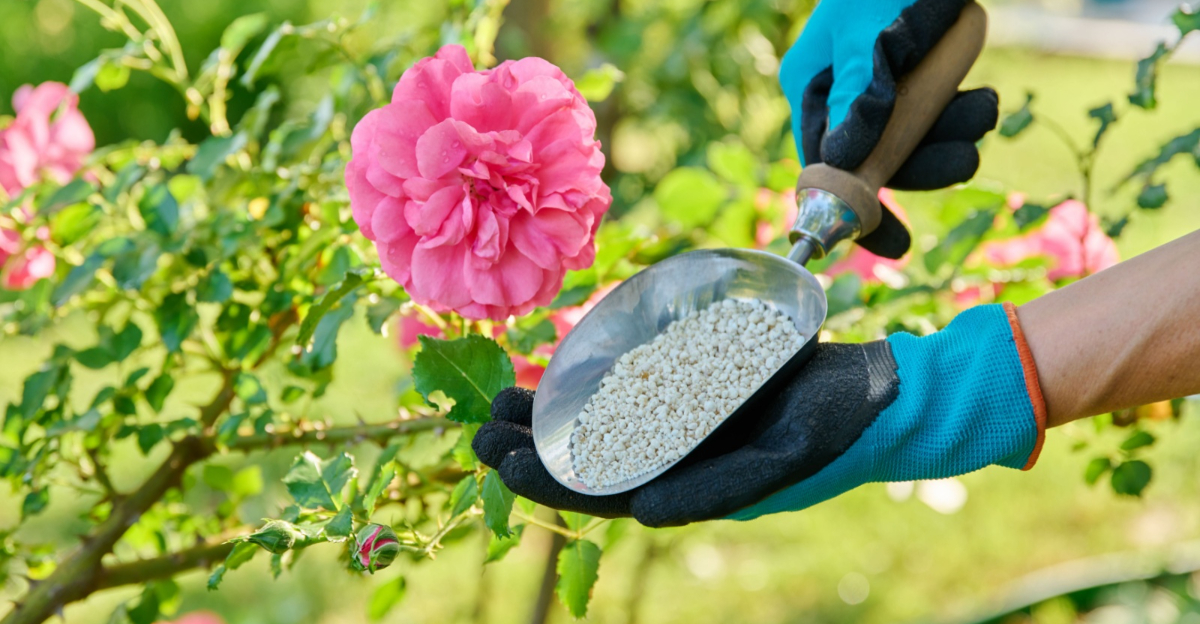
Sprinkle the granules evenly around the drip line of each plant, then water thoroughly to help nutrients move down into the root zone. Avoid piling fertilizer directly against the canes or crown, since contact with concentrated nutrients can cause burning.
Starting with a light, even feeding in early spring sets the foundation for a season full of healthy growth and generous blooms across your Ohio garden beds.
2. The Growth Stage When Roses Need Nutrients Most
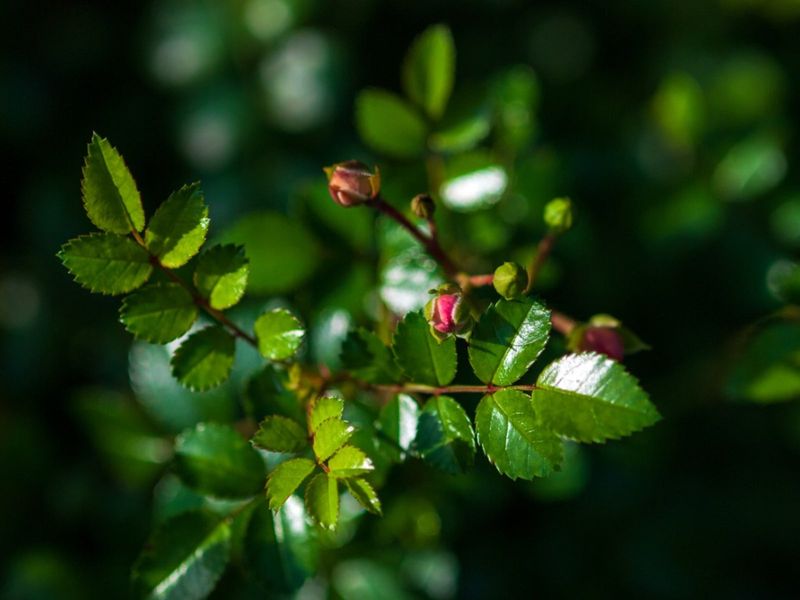
Right around the time Ohio days start warming up and rose canes begin pushing out clusters of fresh green leaves, the plant’s demand for nutrients jumps dramatically.
This active growth phase, typically from mid-April through May, is when roses are working overtime to build new stems, expand their root systems, and start forming the buds that will become your first round of blooms.
Nitrogen is especially critical during this stage because it fuels rapid cell development in new shoots. Without enough of it, growth slows noticeably and leaves can look pale or yellowish.
Phosphorus continues to support strong root anchoring, which matters a lot in Ohio soils that can shift from soggy to dry within the same week.
Feeding roses with a rose-specific fertilizer or a balanced all-purpose formula every four to six weeks during active growth keeps nutrient levels consistent rather than allowing them to spike and crash. Consistent feeding during this period produces thicker canes, deeper green foliage, and buds that open into fuller, more colorful flowers.
Ohio gardeners who pay close attention to this growth window often notice a visible improvement in bloom quality compared to seasons when fertilizing was irregular or skipped entirely.
3. How Ohio Weather Changes The Rose Fertilizing Schedule
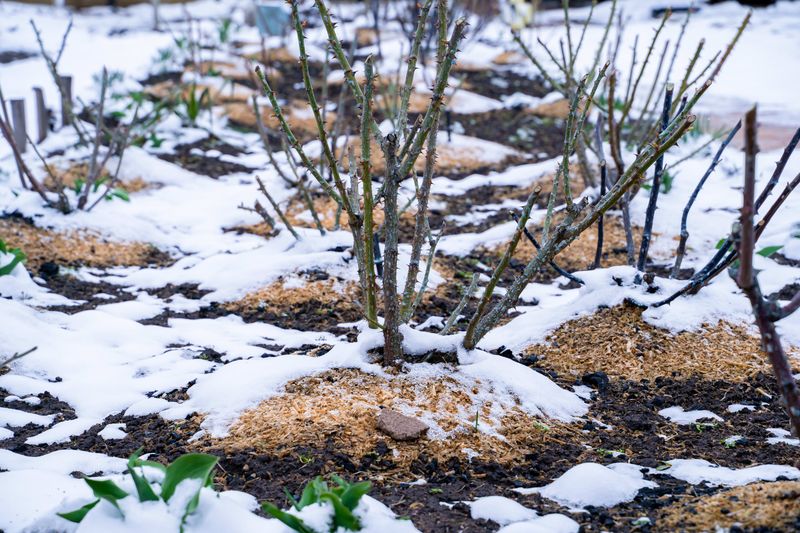
Ohio spring weather has a reputation for keeping gardeners guessing. A warm stretch in late March can fool roses into pushing out tender new growth, only for a hard frost in early April to catch everything off guard.
This back-and-forth pattern directly affects when it is safe to begin fertilizing.
OSU Extension advises Ohio gardeners to watch for consistent soil temperatures rather than just air temperatures before starting their fertilizing schedule. Soil that stays above 40 degrees Fahrenheit for several days in a row is a reliable indicator that roots are active and ready to absorb nutrients.
Fertilizing while the soil is still cold simply wastes product, since roots cannot take up nutrients efficiently in frigid conditions.
Ohio’s last average frost dates vary by region, ranging from mid-April in northern parts of the state to late March in southern Ohio. Gardeners near Lake Erie should wait a bit longer before beginning their first feeding compared to those in Columbus or Cincinnati.
Tracking local frost forecasts through the National Weather Service and adjusting your fertilizing timing accordingly protects new rose growth from damage and ensures your fertilizer investment actually reaches the plant when it can do the most good.
4. Feeding Roses After Spring Pruning
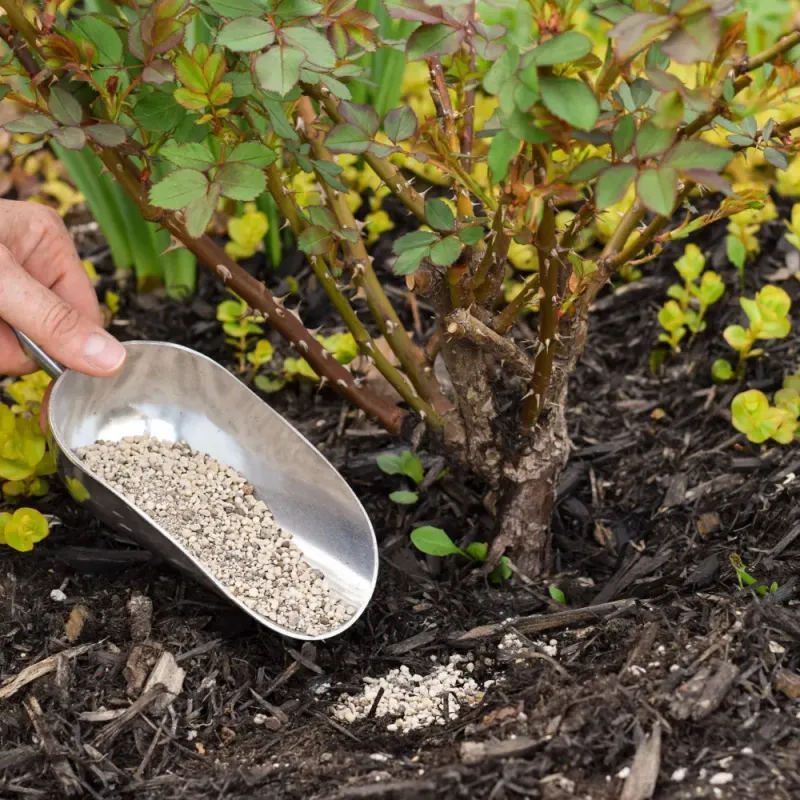
Pruning and fertilizing go hand in hand when it comes to spring rose care. Once you have finished cutting back withered wood, shaping your plants, and removing any canes that crossed or rubbed together, your roses are primed and ready to respond to a fresh dose of nutrients.
Most Ohio gardeners complete their spring pruning in early to mid-April, once the forsythia blooms have faded, which is a classic timing cue used by experienced rose growers across the Midwest. Fertilizing right after pruning takes advantage of the plant’s natural surge of energy as it works to replace the growth that was removed.
Applying a balanced fertilizer at this point channels that energy into producing strong, healthy new shoots rather than weak, spindly ones.
Water the rose bed thoroughly the day before you prune so the soil is moist but not waterlogged. After pruning, spread granular fertilizer around each plant according to package directions and water again to activate it.
Some gardeners also like to apply a diluted liquid rose fertilizer immediately after pruning for faster uptake. Either approach works well in Ohio gardens as long as no hard frost is expected within the next several days following the application.
5. Organic Fertilizers For Healthier Rose Soil
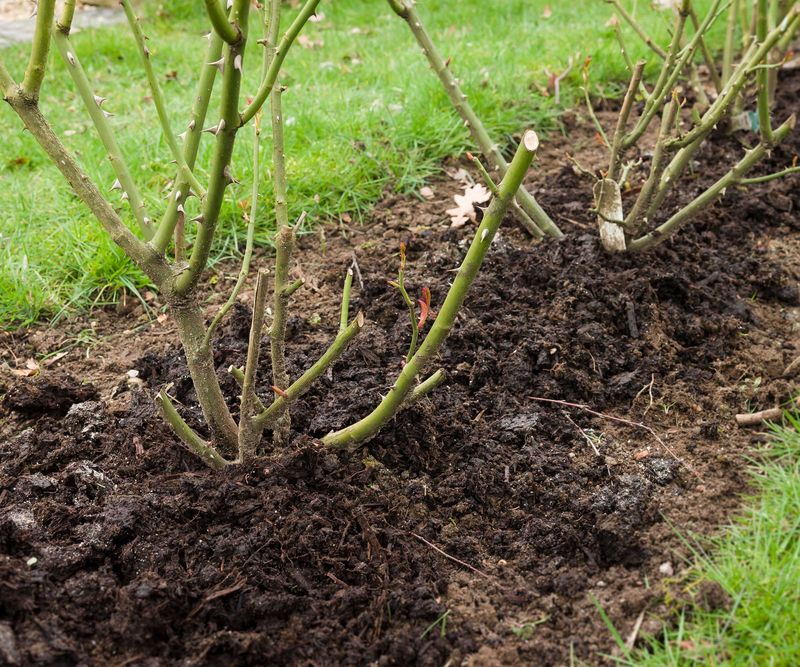
Plenty of Ohio gardeners are moving toward organic fertilizing methods, and roses respond beautifully to the approach. Unlike synthetic formulas that deliver a quick nutrient hit, organic options work more slowly and steadily while also improving the overall structure and biology of the soil beneath your rose beds.
Compost is one of the most versatile organic amendments you can use. Spreading two to three inches of finished compost around each rose bush in early spring adds organic matter, feeds beneficial soil microbes, and slowly releases nutrients as the material breaks down.
Composted manure, especially aged chicken or cow manure, is another excellent choice because it adds nitrogen along with trace minerals that support healthy plant development throughout the season.
Organic granular rose fertilizers made from ingredients like alfalfa meal, bone meal, and kelp are widely available at Ohio garden centers and work well as a supplement to compost applications.
Alfalfa meal in particular has a loyal following among rose enthusiasts because it contains a natural growth stimulant called triacontanol that encourages vigorous new shoot production.
Building healthy, biologically active soil through consistent organic feeding creates a stronger foundation for your roses year after year, reducing the need for heavy synthetic inputs over time.
6. Slow Release Fertilizers For Bigger Spring Blooms
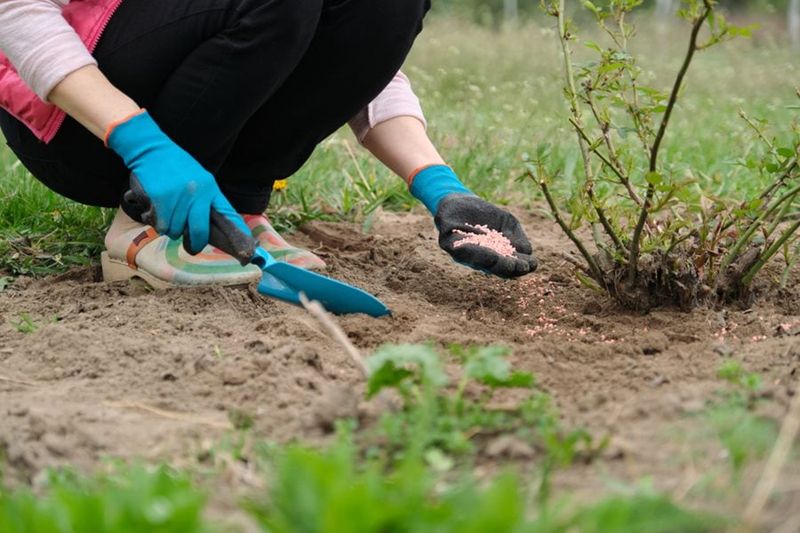
Slow-release fertilizers have become a go-to choice for many Ohio rose growers who want reliable results without the hassle of frequent reapplication. These products are coated or formulated in a way that releases nutrients gradually over weeks or even months, providing a steady supply that matches the plant’s natural growth rhythm.
One of the biggest advantages of slow-release fertilizers is that they reduce the risk of nutrient spikes that can stress rose plants or cause excessive leafy growth at the expense of blooms.
Products with an NPK ratio designed specifically for flowering shrubs, such as 5-10-5 or similar formulas with higher phosphorus content, are particularly useful for encouraging the development of larger and more abundant spring flowers.
Apply slow-release granules in early spring once the soil has warmed and new growth has begun.
A single application can often carry roses through six to eight weeks of steady feeding, which means less time measuring and mixing and more time actually enjoying your garden.
In Ohio, where spring can feel like it goes from cold to hot almost overnight, slow-release fertilizers also help buffer against the effects of rapid temperature changes by keeping nutrient delivery consistent regardless of what the weather is doing on any given week.
7. Over Fertilizing And The Damage It Causes Roses
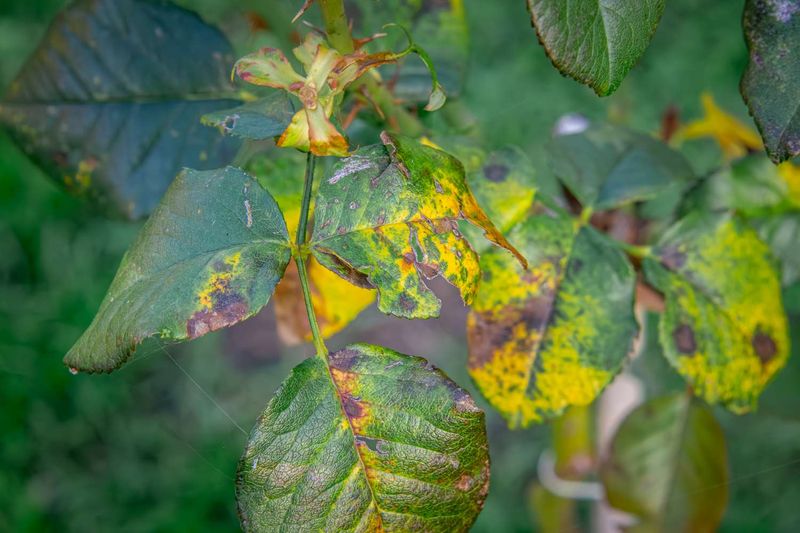
More is not always better when it comes to rose fertilizing, and Ohio gardeners who go heavy with applications often end up with plants that look worse rather than better. Over fertilizing is one of the most common mistakes in the rose garden, and the signs can be easy to misread as something else entirely.
Too much nitrogen is the most frequent culprit. It pushes roses into producing an abundance of lush, soft green growth that looks impressive at first but is actually quite vulnerable.
Overly tender new shoots are more attractive to aphids and other pests, more susceptible to fungal diseases like black spot and powdery mildew, and far less resilient when late cold snaps roll through Ohio in April or May.
Excess fertilizer salts can also build up in the soil around the root zone, drawing moisture away from roots through a process called osmotic stress, which causes leaf edges to turn brown and crispy in a pattern that looks similar to drought damage.
Always follow the recommended application rates on fertilizer packaging and resist the urge to add extra product thinking it will speed up results.
Soil testing through OSU Extension is a smart way to know exactly what your rose beds need before adding anything at all.
8. Late Season Feeding Before Ohio Winter
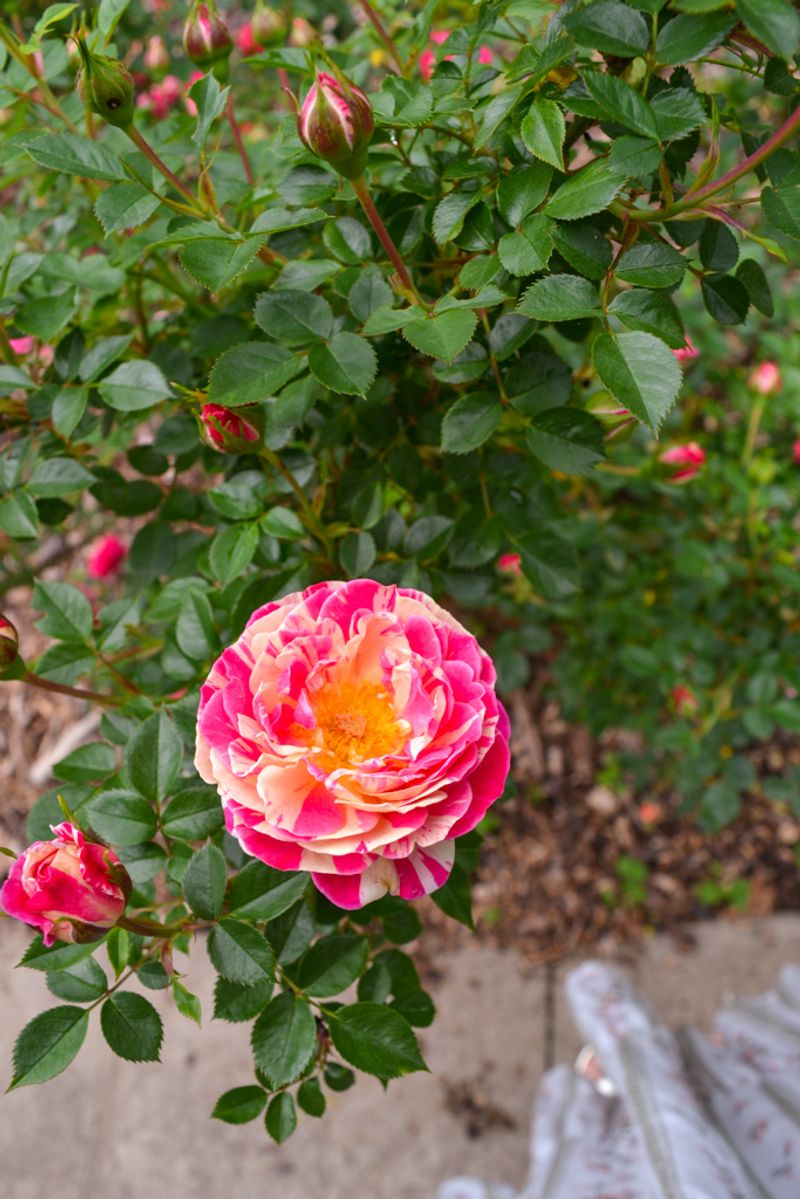
Knowing when to stop fertilizing is just as important as knowing when to start. Late-season feeding is one area where Ohio gardeners sometimes make a costly mistake by pushing roses to keep growing right when the plants need to be slowing down and preparing for cold weather.
OSU Extension recommends stopping nitrogen-rich fertilizer applications by mid-August in Ohio. Feeding roses with nitrogen late in the season encourages a flush of soft, tender new growth that simply does not have enough time to harden off before the first frost arrives in October.
That new growth is highly vulnerable to cold injury, and the damage it sustains can weaken the overall plant heading into winter.
If you want to give your roses any late-season support, a low-nitrogen fertilizer with higher potassium content, sometimes called a winterizer formula, can help strengthen cell walls and improve cold hardiness without triggering unwanted new growth.
Apply it no later than early September in northern Ohio and mid-September in the southern part of the state.
After that point, focus on other fall prep tasks like mulching the base of your plants with four to six inches of shredded bark or straw to protect the crown and roots from Ohio’s freezing winter temperatures.