When To Increase Watering In April In Arizona Without Overdoing It
April in Arizona can make watering feel uncertain, especially when the soil dries out faster on some days and holds moisture longer on others.
One section of the yard may look dry, while another still feels damp below the surface, which makes it hard to stay consistent.
Plants begin to show subtle changes during this time, and those small shifts often get overlooked. Leaves can lose firmness, growth can slow, and the surface may give the wrong impression of what is happening underneath.
Watering more might seem like the safest move, yet it does not always lead to better results. Too much at the wrong time can affect how roots develop and how plants handle the heat that follows.
Paying attention to how conditions change through April makes it easier to adjust before problems show up, and that is what keeps plants steady as temperatures continue to rise.
1. Increase Watering Only After New Growth Becomes Consistent
New growth is one of the most reliable signals your plants send you, and most people miss it. When you start seeing fresh leaves pushing out consistently across a plant, not just a single shoot, that’s when the plant’s water demand actually shifts upward.
A random bud here and there doesn’t mean much. Wait until growth is steady and spread across the plant before bumping up your watering.
In Arizona, April can trick you. Warm days arrive early, but soil temperatures don’t always match the air.
Plants may look like they’re ready to take off, but their root systems are still running on winter mode. Jumping ahead of that curve means water sits in the soil longer than it should, which can lead to root problems over time.
Watch your plants for about a week before making any schedule changes. If new growth keeps appearing at a steady pace, that’s your green light to add slightly more water.
Even then, gradual adjustments work better than a sudden increase.
Vegetables and annuals in Arizona tend to show consistent growth earlier in April than native shrubs or desert trees. Adjust each plant type on its own timeline rather than switching everything at once.
Keeping notes on what you observe each week makes the process a lot easier to manage and helps you avoid repeating mistakes from one year to the next.
2. Adjust Watering Gradually As Days Start Warming Up
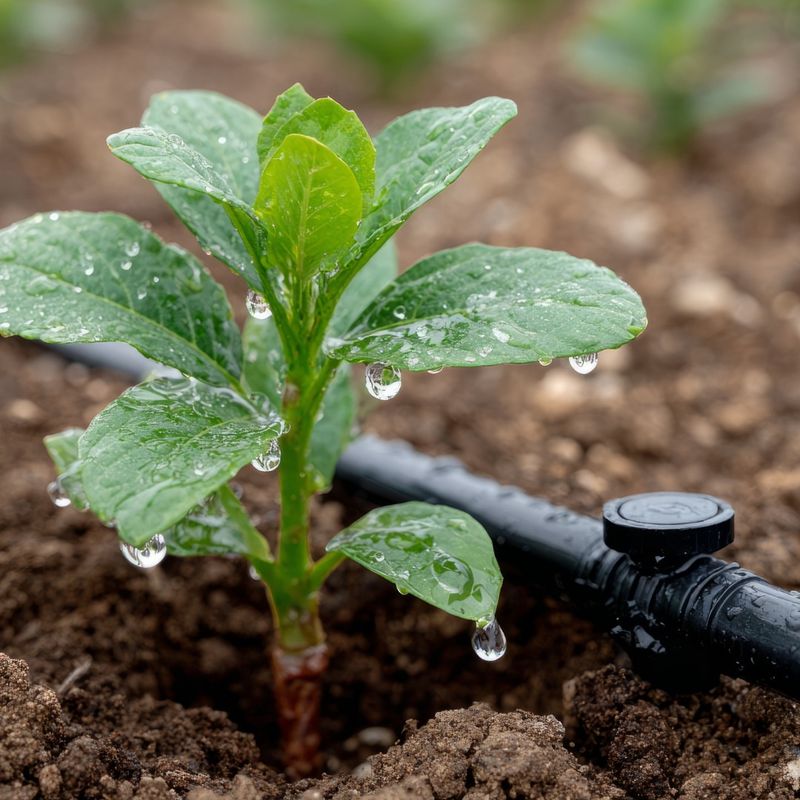
Cranking up your irrigation all at once when April heats up is one of the fastest ways to overwater your yard. Temperatures in Arizona can swing a lot during April, sometimes warm during the day and surprisingly cool at night.
Watering as if it’s already full summer means your soil stays wet longer than the plants actually need.
A smarter approach is adding small increments to your watering schedule as the warm days start stacking up. If you water every seven days in March, try shifting to every five or six days in early April rather than jumping straight to every three.
Give your plants and your soil a chance to adjust to the new rhythm before pushing further.
Drip systems make gradual adjustments easier because you can increase run time by a few minutes rather than adding full watering days. That kind of fine-tuning matters in Arizona, where soil type varies a lot from one neighborhood to the next.
Sandy soil drains faster, so you might need slightly more frequent watering, while clay-heavy soil holds moisture longer and needs less.
Paying attention to how your yard responds after each adjustment is more useful than following a rigid calendar. Some April weeks in Arizona run hotter than average, and some stay mild.
Letting actual conditions guide your changes rather than the date on the calendar keeps your watering practical and prevents you from adding water your plants simply don’t need yet.
3. Watch Soil Drying Speed Instead Of Following A Fixed Schedule
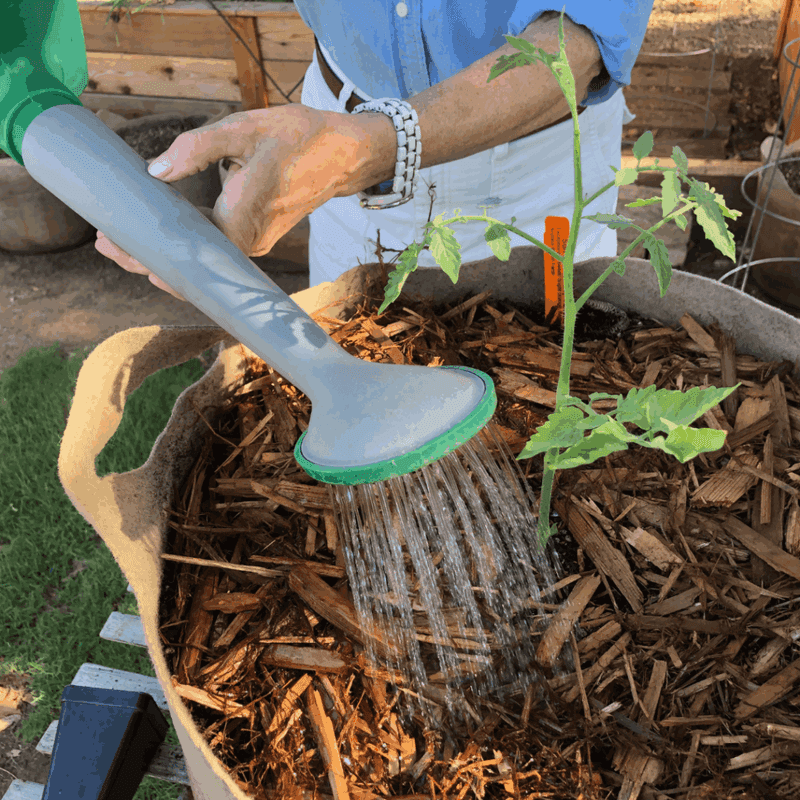
Soil tells you more than any calendar ever will. In Arizona, the speed at which your soil dries out changes week by week in April as temperatures climb and humidity stays low.
Sticking to a fixed schedule without checking what the soil is actually doing often means you’re either watering too soon or waiting too long.
A simple finger test works well for most garden beds. Push your finger about two inches into the soil near the base of a plant.
If it feels dry at that depth, it’s time to water. If there’s still noticeable moisture, hold off another day or two.
It’s not a perfect science, but it gives you real information instead of guesswork.
Soil drying speed can vary significantly across a single yard in Arizona. An area that gets afternoon shade might still hold moisture while a south-facing bed dries out by midday.
Checking multiple spots rather than relying on one test point gives you a much clearer picture of what your yard actually needs.
Windy days speed up soil drying considerably, especially in open desert areas. If you’ve had a couple of gusty days, your soil might dry out faster than expected even without much heat.
Staying aware of those conditions helps you respond accurately rather than defaulting to whatever schedule you used last week. Flexibility beats routine when it comes to April watering in Arizona.
4. Water Deeper Rather Than More Often As Temperatures Rise
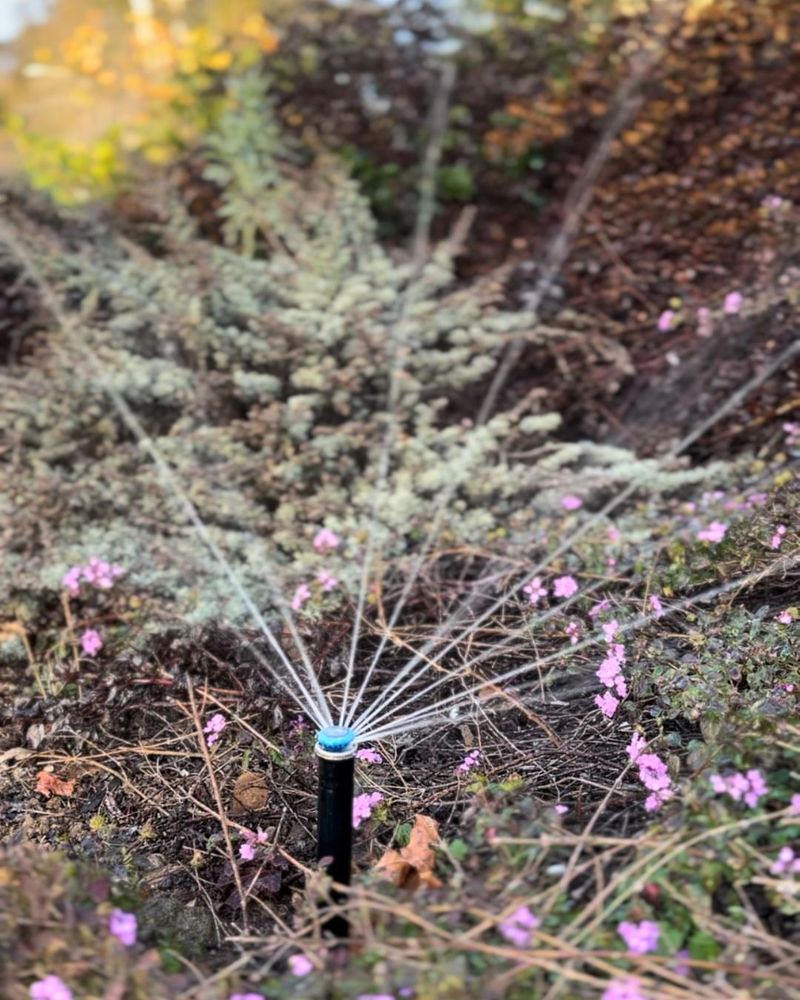
Frequent shallow watering in April trains roots to stay near the surface, which makes plants more vulnerable as summer approaches. Deep, less frequent watering encourages roots to follow moisture downward, where soil stays cooler and holds water longer.
In Arizona, that deeper root development can make a real difference once summer heat sets in.
Watering deeply means letting water run long enough to penetrate well below the surface, ideally reaching the root zone of whatever you’re watering. For most shrubs and trees in Arizona, that means getting water down at least twelve to eighteen inches.
For lawn areas, even six to eight inches of penetration is far better than wetting just the top layer.
Slow, steady application works better than blasting water quickly. Fast application often causes runoff, especially on compacted or clay-heavy soil, and most of that water never reaches the roots.
A drip system running for a longer duration or a soaker hose left on low pressure achieves much better penetration than a sprinkler running for a short burst.
One thing worth knowing about Arizona soil is that it can form a dry crust on top that initially repels water. If you notice water pooling on the surface rather than soaking in, slow your application rate further or break up the top layer slightly before watering.
Once water gets past that crust, it usually moves downward well. Deep watering a few times a week beats daily light sprinkles by a wide margin.
5. Check Moisture Below The Surface Before Adding More Water
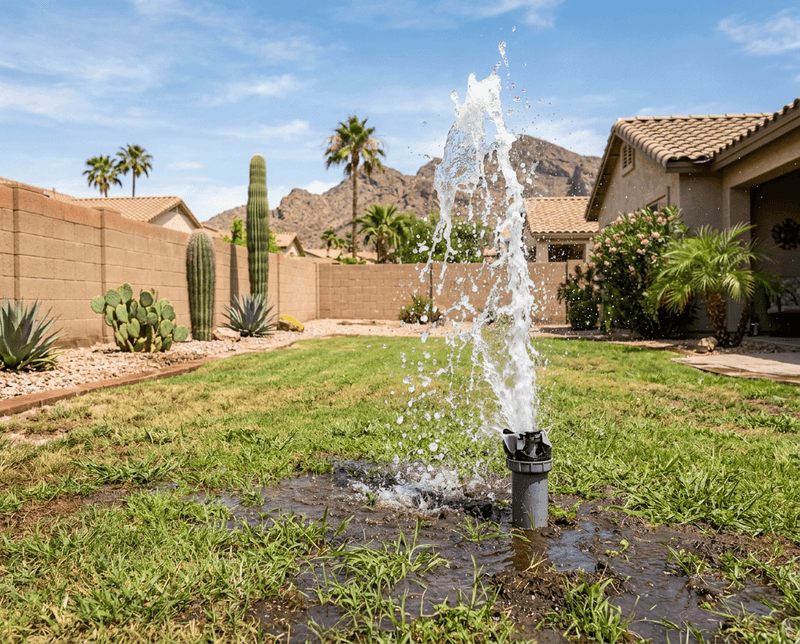
Surface soil in Arizona can fool you completely. On a warm April afternoon, the top inch of soil looks bone dry even when there’s plenty of moisture just a few inches below.
Watering based on surface appearance alone is one of the most common reasons people overwater their plants during spring in Arizona.
A wooden dowel or a basic soil probe works surprisingly well for checking what’s happening below the surface. Push it down four to six inches near the base of your plants.
If the wood comes out with soil clinging to it, there’s still moisture down there. If it comes out clean and dry, your plants likely need water soon.
Cacti and succulents deserve extra caution with this check. Even when the surface looks dry, these plants store water in their tissues and can go longer between waterings than most people expect.
In April, most cacti in Arizona do fine with watering every three weeks or so, depending on size and sun exposure. Probing the soil before watering them helps avoid the excess moisture they’re particularly sensitive to.
Trees and large desert shrubs have deep root systems that tap into moisture well below what your probe can reach. For those plants, checking soil about six to eight inches down gives you a reasonable idea of conditions at the upper root zone.
Combining that check with visual cues from the plant itself, like slightly drooping leaves in the morning, helps you make a well-rounded call before turning on the water.
6. Reduce Watering On Cooler Or Windy Days To Avoid Overwatering
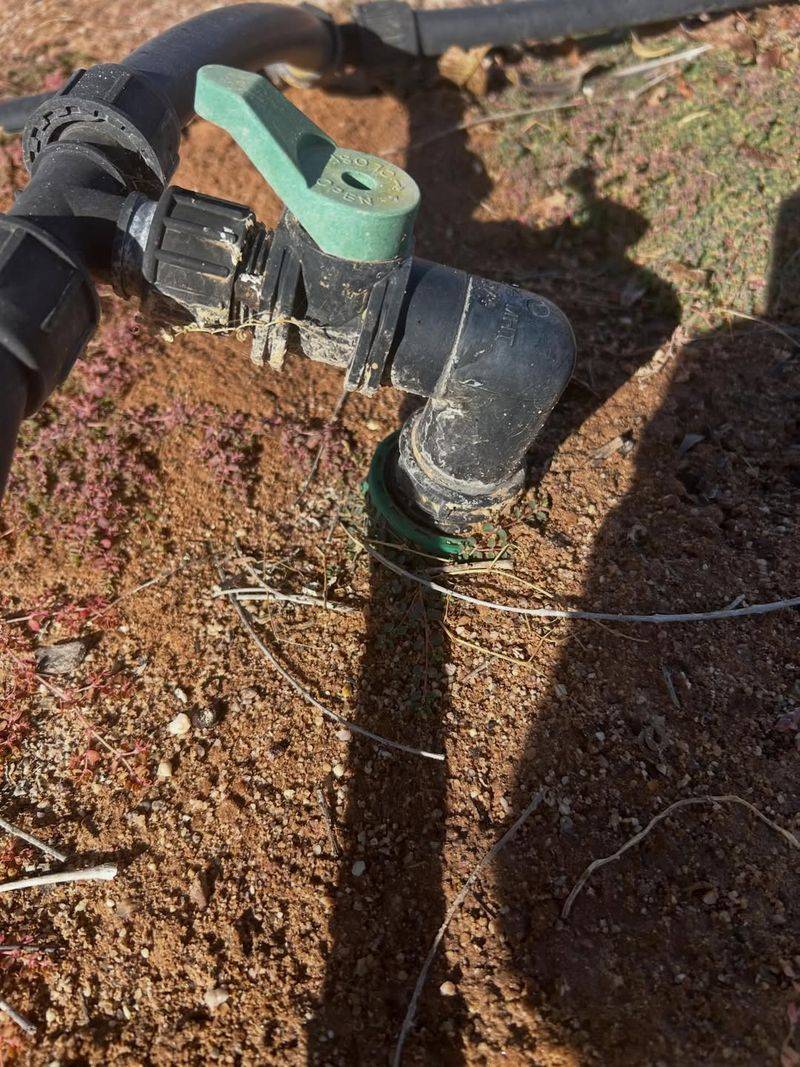
Not every April day in Arizona calls for more water. Cool spells and windy stretches can keep soil moist far longer than a typical warm day, and ignoring that means you’re adding water on top of water your plants haven’t used yet.
Overwatering during these windows is a genuine risk that often goes unnoticed until the damage shows up weeks later.
Wind is especially deceptive because it dries out the surface quickly, making the soil look like it needs water when the deeper layers are still holding moisture well.
If you see the top of your soil looking dry after a windy afternoon but haven’t had several consecutive warm days, do the subsurface check before reaching for the hose.
Chances are the moisture is still there below the surface.
Cooler days in April also slow down how fast plants use water. Plant transpiration drops when temperatures are mild, which means the water you added during a warmer stretch may still be available in the soil.
Skipping a scheduled watering on a cool day won’t hurt your plants, and it keeps you from building up excess moisture that could cause root issues.
Arizona gardeners who manually adjust their irrigation during these stretches tend to have healthier plants than those who let automated systems run on a fixed schedule regardless of conditions.
Smart irrigation controllers that factor in weather data can help automate this, but even a quick check of the weekly forecast before your scheduled watering day can save you from a preventable overwatering mistake.
7. Let Established Plants Dry Slightly Between Watering Cycles
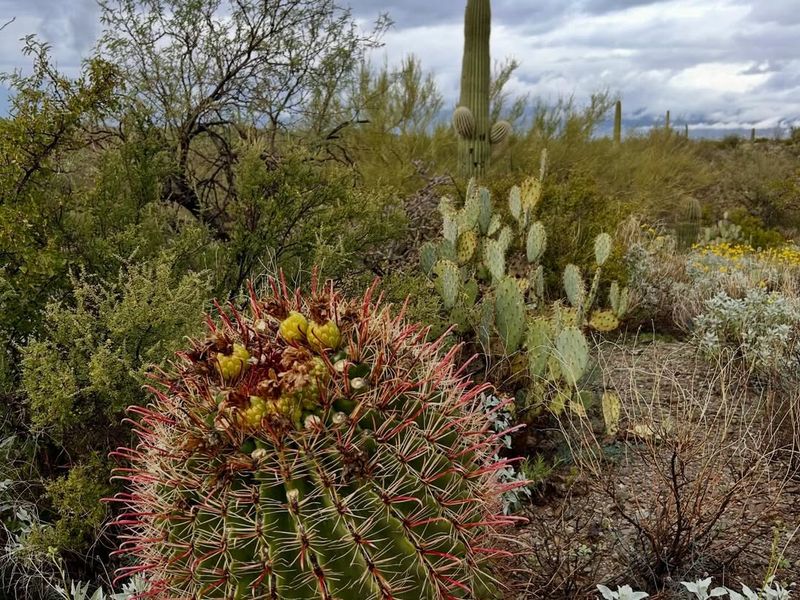
Plants that have been in the ground for a full season or more in Arizona tend to be more drought-tolerant than newly planted ones, and giving them a brief dry period between waterings actually supports healthier root systems.
Keeping soil consistently moist for these plants doesn’t encourage deeper root growth, it does the opposite.
Allowing the soil to dry out slightly before the next watering cycle pushes roots to extend further in search of moisture. Over time, that creates a stronger, more resilient root system capable of handling Arizona’s intense summer heat.
Constantly wet soil keeps roots shallow and dependent on surface water, which is not where you want them heading into summer.
The key word here is slightly. You’re not looking to stress the plant to the point where leaves curl or stems droop during the morning hours.
A brief, controlled dry period of a day or two beyond your usual schedule is enough. If a plant shows stress signs in the morning before temperatures climb, that’s your signal to water sooner.
Native Arizona plants like palo verde, desert willow, and most agave varieties handle this dry cycle approach particularly well. Non-native plants and vegetables need more consistent moisture and shouldn’t be managed the same way.
Grouping your plants by water need and managing each group separately makes this approach practical even for a larger yard. It takes a bit more attention upfront, but the results across an Arizona April are worth the effort.