When To Mulch New Plants In Arizona Gardens Without Causing Root Damage
New plants in Arizona do not get much time to settle before conditions turn harsh. Soil dries fast, sun exposure increases, and roots stay sensitive during those early days.
Even small choices during this stage can shape how well a plant adjusts over time.
Mulch seems like an easy step, yet it does not always help right away. Placing it too early or too close can trap moisture in the wrong way and interfere with how roots establish themselves in dry soil.
What looks protective on the surface can create stress below it.
Many gardeners rush this step without realizing how much timing matters. That is where things start to shift, especially once temperatures rise and plants begin to rely on deeper moisture.
Getting this part right makes a noticeable difference in how new plants handle Arizona conditions and how steady their growth feels afterward.
1. Wait Until Soil Warms And Roots Begin To Establish Before Mulching
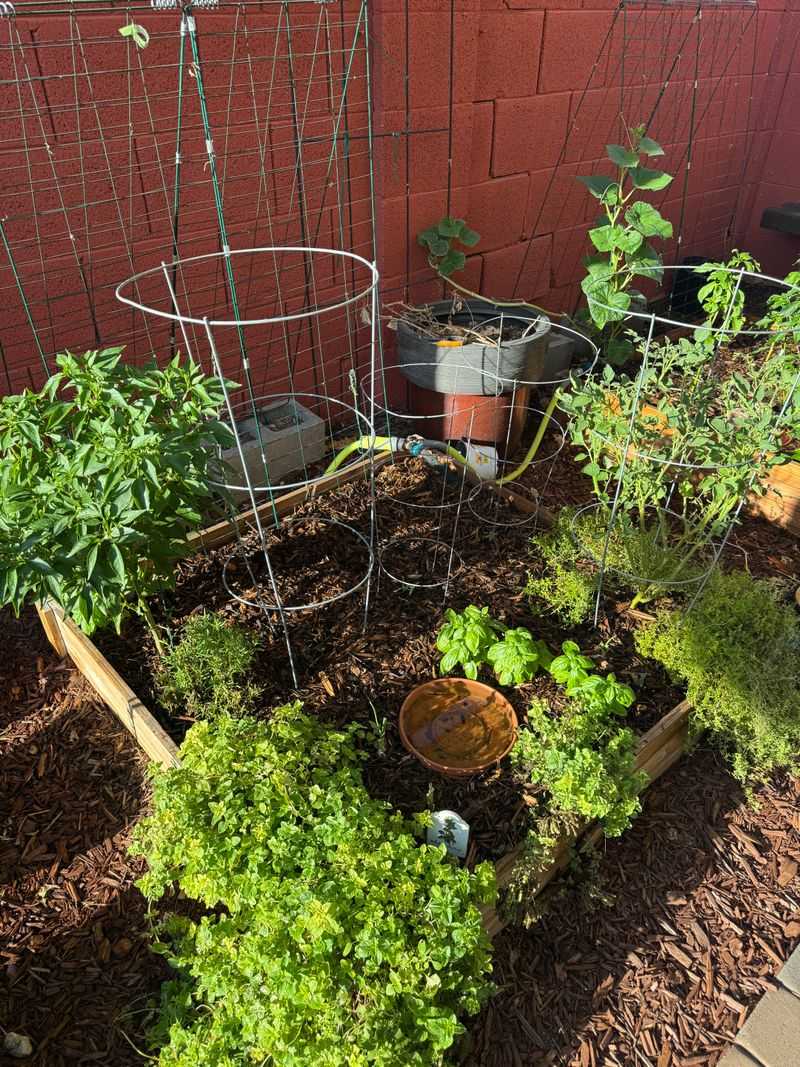
Rushing to mulch right after planting is one of the most common mistakes Arizona gardeners make. Newly planted trees and shrubs need time to push roots outward into the surrounding soil, and that process moves faster when the ground is warm.
Covering the soil too soon can slow that warming, which means roots stay closer to the planting hole instead of spreading out like they should.
In Arizona, late spring and early summer tend to be the best windows for mulching new plants. By that point, soil temperatures are climbing steadily, and roots are actively reaching into fresh ground.
Waiting until you notice some new leaf growth is a decent sign that the plant is settling in and ready for mulch coverage.
Soil temperature matters more than calendar dates. A simple soil thermometer from a garden center can tell you a lot more than guessing by the season.
Aim for consistent readings above 60 degrees Fahrenheit before laying down any mulch layer around new plantings.
Established root activity also helps the plant handle the moisture changes that mulch brings. Without a working root system, those changes can feel more like stress than support.
Giving new plants two to four weeks after planting before mulching is a reasonable starting point for most Arizona landscapes.
2. Newly Planted Roots Need Airflow Before Being Covered
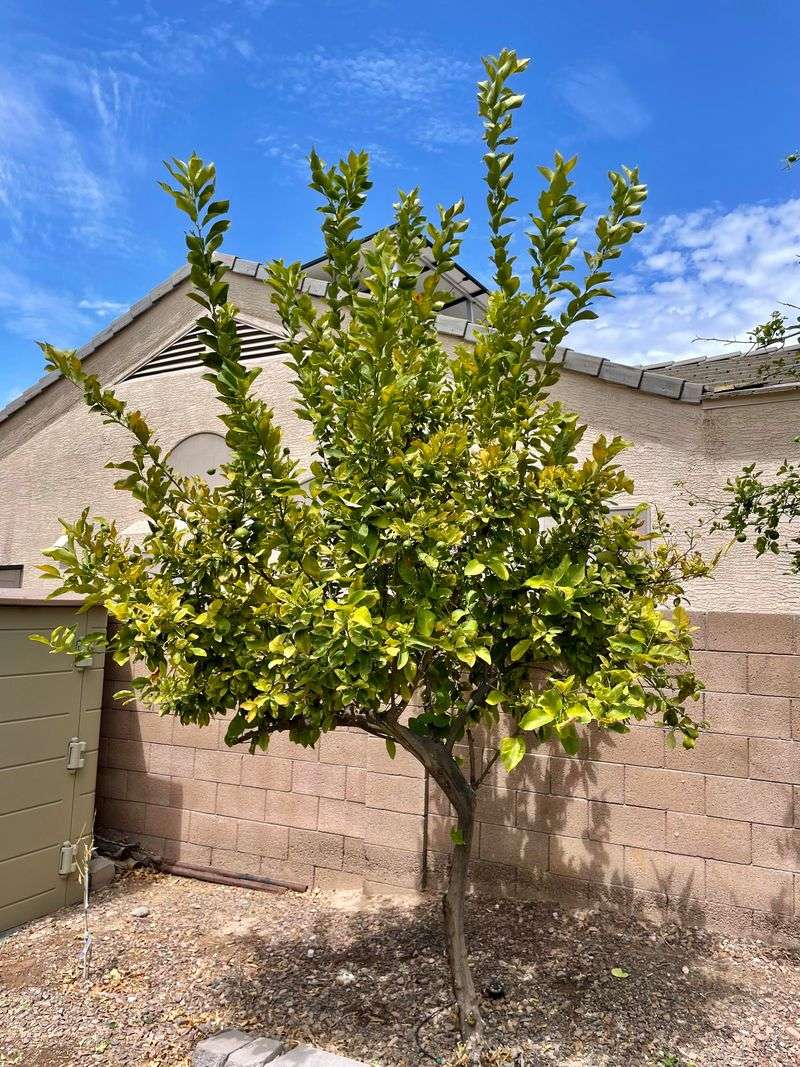
Roots breathe. That might sound strange, but oxygen movement through soil is actually critical for root health, especially in the first few weeks after planting.
Covering fresh soil too quickly can reduce that airflow, leaving roots in a stuffy, potentially soggy environment that they are not ready to handle yet.
Arizona soils, especially in the Phoenix and Tucson areas, tend to be sandy or caliche-heavy. Both types drain differently and hold oxygen in their own ways.
When you pile mulch over these soils before roots have spread out, you can accidentally create a pocket of stagnant moisture right where the most tender new roots are trying to grow.
A few weeks of open soil exposure after planting lets the root zone breathe and adjust to the surrounding ground. During that time, light watering at the base keeps moisture available without creating a soggy layer.
Roots that develop in well-aerated soil tend to anchor more firmly and recover faster from heat stress later in the season.
Watching how quickly the soil surface dries after watering can tell you a lot about airflow and drainage. If the surface stays wet for more than a day or two, the area may need better drainage before any mulch goes down.
Airflow and drainage together set the stage for a root system that can actually handle Arizona summers without struggling.
3. Applying Mulch Too Early Can Trap Excess Moisture In Soil
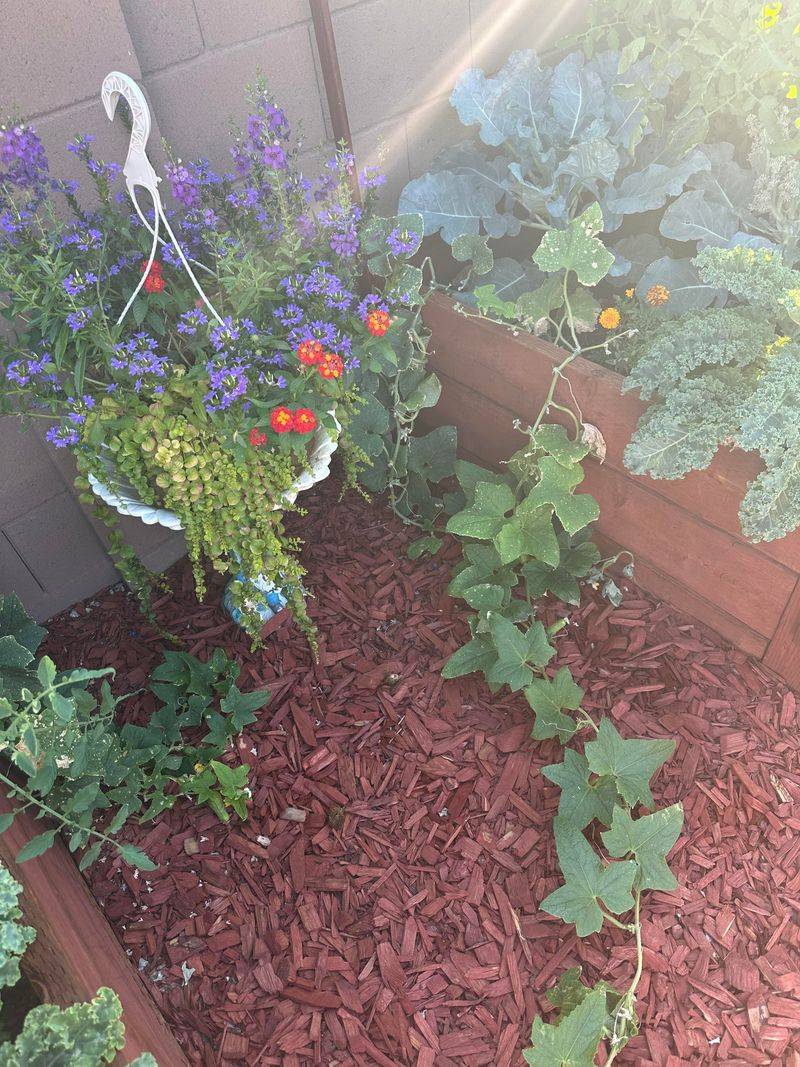
Moisture is everything in the desert, but too much of it concentrated in one spot can cause real problems. When mulch goes down over soil that has not fully warmed or drained from recent watering, it acts like a lid, trapping that moisture right against the root zone.
In a region like Arizona where fungal issues can flare up fast in warm, wet conditions, that is not a situation you want to create.
New roots are especially vulnerable because they have not yet developed the tougher outer tissue that older roots build over time. Sitting in overly moist soil for extended periods can soften that tissue and make it easier for rot or fungal problems to take hold.
The risk is higher in low-lying garden spots where water naturally pools after irrigation.
Timing your mulch application after the soil has had a day or two to dry slightly from your last watering session makes a noticeable difference. You want the soil to be moist at depth but not soggy at the surface when the mulch goes down.
Checking with your finger about two inches deep before mulching is a quick and reliable way to gauge readiness.
In Arizona’s spring months, temperatures shift fast, and soil moisture levels change quickly too. Paying attention to recent rainfall or irrigation schedules before mulching helps you avoid accidentally locking in more water than the roots can use at that stage of development.
4. A Light Layer Helps Protect Soil Without Suffocating Roots
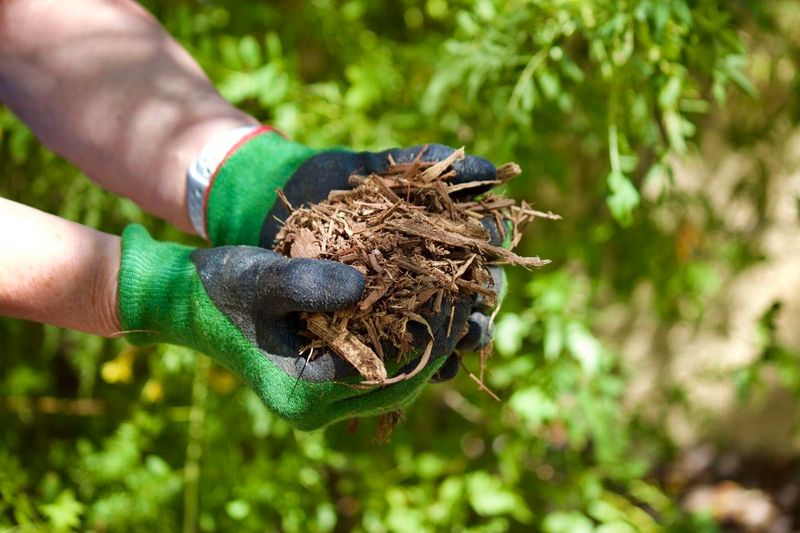
More mulch does not always mean better results. Piling on thick layers around new plants might feel protective, but it can actually work against root development by cutting off the oxygen and light drainage that young roots depend on.
A two-inch layer is usually enough to help without going overboard.
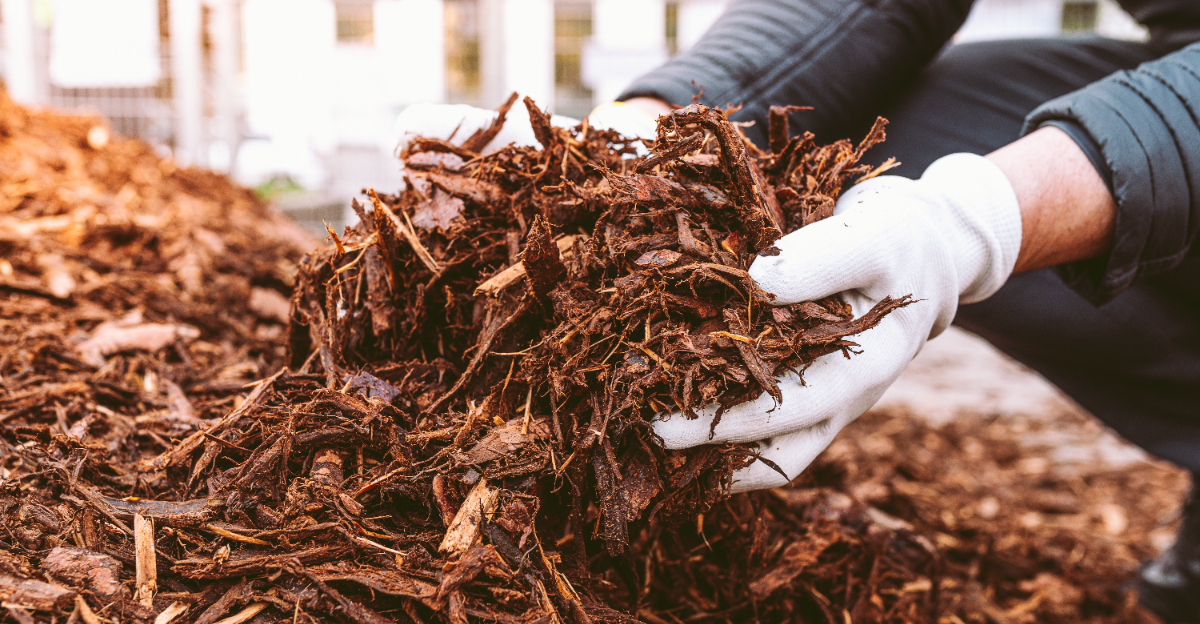
Shredded bark and wood chips are popular mulch choices across Arizona landscapes. They break down gradually, adding a bit of organic matter to the soil over time without compacting too quickly.
Applying them in a light, even layer lets water still reach the soil while reducing surface evaporation between watering sessions.
Gravel and decomposed granite are also common in Arizona gardens, and they work differently than organic mulch. They do not retain moisture the same way, which can be an advantage in wetter microclimates but less helpful in spots that dry out fast.
For new plants in most Arizona settings, a light organic mulch layer tends to give roots a more stable environment to grow into.
Spreading mulch evenly across the root zone rather than mounding it near the base keeps conditions consistent. Uneven application can create wet and dry pockets across the same root system, which forces the plant to adapt unevenly.
Keeping the layer thin and consistent is one of the simplest ways to support new roots without creating extra stress during the establishment phase.
5. Keeping Mulch Away From The Base Prevents Stress At The Crown
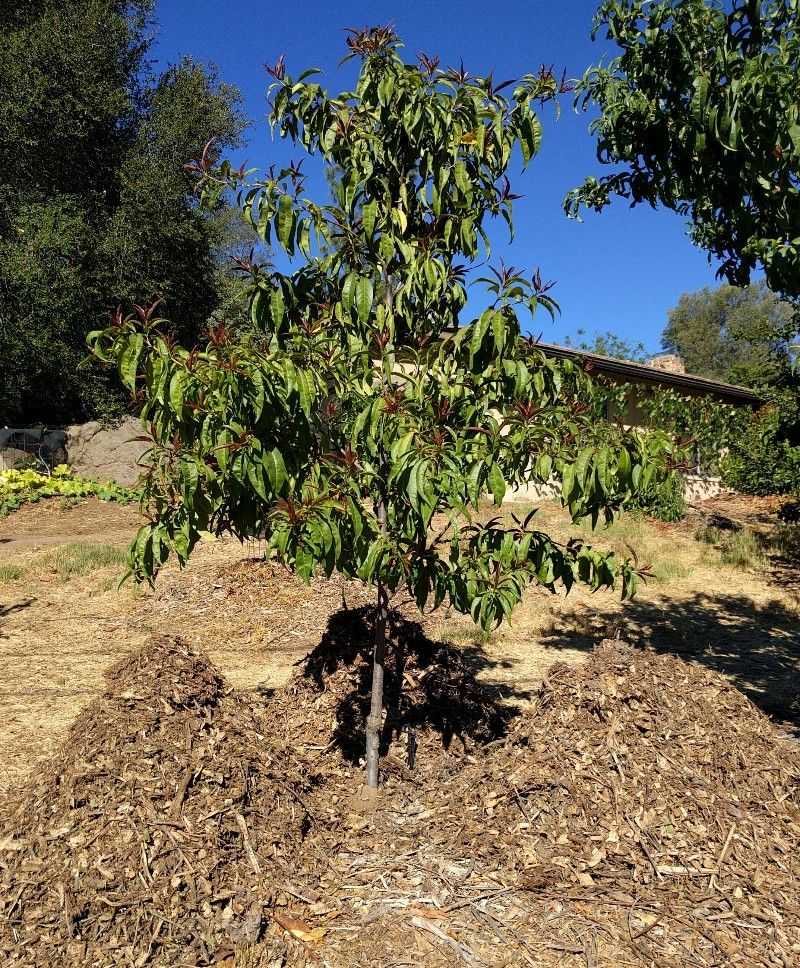
Crown rot is a real concern for new plants in Arizona, and most of it starts when mulch gets piled directly against the base of a trunk or stem. That contact holds moisture against the bark, which softens the tissue over time and creates an entry point for fungal issues.
Keeping mulch pulled back two to three inches from the base is one of the most practical habits a gardener can build.
It looks a little counterintuitive at first. You might feel like leaving that bare ring around the base is missing the point of mulching.
But the crown of the plant, where the stem meets the soil, is one of the most sensitive spots on any young tree or shrub. Protecting it means giving it space to breathe and stay dry at the surface.
In Arizona, where summer temperatures can send soil surface heat soaring, mulch piled against a trunk can also transfer that heat directly to the bark. Young bark is not thick enough yet to handle that kind of concentrated warmth without showing stress.
Keeping the mulch layer flat and pulled back prevents both heat and moisture from building up where they can do the most harm.
A donut-shaped mulch ring, wide and flat with an open center, is the practical approach most experienced Arizona gardeners use.
It covers enough ground to reduce evaporation and regulate soil temperature while leaving the base of the plant clear and protected from contact moisture.
6. Warm Spring Conditions Help Mulch Work More Effectively
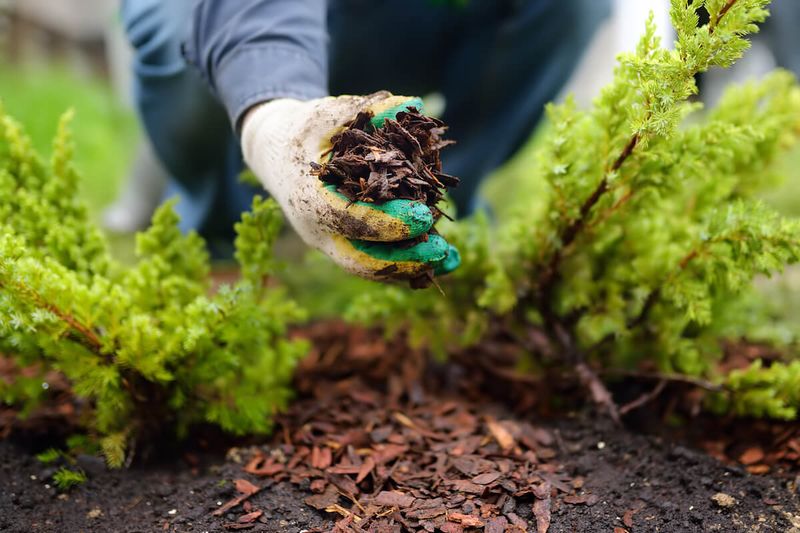
Arizona spring hits fast. By late March, daytime temperatures in the Phoenix metro area can already be climbing into the mid-80s, and soil temperatures follow close behind.
That warming trend is actually what makes late spring one of the better windows for mulching new plants, because the soil is ready to hold and use moisture more efficiently once it has warmed up.
Mulch works by slowing down evaporation from the soil surface. When soil is already warm, it holds onto that moisture more effectively, and roots can access water between watering sessions without drying out completely.
Applying mulch during a cooler, wetter stretch can give you less benefit because the soil is already retaining more moisture on its own.
Spring in Arizona also brings lower humidity and consistent wind, both of which pull moisture from exposed soil quickly. Getting mulch down before the real heat of May and June sets in gives new plants a buffer against that accelerated drying.
Timing it right means you are working with the season rather than against it.
Waiting for a few warm days in a row before mulching is a useful habit. If the forecast shows a stretch of mild, dry weather with daytime highs in the 70s or 80s, that is a solid window to get mulch applied around new plantings.
Soil that has had time to warm evenly responds better to mulch coverage and supports more consistent root growth in the weeks that follow.
7. Checking Soil Moisture First Helps Avoid Over-Mulching
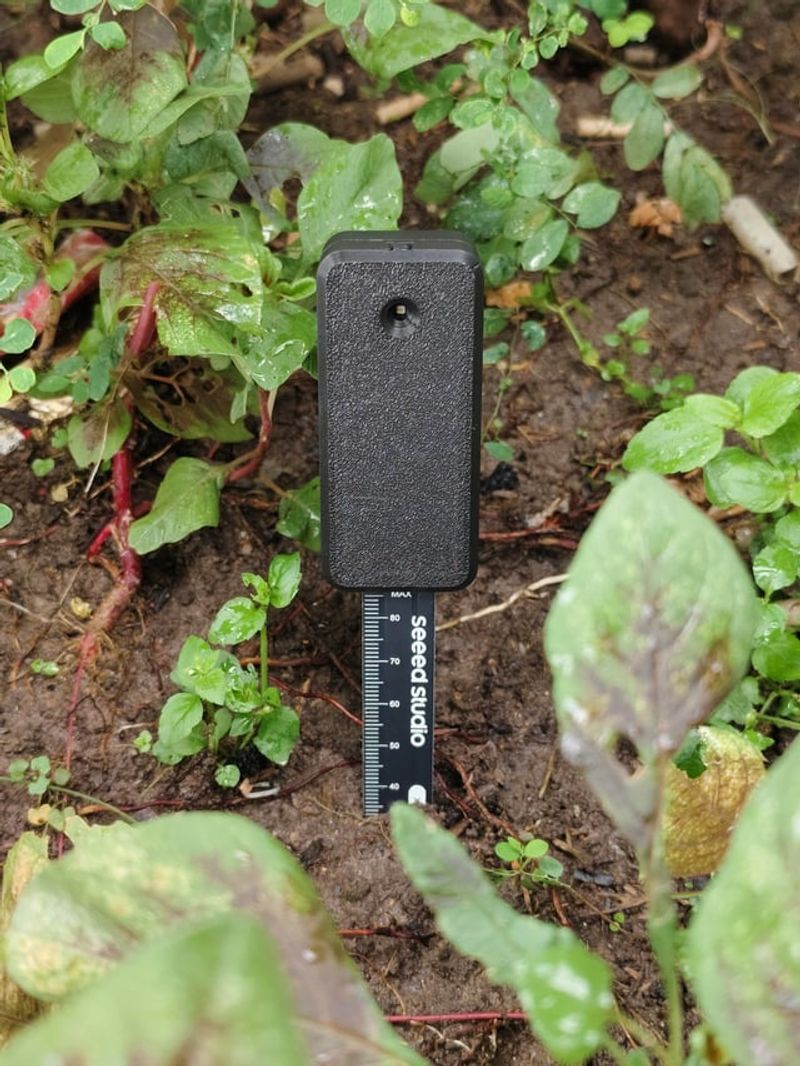
Before any mulch goes down, checking what is already happening in the soil can save you from making a common mistake. Soil that is still holding moisture from recent rain or irrigation does not need the same treatment as dry, sun-baked ground.
Applying a thick mulch layer over already-moist soil can push moisture levels higher than new roots are equipped to handle.
Pushing two fingers about two inches into the soil near the plant base gives you a quick read on conditions. If it feels damp at that depth, the soil has enough moisture and does not need mulch to lock in more right now.
If it feels dry and powdery all the way down, that is a better signal that mulch will actually help by slowing future moisture loss.
Arizona gardeners often deal with inconsistent watering schedules, especially when setting up drip systems for new plantings. Over-mulching on top of an already generous drip output can lead to root stress from excess moisture rather than drought.
Matching your mulch timing to your actual soil conditions keeps things more balanced.
Getting into the habit of checking soil moisture before every mulch application, not just the first one, builds better long-term results in the garden. Soil conditions shift with each watering cycle, seasonal rainfall, and temperature change.
Staying attentive to what is actually happening underground, rather than following a fixed schedule, tends to produce healthier plants across all Arizona growing zones.