When To Prune Evergreens In Ohio (And Which Ones You Should Leave Alone)
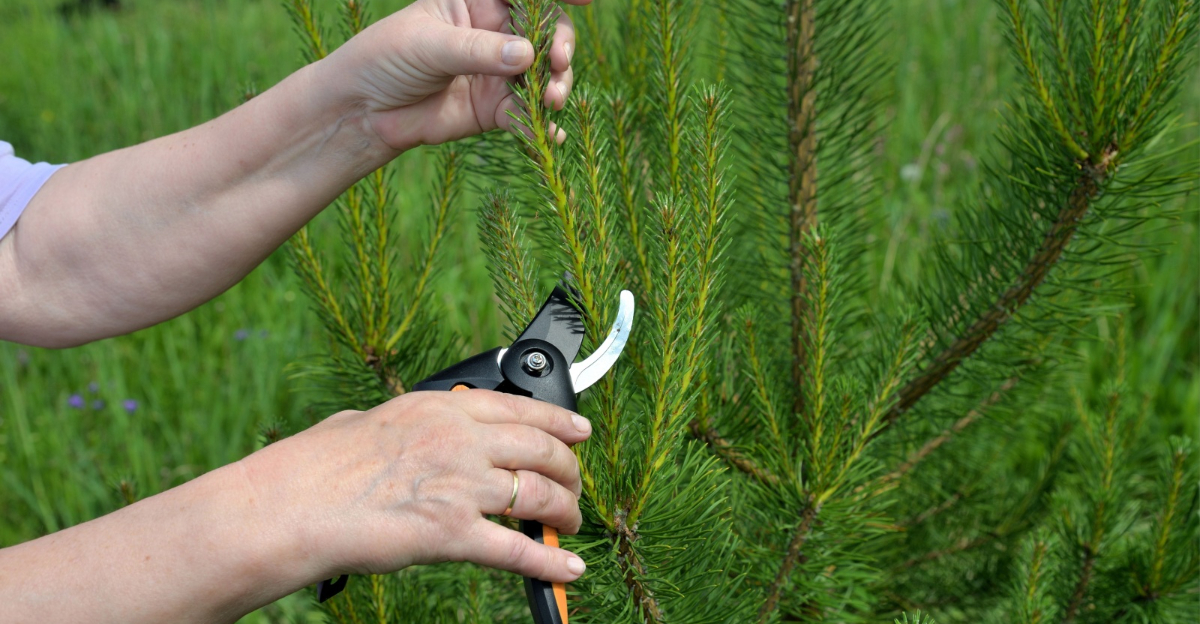
A well-timed trim can keep evergreens neat, healthy, and attractive for years. A poorly timed cut can leave them thin, misshapen, or stressed just when Ohio weather turns harsh.
That is why pruning evergreens is not as simple as grabbing the shears the first warm weekend of spring. Different types respond in very different ways, and some recover far better than others after a cut.
Ohio homeowners often assume all evergreens need regular pruning to stay full and tidy, but that mistake can do more harm than good. In many cases, less is the smarter move.
The key is knowing when light shaping helps, when cuts invite damage, and which trees and shrubs should stay mostly untouched.
Before you start trimming for a cleaner look, it helps to know which evergreens welcome careful pruning and which ones are better left alone.
1. Prune Most Evergreen Shrubs In Early Spring
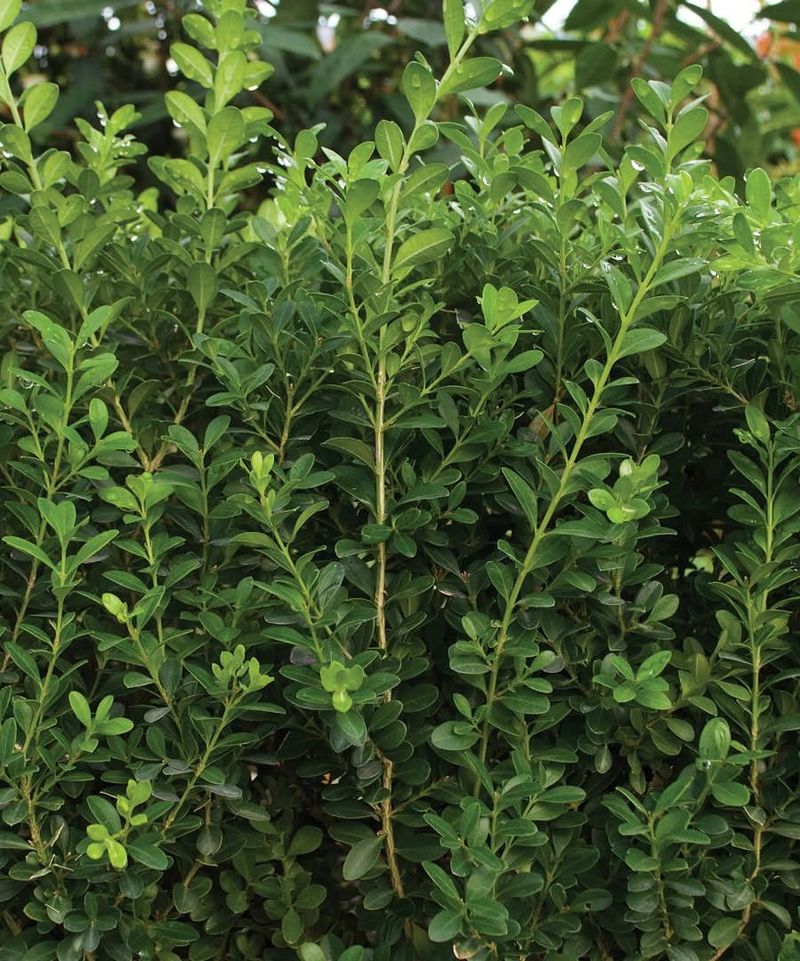
Most of the pruning confusion in Ohio yards comes down to one simple mistake: cutting at the wrong time of year. For a wide range of evergreen shrubs, early spring is your best window, specifically that stretch just before new growth kicks in.
The plant is coming out of dormancy, temperatures are still cool, and fresh cuts have the best chance of healing cleanly before summer stress sets in.
Think of it like a haircut before a big event. The plant is about to put energy into new growth anyway, so shaping it right before that surge helps direct that energy into a fuller, more balanced form.
Ohio State University Extension recommends late winter to early spring as the general sweet spot for most evergreen shrubs, and that guidance holds up well across most of the state.
Light shaping during this window keeps plants tidy without pushing them too hard. You are not trying to dramatically reshape anything in one session.
Removing crossing branches, trimming uneven growth, and cleaning up winter damage is usually all that is needed. Getting out there in March or early April, before things green up fast, puts you ahead of the season and gives your shrubs a strong start.
2. Wait For New Growth Before You Shape Arborvitae
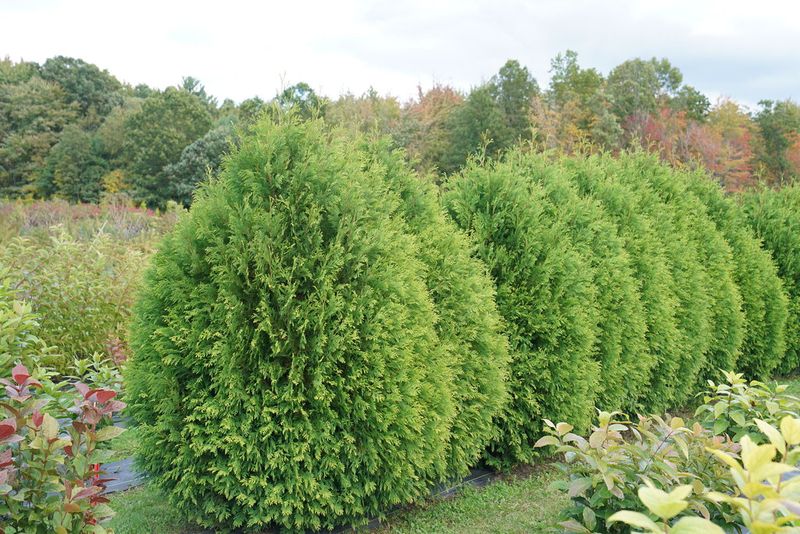
Arborvitae is one of the most popular privacy plants in Ohio, and it is also one of the most commonly over-trimmed. Homeowners often reach for the hedge trimmers too early or cut too deep, and the result is brown patches that never green back up.
That bare, woody interior is not coming back to life no matter how long you wait.
The key with arborvitae is patience. Wait until you can see that flush of new growth emerging at the branch tips in spring, usually sometime in April or May depending on where you are in Ohio.
That new growth is your signal that the plant is actively pushing energy outward. Light shaping done at this point encourages a denser, more uniform look without exposing withered interior wood.
Always prune back to a point where you can see green growth. Never cut past that green zone into the older brown wood behind it.
Arborvitae does not regenerate from bare wood the way some other plants do. Keep your cuts modest, work with the natural shape rather than fighting it, and resist the urge to shear it flat like a hedge.
A little restraint goes a long way with this plant.
3. Yews Handle A Careful Trim Better Than Most
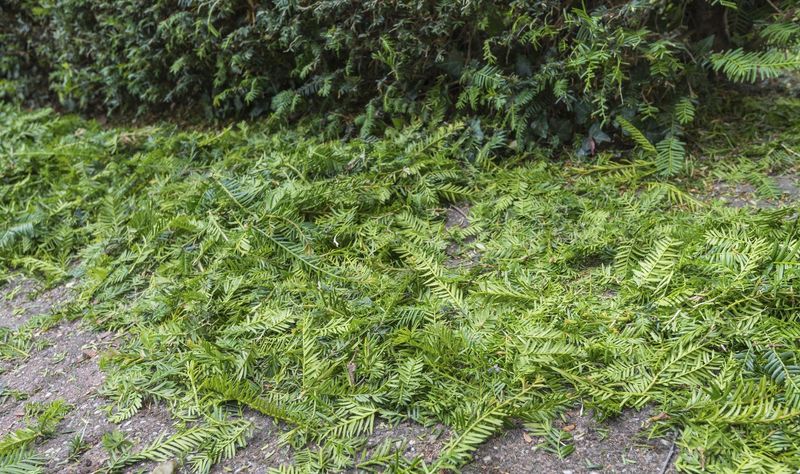
Among all the needle evergreens commonly planted in Ohio, yews are the most forgiving when it comes to pruning. They can handle a more aggressive trim than arborvitae, juniper, or pine, and they are one of the few needle evergreens that can actually push new growth from old wood.
That quality makes them a much more flexible plant to work with in the landscape.
Early spring is the preferred time to shape yews in Ohio, though they can also handle a light mid-summer trim if needed. The goal is to keep cuts clean and proportional.
Even though yews tolerate more than most, that does not mean you should go wild with the shears. Cutting too far back all at once can still stress the plant, especially if it is older or dealing with any underlying health issues.
Yews respond well to gradual reshaping over two or three seasons rather than one dramatic cutback. If you have an overgrown yew that has gotten out of hand, start by removing the longest, most unruly branches and work your way in slowly each year.
Sharp, clean tools matter here too. Ragged cuts invite disease, and yews planted in Ohio’s humid summers are already somewhat prone to certain fungal issues if conditions are right.
4. Junipers Need A Light Hand And Good Timing
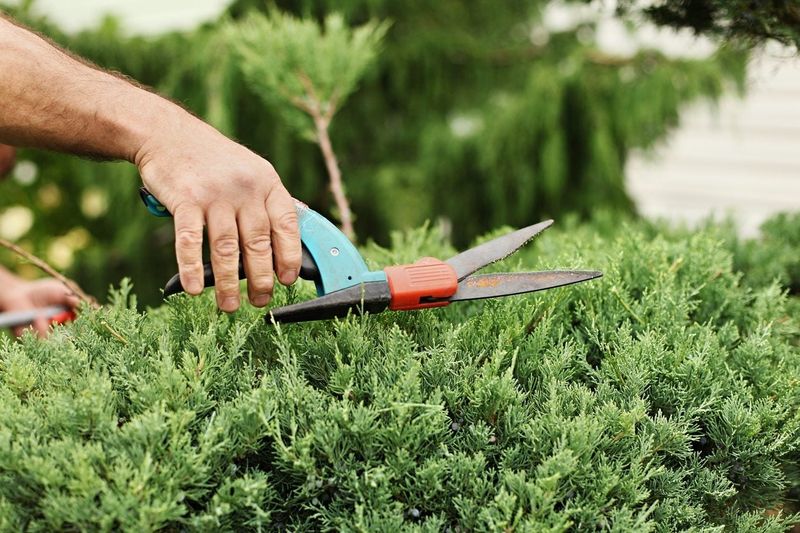
Grab a pair of hedge trimmers and go to town on a juniper, and you will regret it by midsummer. Junipers have a reputation for being tough, low-maintenance plants, and they are in many ways.
But they do not respond well to heavy pruning, especially when cuts go back into older wood that has no active green growth on it.
Unlike yews, junipers cannot regenerate from bare wood. Once you cut past the green foliage zone into the gray or brown interior, that branch is not coming back.
This is why selective, light pruning is the only smart approach. In Ohio, the best time to do this kind of shaping is in early spring, just as the plant starts to wake up, or in early summer right after the first flush of new growth has hardened off a bit.
Focus on removing withered or crossing branches and trimming back any stems that have outgrown the natural shape of the plant. Work with the juniper’s existing form rather than trying to impose a boxy hedge shape on a naturally spreading or upright variety.
Spreaders like Blue Rug juniper and upright types like Skyrocket each have their own natural silhouette, and respecting that silhouette is half the battle when it comes to keeping junipers looking their best in Ohio landscapes.
5. Leave Pines Alone Unless You Know The Right Cut
Pines are a special case, and treating them like any other evergreen shrub is one of the most common pruning mistakes Ohio gardeners make. You cannot just cut a pine branch back to a random point and expect it to fill in.
Pines only produce new growth from their growing tips, so if you cut past those tips into older wood, that branch stops growing. Full stop.
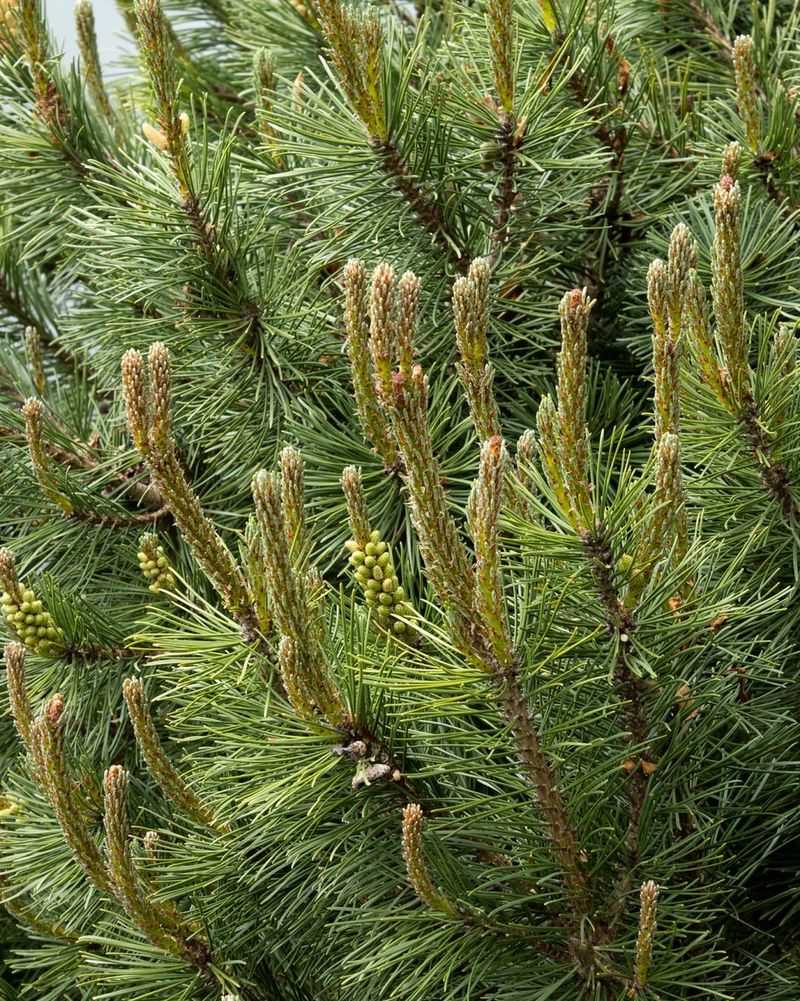
The window for working with pines is narrow and specific. Each spring, pines push out new growth in the form of candles, those soft, upward-reaching stems that appear before the needles fully open.
Pinching or snipping those candles by about half while they are still soft and tan-colored encourages the plant to branch out and become fuller. Once the candles have fully elongated and the needles have opened, that opportunity is gone for the season.
Mugo pines are the variety Ohio gardeners most often try to shape, and candling works well on them when done at the right moment. Austrian pines and white pines are better left to grow naturally unless there is a structural problem or declined wood to remove.
Pruning pines is less about shaping and more about understanding how the plant grows in the first place.
6. Do Not Shear Spruce And Fir Like Hedges
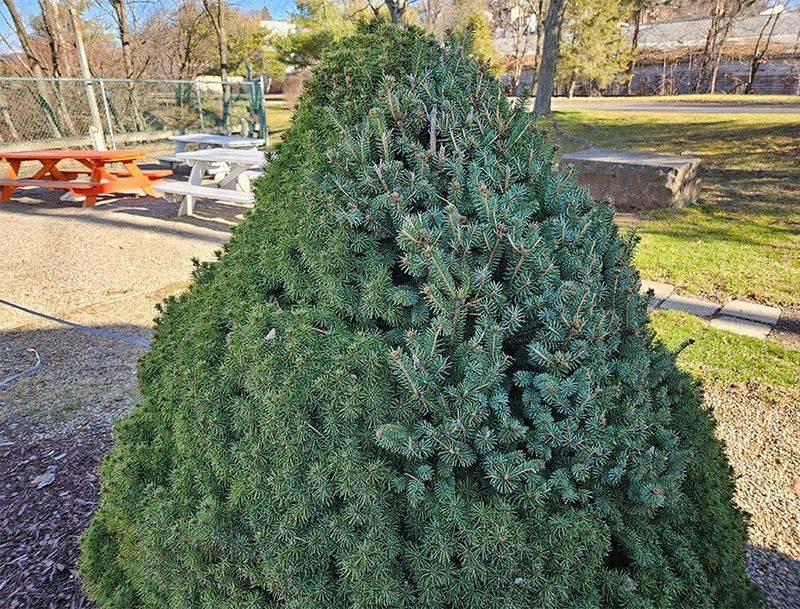
Walk through almost any Ohio neighborhood and you will spot at least one spruce that someone tried to shear into a tidy shape. The result is almost always the same: a plant with a flat, dense outer shell of foliage and a hollow, brown interior that gets worse every year.
Spruce and fir trees are simply not built for that kind of treatment.
Both spruce and fir produce new growth only at their branch tips each season. When you shear them flat, you cut off those tips and force the plant to try and compensate.
Over time, the interior shades out, lower branches thin, and the tree starts to look ragged no matter how often you trim it. These trees are much better off being left to grow in their natural pyramidal or conical form.
Selective corrective pruning is acceptable when needed. If a spruce or fir develops a competing leader, two main trunks growing upward at the same time, removing the weaker one early is a smart move.
Cutting out withered or damaged branches is also fine at any point. But routine shearing for shape control?
Skip it entirely. Ohio’s blue spruces, white spruces, and concolor firs all look far better when their natural architecture is allowed to develop without interference.
7. Skip Fall Pruning Before Ohio Winter Sets In
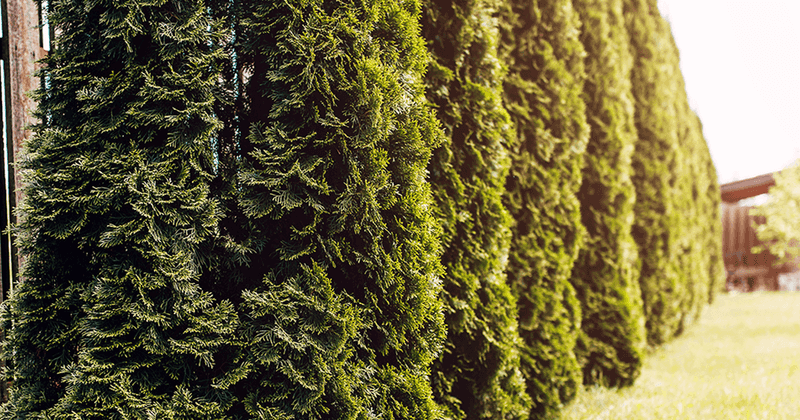
Late September and October might feel like a great time to tidy up the yard before winter, but reaching for the pruners on your evergreens is a move worth skipping. Pruning stimulates growth, and any new growth that pushes out in fall does not have enough time to harden off before Ohio winters arrive.
That soft, tender new growth is vulnerable to frost damage in a way that established growth simply is not.
Ohio winters can turn cold fast, especially in northern parts of the state near Lake Erie. A warm spell in October can trick plants into responding to a fresh cut with a burst of new shoots, and then a hard freeze rolls in and that new growth suffers.
The plant has to spend energy recovering from that damage instead of settling in for a healthy dormancy.
The safest rule is to stop pruning evergreens by late August at the very latest, and even that pushes it for some species. If you notice withered or broken branches in fall, those can be removed carefully since you are not stimulating new growth by taking out declined material.
But shaping, thinning, or any kind of corrective pruning should wait until late winter or early spring when the timing actually works in your favor.
8. Know Which Evergreens Bounce Back And Which Do Not
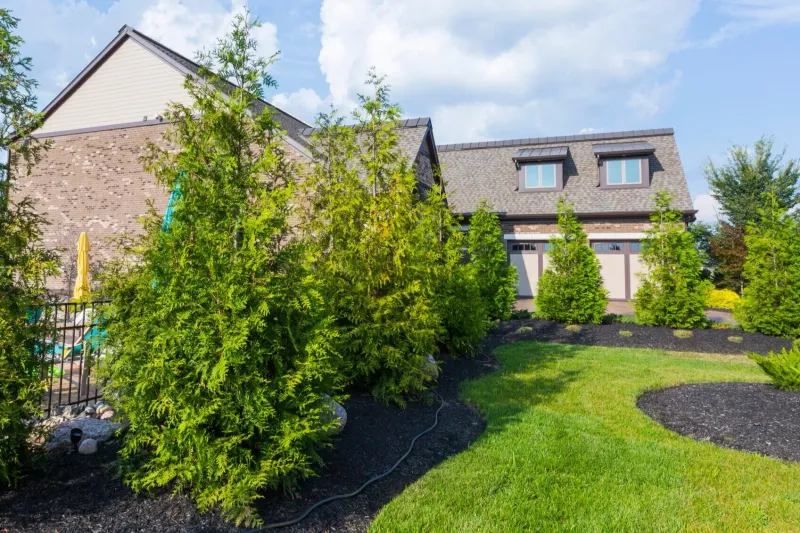
Before you pick up any pruning tool, the single most useful thing you can do is identify exactly what you are working with. Not all evergreens are created equal when it comes to recovering from a trim, and that difference matters more than any other factor in Ohio evergreen care.
Yews sit at the top of the recovery list. They can handle more aggressive pruning and still push back with healthy new growth.
Arborvitae is somewhere in the middle, tolerant of light shaping but unforgiving if you cut into bare wood. Junipers need careful, restrained pruning and will not regenerate from old wood at all.
Pines require a completely different approach centered around candle management rather than branch cutting. Spruce and fir are best left alone except for corrective work.
Broadleaf evergreens like holly and rhododendron follow their own rules too. Hollies can handle pruning in late winter, while spring-flowering rhododendrons should be shaped right after they bloom so you do not remove next year’s flower buds.
The bottom line is that evergreen pruning in Ohio is not a one-size-fits-all task. Knowing your plant before you cut is the most important step, and it is the one most people skip.