When To Prune Fuchsia Plants In California For Best Blooms
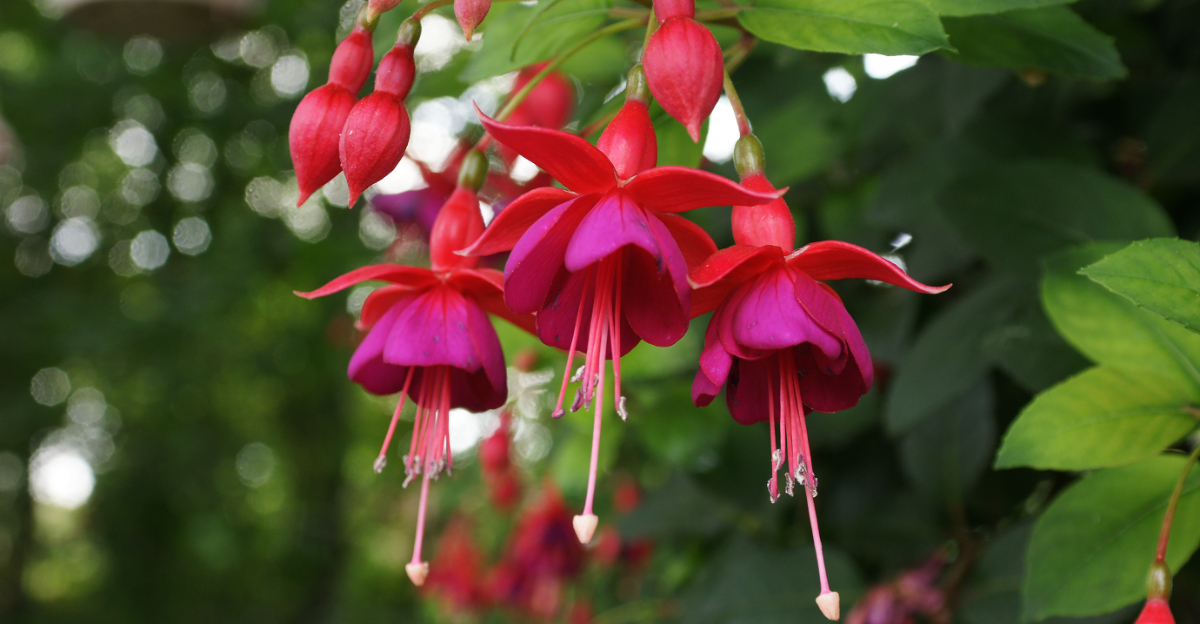
Fuchsias bring a splash of charm to California gardens with their dangling, jewel-like blooms and lush green foliage. Give them the right trim at the right moment and they will reward you with waves of vibrant color that last for months.
Timing matters, especially across California’s varied climates, where cool coastal air and warmer inland temperatures shape how these graceful plants grow.
A thoughtful prune wakes up sleepy branches, sparks fresh shoots, and sets the stage for bigger, brighter blossoms.
It is a simple ritual that transforms leggy stems into full, flower-laden beauty. Gardeners who master this seasonal rhythm enjoy healthier plants, tidier shapes, and a longer bloom show that feels almost nonstop.
Grab your pruners, step into the garden, and get ready to help your fuchsias shine at their absolute best with perfectly timed care tailored to California growing conditions.
1. Wake Your Fuchsia Up
Late winter is like an alarm clock for fuchsia plants in California. Around February, when the cold starts to ease up and days grow just a little longer, your fuchsia is quietly waking up.
This is the perfect window to grab your pruning shears and get to work.
In most parts of California, late winter pruning sets the whole season up for success. You want to cut the plant back before new growth really takes off.
If you wait too long, you risk snipping off the fresh buds that are just starting to form.
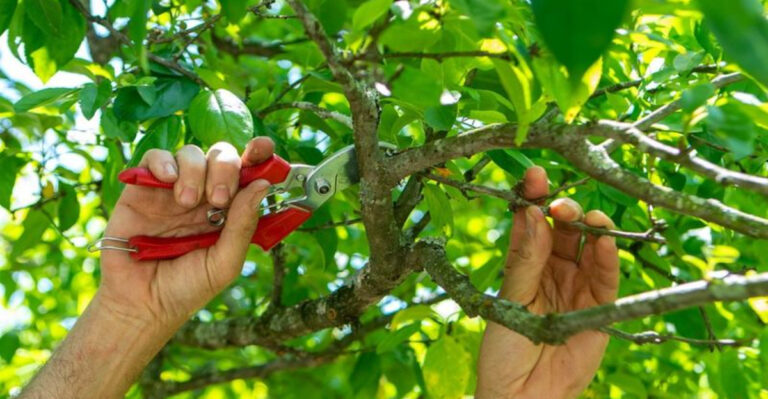
Aim to prune back about one-third to one-half of the plant’s overall size. Cut just above a leaf node, which is where new shoots will sprout from.
This encourages the plant to push out lots of new branches, and more branches mean more blooms later on.
Gardeners in warmer California regions like the Inland Empire or the San Fernando Valley can often start this process as early as late January. Cooler coastal areas might wait until mid-February.
Either way, late winter pruning gives your fuchsia a strong, healthy head start for the blooming season ahead.
2. Say Goodbye To Winter Damage
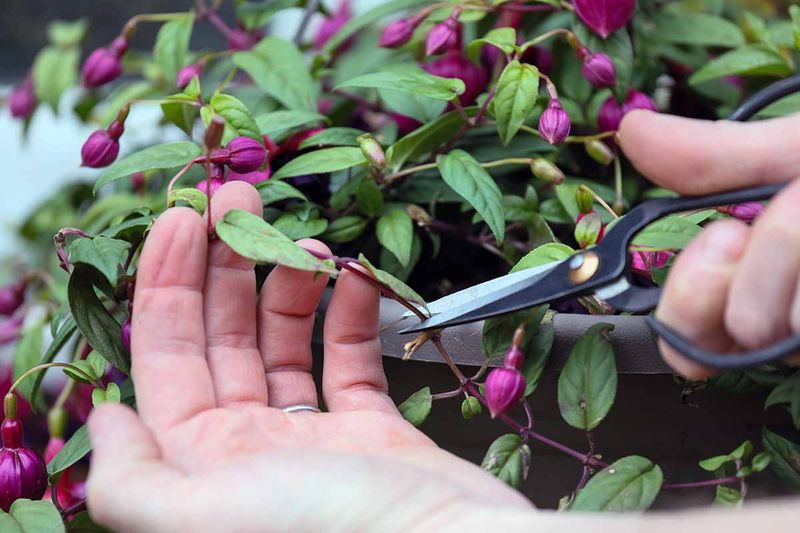
Even in mild California winters, fuchsia plants can take a hit. Cold snaps, frost in higher elevation areas like Fresno or Redlands, and just plain chilly nights can leave stems looking brown, shriveled, or hollow.
Spotting this damage early and removing it is a crucial pruning step.
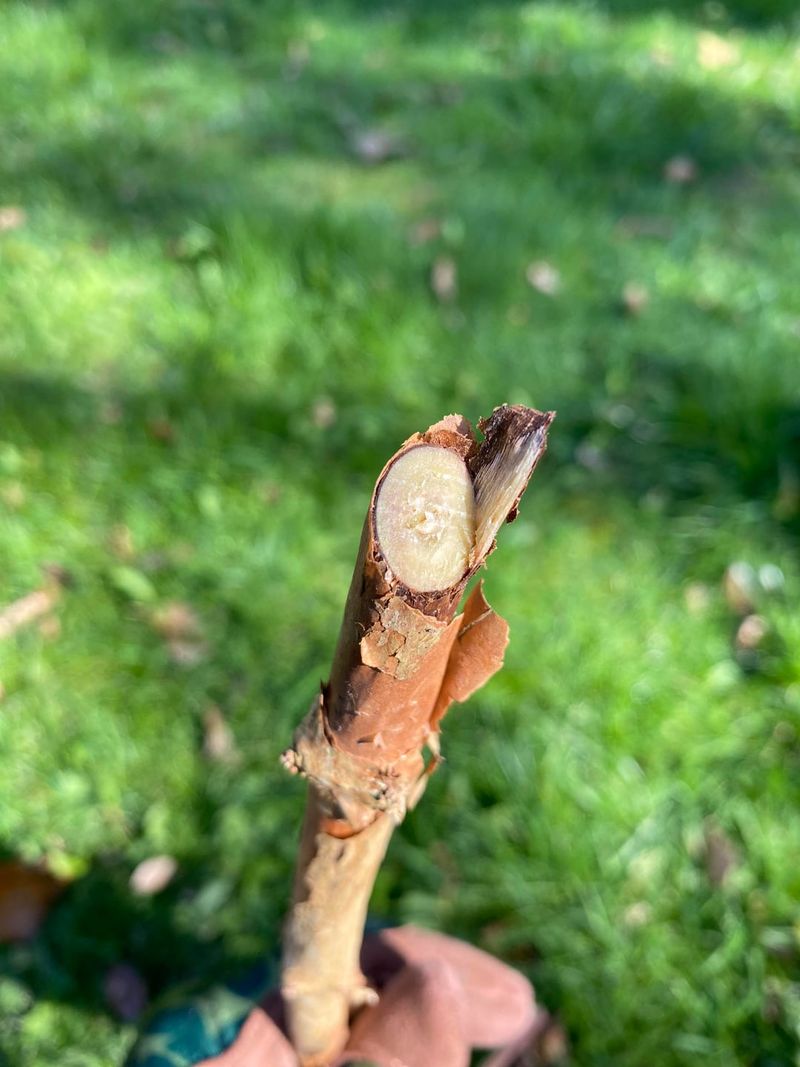
After winter, run your fingers along the stems. Healthy stems feel firm and show a green or white color when lightly scratched.
Damaged stems feel soft or crumbly and look dark brown or black inside. Those need to come off completely.
Cutting away winter damage is not just about looks. Leaving dead or damaged wood on the plant can invite fungal problems and pests that spread to healthy parts.
It also wastes the plant’s energy, which should be going toward new growth and blooms instead.
In Northern California, where temperatures can dip lower than in the south, this kind of cleanup pruning is especially important. Even if a plant looks rough after winter, do not give up on it too fast.
Cut back to healthy wood, give it some water and a light feeding, and watch it bounce back stronger than you expected.
3. Chop The Leggy, Grow The Bushy
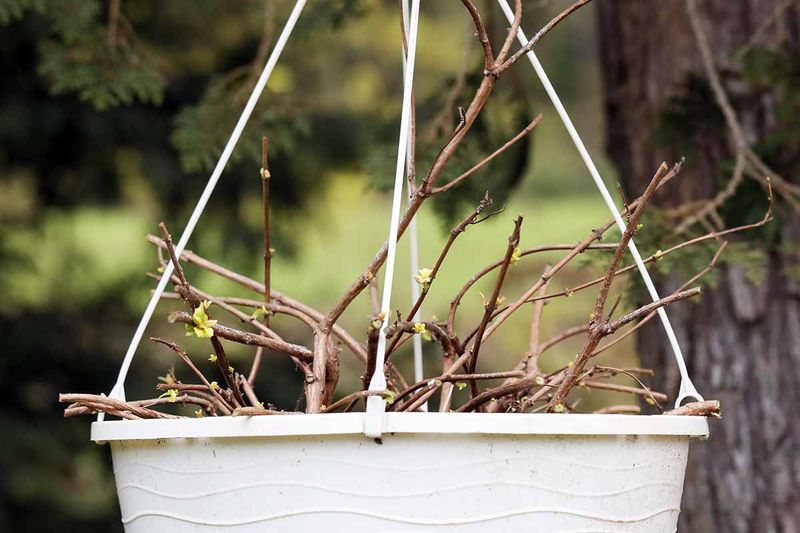
Ever seen a fuchsia that looks more like a tangled mess of long, bare sticks than a beautiful flowering plant? That is what happens when a fuchsia gets leggy.
Leggy means the stems are long and stretched out, with very few leaves or blooms along them.
Leggy growth usually happens when a fuchsia does not get enough light or has not been pruned in a while. The good news is that a firm, confident pruning can completely turn things around.
Cutting leggy stems back hard, sometimes by half or even two-thirds, pushes the plant to send out new side shoots.
Those new side shoots are where the magic happens. Each one can produce flower buds, so the more you encourage them, the more blooms you will get.
This technique works especially well in spring before the main growing season kicks in.
California gardeners in shady spots, like those with north-facing yards or homes surrounded by trees, often deal with leggy fuchsias more than others. If that sounds familiar, try moving potted fuchsias to a brighter spot and following up with a hard prune.
You will be amazed at how quickly a scraggly plant turns into a full, lush showstopper.
4. Let The Light And Air Flow
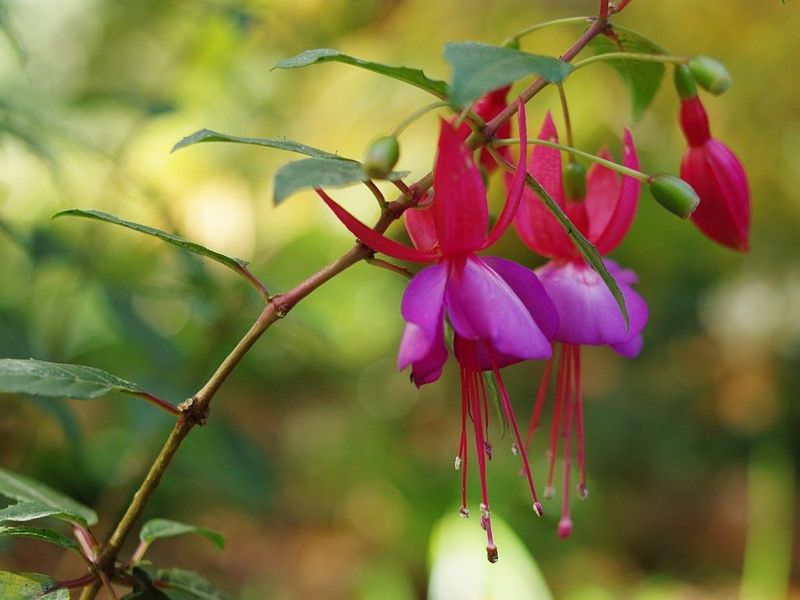
Sometimes pruning is not about cutting plants back hard. Sometimes it is about opening them up.
Thinning out the inside of a fuchsia plant lets light reach all the branches and allows air to move through freely. Both of those things are huge for plant health and bloom production.
When a fuchsia gets too dense in the middle, moisture gets trapped between the stems. That creates the perfect environment for powdery mildew and other fungal issues, which are common in parts of California with coastal fog or humid summers.
A few well-placed cuts can prevent a lot of headaches.
Look for branches that are crossing over each other or growing inward toward the center of the plant. Those are your targets.
Removing them does not hurt the plant. It actually helps it breathe and grow better.
This type of pruning works well in late spring or early summer, right before the heat of the season sets in. In areas like Santa Barbara or Monterey, where marine layer mornings are common, thinning cuts are especially helpful.
Your fuchsia will reward you with stronger stems, more vibrant leaves, and a bigger flush of those gorgeous, pendulous blooms that make the plant so beloved across California gardens.
5. Match Your Climate, Not The Calendar
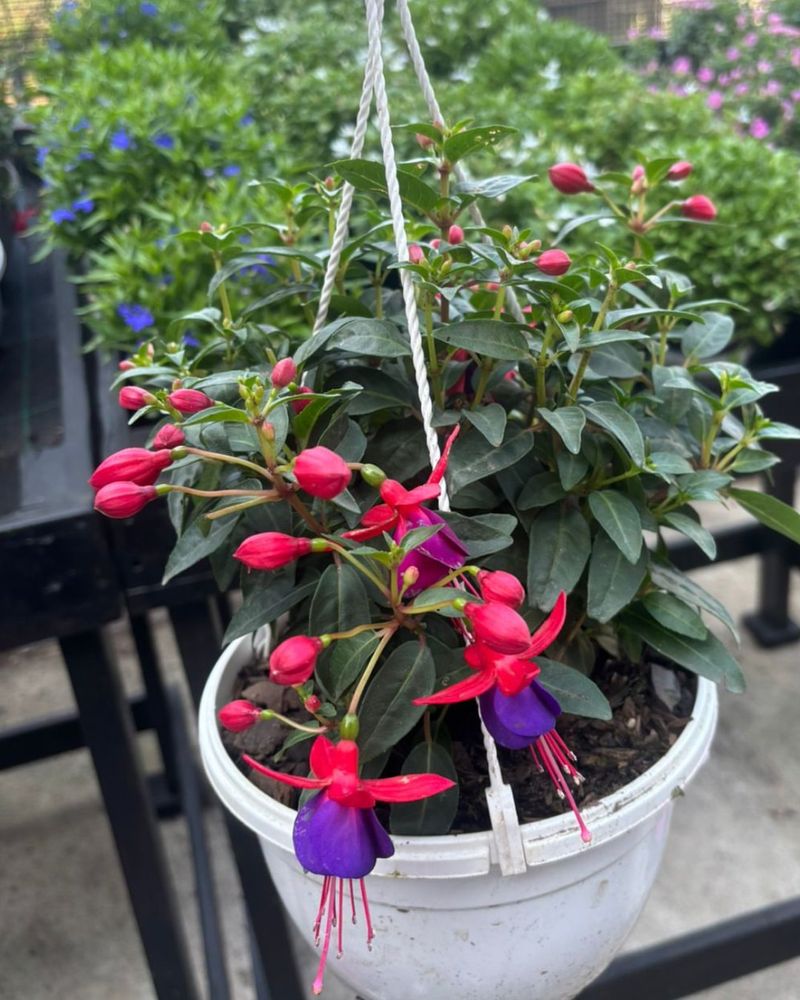
Here is something a lot of California gardeners learn the hard way: what works in Sacramento does not always work in San Francisco. Fuchsia pruning timing should match your local climate, not just a date on the calendar.
California has an incredible range of climates. Coastal zones stay cool and foggy, which fuchsias love.
Inland valleys get hot summers and mild winters. Mountain communities can see hard frosts that coastal areas never experience.
Each of these environments affects when your fuchsia wakes up, grows, blooms, and slows down.
In Southern California, where winters are short and mild, you can often prune as early as January. In the Central Valley, wait until late February or early March when frost risk drops.
In cooler Northern California spots, March might be the safer bet before you start cutting.
Pay attention to what your plant is telling you. New buds swelling on the stems is a great sign that pruning time has arrived.
If the plant still looks dormant and dull, give it another week or two. Matching your pruning schedule to your actual local conditions, rather than a generic gardening chart, is one of the best things you can do for your fuchsia in California.
6. Pinch Now, Bloom More Later
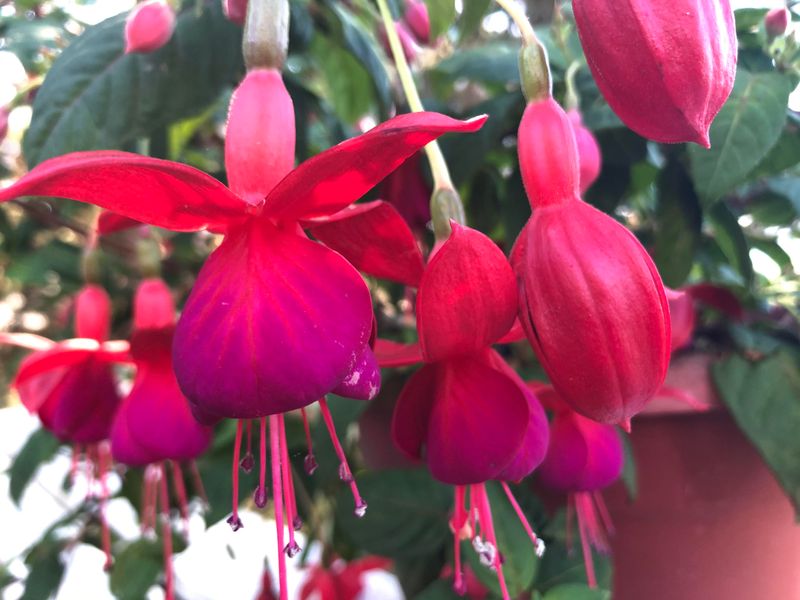
Pinching is one of those small gardening moves that delivers big results. Instead of using shears to cut large stems, pinching means using your fingers to snap off just the very tip of a growing shoot.
It sounds almost too simple, but it genuinely works wonders on fuchsia plants.
When you remove the tip of a shoot, the plant responds by sending out two new shoots from just below the pinch point. Pinch those new shoots once they grow a bit, and you get four.
Keep going and you can turn one scraggly stem into a full, bushy branch loaded with bloom potential.
The best time to pinch fuchsias in California is in spring, starting around March or April. Keep pinching lightly every few weeks through May.
Stop pinching around six to eight weeks before you want the plant to bloom, because fuchsias need that time to set their flower buds after the last pinch.
This technique is especially popular with hanging basket fuchsias, which are a staple on California patios and porches.
A well-pinched basket fuchsia looks absolutely full and overflowing with blooms by early summer. It takes a little patience, but the payoff is totally worth the effort.
7. Don’t Prune Away Your Flowers
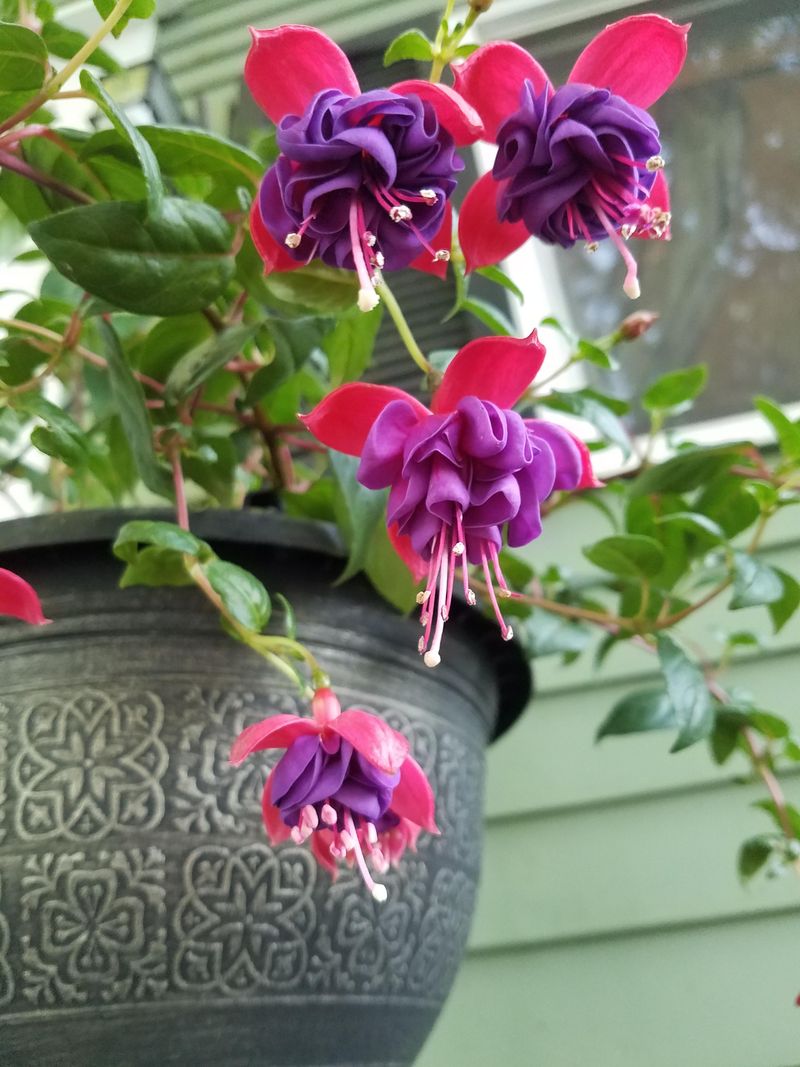
Knowing when NOT to prune is just as important as knowing when to do it. One of the most common mistakes California gardeners make is pruning their fuchsia plants right when they are about to bloom or already blooming.
That is a fast way to lose a whole season of flowers. Fuchsias bloom on new growth, which means the fresh shoots that grew earlier in the season are the ones that carry the flower buds.
If you cut those off in late spring or summer, you are literally removing the flowers before they even open. The plant will eventually recover, but you will lose weeks of bloom time.
The general rule is to stop any major pruning by late spring, around May in most California regions. After that, just enjoy the show.
If you need to tidy things up a bit, stick to removing spent flowers, called deadheading, which actually encourages the plant to push out more blooms.
Light deadheading throughout summer keeps fuchsias looking fresh and signals the plant to keep flowering. Save the big pruning sessions for late winter and early spring.
That way, your fuchsia gets to do what it does best all summer long, which is putting on a spectacular floral display that makes your California garden the envy of the neighborhood.