When To Prune Hydrangeas In Oregon (And When To Skip It)
Hydrangeas are some of the most eye-catching plants in Oregon gardens, but they can also be a little confusing when pruning season rolls around.
One neighbor trims theirs every year, another refuses to touch them, and both somehow still get flowers.
It’s no wonder many gardeners pause with the pruners in hand, wondering what the right move actually is.
The truth is that hydrangeas don’t all follow the same rules. Some varieties bloom on old wood, others grow flowers on new stems, and a few manage to do both.
Cut at the wrong time and you might accidentally remove the very buds that were planning to bloom later in the season.
That doesn’t mean pruning is off limits. It just means timing matters more than enthusiasm. Knowing when to prune and when to simply step back can keep your hydrangeas full, healthy, and covered in those big, beautiful blooms.
1. Know Your Hydrangea Type
Before you even pick up your pruning shears, you need to figure out which type of hydrangea you have. This is the most important step for any Oregon gardener.
Getting this wrong can mean missing out on blooms for an entire season.
Oregon gardens are home to several common hydrangea types. The most popular ones are bigleaf, oakleaf, smooth, and panicle hydrangeas.
Each one has a different growth habit, and more importantly, each one blooms at a different time and from different types of wood.
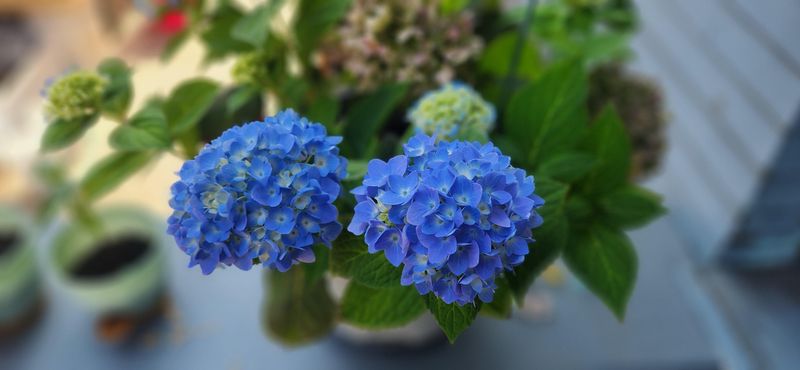
Bigleaf hydrangeas, also called Hydrangea macrophylla, are the classic mophead or lacecap types you see everywhere in Oregon yards. Oakleaf hydrangeas have distinctive lobed leaves and cone-shaped blooms.
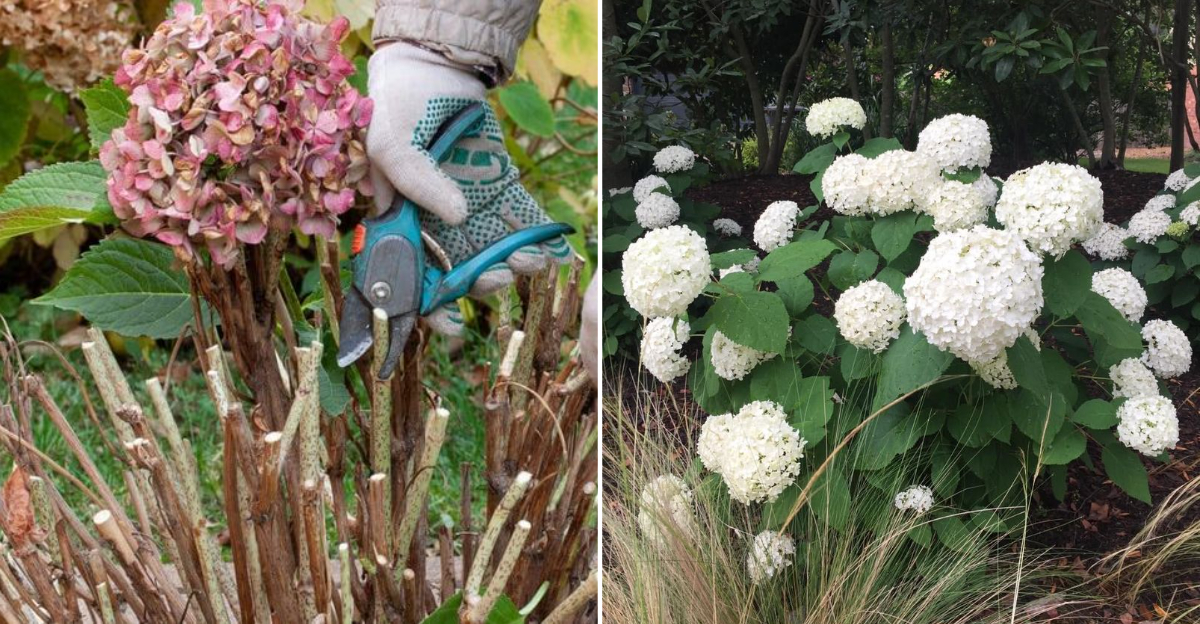
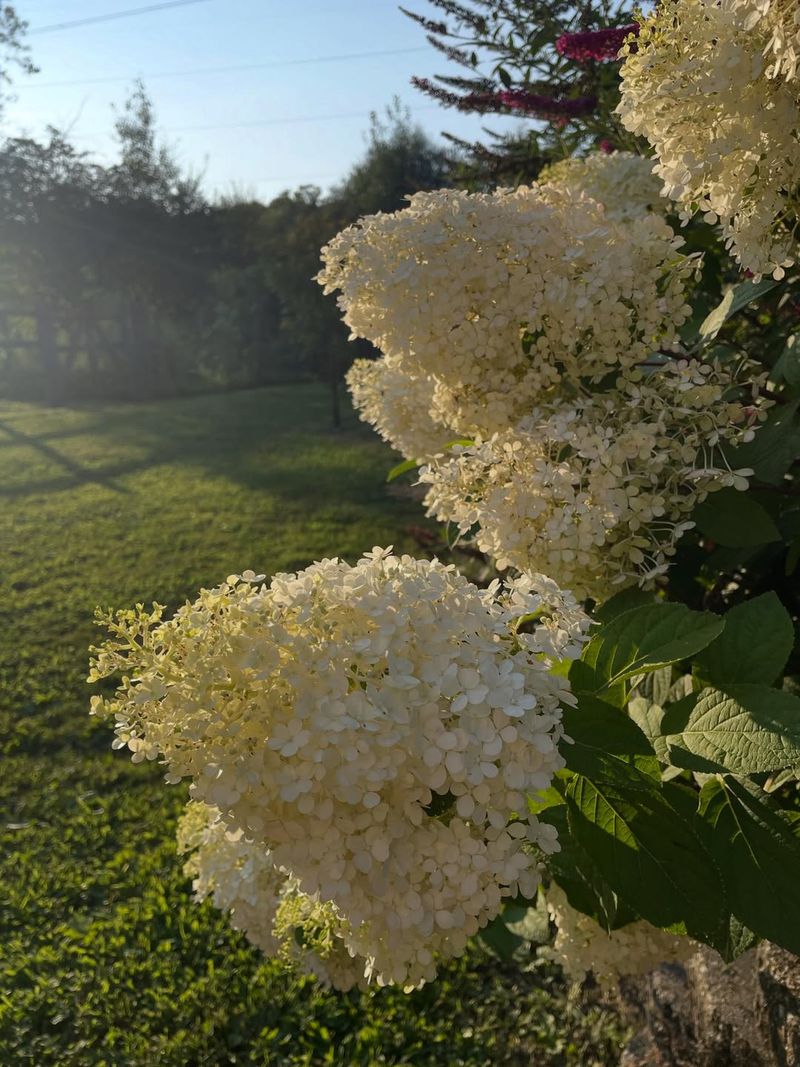
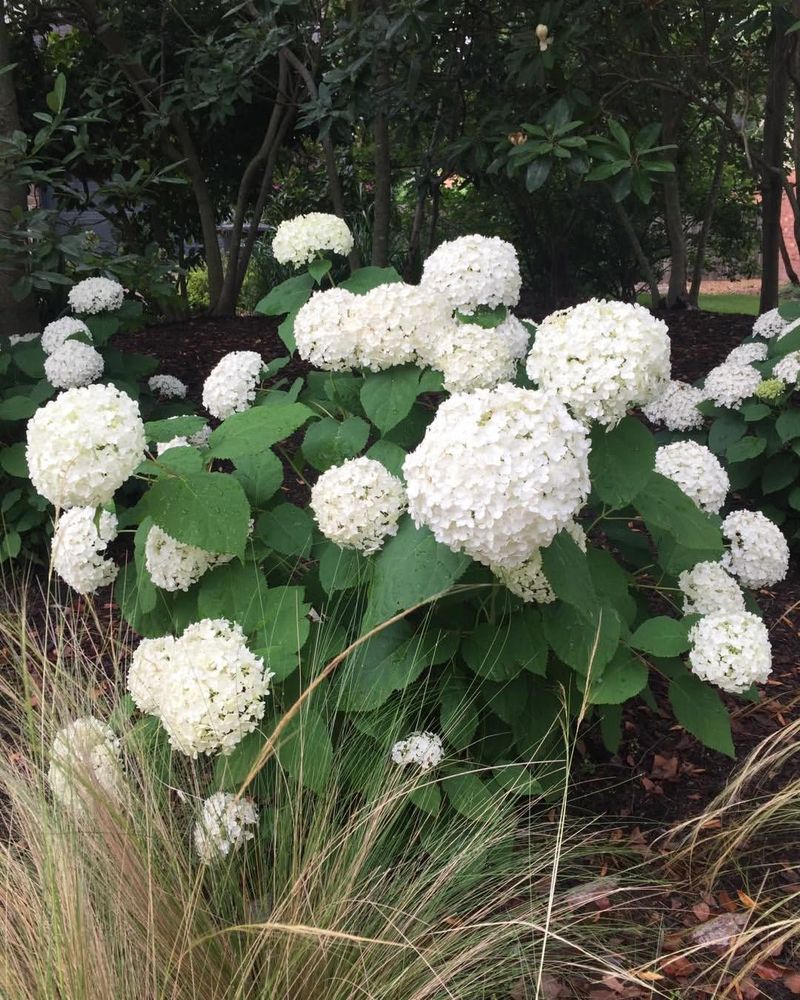
Smooth hydrangeas, like the famous Annabelle variety, are known for their huge white flower clusters. Panicle hydrangeas, such as Limelight, produce tall, pointed flower heads.
A quick tip for identifying your plant: check the shape of the flower cluster and the leaf. Once you know what you have, the rest of the pruning process becomes much simpler.
Many Oregon nurseries can also help you identify your variety if you bring in a photo or a cutting.
2. Why Timing Matters
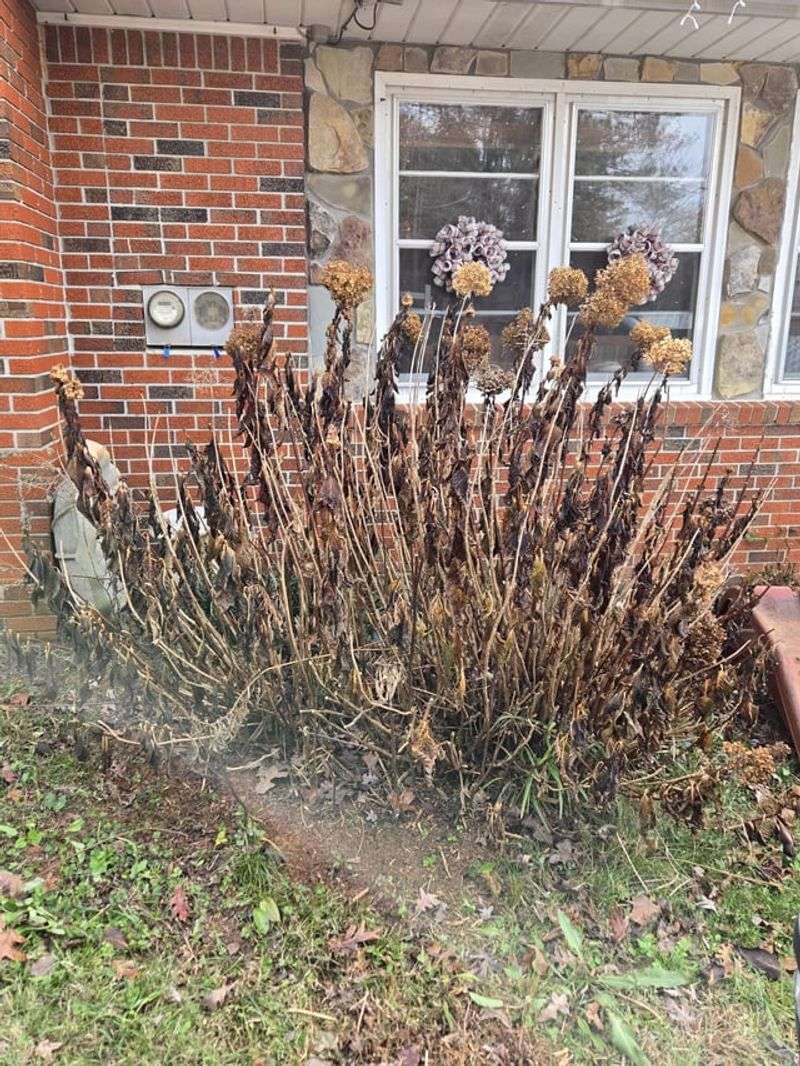
Timing your pruning correctly is the single biggest factor in whether your hydrangeas bloom well the following year. Cut at the wrong time, and you remove the very buds that were getting ready to open.
It is a frustrating mistake that many Oregon gardeners make without even realizing it.
Hydrangeas set their flower buds at different times depending on the variety. Some set buds in late summer and fall on the previous year’s stems.
Others wait until spring and grow their buds on brand-new shoots. That difference changes everything about when you should prune.
Oregon’s climate adds another layer to consider. The Willamette Valley, the Oregon Coast, and Central Oregon all have slightly different growing conditions.
Mild winters in western Oregon can sometimes fool plants into pushing out early growth. That means a late frost can damage tender new buds if you prune too early in the season.
Paying attention to your local weather patterns is just as important as knowing your hydrangea type. A good rule of thumb is to watch the plant itself.
When it starts showing signs of life in spring, you will know the growing season is truly underway and can plan your pruning schedule accordingly.
3. The Best Month To Prune
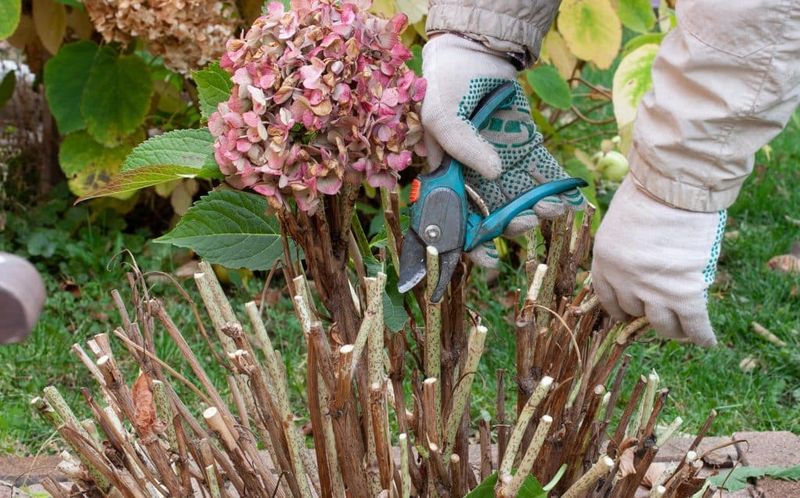
For most Oregon gardeners, the best pruning window depends on the type of hydrangea. But if you are looking for a general guideline, late summer pruning after blooming works well for old wood bloomers, while late winter to early spring is ideal for new wood bloomers.
For bigleaf and oakleaf hydrangeas, aim to prune right after the flowers fade, usually in July or August in Oregon. This gives the plant enough time to set new buds before winter arrives.
Waiting too long into fall means those new buds might not fully mature before cold weather settles in.
For smooth and panicle hydrangeas, late February through March is the sweet spot in most parts of Oregon. The plant is still dormant but getting ready to push out new growth.
Pruning during this window encourages strong, vigorous shoots that will carry plenty of blooms by summer.
Always keep an eye on the weather forecast before you prune. Oregon springs can bring surprise cold snaps, especially in higher elevation areas like the Cascades foothills.
Waiting until you are confident the worst of the cold has passed will help protect any fresh cuts and new growth from unexpected frost damage.
4. Hydrangeas That Bloom On Old Wood
Old wood bloomers are the hydrangeas that form their flower buds on the stems from the previous year’s growth. This group includes bigleaf hydrangeas and oakleaf hydrangeas, two very common varieties found throughout Oregon gardens, especially in the Willamette Valley and along the coast.
Because these plants carry next year’s blooms on this year’s wood, pruning at the wrong time removes those precious buds. If you cut back a bigleaf hydrangea in fall or early spring, you are likely cutting off the flowers before they ever get a chance to open.
Many Oregon gardeners have made this mistake and spent all summer staring at a green, bloomless shrub.
The right approach is to prune immediately after the flowers fade in late summer. For most Oregon locations, that means pruning in July or early August.
Just remove the spent flower heads and any weak or crossing stems. Avoid cutting back hard into the old woody base unless you are dealing with an overgrown plant that truly needs rejuvenation.
According to Oregon State University Extension, bigleaf hydrangeas should be pruned right after flowering to protect the developing buds for the following season. A light, careful trim goes a long way with these beautiful plants.
5. Hydrangeas That Bloom On New Wood
New wood bloomers are the easiest hydrangeas to prune because they are the most forgiving. Even if you prune them at the wrong time, they will still push out flowers on the fresh growth that follows.
This makes them a great choice for beginner Oregon gardeners who are still learning the ropes.
Smooth hydrangeas like Annabelle and panicle hydrangeas like Limelight both fall into this category. They wait until the current growing season to form their flower buds, which means last year’s wood does not matter for blooming.
You can cut them back fairly hard in late winter without worrying about losing your summer flowers.
Oregon State University Extension recommends cutting smooth hydrangeas back to about six to twelve inches above the ground in late winter or early spring. For panicle hydrangeas, pruning back by one-third to one-half encourages strong new growth and a generous flower display.
Both types respond very well to this approach in Oregon’s climate.
Pruning in late February or March, before new growth really kicks in, gives these plants a clean start. The result is sturdy new stems that can support those big, heavy flower heads without flopping over.
It is a satisfying and simple task that pays off beautifully by midsummer.
6. When Pruning Can Ruin Blooms
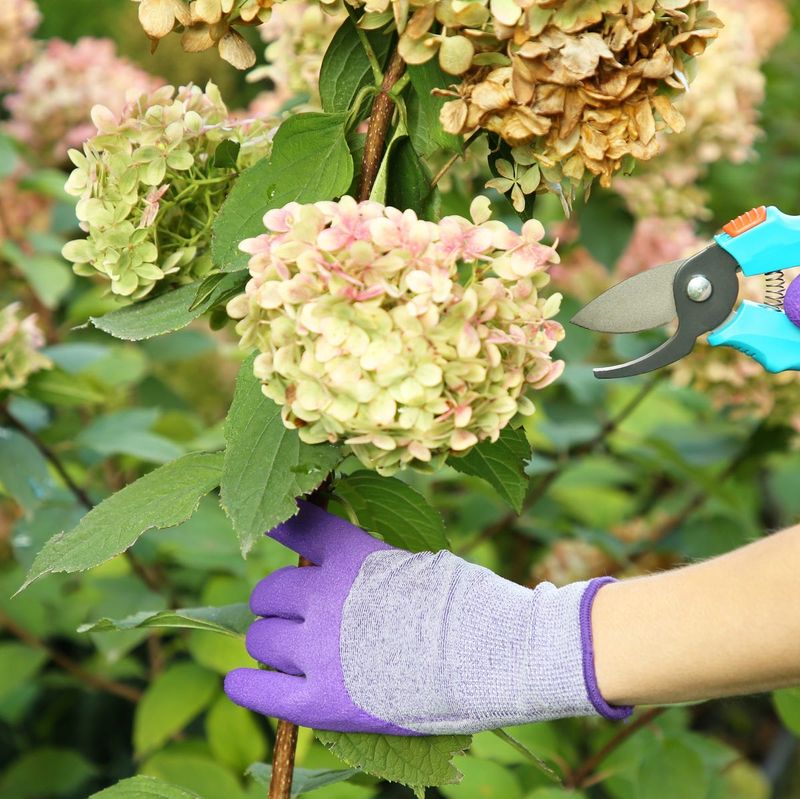
Few things are more disappointing than a hydrangea that refuses to bloom. Most of the time, the culprit is pruning at the wrong time of year.
For old wood bloomers like bigleaf hydrangeas, cutting back in fall or early spring removes the buds that were quietly waiting all winter to open in summer.
This is a very common mistake across Oregon, especially among new gardeners who see a dormant, scraggly-looking shrub in late fall and want to tidy it up. The plant looks like it needs a haircut, but those seemingly bare stems are actually packed with next season’s flower buds.
Cutting them off means waiting a full year for the next bloom cycle.
Late summer pruning gone too late is another issue. If you miss the window and prune a bigleaf hydrangea in September or October in Oregon, the plant may not have enough time to develop mature buds before winter cold arrives.
Western Oregon’s mild but wet winters can sometimes protect late-developing buds, but it is not something to count on.
The safest rule is simple: if you are not sure when you last pruned or what type of hydrangea you have, skip the pruning for that season. One missed pruning will not hurt the plant.
One badly timed cut, however, can cost you an entire season of blooms.
7. Signs Your Hydrangea Needs Pruning
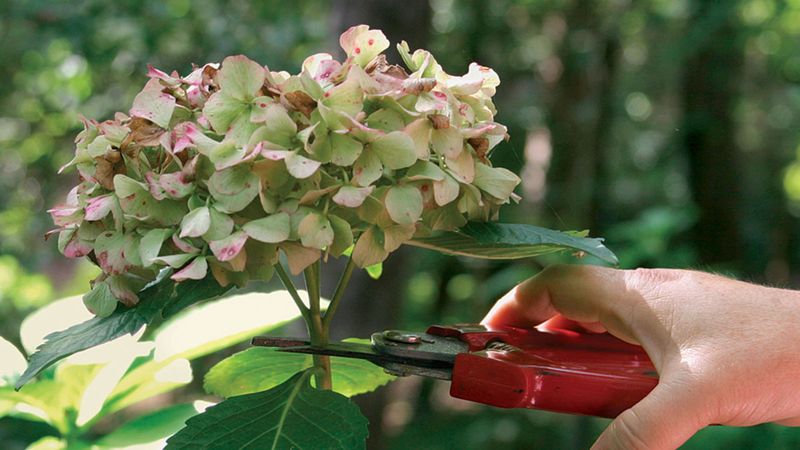
Not every hydrangea needs to be pruned every single year. In fact, many healthy hydrangeas in Oregon gardens do just fine with minimal trimming.
But there are clear signs that tell you it is time to step in with your pruning shears and give the plant some attention.
One of the most obvious signs is a buildup of old, dry flower heads from the previous season. While some gardeners leave these on through winter for visual interest and frost protection, they should eventually be removed to make room for fresh growth.
Dead or crossing branches are another signal that the plant needs some light cleanup work.
Overcrowding is a big issue in many Oregon yards where hydrangeas have been left to grow freely for years. When stems become too dense, air circulation decreases and the risk of fungal disease goes up.
Oregon’s wet winters and springs create the perfect conditions for mold and mildew on plants that are not getting enough airflow.
Weak, spindly stems that flop over under the weight of flowers also suggest the plant would benefit from pruning. Removing the thinnest, least productive stems encourages the plant to put its energy into fewer, stronger shoots.
The result is a tidier, healthier shrub with blooms that actually stand up straight and show off properly.
8. When It’s Better To Skip The Pruners
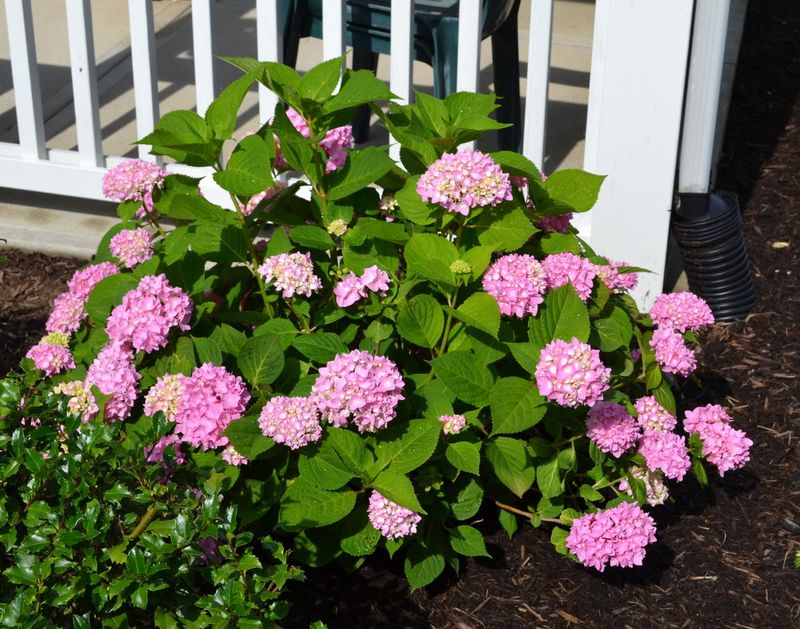
Sometimes the best gardening decision is doing nothing at all. Hydrangeas are naturally resilient shrubs, and in many Oregon gardens, they thrive beautifully without much interference.
If your plant is blooming well, looks healthy, and fits nicely in its space, there is really no reason to prune it that season.
Skipping pruning is especially smart when you are dealing with old wood bloomers and you are unsure of the timing. Rather than risk cutting off next summer’s buds, just leave the plant alone.
A season without pruning will not harm the hydrangea, and you will still get a full display of flowers when the time comes.
Young hydrangeas also benefit from being left alone for the first couple of years. Newly planted shrubs need time to establish their root systems and build up strong stems.
Pruning too soon can stress a young plant and slow down its overall development. Let it settle into the Oregon soil before you start shaping it.
After a harsh Oregon winter with unexpected frost damage, it can be tempting to immediately cut away any brown or damaged-looking stems. But wait until late spring before making any decisions.
What looks like frost damage in February often turns out to be perfectly viable wood that will push out fresh green leaves once the weather warms up. Patience really does pay off with hydrangeas.