When To Rake Ohio Lawns In Spring (Timing Matters More Than You Think)
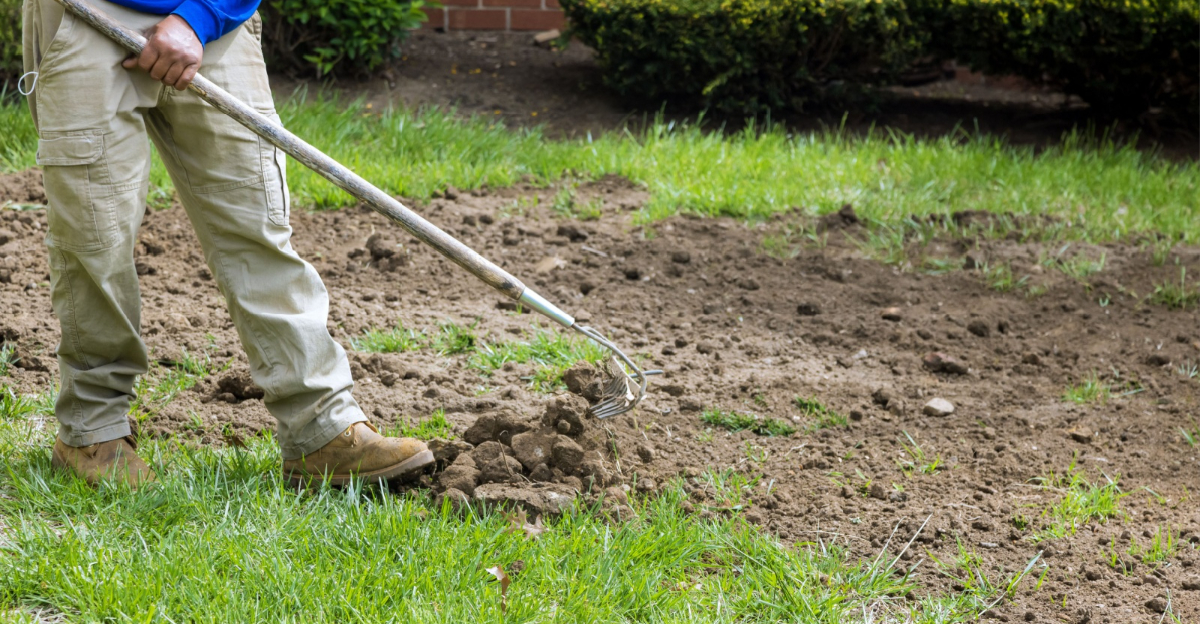
You walk outside after a long Ohio winter and your lawn looks rough, flat, lifeless, buried under months of mess. The urge hits fast.
Grab the rake, clean it up, fix it now. Almost everyone feels that pull.
Yet one wrong move in early spring can quietly ruin the lawn you spent all last year building. Many homeowners never realize the mistake until patchy grass, weak growth, and stubborn weeds show up weeks later.
The problem hides in timing, not effort. Ohio spring shifts fast, and your lawn responds to every small change under your feet.
Some yards bounce back strong. Others struggle all season, and the difference often traces back to a single decision made too soon.
Before you touch that rake, pause for a moment. What most people do first feels right, but it often sets the stage for disappointment.
The real story behind spring raking might surprise you.
1. Wait Until The Soil Is No Longer Frozen
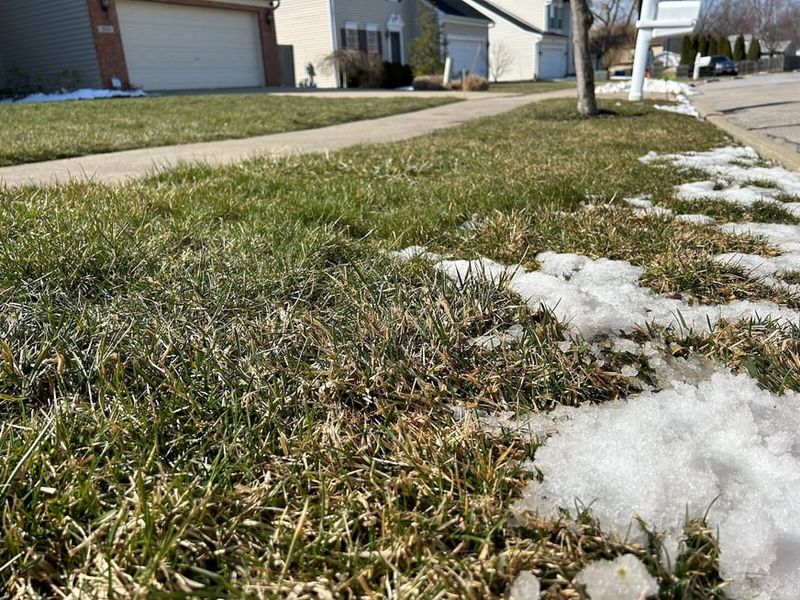
Frozen ground creates serious problems when you try to rake too early. Your rake can scrape and gouge the surface, compacting soil that’s already stressed from winter freezing and thawing cycles.
Ohio soils typically remain frozen well into March, though this varies significantly depending on whether you’re in northern counties near Lake Erie or southern regions closer to the Ohio River.
Testing soil readiness takes just a minute. Push a screwdriver or garden fork about four inches into your lawn.
If it slides in fairly easily, the ground has thawed enough for light raking. If you meet solid resistance or the tool barely penetrates, wait another week and test again.
Soil temperature matters as much as frozen versus thawed status. Once soil begins warming into the low 40s Fahrenheit range at a two-inch depth, biological activity gradually increases underground.
Microorganisms start breaking down thatch naturally, and grass roots prepare for their spring growth surge.
Patience during this waiting period pays off tremendously. Raking frozen or partially frozen ground can damage crown tissues where grass blades emerge from roots.
This damage may not show up immediately, but it weakens plants and can increase susceptibility to lawn diseases as temperatures rise throughout April and May across Ohio.
2. Start When Grass Begins Actively Growing
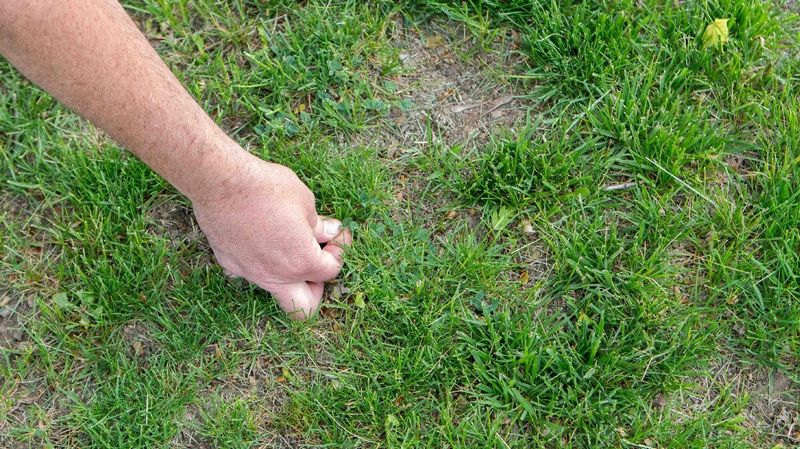
Grass sends you clear signals when it’s ready for spring maintenance. New green growth pushing through brown winter blades indicates your lawn has shifted from dormancy into active growing mode.
In most Ohio locations, this transition happens between mid-March and early April, though cooler northern areas may not see significant growth until late April.
Temperature patterns drive this awakening more than calendar dates. Cool-season grasses common in Ohio lawns, including Kentucky bluegrass, perennial ryegrass, and tall fescue, begin active growth when daytime temperatures consistently reach the 50s.
Nighttime temperatures above freezing also signal that conditions support steady growth rather than sporadic spurts.
Watch for that first mowing urge as your timing guide. When grass reaches about three inches tall and you’re thinking about getting the mower ready, that’s typically the perfect window for spring raking.
The plants have enough energy and root activity to recover quickly from the minor stress raking creates.
Starting too early, before growth activates, means your grass can’t repair any accidental damage from raking. Starting too late, after vigorous growth is underway, risks disturbing new shoots and tender growth that’s already developing.
Hitting that sweet spot when growth just begins gives you the best results with minimal stress on your lawn.
3. Rake Lightly To Avoid Damaging New Growth
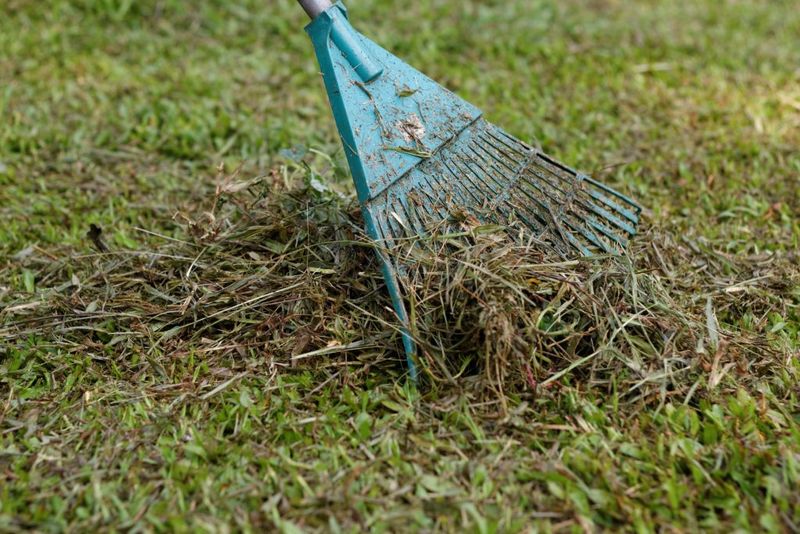
Aggressive raking tears out more than just debris. Those tender new grass shoots emerging in spring are surprisingly fragile, and heavy-handed raking can pull up tender new shoots before they are fully established.
Think of spring raking as a gentle sweep rather than a vigorous scrubbing.
Your raking pressure should barely bend the grass blades. Use smooth, flowing strokes that lift leaves and debris without digging into the turf itself.
If you’re creating visible furrows in the soil or pulling up chunks of grass, you’re pressing way too hard and need to lighten your touch immediately.
Working in one direction first, then crossing back perpendicular, helps you collect debris thoroughly without repeatedly stressing the same grass plants. This crisscross pattern also reveals any spots you’ve missed without requiring you to rake the same area three or four times.
Ohio lawns often have uneven terrain from settling and frost heaving, so adjust your pressure as you move across different areas.
Pay special attention around obstacles like trees, flowerbeds, and sidewalk edges where debris accumulates heavily. These spots tempt you to rake harder, but they’re also where grass may be thinner or weaker.
Take extra time with lighter strokes rather than trying to clear everything in one aggressive pass.
4. Remove Winter Debris Without Pulling Roots
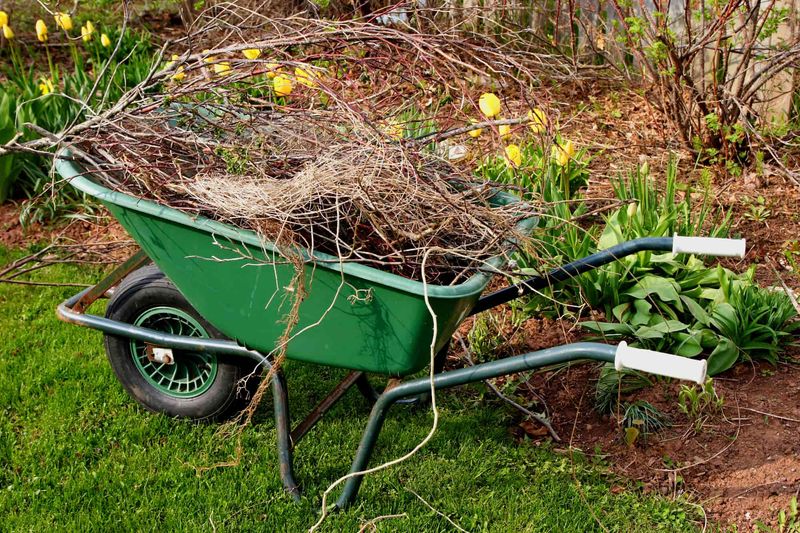
Winter leaves behind more than you might expect on Ohio lawns. Matted leaves, small twigs, seed pods from nearby trees, and decomposing grass clippings from last fall create a suffocating blanket that blocks sunlight and traps moisture against the soil surface.
Clearing this debris properly makes room for healthy spring growth without disturbing the root systems underneath.
Focus on lifting debris up and off rather than scraping it away. Your rake tines should slide under the matted material and gently pull it toward you without hooking into the soil or catching on grass crowns.
If you feel resistance, stop and reposition rather than pulling harder, which almost always means you’ve snagged roots or living grass.
Wet debris proves especially tricky because it’s heavier and sticks to grass more stubbornly. If possible, rake when conditions are relatively dry, typically a day or two after rain when the surface has dried but soil underneath remains moist.
This timing makes debris easier to remove while keeping dust to a minimum.
Some homeowners rake multiple times in spring, doing a light pass in early April and another in late April. This approach works well if you have large trees dropping debris continuously or if initial raking reveals more matted material than expected.
Just remember that each raking session should remain gentle and surface-focused.
5. Watch Soil Moisture Before Raking
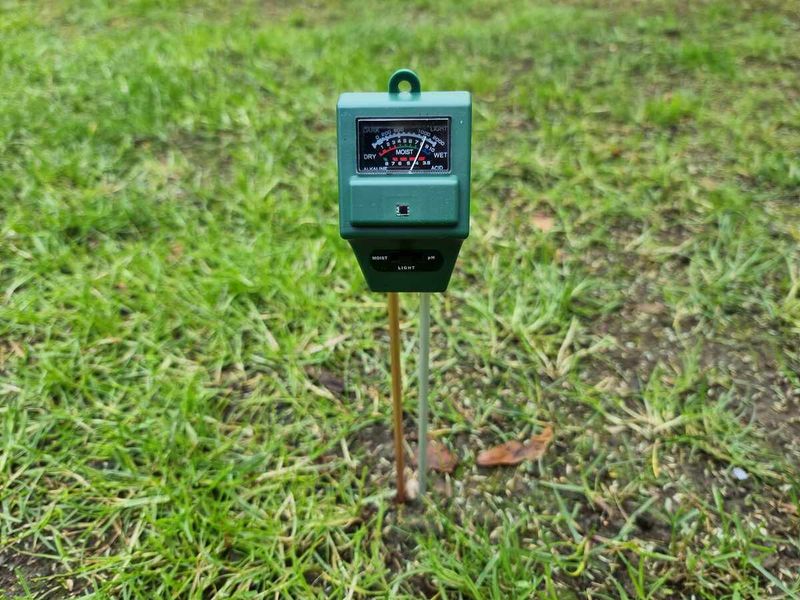
Soggy soil and raking create a terrible combination for lawn health. When soil is saturated from snowmelt or spring rains, raking compresses it severely, squeezing out air pockets that roots desperately need for oxygen and nutrient uptake.
Ohio’s clay-heavy soils in many regions are particularly vulnerable to this compaction damage.
Check moisture levels by walking across your lawn and observing your footprints. If your shoes leave deep impressions that fill with water or if the ground feels squishy and unstable, postpone raking until things dry out.
Ideally, soil should feel slightly moist but firm, with footprints barely visible and no water pooling in your tracks.
Timing your raking between rain events takes some weather watching. Ohio springs often bring frequent showers, so you may need to grab your opportunity during a dry stretch of three or four days.
Morning raking often works better than afternoon sessions because dew has dried but afternoon thunderstorms haven’t arrived yet.
Overly dry soil presents different challenges, though less serious ones. Dust clouds and brittle grass make raking less effective, and you might miss debris that’s stuck to parched ground.
A light watering the evening before can help, but avoid soaking the lawn, which brings you right back to the compaction problem you’re trying to avoid in the first place.
6. Avoid Raking During Cold Snap Risk
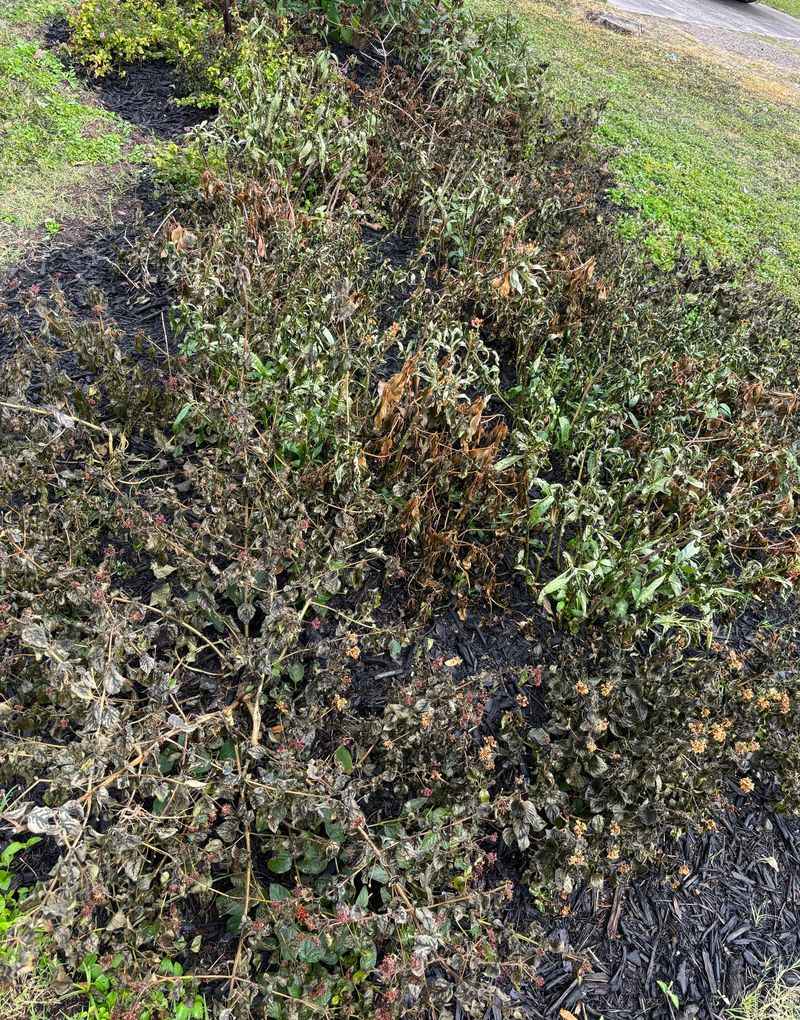
Ohio weather loves to tease us with warm spells followed by sudden freezes. A beautiful 65-degree afternoon can give way to a 28-degree night just two days later, and these temperature swings create serious risks for freshly raked lawns.
Any stress you put on grass right before a hard freeze gets amplified significantly.
Check the extended forecast before planning your spring raking session. If temperatures are predicted to drop below freezing within the next three to five days, hold off on raking even if current conditions seem perfect.
Grass that’s been disturbed by raking has less natural insulation and protection, making it more vulnerable to freeze damage on exposed crowns and new shoots.
Late March and early April are notorious for these cold snaps across Ohio. The ground has warmed enough to trigger growth, but arctic air masses still occasionally sweep down from Canada, bringing overnight lows well below freezing.
These events can slow growth and occasionally damage tender new shoots that seemed healthy just hours earlier.
If you’ve already raked and then learn about an incoming freeze, there’s not much you can do except wait and assess afterward. Fortunately, established lawns usually recover from single freeze events, though growth may slow for a week or two.
The lesson remains clear though: patience and weather awareness prevent problems you can’t easily fix after the fact.
7. Choose The Right Rake For Spring Lawns
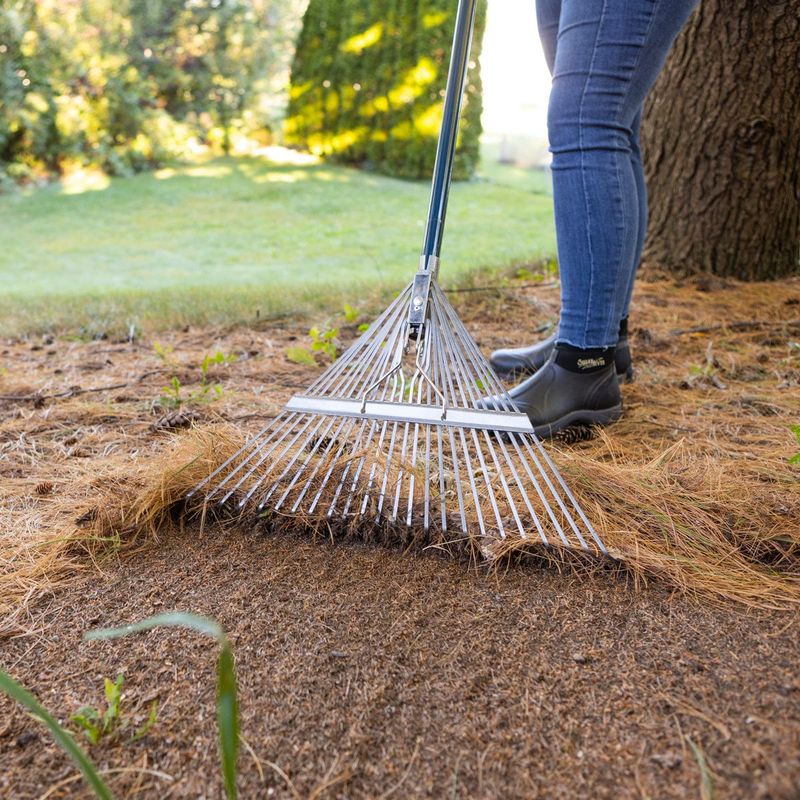
Your tool choice affects results as much as your timing and technique. Heavy steel garden rakes designed for soil preparation are far too aggressive for spring lawn work.
Instead, look for flexible-tine rakes specifically made for leaf and debris removal, with tines that bend rather than gouge when they encounter resistance.
Plastic or bamboo leaf rakes work beautifully for spring cleanup. Their lightweight construction and springy tines naturally limit how much pressure you can apply, preventing the aggressive scraping that damages grass.
Adjustable-width models let you work efficiently in open areas and then narrow down for tight spots around landscaping.
Metal spring-tine rakes offer a middle ground between gentle leaf rakes and aggressive garden rakes. Their thin, flexible metal tines can handle slightly matted debris while still providing enough give to avoid root damage.
Many Ohio homeowners keep both a leaf rake and a spring-tine rake handy, using the gentler leaf rake for most areas and the spring-tine version for stubborn matted spots.
Rake width matters more than many people realize. Wider rakes cover ground faster but require more storage space and can be awkward in smaller yards.
A 24-inch width handles most residential Ohio lawns efficiently without being unwieldy.
Whatever rake you choose, inspect the tines before each use, replacing or repairing any that are broken, bent, or have sharp edges that could tear grass.
8. Stop Once Thatch And Debris Are Cleared
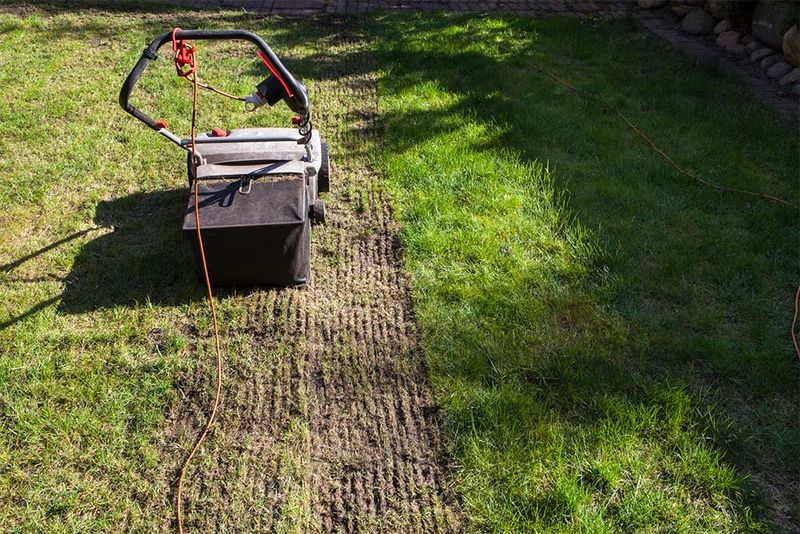
Knowing when to quit prevents turning a helpful task into a harmful one. Spring raking has a clear endpoint: when most visible debris is gone and the thatch layer is reduced.
Going beyond this point starts removing healthy grass and beneficial organic matter your lawn actually needs.
A properly raked Ohio lawn should look cleaner but not scalped. You should still see some brown mixed with the green new growth, and the surface should feel slightly cushioned rather than hard and bare.
If you’re down to exposed soil in multiple spots, you’ve definitely overdone it and may need to overseed those areas.
The perfectionist urge to get every single leaf and twig works against you in spring. A few scattered leaves actually decompose quickly and add nutrients back to your soil.
They also provide tiny pockets of shade and moisture retention that can help grass during dry spells common in late April and May across Ohio.
After finishing, step back and evaluate your work from a distance. The lawn should look refreshed and ready to grow, not stressed and tattered.
If you’re unsure whether you’ve done enough, err on the side of stopping. You can always do another light pass in a week or two if needed, but you can’t undo damage from excessive raking that’s already happened.