When To Start Gardening For The Best Planting Results In California
California gardening never follows a single calendar, which makes knowing when to start feel both exciting and slightly confusing.
Warm days can arrive early, but soil temperature, daylight, and regional differences quietly decide how successful planting really becomes.
Gardeners who rush often end up replanting, while those who wait just a bit too long miss ideal growing windows.
Starting at the right moment turns effort into results, giving California gardens a stronger, healthier beginning that lasts through the season.
1. Early Spring (February to March)
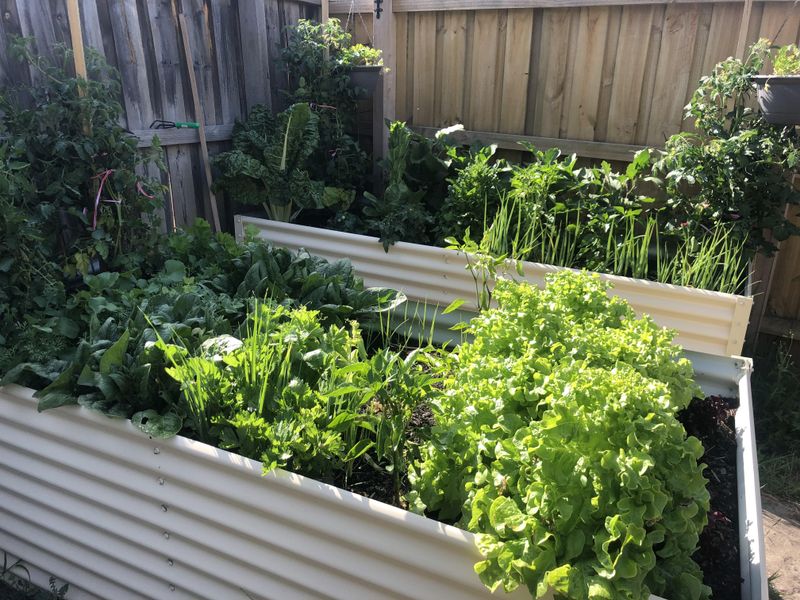
Cool-season vegetables thrive during early spring across California, giving gardeners an early start before heat intensifies later in the season.
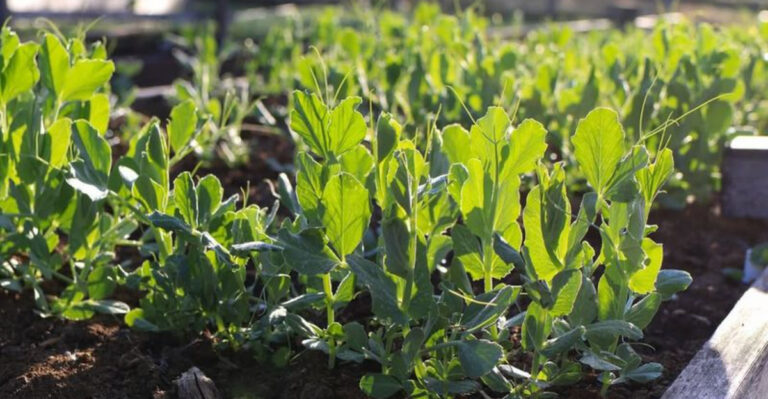
Lettuce, peas, broccoli, and spinach establish strong roots now, benefiting from cool air and gradually warming soil conditions.
Soil temperatures rise enough for reliable germination while remaining cool enough to prevent premature bolting in tender crops.
Many gardeners start tomatoes and peppers indoors during this period, preparing sturdy seedlings for outdoor planting after frost risk ends.
Seasonal rainfall often supplies consistent moisture, reducing irrigation needs and easing early garden maintenance across many regions.
Coastal areas enjoy foggy mornings that moderate temperatures and protect young plants from sudden weather stress.
Early planting allows harvests to begin sooner, extending the productive season well before summer heat arrives.
Starting now helps gardens develop stronger foundations that support healthier growth and improved yields throughout California’s long growing season.
Early spring planting also gives gardeners more flexibility to stagger crops and avoid overwhelming harvests once warmer weather accelerates plant growth statewide.
2. Late Spring (April to May)
Warm-season crops reach their ideal planting window in late spring when soil temperatures stay consistently above sixty degrees statewide.
Tomatoes cucumbers squash and peppers thrive when transplanted now because warmth supports sturdy stems and encourages heavy fruit production later.
By this point frost danger has passed across most regions making outdoor transplanting safe for tender seedlings without cold damage.
Late spring planting gives crops time to establish roots before summer heat brings intense sun and sudden temperature spikes statewide.
Inland valleys and southern California benefit most since long growing seasons allow repeated harvests from one planting cycle during summer.
Basil cilantro and dill grow quickly now enjoying warm soil and providing fresh kitchen flavors throughout summer months statewide long.
Garden centers stock abundant transplants during these months offering strong healthy plants ready for immediate garden planting success statewide now.
Planting during late spring sets gardens up for vigorous growth reliable yields and easier maintenance all season long across California.
3. Early Summer (June)
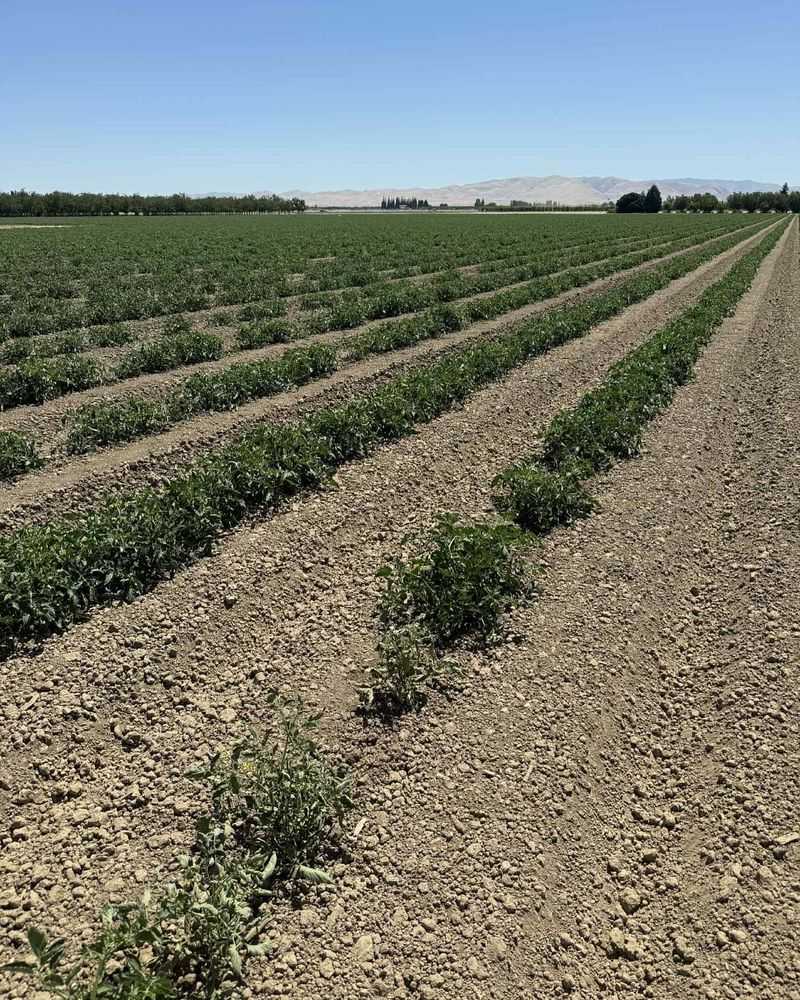
Heat-loving plants reach their prime planting opportunity during early summer especially in cooler coastal regions across California landscapes statewide.
Beans corn melons and eggplant thrive when sown directly into warm soil during June growing fast under long daylight hours.
Coastal gardeners can still plant tomatoes and peppers now benefiting from extended seasons lasting into fall across coastal California regions.
Inland areas may find June too hot for transplants but direct seeding tolerant crops succeeds with care consistent watering shade.
Succession planting proves valuable now allowing small sowings every two weeks for steady continuous harvests instead of single overwhelming gluts.
Many gardeners plant a second basil crop now as earlier plantings flower and lose flavor during midsummer heat periods statewide.
Heavy mulching around new plantings conserves moisture keeps roots cool and improves summer survival during hot dry months statewide ahead.
Early summer planting succeeds best with close monitoring consistent watering and adjustments based on local conditions across California growing zones.
4. Mid-Summer (July to Early August)
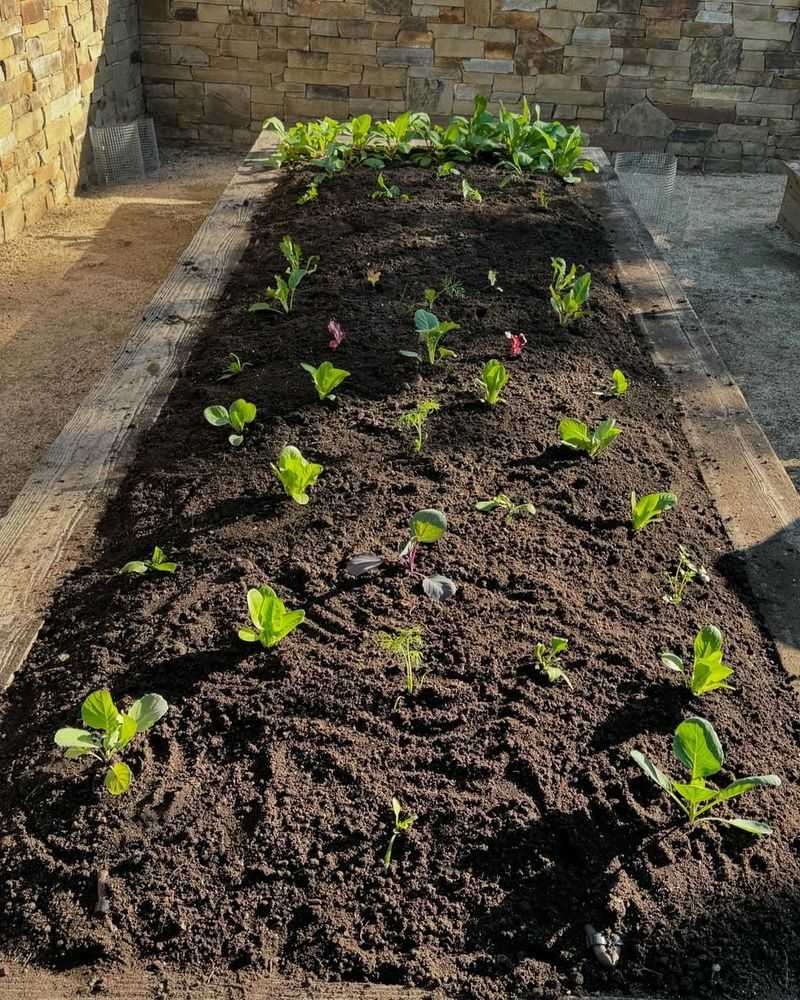
Mid-summer planting focuses on fall and winter crops needing time to mature before cooler weather arrives across California regions.
Broccoli cauliflower and cabbage seedlings started now size up well for late summer transplanting producing steady harvests during cooler months.
Gardeners start seeds indoors or shaded outdoor spaces now protecting young plants from intense afternoon sun heat stress statewide conditions.
Carrots beets and turnips can be direct seeded in coastal areas maturing smoothly as temperatures cool through autumn and winter.
Mid-summer timing demands careful watering since heat quickly dries soil stressing seedlings before roots fully establish across California gardens statewide.
Inland valleys find planting difficult now but bed preparation and planning maintain productivity without summer overwhelm across the entire season.
Starting fall crops now prevents empty beds later keeping gardens productive and households supplied with fresh produce year-round across California.
This mid-summer strategy bridges seasons smoothly supporting continuous harvests and efficient use of limited garden space statewide for California growers.
It also allows gardeners to spread labor more evenly while avoiding rushed fall planting during unpredictable late summer heat waves.
5. Late Summer (Late August to September)
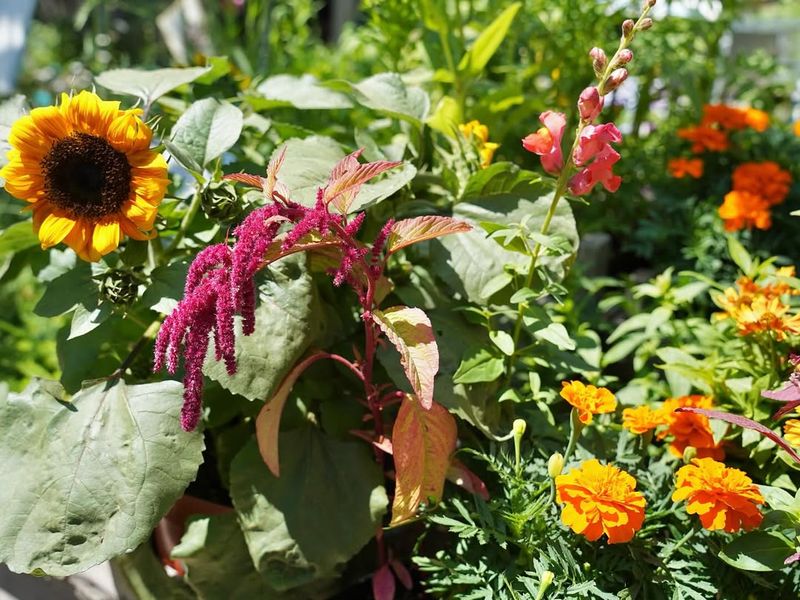
Fall garden establishment peaks in late summer as temperatures moderate statewide creating ideal stress free conditions for cool season crops.
Transplanting broccoli kale lettuce and other greens now allows strong establishment before winter producing tender harvests through cooler months ahead.
Many California regions experience a second spring now with mild temperatures and light rains supporting diverse vegetable growth statewide conditions.
Garlic planted in September forms deep roots before dormancy then surges in spring for flavorful summer bulbs statewide harvests ahead.
Southern California benefits most from this window because mild winters support continuous growth without cold shutdowns for many garden crops.
Succession planting radishes arugula and spinach now delivers fresh salads deep into winter across California gardens statewide with minimal gaps.
Starting fall gardens early ensures holiday harvests providing fresh ingredients for family meals and seasonal gatherings across California homes statewide.
6. Early Fall (October)
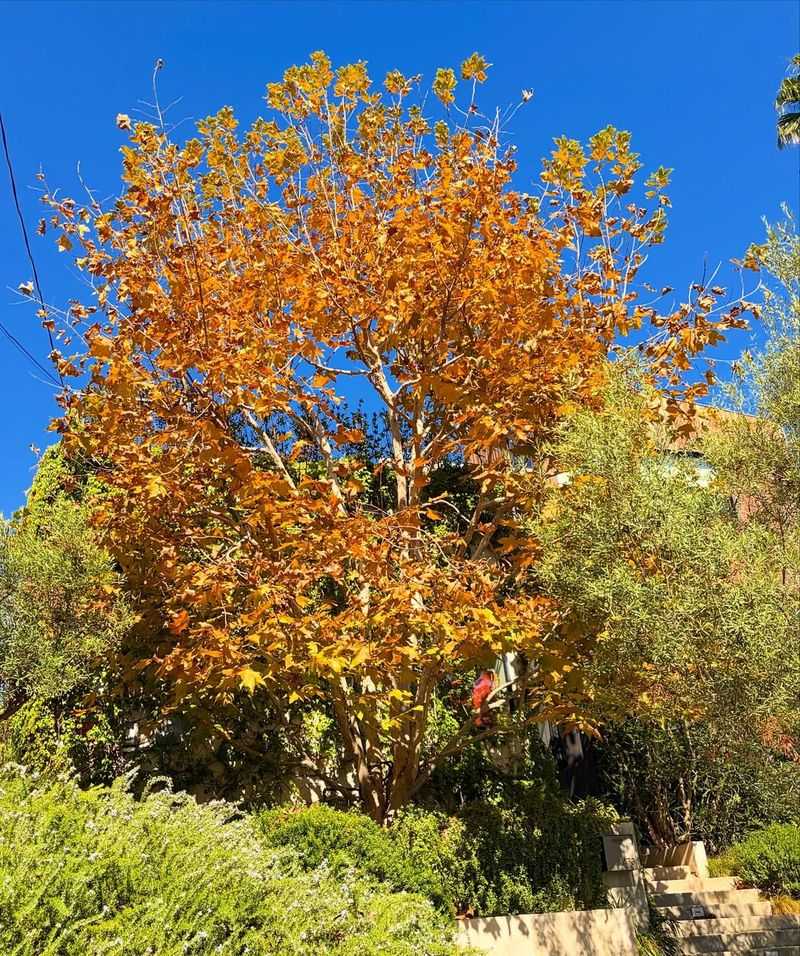
Cool-season planting stays strong through early fall with October offering ideal conditions for leafy greens and root crops across California.
Spinach chard and Asian greens planted now grow steadily through winter in mild regions supplying fresh harvests during colder months.
Warm soil from summer combined with cooler air supports quick germination and steady growth without heat stress or bolting issues.
Coastal and southern regions shine during this window since mild winters support crops that struggle in harsher climates elsewhere.
Peas planted in October establish deep roots before winter then deliver generous spring harvests of sweet flavorful pods.
Many gardeners prefer fall planting because pest pressure drops and irrigation needs decrease as seasonal rainfall returns statewide.
Mulching after planting preserves moisture moderates soil temperatures and suppresses weeds for easier maintenance through the coming season.
Fall planting also creates a calmer gardening pace letting crops establish naturally while reducing stress from summer heat and heavy maintenance demands statewide.
7. Late Fall (November)
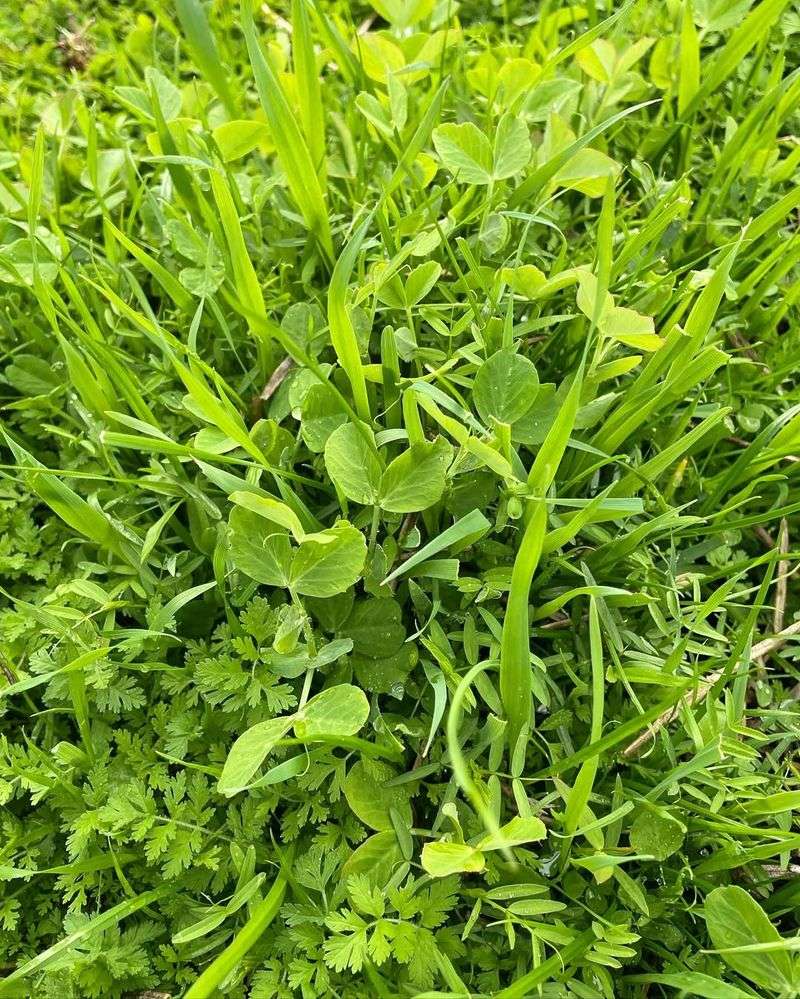
Hardy vegetables and cover crops dominate late fall planting across California preparing gardens for winter while improving soil health statewide.
Fava beans planted in November grow slowly through winter then surge in spring producing nitrogen rich biomass for soil health.
Onion sets and transplants establish well now developing strong roots before dormancy and bulbing perfectly by late spring harvest time.
Garlic planted during November still succeeds statewide though earlier planting usually results in larger bulbs by summer harvest season arrival.
Sweet peas and calendula thrive when planted now providing early spring blooms and attracting beneficial insects that support later gardens.
Cover crops like clover vetch and rye protect soil from erosion add nutrients and increase organic matter during winter rains.
Late fall planting needs minimal care because rainfall handles irrigation and cooler weather reduces plant stress for California gardeners statewide.
8. Winter (December to January)
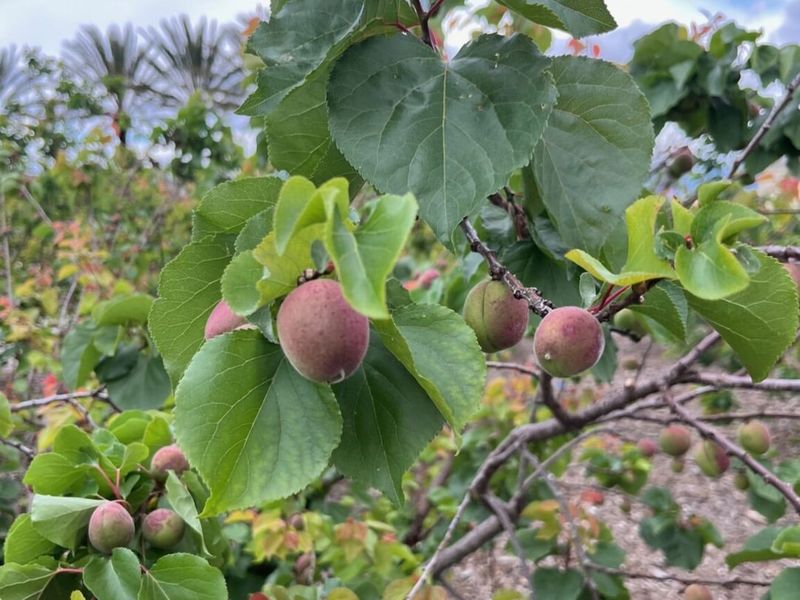
Winter planting emphasizes root fruit trees perennial vegetables and cold hardy crops benefiting from dormant season establishment across California regions.
Bare root fruit trees planted during winter dormancy build strong root systems before spring growth begins outperforming later container plantings.
Asparagus crowns planted now develop extensive roots through cool months then send up productive spears during spring statewide across California.
Artichoke transplants establish well during winter in coastal California growing into productive perennials producing tender hearts for many years ahead.
Mild regions allow continued planting of cool season vegetables supporting year round harvests of lettuce kale and hardy greens statewide.
Winter offers ideal time for soil improvement as compost and amendments break down before spring planting begins across California gardens.
Planning ahead now helps order seeds schedule plantings and prepare beds for successful growth when warmer weather returns to California.
Winter planting also reduces transplant shock since cooler temperatures allow roots to settle slowly before active growth resumes in spring statewide.
9. Year-Round Container Gardening
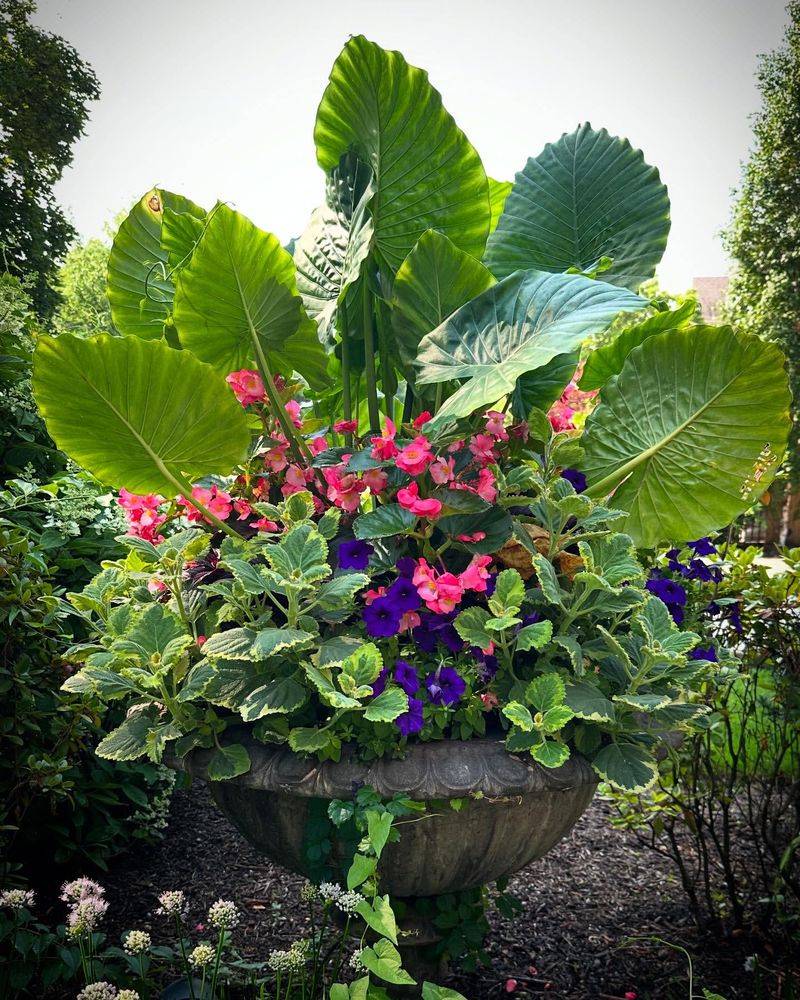
Container gardening offers flexible planting opportunities year round across California allowing easy movement as seasons and weather conditions change dramatically.
Herbs thrive in pots on sunny patios or balconies providing fresh flavors year round regardless of limited space available anywhere.
Portable containers protect tender plants from cold snaps by moving them under cover overnight then returning them outside safely afterward.
Compact vegetable varieties bred for containers grow well producing strong harvests from small urban spaces statewide with consistent care effort.
This method suits renters and apartment gardeners wanting fresh produce without permanent in ground beds or major landscaping projects statewide.
Succession planting becomes easier since new containers start regularly without disturbing established plants nearby in beds or other pots close.
Container gardening limits pests soil diseases and gives precise control over moisture nutrients and placement through adjustable growing conditions statewide.
Container gardens also adapt easily to changing light exposure letting plants receive optimal sun throughout the year without permanent placement restrictions statewide.