When To Start Tomatoes In Ohio (Exact Timing By Zone)

Plant tomatoes too early in Ohio and the entire season can collapse in a single night. A warm week in April tempts many gardeners to rush outside with seedlings in hand.
The forecast looks friendly. Soil starts to warm.
The garden feels ready. Then a sudden cold snap sweeps across the state and tender plants collapse by morning.
This pattern repeats across Ohio every spring. Late frosts strike long after the first stretch of warm weather.
Many gardeners learn the hard way that tomatoes demand patience more than enthusiasm. Strong harvests start long before plants reach the garden.
The right seed starting date, the right transplant window, and the right timing for your region all shape the outcome. Northern Ohio gardens follow a different schedule than those near the Ohio River.
Understanding that timing turns fragile seedlings into strong plants that carry the season all the way to a heavy summer harvest.
1. Understand Ohio Last Frost Dates Before Starting Tomatoes

Frost dates are the foundation of every smart tomato planting decision in Ohio. Before you plant a single seed or move a seedling outdoors, knowing when your area typically sees its last frost gives you a reliable target date to work backward from.
Ohio is a geographically diverse state, and frost timing varies quite a bit from north to south. Gardeners in northern Ohio, especially near Lake Erie, often see their last frost as late as mid-May.
Central Ohio typically experiences its last frost between May 1 and May 15. Southern Ohio gardeners, closer to the Kentucky border, usually see frost-free conditions arriving by late April.
Tomatoes are warm-season vegetables that cannot survive a frost. Even a light freeze can damage young plants and set your garden back by weeks.
Checking the historical frost data for your specific county or city through Ohio State University Extension resources gives you the most accurate local picture.
Weather in Ohio can be unpredictable, so even when the calendar says it should be safe, always keep an eye on the forecast. Having a frost cloth or old bedsheets nearby during those borderline spring nights is always a smart habit for Ohio gardeners.
2. Start Tomato Seeds Indoors Based On Your Ohio Zone

Starting tomato seeds indoors is one of the best moves an Ohio gardener can make. Ohio’s growing season is long enough to produce a great tomato crop, but the spring weather simply does not warm up fast enough to direct-sow tomatoes outside and get a full harvest before fall sets in.
By starting seeds indoors, you give your plants a head start of six to eight weeks before outdoor conditions are safe. That means you are transplanting healthy, established seedlings rather than fragile sprouts when planting day finally arrives.
Your USDA hardiness zone plays a key role in deciding exactly when to begin. Ohio spans zones 5b in the far north, 6a across the central regions, and 6b in the southern part of the state.
Each zone has slightly different timing, and using your specific zone helps you avoid starting too early, which leads to overgrown or root-bound seedlings, or too late, which shortens your harvest window.
Ohio State University Extension recommends consulting local planting calendars to align your seed starting schedule with realistic frost-free dates for your area. A simple grow light setup and quality seed starting mix are all you need to get started confidently at home.
3. Follow The Six To Eight Week Seed Starting Window

Counting back six to eight weeks from your expected last frost date is the most reliable method for timing tomato seed starts in Ohio. This window gives seedlings enough time to develop strong roots, a sturdy stem, and several sets of true leaves before they face the outdoor world.
Seedlings started too early can become tall, leggy, and root-bound in their containers before transplant day arrives. On the flip side, seeds started too late produce small, underdeveloped plants that struggle to establish quickly once they go into the ground.
For most Ohio gardeners, this six to eight week window falls somewhere between early March and mid-April, depending on your zone. If your last frost date is around May 10, counting back eight weeks puts your seed starting date right around March 15.
That timing lines up well with what horticulture programs at Midwest universities consistently recommend for Ohio and similar climates.
Keep your seed trays in a warm location where soil temperatures stay between 70 and 80 degrees Fahrenheit for the best germination rates. Once sprouts appear, move them under grow lights or to your sunniest south-facing window to prevent stretching and encourage compact, healthy growth before transplant time.
4. Zone 5b Tomato Seed Starting Timing For Northern Ohio
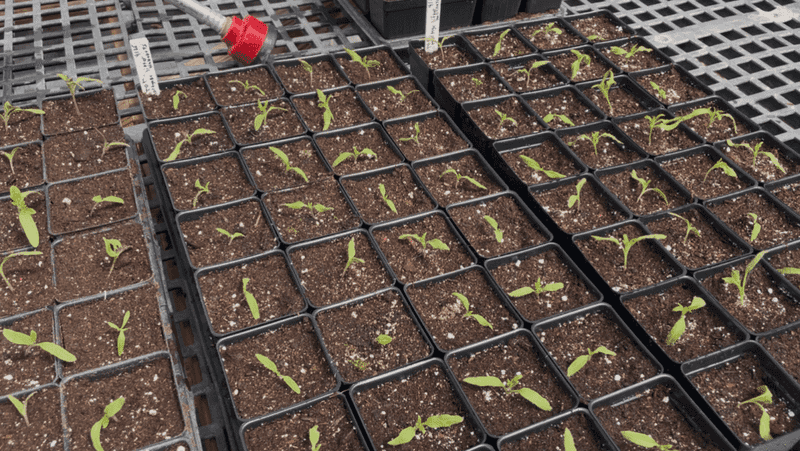
Northern Ohio gardeners face the shortest growing season in the state, and zone 5b brings some real challenges when it comes to spring planting. Counties in this region, particularly those bordering Lake Erie, can experience frosts well into mid-May, making it essential to start seeds indoors with plenty of lead time.
For zone 5b, the recommended seed starting window typically falls between mid-March and late March. That gives seedlings a full six to eight weeks of indoor growth before outdoor transplanting becomes realistic around late May.
Waiting until Memorial Day weekend or even a few days after is a common and sensible practice among experienced northern Ohio gardeners.
The lake effect from Lake Erie can cause temperature swings that catch gardeners off guard even in late spring. Keeping an eye on nighttime low temperatures is especially important in this zone, since a surprise frost after transplanting can quickly undo your efforts.
Choosing cold-tolerant or early-maturing tomato varieties also helps zone 5b gardeners maximize their shorter season. Varieties with days-to-maturity ratings of 65 to 75 days tend to perform well in northern Ohio gardens, giving you a solid harvest before the first fall frosts arrive in late September or early October.
5. Zone 6a Tomato Seed Starting Timing For Central Ohio

Central Ohio sits comfortably in zone 6a, which covers a large portion of the state including the Columbus metro area. Gardeners here enjoy a slightly longer season than their northern neighbors, with last frost dates typically landing between May 1 and May 15.
Seed starting for zone 6a tomatoes generally begins between March 15 and April 1. Starting within this range gives your seedlings a solid six to eight weeks of indoor growth before transplanting becomes safe around mid to late May.
Many Columbus-area gardeners aim for a transplant date around May 10 to May 20 when nighttime temperatures have stabilized.
Zone 6a offers a reliable growing window that suits a wide range of tomato varieties, from compact patio types to large beefsteak varieties. With proper indoor seed starting and careful attention to weather forecasts in May, central Ohio gardeners can count on a productive tomato season that runs well into September.
Resources from Ohio State University Extension, based in Columbus, provide planting calendars specifically designed for zone 6a conditions. Checking those resources each spring helps you fine-tune your timing based on whether the current year is trending warmer or cooler than average, which does happen more often than you might expect in Ohio.
6. Zone 6b Tomato Seed Starting Timing For Southern Ohio

Southern Ohio gardeners enjoy some of the warmest conditions in the state, with zone 6b covering areas near Cincinnati and along the Ohio River valley. Last frost dates in this region typically fall between April 16 and April 30, giving growers a meaningful head start compared to the rest of Ohio.
Seed starting for zone 6b can begin as early as mid-March, with many southern Ohio gardeners starting seeds between March 10 and March 25. That timing allows for a comfortable six to eight weeks of indoor growth before transplanting outdoors in early to mid-May, once soil and nighttime temperatures are consistently warm enough.
The earlier frost-free window in zone 6b means more flexibility in choosing tomato varieties, including some longer-season types that might struggle further north. Gardeners in this region can realistically begin hardening off seedlings in late April when daytime temperatures are mild and nights are staying above freezing reliably.
Even with the warmer climate in southern Ohio, staying alert to late cold snaps is wise. Frosts in late April are still possible in zone 6b, particularly in low-lying areas where cold air settles overnight.
Keeping transplants covered with row cover or cloches during any suspicious forecast nights protects your investment and keeps the season on track.
7. Harden Off Tomato Seedlings Before Moving Them Outdoors
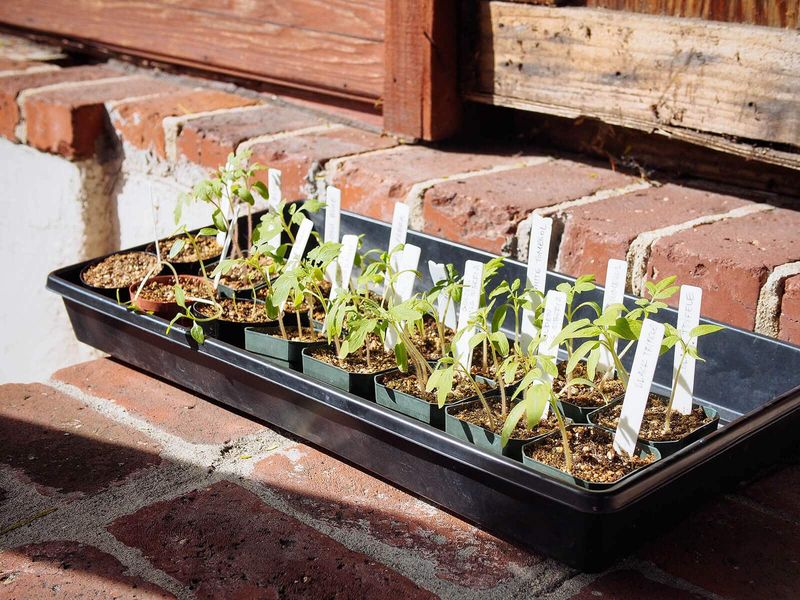
Hardening off is one of the most overlooked steps in the tomato growing process, but skipping it almost always causes problems. Seedlings that have spent weeks indoors under grow lights or in a warm window are not prepared for the wind, direct sun, and temperature swings they will face outside.
The hardening off process involves gradually introducing your seedlings to outdoor conditions over a period of seven to ten days. Start by placing them outside in a sheltered spot for just a couple of hours on a mild, cloudy day.
Each day, increase the time outdoors and slowly expose them to more direct sunlight and air movement.
Ohio springs can shift quickly from warm afternoons to chilly nights, so always bring seedlings back inside if temperatures are expected to drop below 50 degrees Fahrenheit. Nighttime cold stress can slow root development and cause leaf damage even when temperatures stay above freezing.
By the end of the hardening off period, your seedlings should be spending full days outside and tolerating the natural environment without wilting or showing stress. Plants that go through proper hardening off establish much faster after transplanting, which means earlier fruiting and a stronger overall harvest for Ohio gardeners who take the time to do it right.
8. Transplant Tomatoes Outside After The Last Frost In Your Ohio Zone

Transplant day is one of the most satisfying moments in any Ohio gardener’s spring, but rushing it can cost you the entire season. Tomatoes need more than just frost-free air temperatures to thrive after transplanting.
The soil itself must be consistently warm before roots will establish and grow actively.
Aim for soil temperatures of at least 60°F, with 65°F or warmer being ideal. Cold soil slows root growth dramatically and can leave transplants sitting stagnant for weeks while they wait for conditions to improve.
A simple soil thermometer, available at most garden centers, takes the guesswork out of this decision completely.
Nighttime air temperatures are equally important. Tomatoes prefer nights that stay consistently above 50 degrees Fahrenheit.
Extended exposure to temperatures below that threshold stresses plants and can delay flowering, which pushes your harvest later into the season.
Watch the weather forecast for at least a week before transplanting to make sure no late cold fronts are heading into Ohio. Once conditions check out, dig your planting holes deep enough to bury the lower stem, which encourages extra root development along the buried portion.
Water transplants in thoroughly, and consider using a starter fertilizer to help roots get established quickly in their new home in the Ohio garden.