When To Trim Ornamental Grasses In Virginia For Healthy Regrowth
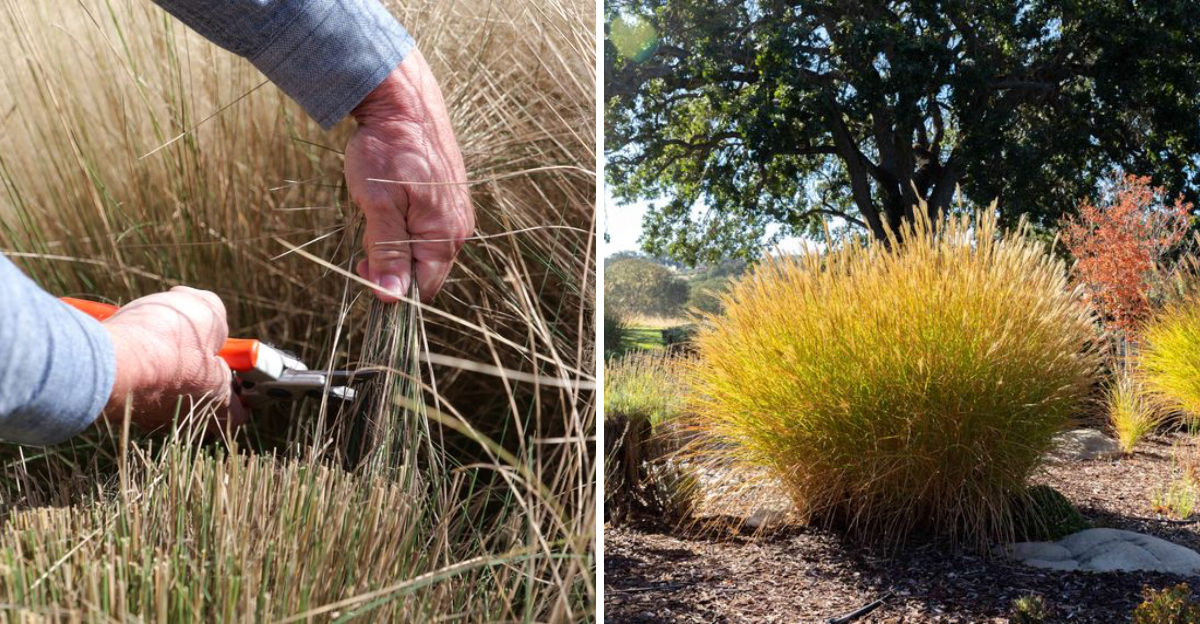
Ever wondered how to keep your ornamental grasses looking their best all year in Virginia?
From the rolling hills of the Shenandoah Valley to the coastal plains near Chesapeake Bay, these graceful plants bring texture, movement, and year-round interest to any garden.
But pruning them at the wrong time can be disastrous, cutting off brand-new shoots just as they emerge. Virginia’s unique climate means timing is everything.
Knowing when and how to prune ensures your grasses stay healthy, full, and stunning.
Find out the best timing, tools, and techniques to prune ornamental grasses without harming new growth, helping your garden stay vibrant and gorgeous in every season.
1. This Is The Right Moment To Cut Them Back For Healthier Growth
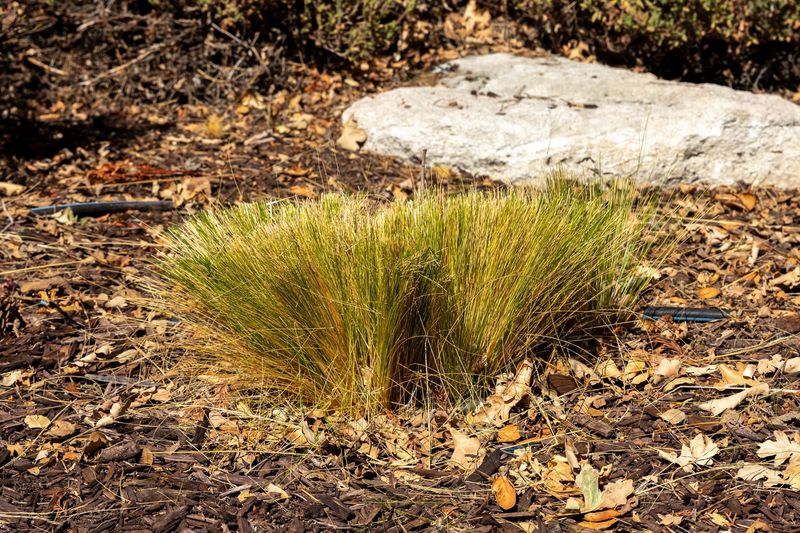
Timing is everything when it comes to pruning ornamental grasses, and getting it right means the difference between a thriving plant and a struggling one. For most warm-season ornamental grasses, late winter to very early spring is the sweet spot.
That usually falls between late February and mid-March, depending on where you live in the state.
Gardeners near the Blue Ridge Mountains may need to wait a little longer than those closer to the coastal regions around Virginia Beach or Hampton Roads, where temperatures tend to warm up faster.
A good rule of thumb is to prune before you see any new green shoots poking up from the base of the plant. Once those fresh tips appear, it is time to stop cutting.
For cool-season grasses, pruning in late fall or very early winter works well. This gives the plant time to settle before cold weather sets in.
Watching the weather forecast and checking your specific hardiness zone will help you nail the timing every single season without guessing. Mark your calendar and make it a yearly habit.
2. Spot New Growth Before You Start Cutting
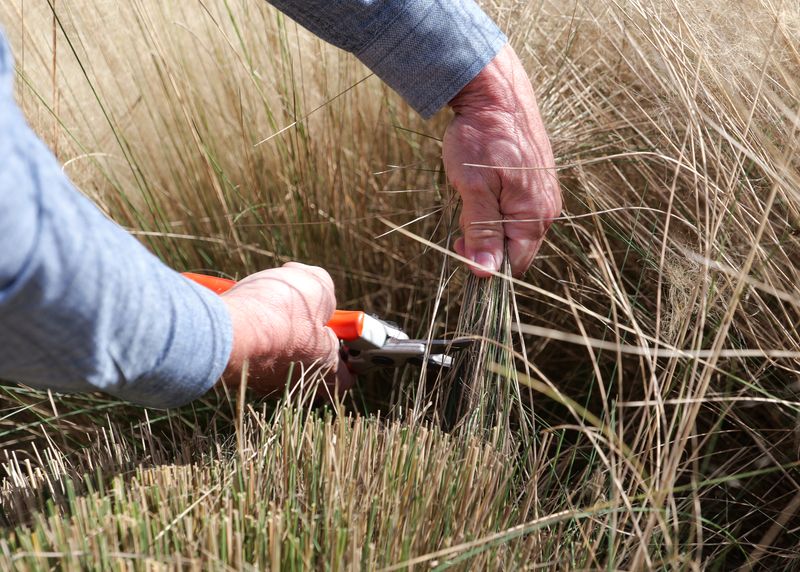
Spotting new growth before you grab your pruning shears might just be the most important skill a gardener can develop.
New shoots on ornamental grasses are easy to miss because they start out incredibly small, sometimes just a half-inch of bright green poking through the dried, tan-colored old foliage.
If you cut through them, the plant can take weeks to recover.
Before you prune, get down close to the base of the grass clump and look carefully. Fresh growth tends to be a much brighter, almost lime-green color compared to the straw-like old blades surrounding it.
Warm spells in late February or early March can trigger this early growth, especially in the Piedmont and Tidewater regions where the climate is milder.
A quick visual check every few days during late winter is a smart habit to build. Some gardeners even use a gentle hand to part the old foliage and peek inside the clump for hidden shoots.
Taking just a few extra minutes before pruning can protect weeks of natural growth and keep your ornamental grasses looking full and lush when spring really gets going.
3. Cut Back Ornamental Grasses Before Spring
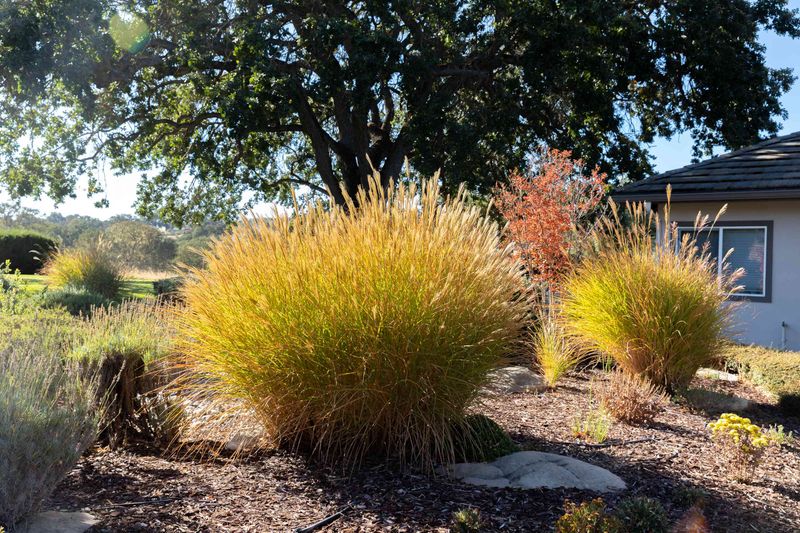
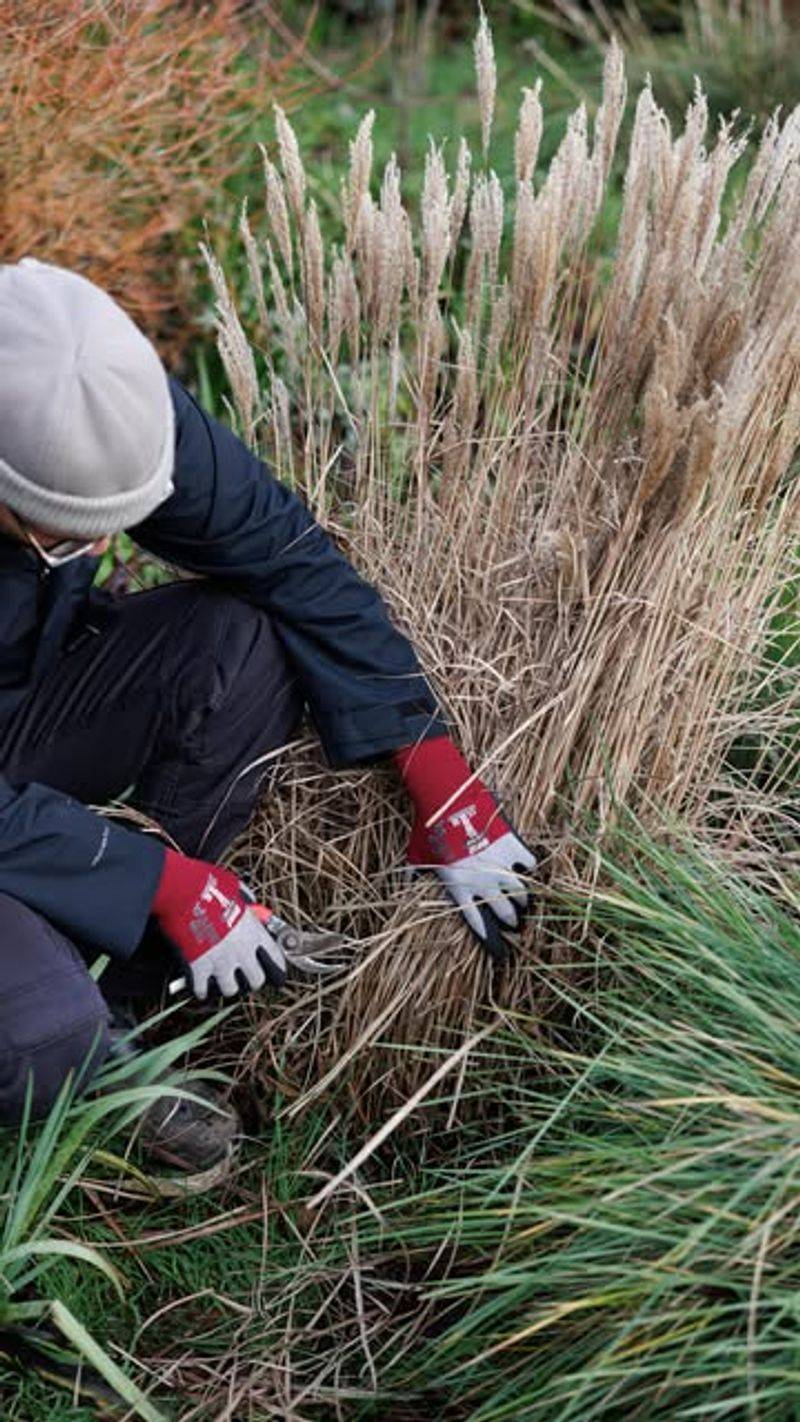
One of the most asked questions among gardeners is exactly how short to cut ornamental grasses during pruning season. Cut too short and you risk damaging the crown of the plant, which is the growing center right at or just above the soil line.
Cut too long and the old dead material blocks sunlight and air from reaching the fresh new growth.
A general guideline for most warm-season ornamental grasses is to cut them back to about four to six inches above the ground. This leaves just enough of the old stem to protect the crown while still clearing away the bulk of the dead foliage.
For smaller grass varieties, cutting to three or four inches is usually fine.
Cool-season grasses should be pruned more lightly, often by just one-third of their total height, since they may still have some green growth even in winter. Every grass variety is a little different, so checking the specific needs of your plant is always a smart move.
Gardeners who follow these simple cutting guidelines tend to see fuller, healthier regrowth every spring with very little fuss involved.
4. Choose The Right Tools For A Clean Cut
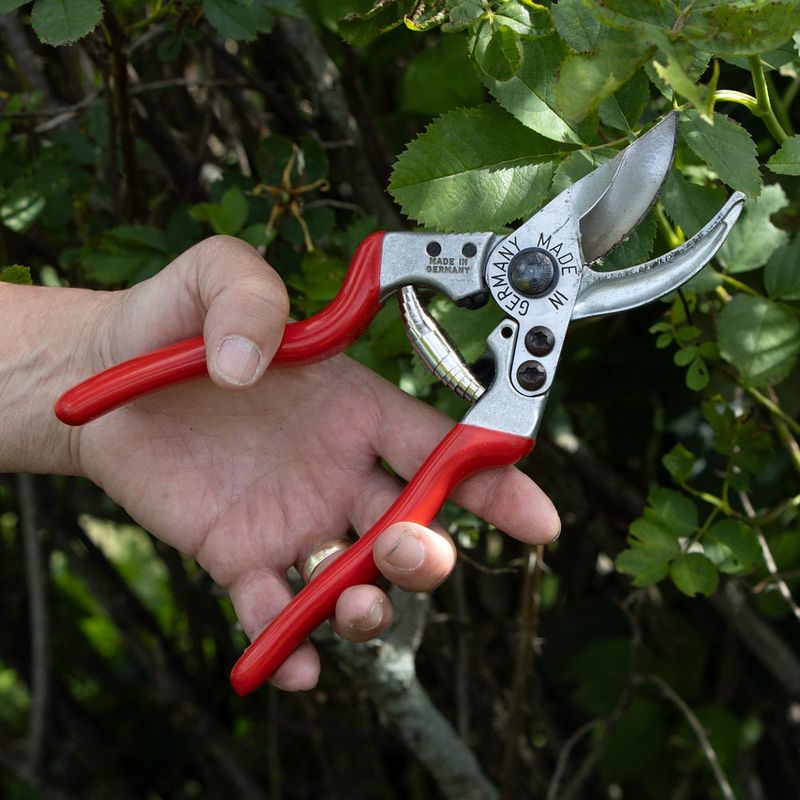
Sharp tools are a gardener’s best friend, and when it comes to pruning ornamental grasses, using the right equipment makes the whole job faster, cleaner, and safer for the plant.
Dull blades tear and crush the grass stems instead of cutting them cleanly, which can leave the plant open to pests and disease.
Always start the season with sharpened tools.
For small clumps of ornamental grass, a pair of heavy-duty pruning shears or hand scissors works great.
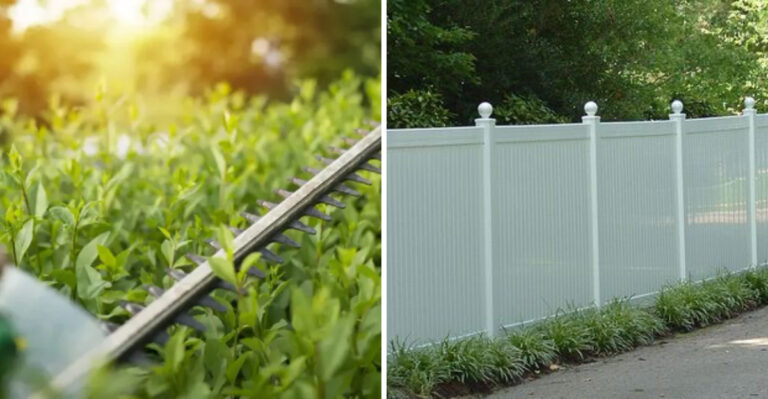
Larger clumps, like the big Miscanthus varieties common in many Virginia landscapes, may call for hedge shears or even a reciprocating saw for the toughest, most established plants.
Wearing thick gloves is also a must since ornamental grass blades can be surprisingly sharp and may cause cuts on bare hands.
After each use, wipe your blades with rubbing alcohol to prevent spreading any plant diseases from one grass clump to another. Virginia gardeners who take care of their tools find that pruning goes much more smoothly each year.
Investing in a good pair of bypass pruners and keeping them clean and sharp is one of the simplest ways to protect your ornamental grasses season after season.
5. Understand Cool-Season Vs. Warm-Season Grasses In Virginia
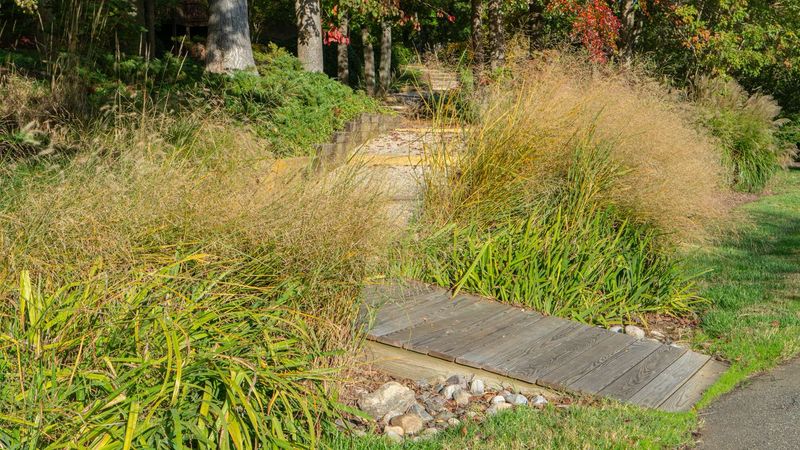
Not all ornamental grasses follow the same schedule, and knowing the difference can save your garden from a major setback. Virginia is home to both cool-season and warm-season ornamental grasses, and each type has its own growth pattern and pruning window.
Getting these two confused is one of the most common mistakes gardeners make.
Cool-season grasses like Blue Fescue and Feather Reed Grass start growing actively in early spring, sometimes as soon as late February in warmer parts of Virginia. These grasses slow down in summer heat and may go partially dormant.
Warm-season grasses like Maiden Grass and Switchgrass, on the other hand, wait until the soil warms up in late spring before they start pushing new growth.
Pruning a cool-season grass too late in spring can slice right through fresh new blades, leaving the plant stressed and ragged looking. Warm-season grasses are safer to prune in late winter before their growth begins.
Identifying which type of grass you have is the very first step every gardener should take before picking up a pair of shears.
6. Leave Grasses Uncut Through Winter For Benefits
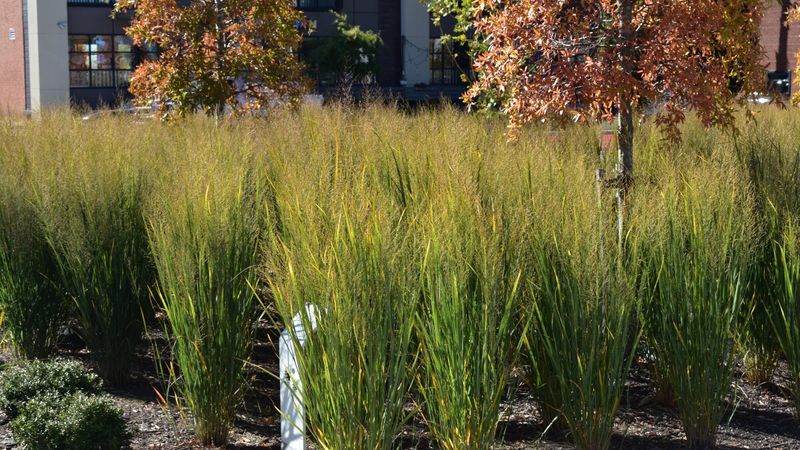
Leaving your ornamental grasses standing through the winter months is not laziness; it is actually a brilliant gardening strategy that pays off in multiple ways.
In Virginia, where winters can bring both ice storms and mild stretches depending on the year, those tall dried grass plumes act as natural insulation for the crown of the plant sitting below.
They trap warmth and protect tender roots from hard freezes.
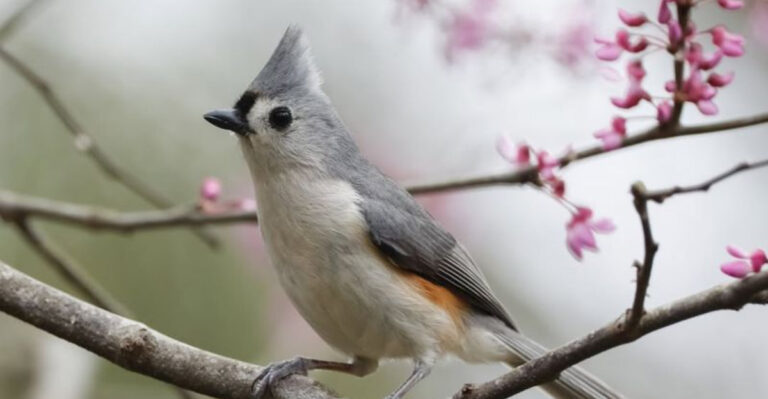
Wildlife also benefits greatly from uncut ornamental grasses during the colder months. Birds like finches and sparrows visit Virginia gardens regularly to feed on the seed heads that form at the tops of many ornamental grass varieties.
Leaving the grasses standing gives these birds a food source when other plants have little to offer.
From a pure beauty standpoint, ornamental grasses in winter are absolutely stunning. The golden and copper tones of uncut grasses catch the low winter sunlight and add visual interest to what might otherwise be a bare and dull garden.
Many homeowners have discovered that their neighbors actually admire the winter garden more after they stopped cutting grasses down in the fall. Waiting until late winter to prune truly is the best approach for both the plant and the landscape.
7. Avoid Common Pruning Mistakes Virginia Gardeners Make
Even experienced gardeners slip up when it comes to pruning ornamental grasses, and a few common mistakes show up again and again each spring.
The biggest one is pruning too early, especially during those warm February teaser days when temperatures spike briefly and make it feel like spring has fully arrived.
Virginia weather is famously unpredictable, and a warm week can be followed quickly by a hard frost.
Another frequent mistake is pruning warm-season and cool-season grasses at the same time without thinking about their different growth schedules. Treating a Blue Fescue the same way you treat a Maiden Grass can set one of them back significantly.
Taking a few minutes to identify each grass type in your Virginia garden before pruning can prevent a lot of frustration.
Skipping the cleanup after pruning is also something many gardeners regret. Leaving piles of cut grass clippings around the base of the plant can invite slugs, fungal problems, and moisture buildup that harms the crown.
Rake away all trimmings and compost them or bag them for disposal. Avoiding these common slip-ups keeps your ornamental grasses growing strong and looking their absolute best from spring all the way through fall.
8. Prune Ornamental Grasses In Different Climate Zones
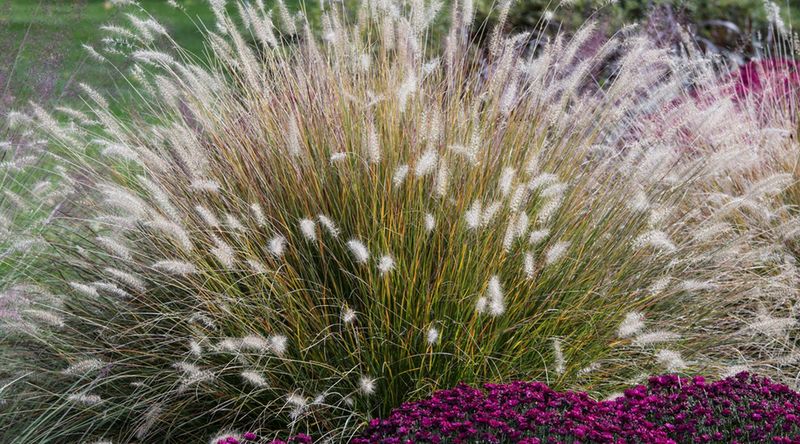
Virginia spans a surprisingly wide range of climates, and where you garden in the state has a real impact on when you should prune your ornamental grasses.
The USDA Plant Hardiness Zones in Virginia range from Zone 5b in the higher elevations of the Appalachian Mountains to Zone 8a along the coastal areas near the Virginia Beach shoreline.
These differences can shift the ideal pruning window by several weeks.
Gardeners in Southwest Virginia and the higher parts of the Blue Ridge Mountains should wait longer into March before pruning warm-season grasses, since late frost events are more common there.
In contrast, gardeners in Hampton Roads and the Northern Neck area of Virginia often see earlier warming and can safely prune a bit sooner, sometimes as early as late February in a mild year.
Central Virginia, including the Richmond metro area and the Piedmont region, sits comfortably in the middle and usually follows the standard late February to mid-March pruning window for warm-season grasses.
Knowing your specific zone within Virginia gives you a huge advantage when planning your pruning schedule.
A quick look at the Virginia Cooperative Extension website can help you find your exact zone and plan your garden calendar accordingly.
9. Give Your Ornamental Grasses A Fresh Start After Pruning
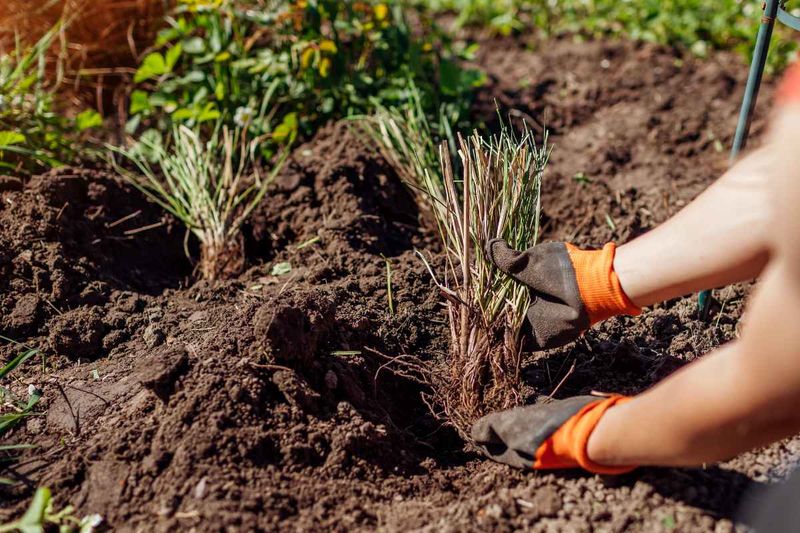
After pruning, your ornamental grasses are ready to put on a brand-new show, and giving them a little extra attention right after cutting can set them up for an incredible growing season.
A light application of a balanced, slow-release fertilizer around the base of each clump helps fuel that first burst of fresh green growth.
Do not overdo it though, since too much fertilizer can actually push weak, floppy growth rather than strong, upright blades.
Watering consistently in the weeks after pruning is also helpful. Newly pruned grasses put a lot of energy into pushing up new shoots, and having reliable moisture in the soil supports that effort.
Mulching lightly around the base can help retain that moisture without smothering the emerging growth.
Watching your ornamental grasses come back to life after a good pruning is one of the most rewarding parts of gardening.
Within just a few weeks, those fresh green shoots will fill in and grow fast, transforming what looked like a stubby clump into a full, graceful mound of swaying foliage.
A little post-pruning care goes a very long way toward making your garden truly shine all season long.