Where Ohio Robins Actually Go When Cold Weather Arrives
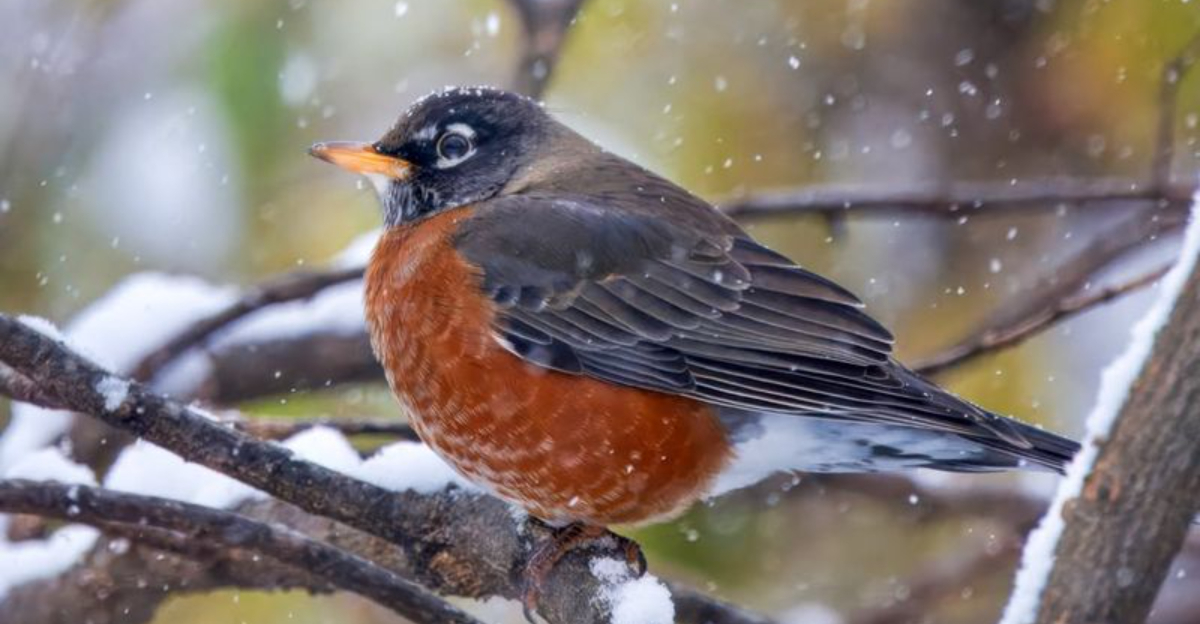
Think Ohio robins vanish once frost hits? That familiar red chest does not just disappear.
Cold weather triggers a surprising shift that most backyard bird fans never see. Some robins pack up and travel south, while others stick close to home and swap worms for berries and fruit.
Snow on the ground does not always mean empty skies. In fact, flocks often gather in wooded areas, parks, and river valleys where food stays within reach.
This quiet seasonal shuffle explains why feeders may seem deserted one week and full of feathered visitors the next. If you spot fewer robins near your porch, they may not be far at all.
The real story behind their cold-weather habits reveals clever survival tactics and a side of these birds that rarely gets attention. Once you know where Ohio robins spend winter days, every outdoor walk feels more interesting.
1. Ohio Robins Break The Migration Rules
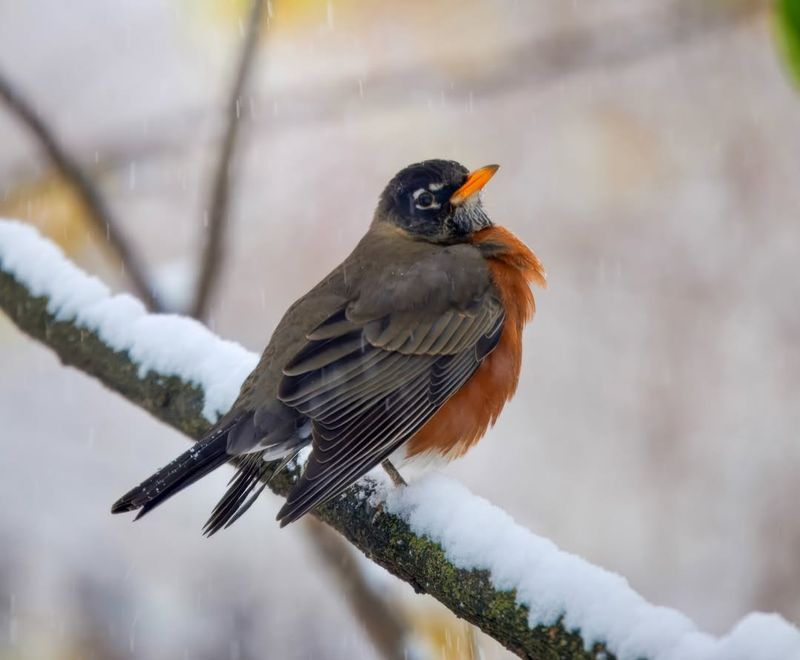
Your neighbor swears she saw a robin in January, but you figured it was a trick of light or maybe a different bird altogether. Many people assume robins leave Ohio when the cold arrives.
Not quite. Ohio robins don’t follow the strict migration patterns that many other songbirds do, and that surprises a lot of backyard birdwatchers every winter.
While some robins do head south when temperatures drop, many others stick around or move only short distances within the state. Northern Ohio robins might drift toward central or southern counties instead of flying hundreds of miles to the Gulf Coast.
This flexible movement confuses people who expect robins to disappear completely once snow falls.
The truth is that robins are partial migrants, meaning different individuals make different choices based on food availability, weather severity, and even their age. Some research suggests younger robins may be more likely to migrate farther south, while older birds often remain closer to breeding territories.
This variation means you might see robins in your Columbus backyard one cold morning and none the next, depending on local conditions and food sources. Ohio State University Extension notes that robin presence in winter is often influenced more by berry availability than temperature alone, which explains why some winters feel robin-rich while others seem empty.
2. Cold Weather Triggers Massive Winter Flocks
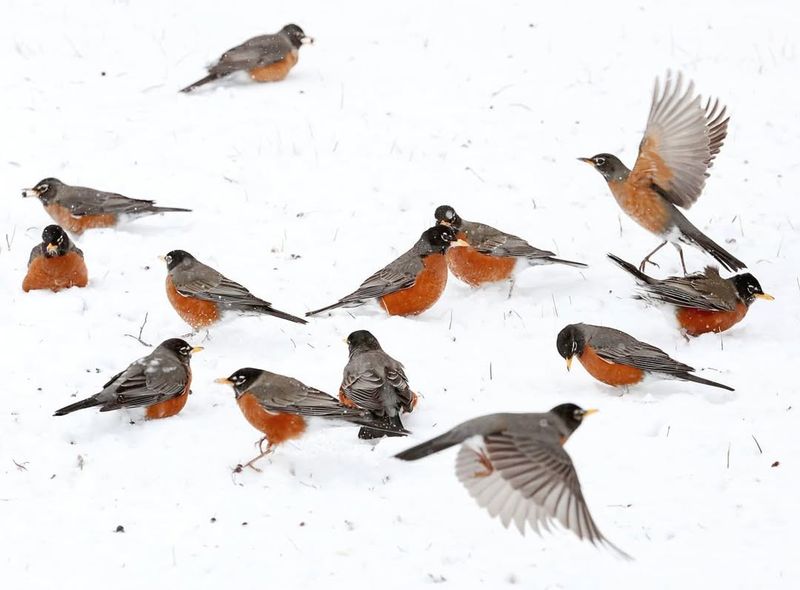
Walk through any Ohio woodland in December and you might stumble upon something remarkable. Dozens, sometimes hundreds, of robins clustered together in the treetops, moving as one noisy, restless group.
These winter flocks look nothing like the solitary robins you saw pulling earthworms from your lawn last spring, and they behave completely differently too.
When cold weather settles in, robins abandon their territorial summer habits and join large flocks for survival. Flocking helps them locate food more efficiently, especially when berry-laden trees and shrubs become their primary food source.
One robin spotting a loaded crabapple tree can alert dozens of others, and suddenly your backyard tree is swarming with hungry birds.
These flocks are constantly on the move, following food supplies across the landscape. You might see a massive group one afternoon and none the next morning because they’ve shifted to a different neighborhood or county.
Flocking also offers protection from predators like hawks, since many eyes watch for danger better than one. Ohio Department of Natural Resources biologists note that winter robin flocks can number in the thousands in areas with abundant fruit trees, creating spectacular wildlife viewing opportunities for patient observers willing to bundle up and venture outside.
3. Food Availability Controls Robin Movement
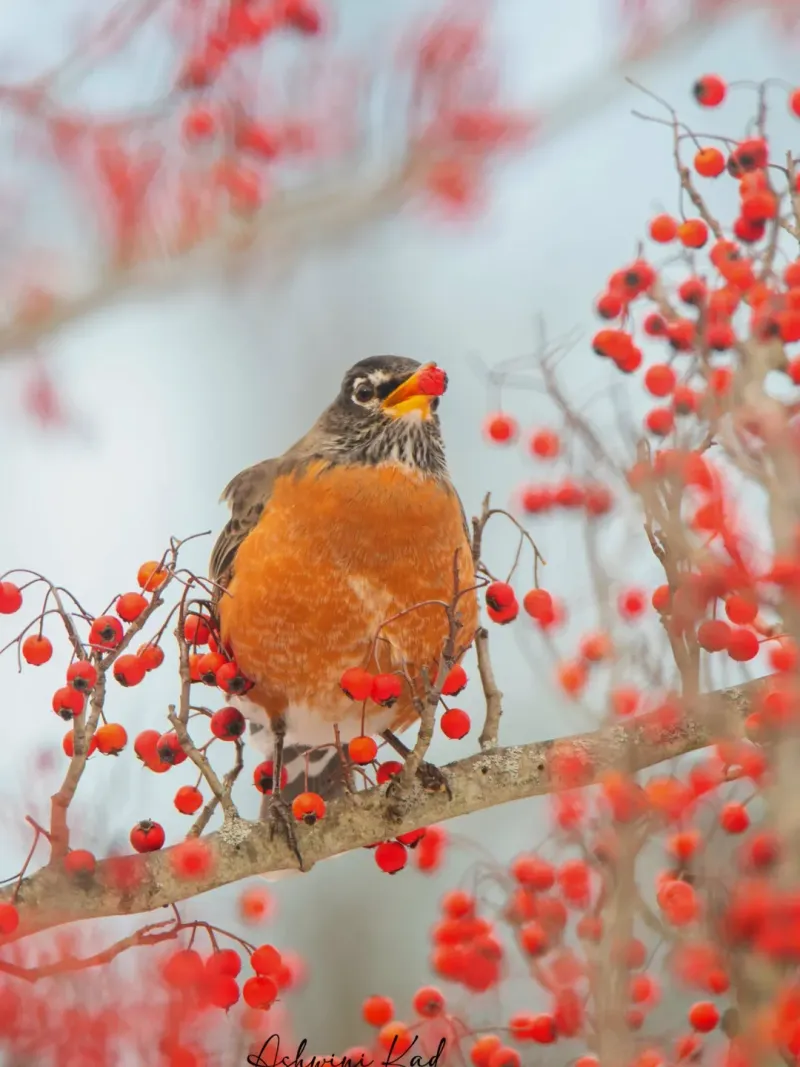
Your ornamental crabapple tree sat untouched all autumn, the small red fruits clinging to bare branches through November. Then one cold morning in December, you looked out to find the tree alive with robins, stripping every last berry in a feeding frenzy that lasted barely an hour.
This scene plays out across Ohio every winter, and it reveals the single biggest factor controlling where robins go when temperatures drop.
Robins follow the food, plain and simple. During warm months, they feast on earthworms, insects, and other protein-rich prey found in lawns and gardens.
When frozen ground makes those foods unavailable, robins switch entirely to fruits and berries. Winterberry, crabapple, hawthorn, and sumac become critical survival foods, and robins will travel wherever these resources remain abundant.
This dependency on fruit explains why robin numbers fluctuate so dramatically from yard to yard and week to week. A neighborhood with mature berry-producing trees and shrubs might host robins all winter, while a subdivision with only turf grass and ornamental evergreens sees none.
Cornell Lab of Ornithology research shows that fruit availability often has a stronger influence on winter robin distribution than temperature or snowfall alone. If your yard lacks winter berries, robins simply move elsewhere, searching constantly for the next meal that will carry them through until spring.
4. Many Robins Tough Out Ohio Winters
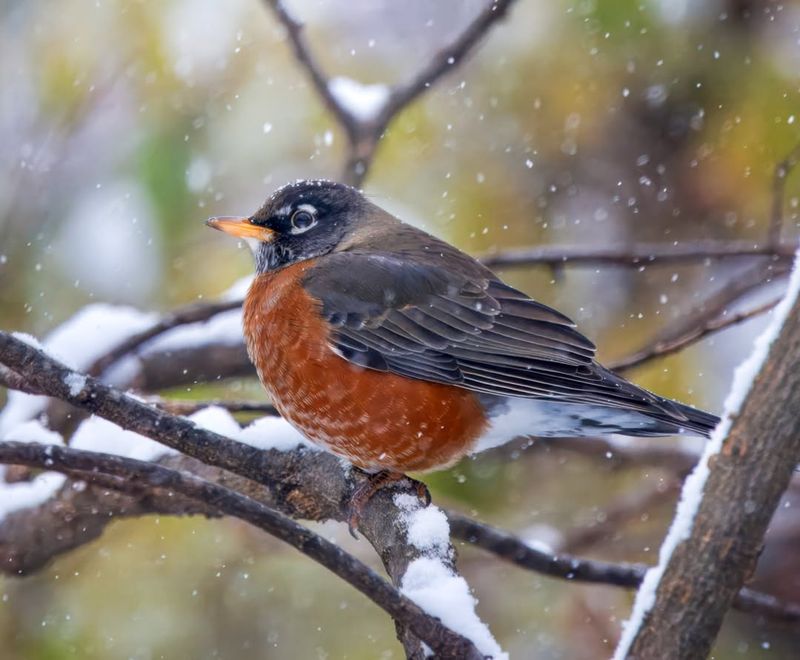
January brings a brutal cold snap, and you’re convinced no sensible bird would stay in Ohio through this misery. Yet there they are, robins huddled in your neighbor’s holly bushes, feathers fluffed against the wind, looking surprisingly unbothered by single-digit temperatures.
How do they survive conditions that send you running for extra blankets and hot coffee?
Robins are tougher than they look. Their thick winter plumage provides excellent insulation, and they conserve energy through dense winter plumage, feather fluffing, and reduced activity during extreme cold.
As long as fruit remains available, many robins stay put through even harsh Ohio winters rather than expending energy on long-distance migration. Northern Ohio birds face the toughest conditions, but even Cleveland and Toledo backyards host winter robins when food sources hold out.
Urban areas offer particular advantages for overwintering robins. Cities tend to be several degrees warmer than surrounding countryside due to heat from buildings and pavement, and urban landscapes often feature more ornamental fruit trees than rural farmland.
Your Cincinnati or Akron backyard might support robins all winter while rural areas nearby see none. Ohio State University research shows that winter robin survival depends less on cold tolerance and more on finding sufficient calories from berries and occasional unfrozen fruits, making food availability one of the most important factors in whether robins stay or go.
5. Southern States Become Robin Winter Hideouts
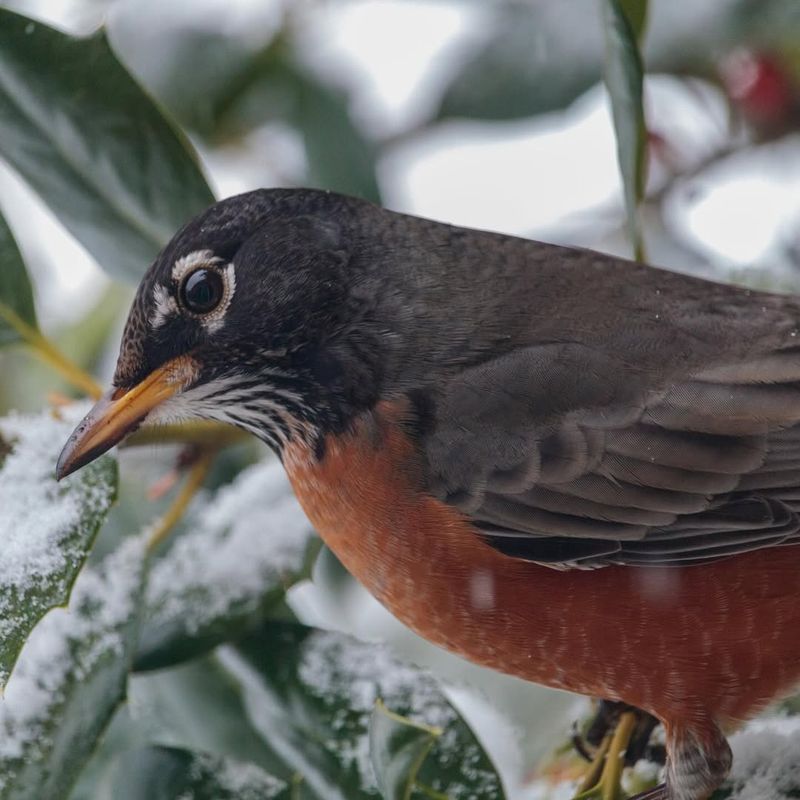
Your friend in Tennessee sends you a photo of robins hopping across her green lawn in December, and you feel a pang of envy. While you’re scraping ice off your windshield, southern robins are enjoying mild temperatures and abundant food.
This is where many Ohio robins actually go when local conditions turn harsh, though the journey isn’t as long as you might imagine.
Robins leaving Ohio typically don’t fly all the way to Florida or Texas. Most stop in Kentucky, Tennessee, Arkansas, or the Carolinas, where winter temperatures stay moderate and fruit supplies remain plentiful.
These mid-South states offer the perfect balance, providing easier foraging conditions without requiring the energy expenditure of a marathon migration to the tropics.
The decision to migrate isn’t made by the entire population at once. Some Ohio robins leave in November, others tough it out until January, and still others never leave at all.
Young birds tend to migrate farther than adults, and in some populations females have been observed wintering slightly farther south than males. This staggered, individualized approach means your backyard might lose its robins gradually over several weeks rather than all at once.
Come March, when warming temperatures trigger the return migration, you’ll notice robins reappearing in waves as different groups make their way back north to reclaim breeding territories and resume their familiar lawn-hopping routines across Ohio’s awakening landscape.
6. Why You Rarely See Robins In Winter Even When They’re Nearby
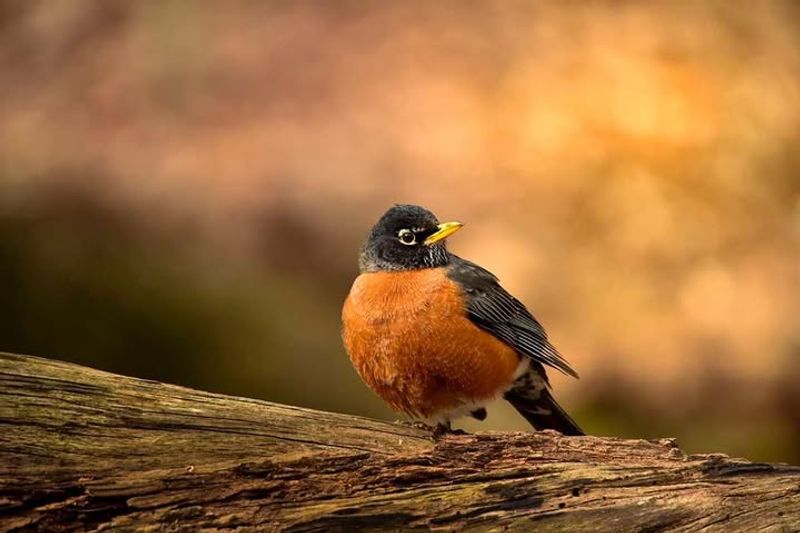
February arrives, and you realize something strange. You haven’t seen a single robin all winter – yet wildlife experts say many never actually left your county.
So where are they hiding?
In winter, robins change their daily routines. Instead of feeding on open lawns like they do in spring and summer, they spend most of their time high in trees and dense shrubs where fruit grows.
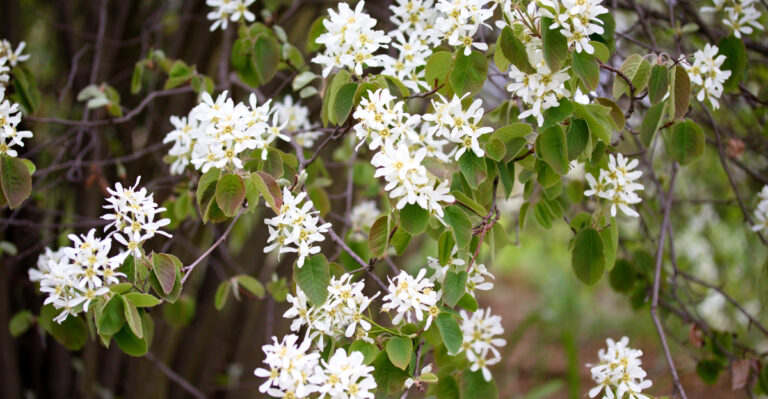
Hawthorn, honeysuckle, crabapple, cedar, and sumac trees become their main grocery stores.
Because these food sources grow along woodland edges, river corridors, abandoned fields, and hedgerows, robins often shift away from suburban yards and into quieter natural areas. They may be only a half-mile away, but out of sight.
Robins also feed most heavily early in the morning and late in the afternoon during winter. If you’re at work or inside during those windows, you can easily miss them even when flocks pass through your neighborhood.
This behavior explains why many Ohio residents believe robins completely vanish each winter, when in reality they’ve simply moved upward into treetops and sideways into less visible habitats.
7. The Real Reason Ohio Robins Return Each Spring
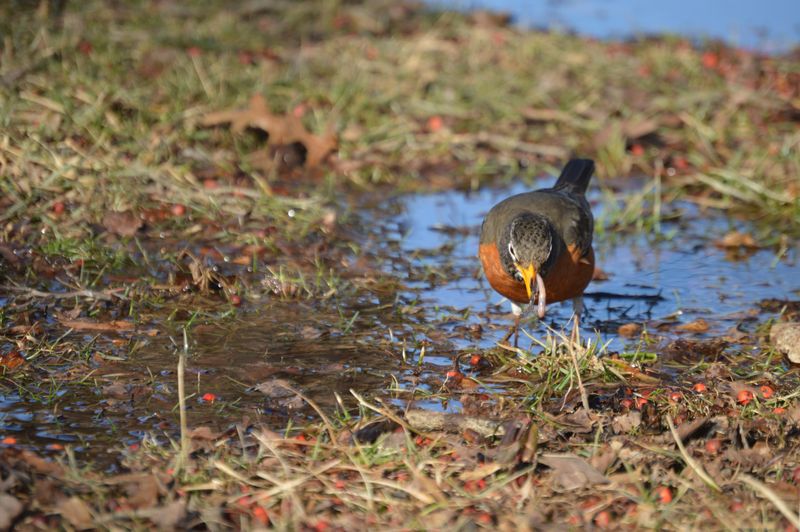
One morning you hear the familiar “cheerily cheer-up” song drifting through the cold air, and you spot a robin tugging at thawing soil. This return isn’t random.
Increasing daylight, not temperature, triggers hormonal changes that push robins northward and restart breeding behavior. Even when snow still covers the ground, longer days signal that nesting season is approaching.
As the soil begins to soften, earthworms and insects become available again. Protein-rich prey is essential for egg production and chick growth, which is why robins quickly abandon fruit-heavy winter diets and return to lawns and gardens.
Many robins that overwintered in southern Ohio, Kentucky, or Tennessee begin moving north in waves. Others that stayed locally emerge from wooded areas and reclaim territories around familiar neighborhoods.
By mid-March to early April, most Ohio communities see robins fully re-established, hopping across lawns, defending nesting sites, and reminding everyone that spring has officially arrived.