Where To Plant Hydrangeas In Oregon So They Thrive For Years
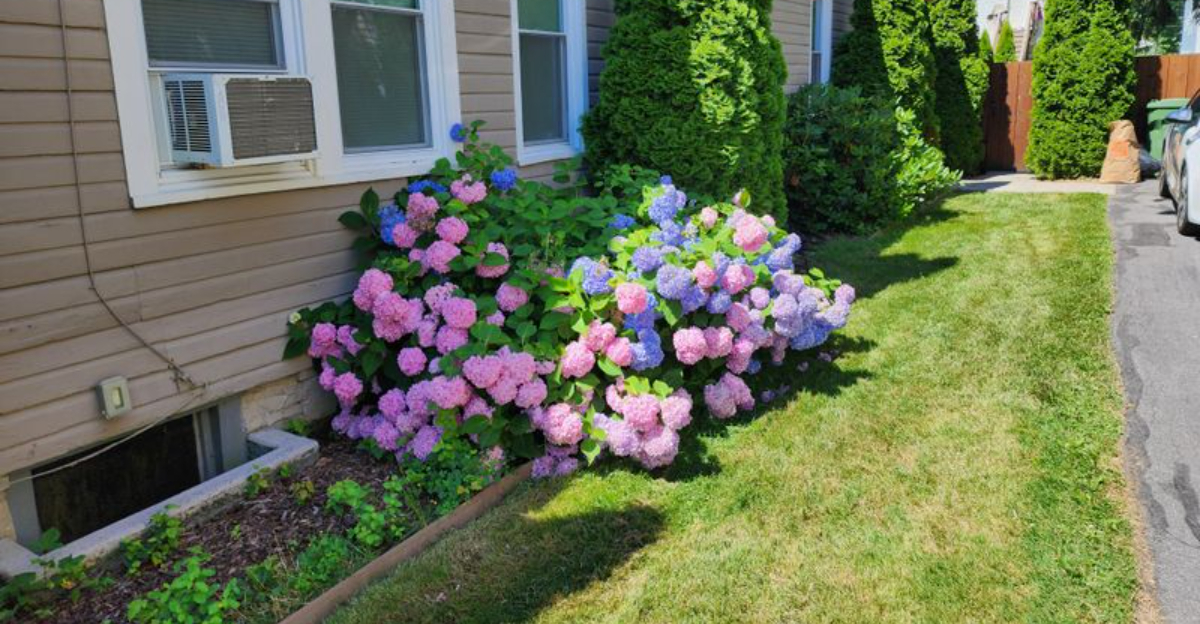
Hydrangeas can be stunning in Oregon gardens, but only when they’re planted in the right spot. I learned this the hard way after putting one in full sun and watching it struggle all summer.
Once I moved it, everything changed. Bigger blooms, healthier leaves, and better growth.
Location matters more than most people realize. Sun exposure, soil moisture, and air flow all play a role in how well hydrangeas perform.
Oregon’s mild climate helps, but placement still makes a huge difference.
Choosing the right area from the start saves time and frustration later. It also means less maintenance and stronger plants year after year.
This guide will help you find the best planting spots for hydrangeas in Oregon. Simple placement tips can turn these shrubs into long-lasting garden favorites.
1. Pick Morning Sun Spots
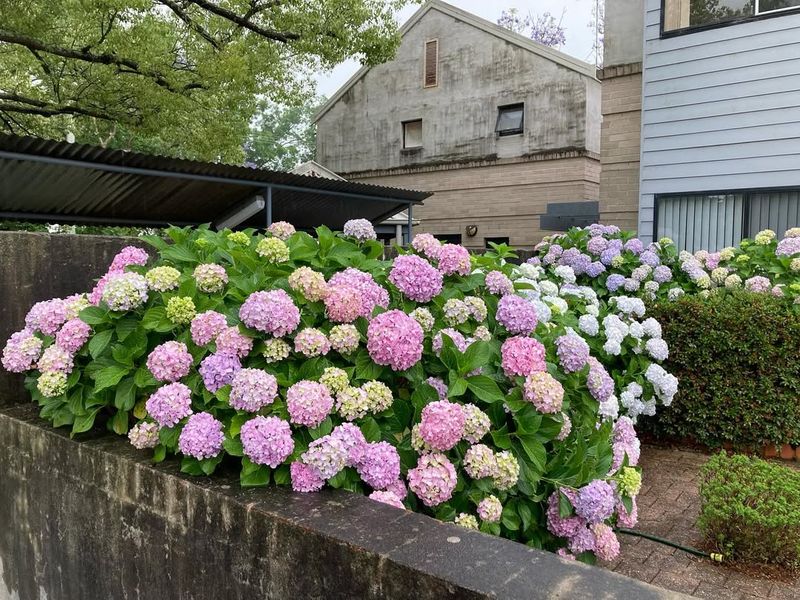
Ever notice how some hydrangeas look crisp and vibrant in the morning, then seem to wilt by afternoon? That’s your plant telling you it’s getting the wrong kind of light.
Morning sun is gentler and cooler, giving your hydrangeas the energy they need without the stress of intense heat.
In Oregon, positioning your hydrangeas where they catch those early rays, typically on east-facing sides of your home or garden, sets them up for success.
The morning light helps dry dew from leaves, reducing fungal issues that can plague hydrangeas in our damp climate.
Plus, the softer light encourages healthy photosynthesis without scorching delicate petals or foliage.
When scouting your yard, look for spots that get about four to six hours of morning sun. These areas often stay cooler throughout the day, which hydrangeas appreciate during our warmer summer months.
Avoid planting in full shade, as this can limit blooming significantly.
Walk your property at different times of day to see how sunlight moves across your garden. Take notes on which areas brighten up first and stay lit until about noon.
These are your prime hydrangea real estate spots, where plants can soak up gentle rays without suffering from afternoon intensity.
2. Avoid Harsh Afternoon Rays
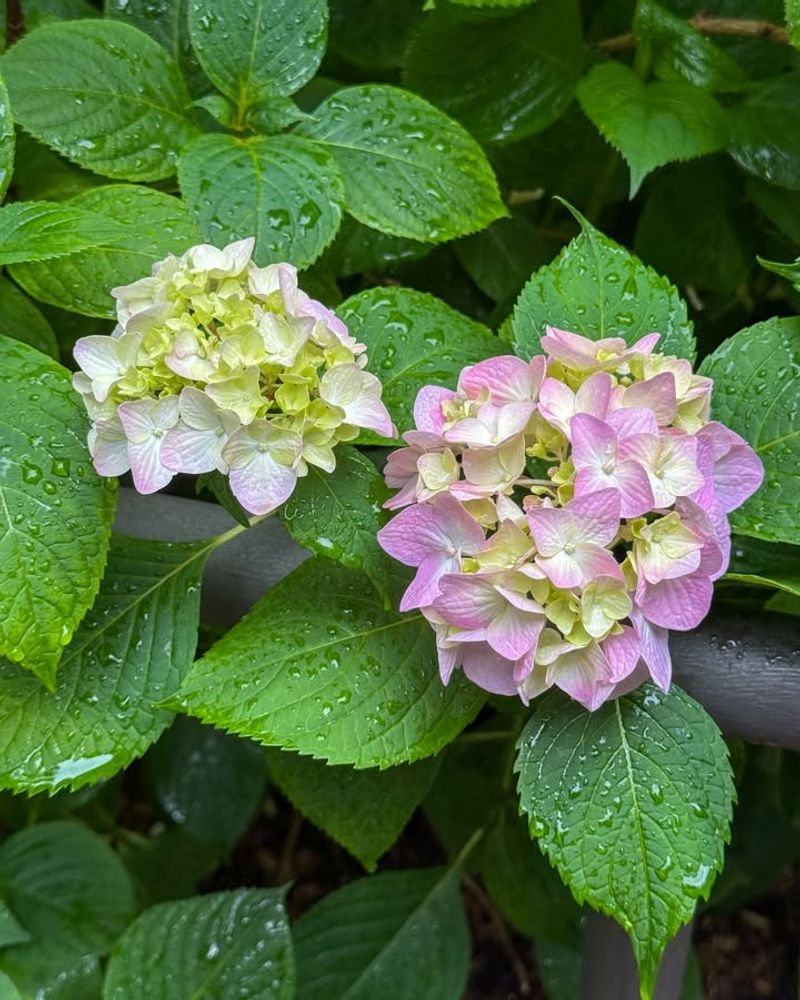
Picture a hydrangea planted against a west-facing fence, looking gorgeous in spring but struggling by July with crispy brown edges on every leaf. That’s the afternoon sun doing its damage.
Oregon summers can surprise us with heat waves, and those late-day rays pack serious punch, especially when they reflect off walls or pavement.
Western and southern exposures tend to be the hottest spots in any garden. While hydrangeas tolerate some sun, prolonged exposure to intense afternoon light stresses them out.
Leaves may scorch, blooms can fade prematurely, and the plant uses extra energy just trying to stay cool instead of producing those gorgeous flowers you planted them for.
If your only planting option faces west or south, consider adding shade cloth during peak summer months or positioning taller companion plants to filter that harsh light.
Structures like pergolas, arbors, or even large shrubs can create dappled shade that protects your hydrangeas while still allowing adequate light.
Pay attention to how your garden heats up between 2 and 6 PM. Those areas that feel like ovens are not hydrangea-friendly.
Instead, reserve those spots for sun-loving plants like lavender or salvia, and give your hydrangeas the cooler, shadier locations they prefer.
3. Check Soil Drainage

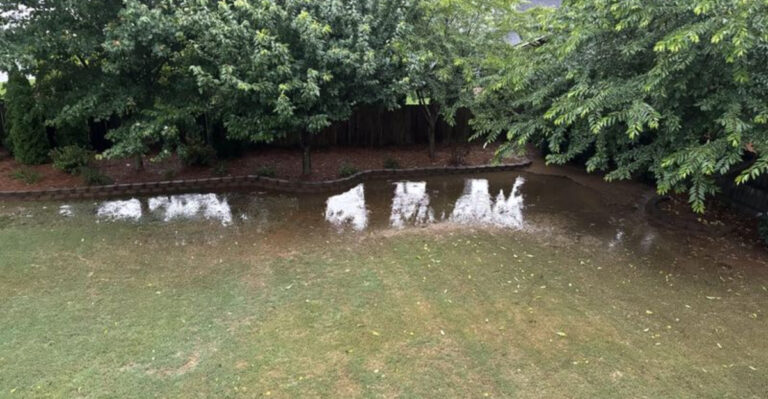
You dig a hole, plant your hydrangea, water it in, and return the next day to find a puddle still sitting there. Not good.
Hydrangeas like consistent moisture, but they definitely don’t want their roots sitting in waterlogged soil. Poor drainage leads to root rot, yellowing leaves, and eventually a dead plant, no matter how perfect the sunlight is.
Oregon’s clay-heavy soils can be tricky. Many areas, especially in the Willamette Valley, have dense clay that holds water like a bathtub.
Before planting, do a simple drainage test: dig a hole about a foot deep, fill it with water, and see how long it takes to drain. If water remains after 12 hours, you’ll need to amend that soil or choose a different spot.
Mixing in compost, aged bark, or peat moss helps break up clay and improves drainage dramatically. You can also create raised beds or mounds that elevate your hydrangeas above problem areas.
Some gardeners even plant on gentle slopes where gravity naturally moves excess water away from roots.
Check your yard after heavy Oregon rains to identify low spots where water pools. Avoid these areas entirely for hydrangeas, or invest time in serious soil improvement before planting.
Well-draining soil keeps roots healthy, encourages robust growth, and helps your hydrangeas thrive through our wet winters and dry summers.
4. Look For Sheltered Corners
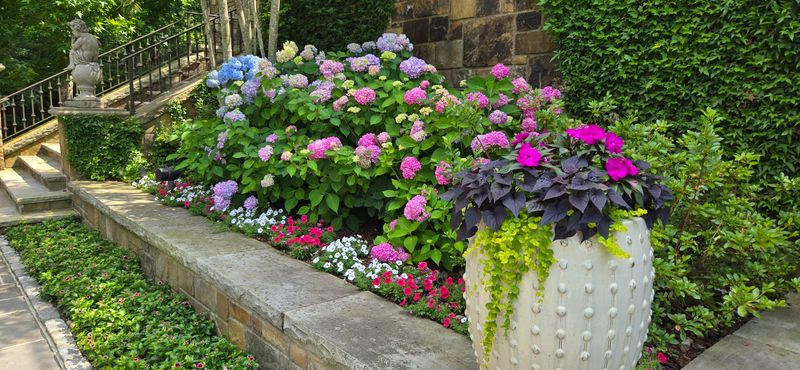
A gorgeous hydrangea planted in an open, exposed area might look fine until the first windstorm hits. Then you find broken stems, tattered blooms, and a generally unhappy plant.
Hydrangeas have somewhat brittle branches, and their large flower heads act like sails, catching wind and causing damage. Finding a sheltered spot protects your investment and keeps blooms looking beautiful longer.
Corners formed by fences, walls, or hedges create natural windbreaks that buffer your hydrangeas from Oregon’s occasional gusty weather. These protected microclimates also tend to be slightly warmer, which helps during unexpected late spring frosts or early fall cold snaps.
Your hydrangeas will establish faster and grow more vigorously when they’re not constantly battling the elements.
Look around your property for L-shaped areas where two structures meet, spaces behind garages or sheds, or spots along the house foundation where eaves provide additional shelter.
These locations often have the bonus of reflected warmth from buildings, extending your growing season slightly and encouraging better blooming.
Don’t confuse sheltered with completely enclosed or airless, though. Good air circulation prevents fungal diseases, so you want protection from strong winds but not stagnant, trapped air.
The ideal spot offers gentle breezes that keep foliage dry while blocking harsh gusts that damage stems and flowers.
5. Space Plants Properly
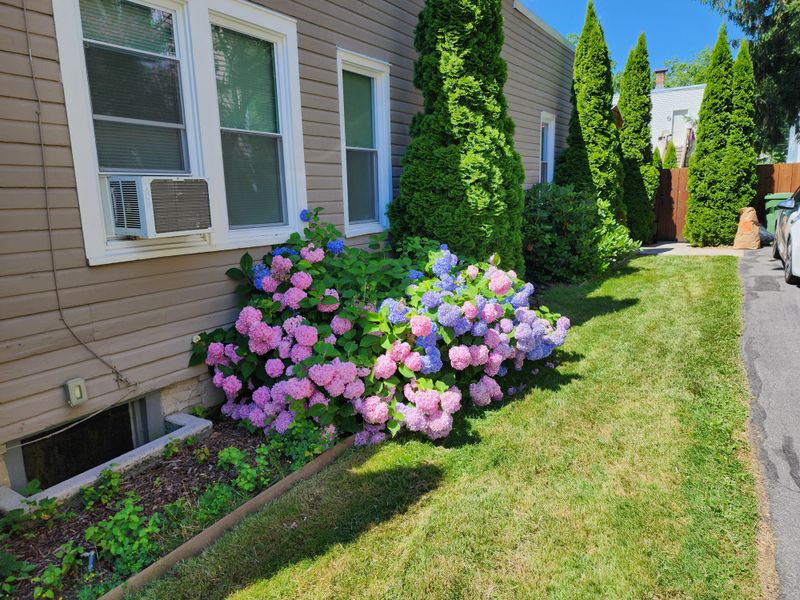
It’s tempting to plant hydrangeas close together for that instant, lush garden look. But fast-forward three years, and you’ve got a tangled mess of competing branches, poor air circulation, and reduced blooming.
Proper spacing might seem excessive when you’re planting small nursery specimens, but hydrangeas grow larger than many people expect, and they need room to reach their full, gorgeous potential.
Depending on the variety, hydrangeas can spread anywhere from three to six feet wide. Bigleaf and oakleaf types tend toward the larger end of that range, while some compact varieties stay smaller.
Check your plant tags or do quick research on your specific cultivar to understand its mature size, then space accordingly. A general rule is to plant hydrangeas at least three to four feet apart, center to center.
Crowded plants compete for nutrients, water, and light, which weakens them and makes them more susceptible to pests and diseases.
Dense plantings also trap moisture around leaves and stems, encouraging mildew and fungal problems that thrive in Oregon’s humid conditions.
Giving each plant adequate space promotes healthy growth and better blooms.
When planning your hydrangea bed, sketch it out on paper first, marking mature sizes. It helps you visualize the final result and resist the urge to cram in extra plants.
You can fill gaps with annuals or perennials while your hydrangeas grow into their space.
6. Consider Wind Protection
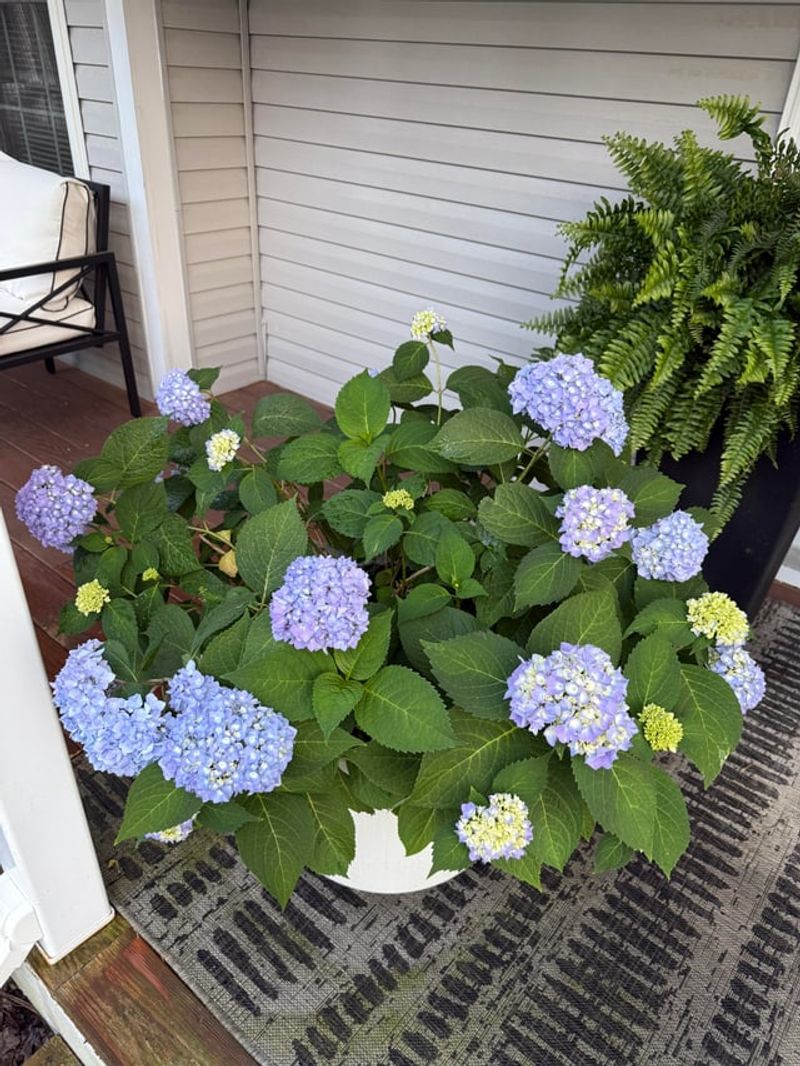
Oregon’s weather can shift quickly, bringing unexpected wind that whips through gardens and batters plants. Hydrangeas, with their large leaves and heavy flower clusters, take a beating in windy conditions.
Stems snap, blooms shred, and the plant expends energy recovering instead of growing. Strategic wind protection makes a huge difference in how well your hydrangeas perform over the years.
Natural windbreaks work beautifully in Oregon gardens. Evergreen shrubs like rhododendrons or tall ornamental grasses planted on the windward side of your hydrangeas filter breezes without completely blocking airflow.
Fences, trellises with climbing vines, or even strategically placed boulders can deflect strong winds and create calmer zones where hydrangeas flourish.
Pay attention to prevailing wind patterns in your yard. In many Oregon locations, winds come primarily from the west or southwest.
Positioning your hydrangeas on the east or northeast side of windbreaks gives them maximum protection. If you live in a particularly exposed area, like near the coast or on a hilltop, wind protection becomes even more critical.
Don’t overlook the impact of wind on soil moisture. Windy sites dry out faster, meaning you’ll need to water more frequently.
Protected locations retain moisture better, reducing your maintenance workload and keeping hydrangeas happier. A little planning for wind protection pays off with stronger plants, better blooms, and less damage throughout the growing season.
7. Plan For Seasonal Shade
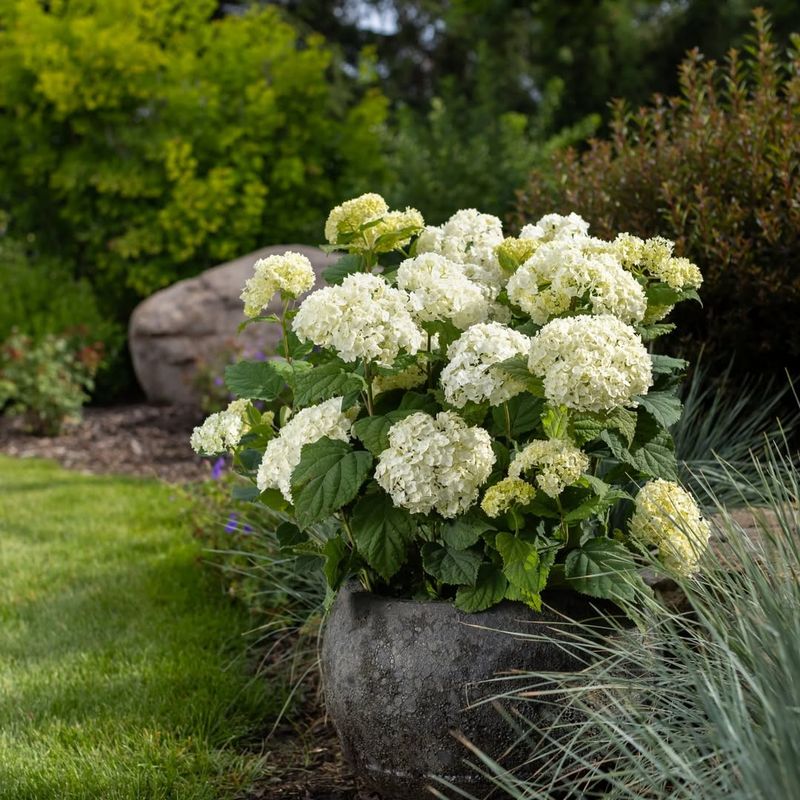
What looks like perfect light in April might become blazing sun by August, or a spot that seems too shady in winter could be ideal once deciduous trees leaf out.
Seasonal changes dramatically affect how much sun your hydrangeas receive, and smart gardeners think through the entire year when choosing planting locations.
Oregon’s seasonal shifts are pronounced enough that this really matters.
Deciduous trees create wonderful seasonal shade for hydrangeas. In spring, when hydrangeas are leafing out and beginning to bud, bare tree branches allow plenty of light through.
As summer arrives and temperatures rise, the tree canopy fills in, providing filtered shade that protects your hydrangeas during the hottest months. This natural rhythm matches hydrangea needs perfectly.
Consider how the sun’s angle changes from summer to winter. In summer, the sun sits high in the sky, casting shorter shadows.
Winter sun is lower, creating longer shadows and potentially shading areas that were sunny in summer. Walk your property at different seasons, or at least imagine how tree canopies and structures will affect light throughout the year.
Planting under high-branched trees like oaks or maples gives hydrangeas that ideal dappled light. Avoid dense evergreens that create year-round deep shade, as this limits blooming.
The goal is bright, indirect light in summer with more direct sun in spring and fall when temperatures are cooler and hydrangeas can handle it.
8. Mix With Companion Plants

Hydrangeas don’t have to stand alone. In fact, they often perform better when surrounded by compatible companion plants that share similar needs and offer mutual benefits.
The right plant combinations create healthier garden ecosystems, improve aesthetics, and can even help with pest management and soil improvement. Oregon’s climate supports a wide range of companions that pair beautifully with hydrangeas.
Hostas make excellent hydrangea companions, thriving in the same partial shade and moist soil conditions. Their bold foliage contrasts nicely with hydrangea blooms and helps suppress weeds.
Ferns add texture and fill in spaces under and around hydrangeas, while also appreciating similar moisture levels. Astilbe provides feathery flowers that complement hydrangea blooms and tolerates the same growing conditions.
Groundcovers like sweet woodruff or ajuga help retain soil moisture and keep roots cool, which hydrangeas love. These low-growing plants also reduce weeds and create a finished, polished look in your garden beds.
Avoid aggressive spreaders that might compete too intensely with hydrangea roots for water and nutrients.
Consider bloom times when selecting companions. Early spring bulbs like daffodils or tulips provide color before hydrangeas leaf out.
Late-season bloomers like asters extend interest after hydrangea flowers fade.
This layered approach keeps your garden attractive throughout the growing season while creating a supportive plant community where everything thrives together in Oregon’s unique climate.