Which Annual Flowers North Carolina Gardeners Can Plant In April By Region
April is an exciting time for gardeners across North Carolina, but what you can plant depends a lot on where you live. While some areas are already warming up, others may still see cool nights that can affect young plants.
Knowing your region makes a big difference when it comes to choosing the right annual flowers at the right time. From the coastal plains to the Piedmont and up into the mountains, each part of the state has its own planting window.
Some flowers can handle a little chill, while others need steady warmth to get started. Planting too early or too late can affect how well they grow and bloom.
The good news is that April offers plenty of options no matter your location. Once you understand what works best in your area, you can fill your garden with color and set the stage for a bright, thriving season ahead.
1. Zinnias
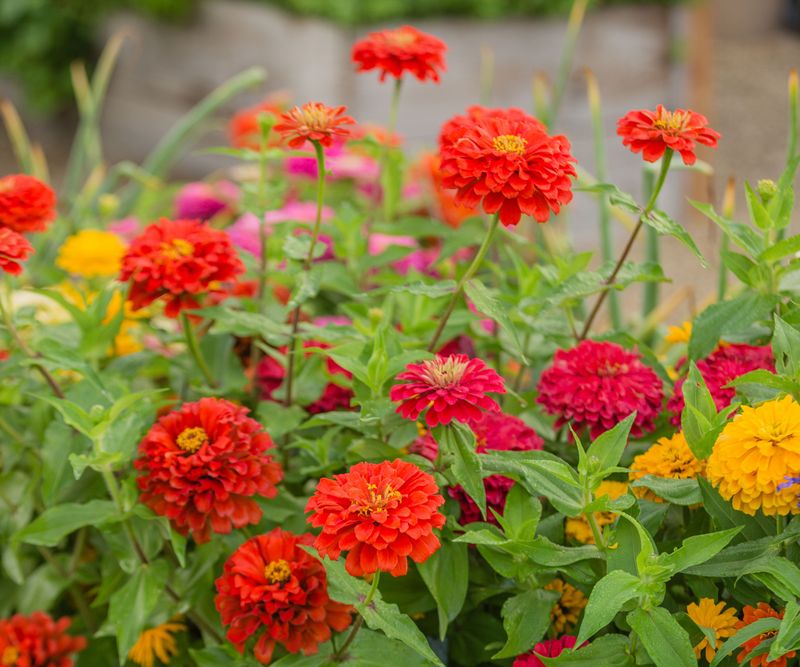
Few flowers bring as much punch and personality to a summer garden as zinnias. Gardeners across North Carolina have counted on these bold bloomers for generations, and it is easy to see why.
They grow fast, produce nonstop color, and rarely complain about the heat.
In the Coastal Plain, where temperatures warm up earliest, you can start sowing zinnia seeds directly into garden beds in early April. The soil in this region heats up quickly, giving seeds the warm start they need to sprout within a week or two.
Moving inland to the Piedmont, mid-April is the sweet spot for direct sowing, once nighttime temperatures stay reliably above 50 degrees Fahrenheit.
Mountain gardeners in North Carolina should hold off until late April or even early May, since frost can still sneak in at higher elevations. Zinnias absolutely need full sun, so choose a spot that gets at least six to eight hours of direct light each day.
Well-drained soil keeps roots healthy and reduces the risk of rot in humid conditions.
Good air circulation between plants is especially important in North Carolina’s muggy summers, as crowded zinnias can develop powdery mildew. Spacing plants about twelve inches apart helps keep foliage dry and healthy.
Butterflies and bees absolutely love zinnia blooms, making them a fantastic choice for anyone who wants to support pollinators while adding serious color to their yard.
2. Marigolds
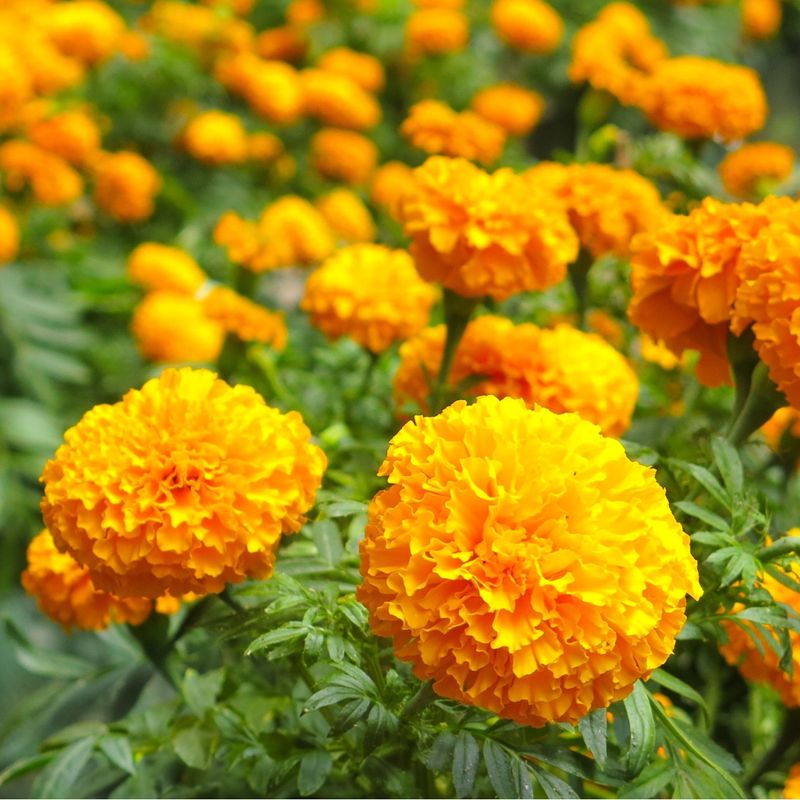
Marigolds might just be the most dependable annual flower a North Carolina gardener can choose. They are forgiving, cheerful, and bring a warm golden glow to any garden space.
Whether you are a first-time planter or a seasoned pro, marigolds rarely let you down.
In the Coastal Plain region, April is prime time to get marigold seeds or transplants into the ground. Warmer soil temperatures in this part of North Carolina mean seeds can germinate quickly and plants establish themselves before the heat of summer fully kicks in.
Piedmont gardeners can begin planting in mid-April, especially as clay-heavy soils in that region start to drain better after the winter months.
One of the best things about marigolds is their ability to handle a range of soil types, including the dense clay soils common throughout the Piedmont.
Adding a bit of compost before planting goes a long way toward improving drainage and giving roots room to breathe. Mountain gardeners should wait until late April when frost risk drops significantly.
Beyond their good looks, marigolds offer real practical benefits in the garden. Their strong scent is known to repel aphids, whiteflies, and even certain nematodes, making them a smart companion plant near vegetables.
North Carolina gardeners growing tomatoes or peppers often tuck marigolds nearby for natural pest control. Full sun and regular watering will keep these tough beauties blooming from spring all the way through fall.
3. Cosmos
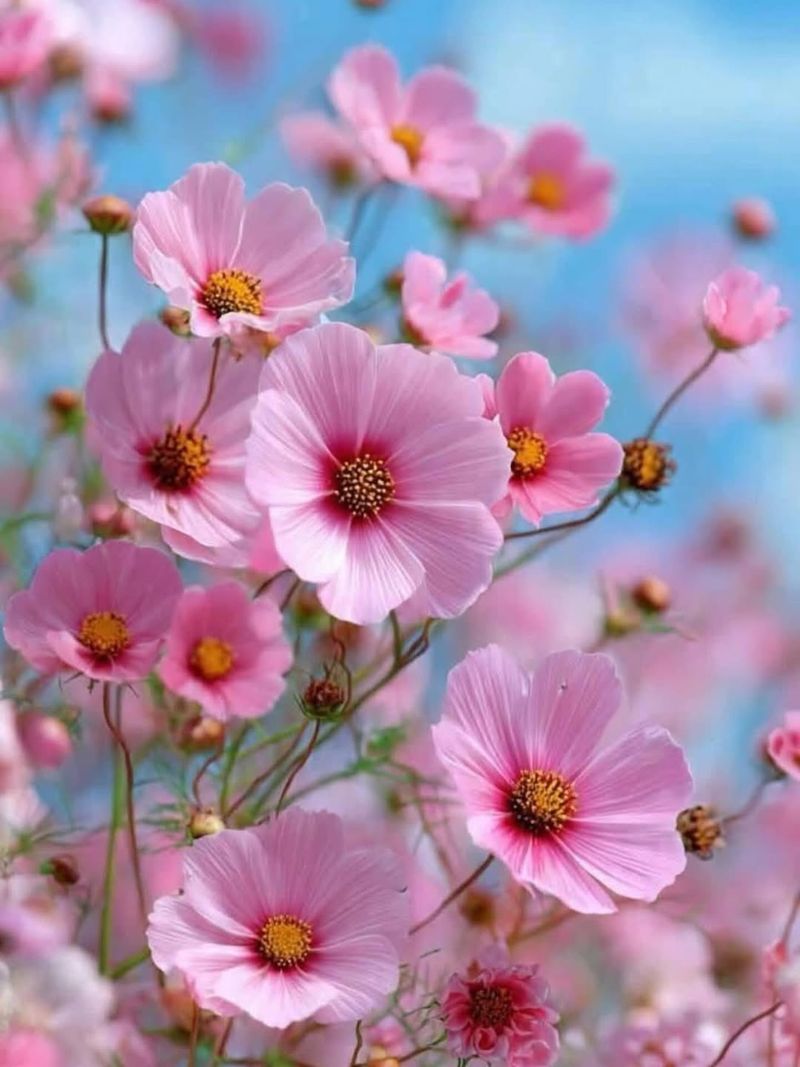
Cosmos have a wild, carefree charm that feels right at home in a North Carolina garden. Their feathery foliage and daisy-like blooms sway in the breeze with an effortless elegance that makes them look like they belong in a meadow painting.
The best part is that they practically grow themselves. Gardeners in the Coastal Plain can direct sow cosmos seeds in early April, taking advantage of the region’s earlier warm-up.
These flowers actually prefer soil that is not too rich, so skip the heavy fertilizing and let them do their thing in average, well-drained ground. Too much nitrogen leads to lush leaves but fewer blooms, which is the opposite of what you want.
Piedmont gardeners across North Carolina can sow seeds in mid-April with great results. Cosmos handle drought remarkably well once established, which is a huge bonus during dry summer stretches.
They also stand up to North Carolina’s intense summer heat without missing a beat, continuing to bloom even when other flowers start to fade.
Mountain gardeners should wait until late April or the first week of May, when frost risk at higher elevations has passed. Cosmos grow quickly from seed, so even a slightly delayed start in the mountains will not set you back much.
Direct sowing is almost always preferred over transplanting, since cosmos do not love having their roots disturbed. A sunny spot and a little patience are all you really need for a spectacular show.
4. Sunflowers
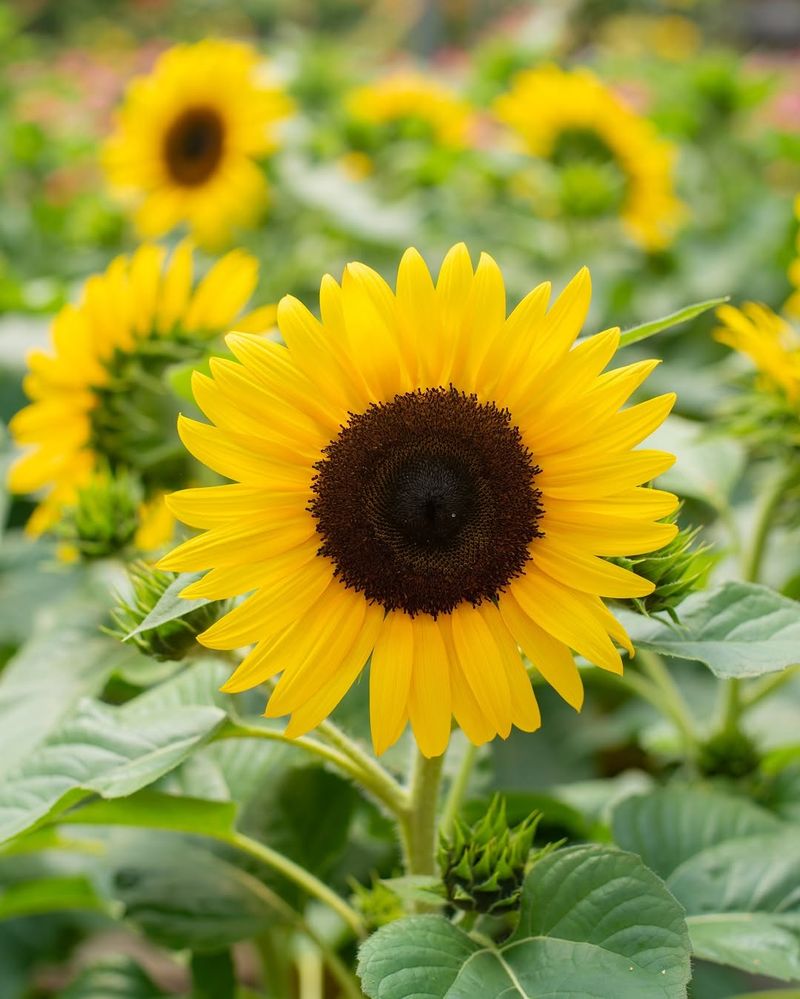
There is something undeniably joyful about a row of sunflowers standing tall in a garden. They are bold, bright, and almost impossible to ignore.
North Carolina’s long, sunny growing season makes it one of the best places in the Southeast to grow these cheerful giants.
Coastal Plain gardeners have a real head start in April. Soil temperatures in eastern North Carolina warm up early, and sunflower seeds can go directly into the ground by early to mid-April without worry.
These plants love full sun and need at least six to eight hours of direct sunlight each day, so choose your planting spot carefully and avoid shady corners.
Piedmont gardeners across North Carolina should aim for mid to late April, once soil temperatures have climbed above 50 degrees Fahrenheit consistently.
Sunflowers grow best when seeds are sown directly into their permanent spot, since transplanting can stress the roots and slow growth.
Space seeds about twelve inches apart for standard varieties, or up to twenty-four inches for the larger, taller types.
Mountain gardeners face the greatest challenge, as cooler spring temperatures linger longer at higher elevations. Waiting until late April or even early May gives the soil time to reach the warmth sunflower seeds need to sprout reliably.
Once established, sunflowers are surprisingly tough and drought-tolerant. They also attract birds and pollinators in huge numbers, making them a fantastic addition to any North Carolina yard that values wildlife activity.
5. Cleome
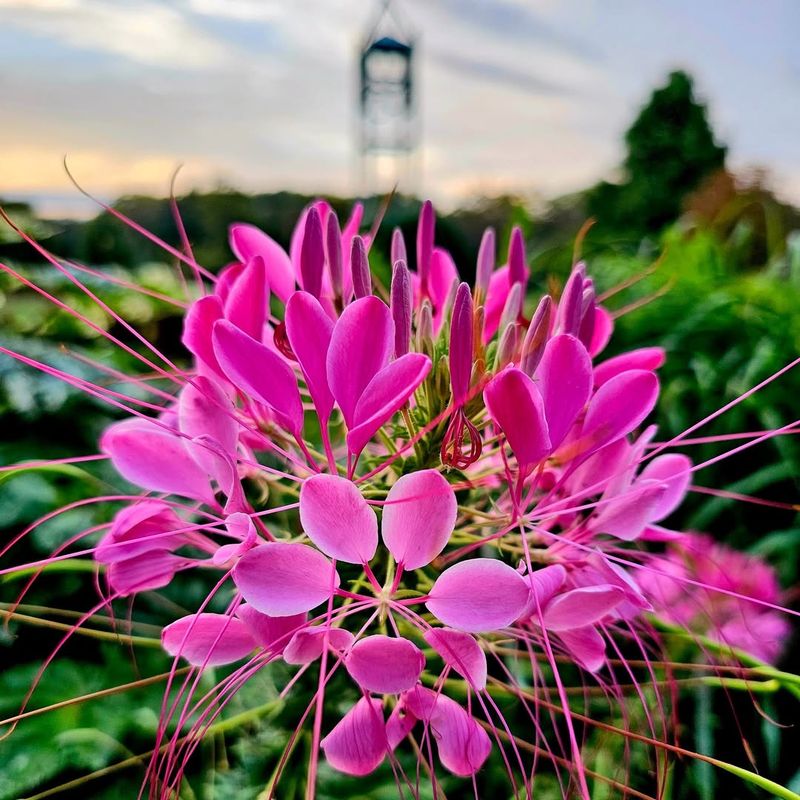
Cleome, also called spider flower, is one of those plants that stops people in their tracks. Its tall, airy blooms in shades of pink, purple, and white create a dramatic vertical accent that few other annuals can match.
North Carolina gardeners who want height and texture in their beds should absolutely give cleome a try.
In the Coastal Plain, cleome seeds can go into the ground in early to mid-April. This region’s warm, humid conditions actually suit cleome very well, as it thrives in heat and does not mind muggy air one bit.
Piedmont gardeners across North Carolina can also begin planting in mid-April, once the risk of late frost has passed and soil temperatures have stabilized.
Cleome grows quite tall, often reaching four to five feet by midsummer, so plan accordingly and give it space at the back of borders or along fences. Plants should be spaced at least eighteen to twenty-four inches apart to allow good airflow and prevent overcrowding.
This spacing is especially important in North Carolina’s humid summers, where closely packed plants can struggle.
Mountain gardeners should hold off until late April, as cleome is frost-sensitive and does not appreciate cold snaps. One fun fact about cleome is that it self-sows freely, meaning you may find volunteer seedlings popping up in the same spot next spring.
It handles North Carolina’s summer heat with remarkable ease and keeps producing blooms from June all the way through the first cool nights of fall.
6. Nasturtiums
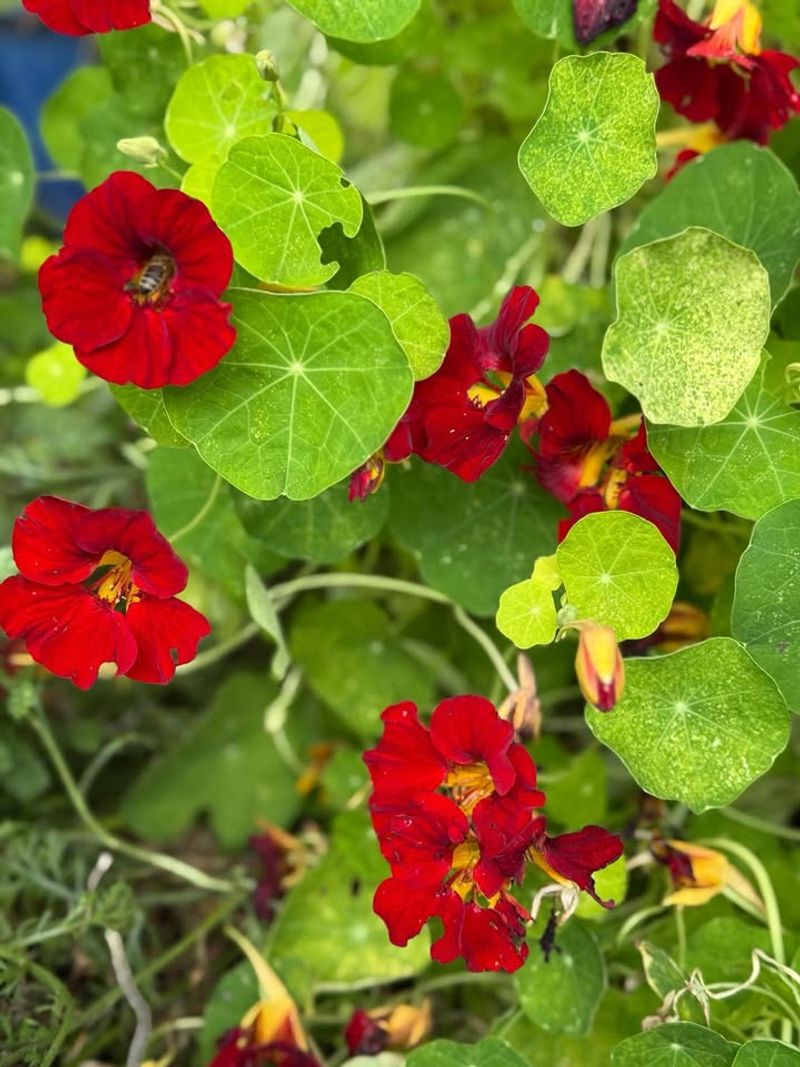
Nasturtiums are the kind of flower that makes you do a double take, especially once you realize you can actually eat them. Both the blooms and the leaves are edible, with a peppery flavor that adds a fun twist to salads and garnishes.
Beyond the kitchen, they bring vivid pops of orange, yellow, and red to any North Carolina garden bed.
Timing is especially important with nasturtiums in North Carolina, because they prefer cooler spring conditions rather than intense summer heat. In the Coastal Plain, April planting should happen in the first half of the month, before temperatures start climbing too high.
Warmer Coastal Plain conditions can cause nasturtiums to bolt and fade quickly if seeds go in too late.
Piedmont gardeners have a bit more flexibility, with mid-April being an ideal window for direct sowing. Nasturtiums strongly prefer well-drained soil and actually perform better in ground that is not overly rich.
Too much fertilizer pushes leafy growth at the expense of flowers, so resist the urge to amend the soil heavily before planting.
Mountain gardeners in North Carolina are in luck, since cooler temperatures at higher elevations align perfectly with nasturtium preferences.
Late April planting in the mountains can produce some of the most lush and floriferous nasturtium displays in the state.
Direct sowing is always the best approach, as these plants dislike root disturbance. Full sun to partial shade works well, and consistent moisture during establishment keeps plants looking their very best.
7. Petunias
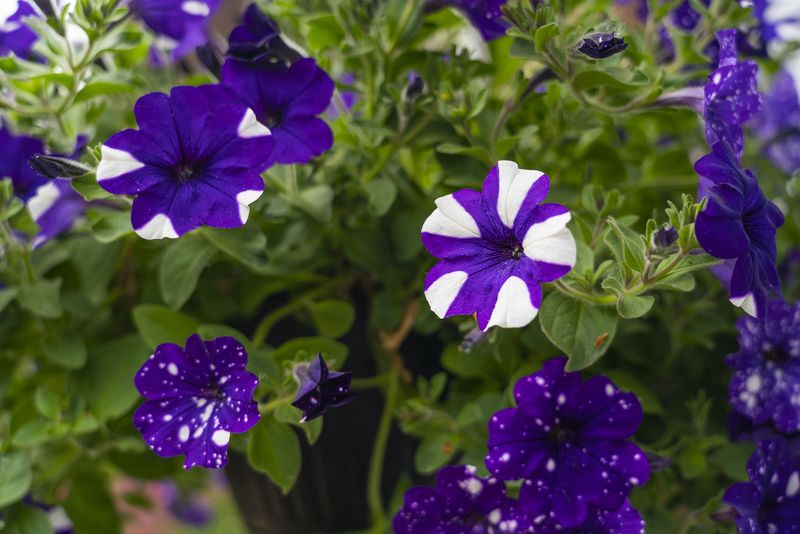
Petunias are practically synonymous with spring gardening, and for good reason. They bloom in almost every color imaginable, fill containers and garden beds with cascading color, and keep going strong through the heat of a North Carolina summer.
Few annuals offer this much visual impact for so little effort. Coastal Plain gardeners across North Carolina can plant petunia transplants in early April with confidence.
Soil and air temperatures in this eastern region warm up faster than anywhere else in the state, giving transplants an excellent start.
Starting with nursery-grown transplants rather than seeds is strongly recommended, since petunias take a long time to grow from seed to blooming size.
Piedmont gardeners can get transplants into the ground in mid-April, once the chance of frost has largely passed. Petunias need full sun to perform their best, so aim for a spot that receives at least six hours of direct sunlight daily.
Regular fertilizing every two weeks with a balanced liquid fertilizer keeps blooms coming all season long, which is especially important in North Carolina’s long growing season.
Mountain gardeners should wait until late April, when nighttime temperatures stay consistently above 40 degrees Fahrenheit. Petunias can handle light cool spells once established, but a hard frost will set them back significantly.
In North Carolina’s humid summers, wave-type petunias tend to perform particularly well because their spreading habit allows better airflow. Deadheading spent blooms regularly encourages fresh flowers and keeps plants looking tidy and full.
8. Gomphrena
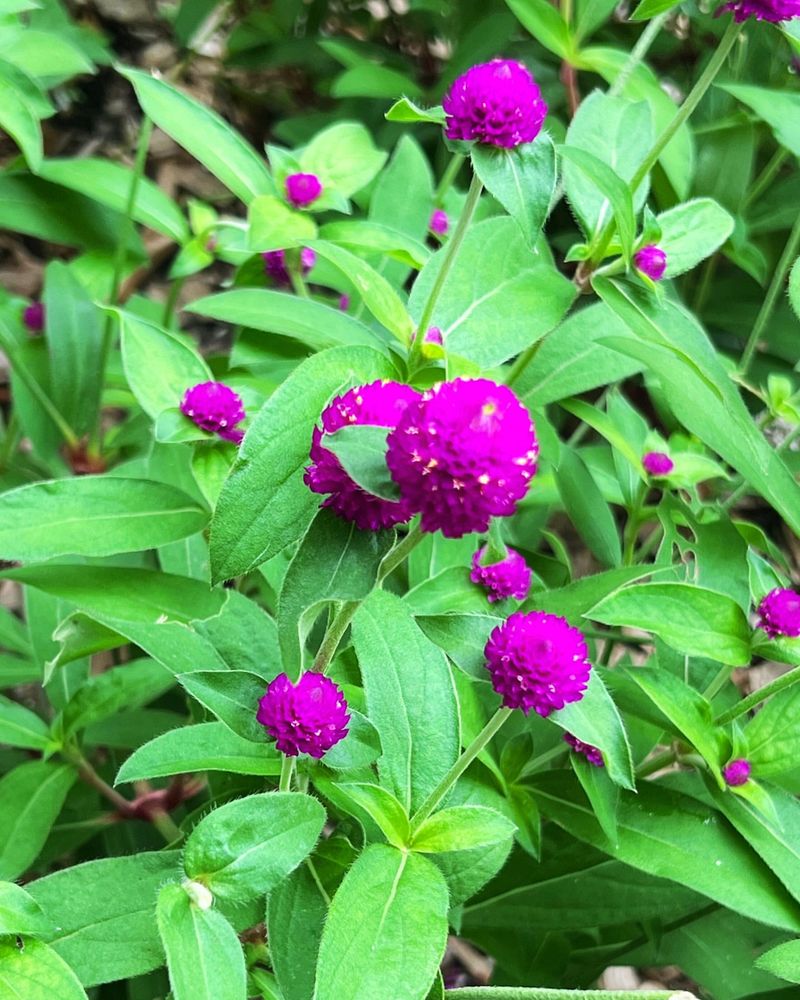
Gomphrena, also known as globe amaranth, is one of those underrated annuals that deserves far more attention than it typically gets.
Its round, clover-like blooms in shades of magenta, pink, purple, and white hold their color for months without fading, even in the blazing heat of a North Carolina summer. Once you grow it, you will wonder why you waited so long.
Planting timing for gomphrena varies across North Carolina’s regions. In the Coastal Plain, where soil warms earliest, you can get transplants or seeds into the ground by mid-April.
Gomphrena genuinely needs warm soil to thrive, so planting into cold ground will slow germination and stunt early growth. Patience pays off with this flower.
Piedmont gardeners across North Carolina should aim for late April, once soil temperatures have risen above 60 degrees Fahrenheit. Gomphrena is not a fan of cold, wet conditions and performs best when the ground has fully shaken off the chill of winter.
Starting with transplants rather than direct-sown seeds gives Piedmont gardens a head start on the blooming season.
Mountain gardeners should hold off until early May, when frost risk has passed and soil temperatures have finally caught up. Once established, gomphrena is one of the most drought-tolerant and heat-resistant annuals available to North Carolina gardeners.
It thrives in full sun with very little supplemental watering once roots are settled. As a bonus, the dried blooms make stunning long-lasting cut flowers that hold their shape and color beautifully indoors all winter long.