Which Early Spring Bugs In Michigan Gardens Are Beneficial And Which Are Pests
Warm spring days in Michigan bring a lot more than flowers and muddy paths. They also bring a wave of bug activity that can shape your garden’s season from the very start.
Some early insects help by pollinating blooms or feeding on common pests. Others are quick to crowd new growth, chew tender leaves, or damage young seedlings.
Michigan’s cool soils, damp conditions, and unpredictable swings between warm afternoons and cold nights create the perfect setup for both beneficial bugs and garden pests to appear at nearly the same time.
Knowing which ones to protect and which ones to watch helps gardeners make smarter choices and avoid unnecessary spraying.
1. Lady Beetles Patrol Tender Spring Growth
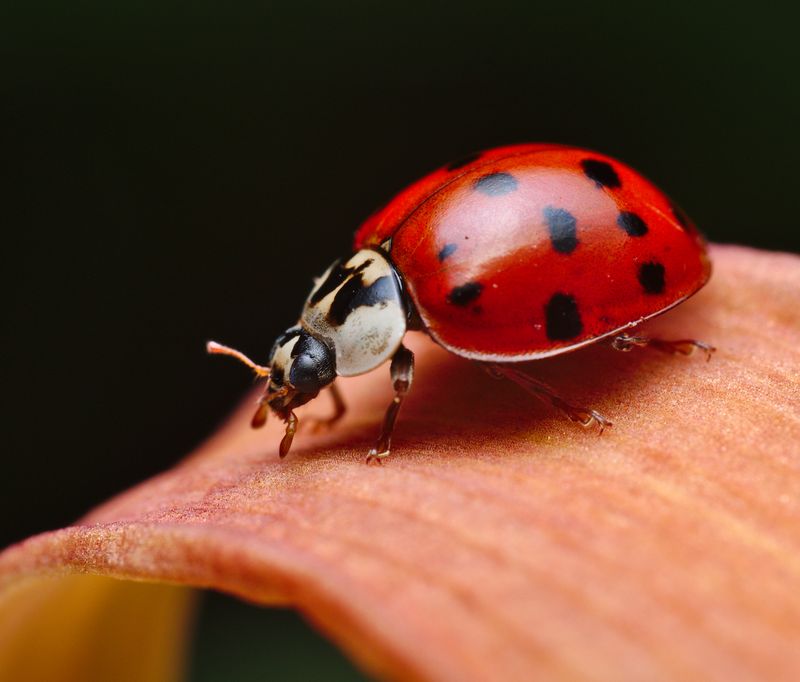
Spotting a cluster of red-and-black spotted beetles on your garden plants in early spring is genuinely good news.
Lady beetles, often called ladybugs, are among the most recognized and most helpful insects a Michigan gardener can find patrolling new growth.
Both adults and their less glamorous larvae are fierce predators of aphids, mealybugs, and other soft-bodied pests that love to crowd tender spring shoots.
In Michigan, lady beetles often become active as soon as temperatures climb above 50 degrees Fahrenheit, which can happen as early as late March in the southern part of the state.
You might notice them first on overwintering plant debris or along the sunny side of raised beds where warmth collects fastest.
They are not picky eaters, and a single adult can consume dozens of aphids in a single day.
Resist the urge to sweep them away or use any spray near them. Lady beetles are a natural form of pest management that costs nothing and harms nothing in your garden.
If you see them gathering near aphid colonies on your roses, fruit trees, or vegetable seedlings, consider it a sign that your garden is already working to balance itself.
Supporting their presence by avoiding broad-spectrum pesticides and leaving some leaf litter around garden edges gives them shelter and keeps them coming back season after season.
2. Green Lacewings Help Keep Aphids In Check
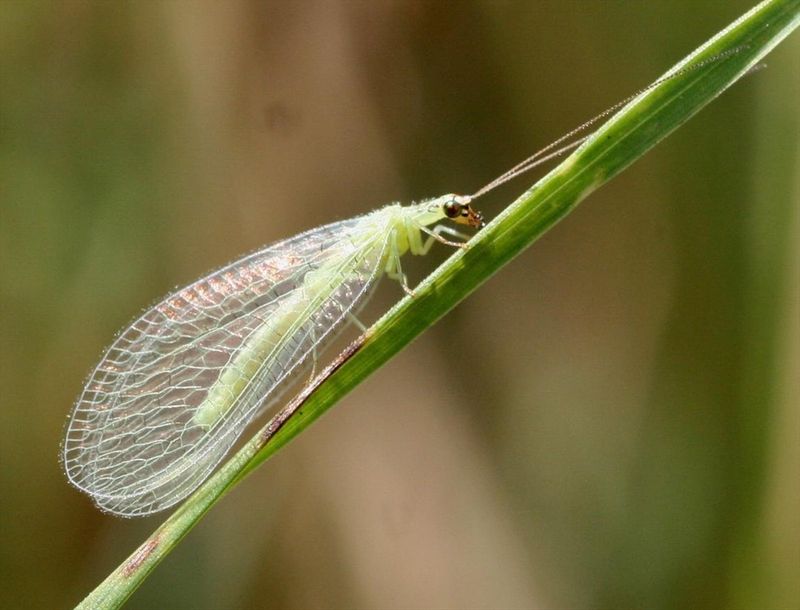
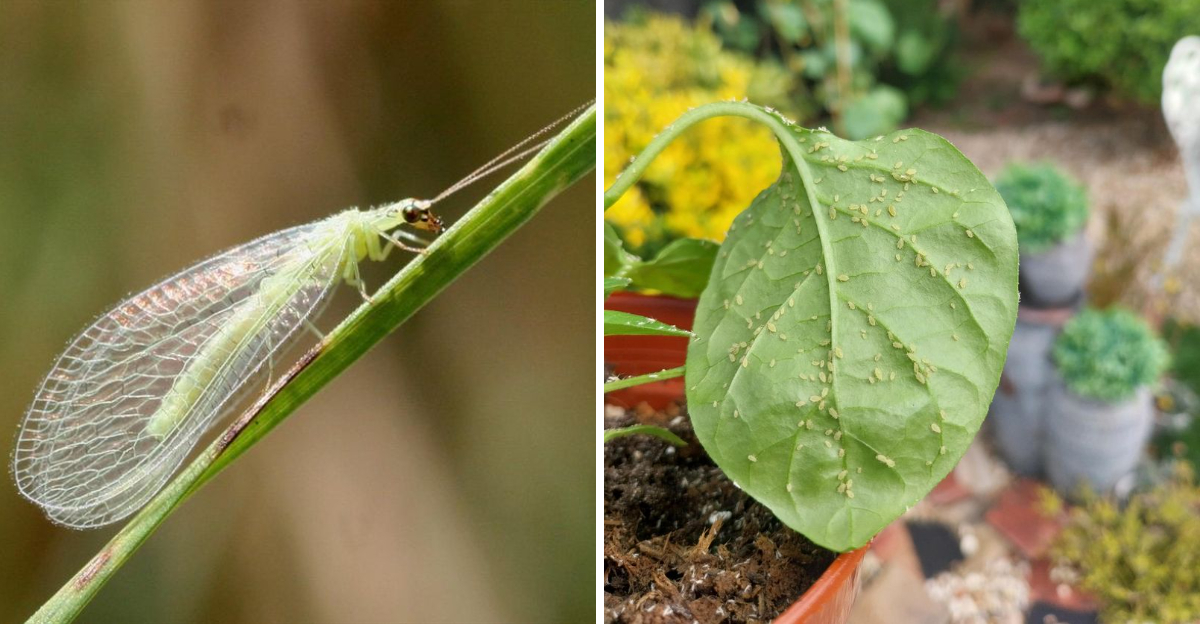
Few garden insects look as delicate as the green lacewing, with its gossamer wings and pale green body, but do not let the appearance fool you. The larvae of this insect are relentless hunters that entomologists sometimes call aphid lions, and for good reason.
They clamp onto aphids, caterpillars, thrips, and other small soft-bodied pests with impressive speed and efficiency.
In Michigan gardens, adult green lacewings typically begin emerging in April and May, often spotted near porch lights at night since they are drawn to artificial light sources.
The adults feed primarily on nectar and pollen, making them useful pollinators as well.
It is the larvae that do the heavy pest-control work, and they are hungry from the moment they hatch.
Lacewing eggs look like tiny pale ovals balanced on thin thread-like stalks attached to leaves, and spotting them near aphid colonies is a strong sign that natural pest control is already underway.
Planting dill, fennel, or yarrow near your vegetable beds encourages lacewing adults to stick around and lay more eggs.
Avoid spraying any insecticide in areas where you spot lacewing eggs or larvae, since even some organic sprays can harm them.
Letting these insects work through an aphid problem on their own is almost always faster and safer than reaching for a bottle of anything from the garden shed.
3. Ground Beetles Hunt Pests Close To The Soil
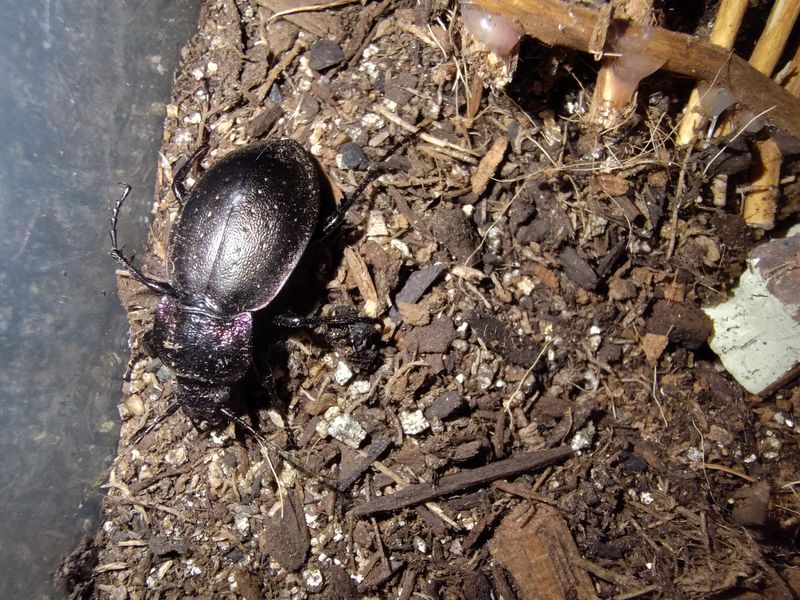
Flip over a board or a piece of bark in your Michigan garden on a cool April morning and you are likely to find a fast-moving, shiny dark beetle scrambling for cover.
Ground beetles are not the prettiest insects, but they are among the most valuable predators working at soil level where many of the worst garden pests spend part of their lives.
These beetles are mostly nocturnal, spending their days tucked under mulch, stones, or garden debris.
At night they hunt actively, targeting cutworm larvae, slug eggs, root maggots, and other soil-dwelling pests that gardeners rarely see until the damage is already done.
Some species also climb plants to feed on aphids and caterpillar eggs, making them useful both above and below ground.
Michigan gardeners are most likely to encounter ground beetles during early spring garden cleanup, especially when turning compost or raking back winter mulch. Rather than treating them as a nuisance, leave them where they are.
A garden with healthy ground beetle populations has a natural line of defense that works around the clock without any effort from you.
Keeping permanent mulched pathways, leaving some leaf litter at garden edges, and avoiding soil disturbance in established beds all help maintain the kind of stable habitat ground beetles prefer.
Reducing pesticide use is especially important since ground beetles are highly sensitive to chemical sprays applied near the soil.
4. Hover Flies Bring Pollination And Pest Control
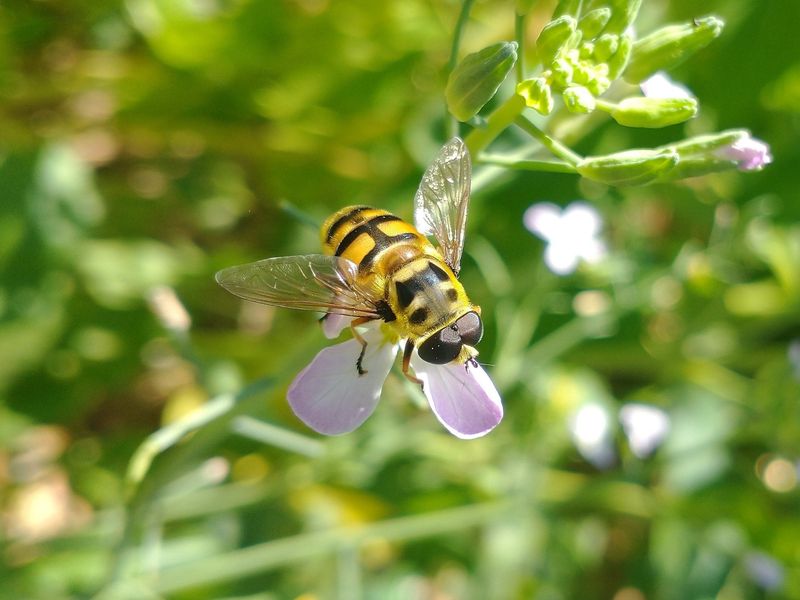
At first glance, hover flies can startle gardeners who mistake them for small bees or wasps due to their yellow-and-black striped bodies.
They are completely harmless to people, cannot sting, and are actually one of the most underappreciated beneficial insects visiting Michigan gardens each spring.
Their resemblance to stinging insects is simply a survival trick that keeps predators away.
Adult hover flies are important early-season pollinators, often visiting flowers before many bee species are active.
They are particularly drawn to open, flat flowers like those of dill, parsley, sweet alyssum, and native wildflowers that bloom in April and May.
While adults sip nectar and transfer pollen, their larvae are doing something equally valuable by feeding on aphid colonies buried inside curled leaves or clustered on new growth.
Michigan gardeners who spot small, pale, slug-like larvae near aphid clusters on their plants are likely looking at hover fly larvae already at work. These larvae are not harmful to plants and should be left alone.
Encouraging hover flies is as simple as planting a variety of flowering herbs and native plants near vegetable beds and avoiding pesticide sprays during peak flowering times.
A garden that supports hover flies gets double the benefit, better pollination on warm spring days and steady, quiet aphid management happening at the same time.
They are genuinely one of the most efficient multi-purpose insects a Michigan gardener can attract.
5. However, Aphids Crowd New Growth In Early Spring
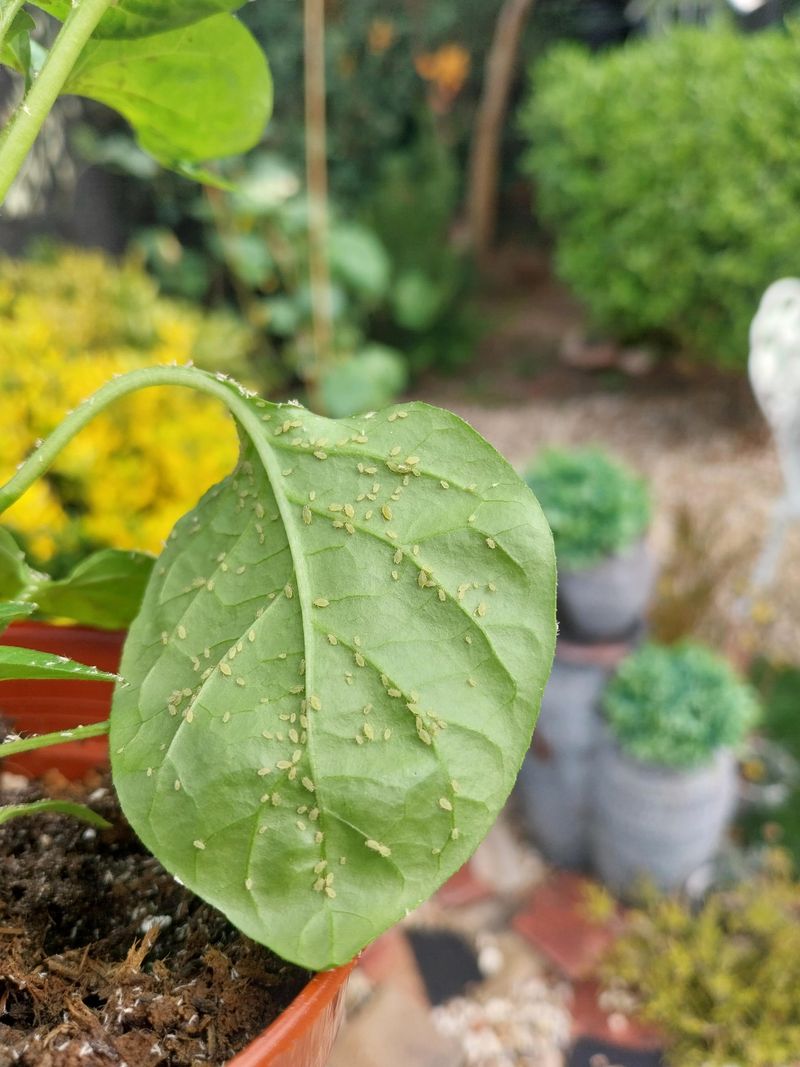
Walk through a Michigan garden on a warm morning in late April and you might notice that some of your most promising seedlings look a little off, with curled leaves, sticky residue on stems, or tiny pale specks clustered so tightly they seem almost like part of the plant.
That is almost certainly an aphid colony, and they can establish themselves surprisingly fast when spring temperatures rise quickly after a cold stretch.
Aphids are small, soft-bodied insects that feed by piercing plant tissue and drawing out sap. They reproduce at a remarkable rate, with females capable of producing live young without mating under the right conditions.
A small cluster spotted on Monday can become a full-scale infestation by Friday, especially on roses, fruit trees, kale, and pepper seedlings, which are among their favorite early-season targets in Michigan gardens.
The good news is that aphids are manageable without harsh chemicals in most home garden situations.
A strong stream of water from a hose can knock large numbers off plants quickly, and repeating this every few days breaks their cycle effectively.
Insecticidal soap spray is another low-impact option that works on contact without leaving harmful residue. Before reaching for any spray, check whether beneficial insects like lady beetles or lacewing larvae are already present.
If they are, give them a few days to work before intervening, since they often bring aphid populations down on their own without any help from you.
6. Flea Beetles Pepper Leaves With Tiny Holes
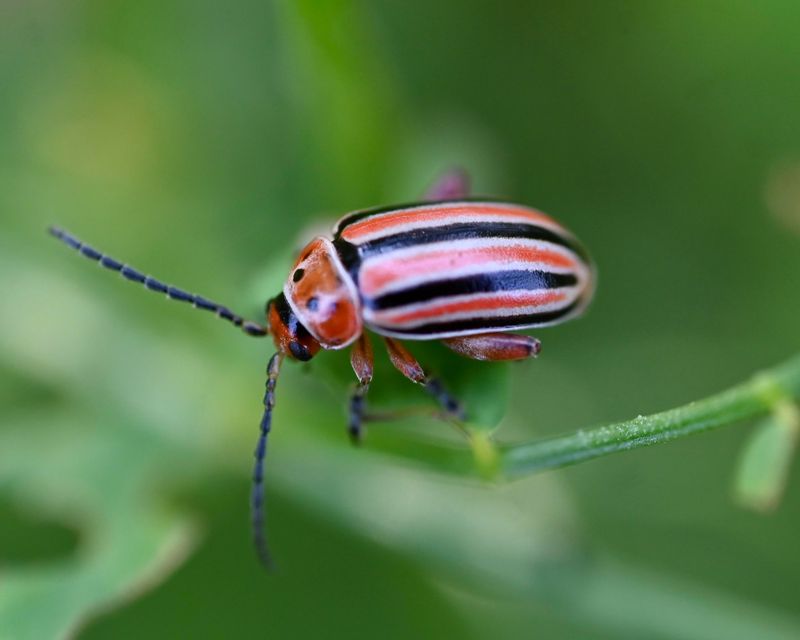
Gardeners who grow arugula, kale, radishes, or eggplant in Michigan know the particular frustration of watching a seedling go from healthy to riddled with tiny holes almost overnight.
Flea beetles are the usual culprits, and they are one of the earliest insect pests to become active in spring, often appearing as soon as soil temperatures reach the mid-50s Fahrenheit.
These tiny beetles, usually dark and shiny, get their name from their ability to jump suddenly when disturbed, much like a flea. They are difficult to catch and even harder to spot when they are feeding because they scatter so quickly.
The damage they leave behind is distinctive, small round holes scattered across leaves in a pattern that gardeners sometimes describe as shotgun damage.
On young seedlings with limited leaf area, this feeding can seriously slow growth or weaken plants enough to make them vulnerable to other stress.
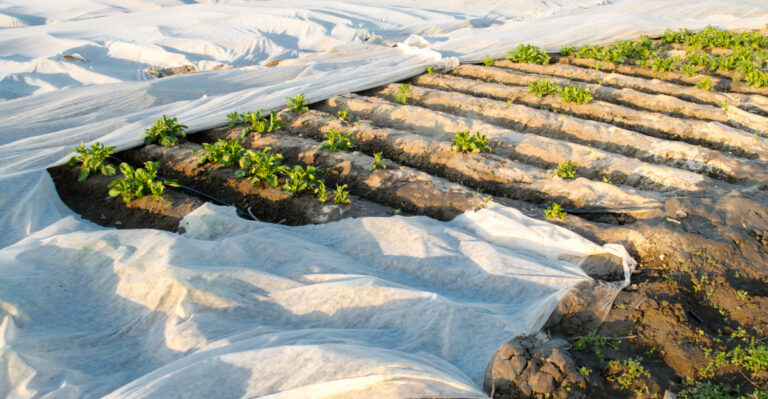
Row covers placed over seedbeds at planting time offer strong protection by creating a physical barrier that keeps beetles off leaves entirely. Removing the covers once plants are larger and more established reduces the impact of any feeding that does occur.
Delaying transplanting by even a couple of weeks until plants are stockier and more vigorous can also help, since larger plants tolerate flea beetle feeding much better than tiny seedlings do.
Keeping the garden free of weedy brassicas like wild mustard removes some of the overwintering habitat flea beetles rely on to survive Michigan winters near garden areas.
7. Cutworms Target Seedlings Near The Soil Line
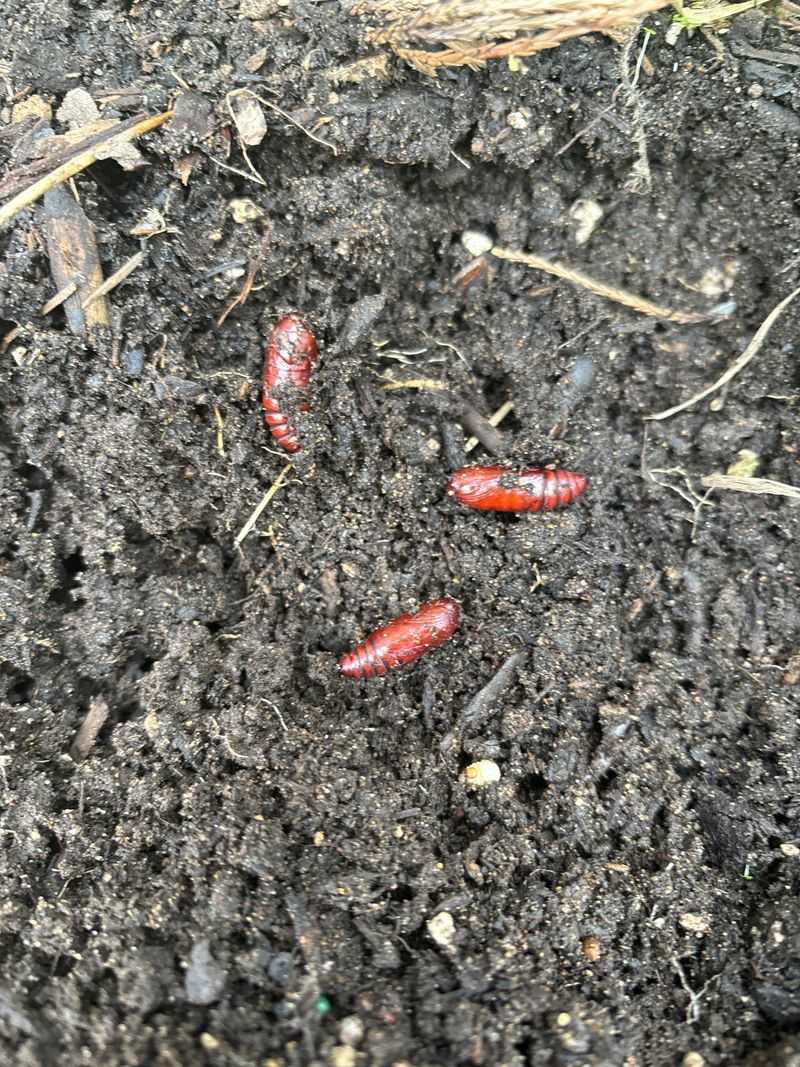
One of the most frustrating discoveries a Michigan gardener can make in spring is finding a perfectly healthy transplant lying flat on the soil, its stem cleanly severed right at ground level as if someone snipped it with scissors.
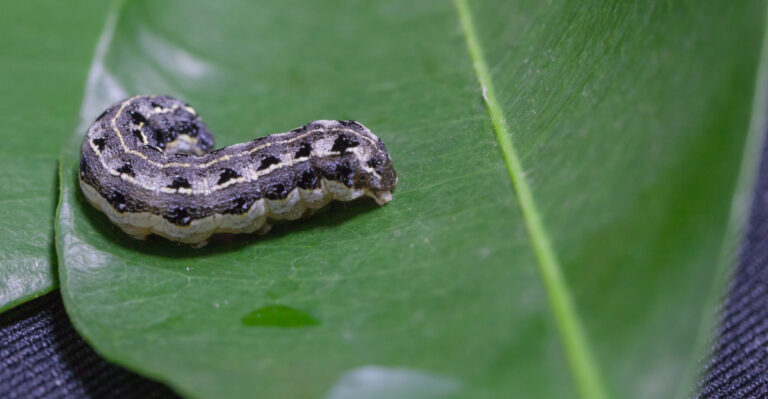
Cutworms are almost always responsible, and they do their work at night, retreating back into the soil before sunrise so gardeners rarely catch them in the act.
Cutworms are the larvae of several moth species that overwinter in Michigan soil as eggs or young caterpillars.
They become active in spring as soil temperatures warm, typically targeting newly transplanted tomatoes, peppers, broccoli, and other vegetable seedlings.
The larvae curl into a C-shape when disturbed and range in color from gray to brown to nearly black, blending in with soil so well they are easy to miss during a casual inspection.
Physical barriers are one of the most reliable ways to protect seedlings from cutworm feeding.
Placing a cardboard collar or a short section of plastic cup around each seedling stem at transplant time, pushed about an inch into the soil, blocks the caterpillar from reaching the stem.
Checking the soil around wilted or toppled plants by digging gently a few inches down often reveals the culprit curled just below the surface, where it can be removed by hand.
Tilling garden beds in early spring exposes overwintering larvae to birds and cold air, which helps reduce their numbers before planting season begins.
8. Slugs Chew Through Tender Leaves In Cool Weather
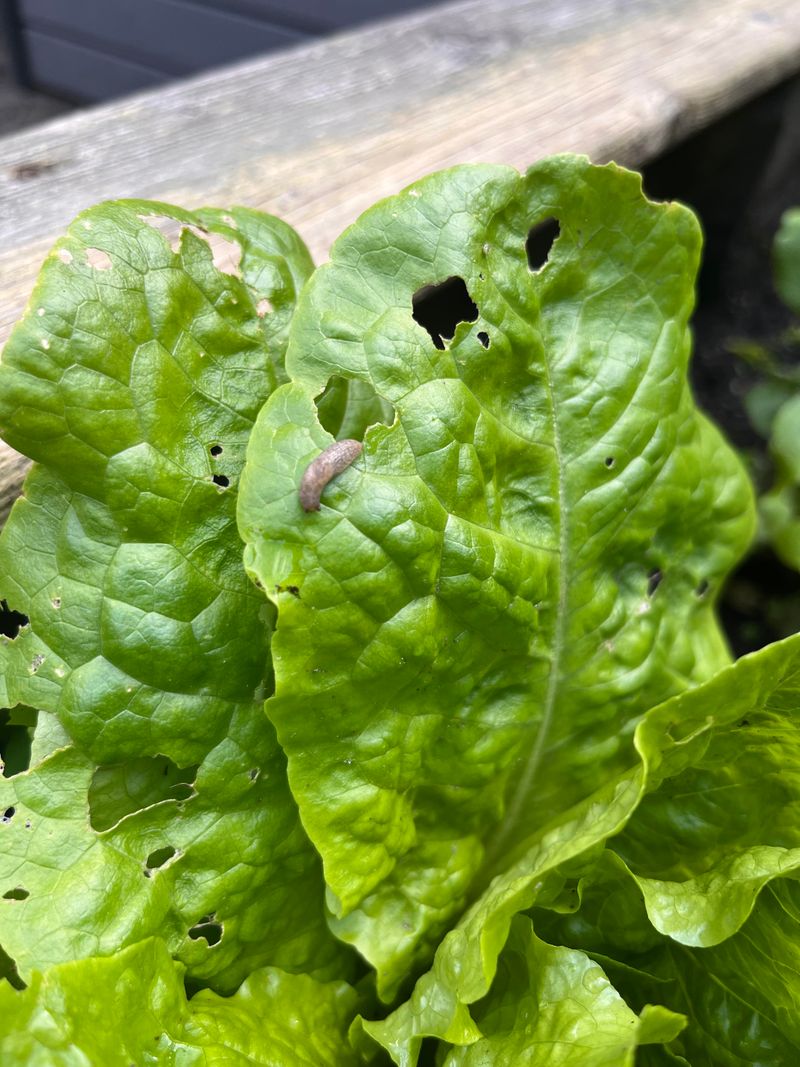
Cool, damp spring mornings in Michigan create exactly the conditions that slugs love most, and gardeners who head out early to check on their seedlings sometimes find leaves that look like they went through a paper shredder overnight.
Slugs are not insects, technically speaking, but they are one of the most consistent early-season problems in Michigan gardens, particularly in years with wet springs and slow soil warming.
Slugs feed primarily at night or on overcast days, rasping irregular holes through leaves of lettuce, hostas, basil, strawberries, and almost any other soft-leaved plant they encounter.
The silvery, dried slime trail they leave behind is often the first clue that slugs are present, even when the slugs themselves are nowhere to be seen by mid-morning.
They hide under mulch, boards, pots, and dense vegetation during the day, making them frustrating to locate without a flashlight after dark.
Reducing mulch thickness near seedlings in early spring limits the damp hiding spots slugs depend on. Handpicking after dark with a flashlight is surprisingly effective and satisfying once you get the hang of it.
Placing shallow containers of beer at soil level attracts slugs, which fall in and cannot escape, and this method works without any chemical application.
Coarse materials like crushed eggshells or diatomaceous earth sprinkled around plant bases create an uncomfortable surface that slugs prefer to avoid, though these need reapplying after rain.
Staying consistent with monitoring through May gives Michigan gardeners the best results.