Which Spring Flowers In North Carolina Can Handle Late Frost And Which Ones Struggle
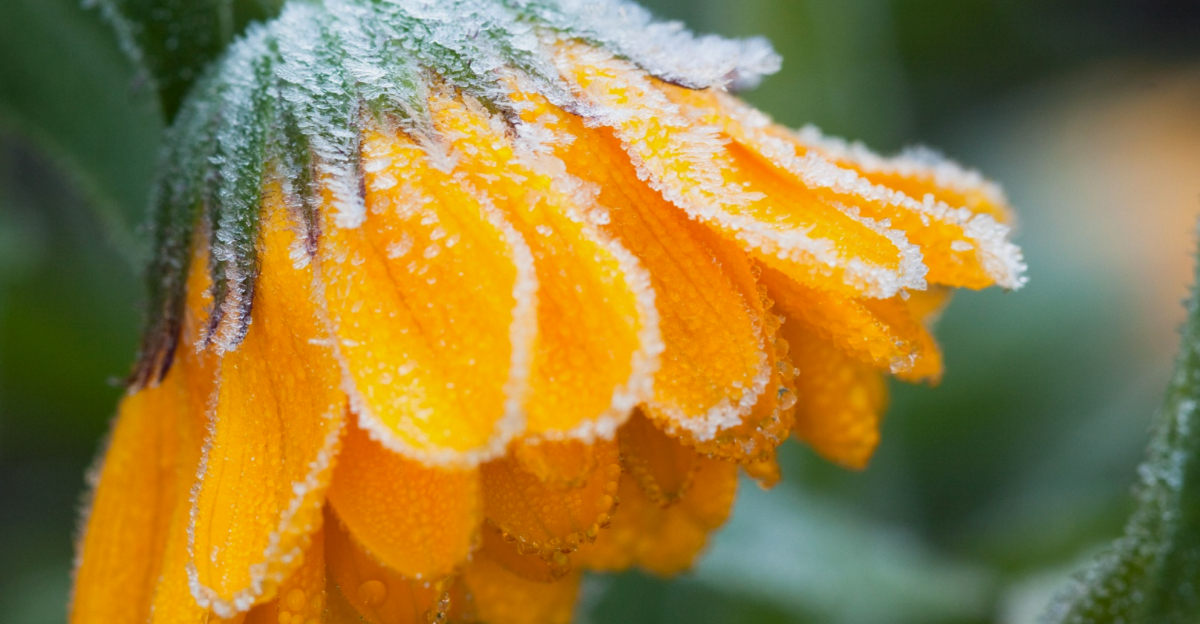
Spring in North Carolina likes to keep gardeners guessing. One stretch feels warm and easy, then a late cold snap shows up and changes the plan overnight.
That kind of back-and-forth is common across the state, especially when the mountains, Piedmont, and coastal plain are all moving through spring a little differently.
Plant too soon, and some flowers may struggle before they really get started.
Pick the right ones, though, and your beds, pots, and borders can keep looking bright even when the weather dips again.
Knowing which flowers handle chilly nights better than others can help you avoid setbacks and build a longer-lasting spring display.
1. Pansies Keep Blooming Through Cold Snaps
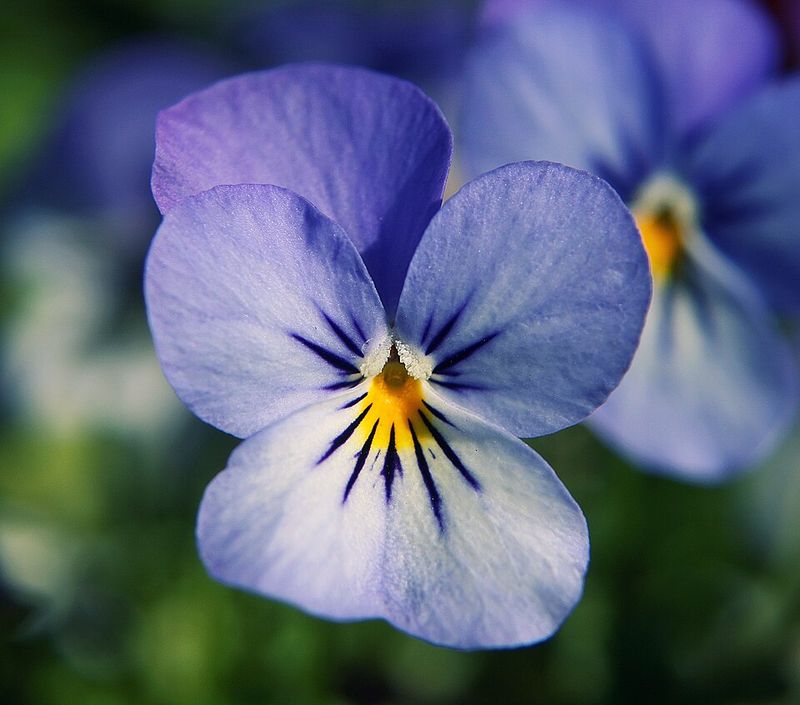
Few flowers earn their place in a spring garden quite like pansies do. These cheerful little blooms are practically built for the unpredictable weather that North Carolina gardeners deal with every March and April.
They can handle temperatures that dip well below freezing and bounce right back once the sun comes out, which makes them one of the most reliable choices for early-season color.
In North Carolina, pansies can be planted as early as late February in the Piedmont and coastal plain, and they will keep performing even when a surprise frost rolls through overnight.
Mountain gardeners can usually get them in the ground by late March or early April without much worry.
Their cold tolerance is genuinely impressive for such a small, delicate-looking plant.
One thing to keep in mind is that pansies prefer cooler weather, so they tend to slow down and fade once summer heat sets in. That actually makes them perfect for filling garden beds and containers with bold color during the trickiest part of spring.
Plant them in full sun to partial shade, water them consistently, and they will reward you with weeks of bright blooms even through the coldest spring nights North Carolina can throw at them.
2. Violas Bring Color Even After A Frosty Night
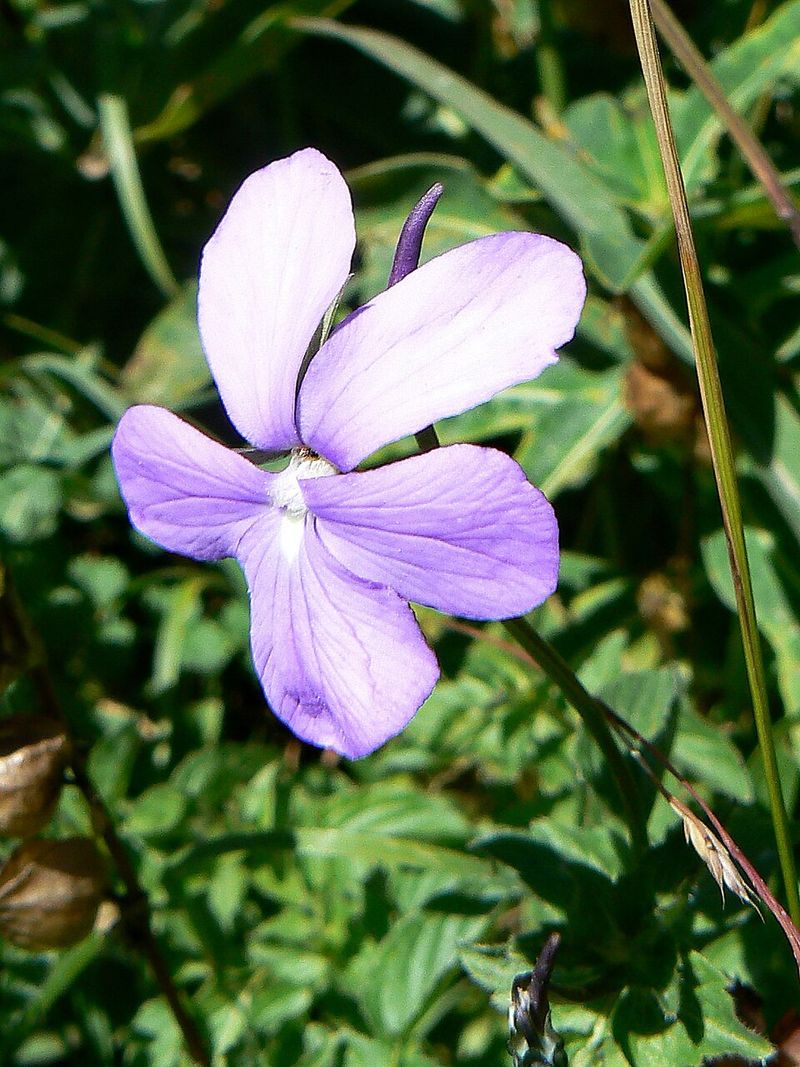
Violas are the smaller, slightly wilder cousins of pansies, and they share that same impressive ability to shrug off cold nights without missing a beat.
If you have ever walked outside after a frosty morning and found your violas still standing tall with their tiny blooms wide open, you already know what makes them so special.
They are tougher than they look, and North Carolina gardeners have been counting on them for early spring color for good reason.
These compact plants thrive in cool soil and cooler air, which means they are well suited for planting in late winter across the Piedmont and coastal regions. In the mountains, they hold their own through April frosts without needing much extra protection.
They spread nicely along borders, fill in containers beautifully, and even self-seed in some gardens, popping up as a pleasant surprise the following year.
Violas prefer well-drained soil and at least a few hours of sunlight each day. They do not need a lot of fuss, which is part of their appeal for busy gardeners.
Watering them regularly and feeding them with a balanced fertilizer every few weeks will keep the blooms coming strong.
Like pansies, they tend to wind down as summer heat builds, so enjoy them while the weather stays cool and refreshing.
3. Sweet Alyssum Handles Cool Weather Well
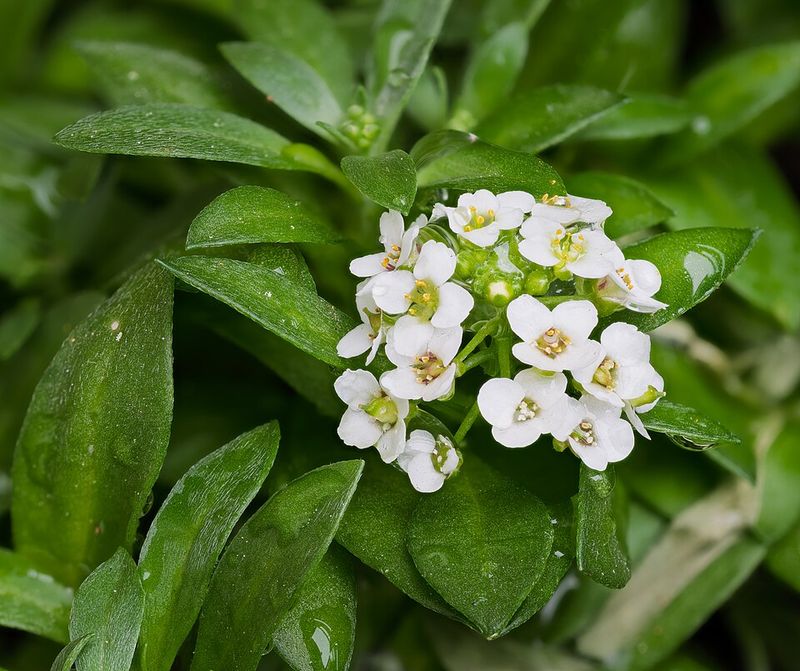
There is something wonderfully low-maintenance about sweet alyssum that makes it a favorite among North Carolina gardeners who want reliable early-spring color without a lot of effort.
This low-growing flower produces clusters of tiny blooms that smell faintly of honey, and it starts performing well before warmer flowers even hit the shelves at garden centers.
Cool temperatures actually suit it just fine.
Sweet alyssum can tolerate light frost, though it is not quite as bulletproof as pansies or violas. A hard freeze may set it back temporarily, but it typically recovers once temperatures rise again.
In the Piedmont and coastal plain, you can start planting it outdoors in early spring. Mountain gardeners should wait until mid-April to be safe, since harder frosts linger longer at higher elevations.
This plant works beautifully as a ground cover, along walkway edges, or spilling over the sides of containers. It grows quickly and fills in gaps in garden beds in a way that feels effortless.
Full sun brings out the best blooms, though it can manage in partial shade too.
One genuinely fun fact about sweet alyssum is that its flowers attract beneficial insects, including tiny wasps and hoverflies that help control garden pests naturally.
That makes it both a pretty and practical addition to any spring planting plan in North Carolina.
4. Calendula Keeps Flowering In Cool Spring Weather
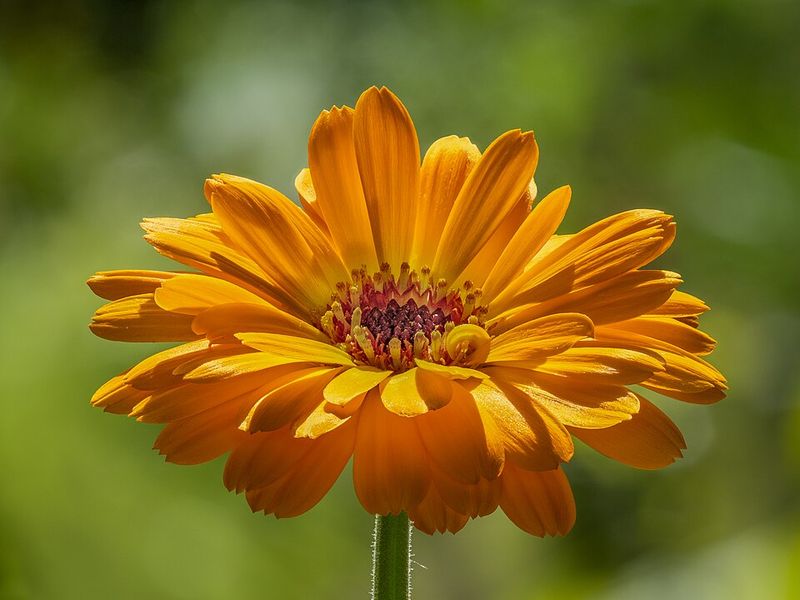
Calendula is one of those plants that seems almost too cheerful for its own good.
Its bold orange and yellow blooms light up garden beds in a way that feels like a celebration, and the fact that it handles cool spring weather so well makes it even more appealing for North Carolina gardeners who want early color without gambling on warm temperatures.
Also known as pot marigold, calendula is not the same as the common marigold you see everywhere in summer.
It actually prefers cooler growing conditions and performs best when temperatures stay between 45 and 65 degrees Fahrenheit, which lines up well with North Carolina springs in March and early April.
Light frosts may nip the outermost petals slightly, but the plant usually keeps going without serious trouble.
Calendula grows well in full sun and average, well-drained soil. It does not need rich fertilizer to thrive, which is a refreshing change from some finicky spring flowers.
Removing spent blooms regularly encourages the plant to keep producing new flowers throughout the season. Coastal and Piedmont gardeners can get calendula in the ground by late February or early March.
Mountain growers should aim for mid-April.
Beyond its beauty, calendula has a long history of being used in herbal remedies, which adds a bit of fascinating backstory to this already hardworking little flower.
5. Petunias, However, Can Be Damaged By Late Cold
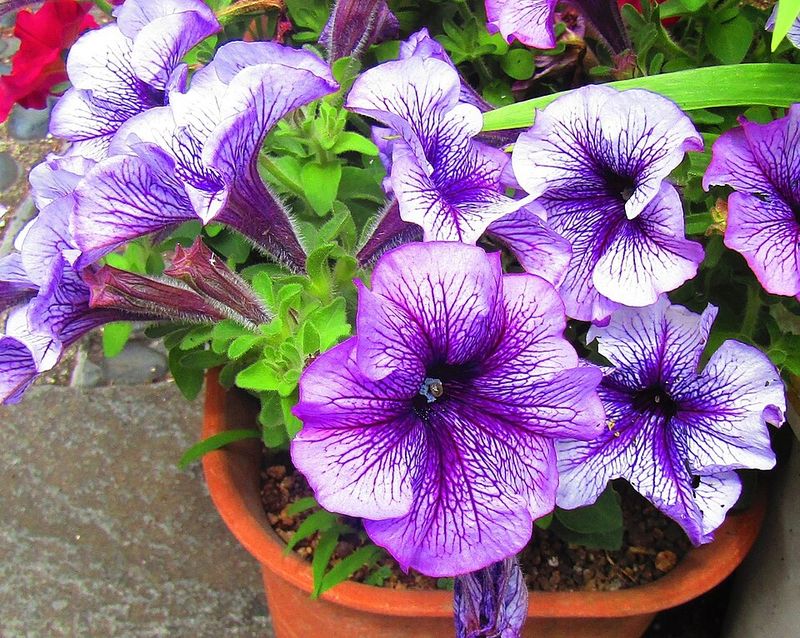
Petunias are one of the most popular summer flowers in North Carolina, and it is easy to understand why. Their wide range of colors, trailing habit, and long blooming season make them a go-to choice for containers, window boxes, and garden borders.
But planting them too early is one of the most common mistakes spring gardeners make, because petunias are genuinely sensitive to frost and cold temperatures.
When a late cold snap hits, petunia foliage can turn limp and discolored, and young transplants may struggle to recover.
Even temperatures hovering just above freezing for several nights in a row can stress petunias enough to slow their growth significantly.
In North Carolina, the last frost date varies quite a bit by region, so timing really matters here.
Coastal plain gardeners can usually plant petunias safely by mid-April, while Piedmont growers should aim for late April to be comfortable. Mountain gardeners are better off waiting until mid-May before putting petunias in the ground.
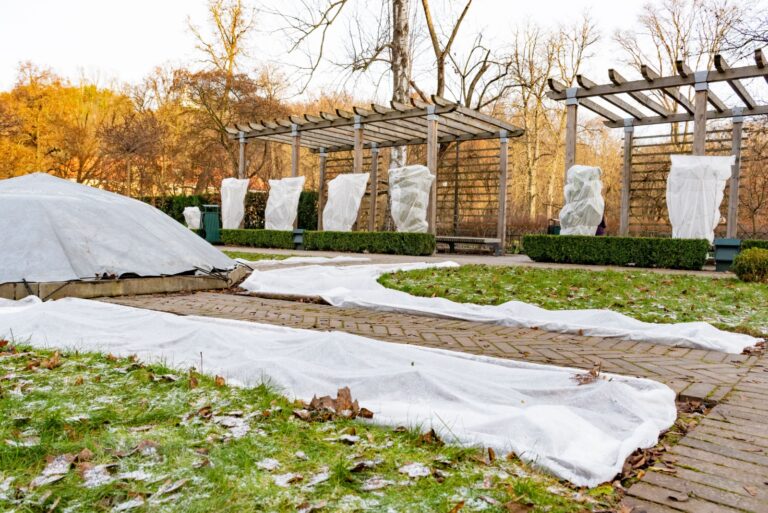
If you get an unexpected cold snap after planting, cover them with a light frost cloth overnight to reduce damage. Petunias are absolutely worth growing, but patience is the key.
Waiting just a few extra weeks for stable, warm nights will give them the strong, healthy start they need to fill your garden with color all summer long.
6. Impatiens Struggle When Spring Turns Cold Again
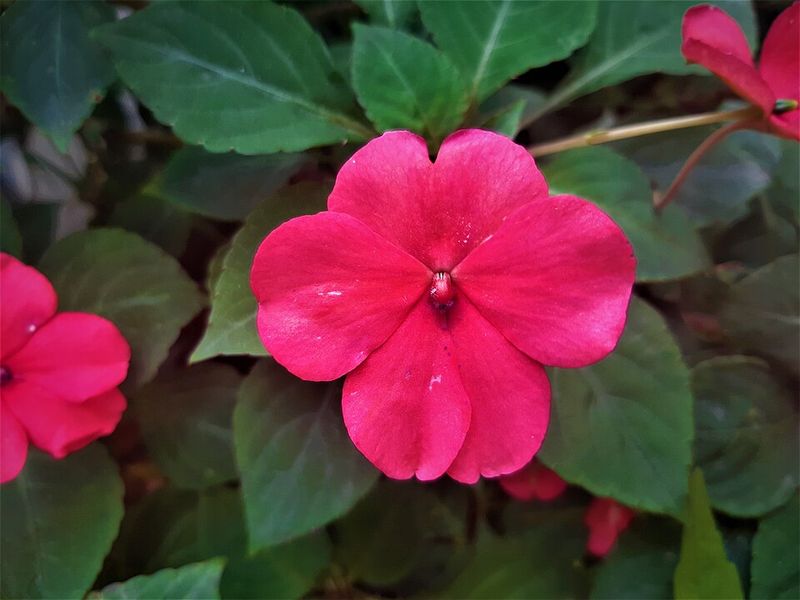
Impatiens are a staple of shady summer gardens across North Carolina, and their ability to pump out color in low-light spots makes them hard to replace.
However, they have a real weak spot when it comes to cold temperatures, and planting them before the weather has truly settled is a recipe for setbacks.
These plants simply do not handle frost or prolonged cold nights well at all.
Even a light frost can cause impatiens leaves to turn translucent and limp, and while the plant might recover if the damage is mild, a harder freeze often sets it back so far that it barely grows for weeks afterward.
Cold soil is also a problem for impatiens, since their roots need warmth to establish properly and support healthy growth above ground.
In the North Carolina Piedmont and coastal plain, it is generally best to wait until late April or early May before planting impatiens outdoors.
Mountain gardeners should hold off until late May to be safe, since temperatures at higher elevations can stay unpredictably cool well into spring.
Planting in rich, moist, well-drained soil in a spot with morning sun and afternoon shade will set impatiens up for success.
Once the weather cooperates and nights stay consistently above 50 degrees Fahrenheit, these plants take off quickly and reward patient gardeners with months of cheerful, reliable blooms.
7. Begonias Need Warmer Nights To Settle In
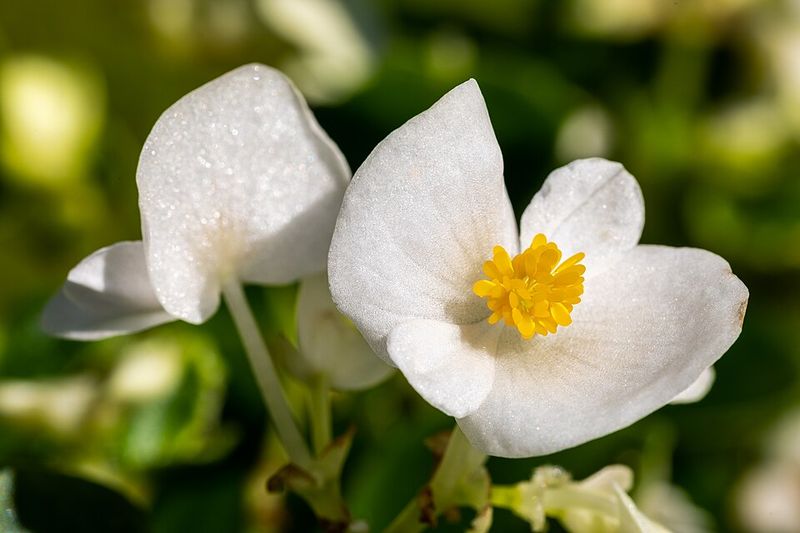
Begonias are a beloved choice for both shady beds and sunny containers in North Carolina, but they have a reputation among experienced gardeners for being fussy about the timing of spring planting.
These plants come from tropical and subtropical regions, so their roots in warm-weather growing run deep, and they show it when cool nights arrive unexpectedly.
Wax begonias and tuberous begonias both respond poorly to temperatures that dip below 50 degrees Fahrenheit. Their leaves may develop dark spots or a bronze discoloration, and growth can stall noticeably when the soil stays cold.
A frost will cause more serious damage, often wilting the plant and damaging tender stem tissue in a way that takes weeks to recover from.
The safest approach for North Carolina gardeners is to wait until nighttime temperatures are consistently above 55 degrees before planting begonias outside.
That means late April to early May for the coastal plain and Piedmont, and late May or even early June for mountain regions.
Starting begonias indoors about eight weeks before your last frost date is a great way to get a head start without risking outdoor setbacks.
Once they are settled into warm soil with good drainage and appropriate light, begonias reward the wait with lush foliage and steady blooms that carry gardens through summer with impressive style.
8. Marigolds Do Better After Frost Risk Passes
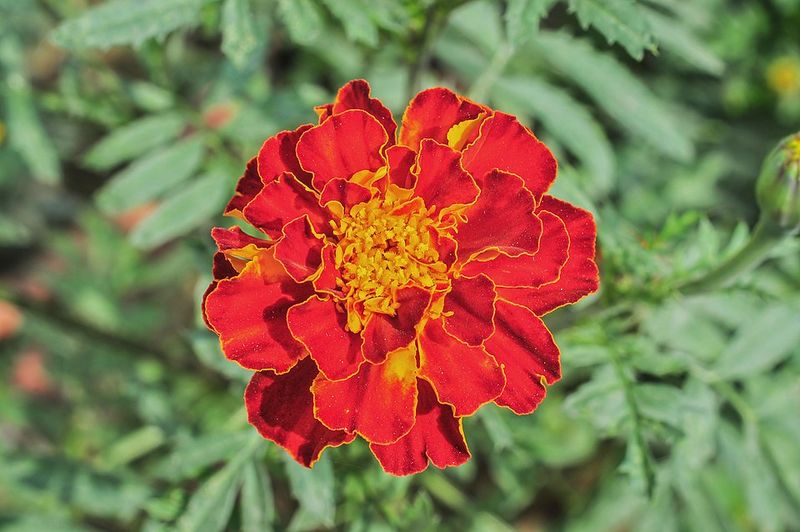
Marigolds are practically synonymous with summer gardening in North Carolina, showing up in vegetable gardens, flower beds, and containers from one end of the state to the other.
Their bright orange and yellow blooms are cheerful and long-lasting, and they have the added bonus of repelling certain garden pests with their distinctive scent.
But marigolds are not early-season flowers, and pushing them into the ground before frost risk has passed tends to backfire.
Young marigold transplants are sensitive to frost and do not perform well in cold soil. A late frost can damage or destroy seedlings that have just been planted, and even cold nights without frost can stunt their growth and delay flowering by weeks.
Soil temperature matters just as much as air temperature for marigolds since their roots need warmth to establish a strong foundation.
For North Carolina gardeners, the best strategy is to wait until after the last average frost date for your specific region before planting marigolds outside.
Coastal growers can usually plant by mid-April, while Piedmont gardeners should aim for late April to early May.
Mountain growers are safest waiting until mid-May or later. Once warm weather arrives and stays, marigolds take off fast and grow into full, bushy plants with minimal fuss.
They are absolutely worth the wait, and your summer garden will look all the better for the patience you showed in spring.