10 White Flowers That Will Brighten Up Your Connecticut Garden
There’s something magical about white flowers in a garden. They glow in the sunlight, shine at sunset, and make any yard feel calm and elegant.
White blooms can turn an ordinary garden into a peaceful escape. In Connecticut, where seasons change fast and weather can be unpredictable, choosing the right white flowers makes all the difference.
Want a garden that looks fresh and bright all season long? From spring favorites to summer showstoppers, these plants add beauty without overwhelming your space.
Simple colors can create the biggest impact. Whether you’re planting in beds, borders, or containers, white flowers bring balance and charm to every corner.
Your garden can shine even on cloudy New England days. Let’s explore the best white flowers that will brighten up your Connecticut garden.
1. Shasta Daisy
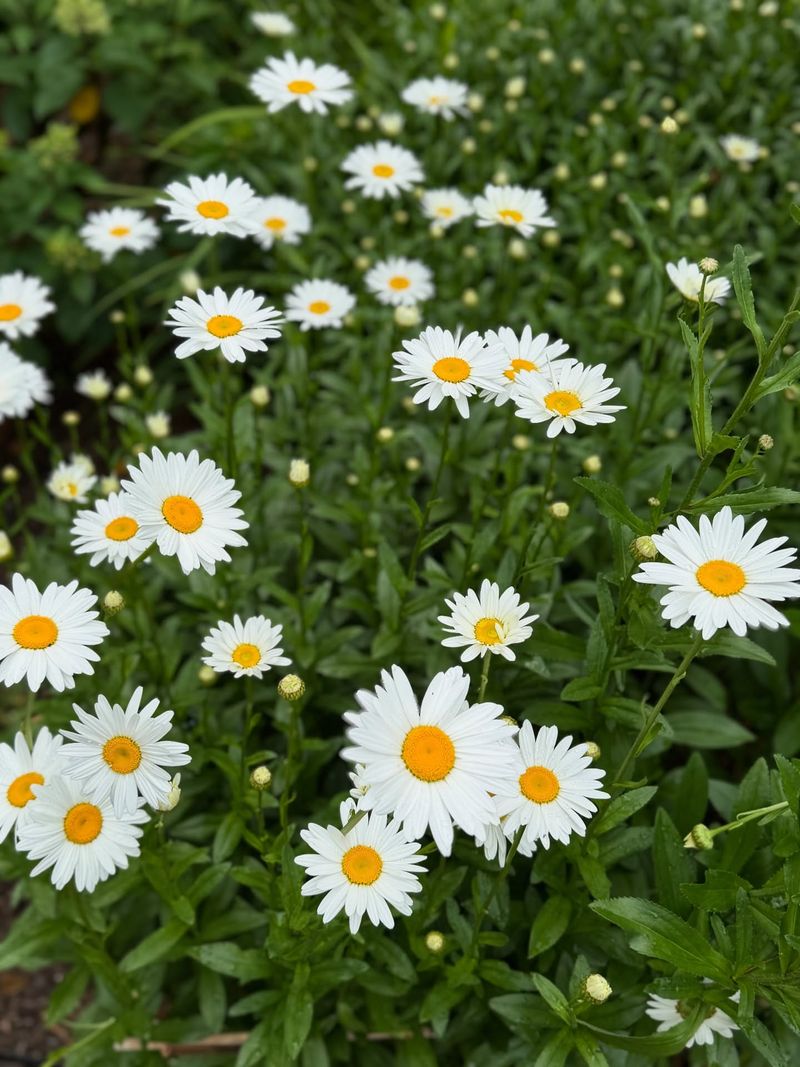
Classic and cheerful, Shasta daisies are a staple in Connecticut gardens for good reason. Their bright white petals and sunny yellow centers create a timeless look that complements nearly any landscape style.
These perennials bloom from early summer through fall, providing months of continuous color when many other plants have finished flowering.
Shasta daisies thrive in full sun and well-drained soil, making them ideal for Connecticut’s climate. They’re incredibly hardy and can tolerate both heat and cold, which is perfect for the state’s variable weather patterns.
Once established, they require minimal care beyond occasional watering during dry spells and deadheading to encourage more blooms.
These flowers grow about two to three feet tall, making them excellent choices for the middle or back of flower borders. They also make fantastic cut flowers, lasting over a week in a vase.
Plant them in groups for maximum impact, and watch as butterflies and bees visit throughout the summer.
Connecticut gardeners appreciate Shasta daisies for their reliability and low-maintenance nature. They multiply over time, so you can divide clumps every few years to create more plants or share with neighbors.
Whether you’re a beginner or an experienced gardener, Shasta daisies deliver consistent beauty year after year.
2. White Hydrangea
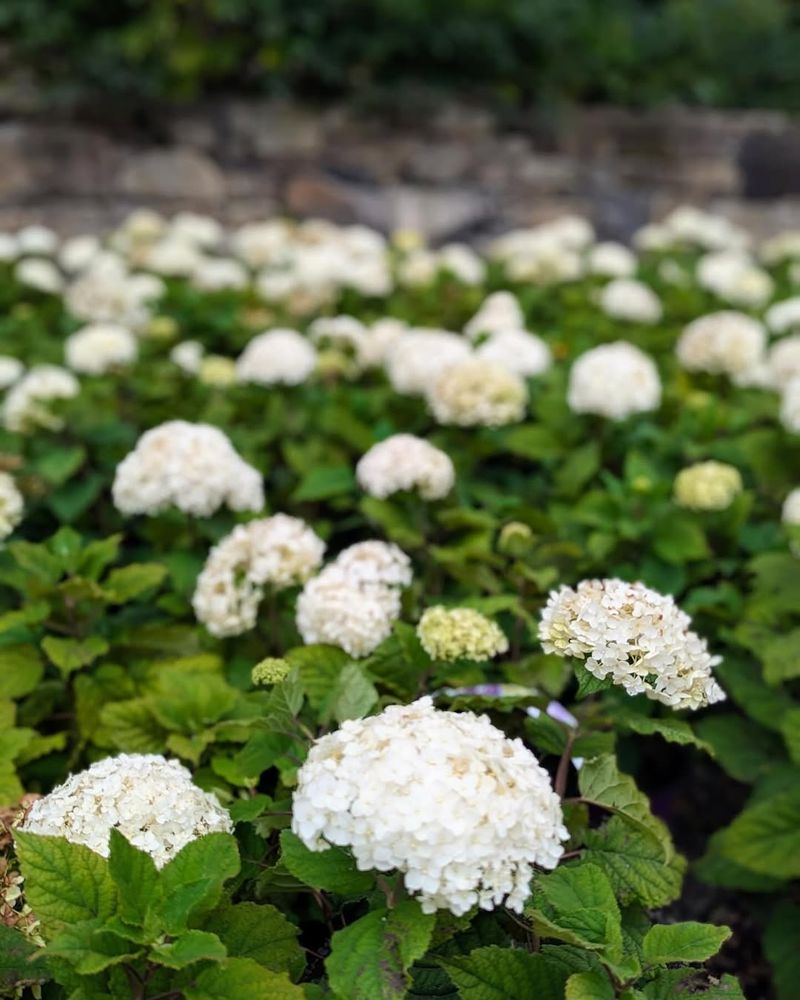
Few flowering shrubs can match the dramatic presence of white hydrangeas in a Connecticut landscape. Their massive, snowball-like blooms appear in mid-summer and often last well into fall, creating stunning focal points in shaded garden areas.
The flowers start out pale green, gradually turning pure white as they mature, then fade to antique shades of pink and tan as autumn approaches.
Connecticut’s climate is perfect for growing hydrangeas, especially in locations with morning sun and afternoon shade. These shrubs appreciate consistent moisture and benefit from mulching to keep roots cool during hot summers.
Different varieties offer different bloom shapes, from round mopheads to delicate lacecaps, giving you plenty of options to match your garden style.
White hydrangeas grow between three and six feet tall depending on the variety, making them versatile for foundation plantings, hedges, or specimen plants. Their bold blooms are excellent for cutting and drying, allowing you to enjoy them indoors throughout winter.
Panicle hydrangeas like ‘Limelight’ and ‘Bobo’ are especially reliable in Connecticut gardens.
These shrubs are relatively low-maintenance once established, though they benefit from annual pruning to maintain shape and encourage flowering.
Their long bloom time and shade tolerance make white hydrangeas invaluable for Connecticut gardeners seeking year-round structure and summer beauty.
3. White Tulips
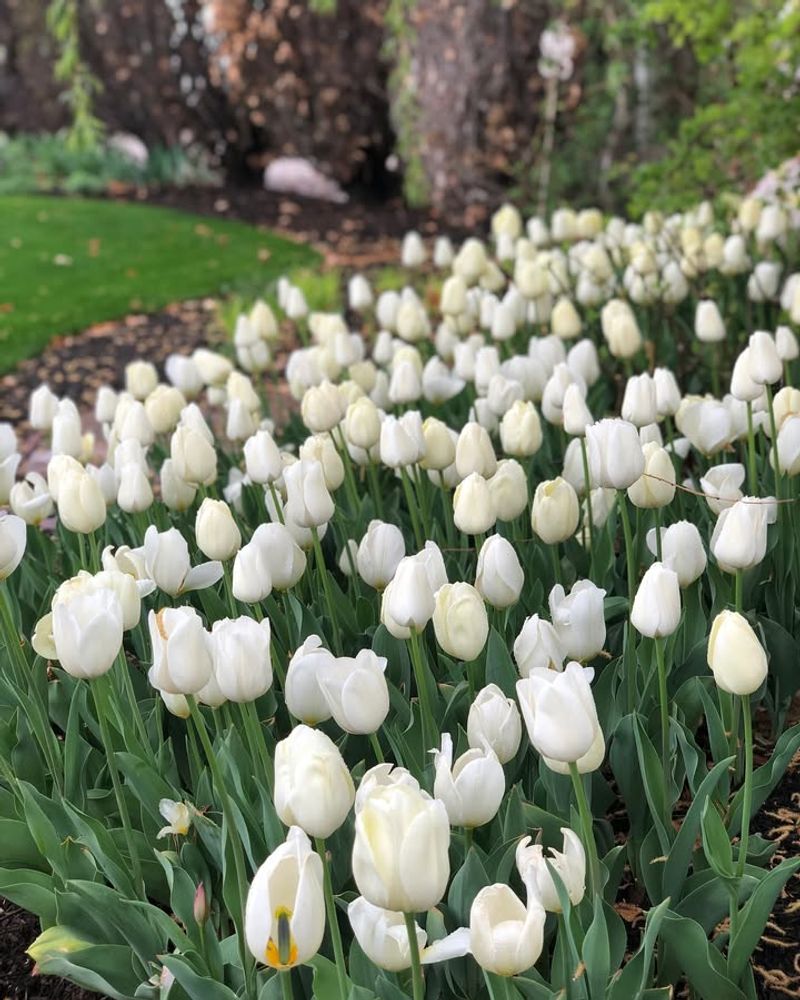
Spring in Connecticut wouldn’t be complete without the elegant appearance of white tulips. These bulbs signal the end of winter with their crisp, pure blooms that emerge in April and May.
White tulips bring a sophisticated simplicity to gardens, whether planted in formal rows, naturalized in drifts, or mixed with other spring flowers.
Tulips need a period of cold dormancy to bloom properly, which makes Connecticut’s winters ideal for their cultivation. Plant bulbs in fall, about six inches deep in well-drained soil with plenty of sun.
They’ll reward you with stunning displays the following spring. White varieties range from classic single-flowered types to frilly parrot tulips and elegant lily-flowered forms.
One of the best things about white tulips is their versatility in garden design. They look stunning planted en masse for a dramatic effect, or scattered among other spring bloomers like daffodils and grape hyacinths.
They also make exceptional cut flowers, brightening indoor spaces with their clean, fresh appearance.
While some tulips behave as annuals in Connecticut gardens, many varieties will return for several years with proper care. After blooming, allow the foliage to yellow naturally before removing it, as this helps bulbs store energy for next year’s display.
White tulips offer Connecticut gardeners a reliable way to celebrate spring’s arrival with timeless elegance.
4. White Peonies
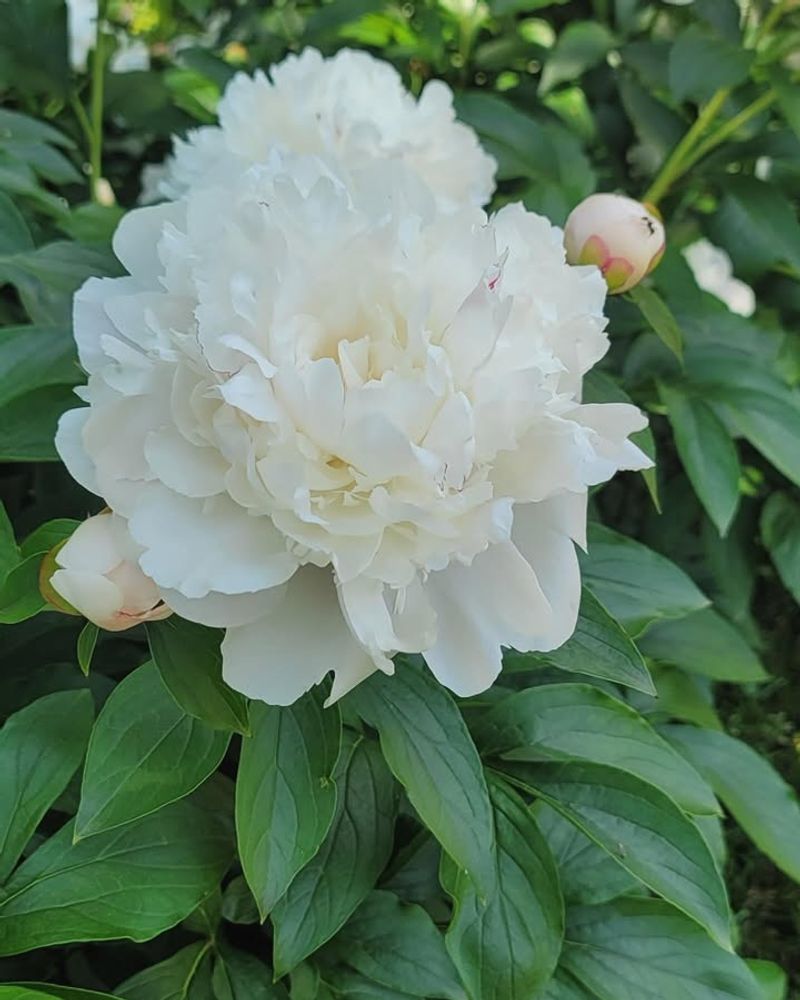
Beloved for generations, white peonies represent the height of late spring luxury in Connecticut gardens. Their enormous, fragrant blooms can reach the size of dinner plates, filling gardens with sweet perfume and romantic beauty.
These long-lived perennials can thrive for decades in the same spot, becoming treasured family heirlooms passed down through generations.
Connecticut’s climate suits peonies perfectly, as they require cold winters to set buds for the following year. Plant them in fall or early spring in a sunny location with rich, well-drained soil.
Once established, peonies need little care beyond staking to support their heavy blooms and cutting back foliage in fall.
White peony varieties range from single-flowered types with prominent yellow centers to fully double forms that resemble fluffy clouds. Popular white varieties include ‘Festiva Maxima,’ ‘Duchesse de Nemours,’ and ‘Bowl of Cream.’
Their bloom time typically spans late May through early June in Connecticut, though exact timing varies with weather conditions.
These perennials grow into substantial clumps over time, reaching two to three feet in height and width. Their attractive foliage remains green throughout summer, providing structure even after flowers fade.
White peonies are exceptional cut flowers, though they’re so stunning in the garden that many Connecticut gardeners prefer to enjoy them outdoors. With minimal maintenance, these classics deliver spectacular results year after year.
5. White Coneflower
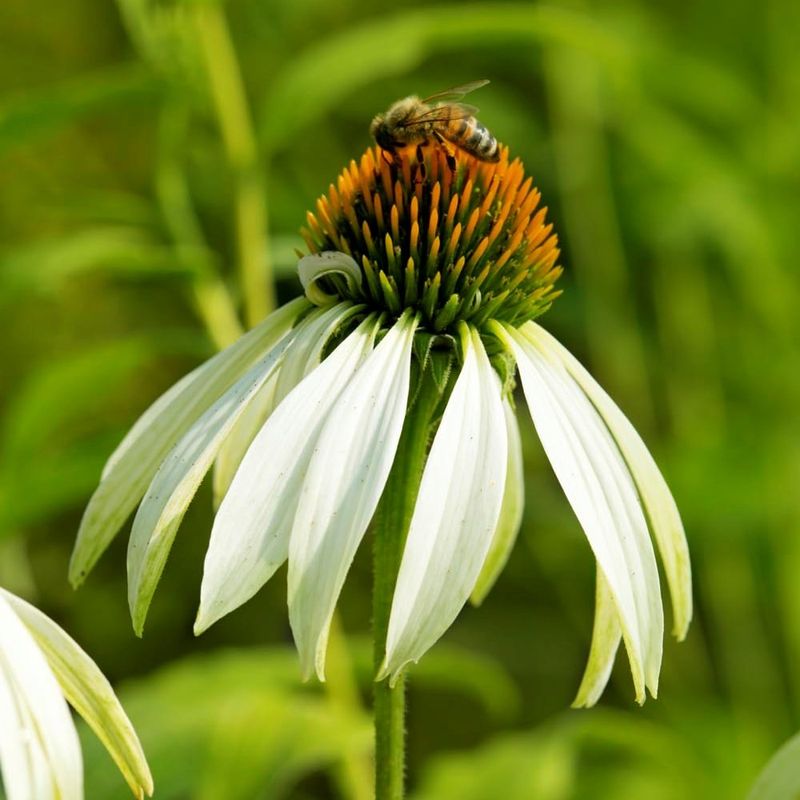
Native to North America and perfectly adapted to Connecticut conditions, white coneflowers bring prairie charm to home gardens. Also known as Echinacea, these tough perennials feature distinctive white petals that droop gracefully around prominent orange-brown centers.
They bloom from mid-summer through early fall, providing nectar for butterflies and seeds for goldfinches.
White coneflowers are incredibly drought-tolerant once established, making them ideal for Connecticut’s occasionally dry summer months.
They prefer full sun and average soil, actually performing better in lean conditions than in overly rich garden beds. This makes them perfect for low-maintenance plantings and naturalized areas.
Growing two to three feet tall, white coneflowers work beautifully in mixed perennial borders alongside black-eyed Susans, ornamental grasses, and other native plants.
Their upright growth habit and long bloom period make them valuable additions to pollinator gardens.
The variety ‘White Swan’ is particularly popular for its compact size and abundant flowering.
Connecticut gardeners appreciate white coneflowers for their resilience and wildlife value. The seed heads remain attractive through winter, providing food for birds and architectural interest in dormant gardens.
These flowers require virtually no maintenance beyond occasional division every few years. They’re also resistant to deer browsing, which is a significant advantage in many Connecticut neighborhoods.
For a reliable, beautiful, and ecologically beneficial white flower, coneflowers are hard to beat.
6. White Bleeding Heart
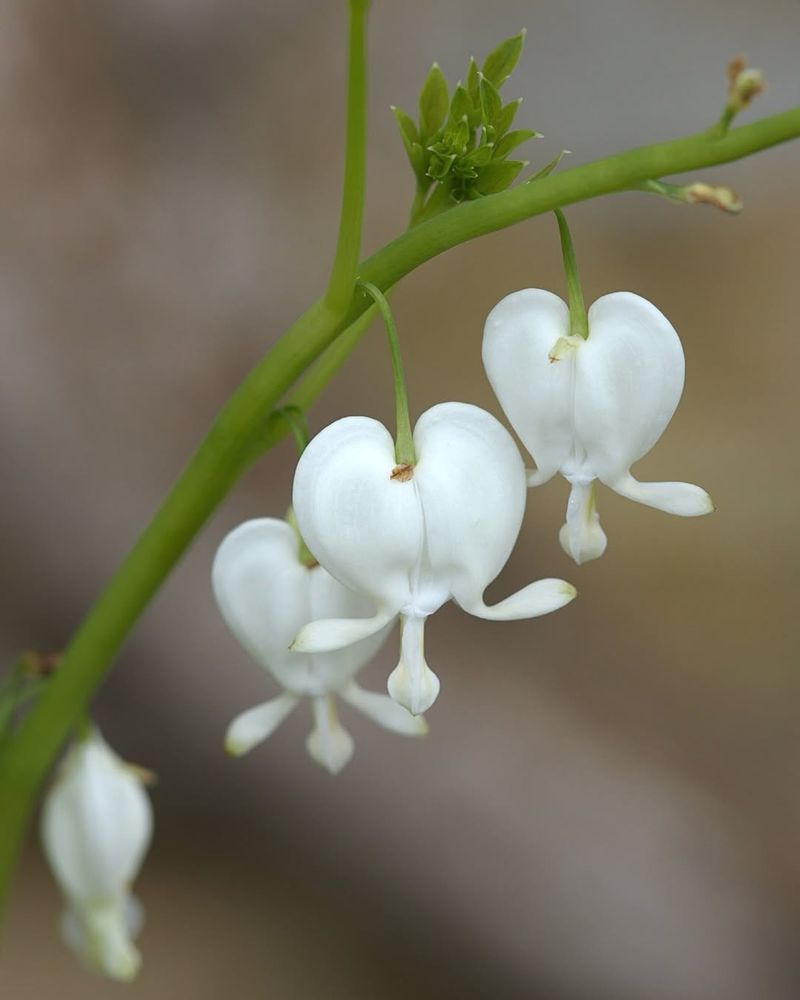
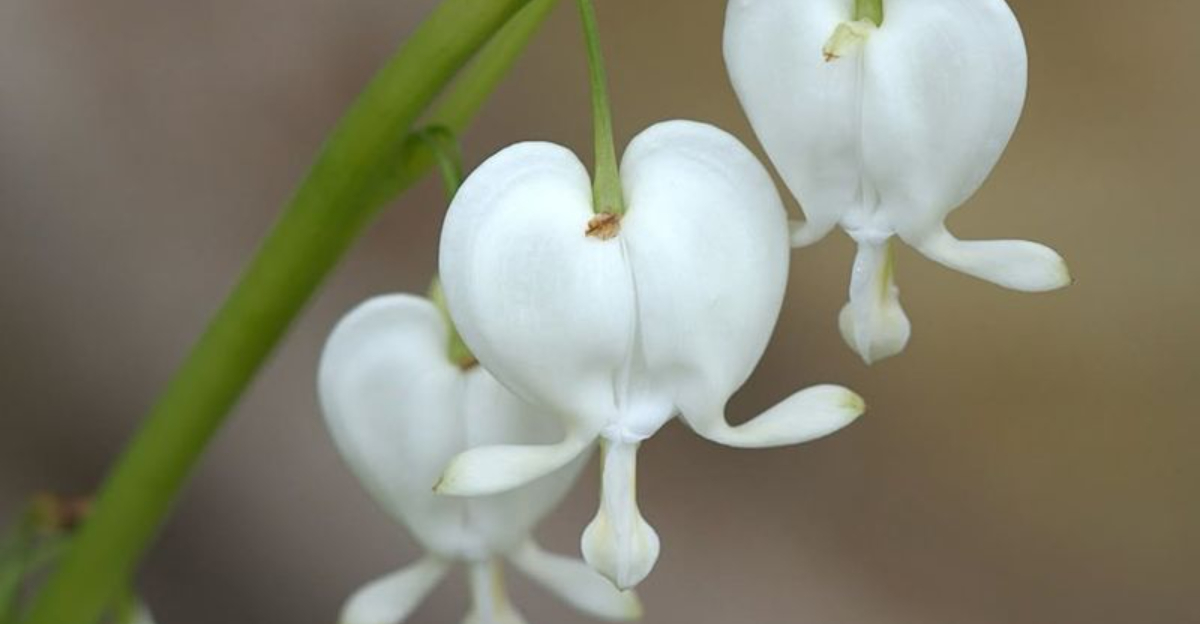
Delicate and enchanting, white bleeding hearts bring a touch of woodland magic to shaded Connecticut gardens. Their unique heart-shaped flowers dangle from arching stems above fern-like foliage, creating an ethereal effect in spring.
Unlike their pink cousins, white bleeding hearts offer a softer, more subtle presence that illuminates darker garden corners.
These perennials thrive in the dappled shade and moist soil conditions common in Connecticut’s wooded areas. Plant them under trees or on the north side of buildings where they’ll receive protection from hot afternoon sun.
They emerge early in spring, bloom prolifically in April and May, then often go dormant by mid-summer in warmer locations.
White bleeding hearts grow about two feet tall and wide, making them perfect for the front of shade borders or woodland gardens. They pair beautifully with hostas, ferns, and other shade-loving plants.
The variety ‘Alba’ is the classic white form, while newer cultivars like ‘Ivory Hearts’ offer extended bloom periods.
Connecticut gardeners value white bleeding hearts for their ability to brighten shady spots where few other flowers will bloom. They’re relatively carefree once established, requiring only consistent moisture and protection from slugs.
The flowers are excellent for cutting, though they’re so charming in the garden that many prefer to leave them outdoors. These romantic bloomers add a storybook quality to any Connecticut shade garden.
7. White Clematis
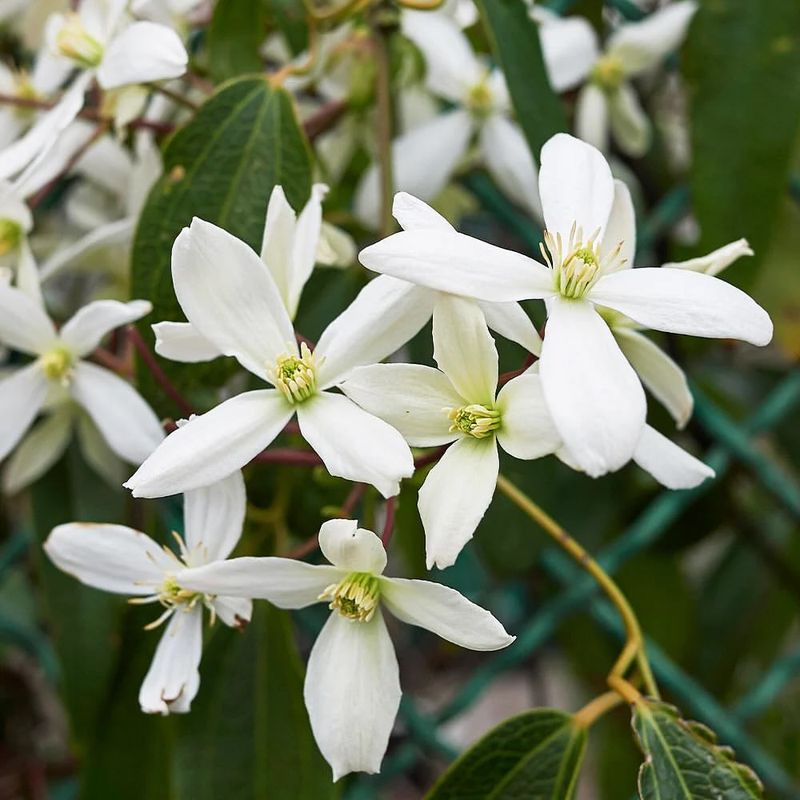
Climbing gracefully toward the sky, white clematis vines transform vertical spaces in Connecticut gardens into cascades of stunning blooms. These versatile climbers can cover arbors, trellises, fences, or even scramble through shrubs, adding dimension and interest to landscapes.
Their star-shaped flowers range from small and delicate to large and dramatic, depending on the variety you choose.
Connecticut’s climate supports many clematis varieties, though they appreciate having their roots shaded and their tops in sun. Mulch around the base to keep roots cool, and provide sturdy support for vines to climb.
White clematis bloom at different times depending on type, with some flowering in spring, others in summer, and some producing blooms in both seasons.
Popular white varieties include ‘Henryi’ with large saucer-shaped blooms, ‘Duchess of Edinburgh’ with frilly double flowers, and sweet autumn clematis with masses of small fragrant blooms.
These vines can reach heights of six to twenty feet depending on variety, making them suitable for various garden situations.
White clematis requires annual pruning, though timing and technique vary by type. Some bloom on old wood and need minimal trimming, while others flower on new growth and benefit from hard pruning in early spring.
Connecticut gardeners love white clematis for their ability to add vertical interest and extended bloom periods. They’re surprisingly low-maintenance once established and create stunning focal points throughout the growing season.
8. White Astilbe
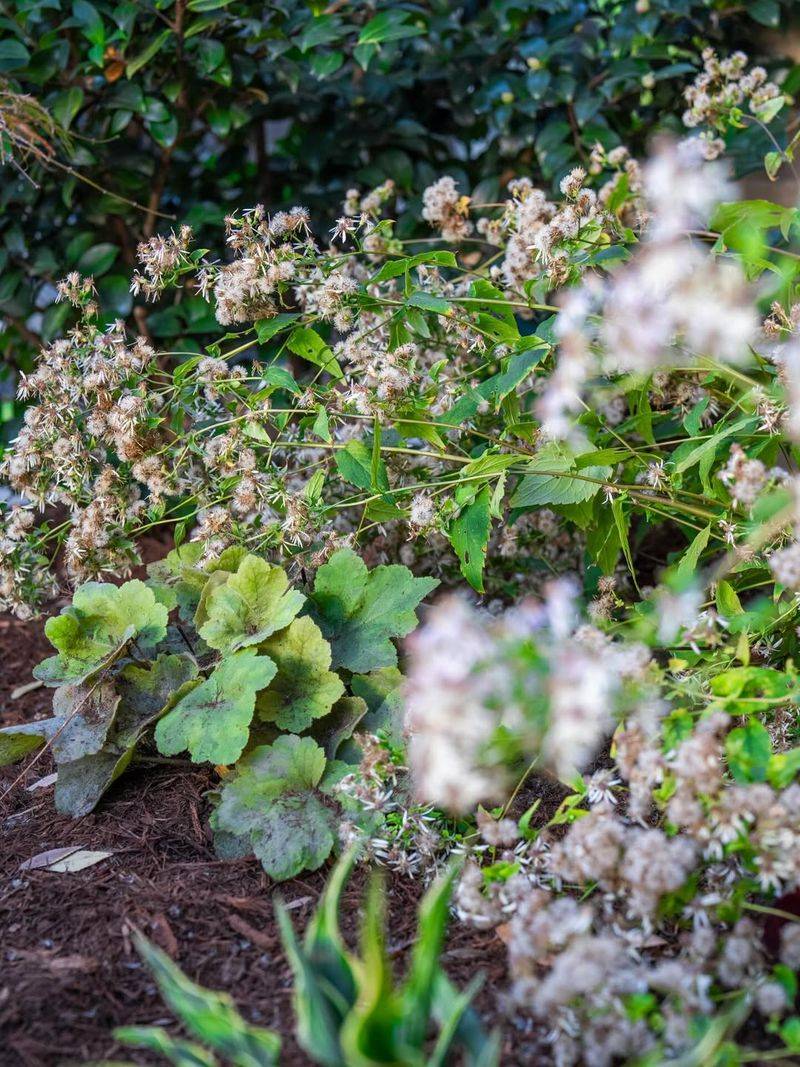
Feathery plumes of white astilbe bring an airy elegance to Connecticut’s shade gardens from late spring through summer.
These perennials produce frothy flower spikes that rise above mounds of attractive, fern-like foliage, creating texture and movement in the landscape. White varieties offer a luminous quality that brightens even the darkest garden corners.
Astilbe thrives in Connecticut’s shaded, moisture-retentive areas, making it perfect for planting alongside streams, ponds, or in consistently moist borders.
These plants appreciate rich soil amended with organic matter and benefit from mulching to maintain even moisture levels. They’re fairly carefree once their moisture needs are met.
White astilbe varieties range from compact eight-inch plants to towering three-foot specimens. ‘Bridal Veil’ produces graceful white plumes on two-foot stems, while ‘Deutschland’ offers bright white flowers on compact plants.
They bloom in early to mid-summer in Connecticut, with flowers persisting for several weeks.
The flower plumes dry beautifully on the plant, extending interest well into fall and winter. Many Connecticut gardeners leave them standing for winter texture, cutting them back only in early spring.
Astilbe rarely suffers from pest or disease problems and deer typically leave them alone. They work wonderfully in mass plantings or mixed with hostas, ferns, and other shade perennials.
For reliable beauty in challenging shade conditions, white astilbe delivers exceptional results in Connecticut gardens year after year.
9. White Rose
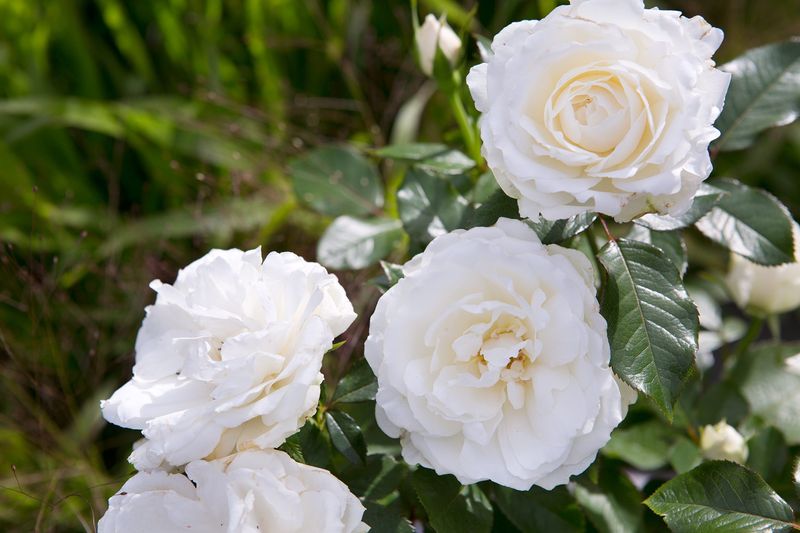
Timeless and romantic, white roses have graced Connecticut gardens for centuries, offering unmatched beauty and fragrance.
From climbing varieties that cover walls and arbors to compact shrub roses perfect for borders, white roses suit virtually any garden style.
Modern disease-resistant varieties make growing roses easier than ever before, even for beginners.
Connecticut’s growing season supports many rose types, though choosing varieties bred for cold hardiness ensures success. Plant roses in locations receiving at least six hours of daily sun and provide well-drained, fertile soil.
Regular watering, feeding, and deadheading encourage continuous blooming from June through fall frosts.
White rose varieties offer diverse forms and fragrances. ‘Iceberg’ is a floribunda beloved for its prolific clusters of pure white blooms and disease resistance. ‘Winchester Cathedral’ is an English rose with full, fragrant flowers.
Climbing ‘New Dawn’ produces pale pink-white blooms with exceptional cold tolerance, perfect for Connecticut’s climate.
Roses benefit from winter protection in colder parts of Connecticut, though many modern varieties are quite hardy. Mulch heavily around the base in late fall and consider wrapping climbers or tender varieties.
Pruning requirements vary by type, but most benefit from spring cleanup and shaping. White roses attract pollinators and make exceptional cut flowers, filling homes with their classic beauty.
Whether you prefer formal hybrid teas or casual shrub roses, white varieties bring elegance and charm to Connecticut gardens throughout the growing season.
10. White Zinnia
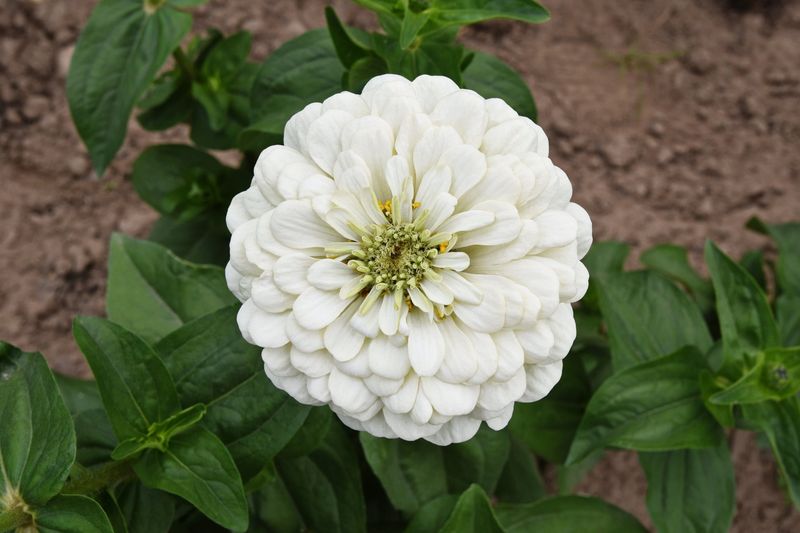
Bursting with cheerful energy, white zinnias bring non-stop color to Connecticut gardens from summer through the first hard frost. These easy-to-grow annuals are perfect for beginners and experienced gardeners alike, offering reliable blooms with minimal care.
Their crisp white petals create stunning contrasts against bright summer greens and complement flowers of any color.
Zinnias love Connecticut’s warm summers and thrive in full sun with average soil. Direct sow seeds after frost danger passes in late May, or start transplants indoors for earlier blooms.
They grow quickly, often flowering within six to eight weeks of planting. White zinnias come in various heights, from six-inch dwarfs perfect for containers to three-foot giants ideal for cutting gardens.
These flowers are incredibly heat and drought tolerant once established, making them low-maintenance choices for busy gardeners.
Deadheading spent blooms encourages continuous flowering, though even without this care, zinnias produce abundantly. They attract butterflies and make exceptional long-lasting cut flowers.
Popular white varieties include ‘Polar Bear’ with huge four-inch blooms and ‘Profusion White’ with excellent disease resistance. Zinnias rarely suffer from pest problems and grow vigorously in Connecticut’s summer conditions.
Plant them in mass for maximum impact or mix with other annuals and perennials. Connecticut gardeners appreciate white zinnias for their reliability, versatility, and ability to provide fresh flowers for bouquets all season long.