11 White Flowers That Will Make Your California Garden Look Stunning
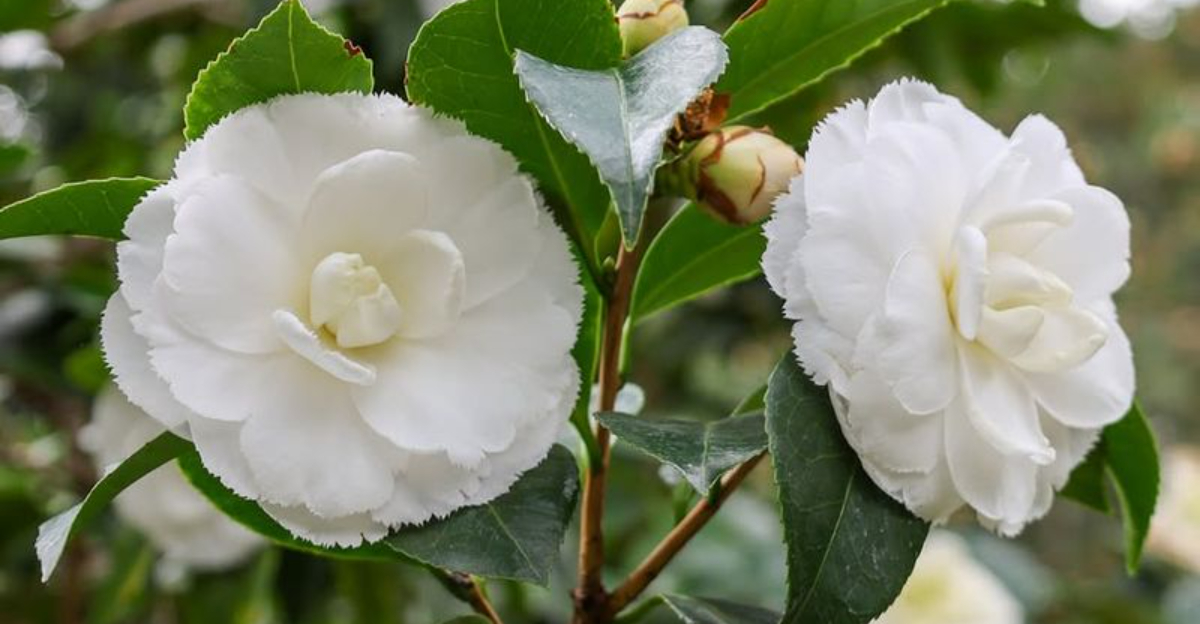
White flowers have a special way of making any garden feel brighter, cleaner, and more elegant. In California’s sunny climate, these blooms shine even more, creating a fresh and timeless look.
Simple flowers can create stunning results. Whether you love classic garden styles or modern landscapes, white blooms fit almost any design.
Want a garden that looks calm but eye-catching at the same time? From spring favorites to summer standouts, the right white flowers can transform your outdoor space with very little effort.
Bright gardens don’t need bold colors to stand out. Even small planting areas can look bigger and more open with lighter shades. With these stuning white flowers, your California garden can glow all season long.
1. White Iceberg Rose
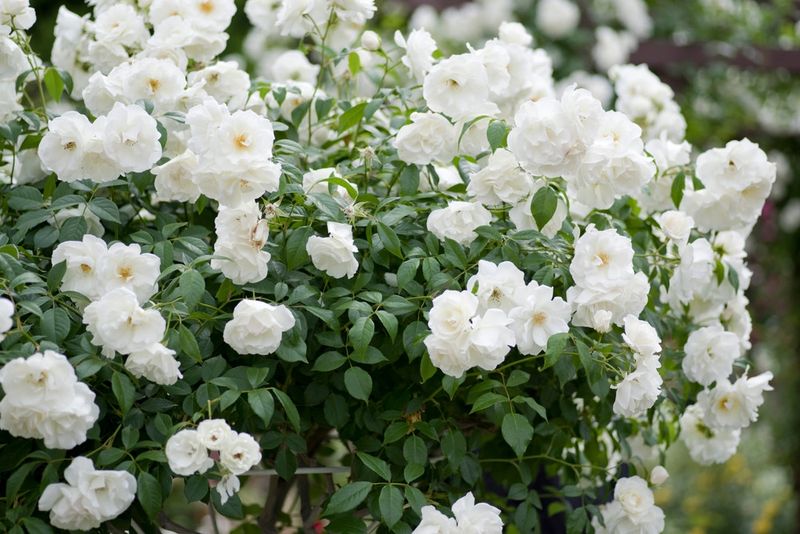
Picture a rose bush so covered in pristine white blooms that it looks like a cloud settled in your garden.
The Iceberg rose delivers exactly that kind of showstopping beauty with minimal fuss, making it perfect for California gardeners who want maximum impact without spending every weekend on maintenance.
This legendary floribunda rose produces clusters of pure white flowers that keep coming from spring through fall, giving your garden months of continuous color.
California’s warm climate suits Iceberg roses perfectly, especially in zones 5 through 9 where most of the state falls. These roses handle heat better than many white varieties, which often turn brown or crispy in strong sunshine.
Plant them in spots that get at least six hours of sunlight daily, and they’ll reward you with abundant blooms that brighten every corner of your yard.
One major advantage of Iceberg roses is their disease resistance, which means less spraying and more time enjoying your garden. The flowers work beautifully in bouquets, so you can bring that garden elegance indoors whenever you want.
Water deeply but infrequently to encourage strong root growth, and add a layer of mulch around the base to keep moisture in the soil during California’s dry summer months.
2. Shasta Daisy

Nothing says cheerful garden quite like Shasta daisies waving their white petals around sunny yellow centers. These classic perennials originated right here in California, developed by legendary horticulturist Luther Burbank in the early 1900s near Mount Shasta.
Their bright, happy faces bring an informal cottage garden charm that fits perfectly with California’s relaxed outdoor lifestyle.
Growing Shasta daisies in California gardens is incredibly easy because they’re already adapted to the state’s climate and soil conditions. They bloom from early summer into fall, providing long-lasting color when many other flowers take a break from the heat.
These tough plants handle both coastal conditions and inland temperatures with equal grace, making them reliable performers across the entire state.
Plant Shasta daisies in full sun for the best flower production, though they’ll tolerate some afternoon shade in hotter inland areas. They spread gradually to form nice clumps that you can divide every few years to create more plants for other garden spots.
Deadheading spent blooms encourages more flowers and keeps plants looking tidy. These daisies attract butterflies and beneficial insects, adding even more life and movement to your California garden throughout the growing season.
3. White California Poppy
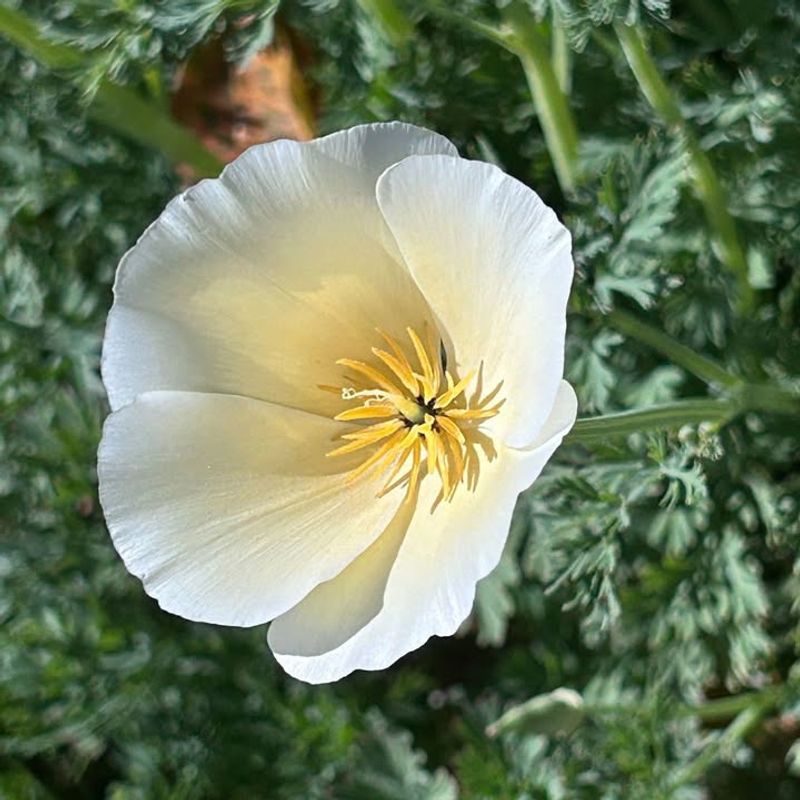
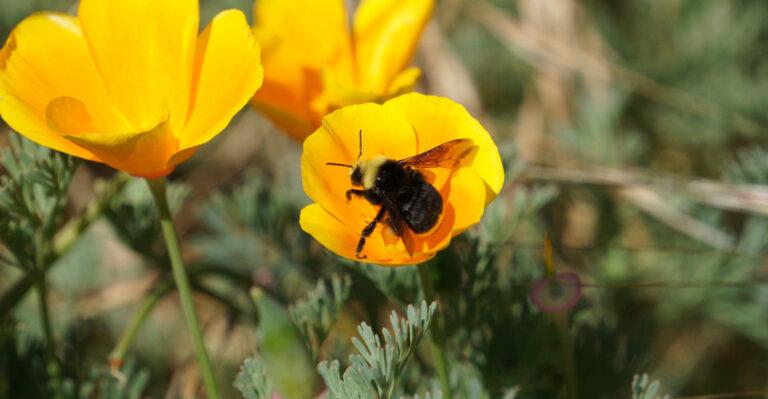
Most people think of California poppies as bright orange, but the white variety offers a stunning alternative that looks ethereal in garden settings. These delicate flowers shimmer like silk in the breeze, their tissue-paper petals catching light in ways that make them seem almost luminous.
As California’s state flower, poppies carry special significance and grow with abandon in the state’s natural landscapes and cultivated gardens alike.
White California poppies thrive in poor soil and actually prefer lean conditions over rich, fertilized ground. This makes them perfect for those challenging garden spots where other flowers struggle to establish.
They’re drought-tolerant once established, which is a huge advantage during California’s increasingly dry summers. Scatter seeds in fall for spring blooms, or plant in early spring for summer flowers that keep opening until the weather turns cold.
These cheerful flowers reseed themselves readily, creating naturalized drifts that return year after year without any effort on your part. They close up at night and on cloudy days, then open wide when sunshine returns, adding an element of surprise to your garden.
Pair white poppies with their orange cousins for a stunning color combination, or plant them alone for a pure, monochromatic display that highlights their delicate beauty throughout the California growing season.
4. White Matilija Poppy
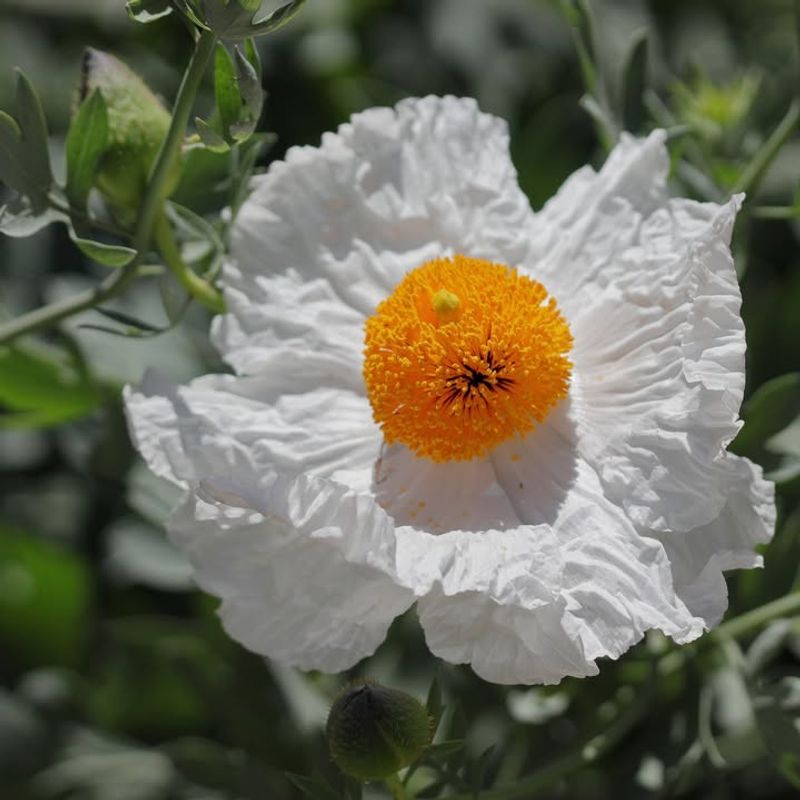
Imagine flowers as big as dinner plates with crepe-paper petals surrounding a golden center, and you’ve got the spectacular Matilija poppy.
Sometimes called the fried egg flower because of its distinctive appearance, this California native produces the largest flowers of any plant native to the state.
Each bloom can measure six to eight inches across, creating an absolutely dramatic focal point wherever you plant it.
Matilija poppies grow naturally in Southern California’s coastal sage scrub and chaparral communities, so they’re perfectly adapted to the state’s dry summers and mild winters. Once established, these plants need almost no water beyond natural rainfall, making them ideal for water-wise landscaping.
They spread by underground rhizomes to form large colonies over time, so give them plenty of space to expand or plant them where their spreading habit won’t cause problems.
These magnificent poppies bloom from late spring through summer, each flower lasting several days before dropping its petals. The silvery-green foliage looks attractive even when plants aren’t blooming, providing year-round interest in California gardens.
Plant Matilija poppies in full sun and well-draining soil, then stand back and let them do their thing. They’re tough, beautiful, and perfectly suited to California’s climate and water restrictions.
5. White Calla Lily
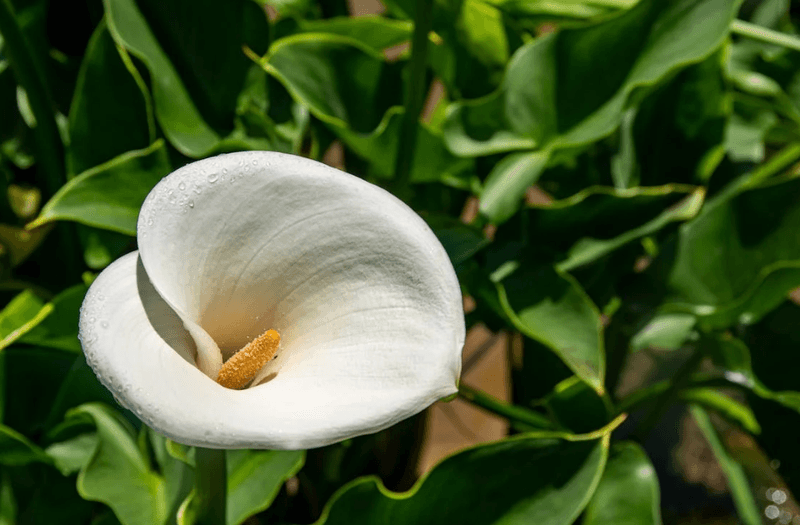
Elegant, sophisticated, and instantly recognizable, white calla lilies bring a touch of formal beauty to California gardens.
Their smooth, trumpet-shaped flowers curve gracefully around a golden yellow spadix, creating a sculptural form that looks equally stunning in gardens and flower arrangements.
Despite their exotic appearance, callas grow readily in California’s mild climate and reward minimal care with abundant blooms.
California’s Mediterranean climate provides ideal growing conditions for calla lilies, especially in coastal and central valley regions. Plant them in partial shade where they’ll get morning sun and afternoon protection from intense heat.
They appreciate regular water during their growing season from spring through summer, making them perfect companions for other moisture-loving plants in irrigated garden beds. The glossy green leaves look lush and tropical even when flowers aren’t present.
Calla lilies bloom most heavily in spring and early summer, though they may produce occasional flowers throughout the season in milder California climates. They grow from rhizomes that multiply over time, eventually forming nice clumps that you can divide to create more plants.
These versatile flowers work beautifully in containers, border plantings, or alongside ponds and water features where their love of moisture is naturally satisfied. Their long-lasting cut flowers make them practical as well as beautiful additions to any California garden.
6. White Camellia
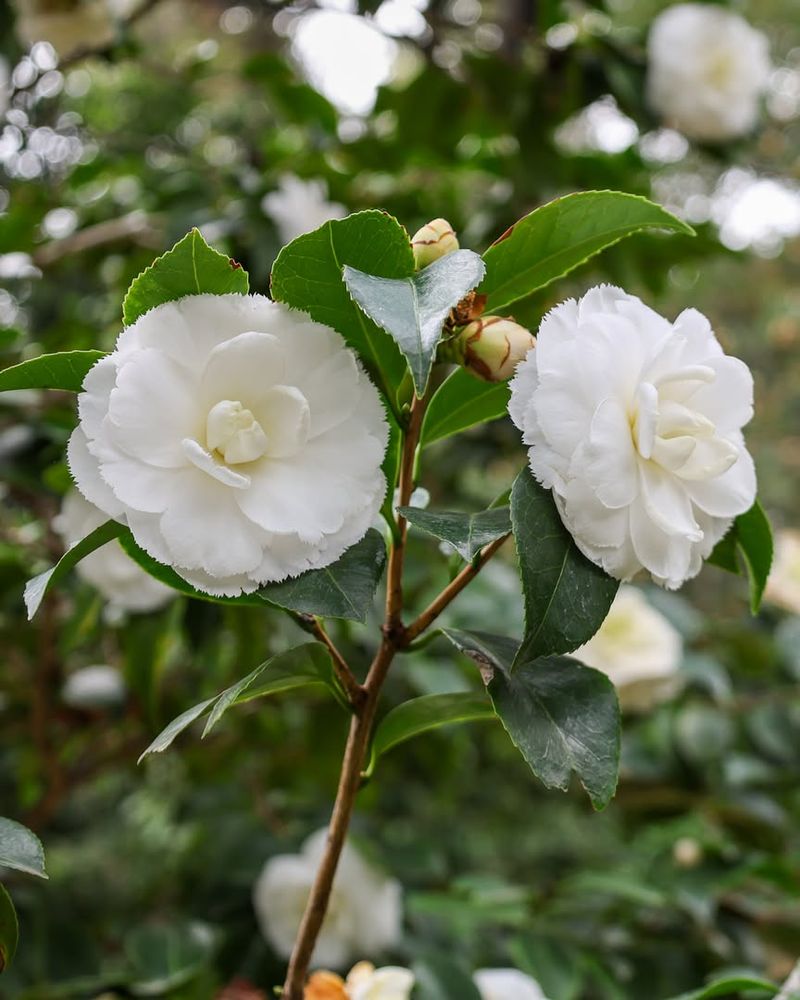
When winter settles over most of the country, California gardeners enjoy the spectacular blooms of white camellias brightening the landscape.
These evergreen shrubs produce roses-like flowers during the cooler months when most other plants are resting, making them invaluable for year-round garden interest.
Their glossy dark green leaves provide a perfect backdrop for the pure white blooms that seem to glow in winter’s softer light.
Camellias thrive in California’s coastal and inland valleys where temperatures stay moderate throughout winter. They prefer partial shade and acidic soil, making them excellent choices for planting under oak trees or in woodland garden settings.
The shrubs grow slowly but steadily, eventually reaching heights of six to twelve feet depending on the variety you choose. Regular water during dry periods keeps them healthy and blooming abundantly.
White camellia varieties range from simple single flowers to elaborate doubles with layers of ruffled petals that look almost unreal in their perfection. They bloom from fall through early spring, with different varieties flowering at different times to extend the season.
Plant several types together for months of continuous flowers that brighten California’s short winter. These low-maintenance shrubs rarely need pruning beyond removing spent blooms and shaping occasionally to maintain their attractive form in your garden landscape.
7. White Jasmine
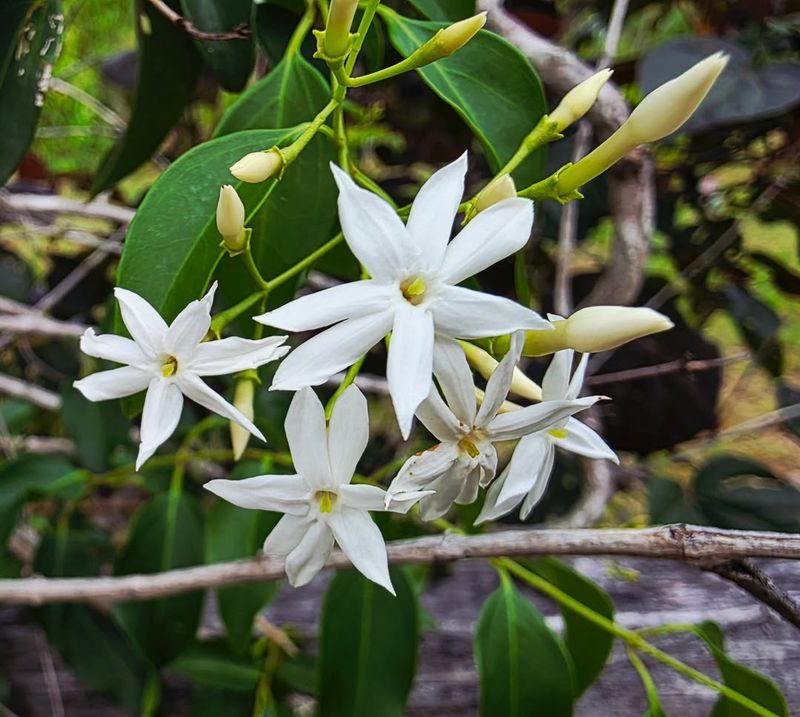
Few flowers can match the intoxicating fragrance of white jasmine blooming on a warm California evening. These vigorous vines cover fences, arbors, and trellises with cascades of starry white flowers that perfume entire neighborhoods during their peak bloom periods.
The sweet scent draws you outdoors to enjoy balmy evenings, creating an enchanting atmosphere that embodies California’s indoor-outdoor lifestyle.
Several jasmine species grow beautifully throughout California, with star jasmine being particularly popular for its reliability and evergreen foliage. These vines handle both coastal conditions and inland heat, making them versatile choices for gardens across the state.
They bloom most heavily in spring and summer, though you might catch occasional flowers during warm spells in fall and winter. The dense growth provides excellent screening for privacy or covering unsightly structures.
Plant jasmine in full sun to partial shade, giving it sturdy support as it grows upward and outward. The vines establish quickly and can cover large areas within a few years, so regular pruning helps keep them under control.
Water regularly during the first year while roots establish, then reduce frequency once plants are settled.
White jasmine attracts hummingbirds and butterflies, adding movement and life to your California garden while the incredible fragrance makes every moment spent outdoors more memorable and enjoyable.
8. White Gardenia
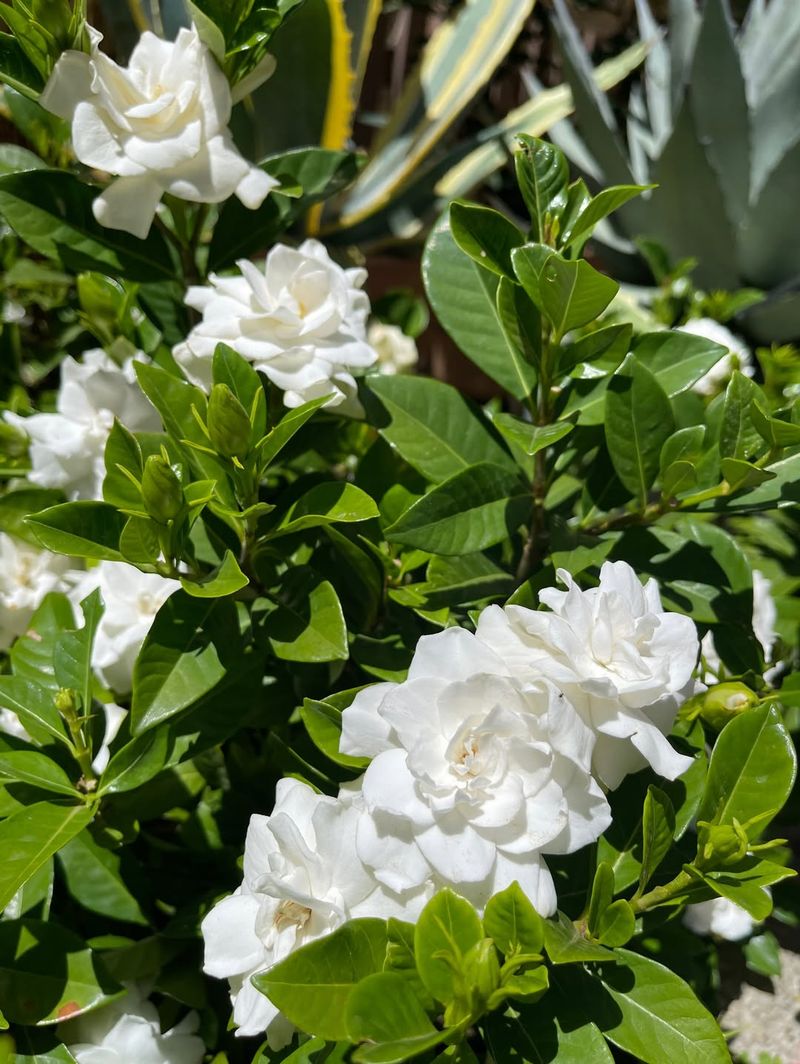
Gardenias represent the ultimate in floral luxury with their creamy white petals and legendary perfume that fills the air on warm summer nights.
These evergreen shrubs produce waxy flowers that look almost artificial in their perfection, each bloom unfolding slowly to reveal layers of velvety petals.
Growing gardenias successfully in California requires understanding their specific needs, but the reward of those gorgeous fragrant flowers makes every bit of effort worthwhile.
Coastal and Southern California regions provide the best conditions for gardenias, where humidity levels stay higher and temperatures remain moderate. These acid-loving plants need rich, well-draining soil amended with plenty of organic matter to thrive.
Plant them in locations with morning sun and afternoon shade, protecting them from California’s intense midday heat. Regular feeding with fertilizer formulated for acid-loving plants keeps foliage dark green and encourages abundant flower production.
Gardenias bloom from late spring through summer, with each flower lasting several days before fading. The glossy evergreen leaves look attractive year-round, making these shrubs valuable landscape plants even when not flowering.
Watch for yellowing leaves, which usually indicates the need for iron supplements or soil pH adjustment. Consistent moisture is important, so mulch around plants to retain soil moisture during California’s dry season.
The incredible fragrance and stunning blooms make gardenias worth the extra attention they require.
9. White Bougainvillea

Bougainvillea brings to mind brilliant magenta or orange, but white varieties offer a softer, more elegant option that still delivers the dramatic impact these plants are famous for.
The papery white bracts surround tiny cream-colored flowers, creating masses of color that cover entire walls, fences, or pergolas.
These vigorous growers thrive in California’s warm, dry climate and bloom prolifically with minimal care once established.
Southern California provides ideal conditions for bougainvillea, though they grow successfully in many protected microclimates throughout the state. These heat-loving plants need full sun and excellent drainage to perform their best.
They’re remarkably drought-tolerant once roots establish, making them perfect for water-wise California landscapes. The more you stress them with less water and poor soil, the more abundantly they bloom, which is the opposite of most flowering plants.
White bougainvillea creates stunning displays from spring through fall, with peak blooming during the hottest months when many other flowers struggle. Train them as vines on structures, prune them into shrub forms, or even grow them in large containers on sunny patios.
They need sturdy support because mature plants become quite heavy with dense growth. Protect them from frost in colder areas, or grow them as deciduous plants that return each spring in marginal climates throughout California’s diverse growing regions.
10. White Agapanthus
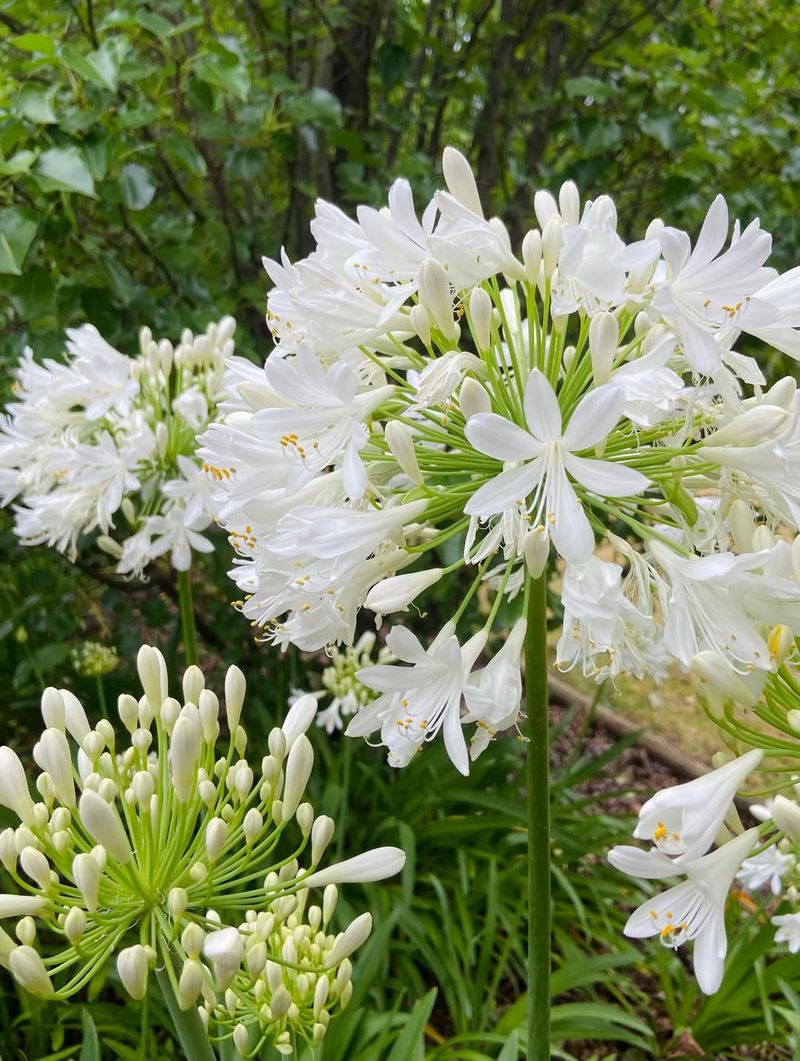
Spheres of white flowers float above strappy foliage on tall stems, creating an architectural element that adds structure and drama to California gardens.
Agapanthus, commonly called lily of the Nile, produces these stunning flower clusters throughout summer when their cool white blooms provide refreshing contrast to the season’s heat.
These tough perennials handle California’s climate with ease, asking for little while giving abundant beauty in return.
California gardeners love agapanthus because they’re nearly indestructible once established, tolerating drought, poor soil, and neglect while still blooming reliably.
They grow throughout the state in both coastal and inland areas, though they appreciate some afternoon shade in the hottest regions.
The clumps expand slowly over years, eventually forming impressive masses that produce dozens of flower stalks each season. Evergreen varieties keep their foliage year-round, while deciduous types rest during winter.
Plant white agapanthus in full sun to partial shade, spacing them about two feet apart for eventual coverage. They work beautifully as border plants, in mass plantings, or in containers where their dramatic flowers create instant focal points.
The tall flower stalks make excellent cut flowers that last well in arrangements. Divide overcrowded clumps every five to seven years to maintain vigor and flower production.
These versatile plants adapt to many garden styles throughout California, from formal landscapes to casual cottage gardens.
11. White Oleander
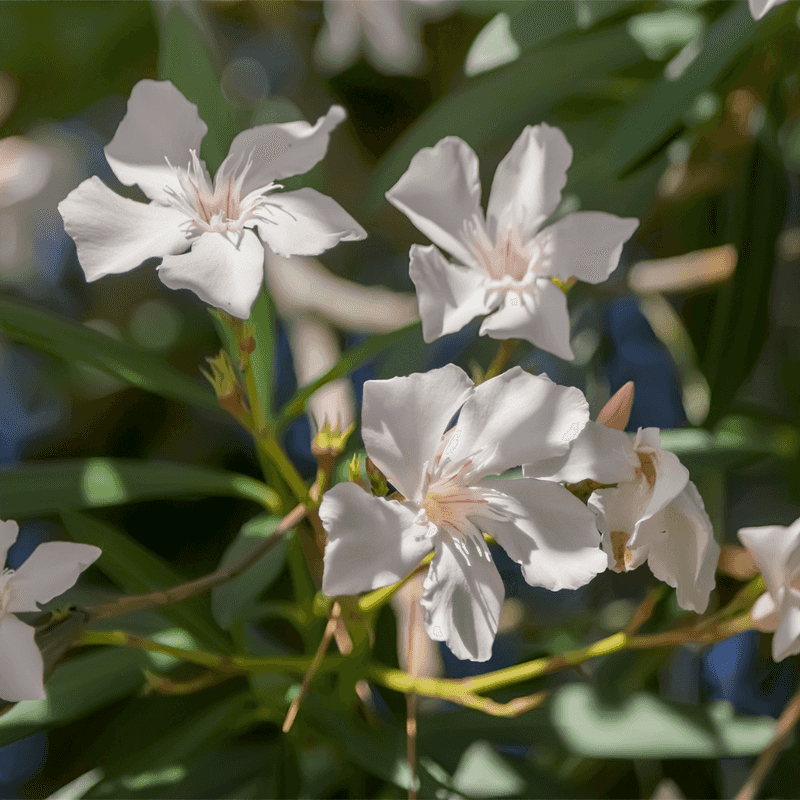
Tough as nails yet beautiful as any garden flower, white oleander offers California gardeners a winning combination of durability and elegance.
These evergreen shrubs produce clusters of pristine white flowers from spring through fall, creating long-lasting color that survives heat, drought, and coastal salt spray with equal ease.
Their ability to thrive under challenging conditions makes them popular choices for highway plantings, commercial landscapes, and home gardens throughout the state.
Oleanders grow successfully in every region of California, from foggy coastal areas to blazing desert communities. They handle poor soil, reflected heat from pavement, and extended periods without water once their roots establish.
Plant them in full sun for maximum flowering, though they’ll tolerate some shade. These versatile shrubs work as informal hedges, specimen plants, or background plantings that provide year-round structure with seasonal flower interest.
White oleander varieties range from compact three-foot shrubs to large specimens reaching fifteen feet tall, so choose sizes appropriate for your available space. Regular pruning keeps plants shaped and encourages fresh growth that produces the most flowers.
Be aware that all parts of oleander plants are toxic if eaten, so plant them away from areas where children or pets play.
Despite this caution, they’re valuable landscape plants for California gardens, offering reliable beauty and incredible toughness that few other flowering shrubs can match in difficult growing conditions.