Who Handles The Damage When A Neighbor’s Tree Falls In Virginia During Storm
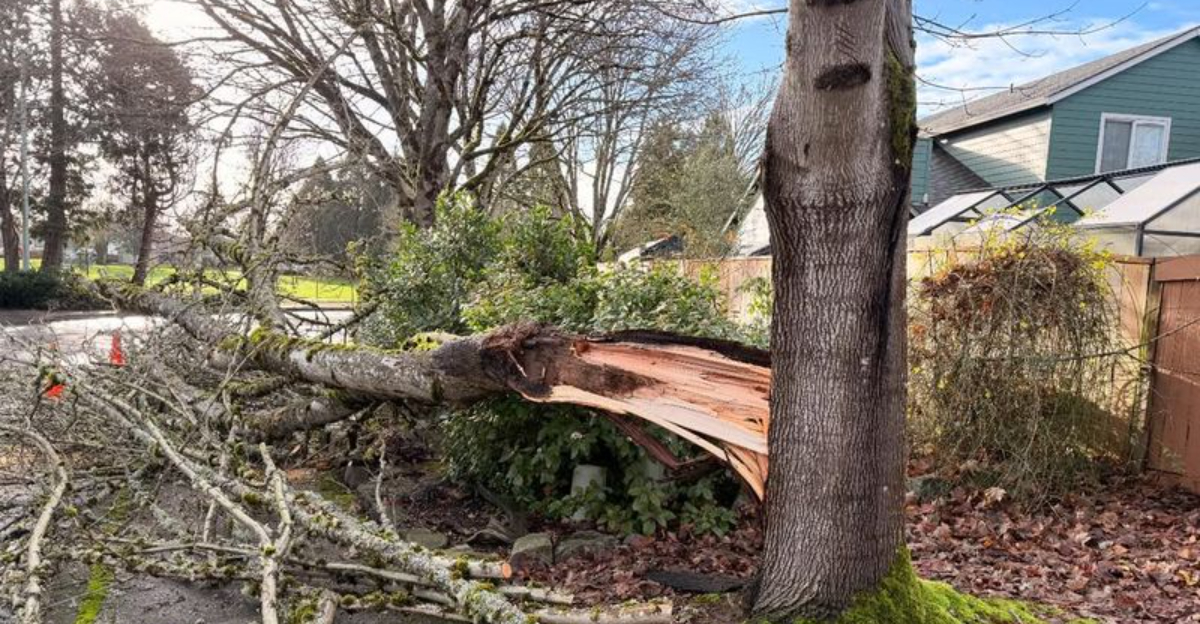
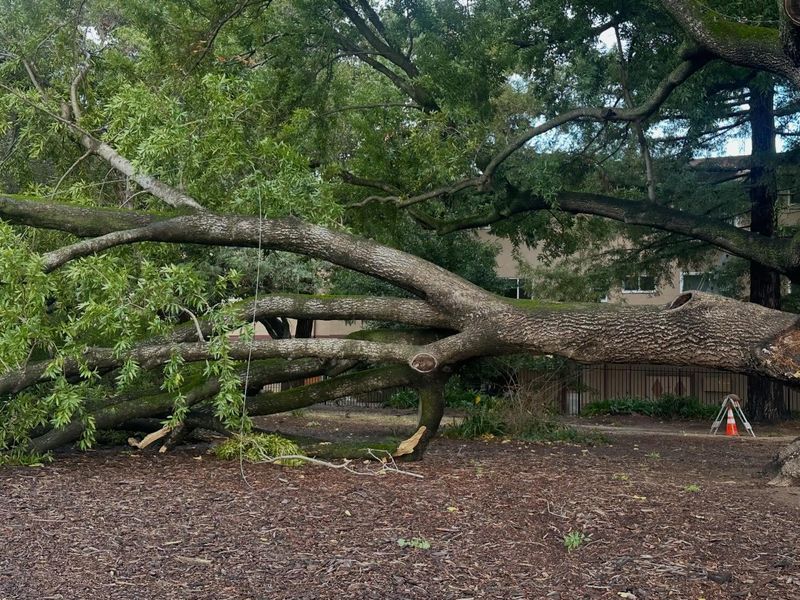
When a storm blows through Virginia, the damage it leaves behind can be more than just fallen branches, it can lead to confusion and frustration, especially when it involves a neighbor’s tree landing in your yard.
One minute your property is perfectly intact, and the next, you’re dealing with crushed fencing, roof damage, or uprooted landscaping, all caused by something that didn’t even grow on your land. The big question looms: Who’s footing the bill?
Many homeowners are surprised to find that liability doesn’t always fall where the tree did. In Virginia, the answer can depend on a few key details, like whether the tree was healthy before the storm, if there were prior warnings, and what your own insurance covers.
Sorting out the responsibilities between neighbors can be tricky, especially when nature strikes without warning. But understanding your rights and what to do next can save you time, stress, and money.
Don’t wait until you’re knee-deep in broken limbs and insurance calls. Learn how to protect your property and navigate the aftermath of storm damage the smart way.
1. Understanding Virginia’s Act Of God Defense
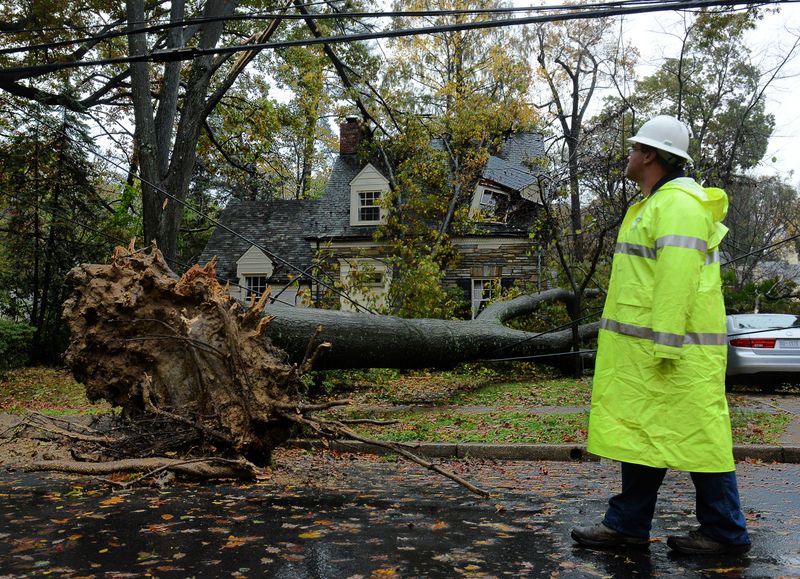
Virginia law treats storm damage from healthy trees differently than you might expect. When a severe weather event causes a tree to fall, courts often classify this as an “Act of God,” which means no one can be held responsible for the damage.
This legal principle applies specifically when the tree was in good condition before the storm and there were no warning signs of danger or weakness.
Property owners across Virginia should understand that this defense protects neighbors from liability in most storm situations, shifting the financial responsibility to the property owner who suffered the damage.
The reasoning behind this law makes sense when you think about it. Storms are unpredictable natural events that no person can control or prevent.
If a healthy oak tree stood strong for decades but finally toppled during a particularly fierce thunderstorm with 70-mile-per-hour winds, your neighbor couldn’t have reasonably prevented that outcome. Virginia courts recognize that holding someone liable for nature’s actions would be unfair and impractical.
However, this protection only applies to healthy trees without visible problems. Your neighbor can’t ignore obvious hazards like dry branches, hollow trunks, or severe leaning and then claim Act of God protection when the inevitable happens.
Documentation becomes crucial in these situations. If you’ve previously notified your neighbor about a dangerous tree condition in writing, you create a record that could override the Act of God defense.
Keep copies of any letters, emails, or certified mail you send regarding tree concerns. Taking photos of problematic trees on neighboring properties also provides valuable evidence if disputes arise after storm damage occurs in your Virginia community.
2. When Your Neighbor Is Actually Liable
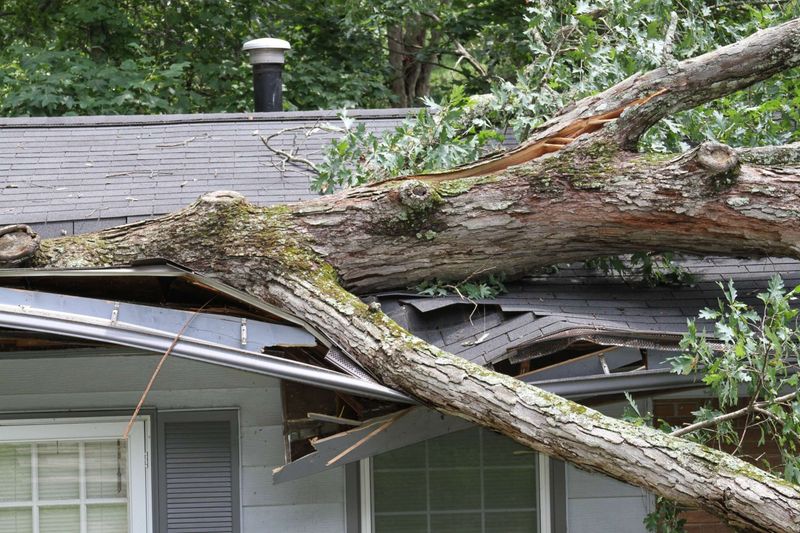
Sometimes your neighbor does bear responsibility for tree damage, even during a Virginia storm. Liability kicks in when the property owner knew or should have known about a dangerous tree condition before the weather event occurred.
Imagine a massive tree with peeling bark, visible rot, and missing branches that everyone in the neighborhood has noticed for months. If that tree falls during a storm and crushes your shed, your neighbor’s negligence becomes the issue rather than the storm itself.
Proving negligence requires showing that a reasonable person would have recognized the hazard and taken action. Common warning signs include large dry branches, fungus growth at the base, cracks in the trunk, significant leaning toward structures, and hollow sections that sound different when tapped.
Trees damaged by disease, insect infestation, or previous storms also present obvious risks that property owners must address. Virginia homeowners have a duty to inspect their trees regularly and remove or treat those posing threats to neighboring properties.
Written notice changes everything in liability disputes. If you sent your neighbor a letter describing specific concerns about their tree and they ignored your warning, you’ve established their knowledge of the danger.
Courts view this documentation as powerful evidence of negligence. Some Virginia municipalities also have tree ordinances requiring property owners to maintain their trees safely, and violations of these local laws can strengthen your liability claim.
Insurance adjusters pay close attention to these details when determining fault and coverage. Professional arborist reports can further support your case by confirming that the tree showed clear signs of disease or structural problems before the storm.
Gathering this evidence promptly after damage occurs protects your interests and increases the likelihood of fair compensation for your losses.
3. How Your Homeowners Insurance Responds
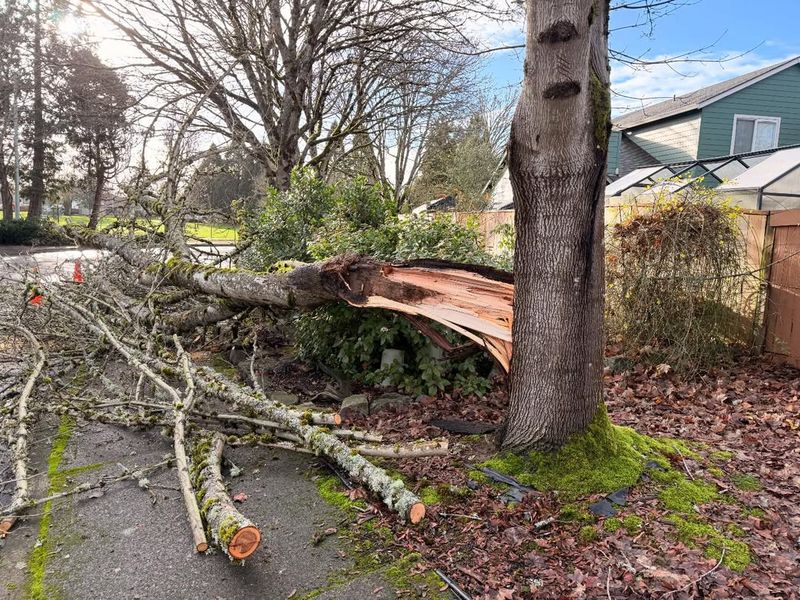
Most Virginia homeowners discover that their own insurance policy covers storm damage from fallen trees, regardless of where the tree originated.
Standard homeowners insurance typically includes coverage for wind damage, falling objects, and related perils under the dwelling and other structures sections of your policy.
This means your insurance company will likely pay for repairs to your home, garage, or fence even if the tree came from your neighbor’s yard during a severe thunderstorm.
Understanding your policy details prevents unpleasant surprises during the claims process. Review your coverage limits, deductibles, and exclusions before storm season arrives.
Many policies also include provisions for debris removal, which helps cover the cost of cutting up and hauling away the fallen tree.
Some insurers limit debris removal coverage to a specific dollar amount, such as $500 or $1,000, so knowing this number helps you budget for additional expenses.
Your policy might also cover temporary repairs needed to prevent further damage, like emergency tarping of a damaged roof.
Filing a claim promptly after storm damage occurs protects your rights and speeds up the repair process. Document everything with photos and videos showing the damage from multiple angles.
Keep receipts for any emergency repairs or temporary housing expenses if your home becomes uninhabitable. Your insurance adjuster will inspect the damage and determine the payout based on your coverage limits and deductible.
Remember that making a claim might affect your future premiums, so consider whether the damage exceeds your deductible by enough to make filing worthwhile. For minor damage below your deductible amount, paying out of pocket might make more financial sense.
Virginia residents should also know that if your neighbor was negligent and their insurance accepts liability, your insurer might pursue subrogation to recover the money they paid you, potentially reimbursing your deductible in the process.
4. Documenting Damage For Insurance And Legal Claims
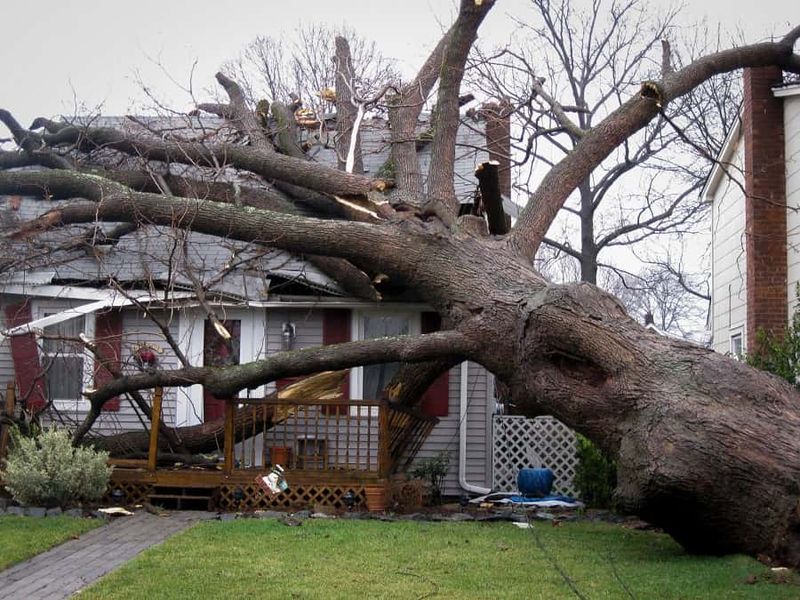
Creating a thorough record of storm damage gives you the strongest possible position when dealing with insurance companies or potential legal disputes. Start taking photos immediately after the storm passes and it’s safe to go outside.
Capture wide shots showing the entire scene, medium shots of specific damage areas, and close-ups of important details like where the tree made contact with your property. Include shots of the tree’s base or stump to show its origin point, especially if it came from a neighbor’s yard.
Video documentation adds another layer of protection by showing the scope and severity of damage in a way that still photos cannot. Walk around your property while filming and narrate what you’re recording, noting the date, time, and weather conditions.
Point out specific damage to structures, vehicles, landscaping, and personal property. If you spot any pre-existing conditions on the fallen tree, like rot or disease, make sure to capture those details on camera as well.
Written records complement your visual evidence perfectly. Create a detailed list of all damaged items with descriptions, estimated ages, and approximate values.
Save receipts from any purchases you make for emergency repairs or cleanup. If you hire contractors for estimates or repairs, keep all invoices and contracts organized in one place.
Consider starting a journal where you note conversations with your neighbor, insurance representatives, and contractors, including dates and key points discussed. This timeline becomes invaluable if disputes arise months later.
Virginia residents should also obtain copies of weather reports from the National Weather Service showing wind speeds and storm severity on the date of damage.
Professional inspections by licensed arborists or structural engineers provide expert opinions that carry significant weight with insurance adjusters and courts.
These specialists can determine whether the tree was healthy before the storm and whether your neighbor should have recognized potential hazards, making their reports essential evidence in liability determinations.
5. Communicating With Your Neighbor After The Incident
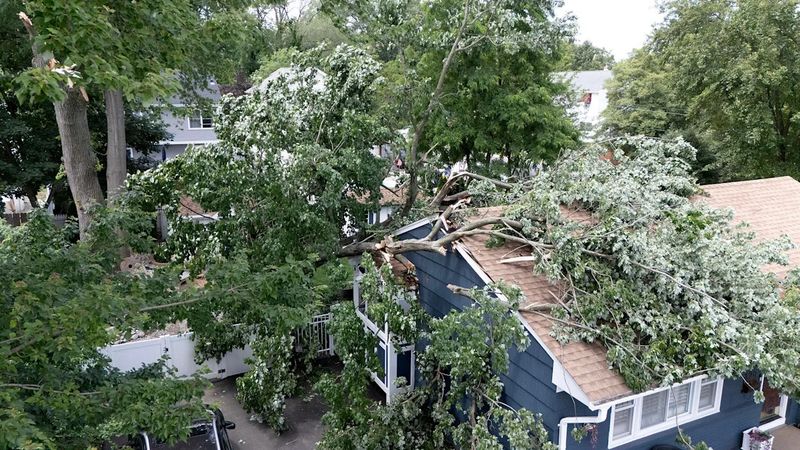
Approaching your neighbor about tree damage requires a delicate balance between protecting your interests and maintaining a positive relationship. Start with a friendly, non-accusatory conversation soon after the storm.
Knock on their door or call them to let them know what happened, and invite them to view the damage with you.
Many neighbors will feel genuinely sorry about the situation and want to help find a solution, even if they’re not legally liable. Keeping emotions in check during these initial discussions prevents conflicts from escalating unnecessarily.
Put your concerns in writing even if your first conversation goes well. Send a polite letter or email describing the damage, including photos, and explaining what steps you’re taking with your insurance company.
This written communication creates a paper trail that could become important later. If you believe your neighbor’s negligence contributed to the damage, you can mention specific concerns about the tree’s condition in a respectful way without making direct accusations.
For example, you might write that you noticed the tree appeared to have significant decay before the storm and you’re documenting all relevant factors for insurance purposes.
Sometimes neighbors become defensive or refuse to acknowledge any responsibility, which complicates the situation significantly. Stay calm and avoid heated arguments that could damage your relationship permanently or create problems if the dispute ends up in court.
If direct communication breaks down, consider suggesting mediation through a neutral third party. Many Virginia communities offer mediation services specifically for neighbor disputes.
Document all communication attempts, including dates, methods, and responses or lack thereof. If your neighbor’s insurance company contacts you, be cautious about giving recorded statements without consulting your own insurer or an attorney first.
Remember that anything you say could be used to minimize their liability and reduce your potential compensation for the damage.
6. Preventing Future Tree Damage Situations
Taking proactive steps to manage trees on your Virginia property reduces the likelihood of future storm damage and liability issues. Schedule regular inspections by certified arborists who can identify potential problems before they become dangerous.
These professionals examine trees for signs of disease, structural weakness, root damage, and other hazards that untrained eyes might miss.
An arborist can recommend treatments, pruning, or removal based on each tree’s condition and location relative to structures and property lines.
Proper tree maintenance throughout the year keeps your landscape healthy and safe. Prune dry or weak branches before storm season arrives, removing potential projectiles that high winds could send flying into homes or vehicles.
Thin dense canopies to allow wind to pass through more easily rather than catching and toppling the entire tree. Water trees during dry periods to maintain their health and structural integrity.
Healthy trees with strong root systems and flexible branches withstand storms much better than stressed or neglected specimens.
Consider the long-term implications when planting new trees on your Virginia property. Choose species appropriate for your region’s climate and soil conditions, and plant them at safe distances from structures, power lines, and property boundaries.
Fast-growing species like Bradford pears might seem attractive initially, but they often develop weak branch structures that fail during storms. Native Virginia species like oaks, maples, and hickories typically develop stronger structures and require less maintenance over time.
Keep records of all tree work performed on your property, including pruning, treatments, and removals. These records demonstrate your responsible property management if questions arise after storm damage occurs.
Talk with your neighbors about trees near property lines that could affect both properties. Sharing inspection costs and coordinating maintenance for boundary trees creates goodwill and reduces risks for everyone.
Being a responsible tree owner protects your property values, keeps your family and neighbors safe, and minimizes potential liability exposure when Virginia’s next big storm rolls through your community.