Who Handles Yard Cleanup When Leaves Fall From A Neighbor’s Tree In Indiana
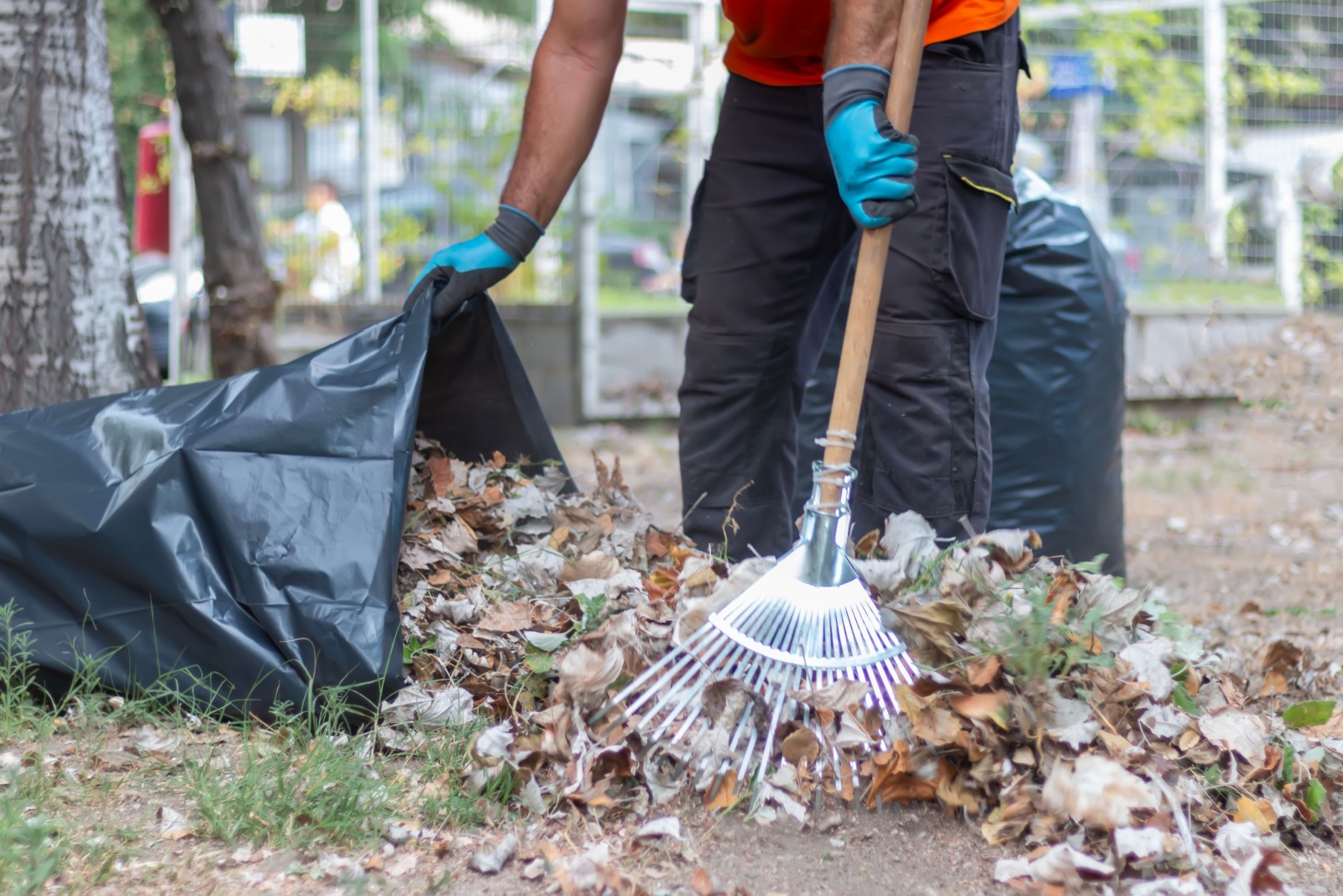
Leaves drifting from a neighbor’s tree into your yard are a familiar autumn scene in Indiana, but they can stick around well past fall — especially when wet, windblown piles hide under snow or freeze to sidewalks.
Many homeowners are left wondering who’s expected to pick up the rake and handle the mess.
With property lines, shared fences, and city ordinances all in play, the answer isn’t always obvious.
Rules about yard debris, local expectations, and legal standards shape how responsibility is assigned.
A casual assumption can strain neighbor relations or even lead to fines if municipal cleanup rules apply.
This guide walks through what applies in Indiana communities so you can act confidently and keep peace next door.
What Indiana Property Law Says About Fallen Leaves
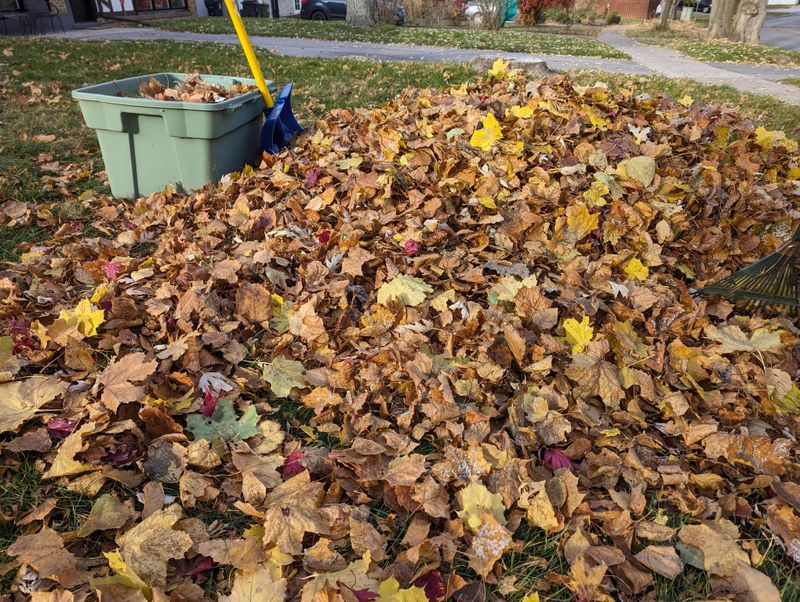
Indiana follows common law principles when it comes to natural debris like leaves falling from trees onto neighboring properties throughout the state’s residential areas.
According to established legal precedent, leaves are considered a natural occurrence, meaning property owners must generally handle cleanup on their own land regardless of origin.
The law treats leaves differently than intentional trespasses or nuisances because trees naturally shed foliage as part of their seasonal cycle each fall period.
Courts in Indiana typically hold that homeowners cannot force neighbors to clean up leaves that naturally fall across property lines from healthy trees nearby.
This principle applies even when large volumes of leaves accumulate from a neighbor’s massive oak, maple, or other deciduous trees overhanging your yard.
Property owners are expected to maintain their own yards, including removing leaves that blow or fall from any source, neighboring or otherwise around them.
Understanding this foundational legal principle helps set realistic expectations about your rights and responsibilities when autumn arrives and leaves begin falling everywhere around you.
Who Is Legally Responsible For Yard Cleanup
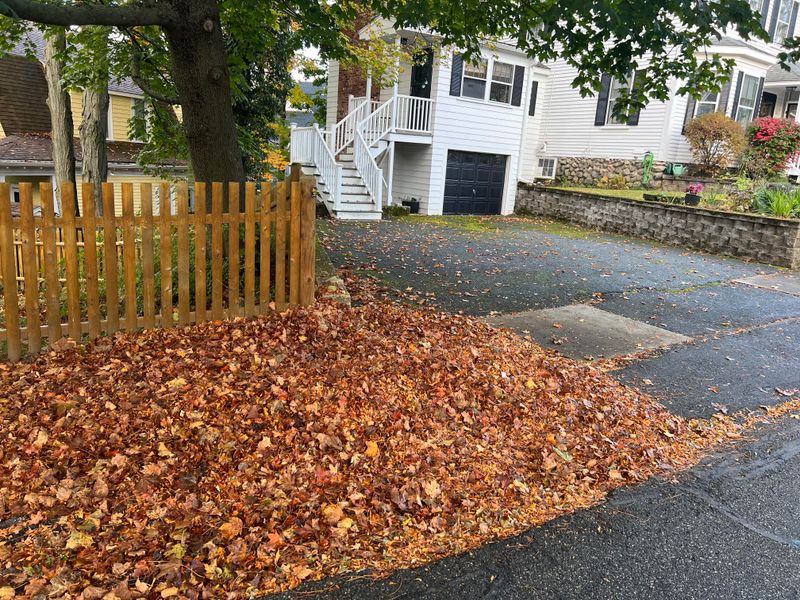
Each property owner in Indiana bears the legal responsibility for maintaining their own yard, which includes removing leaves regardless of where they originally came from.
Your neighbor is not obligated under Indiana law to come onto your property and rake up leaves that fell from their trees during the season.
The reasoning behind this rule stems from the principle that natural events like leaf fall are not considered actionable nuisances under traditional property law.
Even if your neighbor’s massive tree drops thousands of leaves onto your lawn every October, you remain responsible for the cleanup on your side.
This can feel frustrating, especially when you maintain a tidy yard but constantly deal with debris from trees you did not plant or want there.
However, Indiana courts have consistently upheld this standard, viewing leaf fall as part of normal property ownership rather than a legal violation or trespass issue.
Homeowners cannot sue neighbors simply for leaves falling naturally, as this would create an unreasonable burden on tree owners throughout the entire state’s communities.
How Property Lines Affect Tree Leaf Responsibility
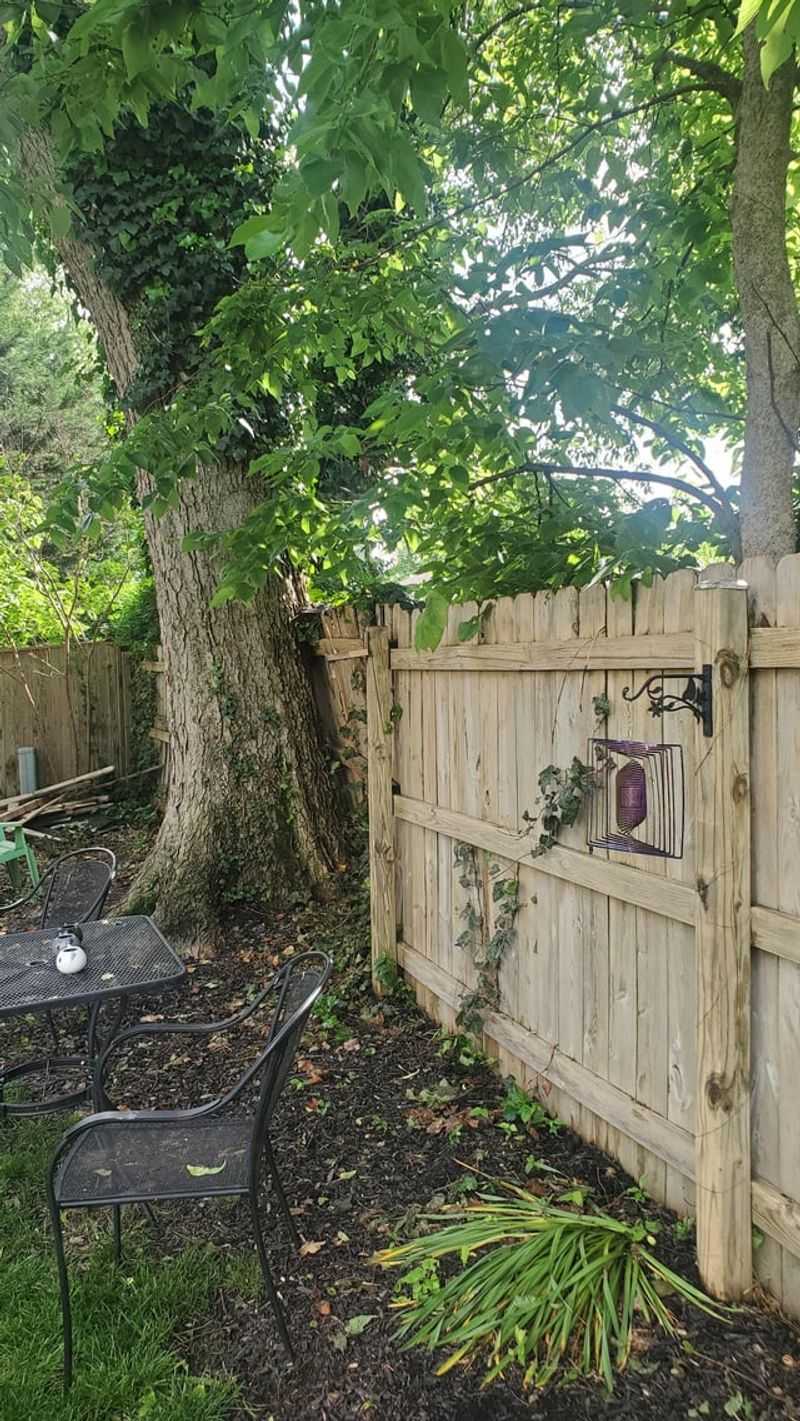
Property lines play a crucial role in determining maintenance responsibilities, but they do not change the basic rule about leaf cleanup in Indiana residential areas.
If a tree sits entirely on your neighbor’s property, they own the tree, but you still must clean leaves that fall onto your side.
Boundary trees that straddle the property line are considered jointly owned, meaning both neighbors share responsibility for the tree’s maintenance and care decisions together.
However, even with shared tree ownership, each homeowner must still handle leaf cleanup on their respective side of the property line each autumn season.
The location of the tree trunk determines ownership, and if it crosses the boundary, both parties have equal rights and responsibilities regarding that tree.
Neither neighbor can remove or significantly trim a boundary tree without the other’s consent, as both hold legal ownership under Indiana property law standards.
Understanding where your property line sits and which trees belong to whom helps clarify your rights, though it does not eliminate your cleanup duties.
When Leaves From A Neighbor’s Tree Become A Legal Issue
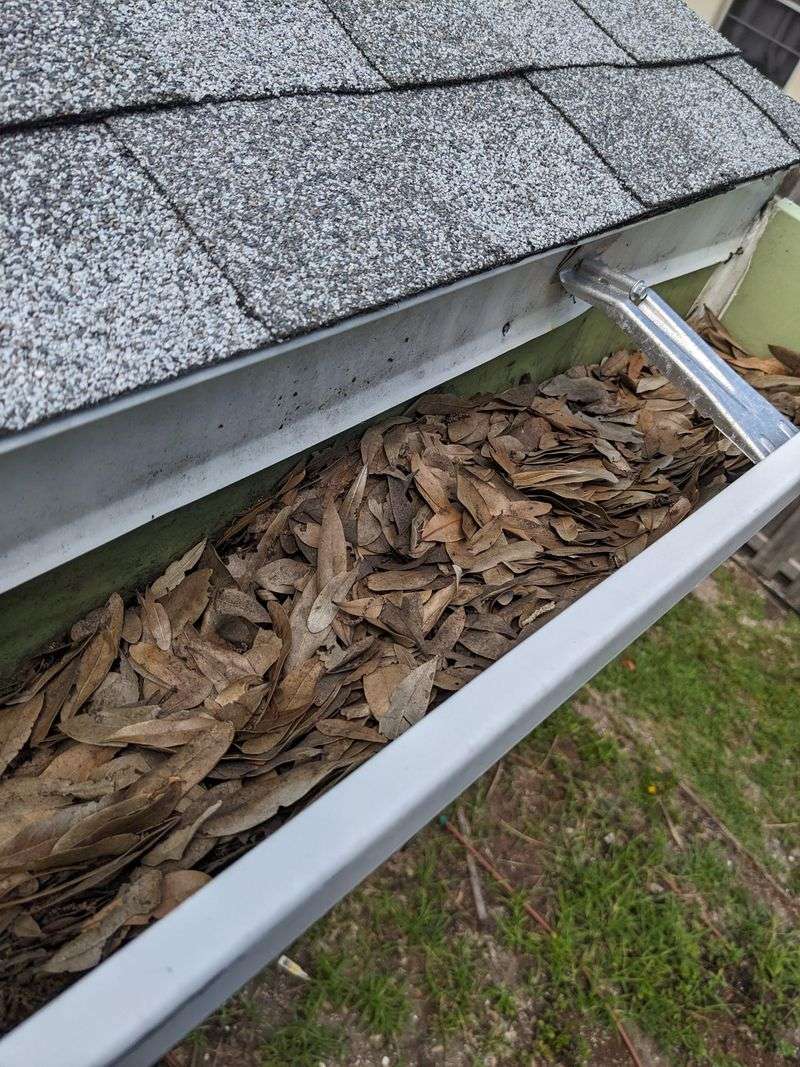
Fallen leaves typically do not create legal issues, but certain situations can transform a simple nuisance into a legitimate claim under Indiana property law today.
If accumulating leaves cause actual property damage, such as clogged gutters leading to water damage or foundation problems, you may have legal grounds for action.
Similarly, if overhanging branches from a neighbor’s tree actively deposit excessive debris that causes measurable harm, the situation might warrant legal intervention or discussion.
Documenting the damage with photographs, repair estimates, and expert opinions strengthens your position if you need to pursue a claim or negotiate with neighbors.
Indiana law recognizes that while leaves themselves are natural, the consequences of neglecting a hazardous or poorly maintained tree can create liability for owners.
If a neighbor refuses to trim dangerous branches that overhang your property and cause repeated, significant problems, you may have recourse through local ordinances.
Consulting with a property attorney helps determine when leaf-related issues cross the line from minor annoyance into actionable legal matters worth pursuing through courts.
What Homeowners Can And Cannot Do Under Indiana Law
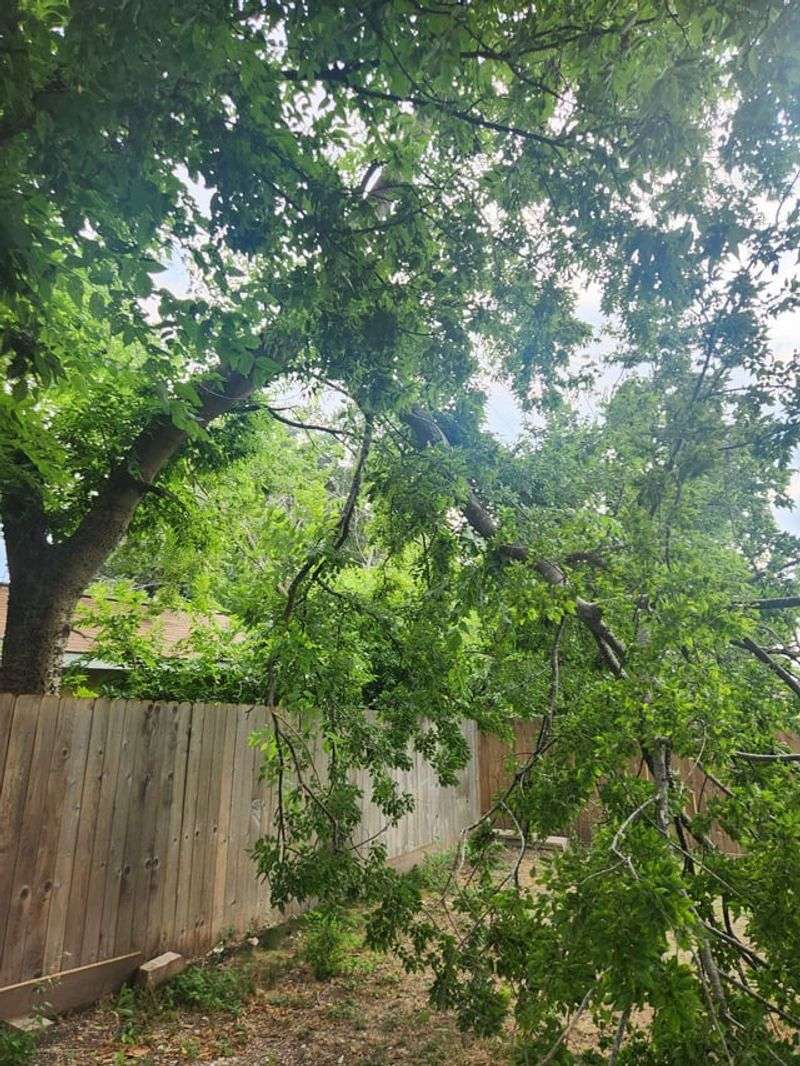
Indiana homeowners have specific rights regarding overhanging branches, but these rights come with important limitations that must be respected to avoid legal trouble ahead.
You may trim branches that extend over your property line, but only up to the boundary and only if doing so does not harm the tree’s overall health or stability significantly.
Any trimming must be done carefully and reasonably, as causing damage to a neighbor’s tree through improper cutting can result in liability for replacement costs.
You cannot enter your neighbor’s property to trim branches or remove leaves without permission, as that would constitute trespassing under Indiana law and local ordinances.
Additionally, you cannot demand that your neighbor remove a healthy tree simply because it drops leaves onto your yard during the fall season each year.
If the tree poses a genuine safety hazard, such as damaged limbs at risk of falling, you may request removal or trimming through proper channels.
Local ordinances sometimes provide additional guidelines, so checking with your municipality helps clarify what actions you can legally take regarding bothersome trees and leaves.
Are Tree Owners Ever Liable For Fallen Leaves
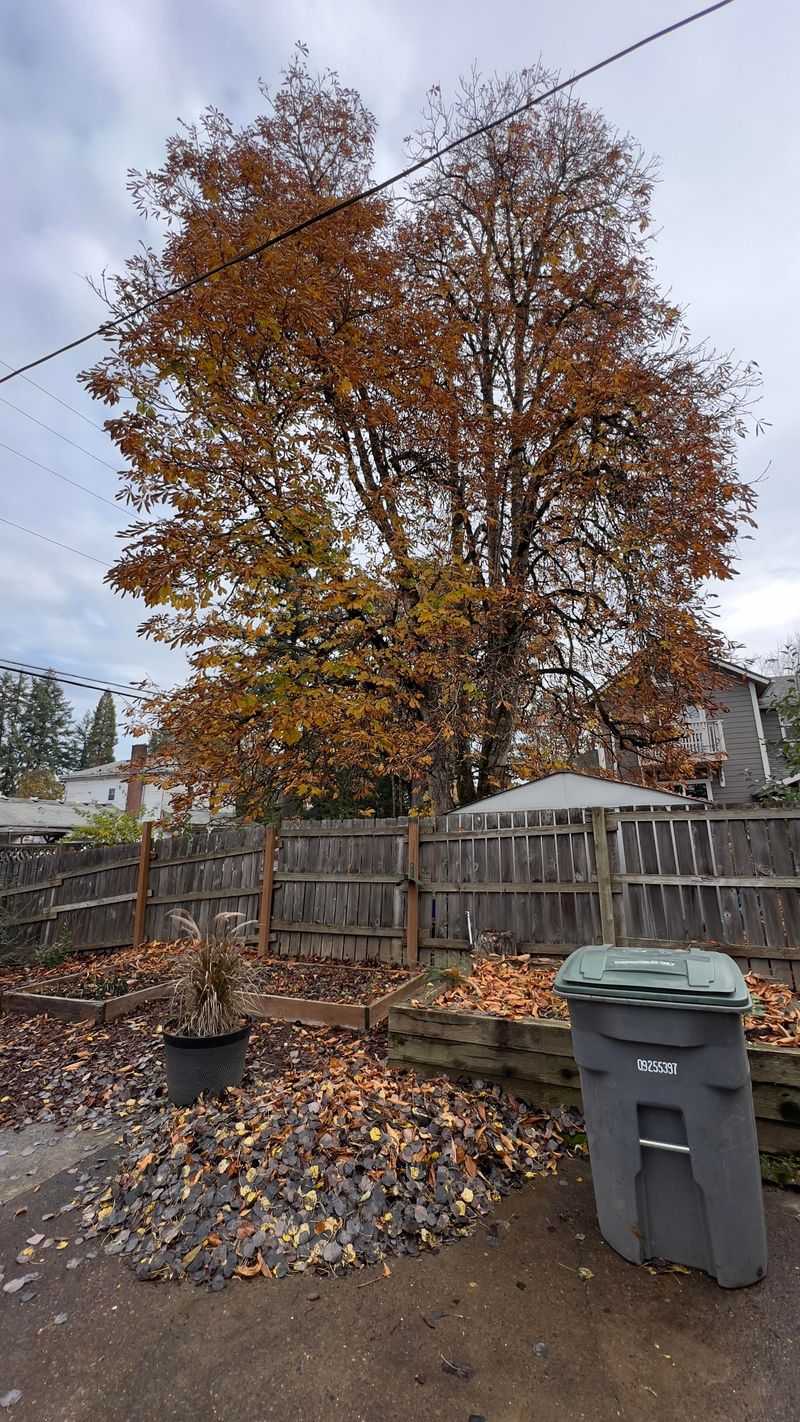
Tree owners in Indiana generally are not liable for leaves that naturally fall from healthy trees, as this is considered a normal part of property ownership.
However, liability can arise when a tree owner neglects a diseased, damaged, or hazardous tree that causes foreseeable harm to neighboring properties or residents.
If a tree owner knows about a dangerous condition, such as rotting branches or disease, and fails to address it, they may be held responsible.
When neglect leads to property damage, such as branches breaking and damaging a roof or excessive debris clogging drainage systems, liability may follow legal action.
Indiana courts evaluate these situations based on reasonableness, asking what a prudent property owner would do to maintain trees and prevent foreseeable harm to others.
Simply having a large tree that drops many leaves does not create liability, but ignoring obvious hazards or failing to maintain trees properly can.
Homeowners should regularly inspect their trees, address visible problems, and respond to reasonable neighbor concerns to minimize potential liability and maintain positive community relationships.
Practical Ways To Handle Leaf Issues With A Neighbor
Open, friendly communication often resolves leaf disputes far more effectively than legal action, saving time, money, and neighborly relationships in Indiana communities everywhere today.
Start by having a calm conversation with your neighbor, explaining your concerns without accusations or demands that might escalate tensions unnecessarily between you both.
Suggest practical solutions, such as sharing the cost of professional tree trimming or working together on seasonal cleanup efforts that benefit both properties equally.
Many neighbors are willing to help or compromise once they understand the impact their trees have on your property and daily maintenance routines each season.
If direct conversation feels uncomfortable, consider sending a polite letter outlining your concerns and proposing reasonable solutions that respect both parties’ rights and responsibilities.
Mediation services, sometimes offered through local community centers or homeowner associations, provide neutral ground for resolving disputes before they escalate into costly legal battles.
Maintaining a respectful, solution-focused approach preserves neighborhood harmony while addressing legitimate concerns about excessive leaves, overhanging branches, or maintenance issues affecting your property and home.
How Local Ordinances And HOA Rules Can Change The Answer
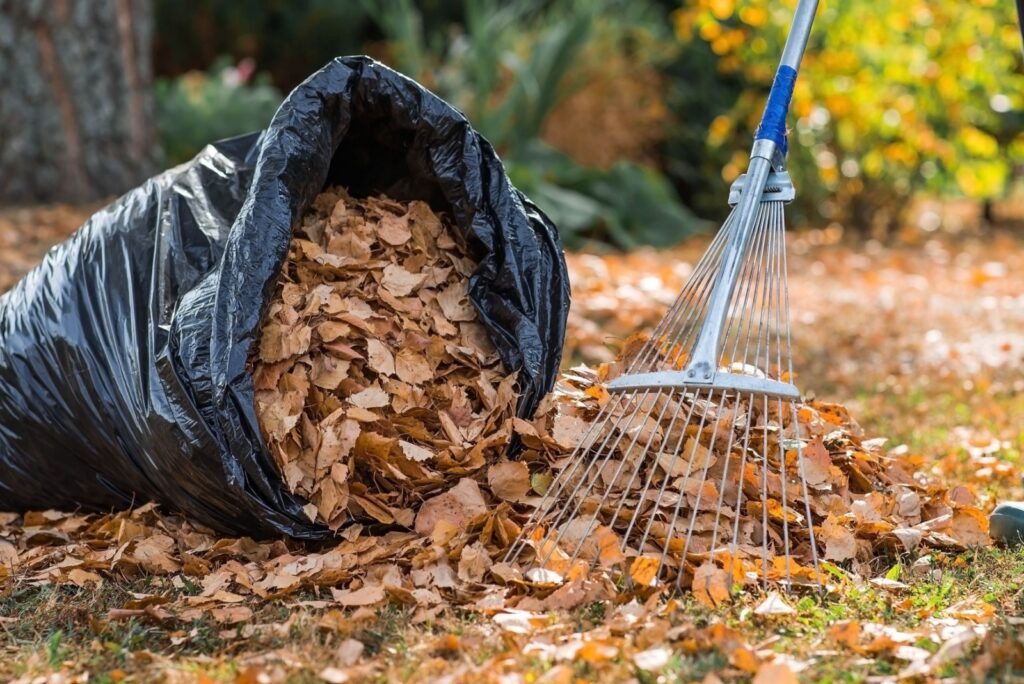
While Indiana state law sets the general standard for leaf responsibility, local ordinances and homeowner association rules can add extra requirements that homeowners must follow.
Some cities and towns have yard maintenance codes that regulate how long leaves can remain on lawns, sidewalks, or storm drains, regardless of where they came from.
Failure to remove accumulated leaves may result in warnings, fines, or city-arranged cleanup billed to the property owner if local rules are violated.
Homeowner associations may impose stricter standards, requiring timely leaf removal to maintain neighborhood appearance and prevent safety issues.
In these cases, responsibility still typically falls on the property owner where the leaves land, not the tree owner, even under HOA enforcement.
Checking city codes or HOA bylaws helps homeowners avoid penalties and understand expectations beyond state property law.
Being proactive about leaf removal ensures compliance with local regulations while preventing minor issues from turning into formal complaints or fines.