Who Has Responsibility When A Neighbors Tree Falls Into Your Yard In Connecticut
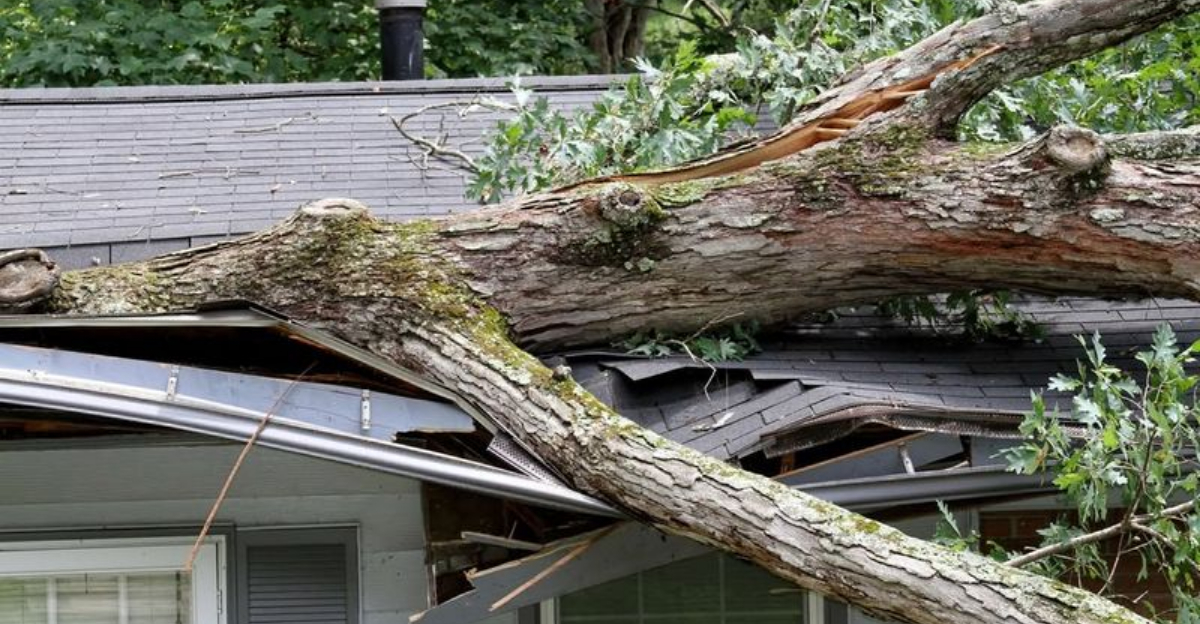
In Connecticut, a fallen tree can turn a calm day upside down in seconds.
One loud crack, one heavy thud, and suddenly a quiet yard becomes a legal gray zone.
Homeowners scan the damage, check the sky, and glance toward the neighbor’s fence with questions swirling fast.
Storms, age, and hidden decay all play a role, yet responsibility does not always land where people expect.
Insurance policies, property lines, and state law each pull their own weight in the outcome.
What feels obvious at first glance often misses key details that matter later.
When branches cross boundaries, clarity becomes the strongest tool in the shed.
1. Your Own Insurance Usually Covers The Damage First
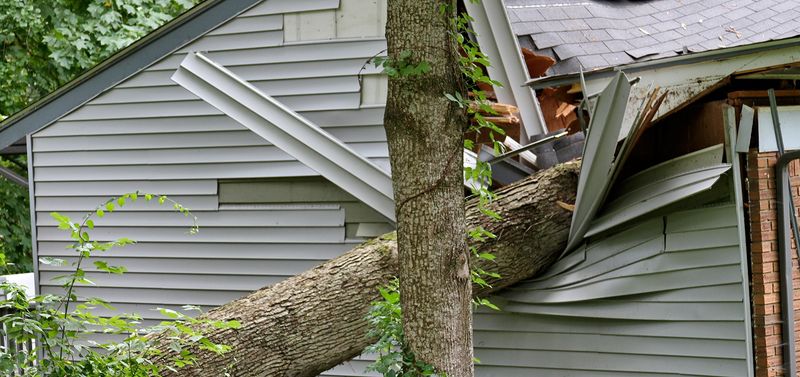
Most homeowners discover that their own property insurance takes care of damage when a neighbor’s tree falls on their land.
Your policy typically covers the cost of removing the tree and repairing any structures it harmed, like your fence, shed, or house.
This applies even though the tree came from next door.
Insurance companies treat fallen trees as sudden events, similar to hail or wind damage.
You file a claim with your insurer, pay your deductible, and they handle the rest.
This system works faster than trying to get money from your neighbor’s insurance first.
Your insurance company might later seek reimbursement from your neighbor if they were at fault, but that happens behind the scenes.
Keep detailed photos of all damage and save receipts for any emergency repairs you make.
Contact your insurance agent within a few days of the incident to start the claims process.
They will send an adjuster to assess the situation and determine coverage amounts.
Remember that your rates might not increase if the damage resulted from a storm or act of nature beyond anyone’s control.
2. Neighbor’s Responsibility Depends On Tree Condition Before Falling
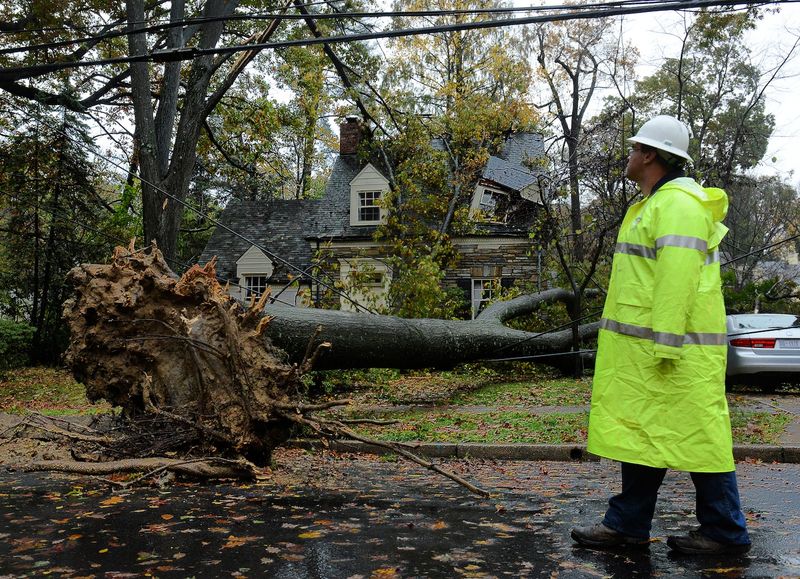
Connecticut law holds your neighbor responsible only if they knew or should have known their tree posed a danger before it fell.
A rotten trunk, large cracks, or visible disease are warning signs that property owners must address.
If your neighbor ignored these obvious problems and the tree later crashed into your yard, they may owe you compensation.
Proving negligence requires evidence that the tree showed clear signs of trouble.
Photos from before the incident, testimony from tree experts, or records of previous complaints help build your case.
On the other hand, healthy trees that fall during storms usually don’t create liability for the owner.
Nature can be unpredictable, and Connecticut courts recognize that even well-maintained trees sometimes topple in severe weather.
Your neighbor is not automatically at fault just because their tree landed on your property.
Document the tree’s condition immediately after it falls.
An arborist can examine the trunk and roots to determine if disease or rot existed beforehand.
This professional assessment becomes crucial if you decide to pursue compensation from your neighbor.
3. Act Of God Events Change Who Pays
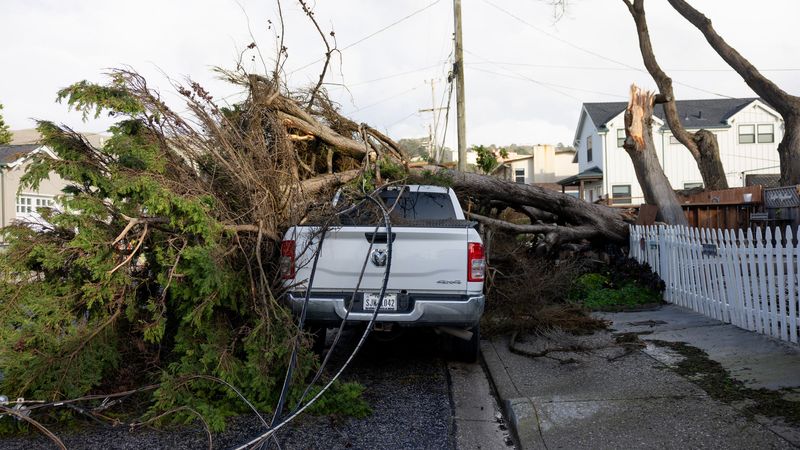
Hurricanes, tornadoes, lightning strikes, and other extreme weather events fall into a legal category called acts of God.
When these natural forces cause a tree to fall, Connecticut law typically does not hold the tree owner responsible for damage to neighboring property.
The reasoning is simple: no one can control or prevent these powerful natural events.
Even if your neighbor’s perfectly healthy tree crashes through your garage during a hurricane, they probably won’t have to pay.
Each property owner relies on their own insurance to cover storm damage.
Courts across Connecticut consistently rule that acts of God eliminate liability for tree damage.
However, this protection disappears if the tree already had problems before the storm.
A weakened tree that finally falls during moderate winds might still create liability if your neighbor knew about the weakness.
Weather reports and news coverage can help establish that an extreme event occurred.
Save copies of storm warnings, wind speed data, and local news stories about the weather conditions.
This documentation supports your insurance claim and explains why the damage happened.
4. Property Line Location Matters For Responsibility
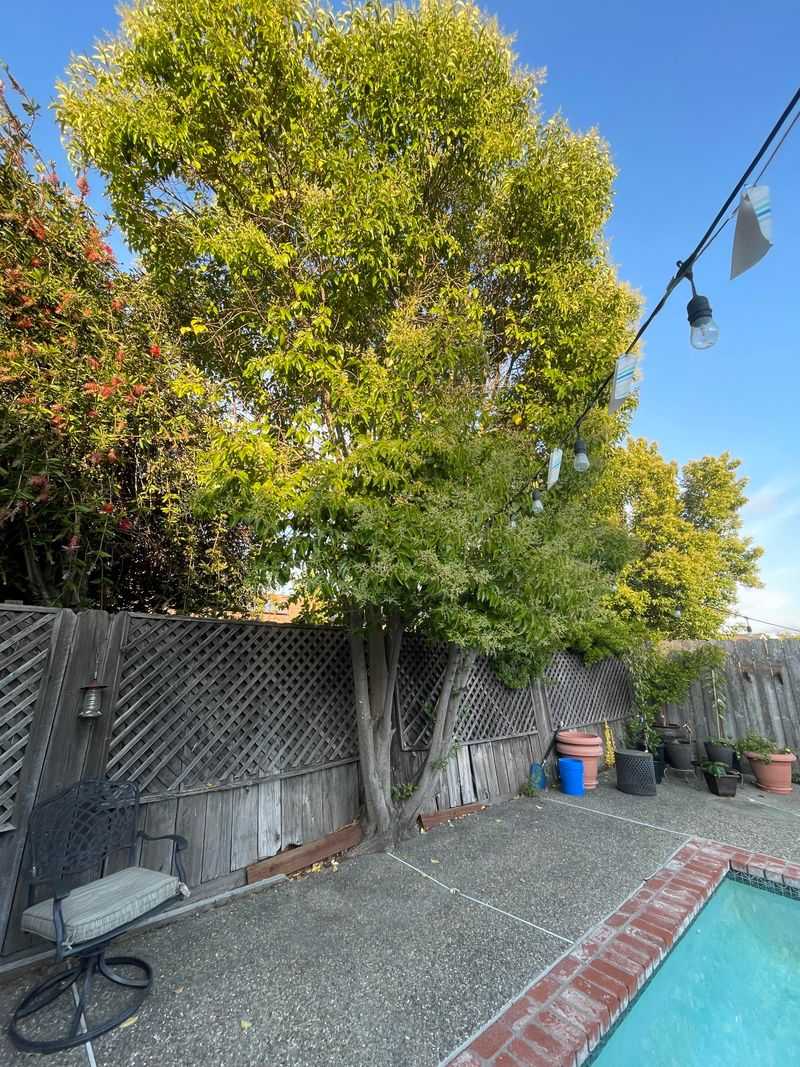
Trees growing directly on the property line between your yard and your neighbor’s belong to both of you equally under Connecticut law.
This shared ownership means you both have rights and responsibilities for the tree’s care and any damage it causes.
If a boundary tree falls, you and your neighbor typically split the costs of removal and cleanup.
Neither person can remove or trim a boundary tree without the other’s permission.
Disputes about these shared trees sometimes require legal help to resolve.
Determining exact property lines often needs a professional survey, especially if old fences or markers have moved over time.
Many neighbors avoid expensive surveys by agreeing informally about tree ownership and maintenance.
Written agreements prevent misunderstandings later when problems arise.
If you suspect a tree sits on the boundary, check your property deed or previous survey documents.
These records show the precise location of your property lines.
Some homeowners discover that trees they assumed belonged entirely to their neighbor actually straddle the boundary.
This changes both the maintenance responsibilities and liability for any damage the tree causes.
5. Removal Costs And Cleanup Obligations
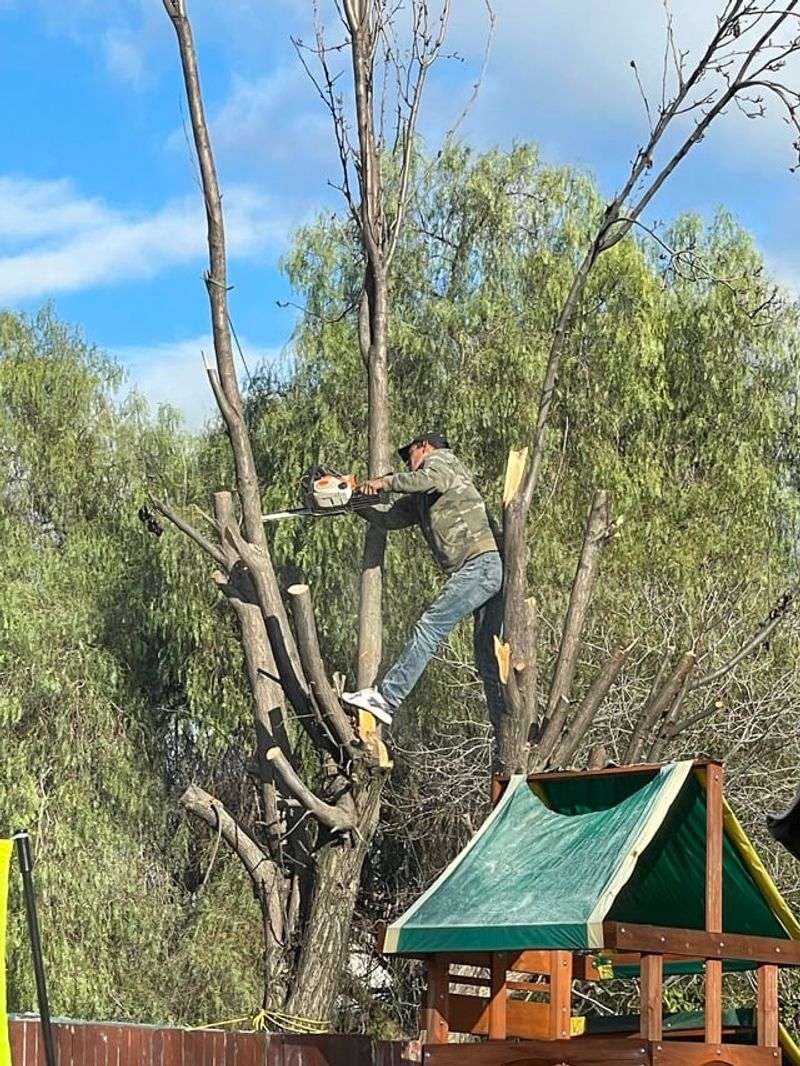
Once a neighbor’s tree lands in your yard, someone needs to remove it quickly to prevent further damage and safety hazards.
In most cases, you handle the removal even though the tree came from next door.
Your homeowner’s insurance often covers removal costs up to a certain limit, typically between one thousand and five thousand dollars.
Check your policy to understand your specific coverage.
If the tree didn’t damage any structures and just lies on your lawn, insurance might not pay for removal.
You may need to hire a tree service at your own expense.
Some homeowners negotiate with neighbors to split removal costs, especially if the situation seems unfair.
Professional tree removal companies charge based on the tree’s size, location, and how difficult the job will be.
Get multiple quotes before hiring anyone.
Emergency removal during storms costs more than routine work.
If the fallen tree blocks your driveway or threatens your home, document this urgency for your insurance company.
They may approve emergency services even before an adjuster visits.
Save all receipts and contracts from tree removal companies for your insurance claim.
6. Prior Warnings And Documentation Strengthen Your Case
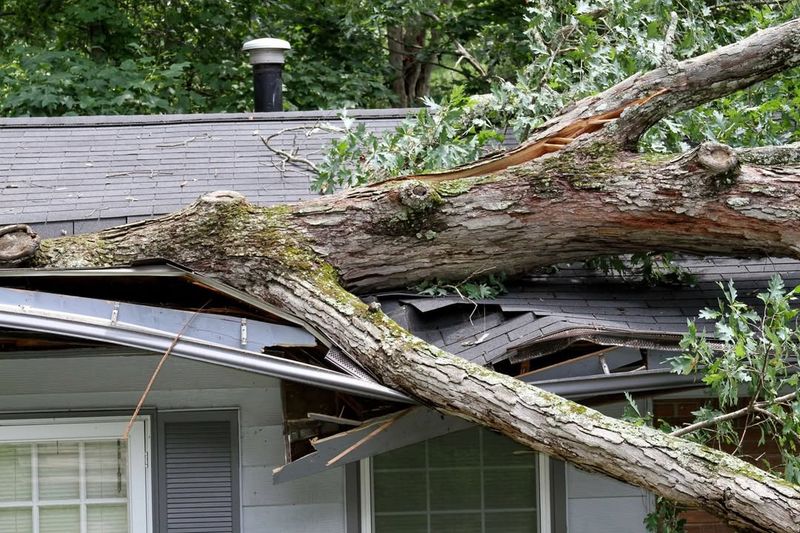
Building a strong case against a negligent neighbor requires solid evidence that you warned them about the dangerous tree.
Emails, text messages, letters, or even conversations witnessed by others can prove you raised concerns before the tree fell.
Connecticut courts give significant weight to prior warnings when determining liability.
If you ever worry about a neighbor’s tree, put your concerns in writing and keep copies.
Describe specific problems like leaning trunks, hanging branches, or visible decay.
Include dates and photos whenever possible.
Some homeowners send certified letters to create official proof that the neighbor received the warning.
This extra step costs a few dollars but provides valuable documentation later.
Even without formal warnings, other evidence can demonstrate the tree’s dangerous condition.
Statements from neighbors who noticed the problem, reports from previous storms, or town records about the tree all help your case.
Professional arborist reports carry the most weight because experts can identify disease, structural problems, and hazards that regular people might miss.
After any tree falls, photograph everything immediately from multiple angles.
These images preserve evidence of the tree’s condition and the damage it caused.
7. When Legal Action Makes Sense
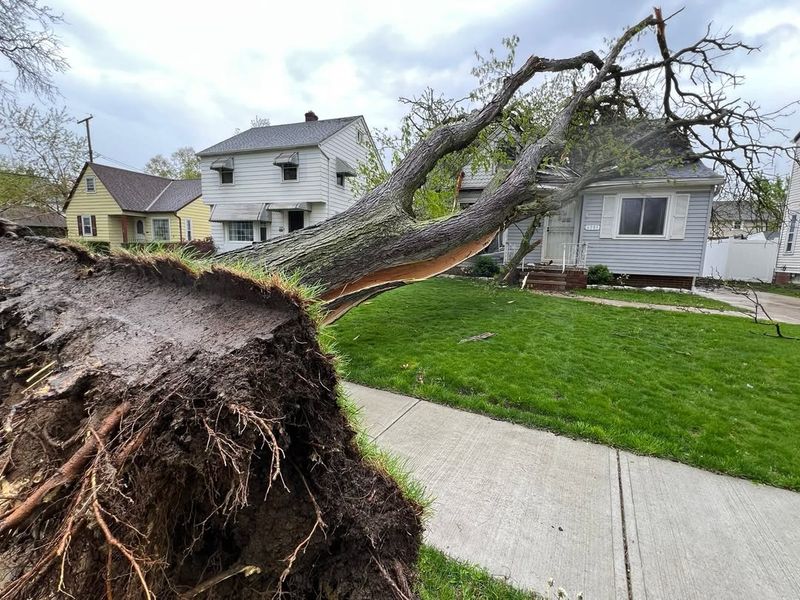
Most tree damage situations resolve through insurance claims without needing lawyers or lawsuits.
However, some circumstances justify taking legal action against your neighbor.
If your neighbor knew their tree was dangerous, ignored your warnings, and caused significant damage to your property, you might recover costs through small claims court or a civil lawsuit.
Connecticut small claims court handles disputes up to five thousand dollars, making it perfect for minor tree damage cases.
The process is relatively simple and doesn’t require an attorney.
For damage exceeding five thousand dollars, you’ll need to file in regular civil court.
Consider hiring a property damage attorney for these larger cases.
Before suing, calculate whether the potential recovery justifies the time, stress, and legal fees involved.
Sometimes accepting your insurance payout makes more sense than pursuing your neighbor.
Many attorneys offer free consultations where they review your evidence and advise whether you have a strong case.
Bring all documentation, photos, estimates, and correspondence to this meeting.
Mediation provides another option for resolving tree damage disputes without going to court.
A neutral mediator helps you and your neighbor reach a fair agreement.