Who Has Responsibility When A Neighbors Tree Falls Into Your Yard In Rhode Island
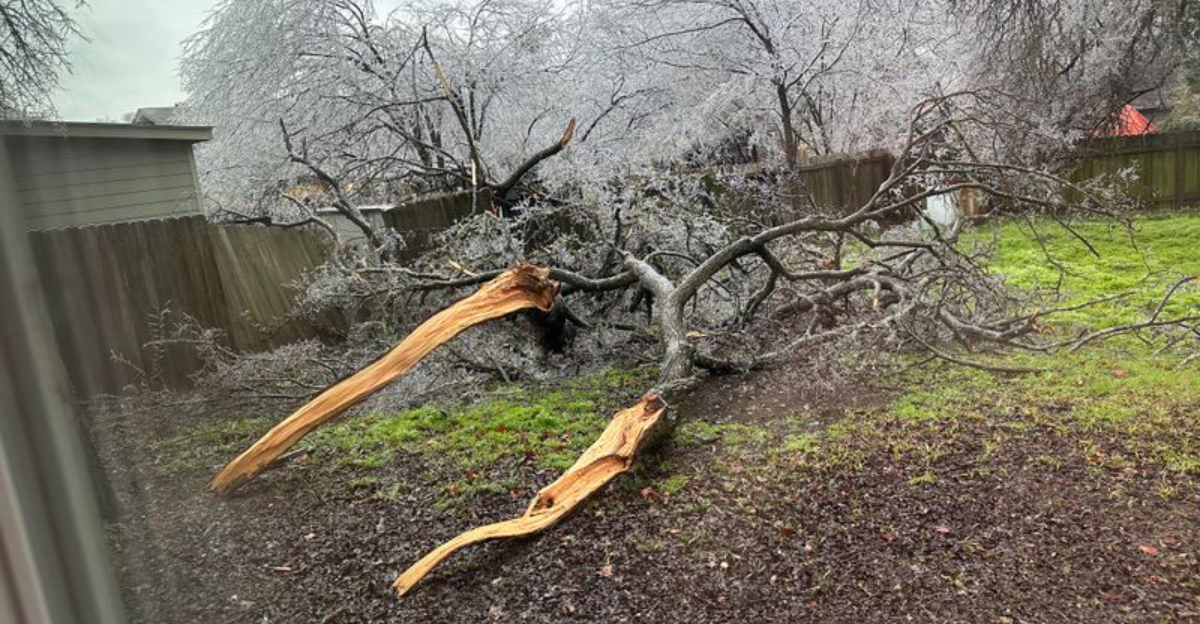
A sudden crash shatters a quiet Rhode Island afternoon.
A neighbor’s tree sprawls across your yard, branches tangled, fence bent, nerves frayed.
Shock fades, questions rush in. Who pays, who cleans up, and who answers for the damage?
Coastal winds, wet snow, and old roots test property lines every year, yet responsibility rarely feels clear.
State law draws lines that surprise many homeowners, and assumptions often miss the mark.
Act too fast, and costs climb. Wait too long, and problems spread.
Calm facts matter more than guesswork.
Expect clarity on storms, neglect, and notice, plus guidance that keeps peace with neighbors intact.
When nature throws a curveball, knowledge steadies the hand and turns chaos into a plan that makes sense for everyone involved today.
Understanding Rhode Island Property Line Laws
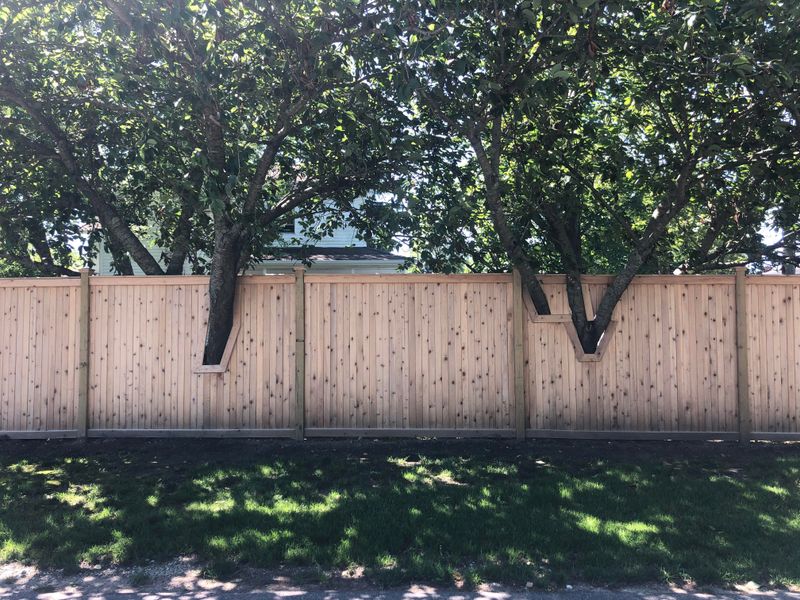
Property boundaries matter tremendously when a tree falls across the line between two yards in Rhode Island.
State law generally follows the principle that property owners are responsible for what happens on their own land.
However, trees growing right on the boundary line create a shared ownership situation that complicates matters.
If the trunk sits entirely on your neighbor’s side, the tree belongs to them, even if branches hang over your property.
When the trunk straddles the property line, both neighbors technically own the tree together.
Rhode Island courts have ruled that boundary trees require agreement from both parties before removal or major trimming.
Knowing exactly where your property line runs becomes essential before assigning blame or responsibility.
Getting a professional survey done can prevent disputes and provide clear documentation if legal issues arise later.
Many homeowners in Rhode Island discover their assumptions about property lines were wrong when tree damage occurs.
Taking time to understand these boundaries protects you from unnecessary expenses and neighborhood conflicts.
Always check your property deed and local records before making claims about tree ownership or responsibility for damage.
Acts Of Nature Versus Negligence Situations
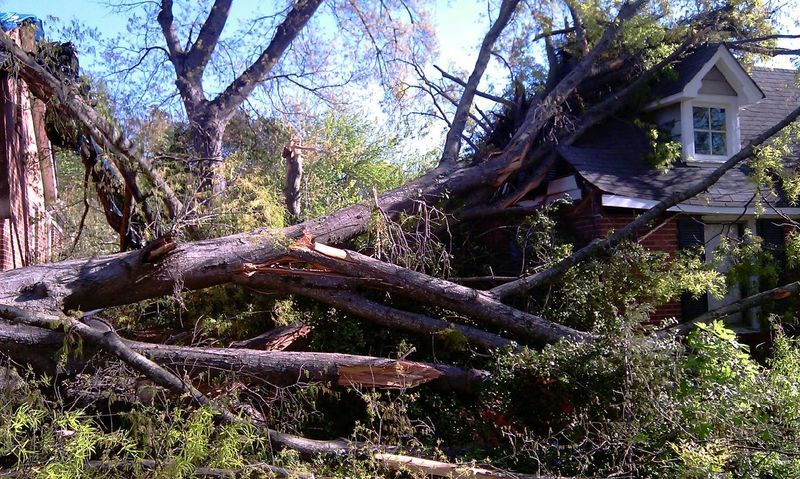
Weather events like hurricanes, ice storms, and high winds frequently cause trees to topple in Rhode Island.
When nature alone causes a healthy tree to fall, the situation typically falls under what lawyers call an “act of God.”
In these cases, each property owner usually handles damage on their own side of the fence.
Your insurance covers your property, and your neighbor’s insurance covers theirs, regardless of where the tree originally stood.
Negligence changes everything about who pays for the cleanup and repairs.
If your neighbor ignored a visibly rotting tree or refused to remove a clearly dangerous one, they might be liable for all resulting damage.
Rhode Island law requires property owners to maintain their trees in reasonably safe condition.
Documenting concerns before a tree falls becomes crucial evidence if you later need to prove negligence.
Sending a certified letter to your neighbor about a dangerous tree creates a paper trail showing they had warning.
Courts in Rhode Island have sided with property owners who can demonstrate their neighbor knew about the hazard but failed to act.
The distinction between unavoidable accidents and preventable negligence determines financial responsibility in most tree damage cases.
Your Homeowner’s Insurance Coverage Explained
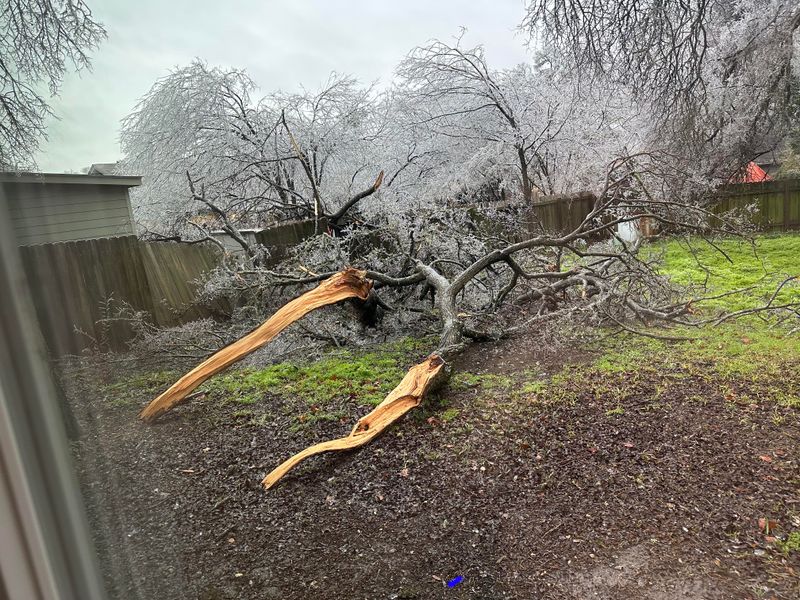
Most homeowner’s insurance policies in Rhode Island cover tree damage as part of standard protection.
Your policy typically pays for removing the fallen tree and repairing structures it damaged on your property.
Coverage usually extends to your house, garage, shed, fence, and sometimes even landscaping up to certain limits.
Reading your specific policy reveals exactly what’s included and what dollar amounts apply to tree-related incidents.
Deductibles still apply, meaning you’ll pay the first portion of costs before insurance kicks in.
If a neighbor’s tree falls on your property due to a storm, your insurance generally handles it without going after your neighbor.
This approach, called “no-fault” coverage, simplifies claims and speeds up repairs after natural disasters.
However, if you can prove your neighbor’s negligence caused the tree to fall, your insurance company might pursue them for reimbursement through a process called subrogation.
Some Rhode Island homeowners skip filing claims for minor tree damage to avoid premium increases.
Calculating whether filing makes financial sense depends on your deductible amount and the total repair costs.
Always document the damage thoroughly with photos and written descriptions before cleanup begins for insurance purposes.
Documenting Damage For Legal Protection
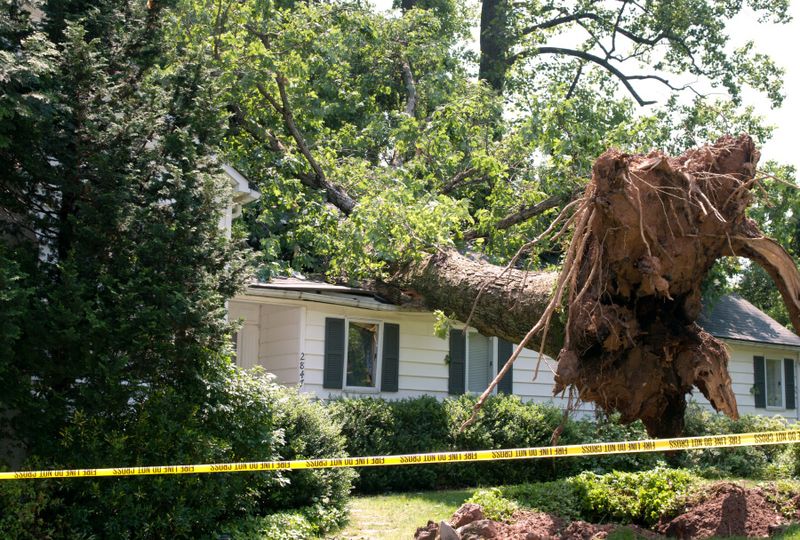
Grabbing your phone to photograph everything before touching the fallen tree protects your interests in Rhode Island.
Clear images from multiple angles show the tree’s condition, where it fell, and what it damaged on your property.
Include close-up shots of any rot, disease, or structural problems that might indicate the tree was already compromised.
Time-stamped photos provide undeniable proof of when the incident occurred and the extent of initial damage.
Writing detailed notes about weather conditions, when you discovered the damage, and any conversations with neighbors supplements your photographic evidence.
If possible, photograph the tree’s stump or root system on your neighbor’s property to document its origin and condition.
Witnesses who saw the tree fall or can testify about its poor condition beforehand strengthen your position considerably.
Getting written statements from these witnesses while memories remain fresh proves valuable if disputes arise later.
Save all receipts for emergency services, temporary repairs, and cleanup costs related to the fallen tree.
Rhode Island courts rely heavily on documentation when determining responsibility in property damage cases.
The more evidence you collect immediately after the incident, the better protected you’ll be financially and legally throughout the resolution process.
Communicating With Your Neighbor Effectively
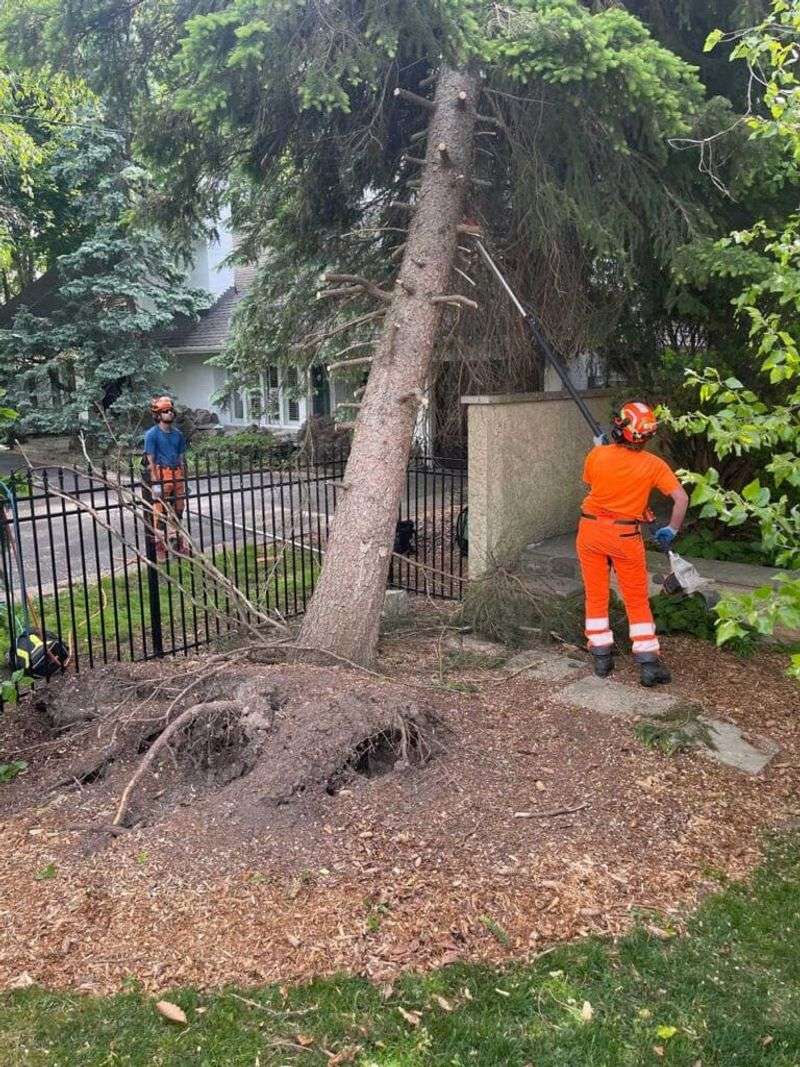
Approaching your neighbor calmly about the fallen tree often resolves the situation faster than any legal action in Rhode Island.
Starting with a friendly conversation shows respect and gives both parties a chance to work together toward a solution.
Many neighbors willingly help with cleanup or share costs when approached reasonably, especially if the tree fell during a major storm.
Explaining how the tree damaged your property without assigning blame keeps the discussion productive and neighborly.
If your neighbor seems defensive or unwilling to cooperate, shifting to written communication creates a documented record.
Sending a polite letter via certified mail with return receipt proves they received your concerns and requests.
This documentation becomes important if you later need to demonstrate you attempted reasonable resolution before involving lawyers or courts.
Avoid making threats or accusations during initial conversations, as these often escalate tensions unnecessarily.
Sometimes neighbors genuinely don’t understand Rhode Island laws about tree responsibility and simply need information.
Offering to share the costs, even when you’re not legally required to, can preserve good relationships and avoid expensive legal battles.
Remember that maintaining peaceful neighbor relations often matters more in the long run than winning every dispute about property boundaries.
When To Involve Legal Professionals

Significant property damage or an uncooperative neighbor sometimes makes hiring a lawyer necessary in Rhode Island.
If the fallen tree caused thousands of dollars in damage and your neighbor refuses responsibility despite clear negligence, legal advice becomes worthwhile.
Attorneys specializing in property law understand Rhode Island’s specific statutes and can evaluate whether you have a strong case.
Many lawyers offer free initial consultations where you can explain the situation and learn about your options without financial commitment.
Before hiring someone, gather all your documentation, photos, repair estimates, and communication records to make the consultation productive.
Legal action might include filing a claim in small claims court for damages under a certain amount or pursuing a larger lawsuit for major destruction.
Rhode Island’s small claims court handles disputes up to specific dollar limits and offers a simpler, less expensive process than superior court.
Sometimes just having a lawyer send a formal demand letter motivates an unresponsive neighbor to negotiate seriously.
Mediation services provide another option where a neutral third party helps neighbors reach agreement without going to court.
Weighing the potential recovery amount against legal fees and time investment helps you decide if pursuing legal action makes practical sense.
Legal professionals can also advise whether your homeowner’s insurance should handle the entire matter through their claims process instead.
Prevention And Future Protection Strategies
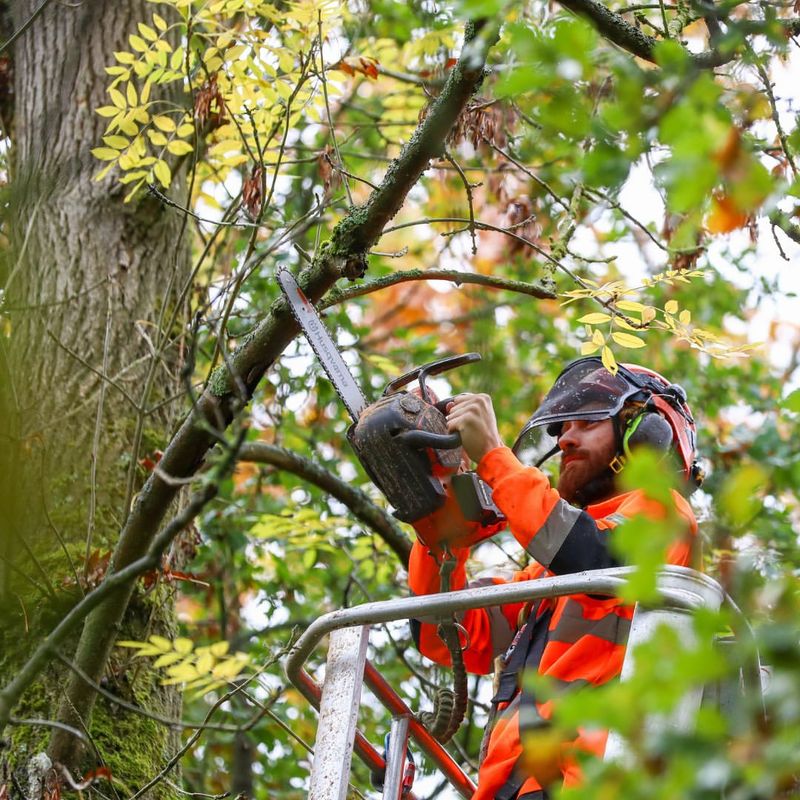
Regular tree inspections by certified arborists prevent many falling tree disasters before they happen in Rhode Island.
Having professionals evaluate trees near property lines every few years identifies potential hazards while you can still address them safely.
Arborists spot signs of disease, structural weakness, and root problems that homeowners typically miss until it’s too late.
Trimming dead branches and removing unstable trees costs money upfront but saves thousands in potential damage and liability later.
Rhode Island’s weather patterns, including nor’easters and occasional hurricanes, make proactive tree maintenance especially important for homeowners.
Documenting your tree maintenance efforts with receipts and inspection reports protects you if a neighbor later claims you were negligent.
If you’re concerned about a neighbor’s tree threatening your property, politely sharing your arborist’s assessment might prompt them to take action.
Planting new trees far enough from property lines and structures reduces future risks and avoids boundary disputes with neighbors.
Understanding which tree species grow well in Rhode Island’s climate and which tend to become problems helps you make smart landscaping choices.
Some homeowners add specific tree damage coverage or increase liability limits on their insurance policies for extra protection.
Taking preventive steps now saves stress, money, and neighborhood relationships when the next big storm hits Rhode Island.