Who Holds Responsibility When A Neighbor’s Tree Falls Into Your Yard In Michigan?
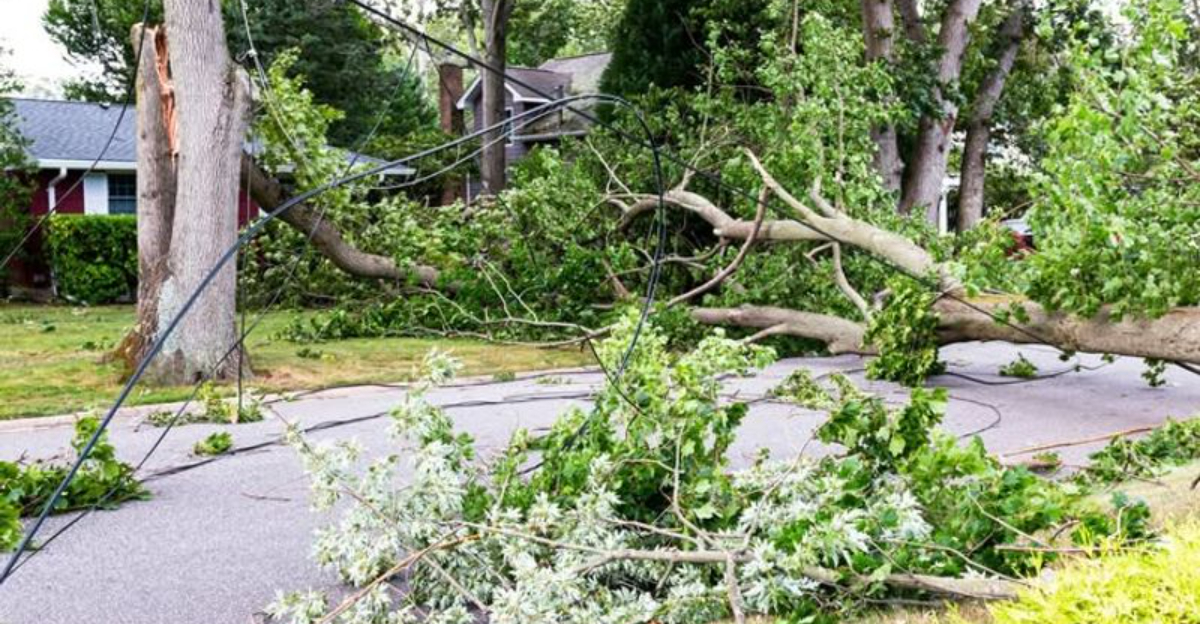
A fallen tree can turn a quiet Michigan afternoon upside down in a heartbeat.
One strong storm rolls through, and suddenly a neighbor’s tree is sprawled across your yard, crushing fences, blocking driveways, or damaging roofs.
Along with the mess comes confusion, and tensions can rise faster than sap in spring.
Michigan’s mix of heavy snow, ice, and strong winds makes tree falls more common than many homeowners expect.
Mature trees line older neighborhoods, and when the ground softens or branches weaken, gravity takes over.
The real challenge often starts after the tree hits the ground.
Cleanup costs, repairs, and insurance calls can quickly muddy the waters.
Responsibility is not always as clear cut as people assume.
Factors like tree health, prior warnings, and the cause of the fall all play a role.
A healthy tree blown over by a storm can lead to a very different outcome than a neglected one that showed signs of trouble.
Knowing how Michigan handles these situations helps keep emotions in check and decisions grounded.
Like knowing the rules of the road before driving, understanding tree responsibility can save time, money, and neighborly relationships.
When the unexpected happens, being informed keeps small problems from growing into long term disputes.
1. Understanding Michigan’s Tree Ownership Laws
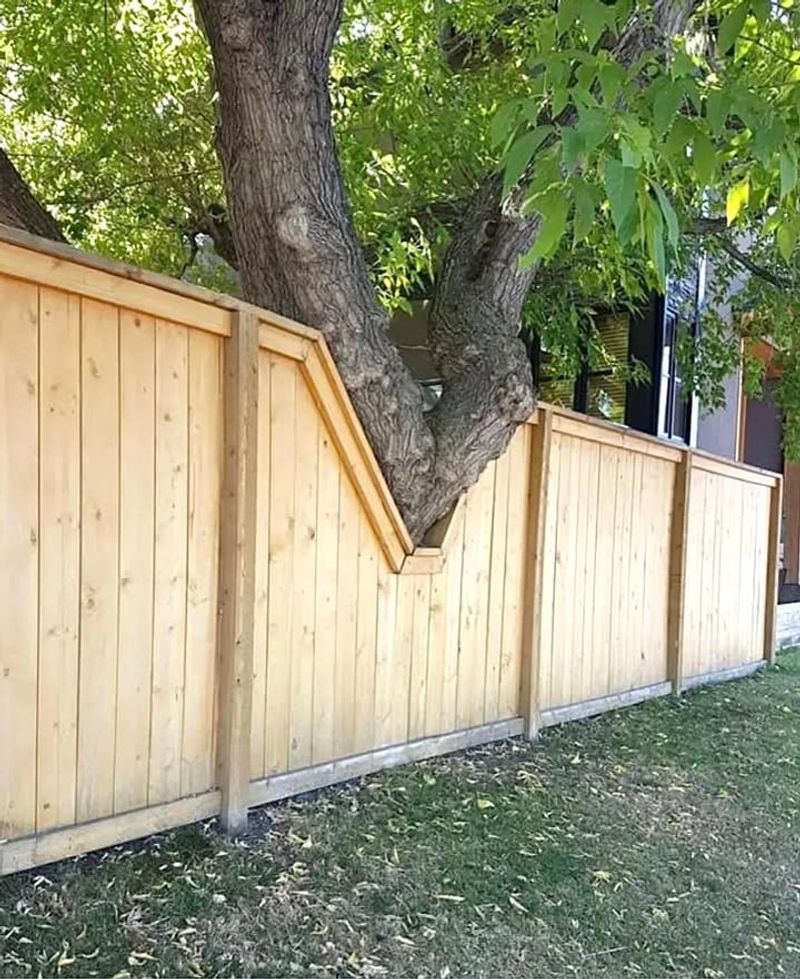
Property lines matter more than most people realize when a tree comes crashing down in Michigan.
The person who owns the land where the tree’s trunk sits is considered the tree’s legal owner, regardless of where the branches hang or where the roots spread.
This basic principle shapes nearly every decision about responsibility when something goes wrong.
Michigan courts have consistently ruled that tree ownership stays with the property where the trunk grows.
Even if half the branches stretch over your fence and shade your garden, your neighbor still owns that tree.
This means they have certain rights to maintain it, but it also affects who might be responsible when it falls.
Knowing who owns the tree becomes the first step in figuring out what happens next.
If your neighbor’s tree crashes into your yard during a storm, you cannot automatically demand they pay for everything.
Ownership alone does not equal automatic liability in Michigan.
The circumstances surrounding the fall matter just as much as who owned the tree.
Many Michigan homeowners mistakenly believe that if a neighbor’s tree causes damage, the neighbor must pay.
Reality proves more complicated.
The law looks at whether the tree owner knew about problems, whether they ignored warning signs, and whether the tree fell due to natural causes or neglect.
Understanding ownership sets the foundation, but responsibility depends on several other factors that Michigan courts examine closely.
2. When Natural Disasters And Weather Events Cause The Fall
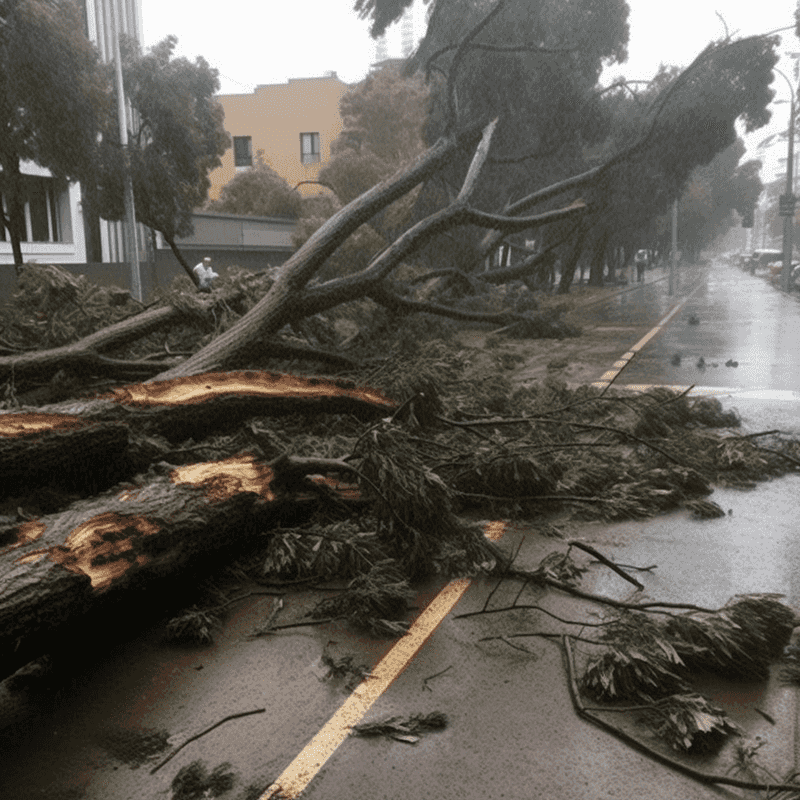
Mother Nature does not ask permission before sending storms through Michigan neighborhoods.
When high winds, lightning strikes, or heavy snow bring down a healthy tree, the law typically treats this as an unavoidable accident.
Your neighbor generally bears no legal responsibility if a storm knocks their tree into your yard, provided the tree was healthy before the weather event.
Michigan follows what legal experts call the “Act of God” doctrine in these situations.
This principle recognizes that some events lie beyond human control.
If a tornado rips through your area and topples a perfectly healthy oak tree onto your garage, your neighbor did nothing wrong.
The storm caused the damage, not any negligence on their part.
Your homeowner’s insurance becomes your primary resource when weather causes tree damage in Michigan.
Most policies cover damage to your property from fallen trees, regardless of where the tree originated.
You file a claim with your own insurance company, which then assesses the damage and processes your claim according to your policy terms.
Documentation helps tremendously in these situations.
Take photographs of the fallen tree, the damage it caused, and the surrounding area.
Keep records of weather reports from that day showing the severe conditions.
Insurance adjusters in Michigan understand that powerful storms regularly move through the state, and they expect to handle claims involving weather-related tree falls.
Your insurance may increase slightly after a claim, but you typically cannot pursue legal action against your neighbor when nature alone caused the problem.
3. Recognizing Signs Of A Dangerous Or Diseased Tree
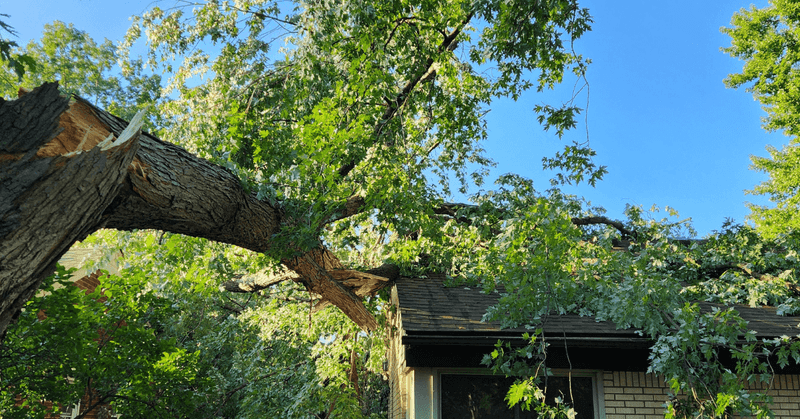
Dry branches hanging precariously, visible rot in the trunk, or a noticeable lean can all signal trouble ahead.
Michigan property owners have a legal duty to maintain their trees in reasonably safe condition.
When obvious warning signs appear, ignoring them can shift responsibility if the tree eventually falls and causes damage to neighboring property.
Certain symptoms make tree problems hard to miss.
Large sections of missing bark, fungus growing at the base, or hollow-sounding wood when tapped all indicate potential structural issues.
Trees that lean significantly toward a neighbor’s property deserve immediate attention.
Michigan courts have found property owners negligent when they ignore these clear danger signals.
Homeowners in Michigan should inspect large trees regularly, especially after severe weather.
Look for cracks in the trunk, branches that have already fallen, or root systems that seem compromised.
Trees near property lines deserve extra scrutiny because they pose risks to neighbors.
If you notice concerning signs, consulting a certified arborist provides professional assessment and documentation.
The legal concept of “constructive knowledge” applies in Michigan tree cases.
This means courts assume you should have known about obvious problems, even if you claim you never noticed them.
A massive dry tree leaning over your neighbor’s yard creates constructive knowledge.
If that tree falls and damages their property, you might be held responsible because a reasonable person would have recognized the danger and taken action to prevent harm.
4. Your Neighbor’s Duty To Maintain Their Trees

Tree maintenance is not just about keeping a yard looking nice in Michigan.
Property owners have a legal obligation to prevent their trees from becoming hazards to others.
This duty means regularly checking large trees, removing dry branches, and addressing disease or structural problems before they cause harm to neighboring properties.
Michigan law does not require property owners to be tree experts, but it does expect reasonable care.
A homeowner should notice when a tree develops obvious problems like large dry sections, severe leaning, or extensive rot.
Once these issues become apparent, the property owner must take reasonable steps to address them.
Hiring a professional arborist, removing dangerous trees, or pruning problematic branches all demonstrate responsible maintenance.
Neglecting tree maintenance can create legal liability in Michigan.
If your neighbor ignores a clearly dangerous tree and it eventually falls into your yard, causing damage, they may be held responsible for repair costs.
Courts examine whether a reasonable person would have recognized the danger and whether the property owner had adequate time to address it before the tree fell.
Communication sometimes prevents problems before they escalate.
If you notice a dangerous tree on your neighbor’s property in Michigan, consider politely bringing it to their attention.
Send a written letter describing your concerns and keeping a copy for your records.
This documentation can prove important if the tree later causes damage, showing that the owner had actual knowledge of the problem and chose not to act.
5. How Insurance Companies Handle These Situations In Michigan
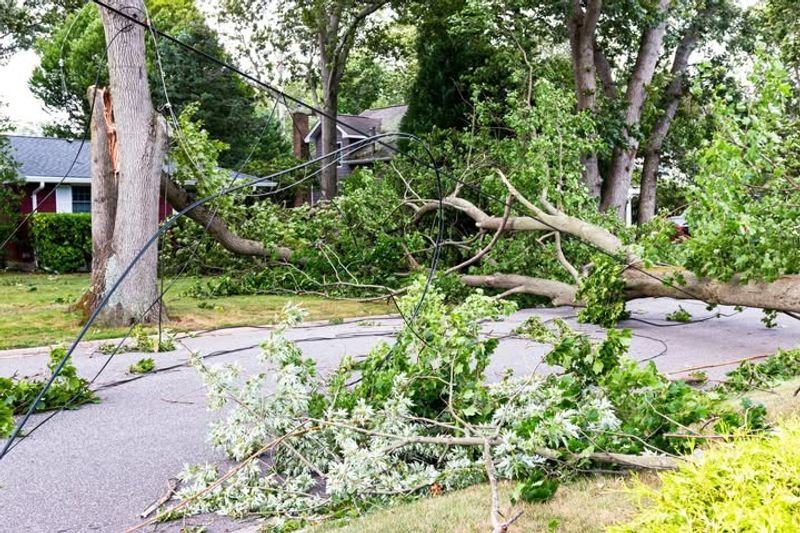
Insurance coverage becomes the practical solution for most tree damage cases in Michigan.
Your homeowner’s policy typically covers damage to your property from fallen trees, regardless of where the tree originated.
This means you usually file a claim with your own insurance company first, rather than immediately pursuing your neighbor for compensation.
Most Michigan homeowner policies include coverage for fallen tree removal and property damage repair.
Your policy likely covers damage to your house, garage, fence, or other structures.
However, coverage limits and deductibles apply.
Review your policy carefully to understand what protection you have and how much you might pay out of pocket before insurance kicks in.
Insurance companies in Michigan investigate the circumstances surrounding tree falls.
Adjusters examine whether the tree was healthy, whether warning signs existed, and whether weather played a role.
If evidence suggests your neighbor neglected a dangerous tree, your insurance company might pursue subrogation.
This legal process allows your insurer to seek reimbursement from your neighbor or their insurance company after paying your claim.
Subrogation happens behind the scenes without requiring your involvement in most cases.
Your insurance company handles the legal work and negotiations with your neighbor’s insurer.
This approach helps maintain neighborly relationships because you are not directly suing the person next door.
Michigan insurance companies regularly handle these situations and understand the state’s liability laws.
Cooperating fully with your insurance adjuster, providing documentation, and answering questions honestly helps ensure your claim processes smoothly and you receive appropriate compensation for your damages.
6. Taking Legal Action When Negligence Is Clear
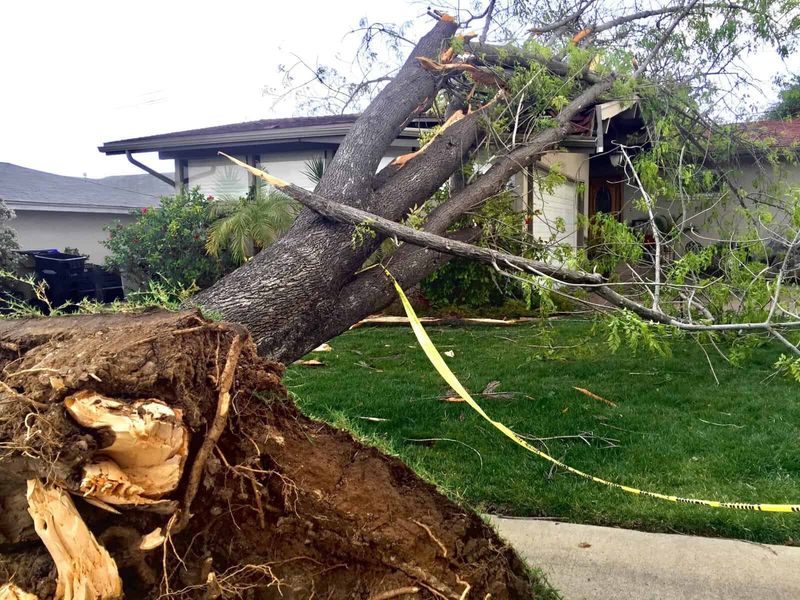
Sometimes insurance does not fully cover your losses, or your neighbor refuses to acknowledge responsibility for an obviously neglected tree.
Michigan law allows property owners to pursue legal action when another person’s negligence causes damage.
Proving negligence requires showing that your neighbor knew or should have known about the tree’s dangerous condition and failed to take reasonable action.
Evidence becomes crucial in negligence cases involving fallen trees in Michigan.
Photographs of the tree before and after it fell, documentation of complaints you made to your neighbor, professional arborist reports, and witness statements all strengthen your case.
Courts want to see that the tree had visible problems and that a reasonable person would have recognized the danger.
Small claims court handles many tree damage cases in Michigan when the amount involved stays below the court’s limit, currently around ten thousand dollars.
This option provides a simpler, less expensive way to seek compensation without hiring an attorney.
You present your evidence, your neighbor presents their defense, and a judge decides who bears responsibility.
Larger damage amounts require filing a lawsuit in district or circuit court in Michigan.
These cases often benefit from legal representation because the procedures are more complex.
An attorney experienced in property damage cases can evaluate your situation, gather evidence, and present a compelling argument.
Michigan courts have handled numerous tree liability cases, creating legal precedents that guide decisions.
Success depends on clearly demonstrating that your neighbor’s negligence, not just bad luck, caused your property damage.
7. Preventing Future Problems With Boundary Trees
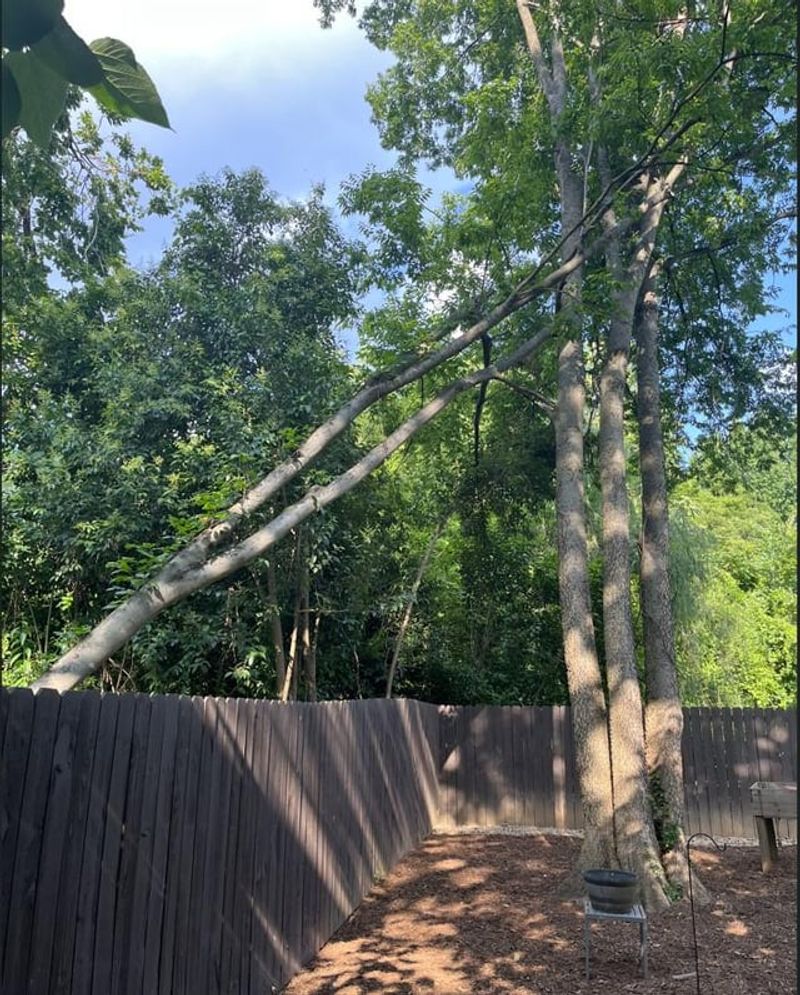
Good fences might make good neighbors, but good communication works even better when trees grow near property lines in Michigan.
Proactive steps can prevent disputes before they start and protect both properties from potential damage.
Regular tree inspections, open dialogue with neighbors, and documented maintenance create a foundation for peaceful coexistence.
Consider having large trees near property lines professionally inspected every few years in Michigan.
Certified arborists can identify problems early, recommend preventive maintenance, and provide written reports documenting the tree’s condition.
These reports serve as valuable records showing responsible ownership if questions arise later.
Sharing inspection results with neighbors demonstrates good faith and keeps everyone informed about potential risks.
Written agreements between neighbors can clarify expectations about boundary trees in Michigan.
Some neighbors agree to share the cost of maintaining or removing trees that benefit or threaten both properties.
Others establish communication protocols for reporting concerns.
Getting these agreements in writing protects everyone and reduces misunderstandings.
Michigan law allows neighbors to create private agreements about tree maintenance and liability as long as both parties consent.
Trimming branches that hang over your property line is generally allowed in Michigan, but you must do so carefully.
You cannot harm the tree’s health or trespass onto your neighbor’s land to perform the work.
Hiring professionals to trim overhanging branches protects you from liability if something goes wrong.
Building positive relationships with neighbors through respectful communication, reasonable compromises, and shared responsibility for boundary trees creates a better living environment for everyone in Michigan communities.