Who Is At Fault If A Neighbor’s Compost Pile Attracts Rats In Massachusetts

Across Massachusetts, more homeowners are discovering an unwelcome problem lurking near property lines: rats drawn to a neighbor’s poorly managed compost pile.
What begins as a harmless effort to recycle kitchen scraps or boost soil health can quickly spiral into a rodent hotspot if the compost isn’t maintained properly.
As rats burrow, forage, and spread into adjoining yards, tensions rise — and so do questions about responsibility.
Is the neighbor at fault for attracting pests?
Does local law address compost-related infestations?
And what can affected homeowners realistically do?
Here’s how Massachusetts communities handle compost-driven rodent issues and what residents need to know before taking action.
Massachusetts Health Codes Apply To Composting
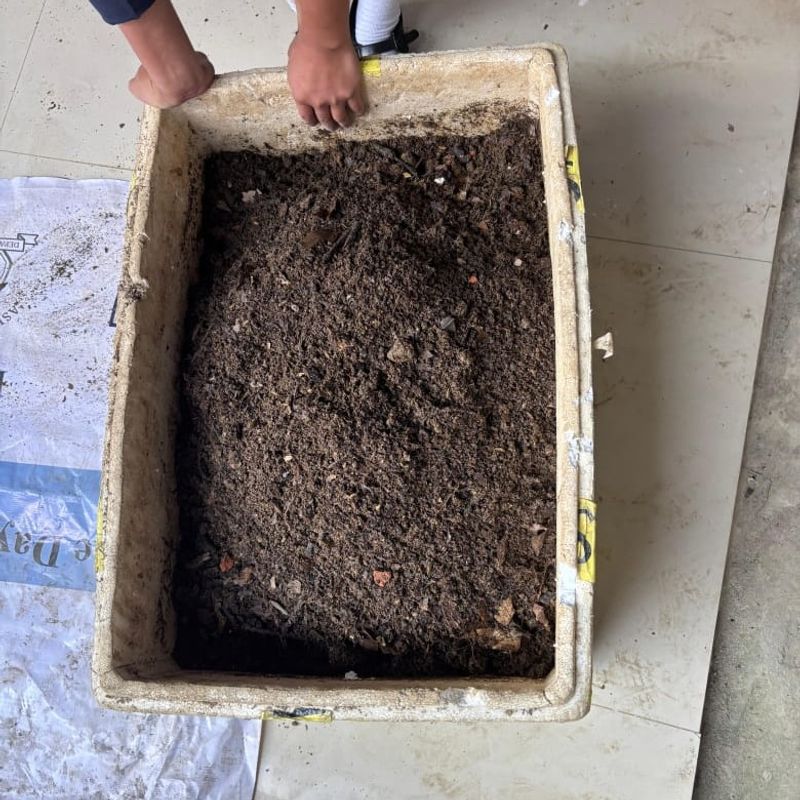
Bay State regulations require residents to maintain compost piles in ways that don’t create health hazards or nuisances for neighbors.
Local boards of health across Massachusetts have authority to enforce sanitation standards, which means improper composting can violate municipal codes.
If rats appear because someone failed to follow basic composting guidelines, that person may be violating health regulations.
Many towns specify that compost must be contained in rodent-proof bins and kept away from property lines.
Food waste should be buried under brown materials like leaves to reduce odors that attract pests.
Meat, dairy, and oils shouldn’t go into home compost systems since these items draw rodents quickly.
When a neighbor ignores these rules, their compost pile becomes a public health concern rather than an eco-friendly practice.
Your local health department can inspect the site and issue orders requiring corrections.
Documentation matters, so take photos showing the compost setup and any visible rat activity.
Massachusetts law supports your right to live without pest infestations caused by someone else’s negligence.
Nuisance Laws Protect Property Owners

Private nuisance laws in Massachusetts give you legal recourse when a neighbor’s actions interfere with your reasonable use and enjoyment of your property.
Rat infestations definitely qualify as substantial interference, especially when they damage your home or create unsanitary conditions.
You don’t need to prove intentional harm — just that the composting practice unreasonably affects your quality of life.
Courts look at whether the neighbor took reasonable precautions to prevent problems.
A poorly maintained compost pile that clearly attracts rodents would likely meet the legal standard for nuisance.
Before filing any lawsuit, Massachusetts encourages residents to attempt reasonable communication first.
Send a polite letter explaining the rat problem and requesting improvements to the compost setup.
Keep copies of all correspondence since this shows you tried resolving things peacefully.
If informal approaches fail, you can file a complaint in district court seeking an injunction to stop the nuisance.
You might also recover damages for pest control costs or property repairs caused by the infestation.
Documentation Strengthens Your Position

Building a solid case starts with careful record-keeping that proves the connection between the compost pile and your rat problem.
Photograph the neighbor’s compost setup from multiple angles, capturing any visible food waste, lack of proper containment, or obvious rat pathways.
Take pictures of rat droppings, gnaw marks, burrows, or actual rodents in your yard with date stamps enabled.
Keep a written log noting when you first noticed rats, how frequently you see them, and any damage they cause.
Save receipts from pest control services, repairs, or prevention measures you’ve taken.
If you speak with the neighbor about the issue, follow up with an email summarizing the conversation.
This creates a paper trail showing you attempted good-faith communication.
Contact your local health department and request an inspection — their official report becomes valuable evidence.
In Massachusetts, health inspectors can confirm whether the composting violates codes and document conditions attracting rodents.
Thorough documentation makes it much easier to prove fault if you eventually need legal intervention or municipal enforcement.
Your Municipality May Have Specific Ordinances
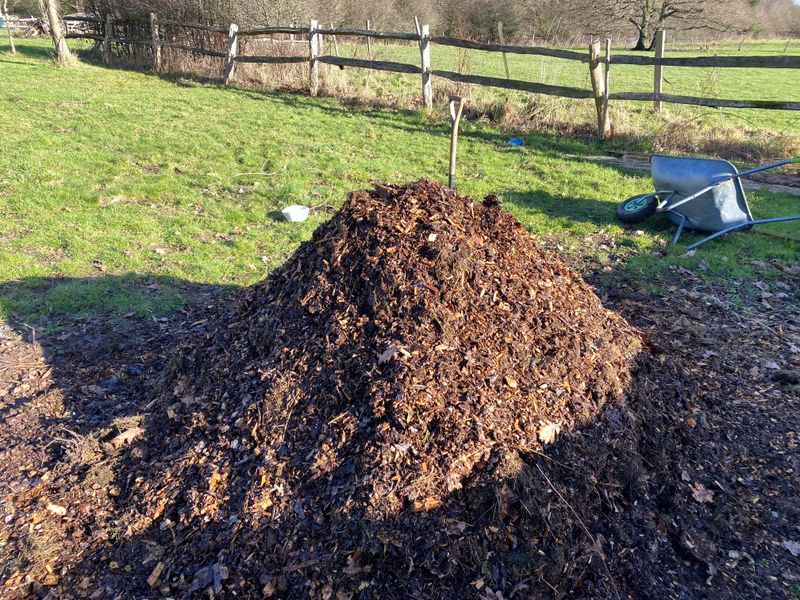
Every city and town across Massachusetts can create its own rules about composting beyond state-level health codes.
Some communities ban backyard composting entirely in certain zones, while others require permits or specific bin types.
Cambridge, for example, has detailed composting guidelines about placement, materials, and maintenance to prevent pest problems.
Boston requires compost bins to be rodent-resistant and positioned at least three feet from property boundaries.
Smaller towns might have less formal rules but still enforce general sanitation standards through local health boards.
Check your municipality’s website or call the health department to learn what regulations apply in your area.
If the neighbor’s compost violates local ordinances, enforcement becomes much more straightforward.
Municipal officials can issue warnings, fines, or orders requiring the resident to fix problems or remove the compost pile.
Knowing your town’s specific rules helps you make a stronger complaint and shows you’ve done your homework.
Local ordinances often provide the fastest path to resolution without needing expensive legal action.
Landlords May Bear Responsibility
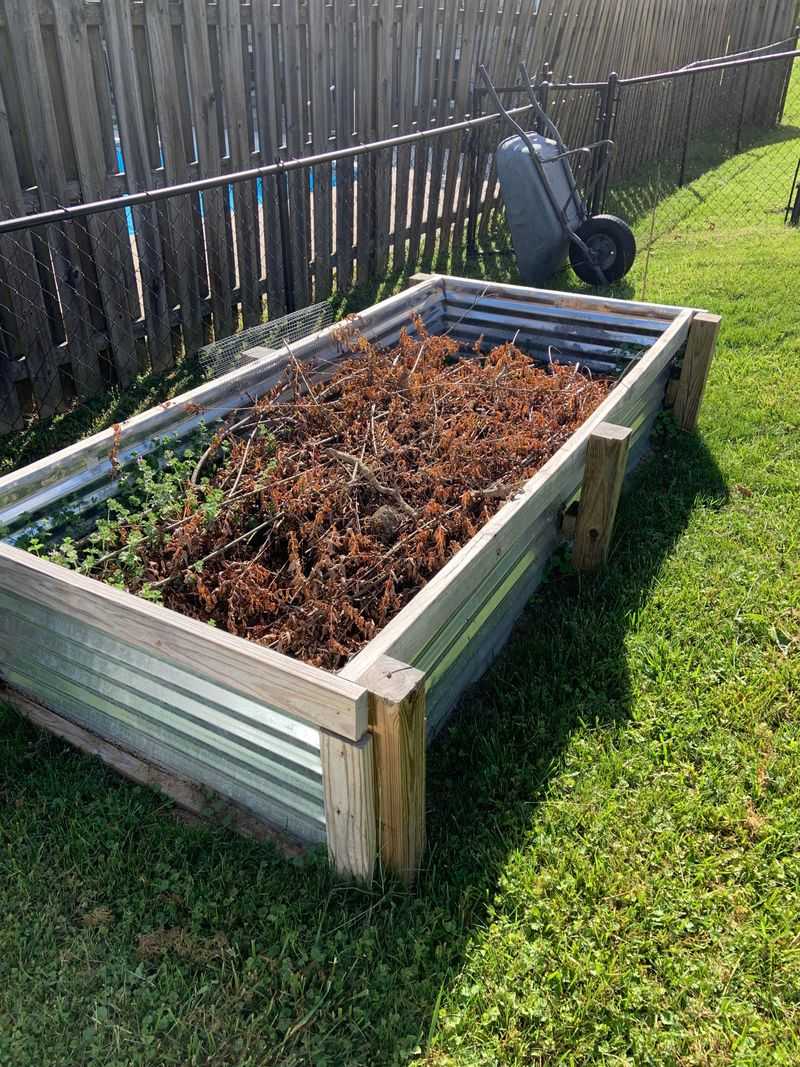
When the neighbor causing problems rents their home, the property owner might share or hold primary responsibility for the rat issue.
Massachusetts landlords must maintain rental properties in habitable condition and address health code violations.
If a tenant’s composting creates a rodent problem affecting neighboring properties, the landlord can be held accountable.
State sanitary codes require landlords to eliminate pest infestations and prevent conditions that attract vermin.
You can file complaints with your local inspectional services department against the property owner.
Landlords typically have more resources to address problems quickly and can enforce lease terms prohibiting activities that create nuisances.
Many rental agreements include clauses about maintaining the property in ways that don’t disturb neighbors.
If the tenant refuses to fix the compost situation, the landlord can take action including potential eviction proceedings.
Contacting the property owner directly sometimes resolves issues faster than dealing with an uncooperative tenant.
Massachusetts law protects your right to involve landlords when rental properties become sources of neighborhood problems.
Communication Should Come Before Confrontation
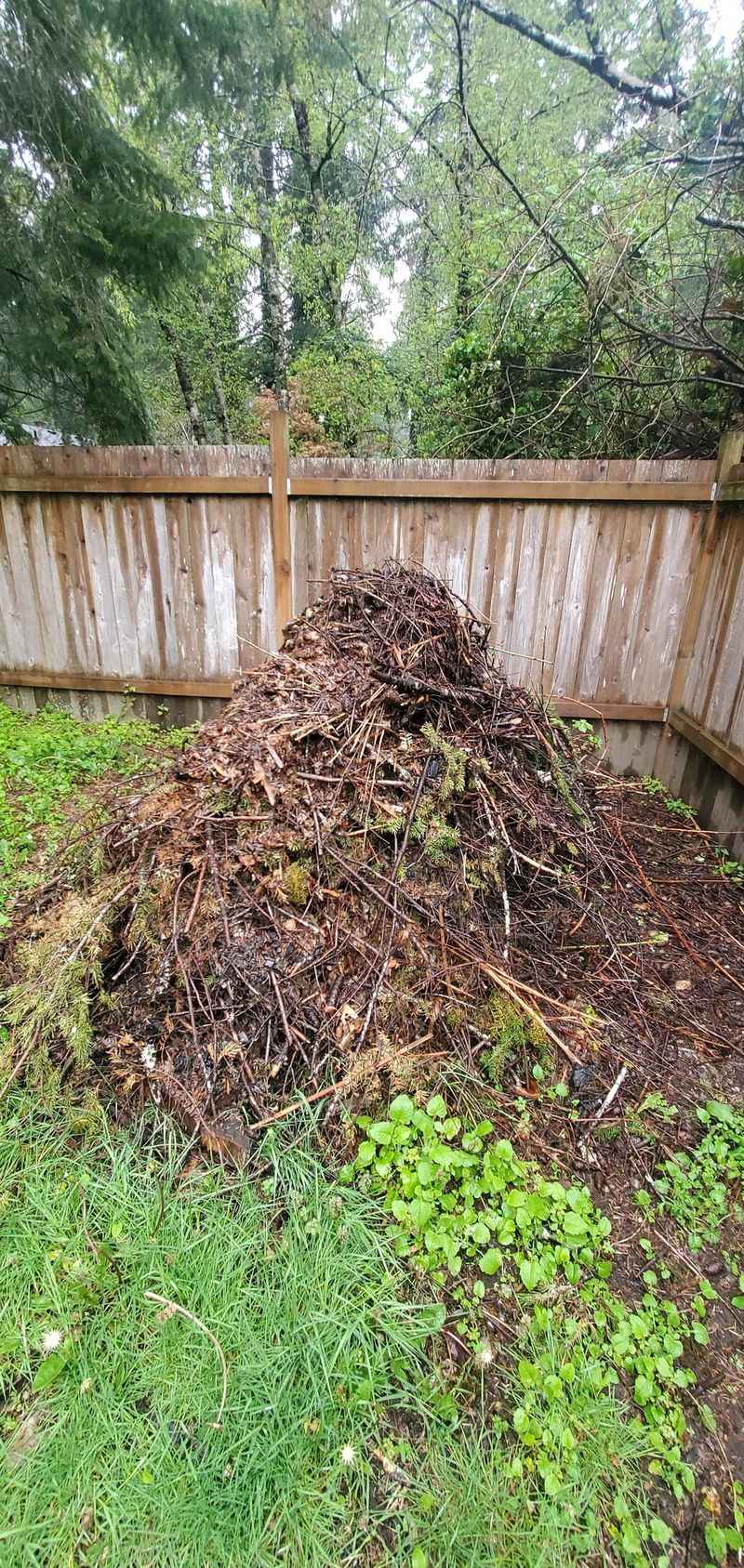
Most rat problems get solved faster through respectful conversation rather than immediate legal threats or hostile accusations.
Your neighbor might not realize their compost pile is causing issues or may not know proper composting techniques.
Approach the situation assuming good intentions rather than deliberate negligence.
Choose a calm moment to speak in person, explaining what you’ve observed without sounding accusatory.
Mention that you’ve noticed increased rat activity and wondered if they’d be willing to adjust their composting methods.
Offer helpful suggestions like using a sealed bin, avoiding certain food scraps, or repositioning the pile farther from property lines.
Many Massachusetts residents want to be good neighbors and will make changes once they understand the impact.
If face-to-face conversation feels uncomfortable, a friendly written note can work too.
Keep your tone cooperative rather than demanding, focusing on finding solutions together.
This approach preserves neighborhood relationships while still addressing the problem effectively.
Only escalate to formal complaints or legal action if reasonable communication attempts fail completely.
Health Departments Can Intervene

Local boards of health throughout Massachusetts have significant power to address sanitation problems including those caused by improper composting.
You can file a formal complaint describing the rat problem and identifying the suspected source.
Health inspectors will visit the property to assess whether the compost pile violates codes or creates health hazards.
They can issue official notices requiring the property owner to make specific changes within set timeframes.
Failure to comply with health department orders can result in fines and additional enforcement actions.
This process costs you nothing and doesn’t require hiring attorneys or filing lawsuits.
Inspectors bring professional expertise in identifying pest attractants and sanitation violations.
Their official reports also provide documentation you might need later if the situation escalates.
Many neighbors respond more seriously to government officials than to complaints from individuals.
Massachusetts health departments handle these types of complaints regularly and know effective ways to resolve them.
This option works particularly well when you want to stay somewhat anonymous or avoid direct conflict.
Shared Responsibility In Multi-Unit Properties

Condominiums, apartment complexes, and multi-family homes in Massachusetts often have shared outdoor spaces where composting responsibilities get complicated.
Homeowners associations or condo boards typically regulate what residents can do in common areas.
Review your association’s governing documents to see if composting is addressed in the rules.
When communal compost bins attract rats, the association itself might bear responsibility for proper maintenance.
Individual unit owners can file complaints with their HOA or condo board requesting action.
Associations have legal obligations to maintain common areas in ways that don’t create nuisances or health hazards.
If the board ignores the problem, Massachusetts law allows residents to take further action including legal remedies.
Sometimes one resident places a personal compost bin in a shared yard without proper approval.
This violates most association rules and gives the board grounds to require removal.
Document the problem and present it at board meetings with photos and specific complaints.
Collective action from multiple affected residents often prompts faster responses than individual complaints alone.
Prevention Measures You Can Take
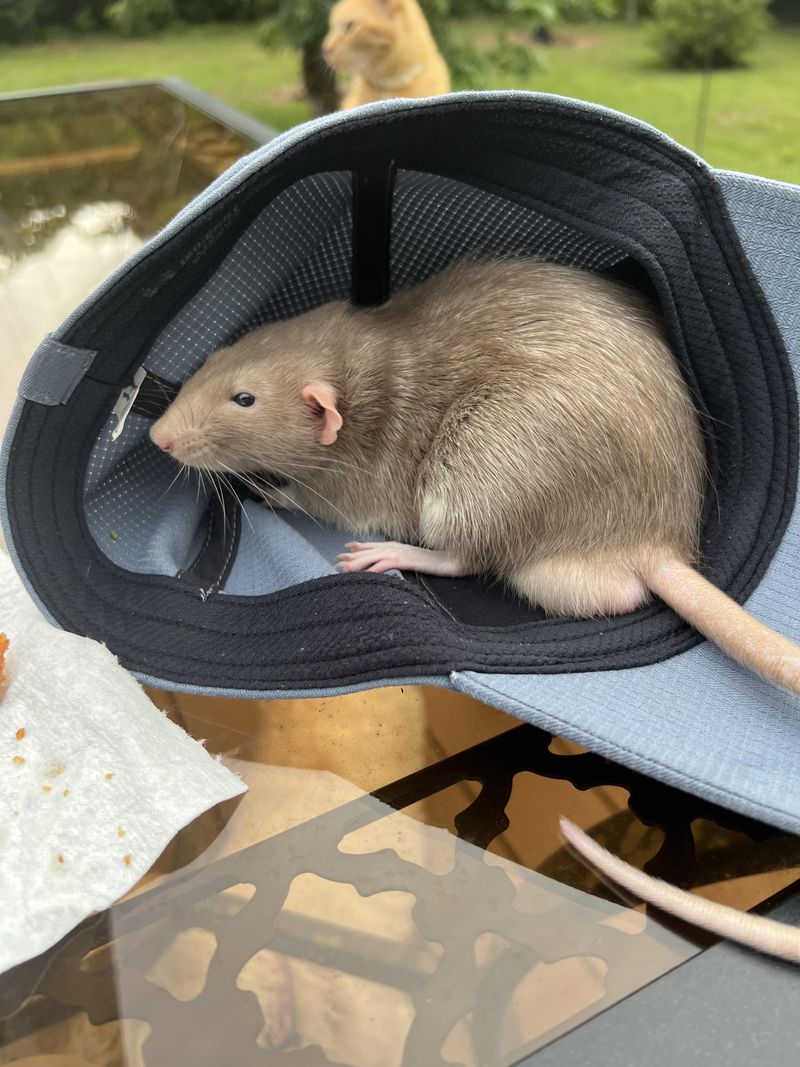
While addressing the source of the problem, you can also protect your own property from rat intrusion.
Seal any gaps or holes in your foundation, walls, and around utility pipes where rodents might enter.
Rats can squeeze through openings as small as a quarter, so thorough inspection matters.
Keep your own garbage in tightly sealed bins and don’t leave pet food outside overnight.
Trim vegetation away from your home’s exterior since rats use overgrown plants as cover.
Remove potential nesting sites like brush piles, unused lumber, or dense ground cover near structures.
Consider installing hardware cloth barriers along fence lines between your property and the neighbor’s yard.
Professional pest control services in Massachusetts can assess your specific situation and recommend targeted solutions.
Some homeowners install motion-activated lights or ultrasonic devices, though effectiveness varies.
Taking these steps protects your home even if the neighbor’s compost continues attracting rats to the general area.
You might be able to recover costs for necessary prevention measures if you eventually pursue legal action for nuisance.
Legal Action As A Last Resort

When all other approaches fail, Massachusetts residents can file civil lawsuits seeking court orders and compensation for damages caused by neighbor nuisances.
Small claims court handles disputes involving up to $7,000 and doesn’t require hiring an attorney.
This option works well for recovering pest control costs, minor property repairs, or other documented expenses.
For more serious situations involving significant property damage or ongoing problems, regular civil court provides additional remedies.
You can request an injunction ordering the neighbor to remove or properly maintain the compost pile.
Courts may also award monetary damages compensating you for harm caused by the rat infestation.
Bringing strong documentation — photos, health department reports, receipts, and communication records — significantly improves your chances of success.
Legal action does strain neighbor relationships, so consider whether you’re prepared for potential long-term tension.
Consult with a Massachusetts attorney specializing in property disputes before filing to understand your realistic options and likely outcomes.
Sometimes just sending a lawyer’s letter prompts neighbors to finally address problems they previously ignored.