Who Is Responsible For Damage Caused By A Neighbors Snow Pile In Minnesota
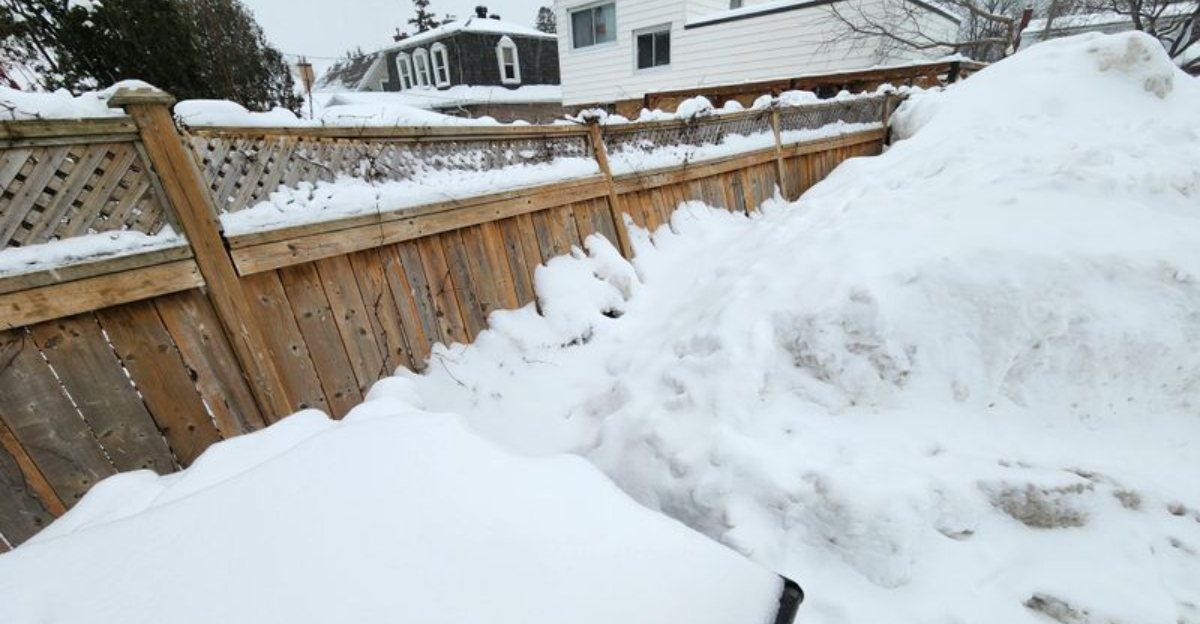
Winter in Minnesota brings heavy snow and tight quarters, and problems can pile up fast once shovels and plows go to work.
A neighbor’s snow pile may look harmless at first, yet melting runoff, shifting ice, or sheer weight can cause real damage.
Cracked fences, flooded yards, and damaged driveways often trace back to where snow ends up after a storm.
As the saying goes, good intentions do not erase consequences.
Responsibility usually rests with the property owner who places the snow.
Minnesota law expects homeowners to manage snow in a way that avoids harm to nearby property.
When a pile causes water to drain onto a neighbor’s land or leads to structural damage, liability can follow.
City ordinances may tighten rules even further, especially in urban areas with limited space.
Clear communication often prevents disputes before they snowball.
When neighbors understand their duties and respect property lines, winter stays manageable rather than contentious.
Property Owners Must Keep Snow On Their Own Land
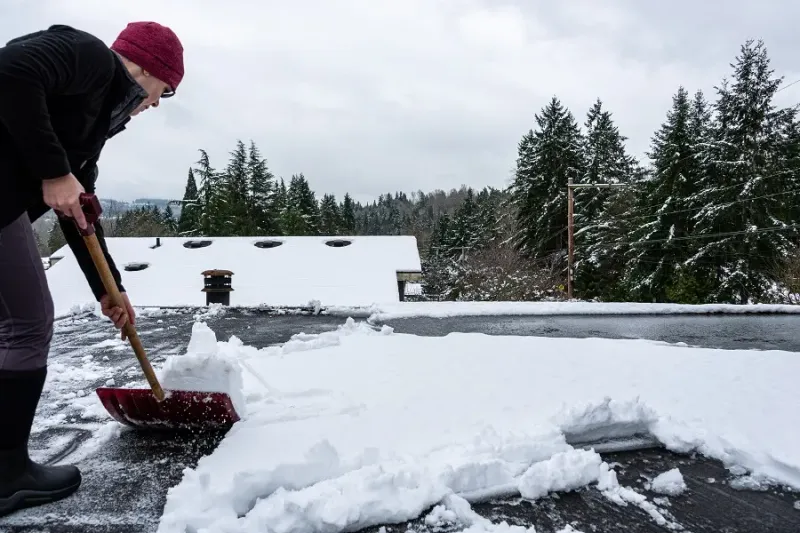
Minnesota law expects property owners to manage their snow responsibly.
When you shovel or plow your driveway and walkways, you cannot simply push the snow onto your neighbor’s yard.
Doing so creates a trespass situation, which means you have placed something on property that does not belong to you.
Courts in Minnesota have ruled that snow is considered a physical object, just like rocks or dirt.
If your neighbor pushes snow onto your land and it causes damage, they may be held responsible for the harm.
This includes damage from melting snow that floods your basement or ice that forms and breaks your fence.
Property boundaries matter even in winter, and respecting them helps avoid legal trouble.
Homeowners should always direct snow removal efforts toward their own property or public streets where allowed.
Taking photos of the snow pile and any damage it causes can help if you need to file a claim later.
Communication with your neighbor can often resolve the issue before it escalates into a legal dispute.
Negligence Applies When Snow Causes Harm

Negligence is a legal term that means someone failed to act carefully and caused harm to another person.
In Minnesota, if your neighbor creates a snow pile that damages your property, they might be found negligent.
To prove negligence, you must show that your neighbor owed you a duty to be careful, they breached that duty, and their actions directly caused your damages.
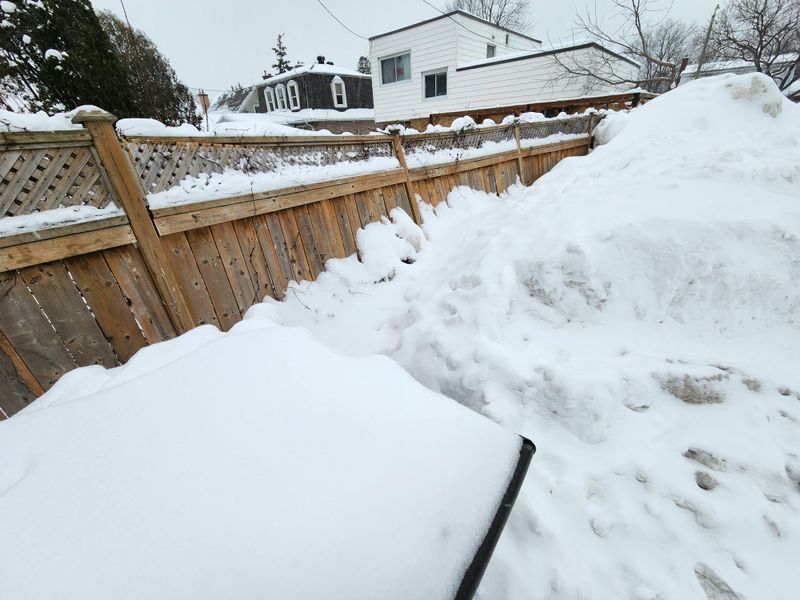
For example, if a neighbor piles snow so high that it collapses your fence, you can argue they should have known better.
Reasonable care means considering how snow might melt, shift, or cause problems for others.
A massive snow pile placed right against a shared fence or near your foundation could be seen as careless behavior.
Documenting the snow pile’s size, location, and the resulting damage strengthens your case.
Witness statements from other neighbors can also support your claim.
Courts will evaluate whether a reasonable person would have acted the same way under similar circumstances.
If negligence is proven, your neighbor may have to pay for repairs, cleanup, and sometimes even legal fees.
Homeowners Insurance May Cover Some Damages
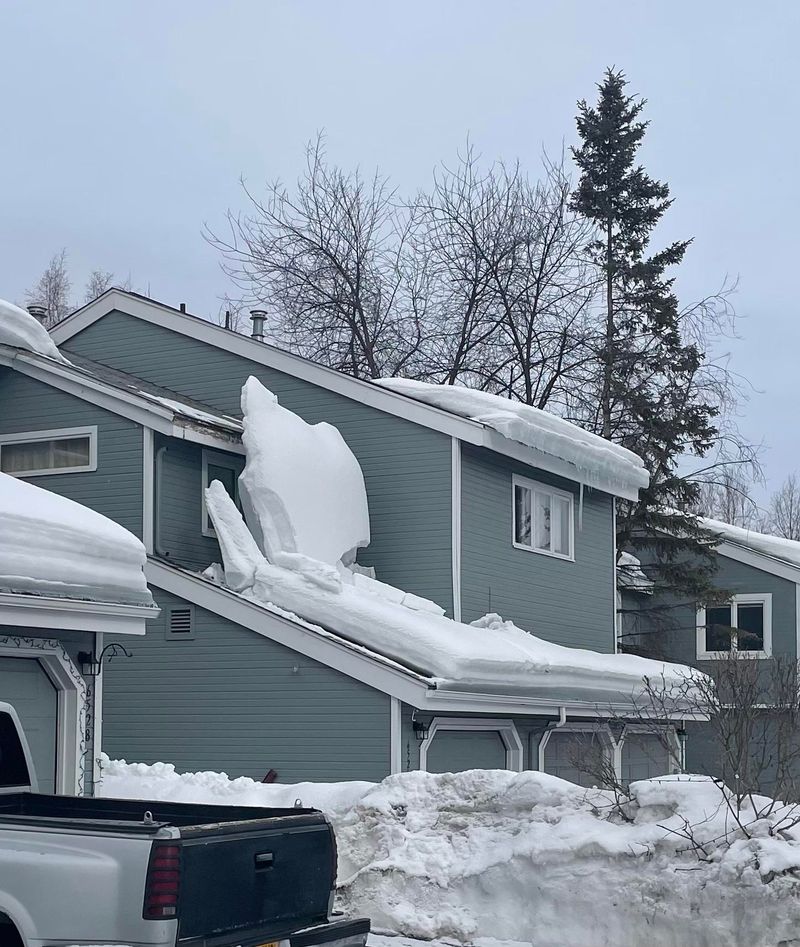
Your homeowners insurance policy might help cover damages caused by a neighbor’s snow pile.
Many policies include coverage for water damage, which can result from melting snow that floods your basement or crawl space.
However, insurance companies often investigate whether the damage was preventable or caused by negligence.
If your neighbor’s actions were clearly careless, your insurer might pay your claim and then seek reimbursement from the neighbor’s insurance.
This process is called subrogation, and it allows your insurance company to recover costs from the responsible party.
You should report the damage to your insurer as soon as possible and provide all documentation, including photos and repair estimates.
Some policies exclude certain types of water damage, so read your coverage details carefully.
If your claim is denied, you can appeal the decision or pursue compensation directly from your neighbor.
Keeping records of all communications with your insurer and your neighbor will help if the situation becomes complicated.
Consulting with an insurance agent or attorney can clarify your options and maximize your chances of receiving fair compensation.
City Ordinances Regulate Snow Removal Practices
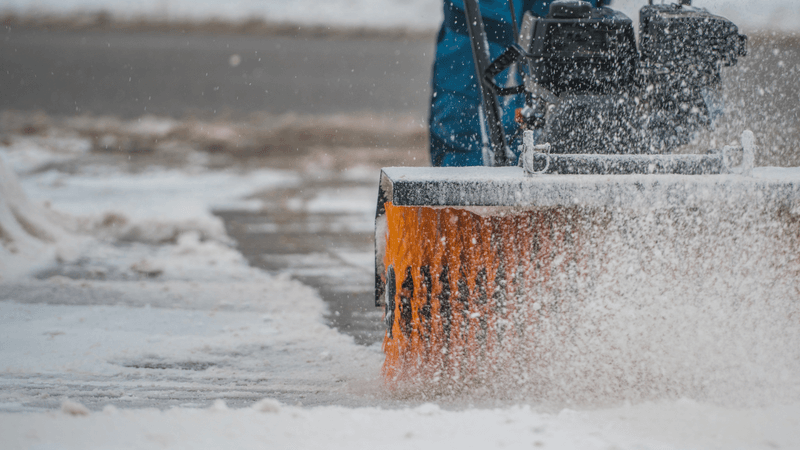
Most Minnesota cities have specific rules about where residents can place snow after shoveling or plowing.
These ordinances typically prohibit pushing snow into the street, onto sidewalks, or onto neighboring properties.
Violating these rules can result in fines or orders to remove the snow immediately.
Some cities require homeowners to keep sidewalks clear within a certain number of hours after a snowfall.
If you pile snow in a way that blocks public pathways or creates hazards, you could face penalties.
City codes also address drainage issues, as improperly placed snow can clog storm drains and cause flooding.
Checking your local ordinances helps you understand your responsibilities and your neighbor’s obligations.
If a neighbor violates city rules and damages your property, you can report the issue to local code enforcement.
Officials may investigate and require the neighbor to fix the problem or pay fines.
Having a copy of the relevant ordinance can strengthen your position if you need to take legal action or negotiate a settlement.
Mediation Can Resolve Disputes Without Court
Mediation offers a less stressful and cheaper alternative to going to court over snow pile damage.
A trained mediator helps both parties discuss the problem and work toward a solution that satisfies everyone.
Many Minnesota communities offer free or low-cost mediation services through local government or nonprofit organizations.
During mediation, you and your neighbor can explain your perspectives and explore options like shared cleanup costs or future prevention strategies.
Mediators do not take sides or make decisions for you; they simply guide the conversation.
This process often preserves neighborly relationships better than a lawsuit, which can create lasting tension.
Mediation sessions are confidential, so anything discussed cannot be used against you in court later.
If both parties agree on a solution, the mediator can help draft a written agreement that outlines each person’s responsibilities.
This agreement can be legally binding if both parties sign it and have it notarized.
Even if mediation does not resolve everything, it can clarify the issues and make future negotiations or legal action more focused and efficient.
Small Claims Court Handles Minor Damage Cases

Small claims court provides a straightforward way to seek compensation for damages caused by a neighbor’s snow pile
In Minnesota, you can file a small claims case for damages up to ten thousand dollars without needing a lawyer.
The process involves filling out a form, paying a filing fee, and serving notice to the defendant, which is your neighbor.
You will need to present evidence such as photos, repair estimates, and witness statements to support your claim.
A judge will hear both sides and make a decision, usually within a few weeks of the hearing date.
Small claims court is designed to be user-friendly, with simplified procedures and less formal rules than regular court.
You should prepare a clear, organized presentation that explains what happened, how much damage occurred, and why your neighbor is responsible.
Bringing receipts for repairs or cleanup costs strengthens your case significantly.
If you win, the court will issue a judgment requiring your neighbor to pay the awarded amount.
Collecting the judgment may require additional steps if your neighbor does not pay voluntarily, but the court can assist with enforcement options.
Documentation Is Critical For Proving Your Case
Strong documentation can make or break your case when seeking compensation for snow pile damage.
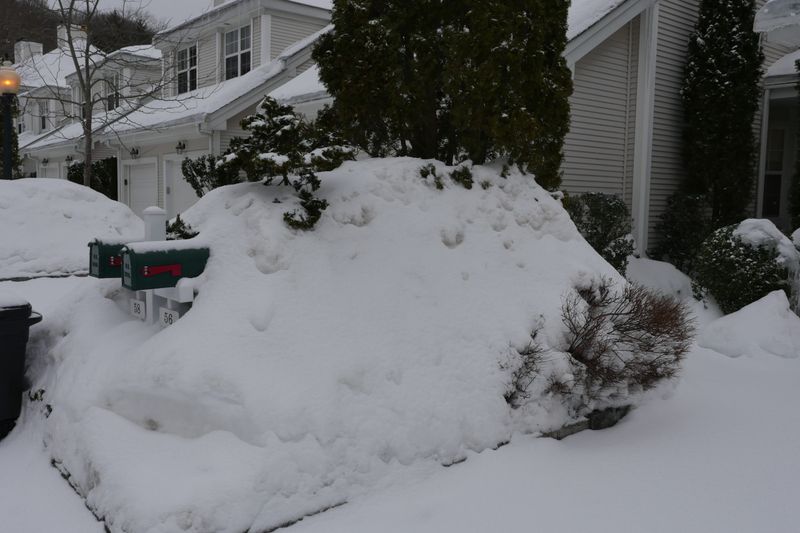
Start by taking clear, dated photos of the snow pile from multiple angles, showing its size and location relative to your property.
Capture images of any damage, such as broken fences, flooded basements, or cracked foundations.
Write down a detailed timeline of events, including when the snow pile appeared, when you noticed damage, and any conversations with your neighbor.
Save all receipts for repairs, cleanup services, or temporary fixes you made to prevent further harm.
If possible, get written estimates from contractors or repair professionals that describe the damage and cost to fix it.
Witness statements from other neighbors or anyone who saw the snow pile or damage can add credibility to your claim.
Keep copies of any letters, emails, or text messages exchanged with your neighbor about the issue.
If you contacted your insurance company or local code enforcement, save records of those communications as well.
Organized, thorough documentation shows that you take the matter seriously and helps prove your case in negotiations, mediation, or court.
Prevention Strategies Protect Both Properties
Preventing snow pile problems starts with good communication and cooperation between neighbors.
Before winter arrives, discuss snow removal plans with your neighbors to avoid misunderstandings.
Agree on where each person will place their snow and how to handle shared areas like driveways or walkways.
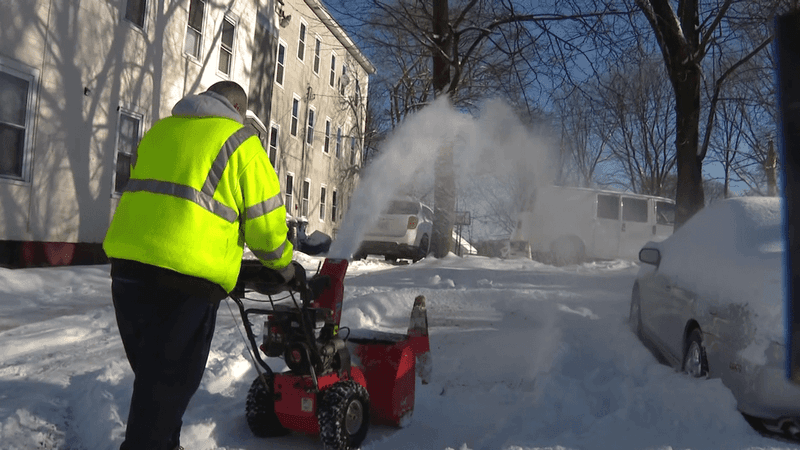
Investing in proper snow removal equipment, such as snow blowers or shovels with extenders, helps you manage snow without encroaching on neighboring property.
Consider hiring a professional snow removal service if you lack the time or physical ability to clear snow safely.
Marking property lines with stakes or flags before the first snowfall can prevent accidental trespassing.
Installing drainage systems or barriers can also minimize the risk of melting snow causing water damage.
Being proactive about snow removal reduces the chances of disputes and protects both properties from harm.
If a neighbor seems unaware of proper snow management, politely sharing information about local ordinances or offering to help can foster goodwill.
Building a positive relationship with your neighbors makes it easier to address problems quickly and amicably when they do arise.