Who Is Responsible For Leaves Falling From A Neighbor’s Tree In North Carolina
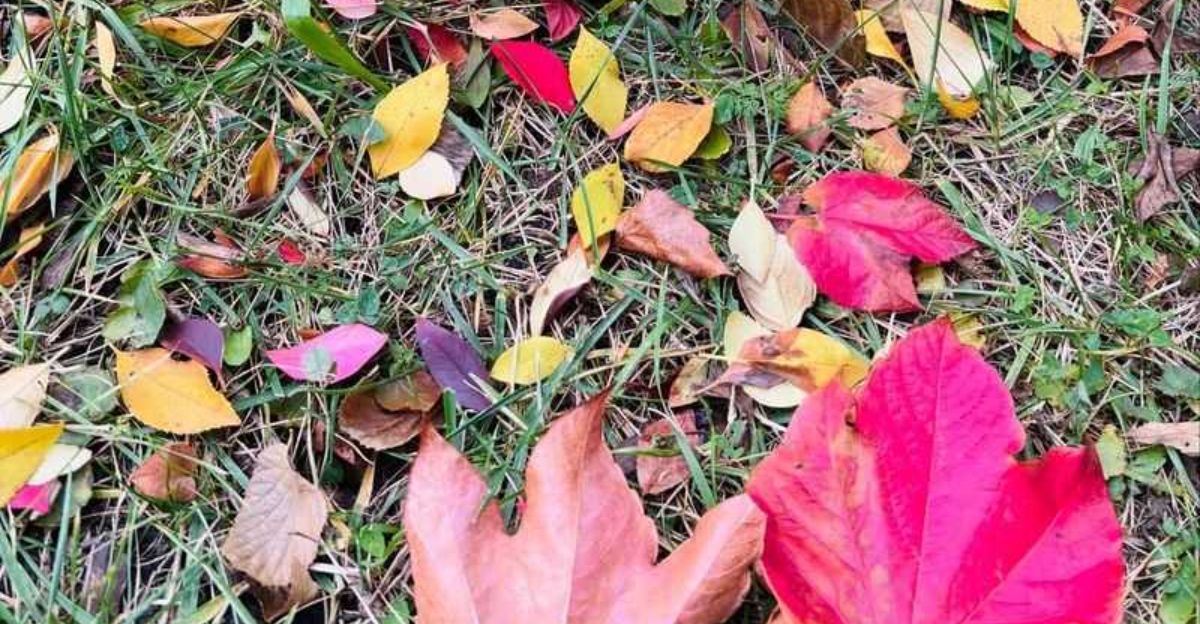
In North Carolina, falling leaves can stir up more tension than falling branches.
When autumn winds scatter piles across property lines, many homeowners wonder where responsibility actually lies—and whether they have any legal footing to stand on.
The answer isn’t always intuitive. While trees belong to one property owner, leaves don’t follow ownership rules once they hit the ground.
State law draws a clear distinction between natural debris and actual damage, surprising many people in the process.
Understanding where responsibility begins and ends can prevent neighborly disputes from escalating.
In a season already full of chores, knowing the law helps North Carolina homeowners rake leaves without raking up resentment.
North Carolina Follows The Self-Help Rule
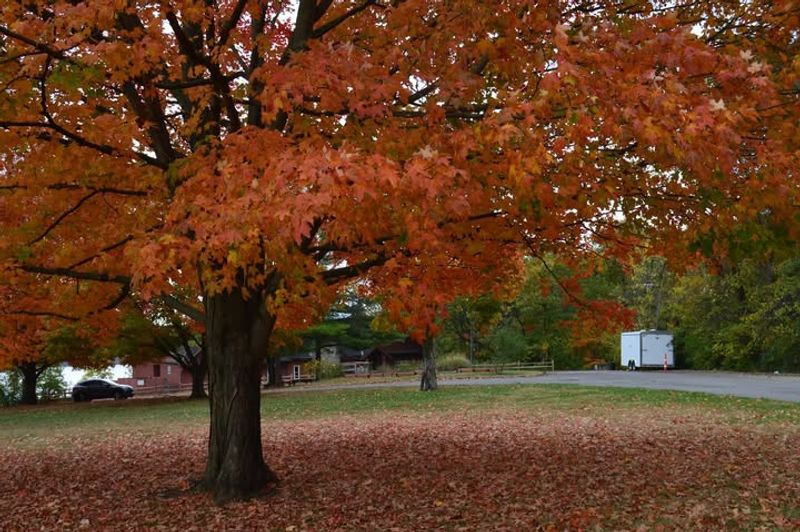
Property ownership in North Carolina comes with certain natural responsibilities that many homeowners find surprising at first.
The state follows what legal experts call the self-help rule when it comes to fallen leaves and other natural debris.
This means you are responsible for maintaining your own property, regardless of where the leaves originally came from.
Imagine watching autumn leaves drift gracefully from your neighbor’s towering oak tree directly onto your freshly mowed lawn.
Under North Carolina law, those leaves become your responsibility the moment they land on your property.
The law treats this situation as a natural condition of living near trees, not as damage caused by your neighbor.
This rule exists because courts recognize that trees are beneficial parts of residential neighborhoods and natural leaf fall is simply unavoidable.
Requiring tree owners to chase every leaf that crosses a property line would be impractical and unreasonable.
Instead, the law places the burden on each property owner to maintain their own land.
The self-help approach gives you the power to manage your yard as you see fit.
You can rake, mulch, or compost the leaves without needing permission from anyone else.
Many homeowners actually view fallen leaves as free mulch and organic matter that enriches garden soil.
Understanding this foundational rule helps set realistic expectations about yard maintenance.
While it might seem unfair at first, the self-help rule applies equally to everyone and promotes neighborhood harmony.
Your neighbor is not breaking any laws by simply having trees that shed leaves naturally onto adjacent properties.
Your Neighbor Is Not Required To Clean Your Yard
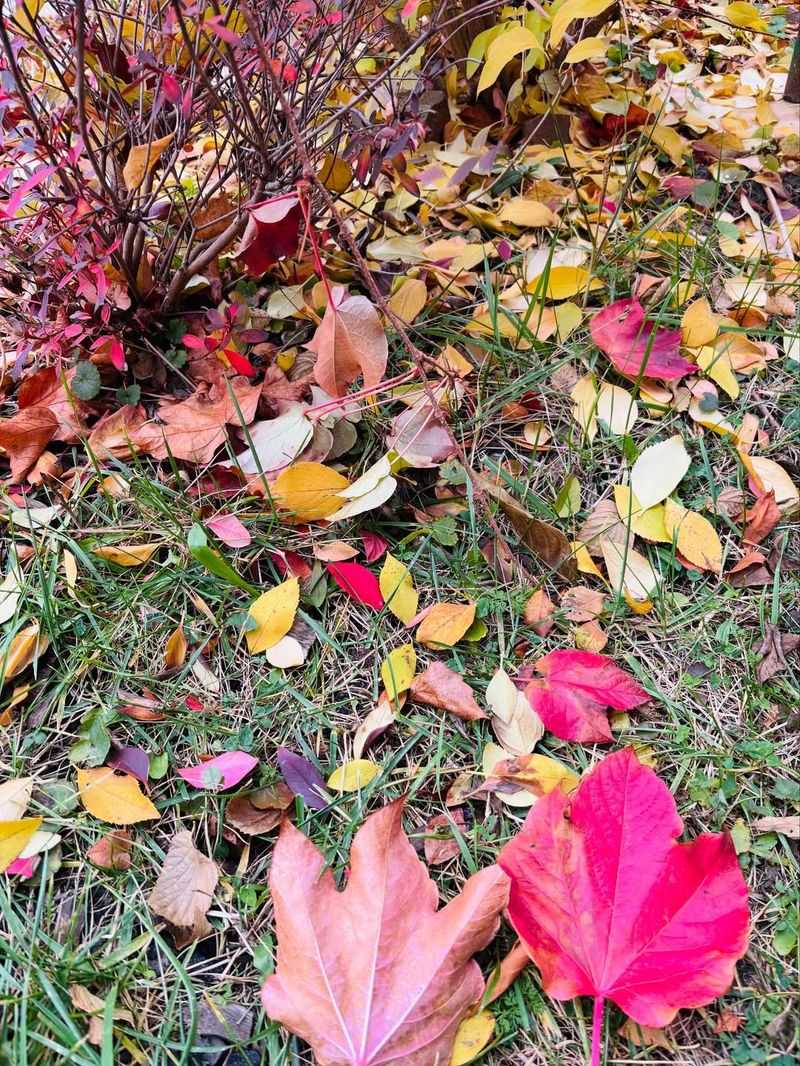
Many people assume that if leaves come from someone else’s tree, that person should handle the cleanup.
However, North Carolina law does not impose such an obligation on tree owners.
As long as the tree is healthy and properly maintained, your neighbor has no legal duty to rake leaves from your property.
This principle stems from the idea that trees are natural features of the landscape, not nuisances.
Courts have consistently ruled that leaf drop is an expected part of living in areas with vegetation.
Your neighbor cannot be held liable for the time and effort you spend managing leaves that naturally fall across the property boundary.
Think of it this way: if your neighbor had to clean up every leaf that blew into your yard, they would spend endless hours maintaining property they do not own.
The law recognizes this would be unreasonable and burdensome.
Instead, each homeowner manages their own space, creating a fair and balanced system.
Some neighbors choose to help each other with yard work out of kindness, but this is purely voluntary.
You cannot demand or legally require your neighbor to participate in cleaning your yard.
If they offer to help, that is a generous gesture, not a legal obligation.
This rule encourages homeowners to take pride in their own property maintenance rather than depending on others.
It also prevents unnecessary conflicts and legal disputes over natural occurrences.
By understanding that leaf cleanup is your responsibility, you can plan your yard care routine accordingly and budget time for seasonal maintenance tasks that come with homeownership.
You May Trim Branches That Cross The Property Line
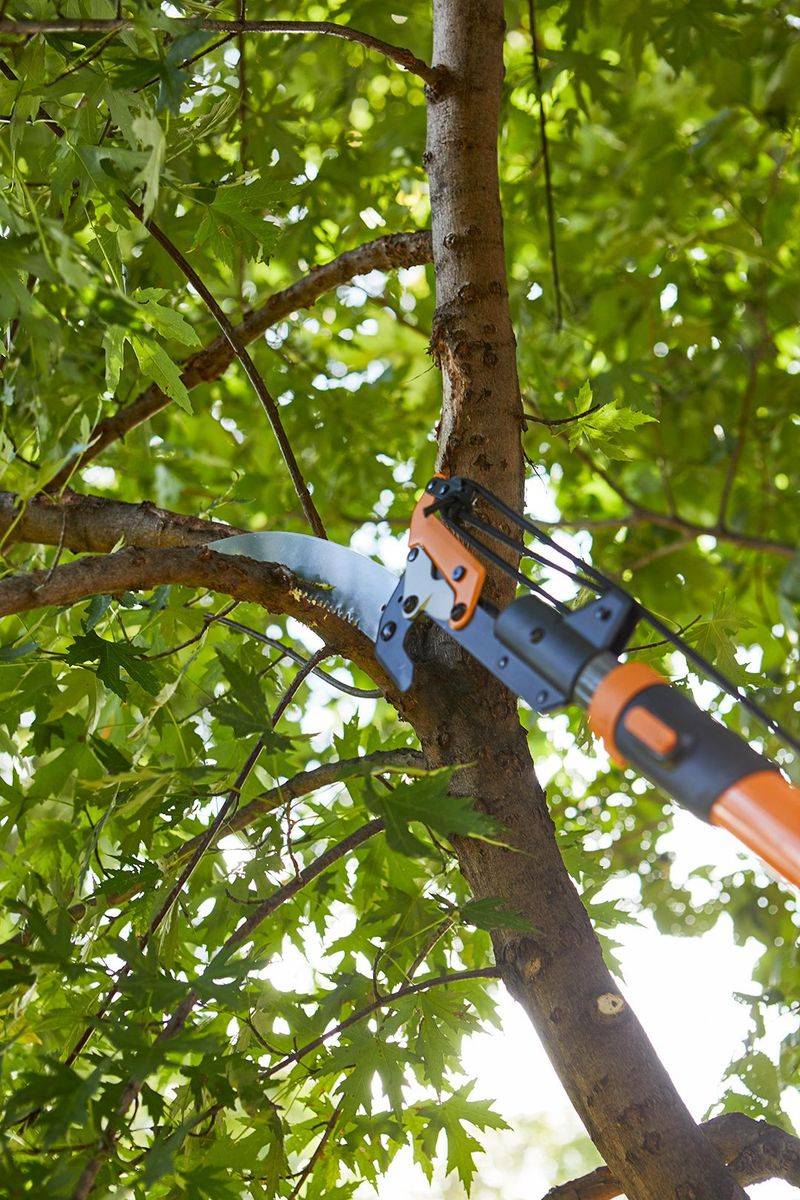
While you cannot force your neighbor to remove leaves, North Carolina law does give you the right to take preventive action.
Homeowners are legally permitted to trim branches that extend over the property line onto their land.
This right allows you to reduce the amount of leaves falling into your yard at the source.
The key limitation is that your trimming must not harm or destabilize the tree itself.
You can cut branches back to the exact property boundary, but not beyond it.
If your pruning damages the tree’s health or structural integrity, you could be held liable for the harm caused.
Before grabbing your pruning saw, consider consulting with a professional arborist who understands proper tree care techniques.
Improper cutting can create entry points for disease or weaken the tree’s ability to withstand storms.
A skilled arborist can advise you on the safest way to trim without causing lasting damage.
Communication with your neighbor before trimming is always a smart approach, even though it is not legally required.
Letting them know your plans can prevent misunderstandings and maintain positive relationships.
Some neighbors might even prefer to handle the trimming themselves to ensure their tree stays healthy.
Remember that any branches you remove become your property and your responsibility to dispose of properly.
The trimmed branches cannot be thrown back onto your neighbor’s land.
Many communities offer yard waste collection services or composting facilities that make disposal convenient and environmentally friendly, turning potential conflicts into opportunities for responsible property management.
Leaves Are Treated The Same As Pine Needles And Seeds
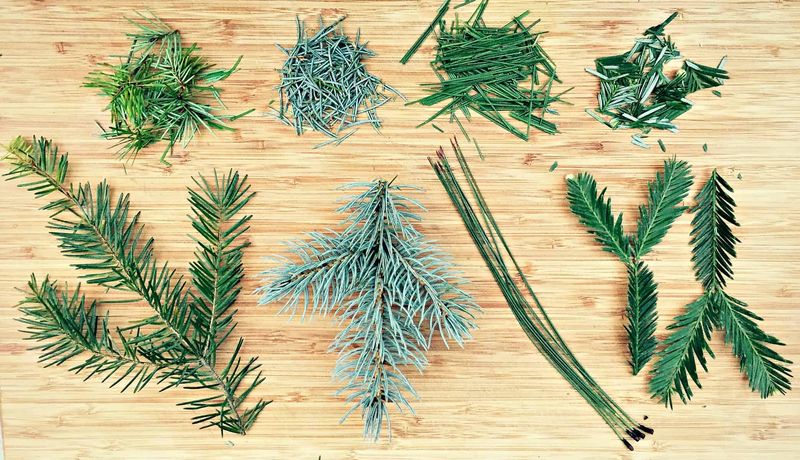
North Carolina courts take a broad view when it comes to natural debris from neighboring trees.
Leaves are not treated as special cases but rather grouped together with pine needles, acorns, seeds, and other organic materials.
All of these are considered normal incidents of living near trees and vegetation.
This classification matters because it establishes that no single type of tree debris creates a legal obligation for the tree owner.
Whether your neighbor has oak trees dropping acorns or pine trees shedding needles, the same rules apply.
You are responsible for managing whatever natural materials land on your property.
Some homeowners find certain types of debris more annoying than others.
Pine needles can be acidic and difficult to rake, while acorns can create tripping hazards on walkways.
Despite these differences, the law treats all natural tree debris equally and does not distinguish between them.
This uniform approach prevents endless debates about which types of debris are more burdensome or problematic.
Imagine if courts had to evaluate whether oak leaves were more troublesome than maple leaves—such distinctions would be impossible to apply fairly.
By treating all natural debris the same way, the law creates clear and consistent expectations.
Understanding this principle can actually help you appreciate the natural cycle happening in your neighborhood.
Fallen leaves, needles, and seeds enrich the soil and provide habitat for beneficial insects and microorganisms.
Many gardeners intentionally collect these materials for mulch and compost, viewing them as valuable resources rather than nuisances that create extra work around the property.
When A Tree Becomes A Legal Hazard
Not every tree-related issue falls under the self-help rule, and there are important exceptions homeowners should know about.
When a tree becomes structurally unsound, diseased, or poses a genuine safety threat, different legal principles may apply.
However, ordinary leaf drop alone never qualifies as a legal hazard, no matter how many leaves fall.
The distinction lies in whether the tree itself presents a danger to people or property.
A tree with major structural problems that could fall and cause damage is treated very differently from a healthy tree that simply sheds leaves.
If you believe your neighbor’s tree is genuinely hazardous, you should document the condition and notify the owner in writing.
Once a tree owner receives proper notification about a dangerous condition, they have a legal duty to address the problem.
If they ignore the warning and the tree later causes damage, they may be held liable.
This liability, however, extends only to actual damage from the tree itself, not to the inconvenience of raking leaves.
Determining whether a tree is truly hazardous often requires professional assessment.
A certified arborist can evaluate the tree’s health, structural integrity, and risk level.
Visible signs like large cracks, significant leaning, fungal growth, or extensive branch loss might indicate serious problems.
Keep in mind that simply disliking the amount of leaves a tree produces does not make it a legal hazard.
The tree must present a real and imminent danger to qualify for the exception.
Most healthy trees, even those that produce abundant leaves, remain the responsibility of their owner to maintain while neighboring property owners handle whatever naturally falls onto their land.
HOA Rules Can Change Responsibilities
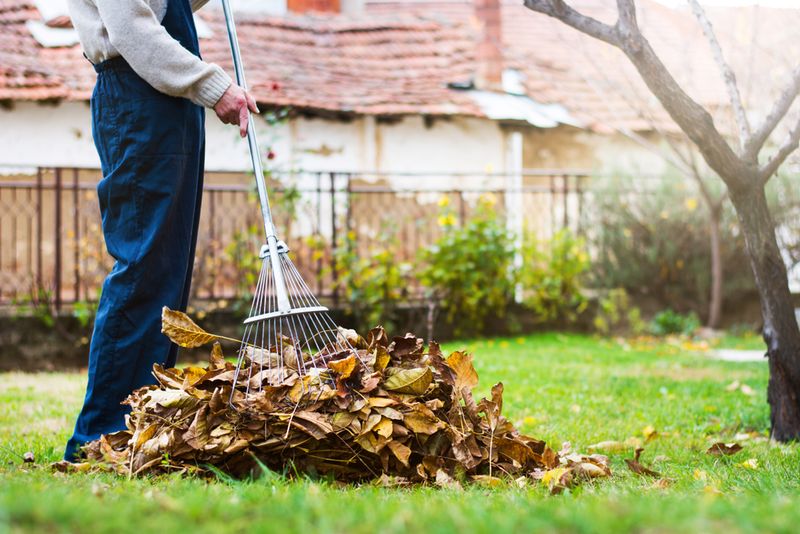
If you live in a community governed by a homeowners association, the rules about leaves and yard maintenance might be more complex than state law alone.
HOAs in North Carolina have the authority to create additional regulations that go beyond basic legal requirements.
These rules can sometimes shift responsibilities or create stricter standards for property appearance.
Your HOA might have specific guidelines about how quickly leaves must be removed or what conditions trigger mandatory cleanup.
Some associations maintain common areas and may handle leaf removal in shared spaces.
Others might require individual homeowners to keep their properties pristine year-round, regardless of where debris originates.
HOA covenants are legally binding contracts that you agreed to when purchasing your home.
These agreements can impose obligations that would not exist under general North Carolina property law.
For example, an HOA might require a homeowner to trim trees more frequently or remove any leaves that blow into neighboring yards.
Before taking any action regarding leaves or tree trimming, review your HOA documents carefully.
Look for sections addressing landscaping, tree maintenance, and neighbor disputes.
Many HOAs also have dispute resolution processes that can help mediate disagreements before they escalate.
Some homeowners find HOA rules frustrating, but they do provide benefits like consistent neighborhood appearance and clear expectations.
If you believe your HOA rules are unreasonable, you may be able to propose changes through the proper channels.
Attending HOA meetings and participating in governance gives you a voice in shaping the rules that affect your property, creating opportunities to balance individual property rights with community standards and aesthetic goals.
Best Ways To Handle Leaf Disputes Peacefully
Legal rights are important, but maintaining good neighbor relationships often matters more than winning arguments about leaves.
Practical solutions and friendly communication can resolve most leaf-related concerns without ever involving lawyers or courts.
A little effort toward cooperation creates a more pleasant living environment for everyone involved.
Start by having a casual conversation with your neighbor about the situation.
Approach the discussion with curiosity rather than complaints, explaining how the leaves affect your yard maintenance routine.
Many neighbors are willing to help or compromise when they understand the impact on your property.
Consider proposing shared solutions that benefit both properties.
You might offer to split the cost of having the tree professionally trimmed, which reduces leaf fall while keeping the tree healthy.
Some neighbors agree to take turns with leaf removal in areas where properties meet, creating a cooperative approach to a shared challenge.
Regular yard maintenance can also minimize the burden of fallen leaves.
Frequent raking prevents massive accumulations that feel overwhelming.
Investing in tools like leaf blowers or mulching mowers can make the task quicker and less labor-intensive.
If direct communication does not resolve the issue, consider mediation services offered by many communities.
A neutral third party can help both sides reach an understanding without the expense and stress of legal action.
Mediation often reveals creative solutions that neither party would have considered independently.
Remember that you will likely live near these neighbors for years to come.
Preserving relationships is worth more than being technically correct about who should rake which leaves.
Approaching the situation with flexibility, kindness, and practical problem-solving skills creates outcomes that everyone can appreciate while maintaining the peaceful atmosphere that makes neighborhoods feel like home.