Who Is Responsible When A Neighbor’s Tree Drops Leaves On Your Yard In New York
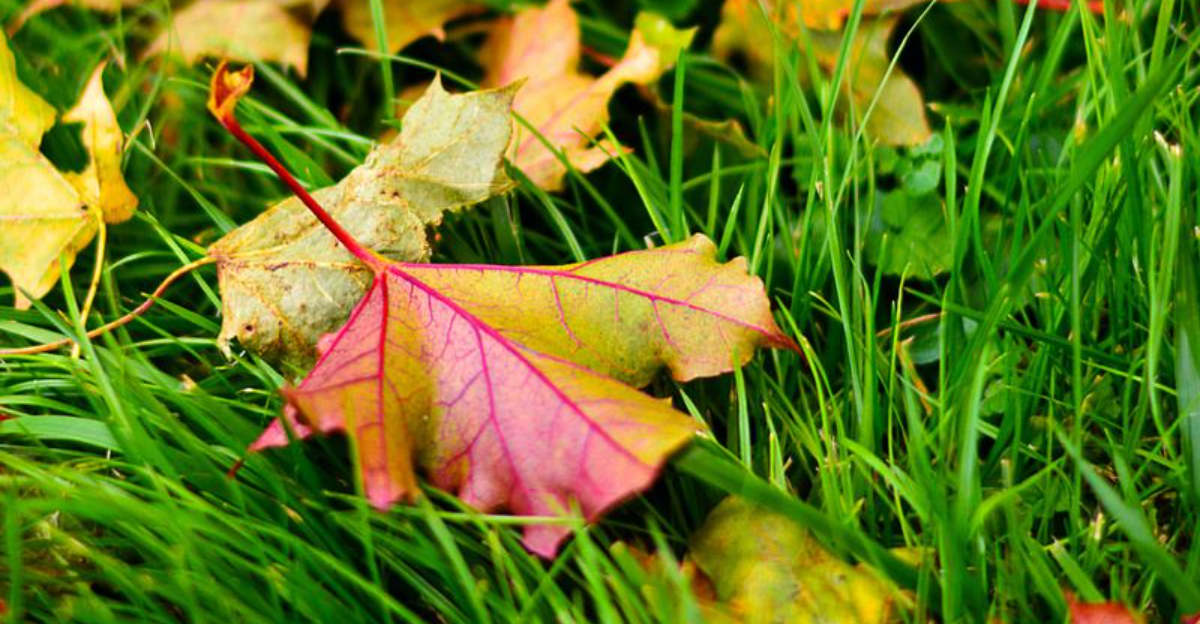
Falling leaves are a beautiful part of autumn, but they can also create tension between neighbors in New York.
When your neighbor’s tree sheds leaves all over your lawn, you might wonder who has to clean up the mess.
The answer isn’t always simple, and it depends on property lines, local laws, and your specific situation.
Understanding the rules about tree responsibility can save you from arguments and help you maintain good relationships with the people next door.
In New York, the law treats trees and their fallen leaves differently than you might expect.
Whether you’re dealing with a few scattered leaves or piles that cover your entire yard, knowing your rights and responsibilities is important.
This guide breaks down everything you need to know about neighbor trees and fallen leaves in New York.
From property ownership rules to practical cleanup solutions, we’ll help you figure out what you can and can’t do.
You’ll learn when you might need to handle the problem yourself and when your neighbor should step in.
We’ll also cover how to approach your neighbor about the issue without creating conflict.
By the end, you’ll have a clear understanding of who’s responsible and what steps you can take to keep your yard looking great all season long.
1. Property Line Rules Determine Ownership And Responsibility
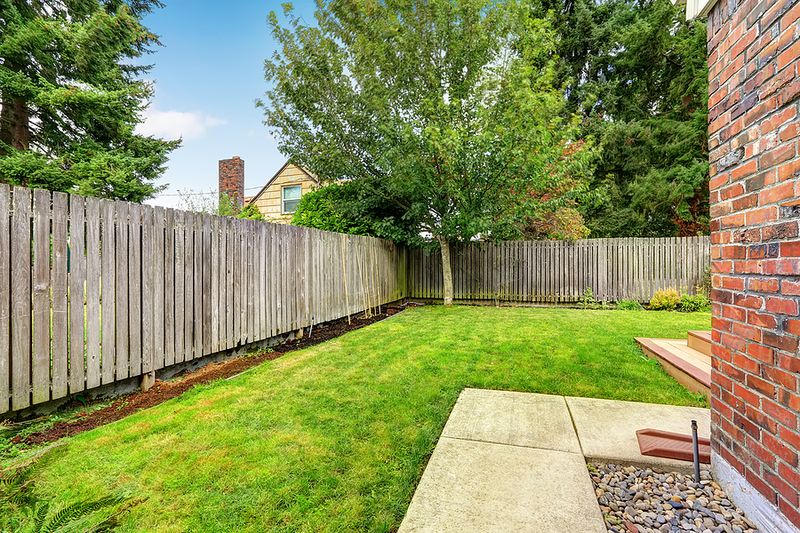
Property lines play a huge role in determining who owns a tree and who’s responsible for its maintenance in New York.
If the tree trunk sits entirely on your neighbor’s property, then the tree belongs to them completely.
However, this doesn’t automatically mean they have to clean up leaves that fall onto your side of the fence.
New York law follows a principle that might surprise you: property owners are generally responsible for maintaining their own land, regardless of where debris comes from.
This means if your neighbor’s tree drops leaves on your lawn, you’re typically the one who needs to rake them up.
The leaves become part of your property once they land there, just like rain or snow that falls on your yard.
There are some exceptions to this rule, particularly if the tree itself is causing damage or creating a hazard.
But when it comes to normal leaf drop during autumn, courts in New York have consistently held that this is a natural occurrence that neighboring property owners must tolerate.
The reasoning is that trees provide benefits to entire neighborhoods, including shade, beauty, and environmental advantages.
Understanding where your property line sits is essential before taking any action.
You can find this information on your property survey or deed.
If you’re unsure about the exact boundary, hiring a professional surveyor can prevent disputes.
In some New York communities, local ordinances might add specific requirements about tree maintenance, so checking with your town or city hall is always a smart move before confronting your neighbor or taking matters into your own hands.
2. Natural Leaf Fall Is Considered A Normal Part Of Tree Ownership
Leaves falling from trees are viewed by New York courts as a natural and expected part of living near vegetation.
Unlike branches that break off or roots that damage foundations, leaves are considered a minor inconvenience rather than a legal problem.
This distinction matters because it affects what you can demand from your neighbor.
The legal concept here is called “natural conditions,” which means that property owners aren’t liable for normal, predictable occurrences from their trees.
Every autumn, deciduous trees shed their leaves as part of their life cycle.
Since this happens everywhere and affects everyone, the law treats it as something neighbors must accept as part of community living.
This doesn’t mean you have no options if the leaf situation becomes extreme.
If your neighbor’s tree is diseased, or dangerously overgrown, that changes things significantly.
In such cases, the tree might be considered a nuisance, and your neighbor could be required to address it.
However, a healthy tree simply doing what healthy trees do in fall won’t qualify as a legal nuisance in New York.
Many homeowners find this frustrating, especially when dealing with large oak or maple trees that produce massive amounts of leaves.
But the reasoning makes sense when you consider that almost everyone benefits from neighborhood trees at some point.
Your trees might drop leaves on someone else’s property, or you might enjoy shade from your neighbor’s tree during summer months.
New York law encourages people to work out these minor issues through friendly communication rather than lawsuits, recognizing that leaf cleanup is a shared seasonal challenge throughout the state.
3. You Can Trim Branches That Cross Your Property Line
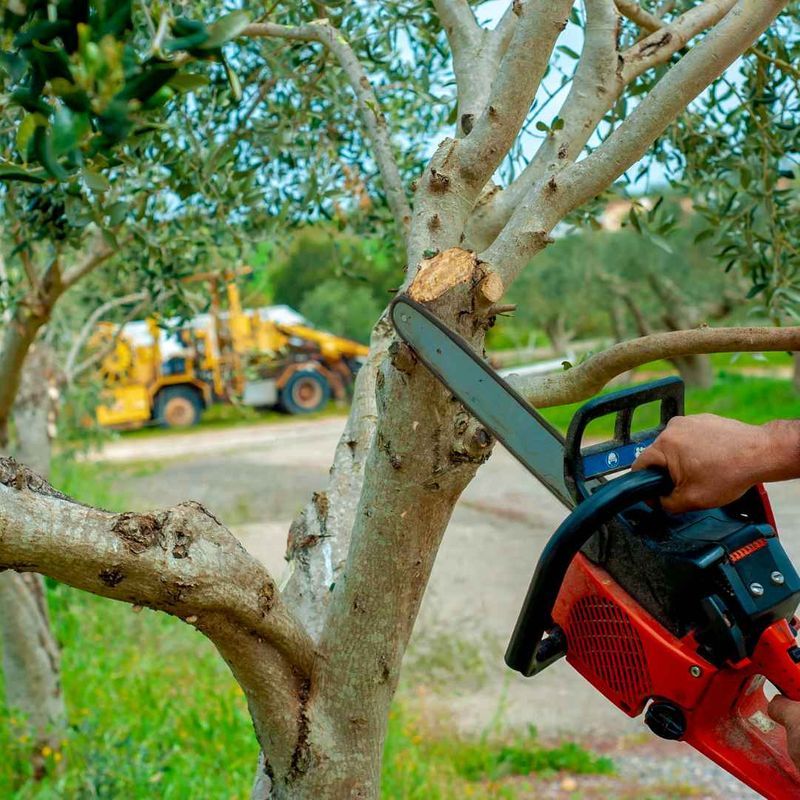
Even though you can’t force your neighbor to pick up leaves, New York law does give you the right to trim branches that extend over your property line.
This is called the “right of self-help,” and it applies throughout the state.
If branches are hanging over your yard and dropping excessive leaves, you can legally cut them back to the boundary line.
Before you grab your saw, there are important rules you need to follow.
First, you can only trim branches on your side of the property line.
You cannot go onto your neighbor’s property or damage the tree’s health in the process.
Second, you’re responsible for any damage you cause to the tree through improper trimming.
If your cuts harm the tree or cause it to become unstable, you could be held liable.
It’s wise to hire a professional arborist for this work, especially with large branches.
They understand proper pruning techniques that won’t harm the tree’s overall health.
In New York, damaging a neighbor’s tree can result in significant financial penalties, sometimes triple the tree’s value under certain local ordinances.
What seems like a simple trimming job can become expensive if done incorrectly.
Before taking action, consider talking to your neighbor first.
Many people appreciate being informed before branches are cut, even if you have the legal right to do so.
Your neighbor might even offer to handle the trimming themselves or split the cost of hiring a professional.
This approach maintains good neighborhood relations while still addressing your leaf problem.
Remember that in New York communities, keeping friendly ties with neighbors often proves more valuable than strictly enforcing your legal rights.
4. Communication With Your Neighbor Often Solves The Problem
Before involving lawyers or local authorities, simply talking to your neighbor might resolve the leaf situation quickly and peacefully.
Many people don’t realize their tree is causing problems for others, and a friendly conversation can lead to cooperative solutions.
Approaching the topic with respect and understanding sets the right tone for productive discussion.
When you bring up the issue, focus on finding solutions rather than placing blame.
You might suggest sharing the cost of leaf cleanup services or offer to help maintain the tree together.
Some neighbors agree to split expenses for professional tree trimming that reduces leaf fall.
Others work out arrangements where one person rakes while the other bags the leaves for disposal.
Timing your conversation matters too.
Don’t wait until you’re frustrated with weeks of accumulated leaves.
Instead, mention it early in autumn before the problem peaks.
This gives your neighbor time to consider options and shows you’re being reasonable.
Also, choose a calm moment rather than confronting them immediately after spending hours raking.
In many New York neighborhoods, these informal agreements work better than any legal action could.
People appreciate being treated with courtesy, and most want to be good neighbors.
Document any agreement you reach, even if it’s just a friendly email summarizing what you discussed.
This prevents misunderstandings later.
If your neighbor refuses to cooperate or becomes hostile, you’ll need to consider other options.
But starting with respectful communication costs nothing and often produces the best results.
New York courts favor people who attempt reasonable solutions before filing complaints.
Showing that you tried to work things out demonstrates good faith and strengthens your position if legal action becomes necessary down the road.
5. Local Ordinances May Provide Additional Options In Your Area
While New York State law sets the general framework, individual cities and towns often have specific ordinances about tree maintenance and property upkeep.
These local rules can sometimes provide remedies that state law doesn’t address.
Checking with your municipal government might reveal options you didn’t know existed.
Some New York communities have nuisance ordinances that require property owners to maintain their land in ways that don’t negatively impact neighbors.
If fallen leaves are creating problems beyond normal inconvenience, such as blocking drainage systems or creating fire hazards, these ordinances might apply.
Your local code enforcement office can explain what regulations exist in your area.
Certain towns in New York also have rules about diseased or dangerous trees.
If your neighbor’s tree is unhealthy and dropping excessive leaves as a symptom of illness, local authorities might require the owner to address it.
This differs from normal seasonal leaf drop because it involves a tree that needs attention for safety or health reasons.
Homeowner associations add another layer of rules in some New York neighborhoods.
If you live in an HOA community, the association’s covenants might include specific requirements about tree maintenance and leaf cleanup.
These private agreements can be more detailed than municipal ordinances and might obligate your neighbor to handle leaves that fall on your property.
Researching local rules takes some effort, but it’s worth doing before assuming you have no recourse.
Visit your town or city website, call the code enforcement department, or stop by the municipal building.
Many New York communities have helpful staff who can explain local regulations in plain language.
Keep notes about what you learn, including the names of ordinances and the people you spoke with, in case you need this information later.
6. Professional Mediation Can Help When Direct Talks Fail
When conversations with your neighbor don’t lead anywhere productive, mediation offers a middle ground between doing nothing and filing a lawsuit.
Many New York communities have mediation services specifically designed for neighbor disputes.
These programs bring in trained neutral parties who help both sides find acceptable solutions.
Mediation works differently than court proceedings.
Instead of a judge deciding who’s right, a mediator helps you and your neighbor communicate effectively and brainstorm solutions together.
The process is usually voluntary, informal, and much less expensive than legal action.
Most community mediation centers in New York charge minimal fees or operate on a sliding scale based on income.
The benefits of mediation extend beyond solving the immediate leaf problem.
It can help repair or maintain your relationship with your neighbor, which matters when you’ll be living next to each other for years to come.
Mediators are skilled at reducing tension and helping people see each other’s perspectives.
They might identify creative solutions that neither party considered.
To find mediation services in New York, contact your county court system or search for community dispute resolution centers in your area.
Many operate through partnerships with local governments or nonprofit organizations.
Some New York courts even require mediation before they’ll hear certain types of neighbor disputes.
Going into mediation with realistic expectations helps.
The goal isn’t necessarily to make your neighbor responsible for every leaf that falls on your property.
Instead, aim for a workable compromise that both parties can accept.
Maybe your neighbor agrees to trim branches or help with cleanup a few times per season.
Perhaps you’ll discover underlying concerns they have that you can address.
Mediation succeeds when both neighbors leave feeling heard and respected, with a practical plan moving forward.
7. Legal Action Should Be Your Last Resort For Leaf Disputes
Taking your neighbor to court over fallen leaves is possible but rarely worth the time, money, and stress involved.
New York courts generally view leaf cleanup as a minor issue that neighbors should resolve themselves.
Judges might be sympathetic to your frustration, but they’re unlikely to order your neighbor to pick up leaves from your property unless extraordinary circumstances exist.
Small claims court handles disputes involving smaller amounts of money without requiring lawyers.
If you’ve incurred specific expenses because of your neighbor’s tree, such as damaged gutters from accumulated leaves or costs for excessive cleanup, you could potentially seek compensation.
However, you’ll need clear documentation showing that the tree caused unusual damage beyond normal leaf fall.
Before filing any legal action in New York, consider the practical outcomes.
Even if you win, enforcing a judgment can be difficult and time-consuming.
The money you spend on court fees and lost work time might exceed what you recover.
Additionally, suing your neighbor will almost certainly destroy any chance of maintaining a civil relationship, which affects your quality of life and potentially your property value.
Legal action makes more sense when the tree itself poses serious problems beyond just dropping leaves.
If the tree is diseased, or structurally unsound and your neighbor refuses to address it despite proper notice, court intervention might be necessary.
In these cases, you’re not just complaining about leaves but addressing a genuine safety hazard.
Consult with a New York attorney who specializes in property law before proceeding with any lawsuit.
Many offer free initial consultations where they can assess whether your situation warrants legal action.
They’ll explain the likely costs, timeline, and outcomes so you can make an informed decision about whether pursuing the matter in court makes sense for your specific circumstances.