Who Is Responsible When A Neighbor’s Tree Roots Damage Your Illinois Yard

If you’ve ever noticed cracks in your patio, sinking soil, or struggling plants near a shared fence, you might be dealing with a neighbor’s tree roots, an issue that affects more Illinois homeowners than you might think.
Tree roots don’t respect property lines, and over time, they can stretch far beyond the trunk, sneaking into yards, gardens, and even foundations.
When damage happens, it leads to one big question: who’s responsible?
The answer isn’t always simple, and handling it the wrong way can turn a peaceful neighborhood into a stressful one.
In Illinois, property laws around tree roots often come down to what’s called “nuisance law” and shared responsibility.
In most cases, homeowners have the right to trim roots that cross into their propert, but only up to the property line and only if it doesn’t seriously harm the tree.
If the roots are causing actual damage, it may be time to have a calm conversation with your neighbor or even get legal advice.
Understanding your rights can help you protect your yard without overstepping boundaries.
Knowing when, and how to act can make all the difference.
1. Understanding Illinois Property Line Laws And Tree Ownership
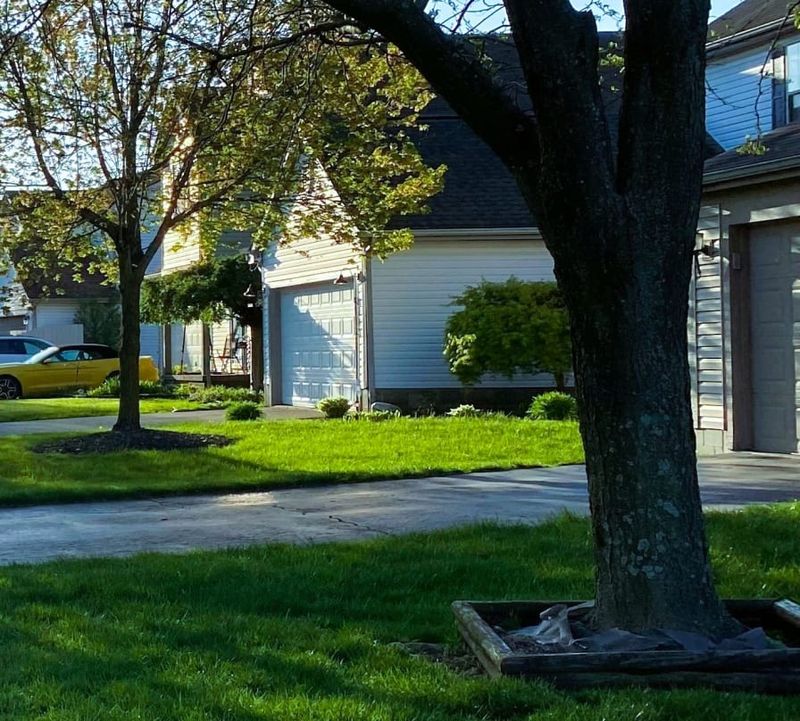
Property boundaries matter tremendously when determining who handles tree root damage in Illinois.
A tree belongs entirely to the property owner where its trunk sits, even if branches or roots cross into neighboring yards.
This might seem unfair when roots wreck your lawn, but Illinois courts follow this trunk location rule strictly.
If the trunk grows completely on your neighbor’s side of the fence, that tree is legally theirs, along with the responsibility for proper care.
Boundary trees present a different situation worth understanding.
When a trunk straddles the property line between two Illinois yards, both neighbors share ownership of that tree.
Shared ownership means both parties must agree before removing or significantly trimming the tree.
It also means both neighbors potentially share liability if roots from that boundary tree cause damage to either property or to someone else’s land.
Knowing exactly where your property line runs becomes crucial before taking any action.
Many homeowners in Illinois discover their fence does not actually mark the legal boundary.
Getting a survey done by a licensed professional establishes the true line and determines tree ownership clearly.
This documentation proves invaluable if disputes end up in court later.
Root damage claims hinge on proving which property the problematic tree occupies.
Illinois judges will not award damages or order remedies without clear evidence of tree location relative to boundary lines.
Taking photos, getting surveys, and documenting the tree’s trunk position builds your case whether you are the damaged party or the tree owner facing complaints.
Property line knowledge forms the foundation for everything else in Illinois tree disputes.
2. Your Right To Cut Roots At The Property Line In Illinois
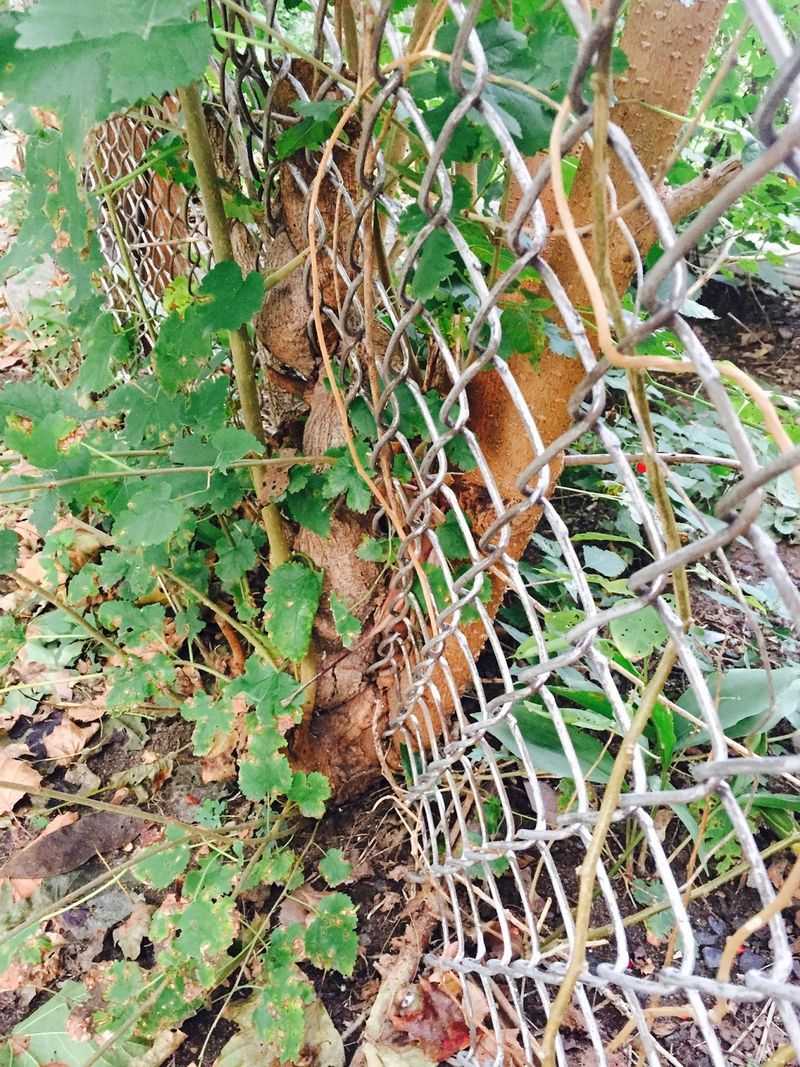
Illinois law gives you the right to trim roots that cross onto your property, but this right comes with important limits.
You can cut roots right at the boundary line without asking your neighbor’s permission first.
This self-help remedy recognizes that you should not have to tolerate invasive roots damaging your land.
Many Illinois homeowners successfully handle minor root problems this way without involving lawyers or courts.
Cutting roots carelessly can backfire in expensive ways.
If trimming roots causes the entire tree to become unstable or unhealthy, you might become liable for damage the tree causes later.
Illinois courts have held property owners responsible when their root cutting made a neighbor’s tree dangerous.
The tree could fall during a storm and crush a car or damage a house, and you could face a lawsuit if your cutting contributed to the problem.
Hiring a certified arborist before cutting major roots protects you legally and practically.
An arborist can identify which roots you can safely remove without threatening the tree’s stability.
They can also document the tree’s condition before you cut anything, which proves valuable if your neighbor later claims you harmed their tree.
This professional assessment costs money upfront but prevents much bigger expenses down the road.
Illinois property owners should photograph roots before cutting and keep records of the damage those roots caused.
Documentation shows you acted reasonably to protect your property rather than maliciously harming a neighbor’s tree.
If you cut roots at the property line and the tree later falls, your photos and arborist reports demonstrate you followed proper procedures and did not act recklessly under Illinois law.
3. When Your Neighbor Must Pay For Root Damage In Illinois
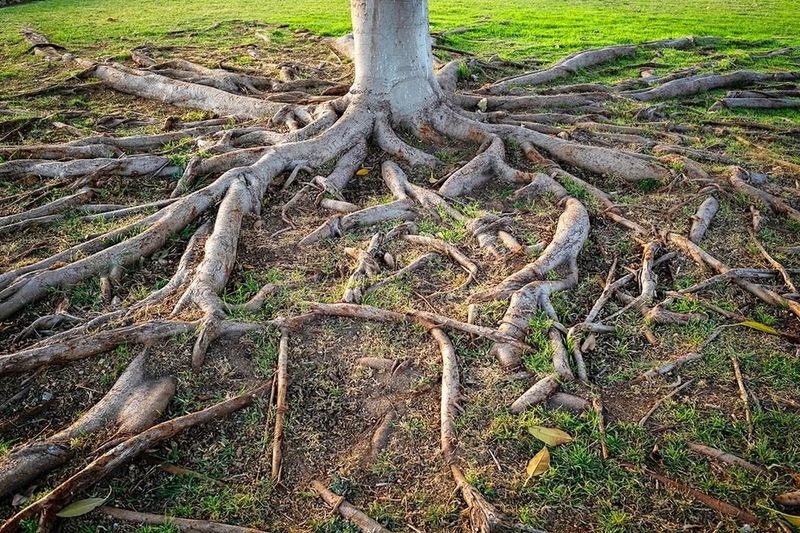
Getting your neighbor to pay for root damage requires proving they knew or should have known their tree posed a problem.
Illinois follows a negligence standard for tree damage cases, meaning you must show the tree owner failed to act reasonably.
Simply having a tree with aggressive roots does not automatically make your neighbor liable.
You need evidence they ignored obvious warning signs or refused to address a known hazard.
Sending written notice about root damage creates a legal record that strengthens your position.
Once you inform your neighbor in writing that their tree roots are causing problems, they can no longer claim ignorance.
Keep copies of letters, emails, or texts where you described the damage and requested action.
If your neighbor does nothing after receiving clear notice, Illinois courts view this as potential negligence that supports a damage claim.
Proving actual damage with dollar amounts helps win compensation cases.
Take photos showing cracked concrete, damaged irrigation systems, or destroyed landscaping caused by roots.
Get repair estimates from licensed contractors who can testify about what fixing the damage will cost.
Illinois judges need concrete evidence of financial harm, not just complaints about roots being annoying or unsightly.
Your neighbor’s tree must have been unhealthy or improperly maintained for liability to stick in many Illinois cases.
A healthy tree growing normally does not usually create legal responsibility for root damage under traditional property law.
However, if your neighbor knew the tree was diseased, structurally unsound, or planted too close to property lines, their failure to address these issues can make them liable for resulting damage to your Illinois property.
4. Dealing With Damage To Underground Utilities And Foundations
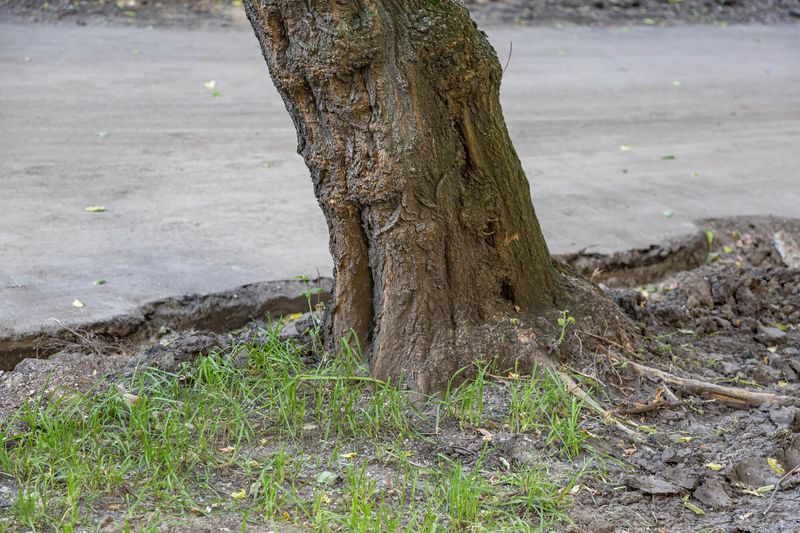
Tree roots seeking water and nutrients often invade sewer lines, water pipes, and other underground utilities in Illinois yards.
These invasions cause expensive problems that might not show up for years after roots first penetrate pipes.
Homeowners often discover the issue only when drains back up, water bills spike, or foundation cracks appear.
Determining who pays for repairs gets complicated because damage happens gradually underground where nobody can see it developing.
Illinois courts generally require tree owners to pay for utility damage if the tree was unhealthy or if the owner ignored warnings.
Roots from a diseased or weak tree that crack your sewer line create clear liability.
Similarly, if you told your neighbor that roots were threatening your pipes and they did nothing, they likely owe you for repairs.
The key is proving the neighbor knew or should have known about the risk their tree created to your underground infrastructure.
Foundation damage from roots represents the most serious and expensive problem Illinois homeowners face.
Roots can dry out soil under foundations, causing settling and cracking that threatens structural integrity.
Proving roots caused foundation damage requires expert analysis from structural engineers and arborists.
These professionals can determine whether roots actually caused the problem or whether other factors like soil conditions or poor construction are to blame.
Preventive measures protect your Illinois property from root damage to utilities and foundations.
Installing root barriers along property lines stops roots before they reach vulnerable areas.
Choosing where to plant trees carefully and selecting species with less aggressive root systems reduces future problems.
Regular inspections of older trees near your home help catch issues early when solutions cost less and cause less damage.
5. Resolving Tree Disputes Without Going To Court In Illinois
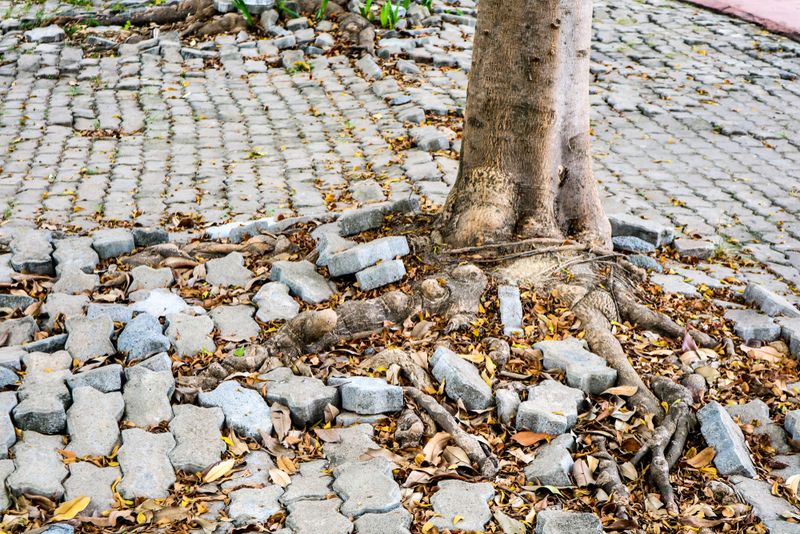
Talking directly with your neighbor often resolves tree root problems faster and cheaper than any legal action.
Most people want to be reasonable when they understand damage is happening and what fixing it will cost.
Approach the conversation calmly with photos and estimates rather than accusations.
Explain how the roots are affecting your Illinois property and suggest solutions like sharing the cost of root barriers or professional tree care that benefits both yards.
Mediation services help when direct conversations go nowhere.
Many Illinois communities offer mediation programs specifically for neighbor disputes, sometimes at no cost or for small fees.
A trained mediator helps both parties communicate, understand each other’s concerns, and reach agreements that courts can enforce.
Mediation preserves neighborly relationships much better than lawsuits while still producing binding solutions to tree problems.
Homeowner’s insurance sometimes covers tree root damage, depending on your policy and the circumstances.
Review your coverage to see whether sudden root damage to structures or utilities qualifies for a claim.
Your neighbor’s homeowner’s insurance might also cover damage their tree caused if negligence is involved.
Insurance companies have lawyers and adjusters who can negotiate settlements without you personally suing your neighbor, which keeps relationships less hostile.
Written agreements prevent future confusion about who agreed to do what.
If you and your neighbor reach an understanding about handling tree roots, put it in writing with specific details about repairs, costs, and timelines.
Both parties should sign and keep copies.
Illinois courts will enforce these agreements if someone fails to follow through, giving you legal protection without starting from scratch with a lawsuit later.
6. Taking Legal Action For Tree Root Damage In Illinois
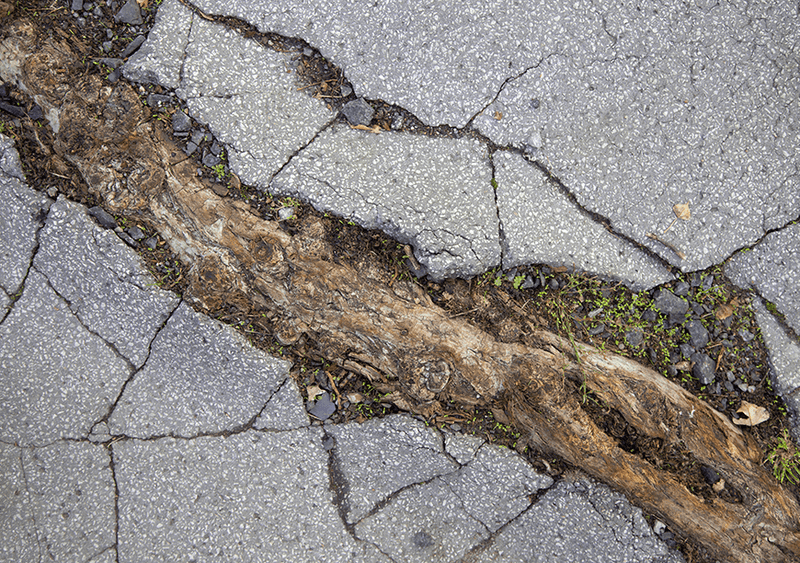
Filing a lawsuit becomes necessary when neighbors refuse to address tree damage or negotiate reasonable solutions.
Illinois property owners can sue for actual damages caused by tree roots, including repair costs, diminished property value, and sometimes compensation for lost use of damaged areas.
Small claims court handles cases under $10,000 in Illinois, which covers many tree root damage situations without requiring a lawyer.
Larger claims require filing in circuit court where legal representation becomes more important.
Gathering strong evidence before filing makes winning your case much more likely.
You need photos showing the damage, professional assessments linking that damage to specific tree roots, repair estimates from licensed contractors, and documentation of your attempts to resolve the issue with your neighbor.
Illinois judges decide cases based on facts and evidence, not on who tells the most emotional story.
Your case succeeds or fails on how well you prove the tree owner’s negligence caused measurable damage to your property.
Expert witnesses strengthen tree damage lawsuits significantly.
Arborists can testify about tree health, root systems, and whether proper care could have prevented the damage.
Structural engineers explain how roots affected foundations or other structures.
Landscape professionals document damage to lawns, gardens, and outdoor features.
These experts cost money but their testimony often means the difference between winning and losing in Illinois courts.
Winning a judgment does not always mean getting paid quickly.
Illinois courts can order your neighbor to pay damages, but collecting that money might require additional legal steps.
Some homeowners find that the cost and stress of litigation outweigh the satisfaction of winning.
Consider whether your neighbor can actually afford to pay a judgment before investing thousands in legal fees for a case you might win but never collect on.