Who Is Responsible When Pests From A Neighbor’s Tree Invade Your Home In Oklahoma
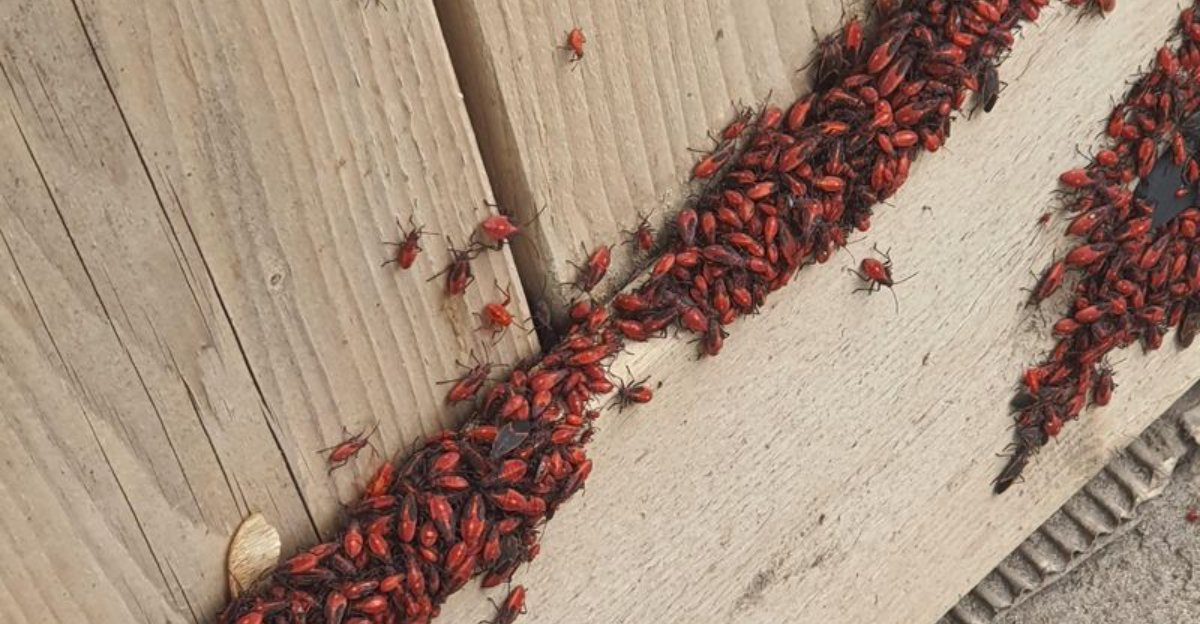
When bugs start marching into your home like they own the place, it’s tempting to point a finger straight at the neighbor’s tree that seems to be buzzing, crawling, and swarming with trouble.
From ants to beetles to every creepy-crawly in between, an invasion can turn your peaceful Oklahoma home into a pest battleground overnight.
Naturally, the big question starts itching at you: Who’s actually responsible when those pests hitch a ride from a neighbor’s tree into your house?
Before frustration boils over or accusations start flying, it’s worth knowing what Oklahoma law really says—and where the line between your property and your neighbor’s responsibility truly lies.
Oklahoma Property Law Basics
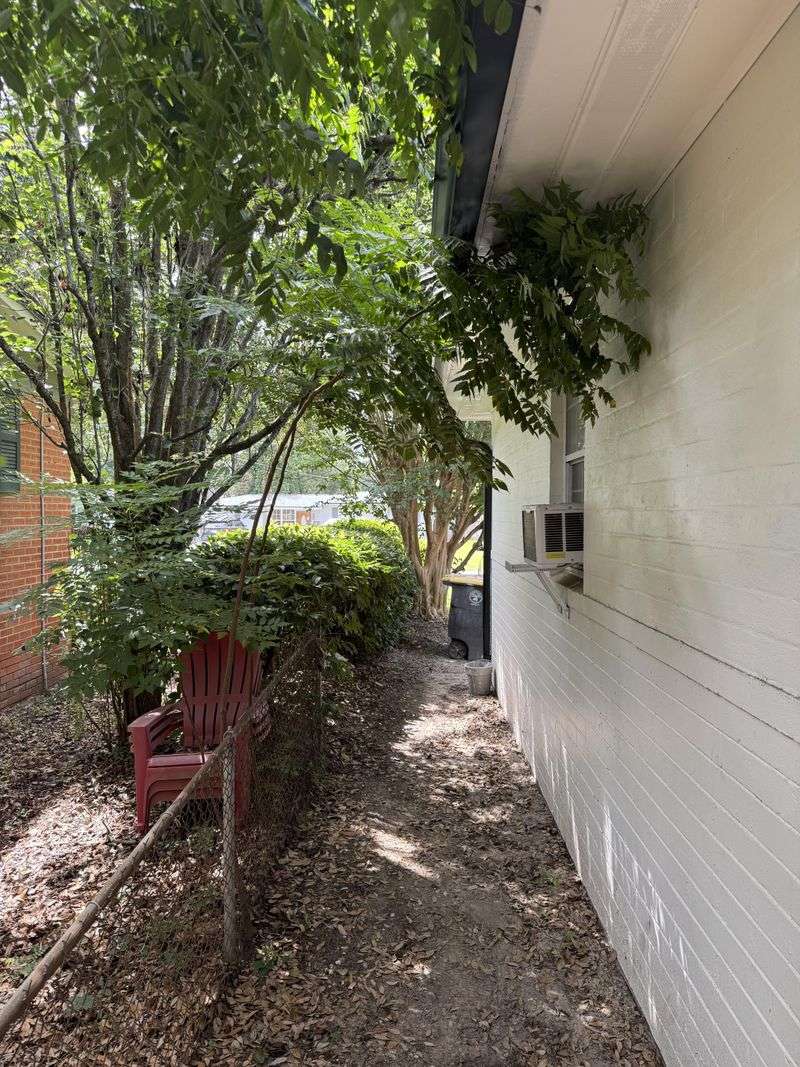
Property owners in Oklahoma have certain duties when it comes to maintaining trees on their land.
State law recognizes that what happens on one property can affect neighboring homes, especially when trees and vegetation are involved.
Generally speaking, each homeowner is responsible for keeping their property in reasonable condition so it doesn’t harm others.
However, proving that a neighbor’s tree directly caused pest problems requires solid evidence.
You can’t just assume the bugs came from next door without documentation.
Oklahoma follows what’s called a “reasonableness” standard in most property disputes.
Courts will look at whether a reasonable person would have known their tree posed a risk to neighbors.
If your neighbor knew their tree was diseased, infested, or withered and did nothing about it, they might be liable for damages.
Documentation becomes your best friend in these situations.
Take photos, keep records of pest sightings, and note when you first contacted your neighbor about concerns.
Having a paper trail makes resolving disputes much easier, whether through friendly conversation or legal action.
Documenting The Pest Problem
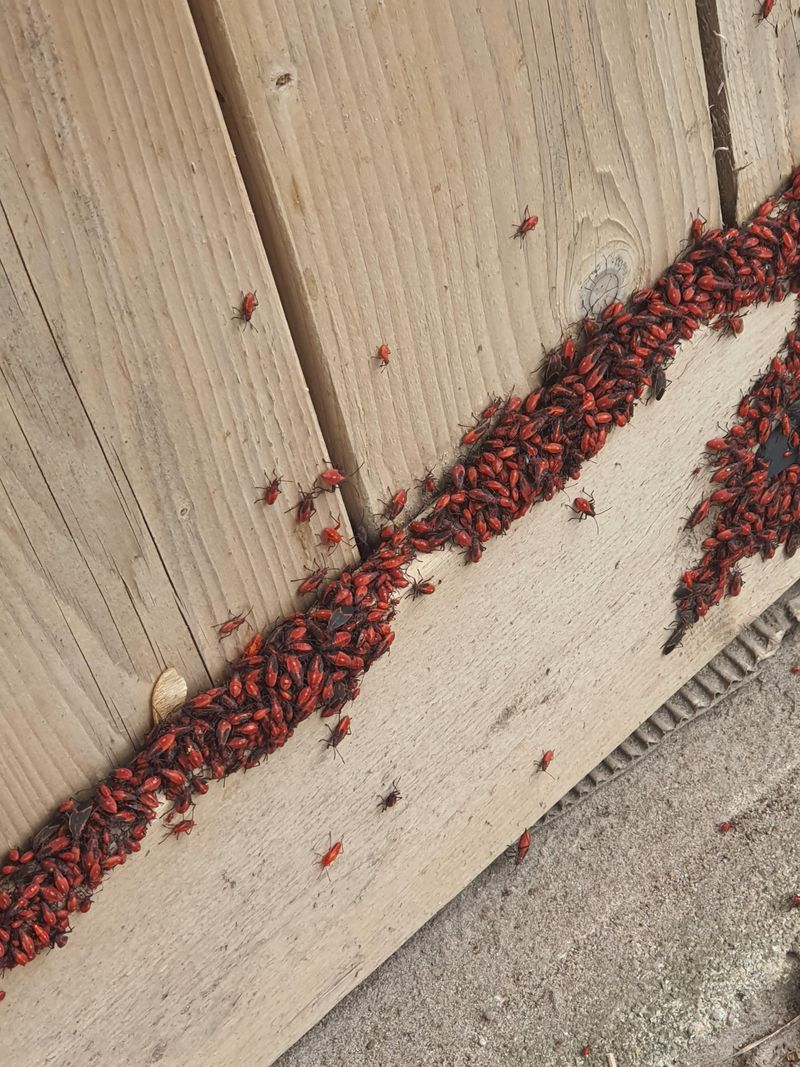
Before pointing fingers, gather concrete proof that pests are actually coming from your neighbor’s tree.
Start by photographing the insects you’re seeing both inside your home and around the suspected tree.
Many pest species look similar to untrained eyes, so having clear images helps professionals identify them accurately.
Consider hiring a licensed pest inspector to evaluate your situation and provide a written report.
Professional documentation carries more weight than personal observations if disputes escalate.
Keep a detailed log with dates, times, and locations where you’ve spotted pests.
Note whether you see them traveling from the direction of the neighbor’s property.
Video evidence can be particularly powerful, especially if it shows insects moving from the tree toward your home.
Save all receipts related to pest control treatments, inspections, and any repairs needed due to pest damage.
These financial records become important if you later seek compensation from your neighbor.
Organize everything in a folder or digital file so you can easily access information when needed.
Talking To Your Neighbor First
Many property disputes get resolved through simple, honest conversation rather than legal action.
Approach your neighbor calmly and respectfully, assuming they’re unaware of the problem until proven otherwise.
People often respond better to friendly concerns than accusations or demands.
Choose a good time to chat when both of you can talk without rushing or distractions.
Explain what you’ve been experiencing without blaming them directly at first.
Share your documentation, including photos and any professional reports you’ve obtained.
Visual evidence helps neighbors understand the seriousness of the situation better than words alone.
Suggest working together to find a solution that benefits both properties.
Maybe they’ll agree to have the tree inspected or treated by a professional arborist.
Perhaps they weren’t aware the tree had problems and will appreciate you bringing it to their attention.
Keep the conversation focused on solving the problem rather than assigning blame.
If your neighbor seems receptive, follow up with a friendly written summary of what you discussed and any agreed-upon actions.
Understanding Tree Owner Responsibilities
Tree owners have a legal duty to maintain their trees in reasonably safe condition under Oklahoma law.
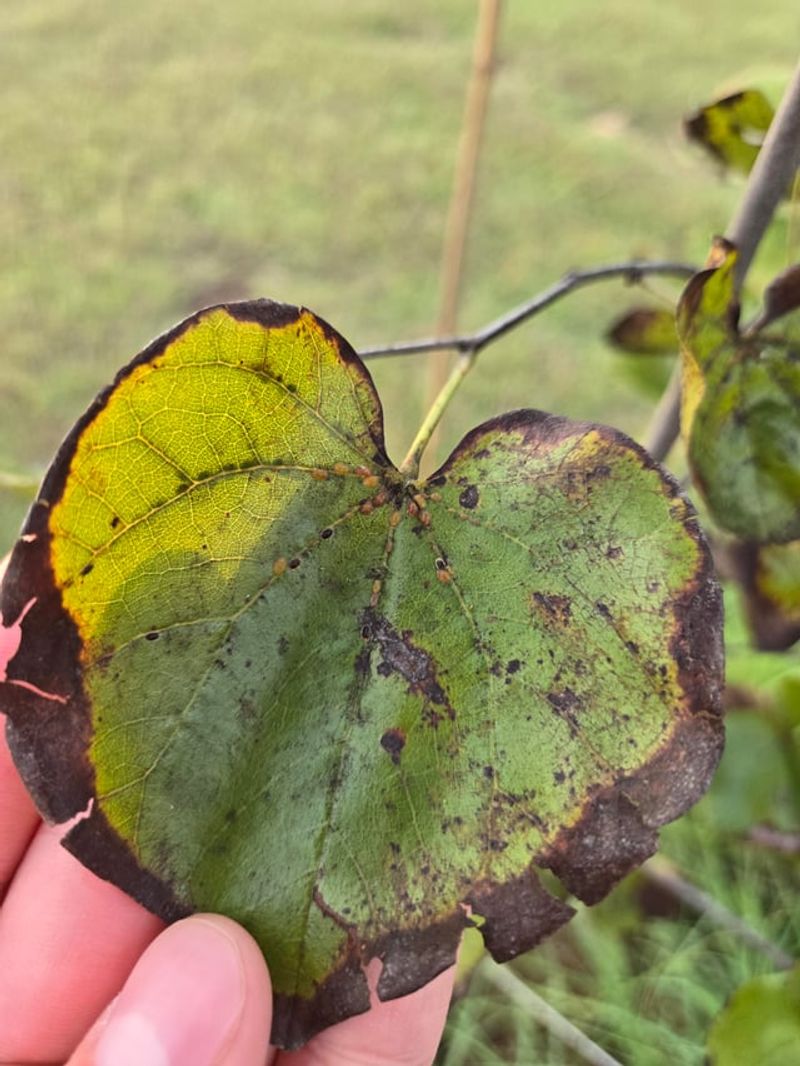
When a tree becomes diseased, infested with pests, or withers, the owner should address these issues promptly.
Neglecting obvious tree problems that could harm neighbors may create legal liability.
However, not every pest issue automatically makes the tree owner responsible for your problems.
Courts typically require proof that the tree owner knew or should have known about the infestation.
A healthy-looking tree that suddenly develops pests might not trigger responsibility the same way an obviously dying tree would.
Property owners must also ensure branches don’t extend excessively over property lines, creating pathways for pests.
Regular tree maintenance, including trimming and inspections, shows responsible ownership.
If a tree clearly poses a hazard due to disease or pest infestation, ignoring it could constitute negligence.
Neighbors have the right to trim branches that cross onto their property at the property line.
Still, they cannot damage or destroy the tree in the process, which complicates pest control efforts.
When To Involve A Professional Arborist
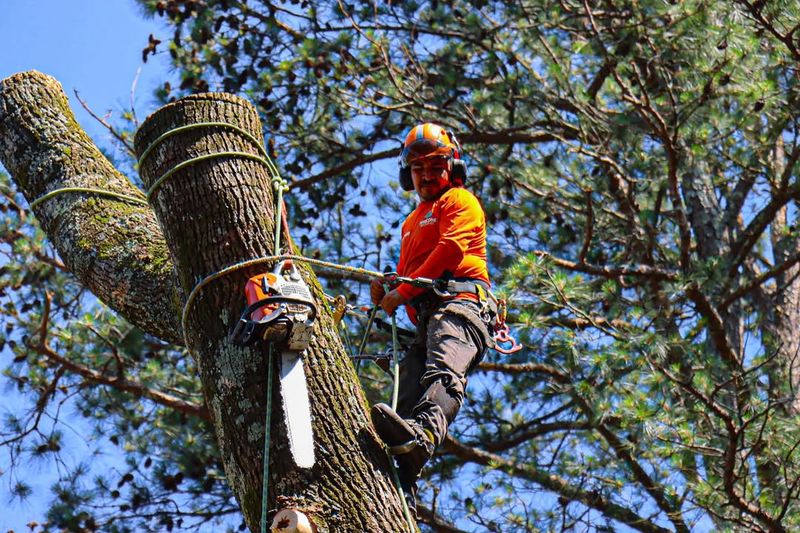
Certified arborists bring expertise that helps determine whether a tree truly harbors pest problems affecting neighboring properties.
These professionals can identify specific pest species, assess the tree’s overall health, and recommend appropriate treatments.
Their written reports provide credible evidence if you need to pursue legal remedies later.
An arborist can determine whether pests originated in the neighbor’s tree or simply passed through it from elsewhere.
Sometimes pest problems have multiple sources, making responsibility harder to assign.
Professional assessments also reveal whether the tree can be saved through treatment or needs removal entirely.
Both you and your neighbor might benefit from hiring an arborist together, splitting the cost.
This collaborative approach shows good faith and often leads to faster problem resolution.
Arborists can also advise on preventive measures to protect your own trees from infestation.
Look for arborists certified by the International Society of Arboriculture (ISA) for the most reliable service.
Getting multiple opinions never hurts, especially for expensive tree removal or treatment recommendations.
Oklahoma’s Nuisance Laws
Oklahoma law recognizes what’s called a “private nuisance” when one property owner’s actions substantially interfere with another’s use and enjoyment of their property.
Pest infestations from a neighbor’s tree could potentially qualify as a private nuisance if they’re severe enough.
To succeed with a nuisance claim, you must prove the interference is substantial and unreasonable, not just annoying.
Courts consider factors like the severity of the pest problem, how long it’s lasted, and whether the tree owner took reasonable steps to address it.
A few stray bugs probably won’t meet the threshold, but a termite swarm causing structural damage likely would.
Nuisance claims also require showing that the tree owner either caused the problem or failed to fix it after learning about it.
You cannot hold someone liable for something they couldn’t reasonably know about or control.
Successfully proving nuisance can result in court orders requiring the neighbor to remove or treat the tree.
You might also recover damages for pest control costs and repairs to your home.
Consulting with a property attorney helps you understand whether your situation meets nuisance law requirements.
Your Right To Self-Help Remedies
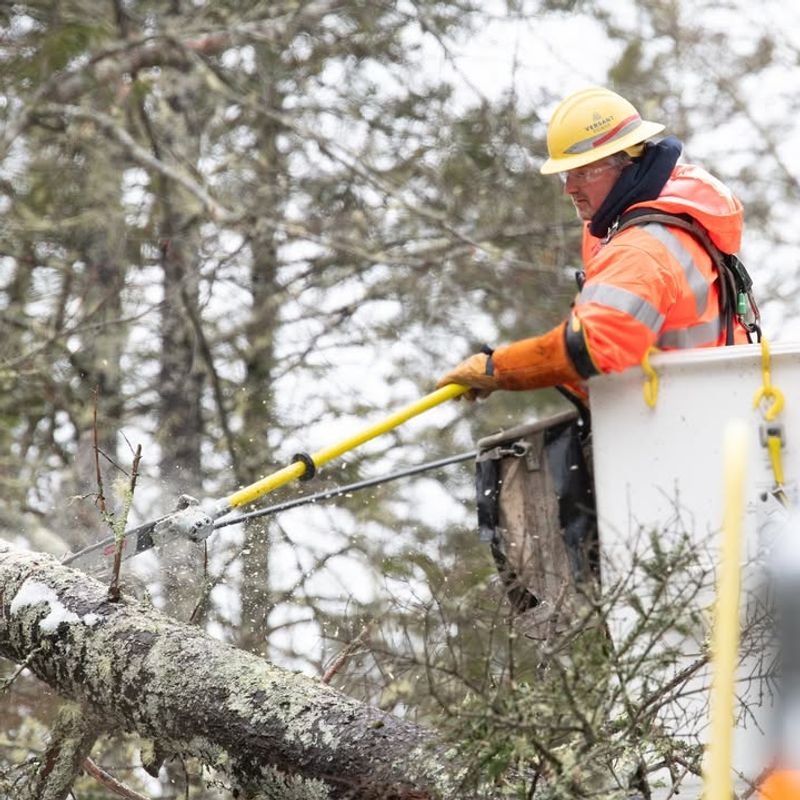
Oklahoma law allows you to trim branches from a neighbor’s tree that extend over your property line.
You can cut them back to the boundary without asking permission first, though doing so carefully is important.
However, you cannot go onto your neighbor’s property to perform this trimming without their consent.
You also cannot cut branches in a way that damages or destroys the tree, which could make you liable for the tree’s value.
Self-help remedies have limits when it comes to pest control specifically.
Cutting overhanging branches might reduce pest access to your home but won’t eliminate the source infestation.
You cannot spray pesticides or other treatments onto your neighbor’s tree without permission, even if branches hang over your property.
Doing so could violate laws regarding trespass and property damage.
If you choose to trim branches yourself, hire a professional tree service to avoid accidentally harming the tree.
Document your trimming activities with photos showing you stayed on your side of the property line.
Always consider whether self-help will actually solve your pest problem or just temporarily reduce it.
Insurance Coverage Considerations
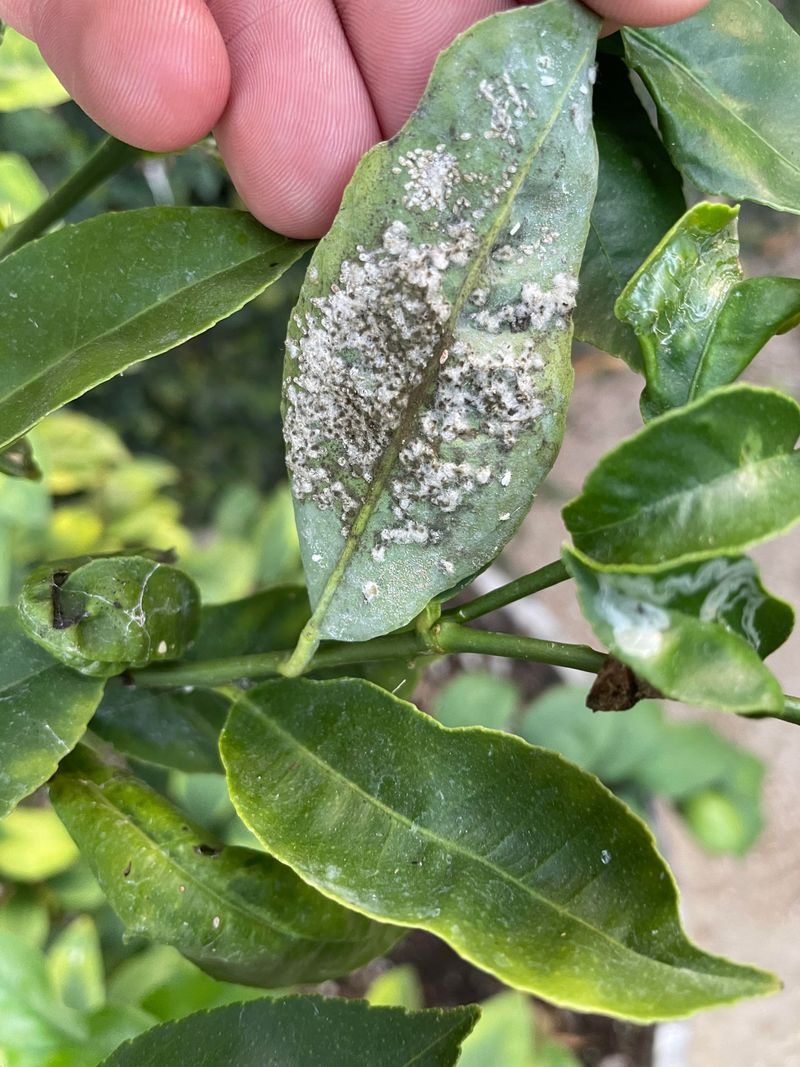
Most standard homeowners insurance policies exclude damage caused by pests like termites, carpenter ants, and beetles.
Insurance companies consider pest prevention a maintenance issue that falls under homeowner responsibility.
However, some policies might cover resulting damage if pests cause a covered peril, like structural collapse.
Review your policy carefully or contact your insurance agent to understand exactly what’s covered.
If your neighbor has homeowners insurance, their liability coverage might apply if you can prove their negligence caused your pest problem.
Liability coverage typically pays for damage the insured person is legally responsible for causing to others.
Filing a claim against your neighbor’s insurance should be a last resort after other resolution attempts fail.
Insurance companies will investigate thoroughly and require substantial proof before paying claims.
Document everything meticulously if you’re considering this route.
Some homeowners purchase separate pest damage insurance or home warranties that cover certain pest-related repairs.
These specialized policies can provide financial protection that standard insurance doesn’t offer.
Weighing the cost of such coverage against your risk helps you make informed decisions.
Mediation And Alternative Dispute Resolution
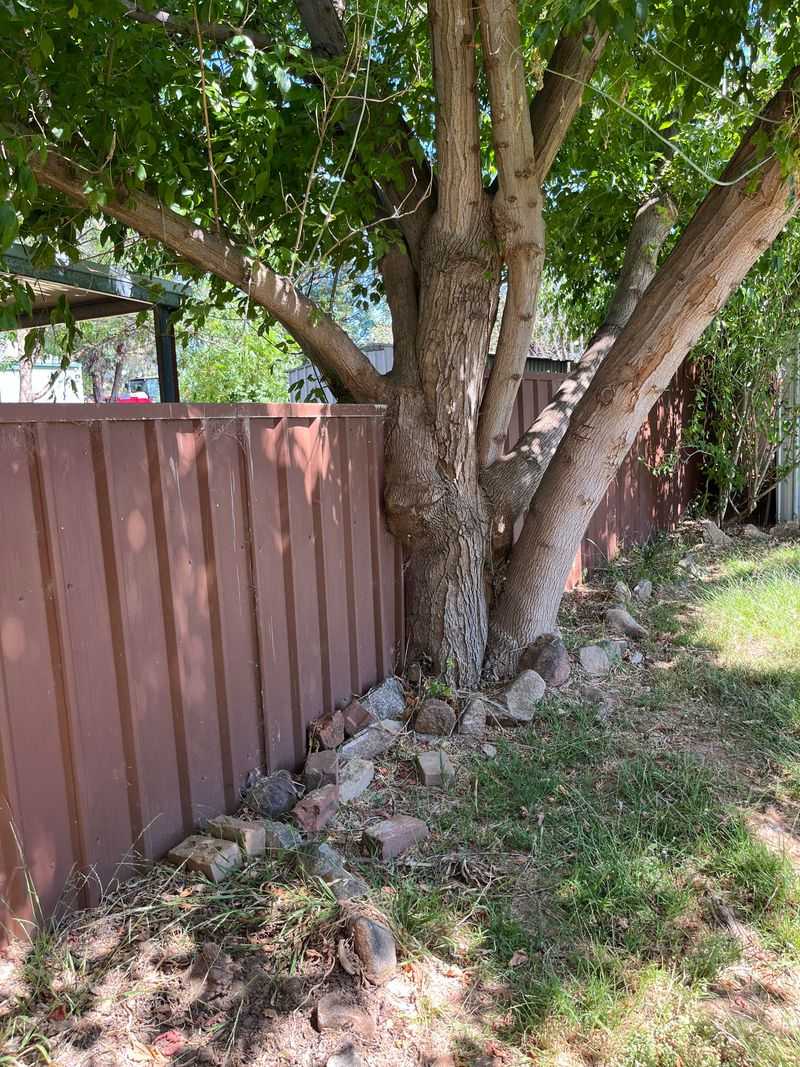
Before heading to court, consider mediation as a less expensive and faster way to resolve neighbor disputes.
Mediation involves a neutral third party who helps both sides communicate and reach a mutually acceptable solution.
Many counties in Oklahoma offer community mediation services at low or no cost to residents.
The process is typically informal, confidential, and much less stressful than litigation.
Both you and your neighbor would present your perspectives while the mediator guides the conversation toward compromise.
Solutions might include the neighbor treating or removing the tree, sharing pest control costs, or creating a maintenance agreement.
Mediation works best when both parties genuinely want to preserve their relationship and find common ground.
Agreements reached through mediation can be made legally binding if both sides agree.
Even if mediation doesn’t completely resolve everything, it often narrows the issues and improves communication.
Courts sometimes require mediation before allowing property disputes to proceed to trial anyway.
Getting ahead of that requirement shows good faith and might save you time and legal fees down the road.
Legal Action As A Last Resort
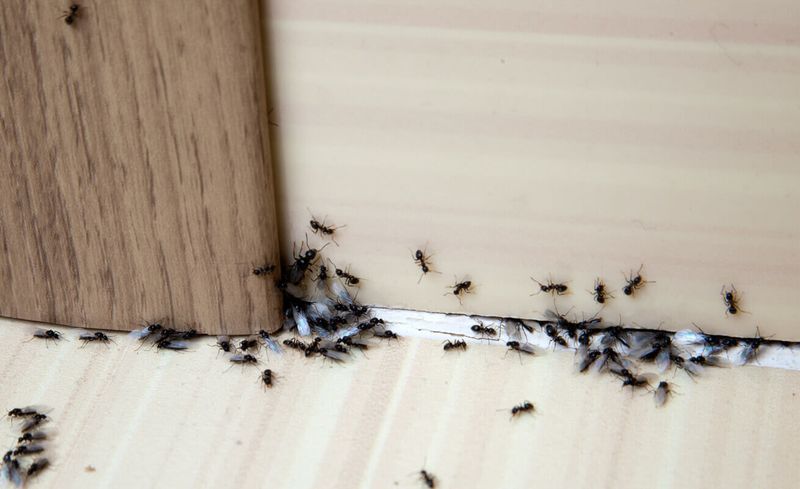
Taking your neighbor to court should happen only after exhausting all other reasonable options.
Litigation is expensive, time-consuming, and can permanently damage neighborhood relationships.
However, when a neighbor refuses to address a serious pest problem causing significant damage, legal action might become necessary.
Small claims court handles disputes up to a certain dollar amount, typically around seven thousand dollars in Oklahoma.
This option is less formal and doesn’t require an attorney, though you can hire one if you choose.
For larger claims involving extensive property damage, you’ll need to file in district court with legal representation.
Property attorneys understand Oklahoma’s specific laws regarding tree disputes and nuisance claims.
They can evaluate your case’s strength before you invest time and money in litigation.
Many attorneys offer free initial consultations where you can discuss your situation and options.
If you win your case, the court might order the neighbor to remove the tree, pay for your damages, and cover your legal fees.
Remember that even winning in court doesn’t guarantee immediate resolution, as collecting judgments can take time.