Who Is Responsible When Pests From A Neighbor’s Tree Spread To Your North Carolina Property
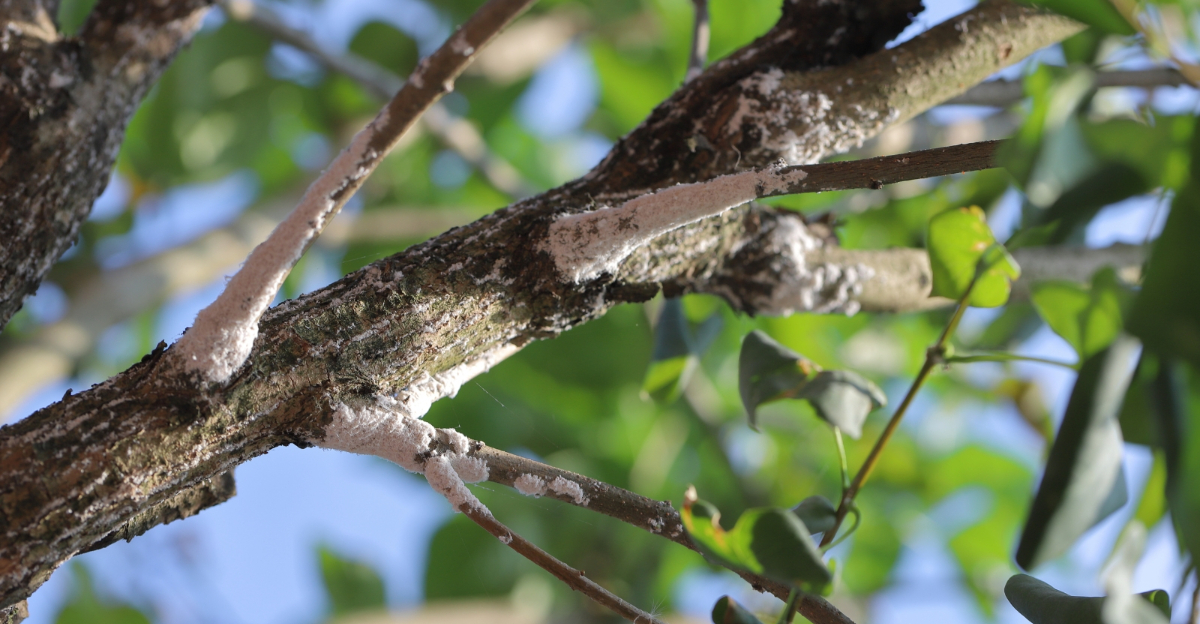
Pests don’t respect property lines, and when they arrive from a neighbor’s tree, the situation can turn tense fast. What starts as a few insects can quickly feel like someone else’s problem landing squarely in your yard.
In North Carolina, these situations raise questions that are more legal than many homeowners expect.
Trees, bugs, and responsibility don’t always line up the way common sense suggests.
Some infestations are treated as natural events, while others may trigger real liability concerns. Knowing the difference matters, especially when damage or repeated problems enter the picture.
Neighbors often assume there’s nothing they can do, even when the source is obvious.
State laws, local rules, and property rights quietly shape who is expected to act and who is not.
Before frustration takes over, it helps to understand where responsibility actually falls when pests cross the fence.
1. Why Pest Spread From A Neighbor’s Tree Is Usually Not Automatic Liability
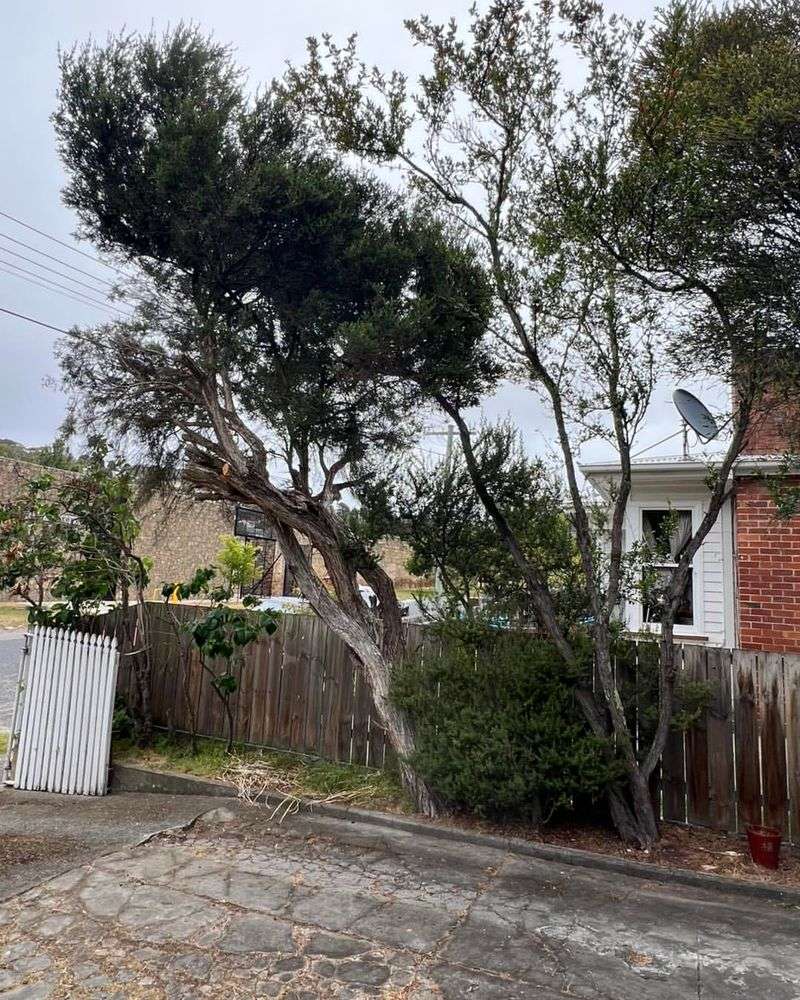
Many homeowners assume their neighbor must pay when bugs travel from one yard to another. That assumption often leads to disappointment because North Carolina property law does not work that way.
Courts generally recognize that nature moves freely across property lines without human control.
Insects and other pests follow food sources, shelter opportunities, and seasonal patterns regardless of who owns the land. A neighbor cannot always predict or prevent every bug from leaving their tree and entering your space.
Automatic blame rarely applies in these situations under state regulations.
Legal responsibility typically requires proof that someone acted carelessly or ignored known dangers. Simply having a tree with pests does not make a neighbor liable in North Carolina.
The law distinguishes between natural occurrences and negligent behavior that causes harm.
Property owners must show more than just the presence of pests to win a case. Evidence of neglect, refusal to address obvious problems, or violation of local codes becomes necessary.
Without those factors, courts tend to view pest migration as a natural event beyond individual control.
Understanding this principle helps set realistic expectations when dealing with pest issues. Neighbors are not automatically responsible just because bugs came from their property.
North Carolina law requires a higher standard before assigning financial liability for naturally occurring pest movement.
Proving negligence involves gathering documentation and possibly expert testimony. Homeowners should focus on whether the neighbor knew about the problem and failed to act reasonably.
2. How North Carolina Law Treats Natural Pest Movement Between Properties
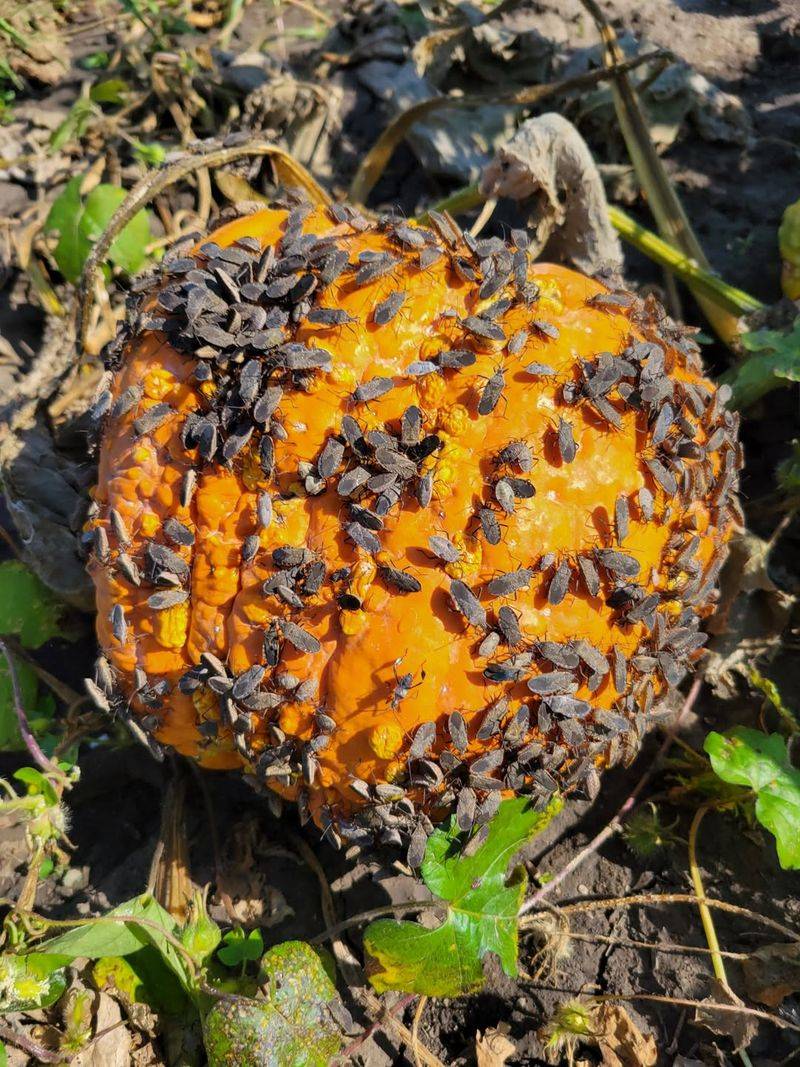
State regulations recognize that wildlife and insects do not respect boundary lines. North Carolina courts have long acknowledged that natural pest movement falls outside typical liability rules.
Landowners cannot be held responsible for every creature that wanders from their property to another.
This principle stems from common law traditions that distinguish between natural conditions and human-created hazards. Trees, plants, and the insects they attract are considered part of the natural landscape.
Unless someone actively introduces or worsens a pest problem through careless actions, the law does not impose liability.
Judges in North Carolina examine whether a property owner had control over the situation. Natural pest migration usually happens without any direct human involvement.
Courts rarely punish homeowners for events they could not reasonably prevent or foresee.
The legal system balances individual property rights with the realities of living near others. Expecting neighbors to eliminate every possible pest from their trees would be unrealistic and impractical.
North Carolina law reflects this balance by avoiding strict liability for natural occurrences.
Homeowners seeking compensation must demonstrate that a neighbor’s actions or inactions directly caused the problem. Merely pointing to a tree with bugs is insufficient under state law.
Evidence of negligence or violation of maintenance standards becomes essential.
This legal framework encourages property owners to address their own pest control needs first. Relying solely on a neighbor to fix natural migration issues often proves unsuccessful.
North Carolina residents should focus on protective measures they can control rather than assuming legal remedies will be available.
3. When A Neighbor May Become Responsible For Pest Damage
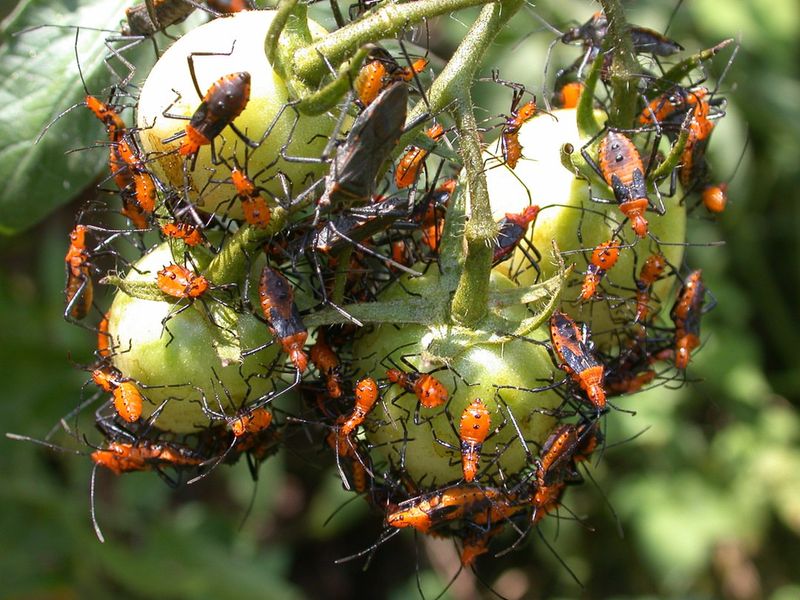
Certain circumstances shift responsibility from natural occurrence to neighbor liability in North Carolina. When a property owner knows about a severe infestation and ignores it, legal obligations may arise.
Awareness combined with inaction creates potential grounds for a claim.
Visible signs of major pest problems that go unaddressed can establish negligence. If a neighbor sees their tree swarming with destructive insects and does nothing, liability becomes more likely.
North Carolina courts consider whether reasonable steps were taken once a problem became obvious.
Documentation plays a crucial role in proving a neighbor knew about the infestation. Written notices, photographs, and witness statements help establish awareness.
Without proof that the neighbor understood the severity, claims often fail in the state.
Damage to your property must also be clearly linked to the neighbor’s inaction. Showing that pests came from their tree and caused measurable harm strengthens your case.
North Carolina law requires demonstrating a direct connection between negligence and damages.
Refusal to comply with local tree maintenance ordinances can also create liability. Some municipalities have specific rules about diseased or pest-infested trees.
When neighbors violate those regulations, they may become financially responsible for resulting damage.
Repeated complaints that go ignored strengthen claims of negligence. If you have notified your neighbor multiple times without any response, that pattern matters.
North Carolina courts view persistent refusal to address known problems as unreasonable behavior.
4. The Role Of Negligence In Tree-Related Pest Issues

Negligence forms the cornerstone of most successful pest liability claims in North Carolina. Proving that a neighbor acted carelessly or failed to meet reasonable standards becomes essential.
Simply having pests does not equal negligence under state law.
Courts examine whether a reasonable person would have noticed and addressed the problem. If the infestation was obvious and the neighbor took no action, negligence may exist.
North Carolina judges consider what steps a prudent property owner would have taken in similar circumstances.
Timing matters significantly when evaluating negligence claims. How long did the neighbor know about the problem before taking action?
Extended periods of inaction despite awareness suggest careless behavior. North Carolina law expects property owners to respond reasonably once they become aware of hazards.
Failure to maintain trees according to accepted standards can support negligence arguments. Arborists and pest control experts can testify about industry practices.
When a neighbor falls far below those standards, liability becomes more likely in the state.
Intentional disregard for obvious problems strengthens negligence claims considerably. If a neighbor admits knowing about the infestation but refuses to act, that evidence proves valuable.
North Carolina courts take such admissions seriously when determining responsibility.
Comparative negligence principles may also apply in some situations. If your own lack of maintenance contributed to the problem, your recovery might be reduced.
North Carolina follows modified comparative negligence rules that affect damage awards.
5. What Counts As Reasonable Tree Maintenance Under North Carolina Standards
Reasonable maintenance means different things depending on tree type, location, and local conditions in North Carolina. Property owners must keep trees in safe condition without creating hazards for others.
Regular inspections and timely responses to problems generally satisfy this standard.
Professional arborists can identify early signs of pest infestations that require attention. Catching problems before they become severe demonstrates responsible ownership.
North Carolina courts recognize that early intervention prevents larger issues from developing.
Removing obviously diseased or heavily infested branches falls within reasonable maintenance expectations. Allowing dead wood and pest colonies to remain untreated may constitute negligence.
State standards expect property owners to address visible problems within a reasonable timeframe.
Seasonal care appropriate to the tree species shows responsible management. Some trees require specific treatments during certain times of year to prevent pest problems.
North Carolina homeowners who follow expert recommendations generally meet legal maintenance standards.
Consulting with certified professionals when problems arise demonstrates reasonable behavior. Seeking expert advice shows good faith effort to address issues properly.
Courts in North Carolina view this positively when evaluating whether someone acted responsibly.
Local ordinances often define minimum maintenance requirements for trees. Compliance with these regulations usually satisfies reasonable care standards.
North Carolina municipalities may have specific rules about diseased or pest-infested trees that property owners must follow.
6. When Infestations Are Considered A Shared Responsibility
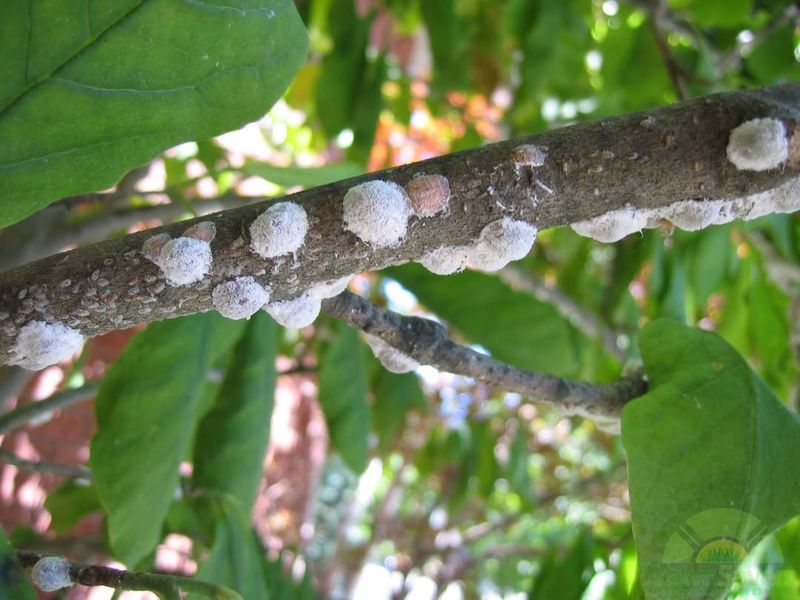
Some pest situations affect multiple properties simultaneously, making responsibility unclear in North Carolina. Regional infestations that impact entire neighborhoods often fall outside individual liability.
Courts recognize when problems exceed what one property owner can control.
Emerald ash borers, pine beetles, and similar widespread pests create challenges for many homeowners at once. Blaming a single neighbor becomes difficult when the entire area faces the same issue.
North Carolina law acknowledges that some infestations are community-wide problems rather than individual failures.
Shared responsibility may also arise when multiple trees contribute to a pest problem. If both your trees and your neighbor’s trees harbor the same insects, assigning sole blame becomes unfair.
State courts consider the contribution of each property when determining liability.
Homeowners associations sometimes coordinate pest management efforts across multiple properties. These collective approaches recognize that treating individual trees in isolation may prove ineffective.
North Carolina residents in planned communities often find shared solutions work better than individual efforts.
Municipal authorities occasionally declare pest emergencies that require coordinated responses. When local governments issue such declarations, individual liability questions become less relevant.
North Carolina cities and counties sometimes provide resources or require specific actions from all property owners.
Determining shared responsibility requires evaluating the scope and source of the infestation. If pests originated from multiple locations or natural areas, no single neighbor bears full responsibility.
Courts in North Carolina examine the broader context before assigning liability.
Cooperation between neighbors often produces better results than legal battles.
7. How Local Ordinances And HOA Rules Can Affect Pest Responsibility
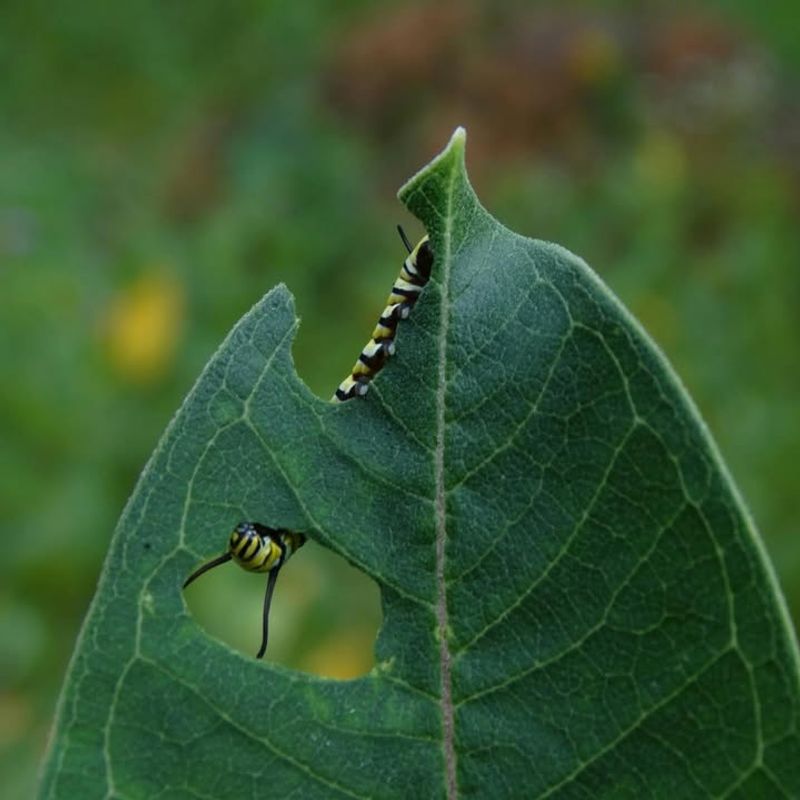
Municipal codes in North Carolina often establish specific requirements for tree care and pest management. These local ordinances can create legal obligations that go beyond general property law.
Violating such rules may result in fines and increased liability for pest-related damage.
Some cities require property owners to remove trees that pose health or safety hazards. When pest infestations reach certain severity levels, removal may become mandatory.
North Carolina municipalities with these ordinances give homeowners clear standards they must meet.
Homeowners associations frequently adopt rules stricter than general state law. HOA covenants may require regular tree inspections and prompt treatment of pest problems.
Members who violate these provisions face potential fines and liability within the North Carolina community.
Reporting requirements exist in some areas for certain pest species. Invasive insects or tree diseases may trigger mandatory notification to local authorities.
North Carolina residents should check whether their area has such reporting rules that affect responsibility.
Code enforcement officers can inspect trees and order corrective action when violations occur. Failure to comply with these orders strengthens liability claims from affected neighbors.
North Carolina homeowners who ignore official directives face increased legal exposure.
HOA architectural committees sometimes oversee tree maintenance decisions. Approval processes and maintenance standards become contractual obligations for association members.
These private rules supplement state law in North Carolina planned communities.
8. What Homeowners Insurance May And May Not Cover
Standard homeowners insurance policies in North Carolina typically exclude damage from insects and pests. Most carriers consider pest-related harm a maintenance issue rather than a covered peril.
Reading your policy carefully reveals what protection actually exists for these situations.
Sudden and accidental damage may receive coverage, but gradual pest damage usually does not. Insurance companies distinguish between unexpected events and predictable maintenance problems.
North Carolina homeowners often discover their policies provide less pest-related coverage than expected.
Liability coverage might apply if a neighbor sues you for pest damage originating from your property. This protection helps pay legal defense costs and potential settlements.
North Carolina residents should verify their liability limits provide adequate protection in such scenarios.
Some insurers offer optional endorsements for specific pest-related risks. These additional coverages come with extra premiums and specific conditions.
Homeowners in North Carolina concerned about pest liability should ask their agents about available options.
Damage to the tree itself from pests rarely receives coverage under standard policies. Insurance companies view tree maintenance as the owner’s responsibility.
North Carolina homeowners typically pay out-of-pocket for treating or removing pest-infested trees.
Claims for pest damage from a neighbor’s property face significant obstacles. Your insurance company may deny coverage and suggest you pursue the neighbor’s liability policy instead.
North Carolina residents often find themselves caught between competing insurance carriers.
Documenting pest problems thoroughly helps when filing any insurance claim.
9. Steps North Carolina Property Owners Can Take Before Legal Action

Documenting the pest problem thoroughly creates a foundation for any future legal claim in North Carolina. Photographs showing the infestation, damage to your property, and the source tree provide crucial evidence.
Time-stamped images help establish when problems began and how they progressed.
Written communication with your neighbor creates a record of your attempts to resolve the issue. Sending polite letters or emails requesting action shows good faith efforts.
North Carolina courts look favorably on homeowners who try reasonable solutions before filing lawsuits.
Obtaining professional assessments from arborists or pest control experts strengthens your position. These specialists can identify the pest species, trace the source, and recommend solutions.
Their reports carry significant weight in North Carolina legal proceedings.
Checking local ordinances and HOA rules helps you understand everyone’s legal obligations. Knowing the specific requirements in your area guides your approach.
North Carolina residents who cite applicable regulations when contacting neighbors often get better responses.
Offering to share costs for pest treatment may resolve the situation without conflict. Many neighbors respond positively when solutions seem fair and affordable.
This cooperative approach often works better than threats in North Carolina communities.
Contacting local code enforcement can prompt official action when neighbors refuse to cooperate. Municipal inspectors have authority to require compliance with tree maintenance ordinances.
North Carolina homeowners sometimes find that official involvement motivates reluctant neighbors.
Consulting with an attorney before taking legal action helps evaluate your case realistically.