Who Must Clean Up Leaves From A Neighbors Tree In New Jersey
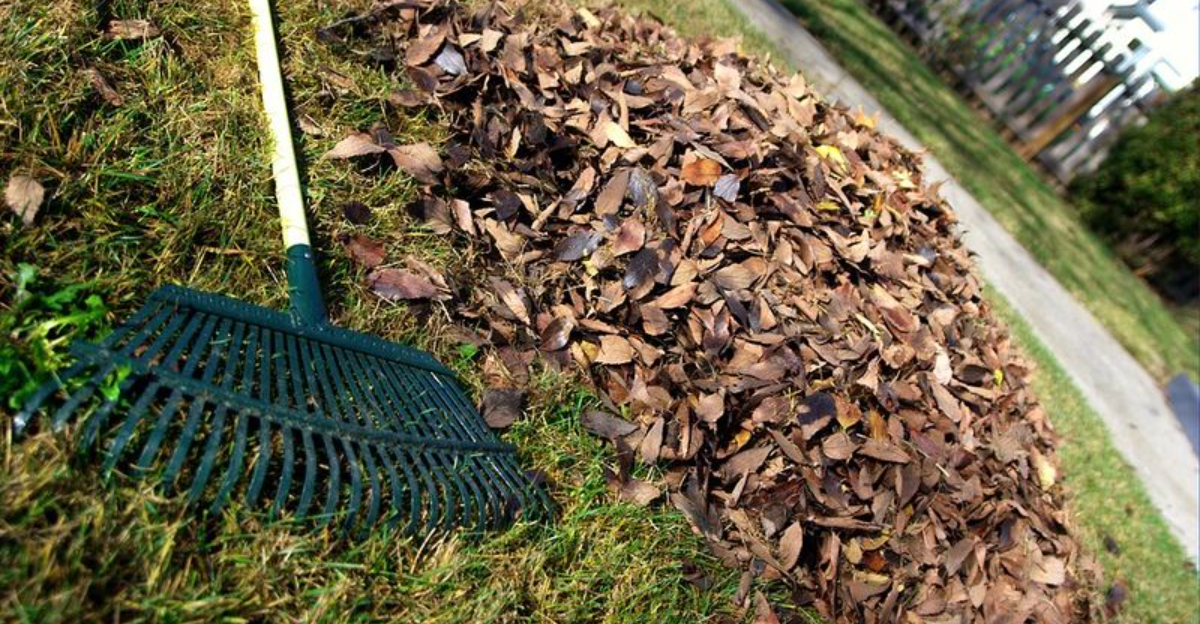
Winter in New Jersey may strip the trees bare, but leaf disputes don’t disappear with the cold.
Long after fall ends, soggy piles can linger under snow, clog drains, or resurface when the weather turns.
When those leaves come from a neighbor’s tree, confusion often follows.
Some homeowners expect the tree’s owner to take responsibility, while others assume cleanup falls wherever the leaves land.
New Jersey law doesn’t rely on assumptions.
Property boundaries, established legal principles, and practical expectations all play a role in deciding who must act.
Understanding these rules now can prevent tension, protect your yard, and help you handle neighborly issues before spring arrives.
What New Jersey Law Says About Cleaning Up Fallen Leaves
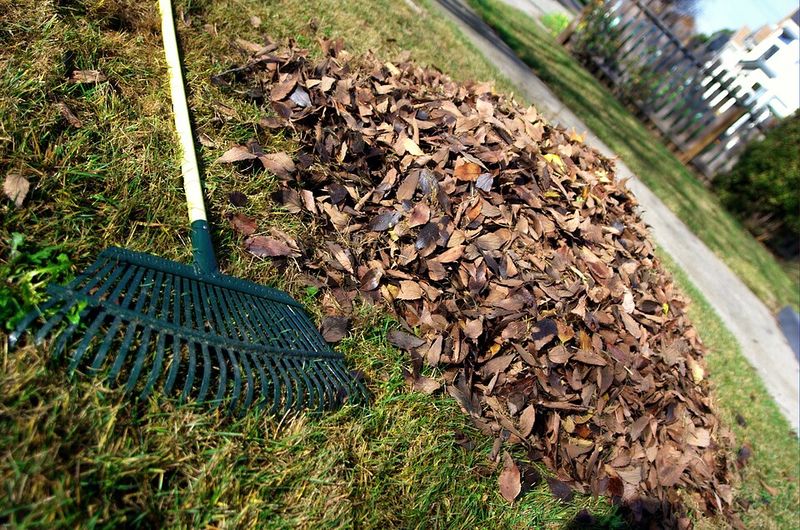
New Jersey follows traditional property law principles that place cleanup responsibility on the landowner where debris actually falls and accumulates naturally.
Courts in the state generally consider fallen leaves a natural occurrence rather than a nuisance that requires the tree owner to clean up.
Legal precedents show judges typically rule that property owners must maintain their own land regardless of where organic materials originate from nearby.
No specific statute requires neighbors to cross property lines and remove leaves from trees they own that fall onto adjacent yards each season.
Homeowners cannot usually force their neighbors to rake leaves that blow onto their property even if the source tree sits next door.
The law views leaves similarly to rain or snow that falls naturally without assigning blame or requiring action from anyone but the landowner.
Exceptions might exist if someone deliberately causes leaves to blow onto your property or creates an intentional nuisance through their landscaping choices.
Understanding these legal foundations helps residents set realistic expectations about leaf cleanup duties and avoid unnecessary conflicts with neighbors over seasonal yard maintenance tasks.
When Leaves From A Neighbors Tree Become Your Responsibility

Once leaves cross the property boundary and land on your lawn, they become your responsibility to clean up according to New Jersey standards.
Property lines serve as the dividing point for maintenance duties, meaning whatever falls on your side requires your attention and effort to remove.
Neighbors have no legal obligation to enter your yard and rake leaves even if their tree caused the mess that accumulated there.
Most residential situations require homeowners to handle all organic debris that lands within their property boundaries throughout the year regardless of the source.
Seasonal leaf fall represents a predictable part of homeownership in New Jersey that requires regular maintenance from September through November each year consistently.
Your neighbor cannot be held liable for natural leaf drop unless they intentionally direct leaves toward your property through blowers or other means.
Accepting this responsibility helps maintain good neighborhood relations and prevents disputes that rarely succeed in court when challenged by frustrated property owners annually.
Planning for extra cleanup time during autumn months makes the task more manageable and less frustrating when dealing with leaves from surrounding properties.
How Property Lines Affect Leaf Cleanup Duties
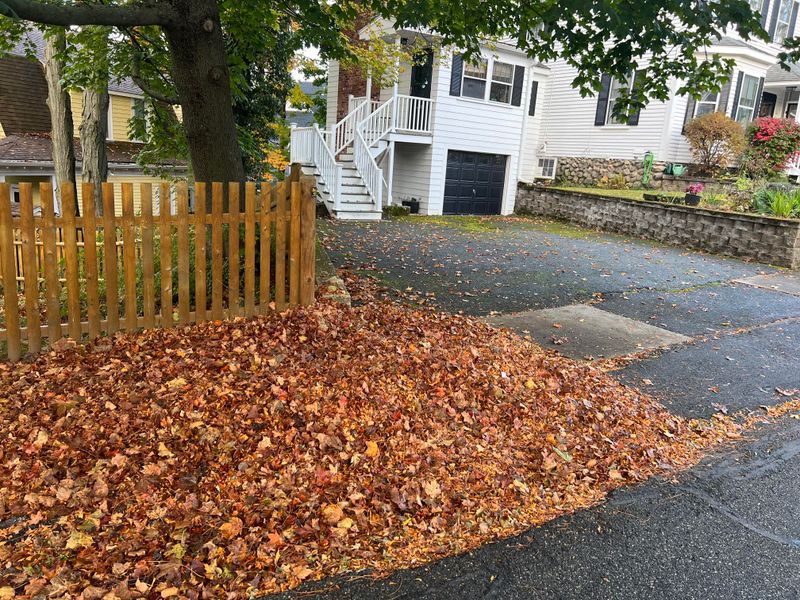
Property boundaries create clear divisions for maintenance responsibilities that apply to leaves, branches, and other natural debris that falls throughout the seasons.
Everything on your side of the line becomes your concern, while your neighbor handles materials that land on their portion of land.
Surveyed property lines establish legal ownership and corresponding duties that courts will enforce if disputes arise between neighbors over cleanup responsibilities and expectations.
Shared fences often mark approximate boundaries, but official surveys provide the accurate measurements that determine where one property ends and another begins legally.
Leaves that fall directly on the boundary line might require cooperative effort or simple agreement about who will handle that specific area regularly.
Overhanging branches that extend across property lines can be trimmed by the affected neighbor up to the boundary without permission in New Jersey.
However, trimming branches does not eliminate the responsibility to clean up leaves that fall from remaining portions of the tree on either side.
Knowing exact property lines prevents confusion and helps neighbors understand their respective duties when autumn leaves begin falling heavily across suburban New Jersey communities.
Why Homeowners Usually Handle Leaves That Land On Their Yard
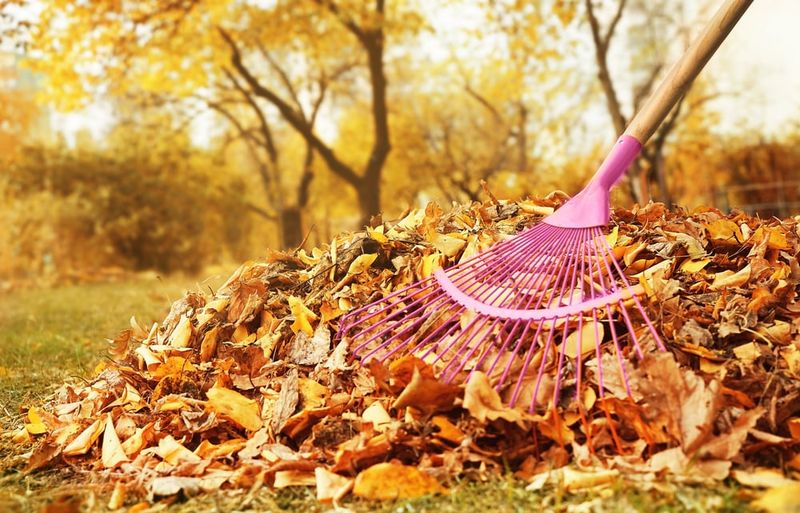
Practical considerations make self-cleanup the most efficient solution since homeowners have immediate access to their own property and can work on their schedule.
Waiting for neighbors to clean leaves from their trees would create delays and potential conflicts that harm relationships within residential communities unnecessarily each year.
Most people prefer controlling their own yard maintenance rather than depending on others to complete tasks that affect their property’s appearance and condition.
Leaves left sitting too long can damage grass, create slippery surfaces, and attract pests that cause problems for the property owner who lives there.
Taking personal responsibility ensures your yard stays healthy and attractive without relying on neighbors who might have different standards or schedules for maintenance.
The cost and effort of cleaning your own leaves typically proves less than the time spent arguing or pursuing legal action against neighbors.
Many New Jersey residents view leaf cleanup as a normal seasonal chore similar to mowing grass or shoveling snow that comes with homeownership.
Accepting this responsibility promotes community harmony and allows you to maintain your property according to your preferences and timing without unnecessary complications or disputes.
Common Misunderstandings About Neighbor Tree Leaf Responsibility
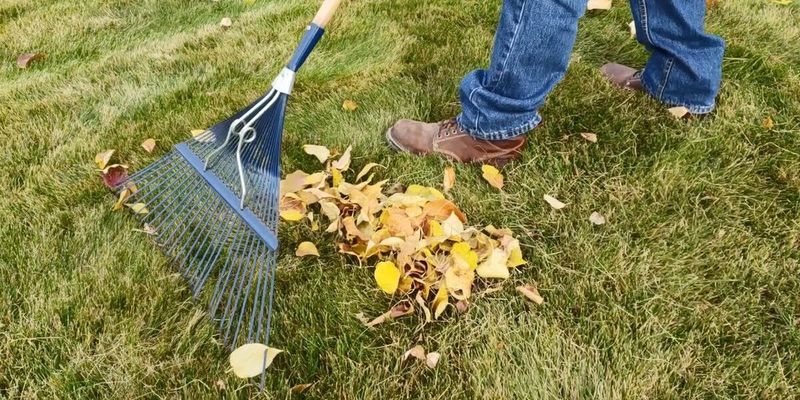
Many homeowners mistakenly believe neighbors must clean up any mess created by trees growing on their property regardless of where materials land ultimately.
Another frequent misconception suggests that tree owners bear responsibility for all consequences of their landscaping choices including leaves that blow onto adjacent properties.
Some residents think local ordinances require neighbors to rake leaves from their trees wherever those leaves fall throughout the community during autumn months.
People often assume that because they did not plant the tree causing the mess, they should not have to handle the cleanup work.
These misunderstandings lead to frustration and conflicts that could be avoided through better knowledge of actual property law principles and neighborly cooperation strategies.
Social media and casual conversations sometimes spread incorrect information about leaf cleanup obligations that do not reflect actual New Jersey legal standards or precedents.
Clarifying these misconceptions early prevents disappointment when neighbors decline to rake leaves on your property or when legal consultation reveals limited options available.
Education about actual responsibilities helps residents focus energy on practical solutions rather than pursuing unproductive complaints or demands that lack legal foundation in state courts.
What Homeowners Can Do When Neighbor Trees Shed Leaves
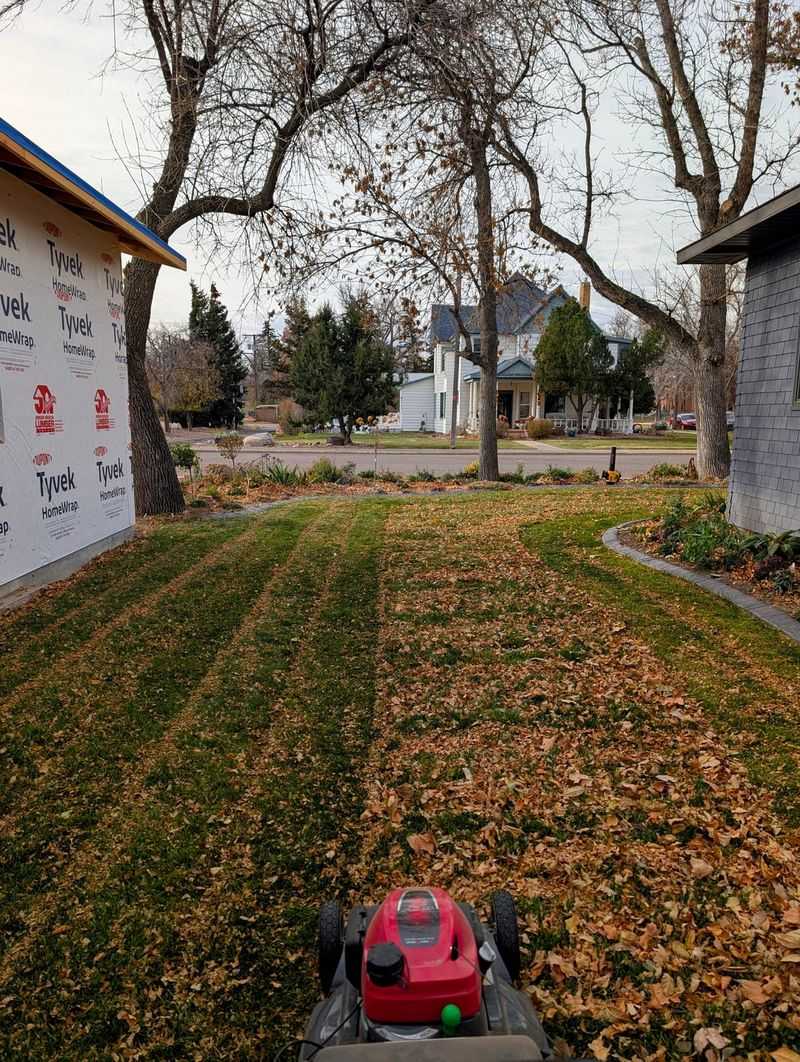
Open communication with neighbors often produces cooperative solutions like sharing cleanup duties or adjusting landscaping to minimize leaf distribution across multiple properties successfully.
Installing leaf barriers or screens along property lines can reduce the amount of debris that blows from one yard into another during windy days.
Mulching mowers chop leaves into small pieces that decompose quickly and actually benefit lawn health rather than requiring removal and disposal efforts repeatedly.
Composting leaves creates valuable soil amendment for gardens while eliminating the need to bag and dispose of organic materials through municipal collection services.
Professional landscaping services can handle seasonal leaf removal efficiently if the task becomes too overwhelming for individual homeowners to manage alone consistently.
Adjusting your own landscaping with strategic plantings or hardscaping can minimize areas where leaves accumulate and create maintenance challenges throughout the autumn season.
Documenting excessive or intentional leaf distribution might support claims if a neighbor deliberately directs debris onto your property through blowers or other equipment.
Focusing on practical solutions rather than assigning blame creates better outcomes and preserves neighborhood relationships that matter more than perfect leaf-free lawns temporarily.
How New Jersey Courts View Leaf Cleanup Disputes
Judges consistently rule that natural leaf fall does not constitute a legal nuisance that warrants court intervention or orders requiring neighbors to clean debris.
Courts recognize that trees provide environmental benefits and aesthetic value that outweigh minor inconveniences like seasonal leaf cleanup for adjacent property owners regularly.
Legal precedents establish that landowners must accept reasonable consequences of living near trees including leaves, seeds, and other organic materials that fall naturally.
Pursuing litigation over leaf cleanup typically results in case dismissal and wasted legal fees since courts view this as a normal aspect of property ownership.
Judges may intervene only when evidence shows intentional harm or deliberate actions to create excessive debris on neighboring properties beyond natural occurrences regularly.
Documentation of repeated intentional acts might support claims, but simple leaf fall from healthy trees receives no legal remedy through New Jersey court systems.
Mediation services offer better alternatives for resolving neighbor disputes about trees and leaves without expensive and time-consuming litigation that rarely favors the complaining party.
Understanding judicial perspectives helps homeowners set realistic expectations and choose appropriate responses when dealing with leaves from neighboring trees each autumn season consistently.
Practical Guidance For Handling Neighbor Tree Leaf Issues
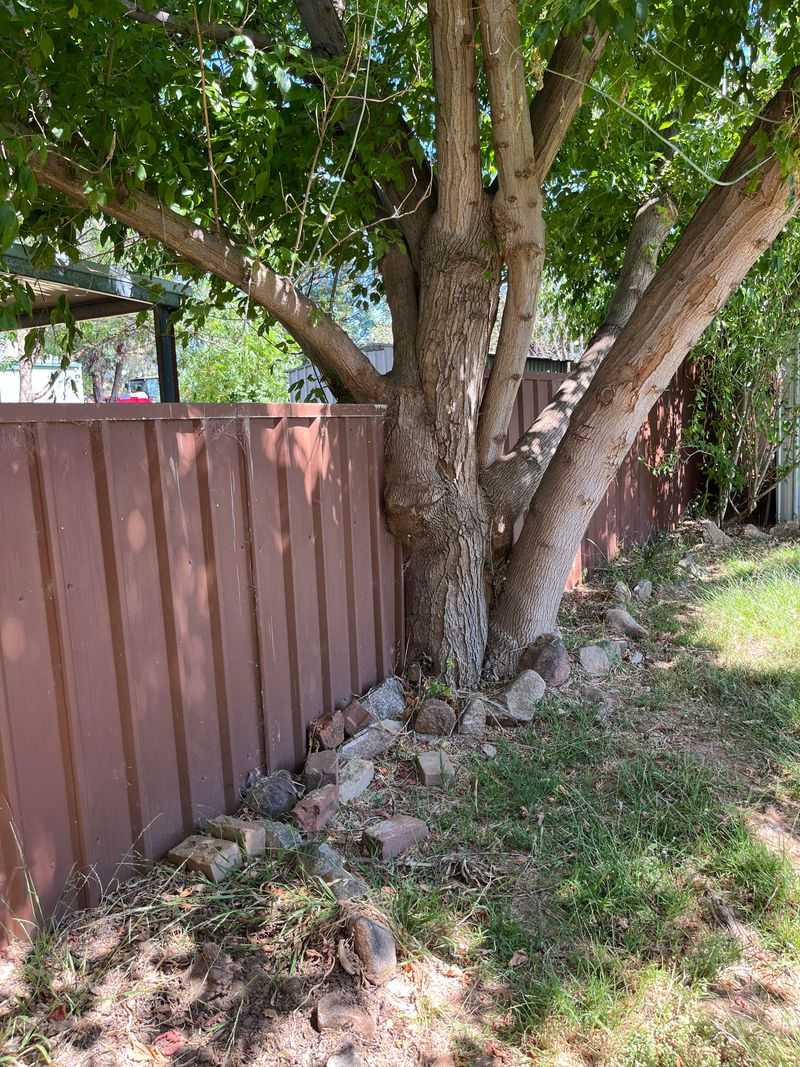
Start by having a friendly conversation with your neighbor to discuss concerns and explore mutually beneficial solutions that work for both households.
Consider proposing cost-sharing arrangements for professional cleanup services that benefit both properties if leaves create significant work for multiple residents in the area.
Research local tree ordinances that might address hazardous conditions or excessive growth that extends significantly beyond property boundaries into neighboring spaces regularly.
Maintain your own landscaping to minimize areas where leaves collect and create visual problems rather than focusing solely on the neighbor’s tree.
Keep records of any agreements reached with neighbors about tree maintenance or leaf cleanup to prevent future misunderstandings about responsibilities and expectations clearly.
Consult with local mediation services if direct conversation fails to resolve concerns before considering more formal legal options that rarely succeed in court.
Focus on building positive neighbor relationships through compromise and understanding rather than demanding actions that have no legal requirement or enforcement mechanism available.
Remember that you might plant trees someday that affect neighbors, so treating others with patience and flexibility creates goodwill that benefits everyone long-term.