Who Owns Fruit Growing Over A Fence In Michigan
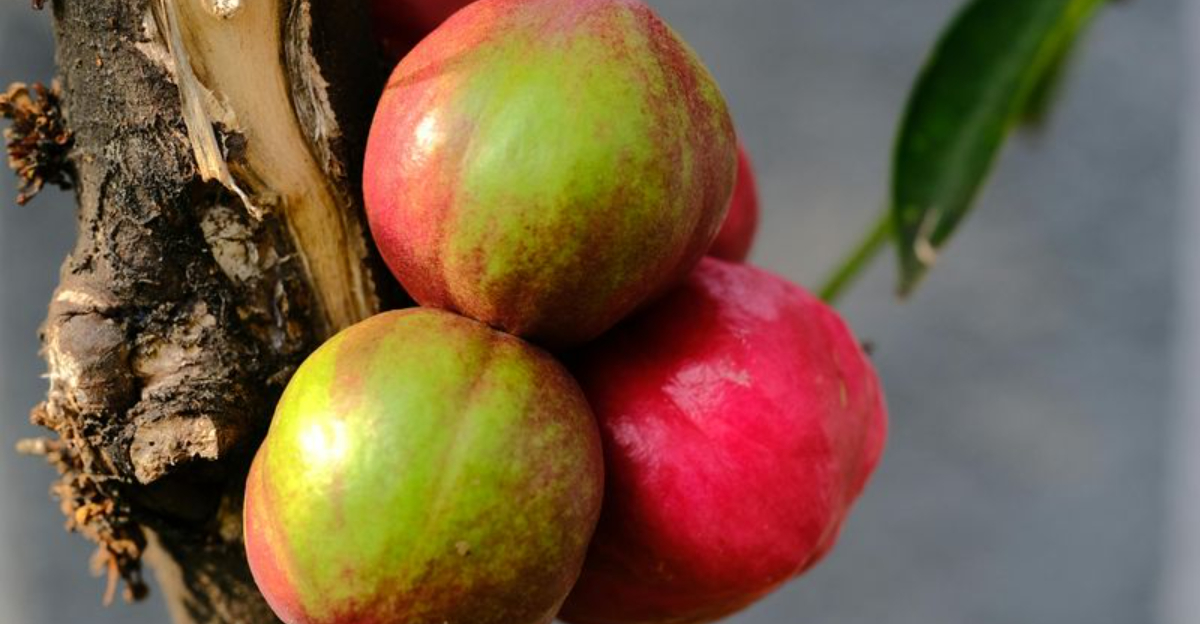
Fruit dangling over a Michigan fence can spark curiosity, temptation, and the occasional neighborly dispute.
One homeowner sees a branch heavy with treats, while the neighbor on the other side spots the same prize dangling within arm’s reach.
A simple peach or apple suddenly stirs questions about rights, boundaries, and that fine line between sharing and overstepping.
Michigan law steps into the spotlight with rules that catch many residents off guard, drawing a firm distinction between ownership of the tree and ownership of the fruit.
Before anyone reaches up and plucks a snack in the heat of the moment, a closer look at the legal ground rules keeps misunderstandings at bay and turns a potential feud into a clear-cut matter of property and respect.
The Tree Owner Retains Fruit Ownership
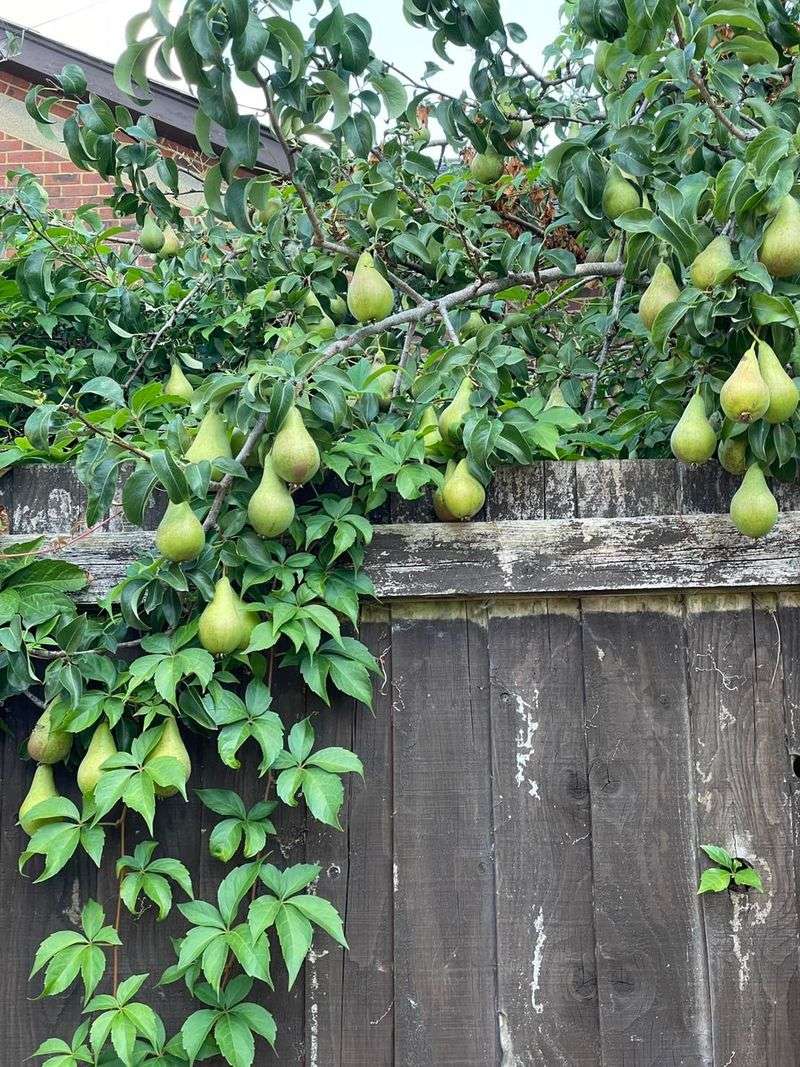
Property law in Michigan follows a simple principle when it comes to fruit on overhanging branches.
The person who owns the tree also owns all the fruit it produces, even if those branches cross into a neighbor’s yard.
This means you cannot legally pick and eat fruit from branches that extend over your property line without permission from the tree owner.
Many people assume that anything hanging over their fence belongs to them, but Michigan law disagrees with this common belief.
The fruit remains the property of the tree owner regardless of where the branches grow.
This rule applies to all types of fruit trees, including apples, cherries, pears, and plums that are popular throughout Michigan.
Respecting this ownership helps maintain good relationships between neighbors and avoids potential legal disputes.
If you want some of that delicious fruit, the best approach is simply asking your neighbor if you can have some.
Most people are happy to share, especially if the fruit would otherwise go to waste.
Understanding this basic rule sets the foundation for all other facts about overhanging fruit in Michigan.
You Can Trim Overhanging Branches
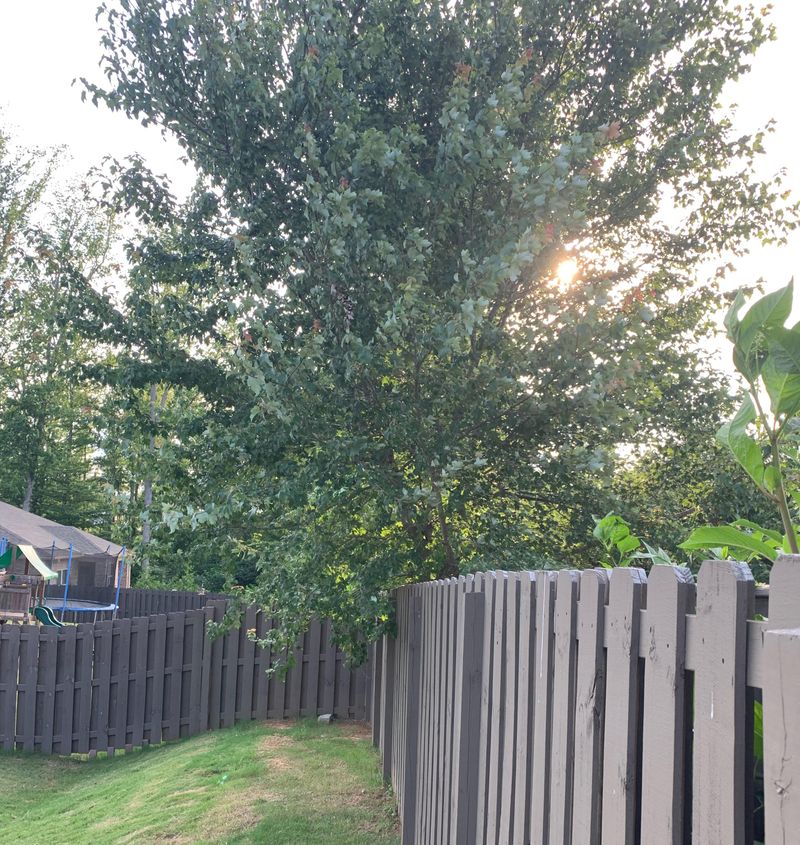
While you cannot take the fruit, Michigan law does give you the right to trim branches that cross onto your property.
This right exists because overhanging branches can cause various problems for property owners.
Branches might block sunlight, drop leaves into gutters, or interfere with structures on your land.
However, you must trim only up to the property line and cannot go onto your neighbor’s property to do the work.
Being careful during trimming is essential because you could be held responsible if your cutting harms or damages the tree.
Taking too much off or cutting improperly during the wrong season might injure the tree’s health.
Before you start cutting, consider talking to your neighbor about your plans.
This conversation can prevent misunderstandings and might lead to a cooperative solution that works for both parties.
Some neighbors might prefer to trim their own trees to ensure the work is done properly.
Professional arborists can also help with the job if the branches are large or difficult to reach safely.
Remember that any fruit on the branches you trim still belongs to the tree owner, so technically you should offer it back to them.
Fallen Fruit Changes Ownership
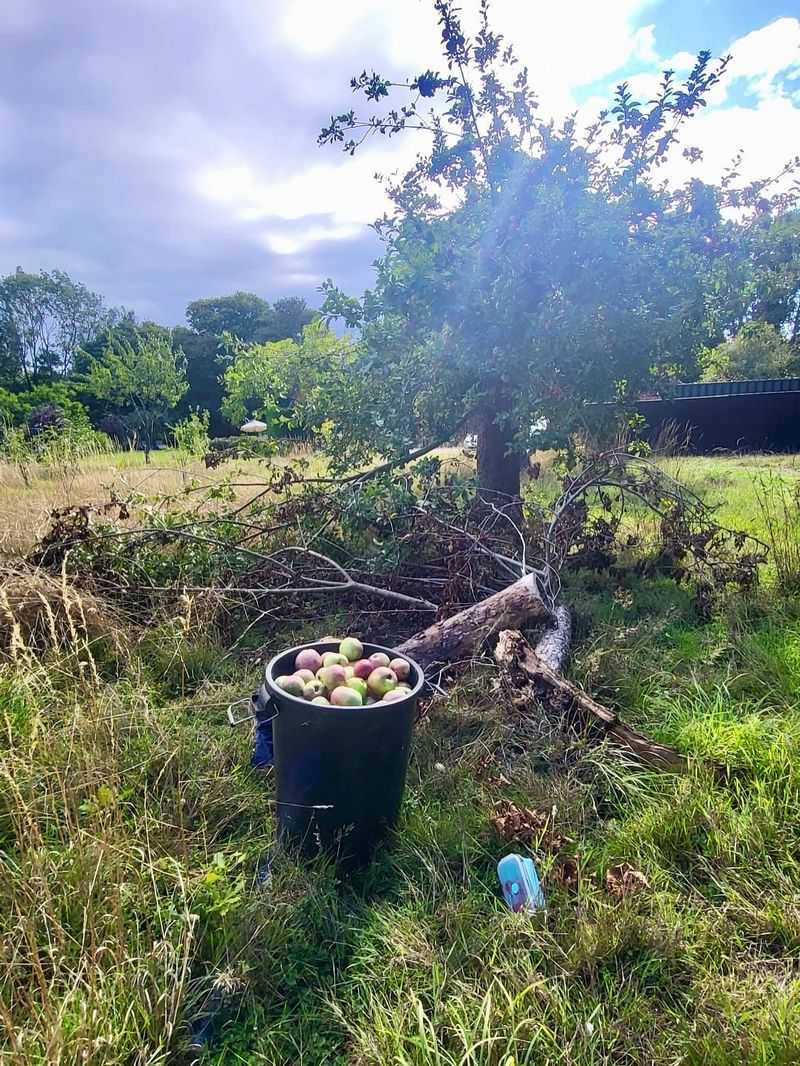
An interesting twist in Michigan fruit law involves fruit that falls naturally from overhanging branches onto your property.
Once fruit drops to the ground on your side of the fence, it generally becomes your property.
The key word here is “naturally” because you cannot shake branches or cause the fruit to fall deliberately.
This rule makes practical sense since fallen fruit can create messes, attract insects, and become a maintenance issue for the property where it lands.
Requiring someone to return every fallen apple or cherry would be unreasonable and impractical.
Therefore, Michigan law allows you to keep, use, or dispose of fruit that falls onto your land.
You can eat it, compost it, or throw it away without asking permission from your neighbor.
However, deliberately causing fruit to fall by shaking branches or throwing objects at them would likely still be considered taking someone else’s property.
Patience might reward you if you wait for nature to do its work during harvest season.
Strong winds and natural ripening will eventually bring some of that fruit down to your side.
This rule balances property rights with practical considerations about maintenance and reasonable expectations between neighbors.
Permission Makes Everything Easier
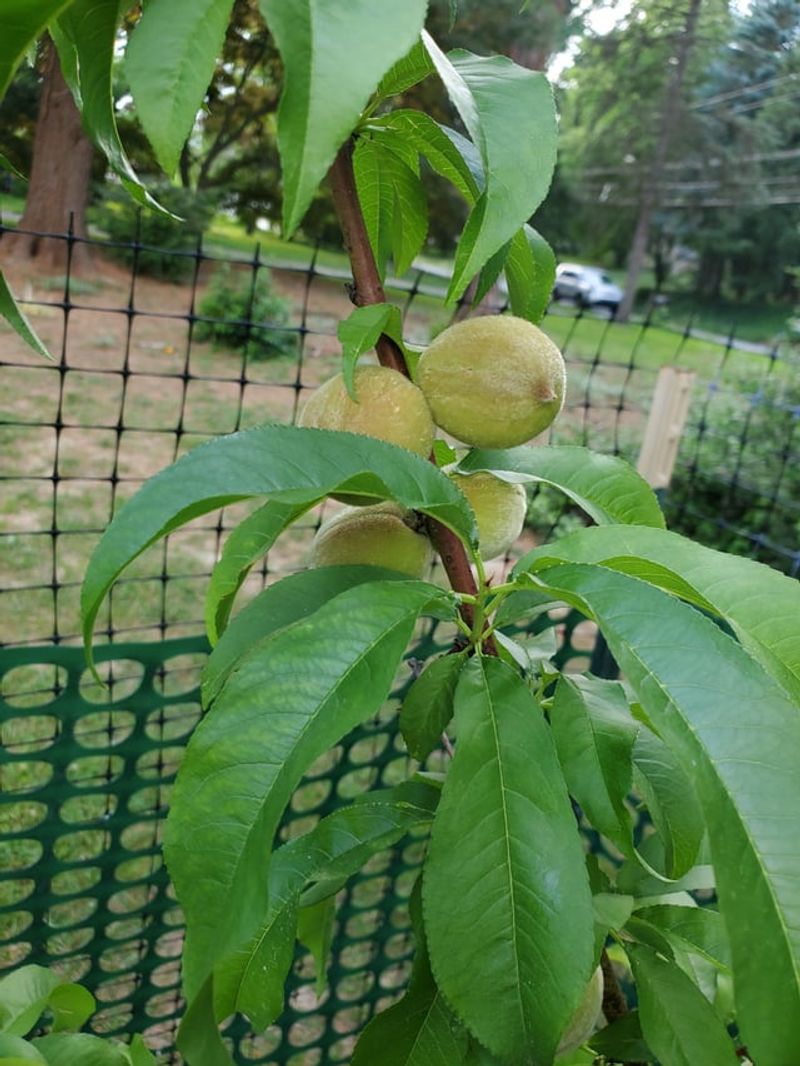
The simplest solution to any question about overhanging fruit is having a friendly conversation with your neighbor.
Most disputes about property lines and fruit trees stem from misunderstandings rather than actual disagreements.
Your neighbor might be completely happy to let you pick and enjoy fruit from branches on your side.
Many tree owners actually appreciate when neighbors help harvest fruit that would otherwise rot or attract pests.
Approaching the conversation with respect and friendliness usually leads to positive outcomes for everyone involved.
You might offer to share some of the fruit you pick or trade it for other garden produce from your own yard.
Some neighbors work out formal or informal agreements about fruit sharing that benefit both households.
These arrangements can include one person picking all the fruit and dividing it, or each person taking responsibility for their side of the fence.
Getting verbal permission protects you from any accusations of theft or trespassing.
For valuable fruit trees or large properties, some people even put agreements in writing to avoid future confusion.
Building good relationships with neighbors creates a more pleasant living environment and makes these situations much easier to handle.
A little communication goes a long way toward preventing problems before they start.
Trespassing Laws Still Apply

Even if fruit is hanging over your fence, you absolutely cannot cross onto your neighbor’s property to pick it without permission.
Michigan trespassing laws protect property owners from unauthorized entry regardless of your intentions.
Stepping over the fence line to reach fruit that is easier to pick from the other side counts as trespassing.
Some people think that if branches hang over their property, they can follow those branches back to the trunk, but this is incorrect and illegal.
Your rights extend only to your side of the property line, and crossing that boundary without permission violates the law.
Trespassing can lead to legal consequences including fines and, in repeated cases, more serious penalties.
Beyond legal issues, going onto someone’s property without asking damages trust and neighborly relationships.
What might seem like a harmless act to you could feel like a serious invasion of privacy to your neighbor.
Children should be taught about property boundaries and the importance of respecting them, even when tempting fruit is visible.
If you really want fruit from the other side of the fence, asking permission is always the appropriate course of action.
Most neighbors will either grant permission or explain why they prefer you stay on your own property.
Respecting these boundaries maintains peace and avoids unnecessary conflicts in your neighborhood.
Liability For Tree Damage Matters

When you exercise your right to trim overhanging branches, you take on responsibility for doing it correctly.
Improper trimming techniques can seriously harm a tree’s health, growth, and fruit production.
If your cutting damages the tree, your neighbor could potentially hold you liable for the reduction in property value or the cost of tree treatment.
Fruit trees in Michigan, especially mature cherry or apple trees, can have significant monetary value.
Damaging a productive tree might result in financial claims against you for lost fruit production or decreased property value.
Courts in Michigan have ruled in favor of tree owners when neighbors caused harm through careless or excessive trimming.
Learning proper pruning techniques or hiring a professional arborist protects you from liability while also being considerate to your neighbor.
Timing matters too, as pruning during certain seasons can stress trees and make them vulnerable to disease.
Taking photos before and after trimming can document that you acted reasonably and carefully.
Some homeowners insurance policies might cover accidental damage to a neighbor’s tree, but prevention is always better than dealing with claims.
Being cautious and respectful when trimming protects both the tree and your relationship with your neighbor.
When in doubt, consulting with your neighbor before major trimming can prevent problems.
Local Ordinances May Add Rules
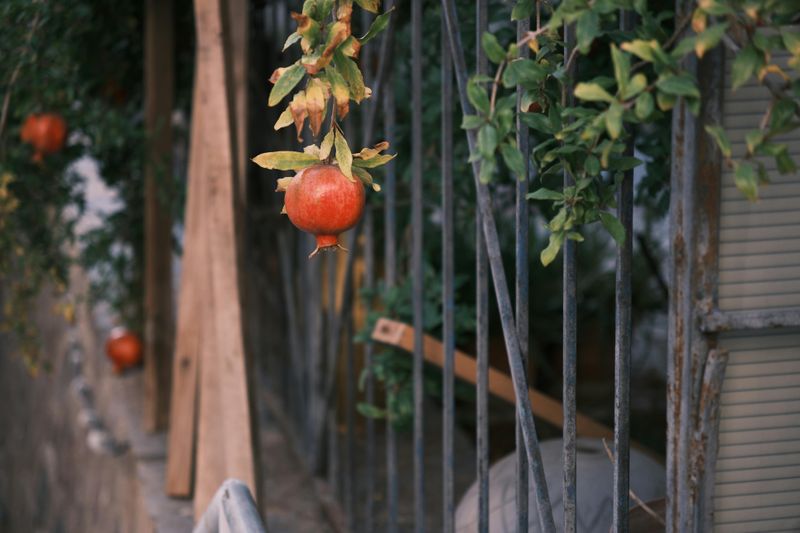
Beyond state law, many Michigan cities and townships have additional ordinances that affect trees and fruit on residential properties.
Some communities have specific rules about tree maintenance, overhanging branches, and property line vegetation.
Urban areas like Ann Arbor, Grand Rapids, and Traverse City often have detailed tree ordinances that property owners must follow.
These local rules might require permits before removing or significantly trimming certain trees, even on your own property.
Some ordinances protect heritage trees or trees above a certain size regardless of who owns them.
Homeowners associations add another layer of rules that might be even more specific than city ordinances.
These HOA rules could restrict what you can plant, how you maintain trees, or how you handle disputes with neighbors.
Checking with your local municipality before taking action on overhanging branches ensures you comply with all applicable rules.
City websites usually have information about tree ordinances, or you can call the planning or zoning department.
Violating local ordinances can result in fines or orders to remedy the situation at your expense.
In some cases, you might need to work with city officials to resolve disputes about trees rather than handling everything privately with your neighbor.
Understanding the complete legal framework helps you make informed decisions about overhanging fruit.
Nuisance Claims Can Complicate Matters
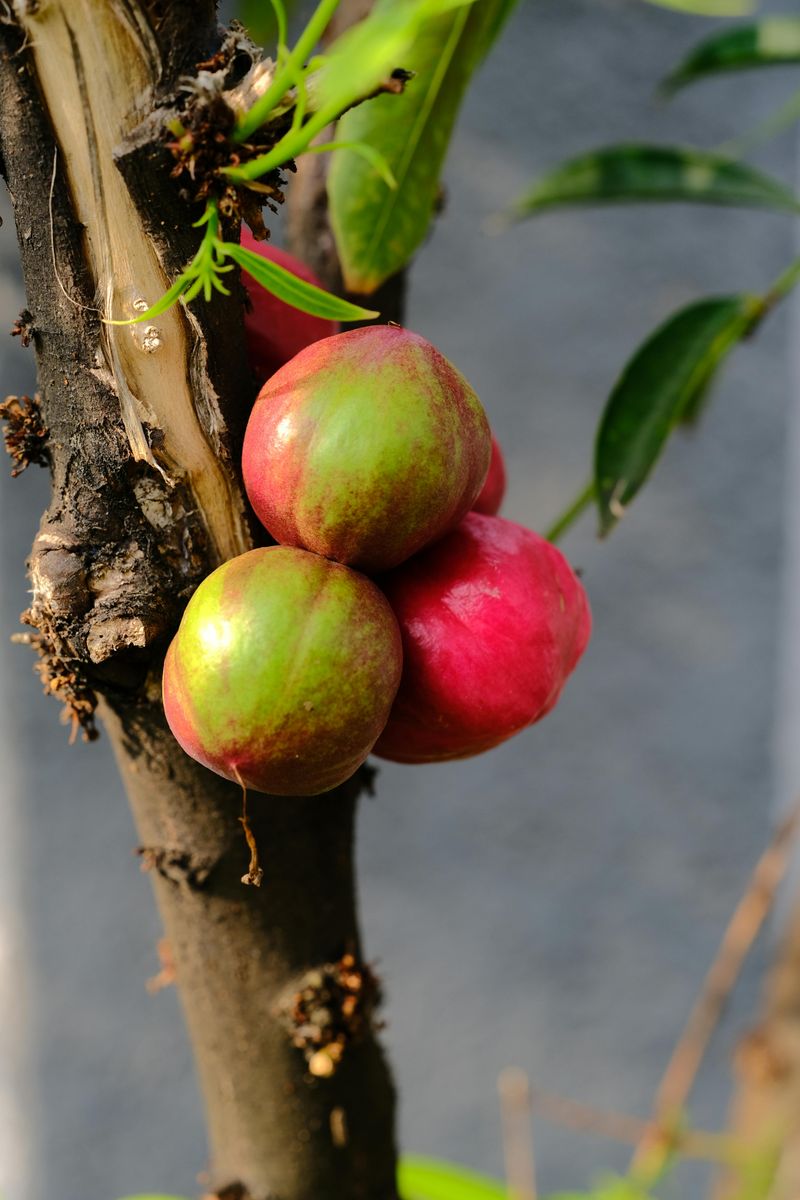
Sometimes overhanging fruit trees create problems that go beyond simple ownership questions.
If a neighbor’s tree drops excessive fruit, attracts pests, or causes ongoing maintenance problems, you might have grounds for a nuisance claim.
Michigan law recognizes that property owners have a right to reasonable enjoyment of their land.
A tree that constantly drops rotting fruit, attracts wasps or rodents, or creates unsanitary conditions might qualify as a nuisance.
However, nuisance claims require showing that the problem is significant and unreasonable, not just a minor inconvenience.
Courts balance property rights with the reality that trees naturally drop fruit and leaves.
Normal seasonal fruit drop probably would not qualify as a legal nuisance even if it requires cleanup on your part.
Before pursuing a nuisance claim, attempting to resolve the issue through conversation is always advisable.
Your neighbor might not realize the extent of the problem and could be willing to increase maintenance or allow you to trim more extensively.
Documenting the problem with photos and notes about how it affects your property use strengthens your position if legal action becomes necessary.
Mediation services available in many Michigan communities can help neighbors reach agreements without going to court.
Nuisance claims should be a last resort after other reasonable solutions have failed.
Fruit Theft Is Technically Possible

Although it might seem trivial, taking fruit from overhanging branches without permission could technically be considered theft under Michigan law.
The value of the fruit determines the seriousness of the offense, with most overhanging fruit situations involving minimal value.
Realistically, few neighbors would pursue theft charges over a handful of apples or cherries, but the possibility exists.
Commercial orchards take fruit theft much more seriously, and Michigan has specific laws protecting agricultural operations from crop theft.
In residential settings, the social consequences of taking a neighbor’s fruit without asking often matter more than legal ones.
Being known as someone who takes things without permission can damage your reputation in the neighborhood.
Children should understand that picking fruit from branches, even those hanging over your fence, requires permission from the tree owner.
Teaching respect for others’ property helps kids develop good character and avoid problems with neighbors.
If you have picked fruit thinking it was acceptable and later learn otherwise, apologizing and offering to pay for or return the fruit can help repair the relationship.
Most neighbors appreciate honesty and good intentions even when mistakes happen.
The best practice is always asking before taking, which shows respect and prevents any possibility of conflict.
A simple conversation prevents what could become an awkward or contentious situation.
Documentation Protects Everyone
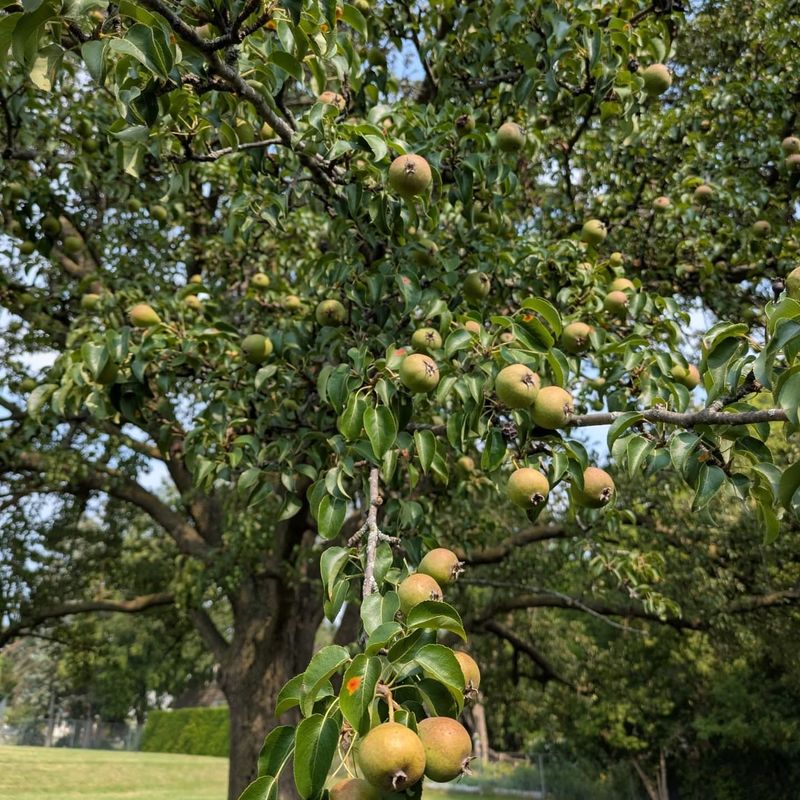
Keeping records of communications and conditions related to overhanging fruit trees benefits both neighbors.
Taking photos of the tree, property line, and extent of overhang creates a clear record of the situation.
If you discuss trimming or fruit picking with your neighbor, following up with a friendly email or text message documenting the agreement helps prevent future misunderstandings.
Written records do not need to be formal legal documents; even casual texts confirming what you discussed serve as useful references.
Before trimming branches, photographing the tree helps show that you acted reasonably if questions arise later.
After trimming, more photos document the work you did and the condition you left the tree in.
If problems develop with a neighbor’s tree, keeping a log of issues with dates and descriptions supports your position.
Documentation becomes especially important if you need to involve local authorities or pursue legal remedies.
Property surveys clearly showing the boundary line prevent disputes about where your property ends and your neighbor’s begins.
Many property line disagreements stem from uncertainty about the actual boundary location.
Investing in a survey when buying property or when tree issues arise can save significant trouble later.
Good documentation protects your interests while also showing that you acted reasonably and in good faith throughout any dispute.