Who Pays When Your Neighbor’s Tree Drops Leaves In Your Yard In Wisconsin?
Watching piles of leaves collect in your yard feels different when they are coming from a tree you do not own.
In Wisconsin, this situation shows up every year and often catches homeowners off guard.
What starts as a small annoyance can quickly feel personal when cleanup becomes your responsibility.
Many people assume there must be a rule that protects them from dealing with someone else’s tree mess.
Others worry about speaking up and damaging a good relationship with a neighbor.
I have seen this exact issue create tension simply because no one was sure what the law actually says.
The confusing part is that responsibility does not follow common sense or courtesy the way most people expect.
Wisconsin property rules treat falling leaves very differently than fallen branches or damaged structures.
Understanding those distinctions can save time, frustration, and unnecessary arguments.
This breakdown explains who pays when a neighbor’s tree drops leaves in your Wisconsin yard and why the law sees it that way.
1. How Tree Ownership Is Determined In Wisconsin
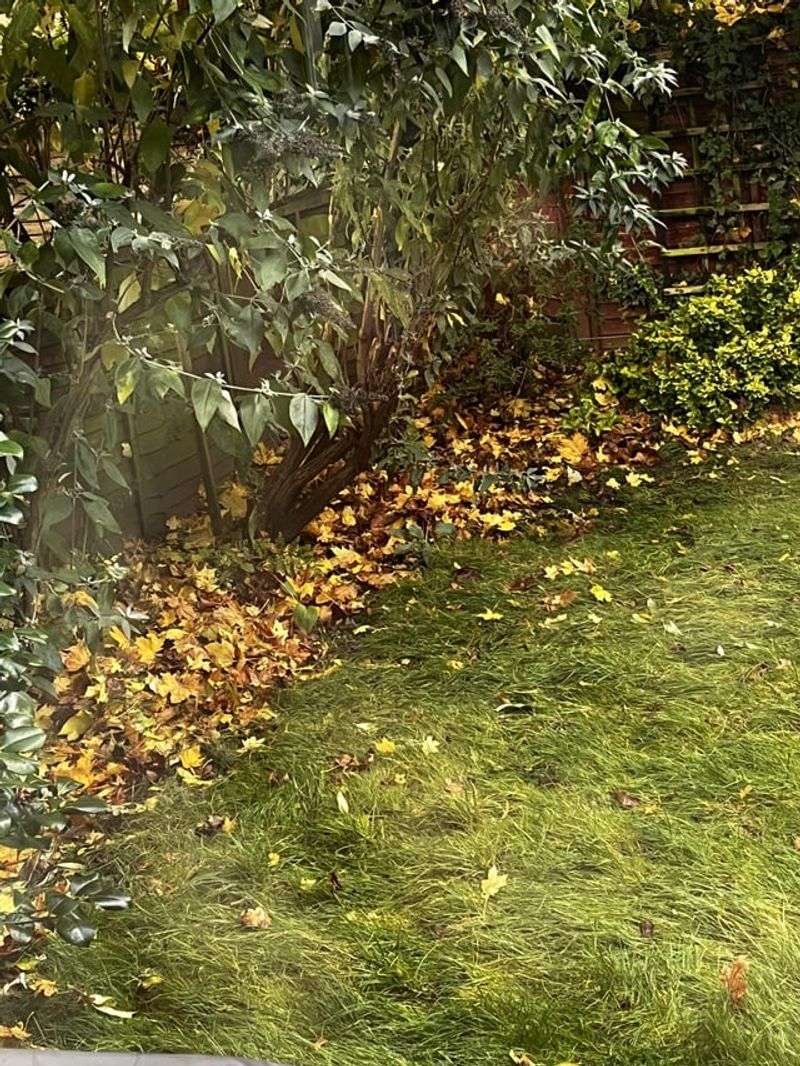
Tree ownership in Wisconsin often feels confusing at first, especially when branches stretch across fences and leaves scatter far beyond where a tree actually stands.
In most cases, the law looks at one specific detail to decide ownership, and that detail is the exact location of the tree’s trunk.
If the trunk is fully rooted on your neighbor’s side of the property line, Wisconsin generally recognizes your neighbor as the sole owner of that tree.
This remains true even when large branches extend over your yard and drop leaves, twigs, or seeds onto your lawn throughout the year.
Many homeowners assume shared impact means shared ownership, but Wisconsin property rules do not usually follow that logic.
Shared ownership typically only applies when the trunk itself grows directly on the boundary line between two properties.
When that happens, both neighbors usually gain equal rights and responsibilities regarding maintenance, care, and major decisions involving the tree.
Because disputes often hinge on inches rather than feet, property surveys become extremely important when disagreements arise.
Knowing where ownership legally begins and ends helps Wisconsin homeowners address tree concerns with confidence instead of uncertainty or unnecessary conflict.
Clear ownership knowledge also prevents homeowners from making trimming or removal decisions that could accidentally violate Wisconsin property laws.
Starting with accurate information keeps conversations grounded in facts rather than assumptions, which often makes neighbor discussions calmer and more productive.
2. Who Handles Leaves That Fall Onto A Neighbor’s Property
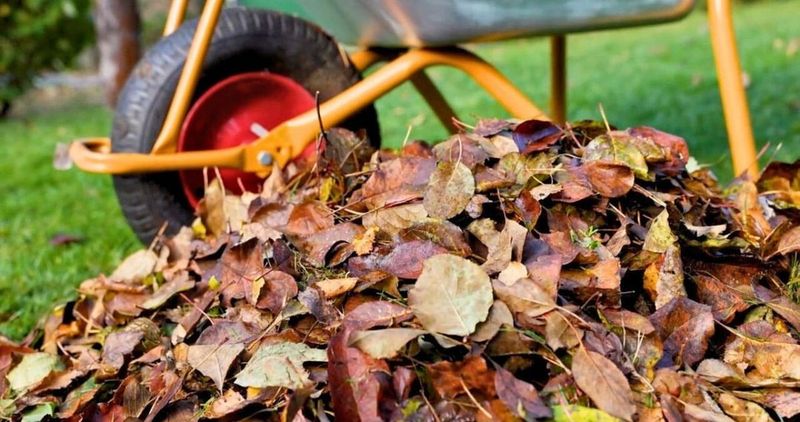
This question causes frustration for many Wisconsin homeowners once fall arrives and yards start filling with leaves from nearby trees.
In Wisconsin, the responsibility for fallen leaves usually rests with the person whose property the leaves land on, not the tree owner.
State courts generally view leaf drop as a natural occurrence, similar to rain or snow, rather than something caused by a neighbor’s actions.
That means raking, bagging, or mulching leaves in your yard is typically considered part of normal property maintenance in Wisconsin.
Even when a tree clearly belongs to your neighbor, the leaves it sheds do not automatically become their legal responsibility.
This rule often surprises people who feel the mess should follow ownership, but Wisconsin law separates ownership from cleanup duties.
The reasoning is that trees grow naturally and cannot be controlled to prevent seasonal shedding across property lines.
Because this applies statewide in Wisconsin, most disputes over leaves do not hold up if taken to court.
Understanding this expectation early helps homeowners plan ahead and avoid unnecessary tension with neighbors during peak leaf season.
Accepting this reality allows Wisconsin homeowners to focus on practical yard solutions rather than ongoing frustration that rarely leads to a different outcome.
Once people understand how Wisconsin treats leaf responsibility, they often find it easier to manage seasonal cleanup without turning it into a personal dispute.
3. What Property Line Rules Mean For Homeowners
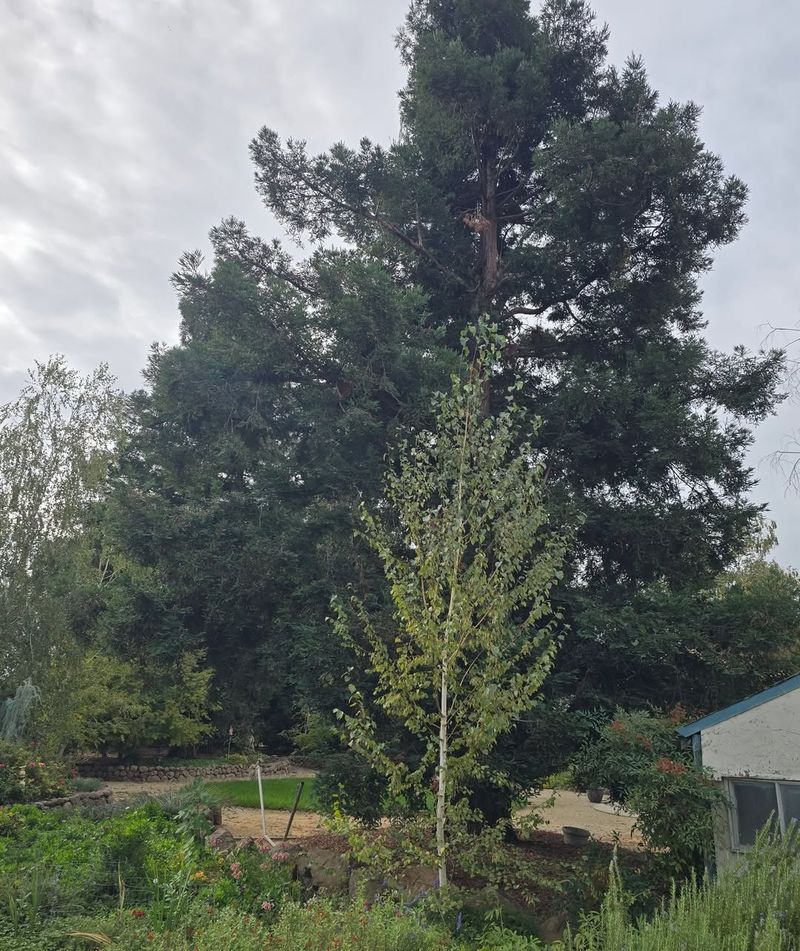
Property line rules shape how everyday yard issues unfold for Wisconsin homeowners, especially when trees, leaves, and branches start crossing invisible boundaries.
In Wisconsin, the legal property line determines responsibility, not where a fence sits or where landscaping happens to look divided.
Many homeowners are surprised to learn that fences, hedges, and driveways often do not match the true surveyed property line.
This confusion becomes a problem when trees grow large and start affecting neighboring yards across Wisconsin communities.
Property line rules exist to prevent disputes by clearly defining who controls what portion of land.
When homeowners understand these boundaries, decisions about trimming, cleanup, and maintenance become much clearer.
Wisconsin law relies heavily on surveys and recorded property descriptions rather than visual assumptions.
Knowing your exact boundary helps avoid accidental trespassing or damage that could create legal trouble.
Clear understanding of property lines gives Wisconsin homeowners confidence to manage their yards responsibly and communicate calmly with neighbors.
Clear boundaries also protect homeowners from making changes that unintentionally violate Wisconsin property laws or neighbor rights.
Taking time to confirm property lines early often prevents small yard issues from escalating into long-term disputes between Wisconsin neighbors.
4. When Leaf Drop Is Treated As Normal Yard Maintenance
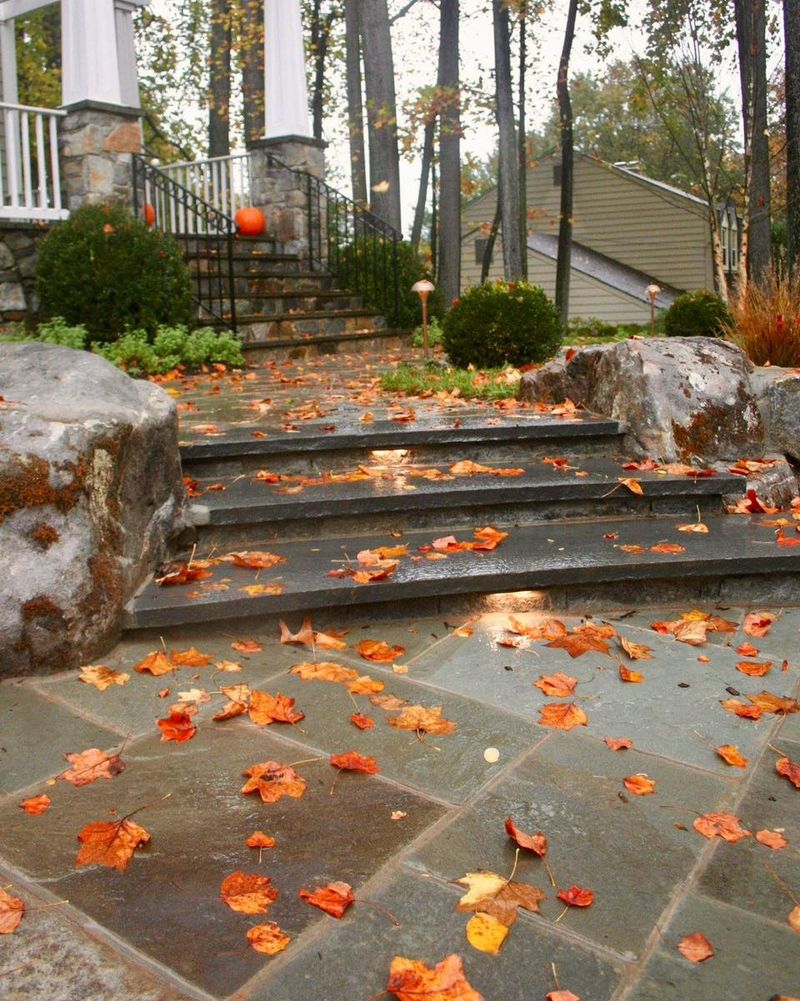
In Wisconsin, falling leaves are generally viewed as a normal part of owning property rather than a problem someone else must fix for you.
Many homeowners feel frustrated each autumn, but Wisconsin law typically treats leaf drop the same way it treats snow, rain, or windblown debris.
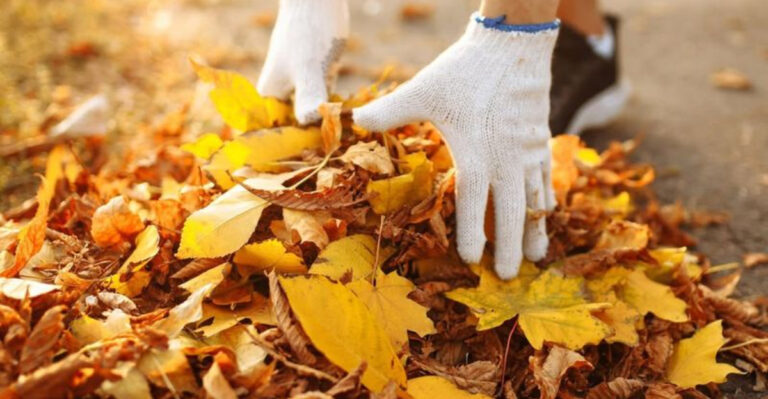
Once leaves land on your lawn, driveway, or garden, they usually become your responsibility to handle.
This applies even when the tree causing the mess clearly stands on your neighbor’s side of the property line in Wisconsin.
Courts tend to see leaf cleanup as routine upkeep that comes with yard ownership, not as damage caused by negligence.
Because trees are natural features, their seasonal shedding is considered predictable and unavoidable across Wisconsin neighborhoods.
That perspective helps prevent constant disputes every fall when leaves inevitably travel beyond their original source.
Understanding this rule allows Wisconsin homeowners to plan ahead for seasonal cleanup instead of feeling caught off guard.
Accepting leaf drop as normal maintenance often reduces stress and keeps small inconveniences from turning into lasting neighbor conflicts.
Planning for leaf cleanup tools, mulching options, or professional services ahead of time can make Wisconsin’s fall season far less overwhelming.
When homeowners adjust expectations early, seasonal leaf drop becomes a manageable task rather than a source of ongoing frustration or resentment.
5. Cases Where Tree Damage Changes Responsibility
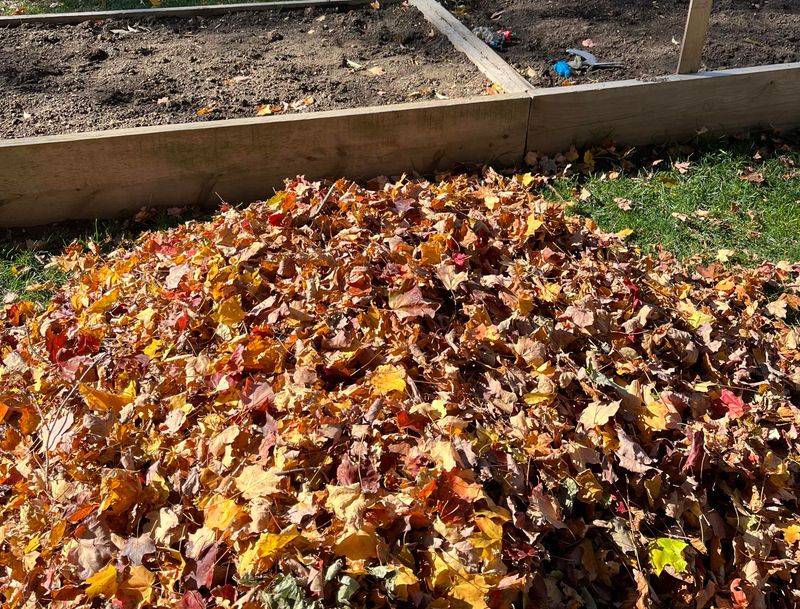
Situations change quickly in Wisconsin when a neighbor’s tree causes physical damage instead of simple seasonal leaf drop.
Broken gutters, cracked driveways, roof damage, or crushed fencing push the issue beyond normal yard maintenance expectations.
Wisconsin law generally treats measurable property damage differently than inconvenience caused by fallen leaves.
Responsibility may shift if evidence shows the tree owner ignored clear warning signs like dead limbs or structural instability.
Visible decay, disease, or long-term neglect can weaken a neighbor’s defense when damage occurs on nearby property.
Courts in Wisconsin often examine whether the harm resulted from preventable conditions rather than sudden natural events.
Storm-related incidents are sometimes classified as unavoidable, unless prior negligence clearly contributed to the failure.
Homeowners typically need documentation proving the tree’s condition directly caused the damage.
Once that connection is established, financial responsibility in Wisconsin may move back to the tree owner instead of the affected neighbor.
Insurance claims often come into play at this stage, especially when repairs involve roofs, foundations, or other high-cost structures on Wisconsin properties.
Seeking professional assessments early can help Wisconsin homeowners determine whether damage crosses the legal threshold that changes responsibility.
6. How Seasonal Weather Affects Tree Debris Issues
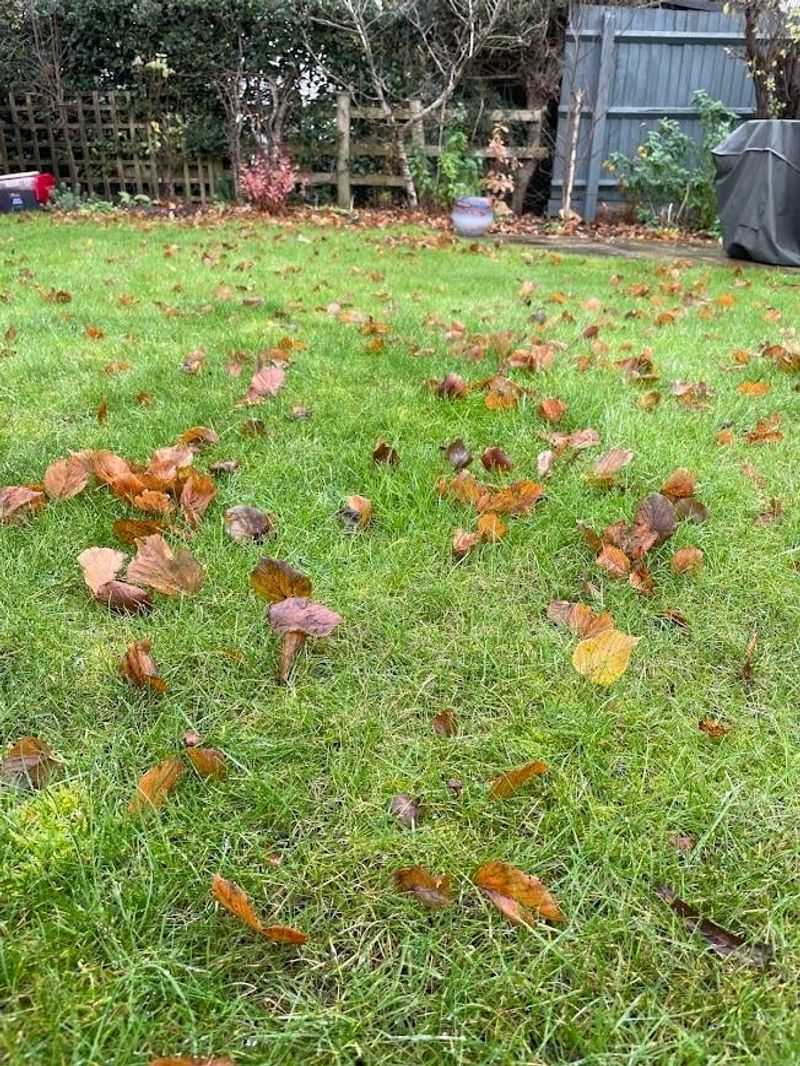
Seasonal weather patterns in Wisconsin play a major role in how much tree debris ends up in neighboring yards throughout the year.
Strong spring winds loosen weak branches and shake loose early growth, often sending twigs and seed pods across property lines before homeowners expect cleanup season to begin.
Heavy summer storms bring intense rain and gusts that strip leaves prematurely, especially from mature trees already stressed by heat or drought conditions common in parts of Wisconsin.
Autumn creates the most noticeable impact, as falling temperatures and shorter days trigger widespread leaf drop that can blanket nearby lawns within hours.
Wet leaves during Wisconsin fall seasons become heavier, clogging gutters and drainage systems faster than dry debris would under calmer conditions.
Winter introduces its own challenges when snow and ice accumulate on branches, causing breakage that sends limbs crashing down unpredictably.
Freeze and thaw cycles weaken tree structure over time, making debris problems more likely even without dramatic storms.
These seasonal shifts explain why debris issues often feel sudden rather than gradual to affected homeowners.
Understanding how Wisconsin weather influences tree behavior helps neighbors anticipate problems and manage expectations before conflicts arise.
Planning seasonal maintenance around these patterns allows Wisconsin homeowners to reduce surprises and respond before debris becomes overwhelming.
Being aware of upcoming weather shifts also makes conversations with neighbors easier, since timing concerns can be discussed before problems escalate.
7. Steps Homeowners Can Take To Reduce Ongoing Problems
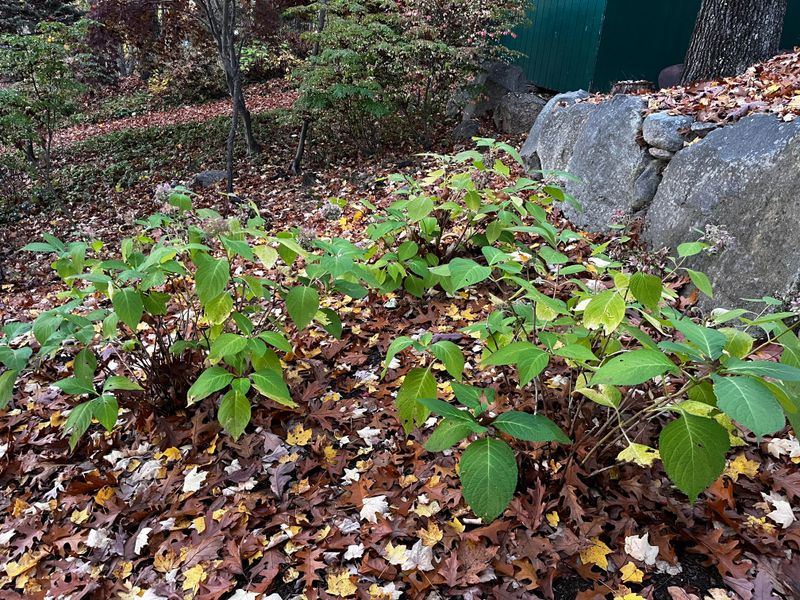
Reducing ongoing tree debris problems starts with small, consistent actions that homeowners in Wisconsin can realistically maintain throughout the year.
Proactive tree inspections help identify weak branches early, especially after harsh Wisconsin winters that silently damage limbs before spring arrives.
Scheduling regular pruning keeps growth balanced and prevents branches from extending too far into neighboring yards where debris becomes unavoidable.
Choosing the right timing for trimming matters, since cutting during dormancy often reduces stress on trees common across Wisconsin landscapes.
Keeping gutters, downspouts, and drainage areas clear minimizes secondary damage when leaves and twigs inevitably fall during seasonal changes.
Open communication with neighbors creates opportunities to coordinate maintenance before problems escalate into frustration or misunderstandings.
Planting replacement trees farther from property lines helps prevent the same issues from repeating years down the road.
Using natural barriers like fencing, hedges, or ground cover can limit how far leaves spread once they hit the ground.
Taking these practical steps allows Wisconsin homeowners to manage debris issues calmly while protecting both property and neighborly relationships.
Over time, these habits reduce surprise cleanup costs and help Wisconsin residents feel more in control when seasonal shedding intensifies.
Consistent prevention also builds trust between neighbors, making future tree concerns easier to address without tension or conflict.
8. Why Communication Often Prevents Disputes
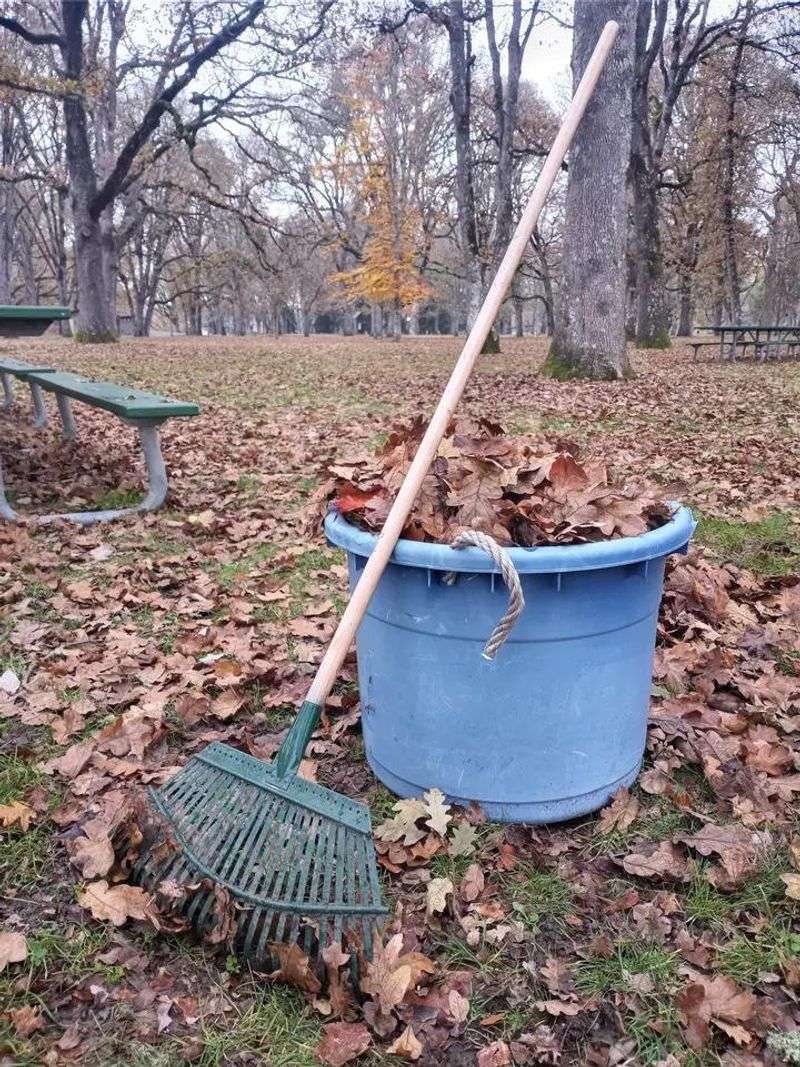
Clear communication can stop small tree issues from turning into long-term conflicts between neighbors in Wisconsin communities.
Many disputes begin not because of falling leaves, but because one homeowner feels ignored or dismissed when the issue keeps repeating.
Starting a conversation early shows respect and signals that the goal is cooperation, not blame or confrontation.
Wisconsin neighbors who talk things through often discover simple solutions, like shared trimming schedules or timing cleanup around peak leaf drop.
Approaching the topic calmly makes it easier for the other person to listen without feeling attacked or defensive.
Explaining how the situation affects your yard, gutters, or daily maintenance helps the issue feel real rather than theoretical.
Written communication, such as a friendly text or email, can also help clarify expectations and avoid misunderstandings later.
When communication stays open, neighbors are more likely to address problems before they escalate into legal or emotional stress.
In Wisconsin neighborhoods, respectful conversations often protect both property conditions and long-term neighbor relationships at the same time.
Clear dialogue also creates a record of good-faith effort if disagreements resurface later under more stressful circumstances.
Consistent communication builds mutual understanding, making future tree-related concerns easier to resolve without resentment.
9. When Professional Or Legal Guidance Makes Sense
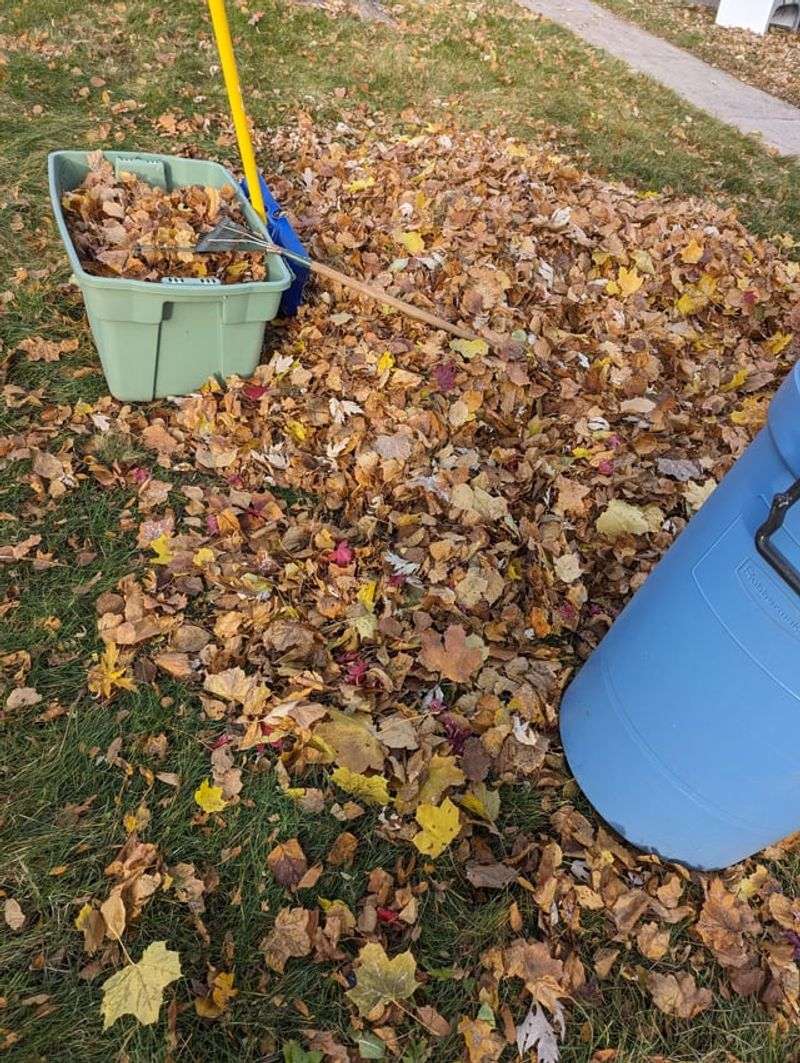
There comes a point when handling ongoing tree issues informally no longer works, and seeking professional or legal guidance becomes the smarter option for Wisconsin homeowners.
Repeated problems like falling branches, clogged gutters, or property damage can turn a manageable situation into a financial and emotional burden over time.
Consulting a certified arborist in Wisconsin helps determine whether a tree poses a real risk or simply creates routine seasonal debris.
An expert assessment provides documentation that carries weight if conversations with a neighbor stop making progress.
Legal advice makes sense when damage occurs, especially if repairs involve roofs, fences, drainage systems, or other costly structures on your property.
Wisconsin laws generally distinguish between normal leaf drop and actual harm, which is why understanding where your situation falls matters greatly.
Insurance companies may also require professional evaluations before approving claims related to tree damage or fallen limbs.
Seeking guidance does not mean you plan to sue, but it does protect you by clarifying your rights and responsibilities under Wisconsin property rules.
In many cases, having clear expert input encourages resolution without court involvement, saving time, money, and neighborhood relationships.
Professional opinions often shift discussions from emotional disagreements to practical problem-solving grounded in facts and safety concerns.
Knowing when to bring in experts helps Wisconsin homeowners act decisively while avoiding unnecessary escalation or prolonged uncertainty.