Who Takes Responsibility When A Neighbor’s Tree Drops Leaves In Michigan
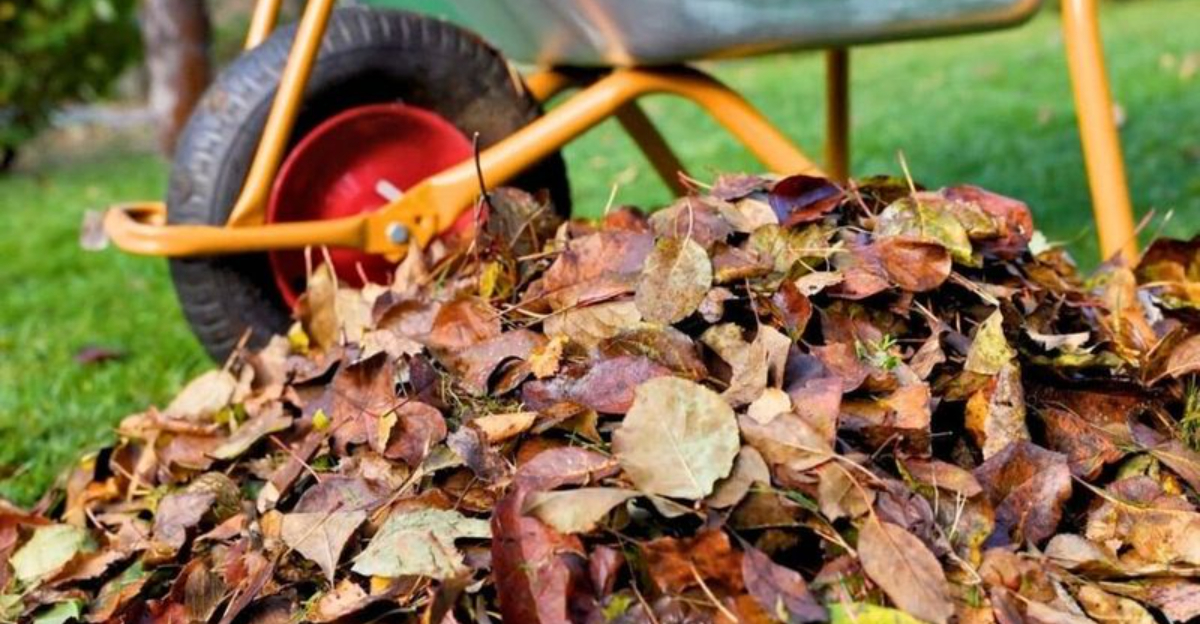
In Michigan, falling leaves from a neighbor’s tree often spark questions about responsibility—but the answer is surprisingly straightforward: homeowners are generally responsible for cleaning up leaves that land on their own property, even if they originate from a neighbor’s tree.
The law views leaves, twigs, and other natural debris as part of everyday yard maintenance, not a nuisance caused by the neighbor.
Exceptions exist if the tree is diseased or improperly maintained and causes damage beyond ordinary debris, but simply raking or blowing leaves remains the property owner’s task.
That said, many neighbors handle it amicably through informal agreements, shared chores, or leaf compost swaps.
Maintaining open communication can prevent tension, especially in neighborhoods with heavy autumn shedding.
Property Owners Handle Their Own Leaves
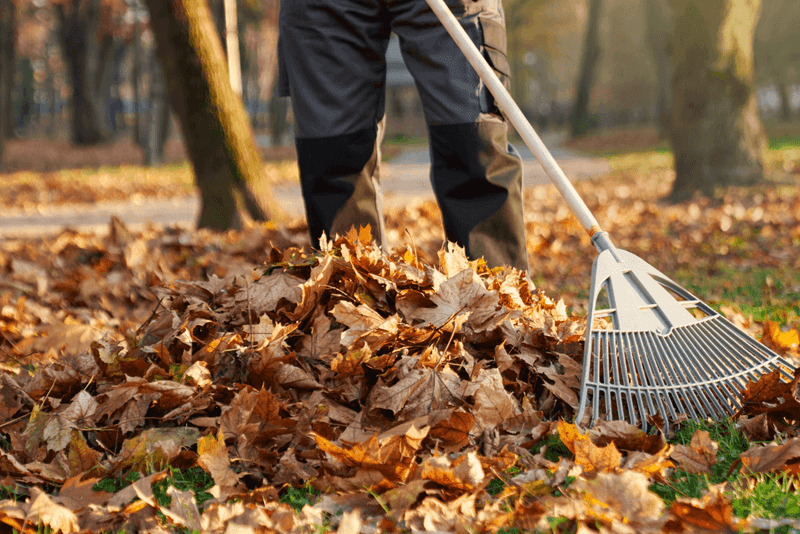
Michigan law follows a simple principle: you take care of what lands on your property.
When leaves blow from a neighbor’s tree into your yard, those leaves become your responsibility to clean up.
Courts have ruled that fallen leaves count as a natural occurrence, much like rain or snow.
No one can control where the wind carries leaves, so the law does not blame tree owners for where nature deposits their foliage.
Your neighbor does not have to come over and rake your yard, even if their oak tree drops thousands of leaves onto your grass.
This rule applies to all natural debris, including twigs, seeds, and small branches that fall during storms.
Many people find this frustrating, especially when a large tree sits right on the property line.
However, Michigan courts have consistently supported this approach for decades.
The reasoning makes sense when you think about it: forcing neighbors to clean each other’s yards would create endless disputes.
Some homeowners try to negotiate shared cleanup duties, which can work if both parties agree.
Written agreements help prevent misunderstandings later.
Remember that good relationships with neighbors often matter more than strict legal rights.
Trees On Property Lines Create Shared Ownership
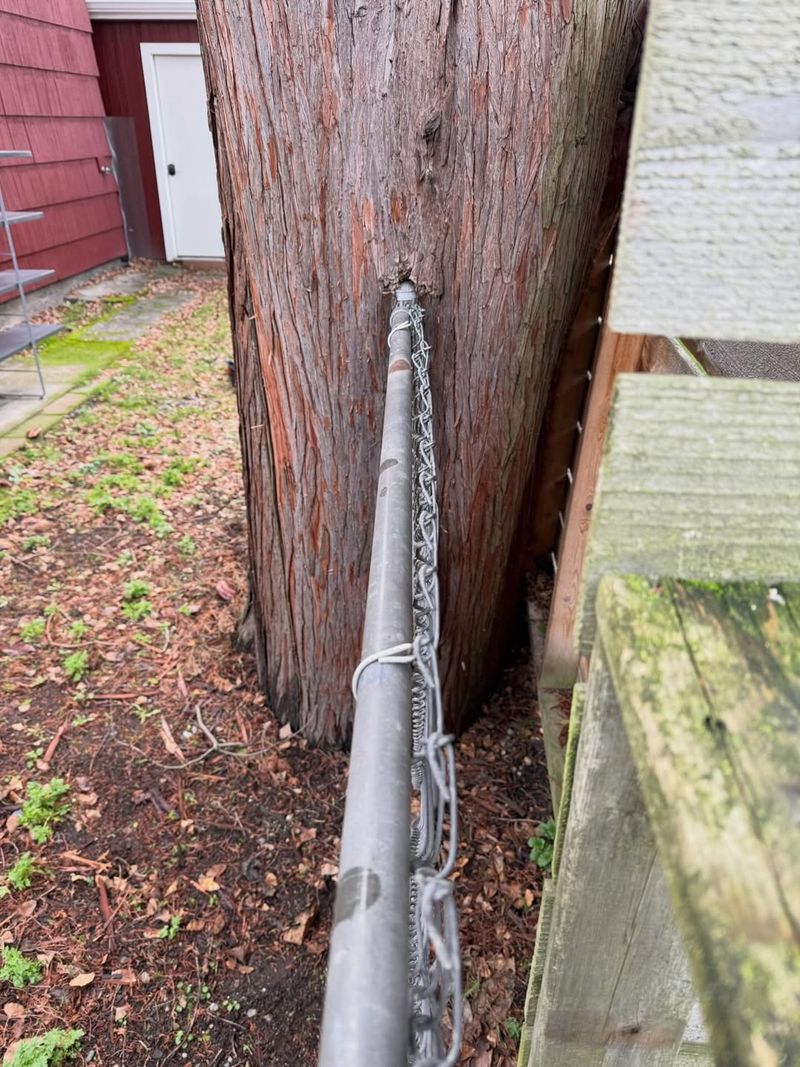
A tree trunk that straddles the boundary between two properties belongs to both owners equally.
This situation changes the normal rules about maintenance and cleanup.
Both neighbors share responsibility for caring for a boundary tree, including trimming, treating for pests, and paying for removal if needed.
Neither owner can remove or significantly alter the tree without permission from the other.
Cutting down a shared tree without consent can lead to serious legal consequences and financial penalties.
Michigan courts have awarded damages to property owners whose neighbors harmed shared trees.
When a boundary tree drops leaves, the shared ownership does not change the cleanup rules.
Each owner still handles leaves that fall on their side of the property line.
However, both neighbors might feel more motivated to maintain the tree’s health since they both own it.
Regular pruning can reduce the amount of leaves a tree produces.
If disputes arise about a boundary tree, a professional survey can determine exactly where the property line runs.
Many neighbor conflicts start because people disagree about where one yard ends and another begins.
Local Ordinances May Require Leaf Removal
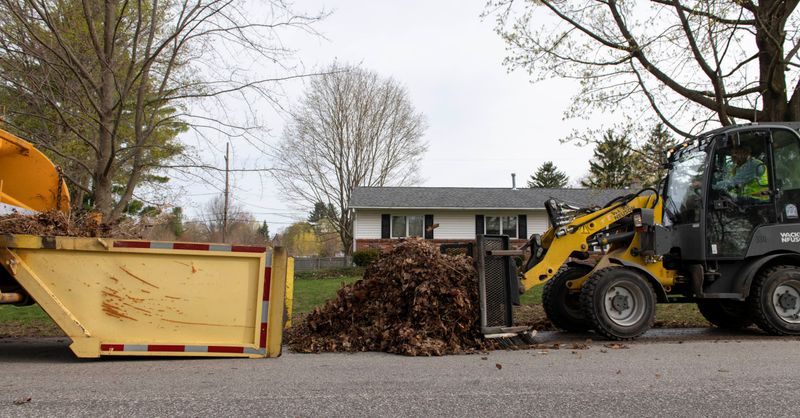
Your city or township might have rules about keeping your property clean and maintained.
Many Michigan municipalities passed ordinances requiring homeowners to remove leaves and other yard waste within certain timeframes.
These local laws exist to prevent fire hazards, pest problems, and neighborhood blight.
Failing to comply with leaf removal ordinances can result in fines or citations from code enforcement officers.
Some communities even send crews to clean up properties and then bill the homeowners for the service.
The source of the leaves does not matter under these ordinances.
If leaves from your neighbor’s tree cover your lawn, you still must remove them according to local rules.
Check with your city or township office to learn about specific requirements in your area.
Ordinances often specify how to dispose of leaves, such as bagging them for pickup or composting them on your property.
Some communities offer free leaf collection services during autumn months.
Others require residents to take leaves to designated drop-off locations.
Burning leaves is illegal in many Michigan communities due to air quality concerns.
Always verify current rules before choosing a disposal method.
Homeowner Associations Can Set Stricter Rules
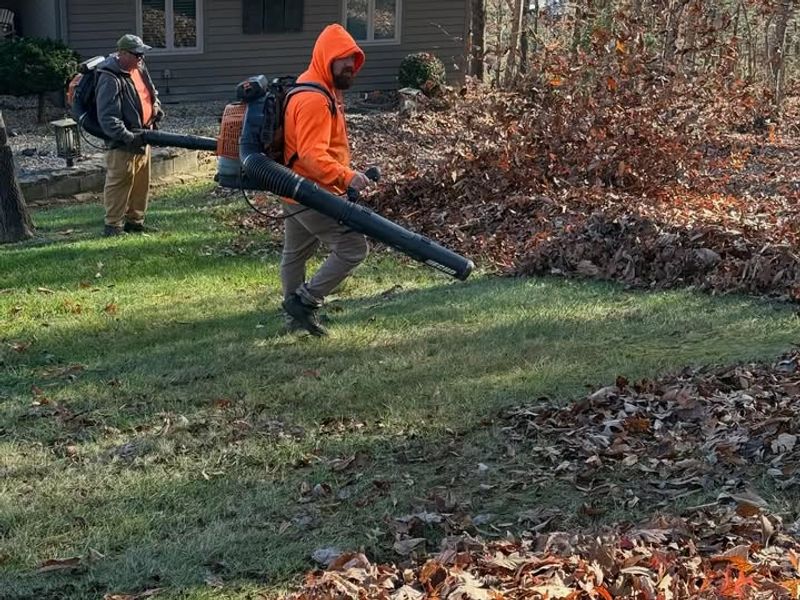
Neighborhoods with homeowner associations often face additional requirements beyond city laws.
HOAs typically create detailed rules about yard appearance and maintenance schedules.
Your association might require leaf removal within days of significant accumulation.
Some HOAs prohibit leaving piles of leaves visible from the street, even temporarily.
Association rules usually apply regardless of where the leaves originated.
You cannot avoid HOA requirements by arguing that leaves came from someone else’s tree.
Violating HOA rules can lead to fines that increase with repeated offenses.
Associations may also place liens on properties with unpaid fines.
Before purchasing a home in an HOA community, carefully review all governing documents.
These papers explain exactly what yard maintenance tasks you must perform and how often.
Some associations hire landscaping companies to maintain common areas and individual lots.
Residents pay for these services through monthly or annual fees.
If you disagree with HOA rules, you can attend board meetings and propose changes.
However, changing established rules requires support from other homeowners and formal voting procedures.
Negligent Tree Maintenance Can Create Liability
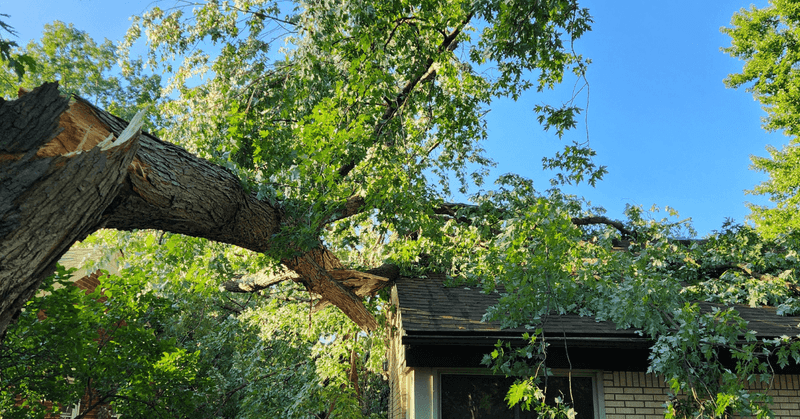
Tree owners must keep their trees reasonably safe and healthy.
While you do not have to clean leaves from your neighbor’s yard, you cannot ignore dangerous conditions your tree creates.
A massive accumulation of leaves that blocks drainage or creates hazards might cross the line into negligence.
For example, if leaves from your tree consistently clog your neighbor’s gutters and cause water damage, you might share responsibility.
Michigan law requires property owners to prevent their trees from causing foreseeable harm to others.
Regular tree maintenance helps avoid these problems.
Pruning reduces the volume of leaves a tree produces each season.
Removing diseased or damaged branches prevents larger problems later.
If your tree shows signs of disease or structural weakness, consult a certified arborist.
Professional tree care specialists can recommend treatments or determine if removal is necessary.
Ignoring obvious problems with your tree could make you liable for damage it causes.
Document your tree maintenance efforts with photos and receipts.
This evidence proves you acted responsibly if disputes arise.
Good tree care benefits everyone by keeping neighborhoods safe and attractive.
Communication Often Prevents Legal Battles
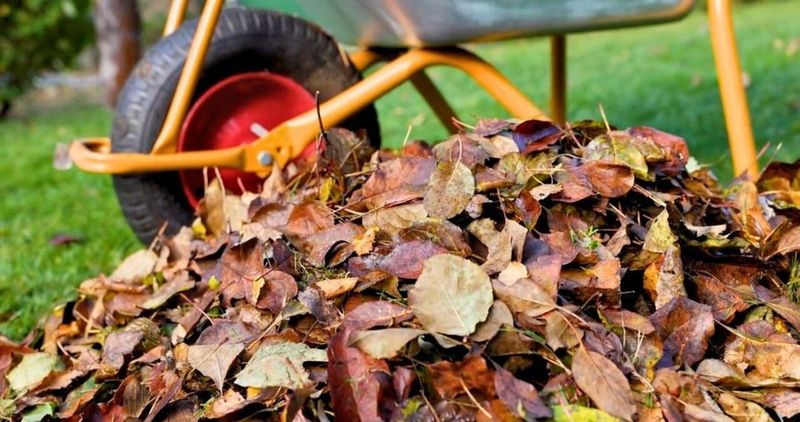
Most neighbor disputes about leaves never reach courtrooms.
Friendly conversation can solve problems before they escalate into legal matters.
Approach your neighbor calmly and explain how their tree affects your property.
Many people do not realize their trees cause problems for others.
Your neighbor might agree to trim branches that hang over your yard or help with cleanup during peak leaf season.
Offering to split the cost of tree trimming shows good faith and encourages cooperation.
Some neighbors establish informal agreements where one person handles mowing while another manages leaf removal.
These arrangements work well when both parties communicate clearly about expectations.
Put any agreements in writing, even informal ones.
A simple email confirming what you discussed can prevent memory lapses later.
If direct conversation feels uncomfortable, consider sending a friendly note or letter.
Written communication gives your neighbor time to think about solutions without feeling pressured.
Mediation services can help when talking directly does not work.
Many Michigan communities offer free or low-cost mediation for neighbor disputes.
Professional mediators help both parties find compromises that satisfy everyone.
Insurance Rarely Covers Routine Leaf Cleanup
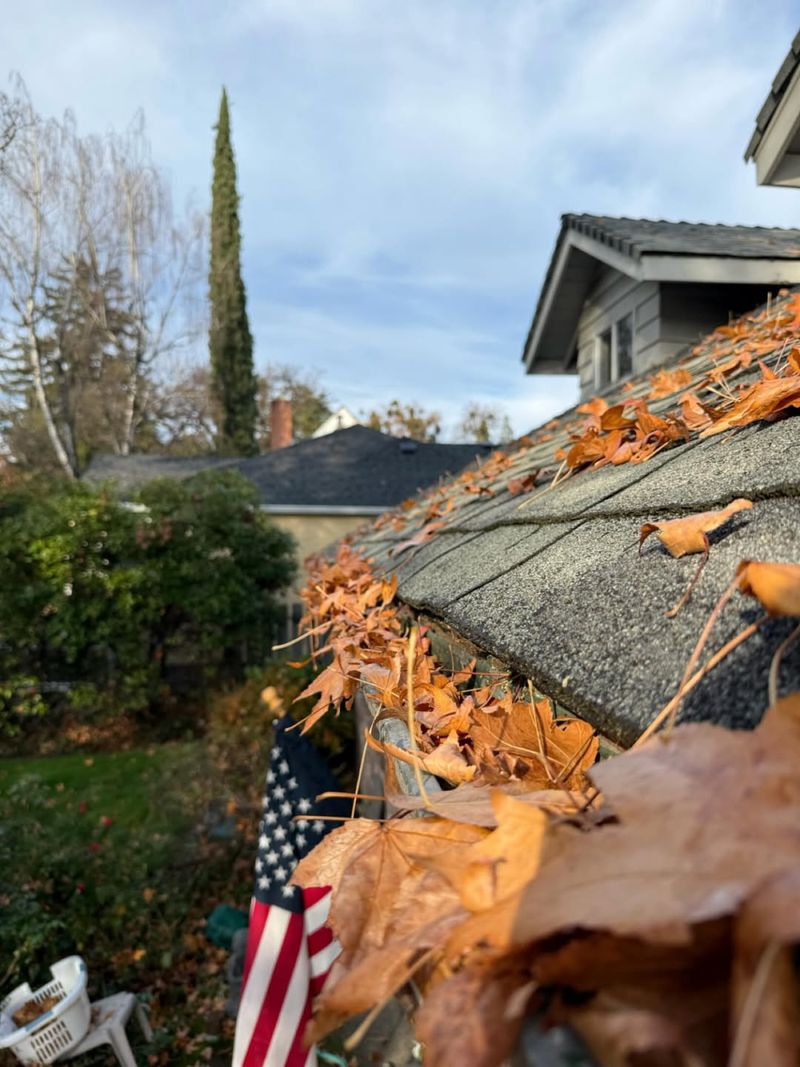
Homeowners insurance protects against sudden, unexpected damage, not routine maintenance.
Standard policies do not cover the cost of raking leaves or cleaning gutters.
Even when leaves from a neighbor’s tree cause problems, insurance companies typically consider this a maintenance issue.
However, insurance might cover damage that results from leaf-related problems.
If accumulated leaves block your gutters and water damages your roof, your policy might pay for repairs.
You would still need to pay your deductible, and your rates might increase after a claim.
Insurance companies expect homeowners to perform regular maintenance that prevents damage.
Failing to clean gutters or remove leaf piles might give insurers reason to deny claims.
Document any damage leaves cause to your property with photos and detailed notes.
If you believe your neighbor’s negligence contributed to damage, consult your insurance company about your options.
They might pursue the neighbor’s insurance company through a process called subrogation.
Review your insurance policy carefully to understand what it covers.
Some policies include additional coverage for tree-related damage that you can purchase.
Prevention remains cheaper than repairs, so invest in regular property maintenance.