Who’s Liable When Leaves Blow Over From A Neighbor’s Tree In Kentucky
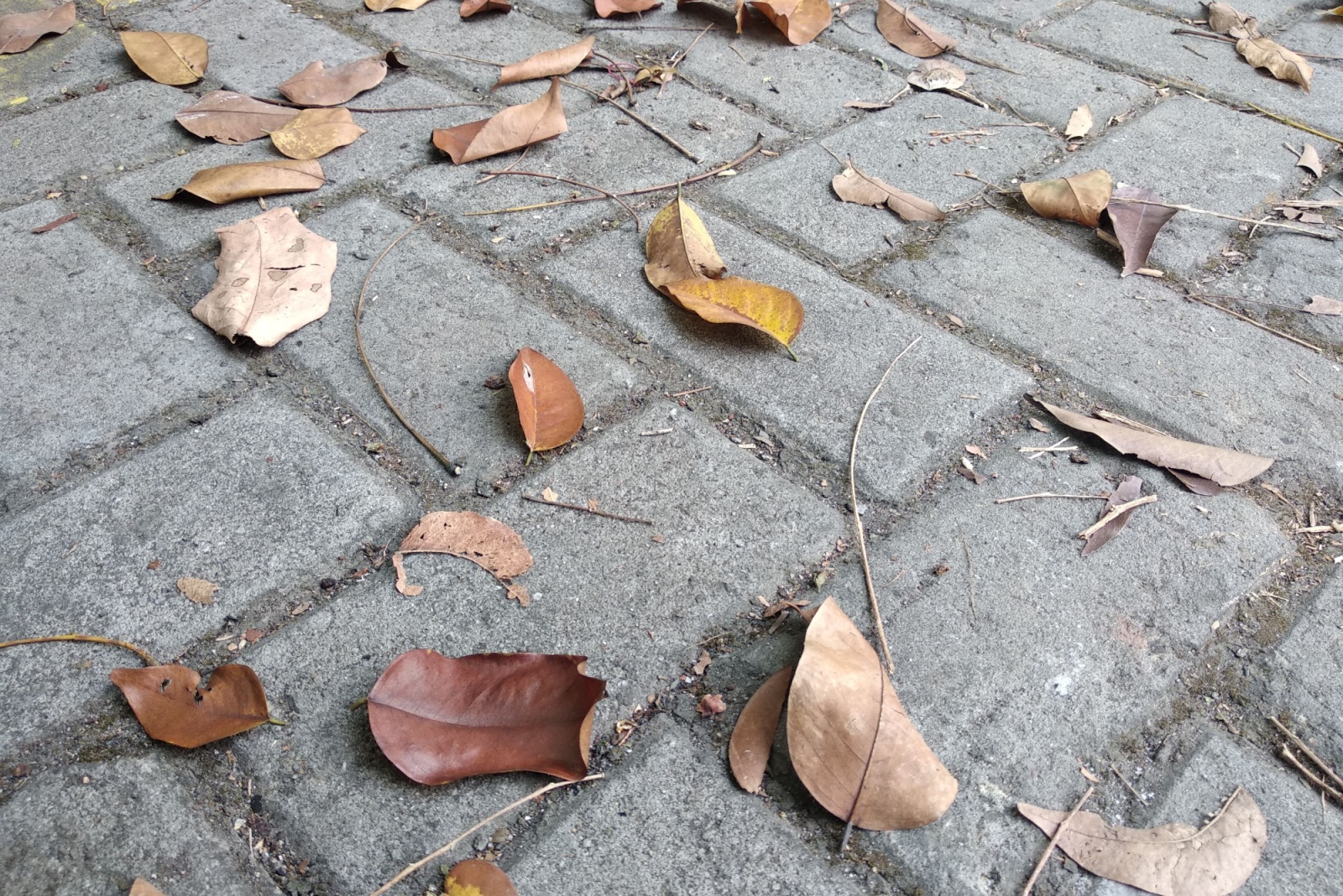
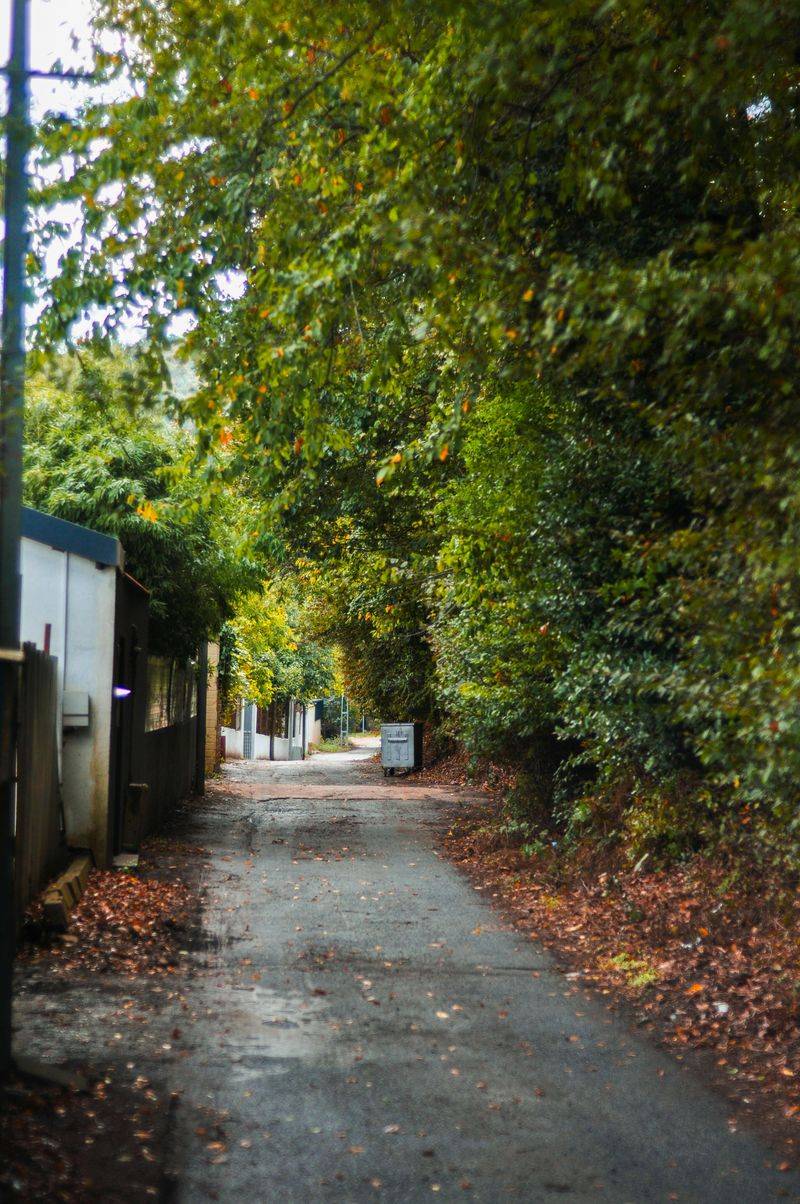
Falling leaves have a way of turning even the friendliest Kentucky neighborhoods tense once fall arrives.
What begins as a picturesque seasonal change can quickly become a source of frustration when piles of leaves drift across property lines and settle where they don’t seem to belong.
In those moments, homeowners often find themselves asking a deceptively simple question: who is actually responsible for the cleanup?
Is it the obligation of the tree’s owner, or does the duty fall on whoever ends up with the mess?
The answer isn’t always intuitive. It depends on a mix of property law principles, how the law treats natural events, and Kentucky’s approach to everyday nuisances between neighbors.
What feels unfair in practice may still be legally acceptable, while certain circumstances—such as intentional dumping or neglect—can cross a legal line.
Understanding where responsibility begins and ends can help homeowners set realistic expectations, avoid unnecessary disputes, and keep minor seasonal annoyances from turning into lasting neighbor conflicts.
Kentucky Follows The Natural Growth Rule For Trees
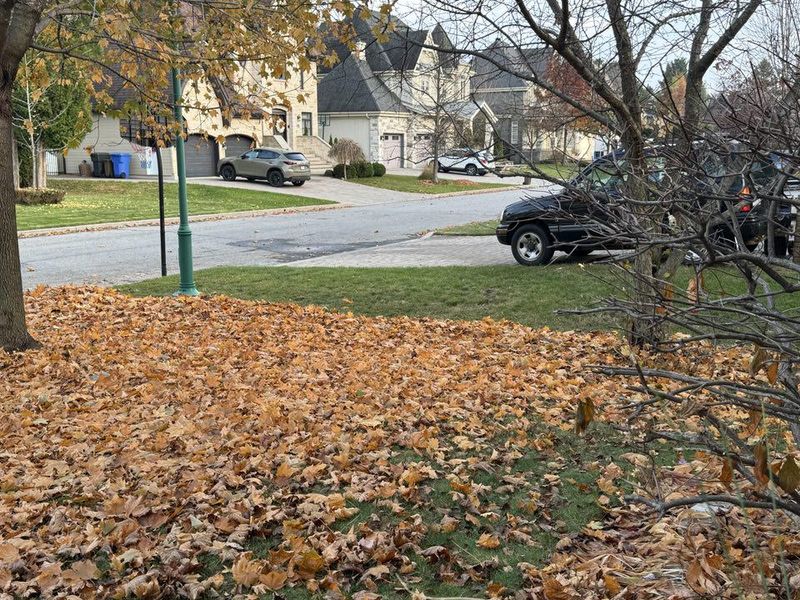
Property owners in Kentucky generally cannot force neighbors to remove trees or pay for leaf cleanup under common law principles established over decades.
Natural vegetation growing on someone’s land is considered part of their property rights, even when branches extend over boundary lines or leaves scatter across fences.
Courts across the state have consistently ruled that trees are natural features that property owners must tolerate as part of living near wooded areas.
The legal concept stems from old English common law that treats naturally occurring plants differently from manmade structures or deliberate nuisances created by people.
Your neighbor isn’t intentionally causing leaves to blow into your yard, so they typically bear no legal responsibility for the natural process of shedding foliage.
Kentucky judges have upheld this principle in multiple cases involving disputes between neighbors over falling leaves, acorns, pine needles, and similar organic debris.
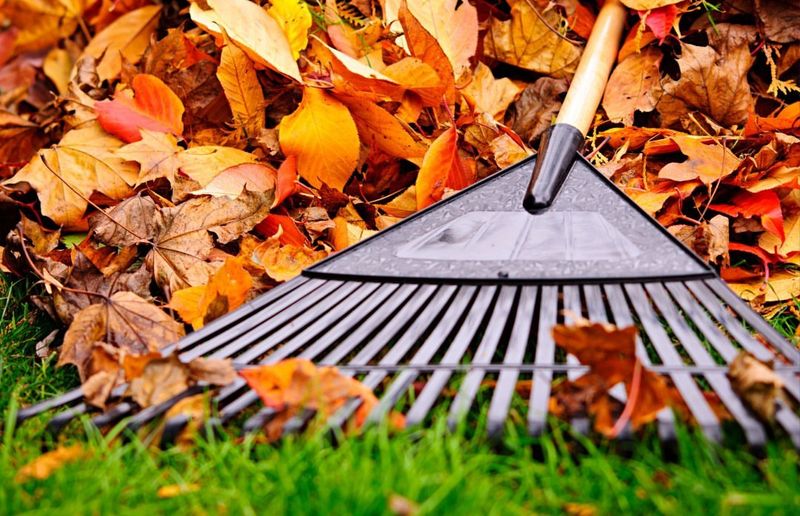
Homeowners must handle cleanup on their own property regardless of where the leaves originated, which means raking and bagging becomes your responsibility once debris lands within your boundaries.
This rule applies throughout Kentucky unless specific city ordinances or homeowner association regulations create different standards for your particular community or neighborhood.
You Can Trim Branches That Cross Your Property Line
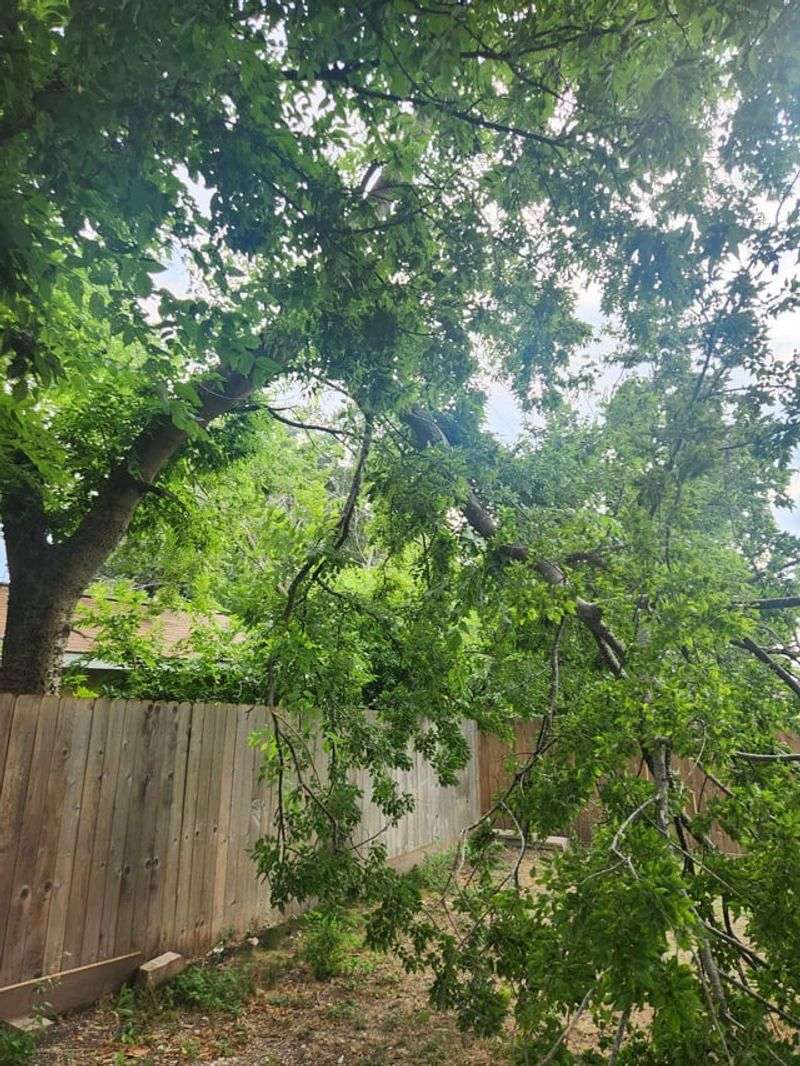
Kentucky law grants property owners the right to trim tree branches that extend over their boundary line, providing a practical way to reduce leaf problems at the source.
This self-help remedy allows you to cut back overhanging limbs up to the property line without asking permission, though you must exercise care not to damage the tree itself.
The trimming must be done reasonably and cannot harm the overall health of the tree or cause it unnecessary stress that might lead to decline.
Before grabbing your saw, consider hiring a professional arborist who understands proper pruning techniques and can prevent accidental harm to the tree structure.
Improper cutting can create liability on your part if your actions damage the tree or make it unstable, potentially causing problems for both properties.
Many Kentucky homeowners find that discussing the situation with neighbors first creates better outcomes than immediately exercising legal rights without communication or advance notice.
Remember that any branches you remove remain the property of your neighbor, so technically you should offer them back rather than disposing of them yourself.
Most neighbors won’t care about keeping trimmed branches, but following proper etiquette helps maintain good relationships while exercising your legal rights under Kentucky property law and established precedent.
Negligence Can Change The Liability Equation
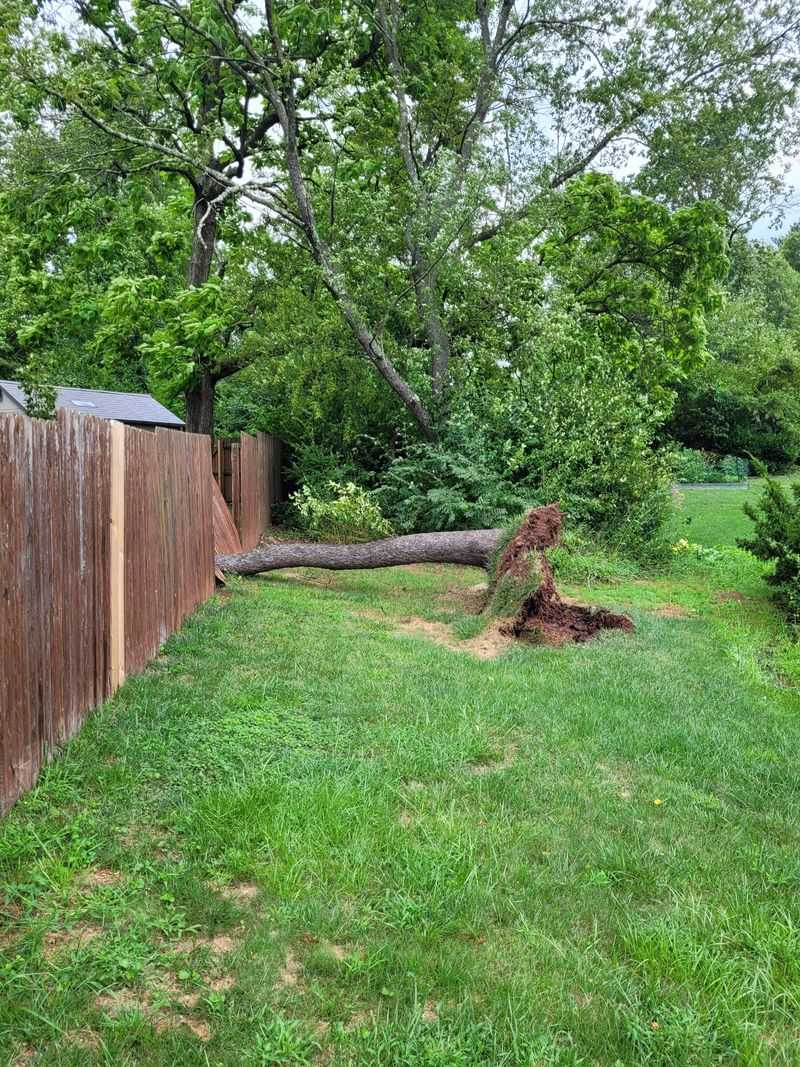
While natural leaf shedding creates no liability, negligence in tree maintenance can shift responsibility to the tree owner under Kentucky tort law principles.
A neighbor who knows their tree is diseased, structurally unsound, or hazardous but fails to address the problem may become liable for resulting damage or cleanup costs.
Courts distinguish between natural processes and preventable hazards that reasonable property owners should have identified and corrected before problems occurred or worsened significantly.
Documenting concerns about a dangerous tree provides important evidence if you later need to prove your neighbor had knowledge of the hazard condition.
Send written notices describing specific problems like large rotting branches, visible disease symptoms, or leaning trunks that threaten to topple during storms.
Keep copies of all correspondence and photographs showing the tree’s condition over time as potential evidence in any future legal proceedings or insurance claims.
If a poorly maintained tree causes actual property damage such as gutter destruction, roof damage, or blocked drainage systems, you may have grounds for a negligence claim.
Kentucky law requires property owners to maintain their land in a reasonably safe condition, and allowing a hazardous tree to deteriorate without action can breach that duty of care to surrounding neighbors and their properties.
Homeowner Association Rules May Provide Additional Remedies

Many Kentucky neighborhoods operate under homeowner association covenants that create stricter standards than state law requires for property maintenance and tree care.
These private agreements between property owners can establish specific rules about tree trimming schedules, leaf cleanup responsibilities, and landscaping standards that all residents must follow.
HOA governing documents sometimes assign liability differently than common law, giving communities more tools to address disputes between neighbors over vegetation management and yard maintenance issues.
Review your HOA bylaws and covenants carefully to understand what requirements exist for tree maintenance in your specific subdivision or planned community development.
Some associations require owners to keep trees trimmed back from property lines, remove hazardous specimens, or conduct regular cleanup of fallen leaves and debris.
Enforcement mechanisms typically include fines, mandatory compliance orders, or even liens against properties that violate established community standards repeatedly or egregiously over extended periods.
Filing a complaint with your HOA board can be more effective than pursuing legal action when a neighbor’s tree creates ongoing problems for your property.
Association officers have authority to inspect properties, issue violation notices, and impose penalties that encourage compliance without requiring expensive litigation or court involvement from affected parties.
Municipal Ordinances Sometimes Address Tree Maintenance Standards
Cities and counties throughout Kentucky may enact local ordinances that regulate tree maintenance more strictly than state common law allows or requires by default.
Urban areas particularly often have codes addressing hazardous trees, overhanging vegetation, and property maintenance standards that apply to all residents within municipal boundaries.
These local regulations can create enforceable obligations that give neighbors remedies not available under traditional common law property rules or historical legal precedents.
Check with your city code enforcement office or county attorney to learn what tree-related ordinances exist in your specific jurisdiction and how they work.
Some communities require property owners to remove trees that pose safety hazards, keep vegetation trimmed back from sidewalks and streets, or maintain their yards in generally neat condition.
Violations can result in citations, fines, or even city-performed cleanup with costs charged back to the property owner through liens or special assessments on tax bills.
Code enforcement complaints provide a free alternative to hiring attorneys when a neighbor’s tree creates problems that violate local standards or public safety requirements.
Municipal officers can inspect the situation, determine whether violations exist, and order corrective action without requiring you to prove your case in civil court proceedings or negotiations.
Communication Often Resolves Disputes Better Than Legal Action
Approaching your neighbor with a friendly conversation about leaf problems frequently produces better results than immediately asserting legal rights or filing formal complaints.
Most people don’t realize their trees are causing significant inconvenience to others and will voluntarily address problems once they understand the situation clearly.
Starting with cooperation rather than confrontation preserves neighborhood relationships while still allowing you to explain how the leaf accumulation affects your property maintenance burden and costs.
Suggest practical solutions like sharing cleanup costs, hiring a service together, or coordinating trimming that benefits both properties without assigning blame or fault.
Offering to help with expenses demonstrates good faith and makes neighbors more receptive to working together on an ongoing problem that affects everyone.
Many Kentucky residents find that splitting the cost of professional tree trimming or seasonal cleanup services costs less than legal fees while maintaining positive relationships.
Document your conversations and agreements in writing to avoid misunderstandings later about what each party promised to do or contribute toward solving the problem.
Simple email confirmations or written notes signed by both neighbors create clear records without requiring formal legal contracts or attorney involvement.
Consider Long-Term Solutions Beyond Just Raking Leaves
Rather than fighting annual leaf battles, explore permanent solutions that reduce debris accumulation while improving your property’s appearance and functionality.
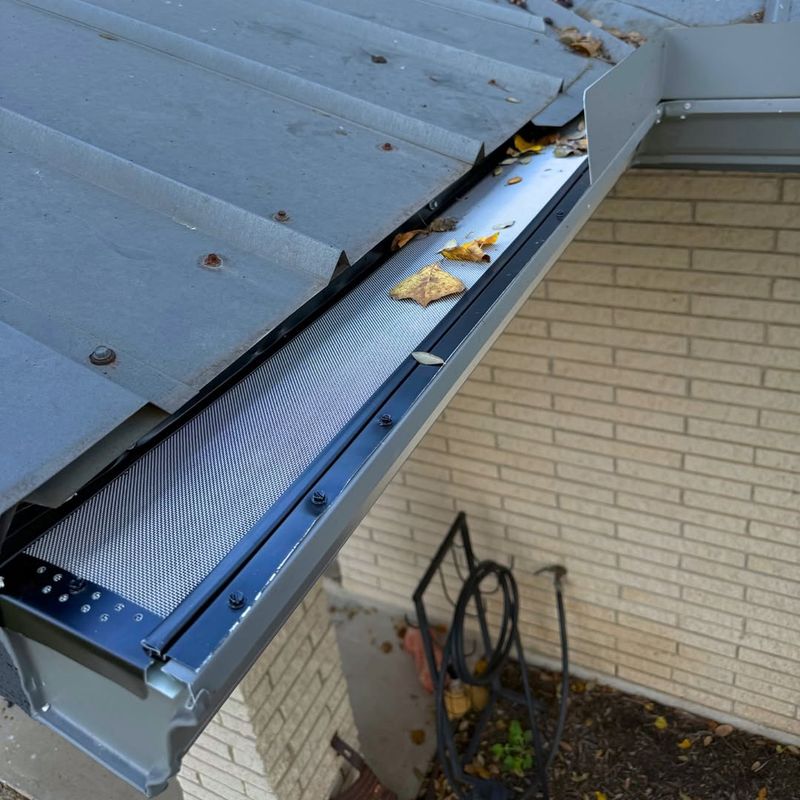
Installing leaf guards on gutters prevents clogs from neighbor’s trees without requiring constant cleaning or repeated ladder use.
Strategic landscaping with shrubs or fencing along property lines can catch leaves before they scatter across your entire yard.
Mulching mowers chop leaves into tiny pieces that decompose quickly, eliminating the need to rake and bag while benefiting your lawn with nutrients.
This approach transforms a nuisance into a resource, working with nature rather than fighting seasonal processes.
Many Kentucky homeowners discover that changing their perspective on leaves reduces frustration more effectively than legal arguments.
Planting your own trees or installing hardscaping in problem areas gives you more control over your yard.
Focusing on practical solutions instead of disputes usually creates better outcomes while preserving neighborhood relationships.