Who’s Responsible When A Neighbor’s Citrus Fruit Damages Your Property In California
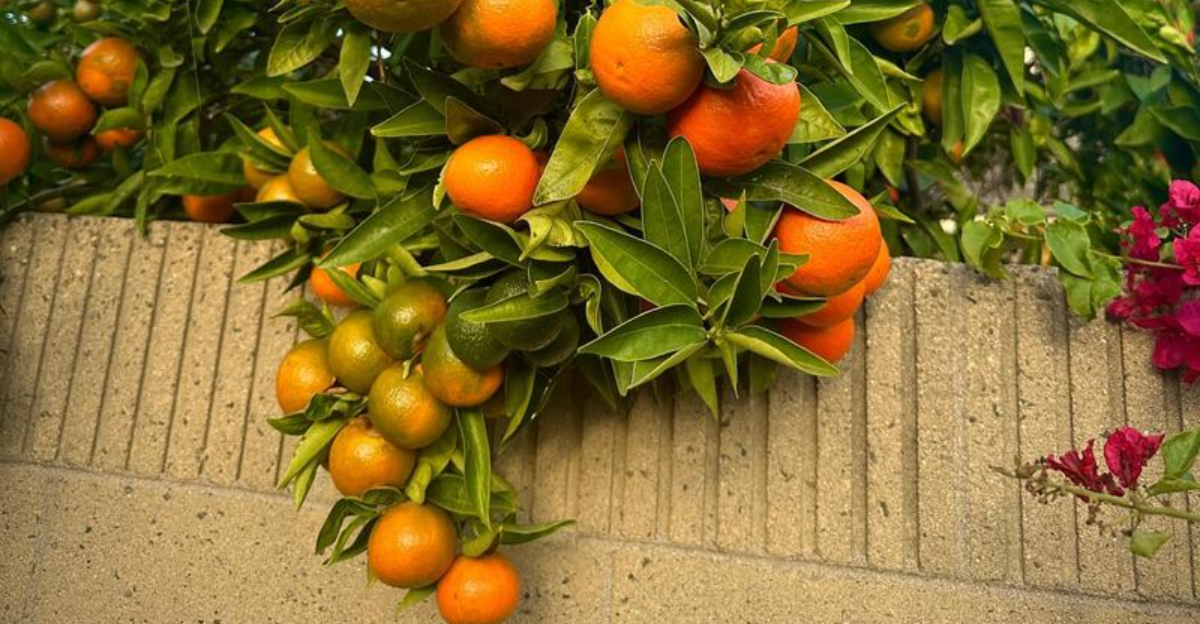
Citrus trees are everywhere in California, from backyard lemon trees to sprawling orange groves that paint the landscape with color and fragrance.
While these trees bring beauty and fresh fruit, they can also create unexpected problems between neighbors when branches hang over fences or fruit drops onto adjacent properties.
Property damage from falling citrus, staining driveways, attracting pests, or even causing someone to slip can lead to disputes about who pays for repairs or cleanup.
California has specific laws about property boundaries, tree ownership, and neighbor responsibilities that many homeowners don’t fully understand.
Knowing your rights and obligations can save you from costly legal battles and help maintain good relationships with the people living next door.
Whether you’re dealing with a troublesome tangerine tree or considering planting citrus near your property line, understanding these legal principles will help you navigate any situation with confidence and fairness.
1. Property Line Rules Determine Tree Ownership In California
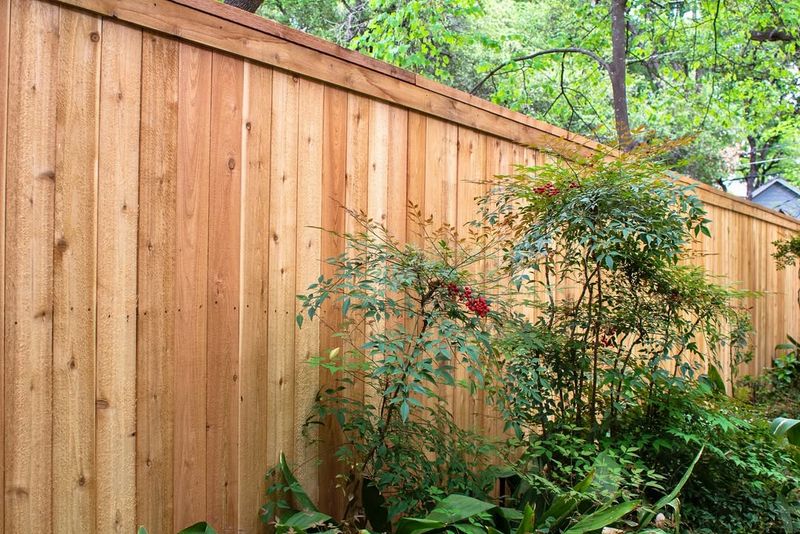
Figuring out who owns a tree starts with knowing exactly where your property line sits, which isn’t always as obvious as you might think.
California law states that a tree belongs entirely to the property owner on whose land the trunk grows, even if branches stretch far beyond the fence into your yard.
When a trunk straddles the exact boundary line between two properties, both neighbors share ownership equally and must make decisions about the tree together.
Getting a professional survey can clear up confusion about boundaries, especially in older California neighborhoods where fences have shifted or were never placed correctly to begin with.
Shared ownership means shared responsibility for maintenance costs and shared liability for any damage the tree might cause to either property or beyond.
Understanding ownership is the first step before you can determine who handles problems like falling fruit, broken branches, or roots pushing up your driveway.
Without knowing who owns the tree, you can’t properly address damage claims or maintenance disputes with your neighbor in California.
2. Overhanging Branches Give You Specific Trimming Rights
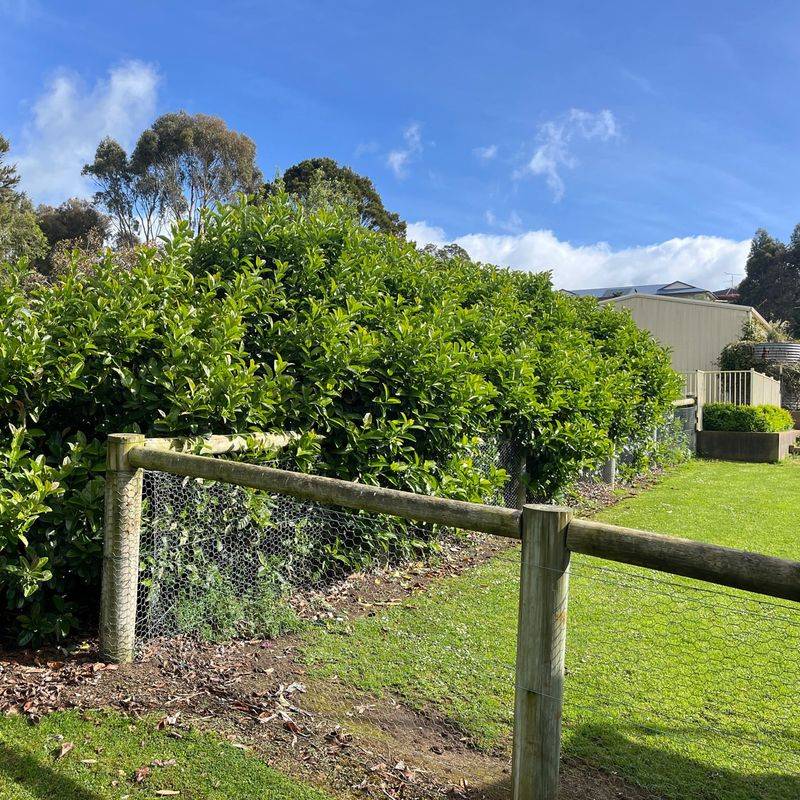
Branches that cross into your California airspace give you the legal right to trim them back to the property line, but only if you follow certain rules carefully.
You must cut only what extends onto your side without trespassing onto your neighbor’s property or causing harm that could endanger the entire tree’s health.
California courts have ruled that trimming must be reasonable and cannot be done in a way that intentionally damages or destroys the tree itself.
Before you grab your pruning shears, consider talking to your neighbor first because communication often prevents misunderstandings and maintains goodwill between households.
Some cities and counties in California have additional ordinances about tree trimming, especially for heritage trees or specific species, so check local regulations before cutting.
If improper trimming harms the tree, you could be held liable for damages, including the cost of tree replacement which can run into thousands of dollars.
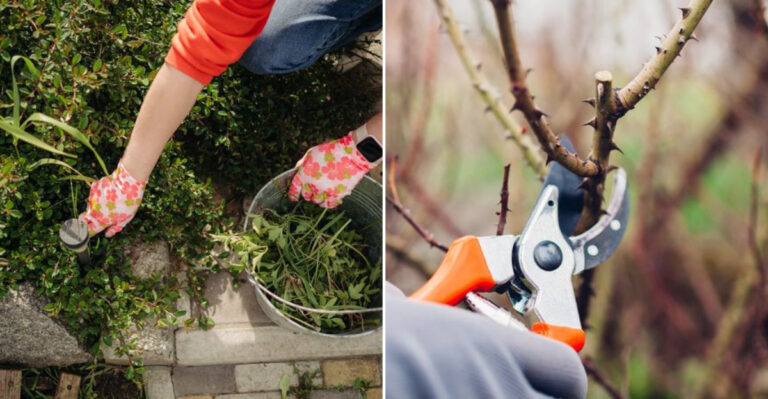
Hiring a licensed arborist ensures the work is done correctly and provides documentation if disputes arise later about who damaged what.
3. Fallen Fruit Responsibility Depends On Where It Lands
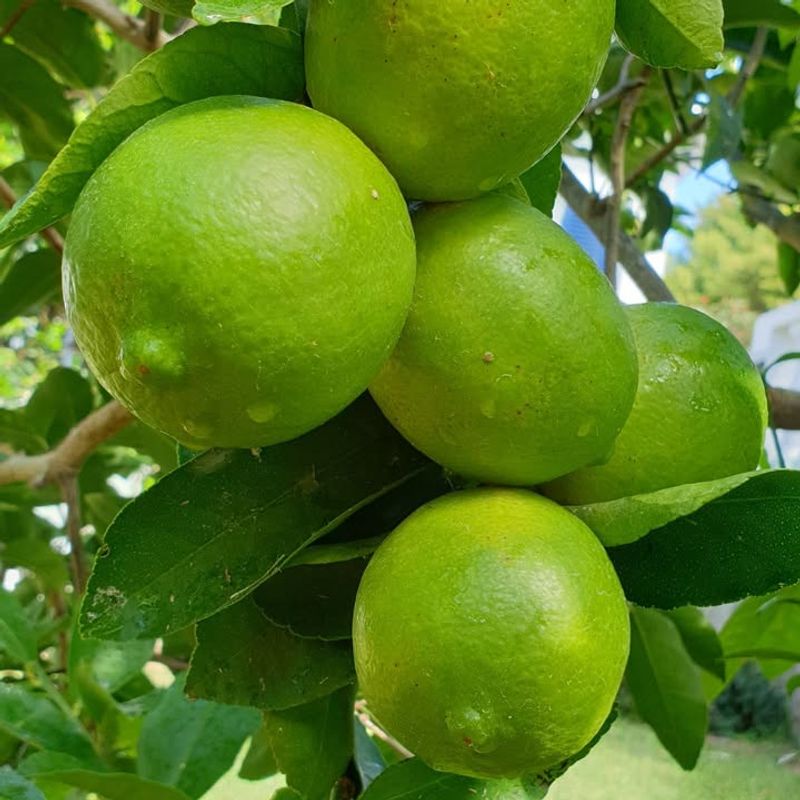
When citrus fruit drops from your neighbor’s tree onto your California property, the cleanup responsibility typically falls on you as the property owner where it lands.
California law generally treats fallen fruit like leaves or other natural debris that property owners must manage as part of routine maintenance.
However, if the tree owner has been negligent by allowing withered branches to accumulate or ignoring obvious hazards, they might share liability for resulting damage.
Rotting fruit that attracts rats, creates slip hazards, or stains concrete can cause real damage, but proving the tree owner was negligent requires showing they knew about the problem and did nothing.
Many California neighbors work out informal agreements where the tree owner helps with cleanup or allows the neighbor to harvest fruit before it falls.
These friendly arrangements often work better than legal action because going to court over fallen oranges can cost far more than the actual damage.
Document the situation with photos and keep records of cleanup costs if you believe the problem rises to the level of actionable negligence.
4. Actual Property Damage Creates Potential Liability For Tree Owners
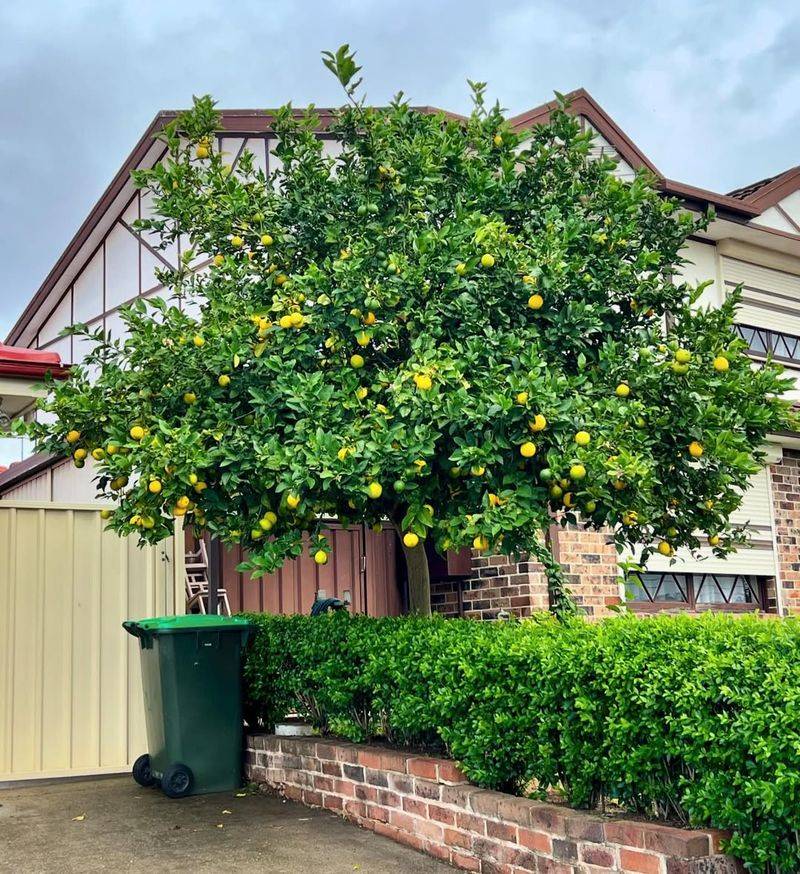
Property damage goes beyond simple inconvenience when fallen fruit causes permanent staining, attracts destructive pests, or creates dangerous conditions on your California property.
Tree owners may be held responsible if their negligence contributed to the damage, such as failing to maintain an obviously diseased tree that drops excessive fruit.
Proving negligence requires showing the neighbor knew or should have known about the hazard and had reasonable opportunity to prevent the damage but failed to act.
California courts look at whether a reasonable person would have taken action to prevent the problem, not whether your neighbor intended to cause harm.
Damage to paint, concrete, or landscaping from acidic citrus juice can be expensive to repair, and you may recover costs if you can prove negligent maintenance.
Keep detailed records including photographs, repair estimates, and written communication with your neighbor documenting the problem and your attempts to resolve it peacefully.
Small claims court in California handles disputes up to a certain dollar amount and offers a less expensive option than hiring attorneys for minor damage cases.
5. Nuisance Laws Apply When Problems Become Unreasonable
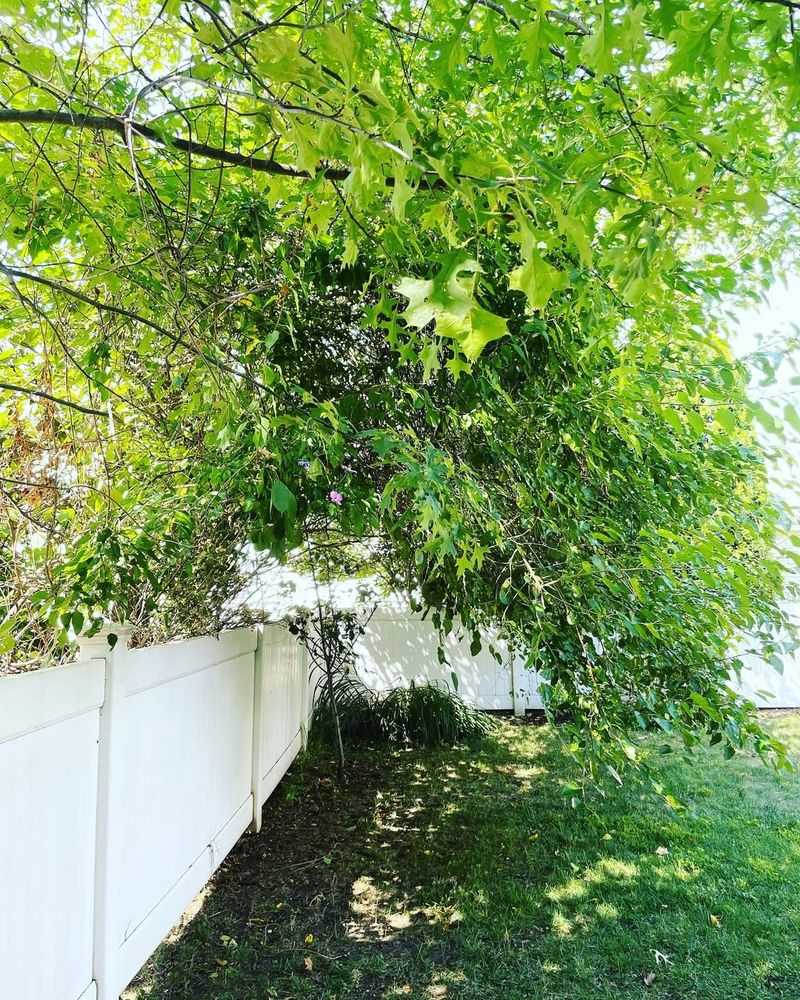
California nuisance law comes into play when a neighbor’s tree creates conditions that substantially interfere with your reasonable use and enjoyment of your property.
Not every annoyance qualifies as a legal nuisance; courts consider whether the problem would bother an average person, not just someone particularly sensitive.
Excessive fruit drop that attracts rats, creates foul odors, or makes your yard unusable might meet the threshold for a nuisance claim in California.
You’ll need to show that the interference is significant and ongoing, not just an occasional inconvenience during harvest season that most people would tolerate.
Before filing a nuisance claim, California law often requires you to notify your neighbor in writing and give them reasonable opportunity to fix the problem.
Courts prefer that neighbors resolve issues without litigation, so demonstrating you’ve tried other solutions strengthens your case if you eventually need legal intervention.
Remedies for nuisance can include court orders requiring tree trimming, removal, or monetary damages to compensate you for your losses and diminished property enjoyment.
6. Insurance Coverage May Help With Certain Damage Claims
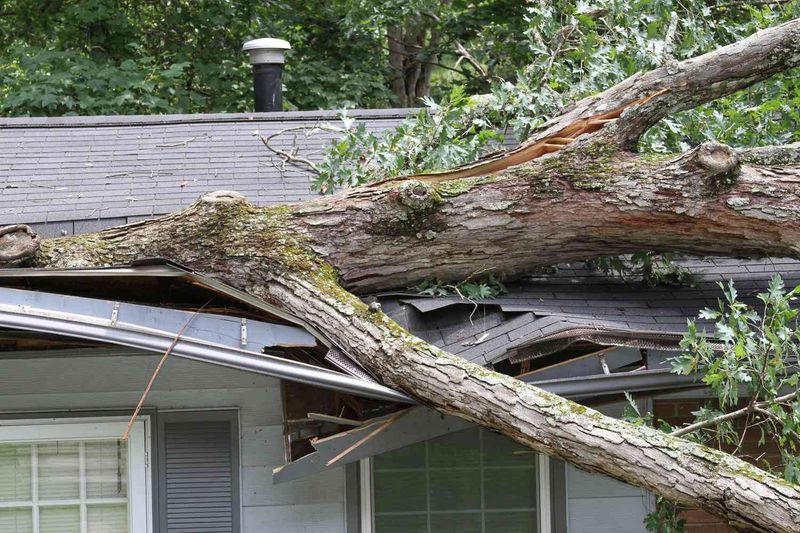
Your homeowner’s insurance policy might cover some types of damage from a neighbor’s citrus tree, depending on your specific coverage and the circumstances involved.
Most California policies cover sudden, accidental damage but exclude gradual problems or maintenance issues that developed over time without intervention.
If a heavy branch loaded with fruit breaks during a storm and damages your roof or fence, your insurance may pay for repairs minus your deductible.
However, staining from fruit that accumulated over months or pest problems that developed gradually typically fall outside standard coverage because they’re considered preventable maintenance issues.
Your neighbor’s homeowner insurance might cover damage if their negligence is proven, but their insurer will investigate thoroughly before accepting liability.
Liability coverage protects homeowners when their property or actions cause damage to others, but proving negligence is key to triggering this coverage in California.
Contact your insurance agent to understand your policy’s specific terms before assuming coverage, and document everything thoroughly if you plan to file a claim.
7. Documentation Becomes Critical If Disputes Escalate
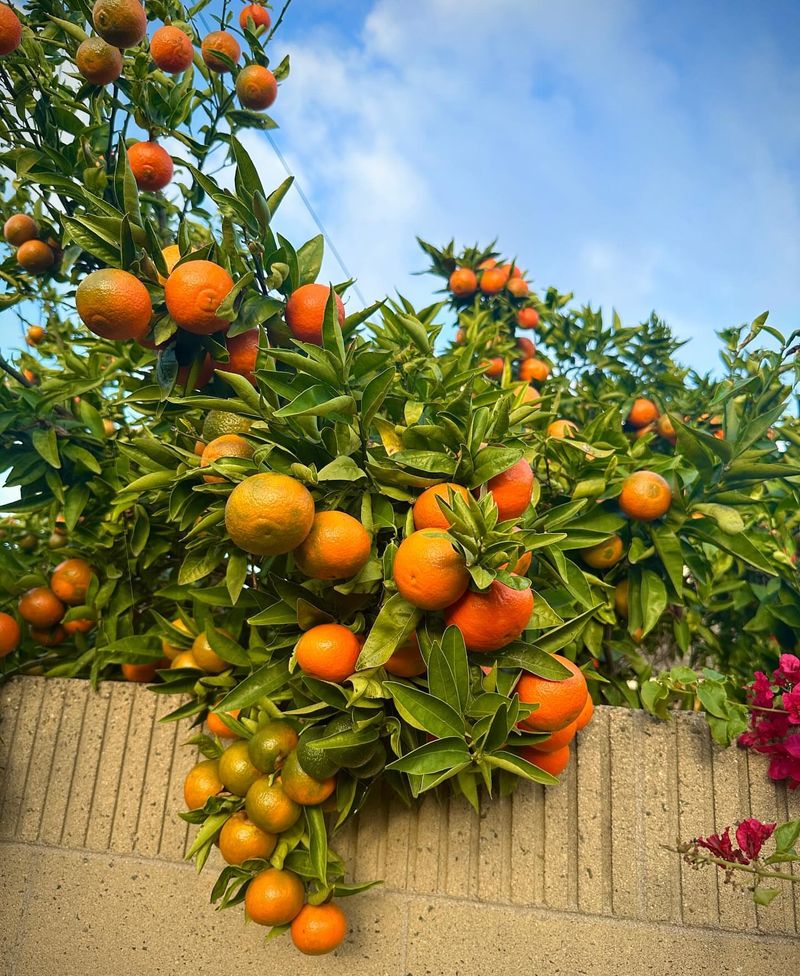
Building a strong record of the problem starts the moment you notice damage and continues throughout any attempts to resolve the situation with your California neighbor.
Take clear, dated photographs showing the tree, overhanging branches, fallen fruit, and any damage to your property including stains, cracks, or pest evidence.
Keep all written communication including emails, text messages, and letters where you’ve notified your neighbor about the problem and requested action.
If you’ve paid for cleanup, repairs, or pest control, save every receipt and invoice because these documents prove your financial losses if you pursue compensation.
A simple journal noting dates, weather conditions, and specific incidents creates a timeline that strengthens your case by showing patterns rather than isolated events.
Consider having a professional arborist or pest control expert document the situation with a written report, which carries more weight than your personal observations in California courts.
Good documentation often encourages settlement before trial because it shows you’re serious and have evidence to back up your claims about the damage.
8. Communication Often Prevents Expensive Legal Battles

Starting with a friendly conversation often resolves tree disputes faster and cheaper than any legal action you might take in California courts.
Your neighbor might not realize their tree is causing problems on your property, especially if they can’t see the damage from their side of the fence.
Approach the discussion calmly and focus on finding solutions together rather than assigning blame, which usually puts people on the defensive and makes cooperation harder.
Suggest practical options like sharing the cost of professional trimming, setting up a fruit-harvesting schedule, or installing barriers to catch falling fruit before it damages your property.
If face-to-face conversation feels uncomfortable, a polite written note can open dialogue while giving your neighbor time to consider their response without pressure.
Many California communities offer free or low-cost mediation services where a neutral third party helps neighbors reach agreements without going to court.
Mediation preserves relationships and costs a fraction of litigation, plus you maintain control over the outcome instead of leaving decisions to a judge.
9. Local Ordinances May Provide Additional Protections Or Requirements
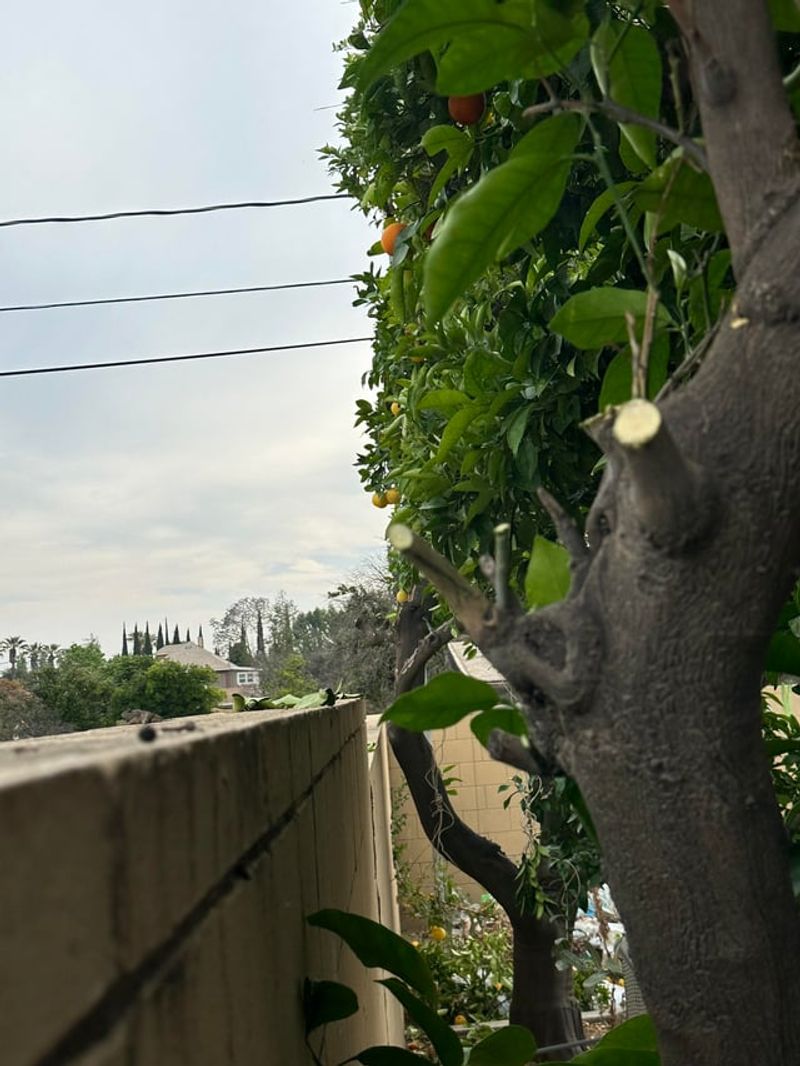
Beyond state law, many California cities and counties have specific ordinances governing trees, fruit drop, and neighbor responsibilities that you should research carefully.
Some municipalities require property owners to maintain trees so they don’t create nuisances, including regular harvesting of fruit or trimming branches that overhang public sidewalks.
Coastal communities often have strict rules protecting certain tree species, while agricultural areas may have different standards reflecting their farming heritage and culture.
Your city’s code enforcement department can explain local rules and sometimes mediates disputes or issues citations when property owners violate tree maintenance ordinances.
Homeowner associations add another layer of rules if you live in a planned community, often requiring approval before planting or removing trees regardless of state law.
Violating local ordinances can result in fines, mandatory corrections, or even liens against property, so understanding these rules protects you whether you’re the tree owner or affected neighbor.
Check your city or county website for tree ordinances, or visit the planning department to get copies of relevant codes for your California neighborhood.
10. Prevention Strategies Help Avoid Future Neighbor Conflicts
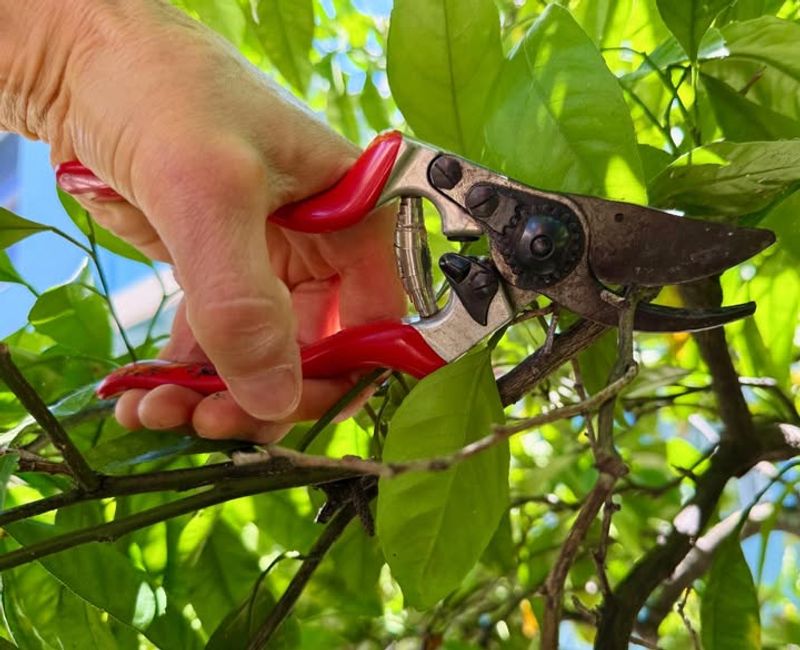
Planting citrus trees away from property lines gives them room to grow without encroaching on neighbor’s space, preventing conflicts before they start in California.
Regular professional maintenance including pruning, fruit thinning, and disease management keeps trees healthy and reduces excessive fruit drop that causes most neighbor complaints.
Installing root barriers when planting prevents roots from spreading under fences and damaging neighbor’s hardscaping, irrigation systems, or foundations years down the road.
Harvesting fruit promptly when ripe means less drops to the ground where it can roll onto adjacent properties or attract rats and other unwanted pests.
Consider dwarf or semi-dwarf citrus varieties if you have limited space, as these smaller trees are easier to maintain and less likely to create problems beyond your boundaries.
Open communication with neighbors from the start, perhaps even sharing your harvest, builds goodwill that makes people more tolerant of minor inconveniences from your trees.
Good fences, regular maintenance, and neighborly consideration prevent most tree disputes from ever reaching the point where California law needs to get involved.