Who’s Responsible When Your Neighbor’s Maple Leaves Fall On Your Wisconsin Property
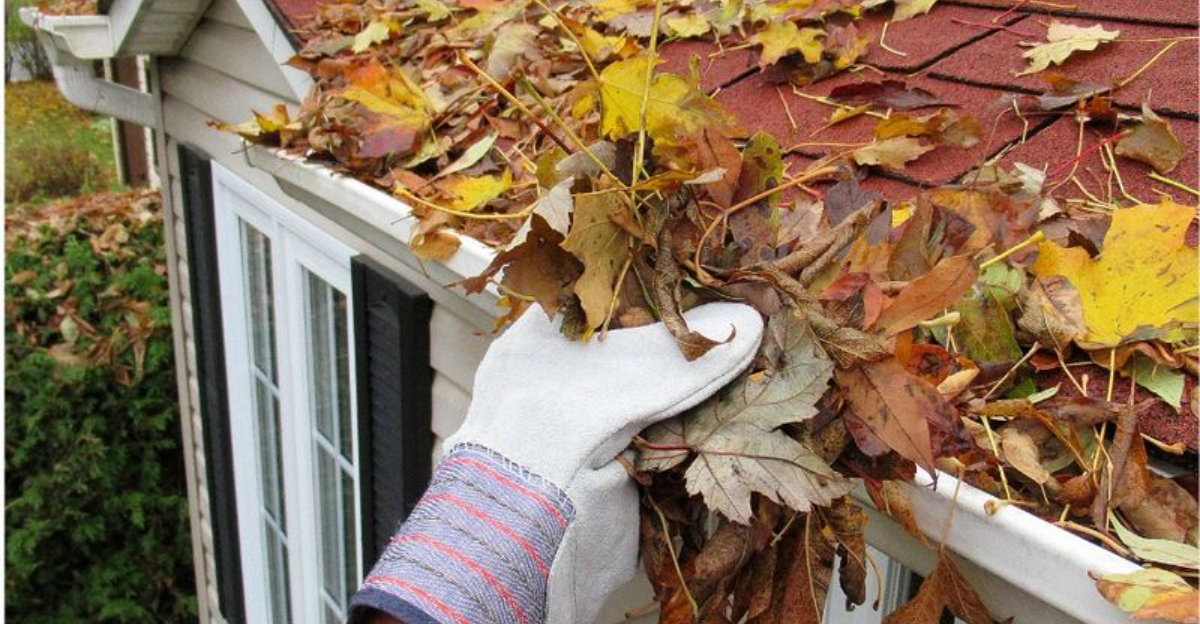
Every fall, maple trees across Wisconsin shed their leaves, and sometimes those leaves land on your property even when the tree belongs to your neighbor.
From Madison and Milwaukee neighborhoods to rural lots in Dane County and beyond, this is a common seasonal issue.
Understanding who is responsible for cleaning up those maple leaves under Wisconsin law can help you avoid arguments and maintain good relationships with those around you.
Many homeowners assume their neighbor should handle the mess, but Wisconsin property law often says something different.
Learning the facts about leaf cleanup responsibility in Wisconsin will save you time, money, and stress while keeping your yard looking neat and compliant with local rules.
Property Law Generally Favors The Property Owner
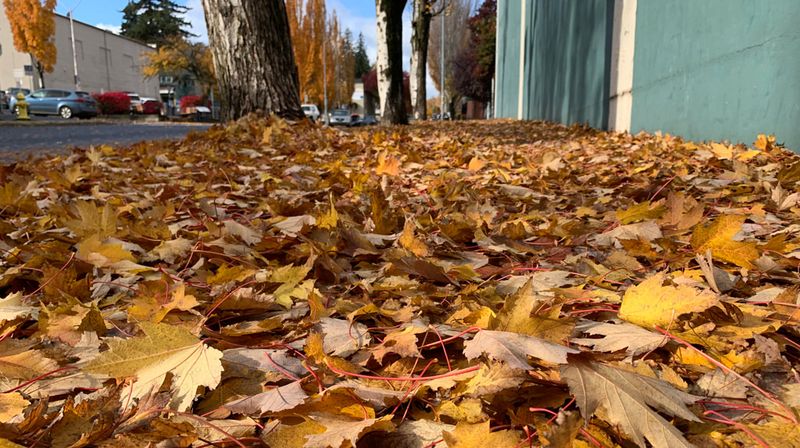
Most states, including Wisconsin, follow a simple rule: whatever lands on your property becomes your responsibility, even if it came from your neighbor’s tree originally.
Wisconsin courts have ruled this way for decades because natural events like falling leaves are considered acts of nature rather than something your neighbor caused.
Property owners in Wisconsin cannot force their neighbors to rake leaves that blow onto their land, no matter how many leaves accumulate over time.
Local ordinances in Wisconsin might require you to keep your yard clean, but they rarely make your neighbor responsible for leaves from their trees.
Understanding this basic principle helps set realistic expectations about who should grab the rake when autumn arrives and leaves start piling up everywhere.
Many Wisconsin homeowners feel frustrated by this rule, but it applies almost universally across the state with very few exceptions.
Accepting this legal reality early on can prevent unnecessary disputes and help you plan your yard maintenance budget more accurately each season.
Your neighbor is not legally obligated under Wisconsin law to clean your yard, so friendly communication works better than legal threats in most leaf-related situations.
Overhanging Branches May Give You Some Rights
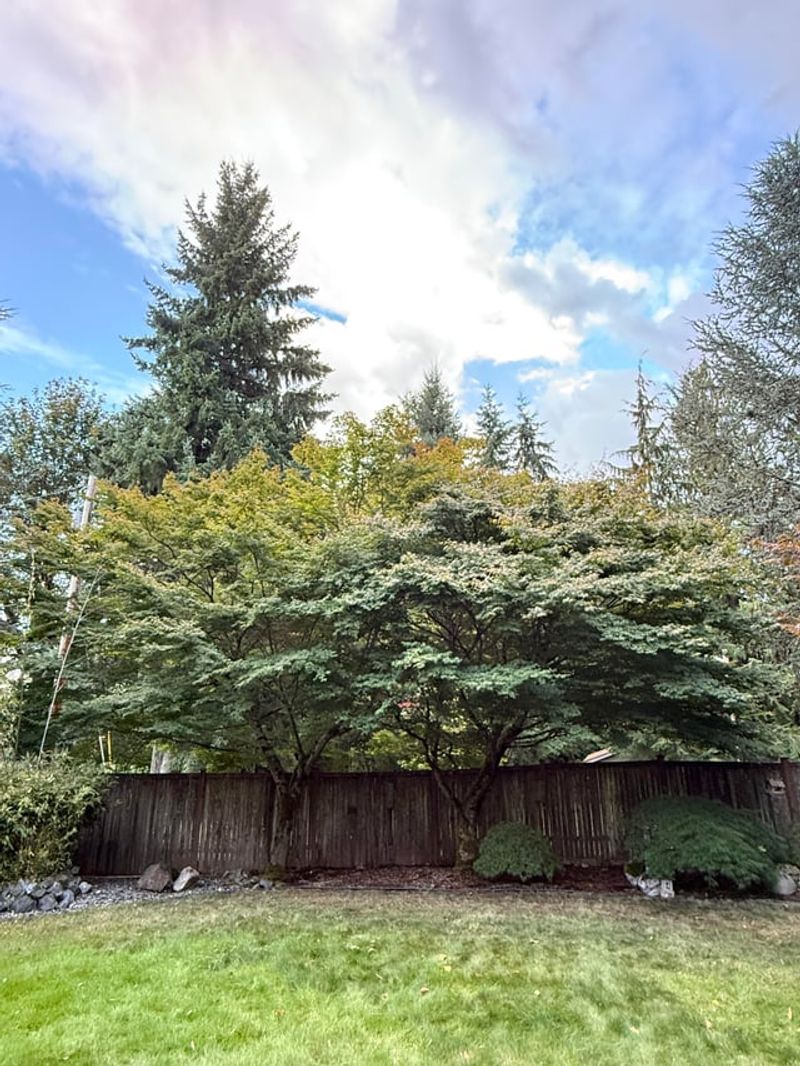
When branches from your neighbor’s maple tree hang over your property line in Wisconsin, you typically have the right to trim them back yourself carefully.
Most Wisconsin jurisdictions allow property owners to cut overhanging branches up to the property line, as long as you do not damage the tree.
Trimming branches can reduce the number of leaves that fall on your side, giving you some control over the situation without confrontation.
However, you must avoid harming the tree’s health or causing it to become unstable, or you could face liability under Wisconsin law.
Some areas in Wisconsin require you to offer the cut branches back to your neighbor, though this rule is not enforced in many places.
Before grabbing your saw, check local Wisconsin tree protection ordinances, as some communities restrict trimming certain species or sizes of trees without permits.
Hiring a professional arborist ensures the job gets done safely and legally, protecting both you and the tree from potential harm or lawsuits.
Remember that cutting roots on your side might also be allowed in Wisconsin, but doing so can seriously harm the tree and create liability.
Nuisance Claims Rarely Succeed For Falling Leaves
Some frustrated Wisconsin homeowners try filing nuisance lawsuits against neighbors whose trees drop excessive leaves, but courts almost always dismiss these cases quickly.
Judges in Wisconsin consider falling leaves a natural occurrence that comes with owning property near trees, not something that constitutes a legal nuisance.
For a nuisance claim to succeed, the problem must be unreasonable and substantially interfere with your use and enjoyment of your property.
Leaves alone rarely meet this high legal standard in Wisconsin, even when they clog gutters, cover lawns, or require hours of raking every week.
Wisconsin courts have consistently ruled that homeowners must accept certain inconveniences that come from living in neighborhoods with trees and natural vegetation around.
Exceptions might exist if your neighbor intentionally plants trees to harm you or if the tree causes actual structural damage to your home.
But for ordinary leaf drop, even from large Wisconsin maples that shed heavily, legal action will likely waste your time and money.
Focusing on practical solutions like regular maintenance or installing gutter guards proves far more effective than pursuing costly and unsuccessful lawsuits against neighbors.
Communication Often Solves Leaf Disputes Peacefully
Talking to your neighbor in Wisconsin about the leaf situation can lead to solutions that benefit both parties without involving lawyers or creating tension.
Many Wisconsin neighbors are willing to help with raking or trimming if you approach them respectfully and explain how the leaves affect your property.
Starting the conversation with a friendly tone rather than accusations makes people more receptive to finding compromises that work for everyone involved.
You might offer to split the cost of a tree service or agree to share raking duties on weekends when leaves fall heavily.
Some neighbors might not even realize their tree drops so many leaves on your side, especially if they have large properties themselves.
Bringing cookies or coffee when you discuss the issue can set a positive tone and show you value the relationship beyond the problem.
Written agreements about tree maintenance or leaf cleanup can formalize arrangements, though they may not always be legally enforceable in Wisconsin.
Maintaining good relationships with neighbors benefits you in countless ways beyond leaf cleanup, making communication your best first step in any situation.
Homeowners Associations May Have Specific Rules
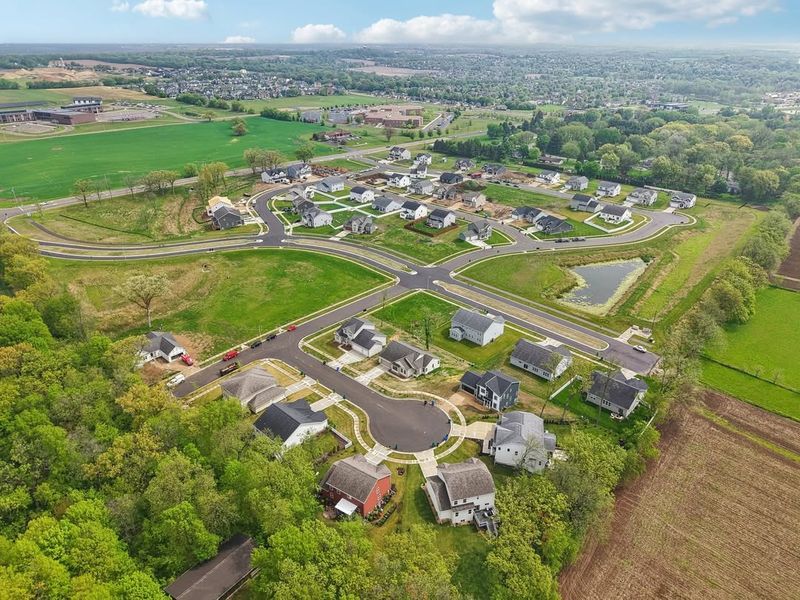
If your Wisconsin property is part of a homeowners association, the HOA bylaws might include specific provisions about tree maintenance and leaf cleanup.
Some Wisconsin HOAs require all homeowners to keep their properties free of leaves and debris, which could mean your neighbor must handle leaves regularly.
Other Wisconsin HOAs take responsibility for common area trees themselves, hiring landscapers to manage leaf removal throughout the entire community during fall months.
Reading your HOA documents carefully can reveal whether any rules address your specific situation with your neighbor’s maple tree and its leaves.
If your neighbor violates HOA rules by not maintaining their property, you can file a complaint with the board rather than confronting them.
HOA enforcement varies widely across Wisconsin, with some associations actively monitoring compliance while others only respond to complaints from residents.
Keep in mind that HOA rules apply equally to everyone, so you must also follow the same standards for your own trees.
Understanding your HOA’s policies before moving in helps you know what to expect regarding tree maintenance and neighborhood standards throughout the year.
Municipal Codes Might Require Yard Maintenance
Many Wisconsin cities and towns have ordinances requiring property owners to keep their yards reasonably clean and free from excessive debris like leaves.
These Wisconsin codes typically apply to the property owner where the leaves land, not the owner of the tree that dropped them originally.
Violations can result in warnings, fines, or even city crews cleaning your property and billing you for the service at premium rates.
Local governments in Wisconsin enact these rules to maintain neighborhood appearance, prevent fire hazards, and keep storm drains clear.
If you ignore leaf cleanup, neighbors can report you to Wisconsin code enforcement, potentially creating problems that a little raking would have prevented.
Some Wisconsin municipalities make exceptions for natural areas or environmentally-friendly yards where leaf litter provides habitat for wildlife.
Checking your local Wisconsin municipal code helps you understand your legal obligations and avoid fines while keeping your property in compliance.
Remember that these codes exist to protect community standards, so staying on top of leaf removal benefits everyone equally.
Tree Health and Safety Create Exceptions
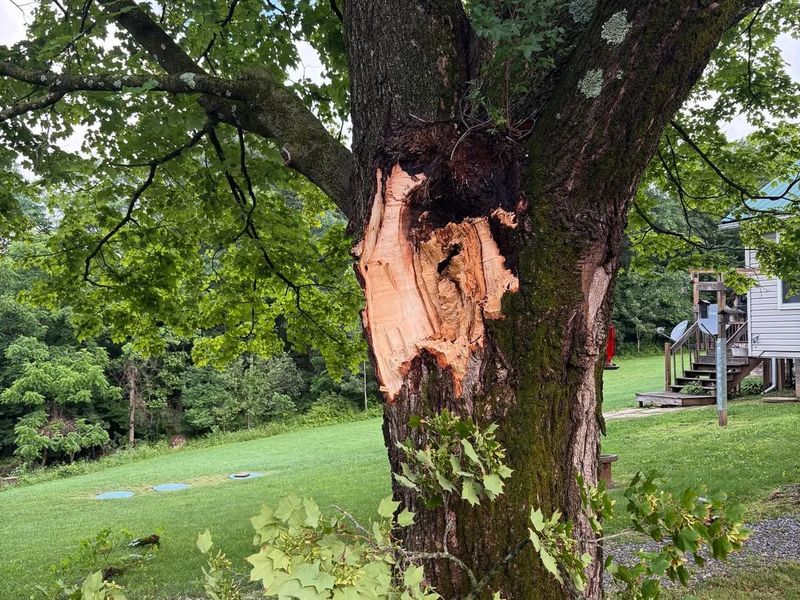
While healthy trees dropping leaves create no liability in Wisconsin, dangerous or diseased trees may impose legal responsibilities on the tree owner.
If your neighbor’s maple shows signs of disease, structural weakness, or damage that could cause branches to fall, they might be liable.
Wisconsin property owners have a duty to maintain trees in reasonably safe condition, and failing to address known hazards can create responsibility.
You should document any dangerous conditions with photos and notify your neighbor in writing about your concerns.
If a diseased branch falls and damages your property after notice, your neighbor might be held liable for the resulting damage.
However, this liability typically applies to actual property damage, not the inconvenience of raking leaves from a healthy tree.
Hiring an arborist to assess the tree provides professional documentation of safety issues under Wisconsin standards.
Taking proactive steps to address genuine safety concerns protects both properties and prevents accidents.
Gutter Damage Might Change Responsibility
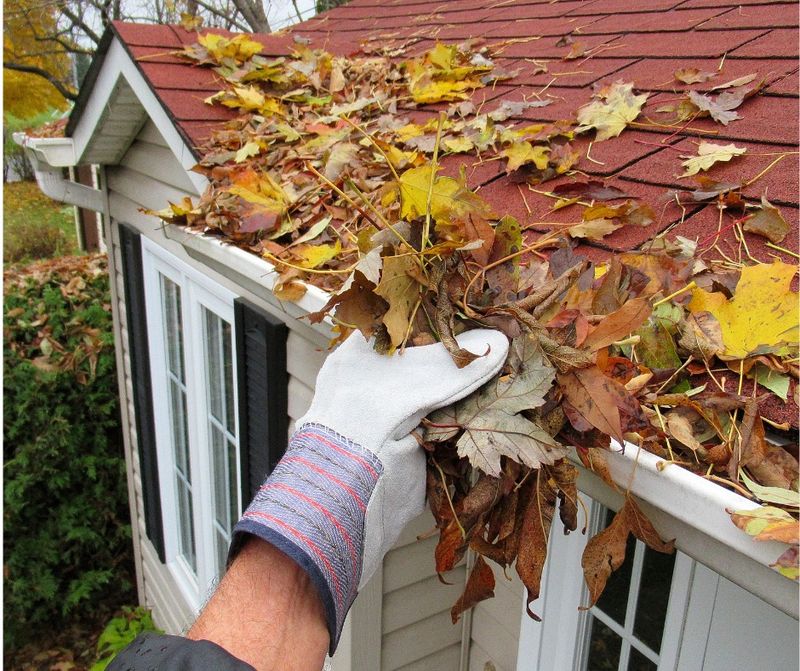
When leaves from your neighbor’s tree consistently clog your gutters and cause water damage in Wisconsin, the legal situation becomes more complicated.
If you can prove the neighbor knew their tree was causing damage and did nothing, some courts might find partial responsibility.
However, most Wisconsin jurisdictions still place the burden on you to maintain your gutters.
Installing gutter guards or scheduling regular cleaning prevents most problems and costs far less than legal action.
Documenting damage with photos, repair bills, and written notices creates a record if needed.
Wisconsin homeowners insurance often covers water damage from clogged gutters, though claims may affect premiums.
Preventive maintenance remains your best defense under Wisconsin law.
Focusing on practical solutions saves money and stress compared to fighting with neighbors.
Shared Trees Create Different Rules
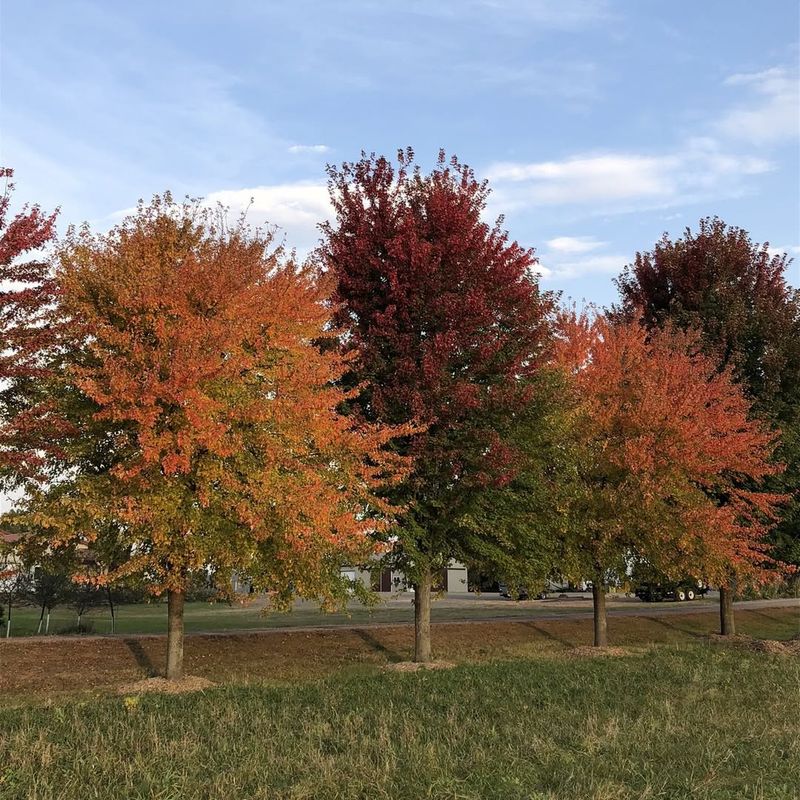
When a maple tree’s trunk sits directly on the property line between your land and your neighbor’s in Wisconsin, both of you own it.
Shared ownership means both parties must agree before removing or significantly trimming the tree, even if one side wants it gone completely.
Costs for maintaining a boundary tree in Wisconsin typically get split between neighbors, including professional trimming, disease treatment, or removal if it becomes necessary.
If one neighbor damages or removes a shared tree without permission, the other can sue for the tree’s value, which can be substantial.
Leaves from a boundary tree fall on both properties, so both owners share responsibility for cleanup on their respective sides of the line.
Getting written agreements about maintenance responsibilities helps prevent future disputes over who should pay for what regarding the shared tree’s care.
Some states, including Wisconsin, have specific laws about boundary trees that differ from general property law, so consulting a local attorney provides clarity for situations.
Working cooperatively with your neighbor on a shared tree benefits both properties and maintains the tree’s health and beauty for everyone to enjoy.
Environmental Benefits May Influence Your Decision
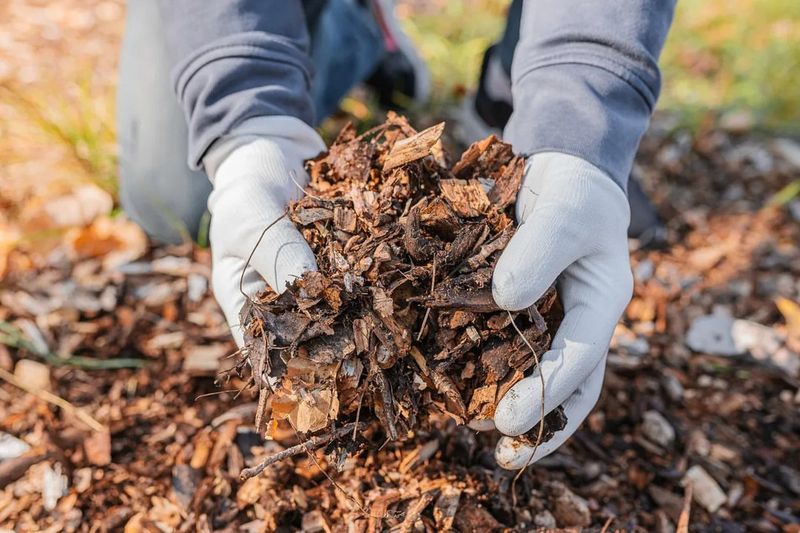
Before demanding your neighbor deal with their leaves, consider that leaf litter provides important environmental benefits for your Wisconsin yard and local ecosystem.
Leaves decompose into nutrient-rich mulch that improves soil quality, reduces erosion, and provides habitat for beneficial insects that help your garden thrive.
Many environmental experts in Wisconsin now recommend leaving some leaves in garden beds and under trees rather than removing every single one.
Creating a natural area in your yard where leaves can stay reduces your workload while supporting butterflies, fireflies, and other beneficial wildlife.
Mulching leaves with your mower instead of raking them provides nutrients to your lawn and eliminates the need to bag and dispose of them.
This approach saves time, money, and effort while benefiting the environment more than hauling leaves to landfills where they produce methane gas.
If you choose to embrace natural yard care, your neighbor’s maple leaves become a resource rather than a problem you must solve.
Shifting your perspective about leaves can transform a source of frustration into an opportunity to create a healthier, more sustainable yard.
Prevention Through Landscaping Offers Long-Term Solutions
Planting strategic barriers between your property and your neighbor’s maple tree can reduce the number of leaves that reach your Wisconsin yard significantly.
Evergreen shrubs, hedges, or fences catch many leaves before they blow across your lawn, making cleanup easier and less time-consuming each fall.
Installing hardscaping like patios or gravel areas near the property line eliminates grass that leaves would otherwise cover and damage.
Ground covers that tolerate leaf litter, such as pachysandra or vinca, can grow beneath falling leaves without requiring constant raking throughout the season.
Redesigning your landscape to work with nature rather than against it creates a lower-maintenance yard that looks attractive even during heavy leaf drop.
These solutions require upfront investment but save countless hours of work over the years while improving your property’s appearance and value.
Consulting with a landscape designer helps you identify the best strategies for your specific situation, considering sun exposure, drainage, and aesthetic preferences.
Taking control through smart landscaping choices empowers you to solve the leaf problem permanently rather than fighting the same battle every autumn season.