Why Alabama Gardeners Are Adding Compost Now Instead Of Waiting Until Spring
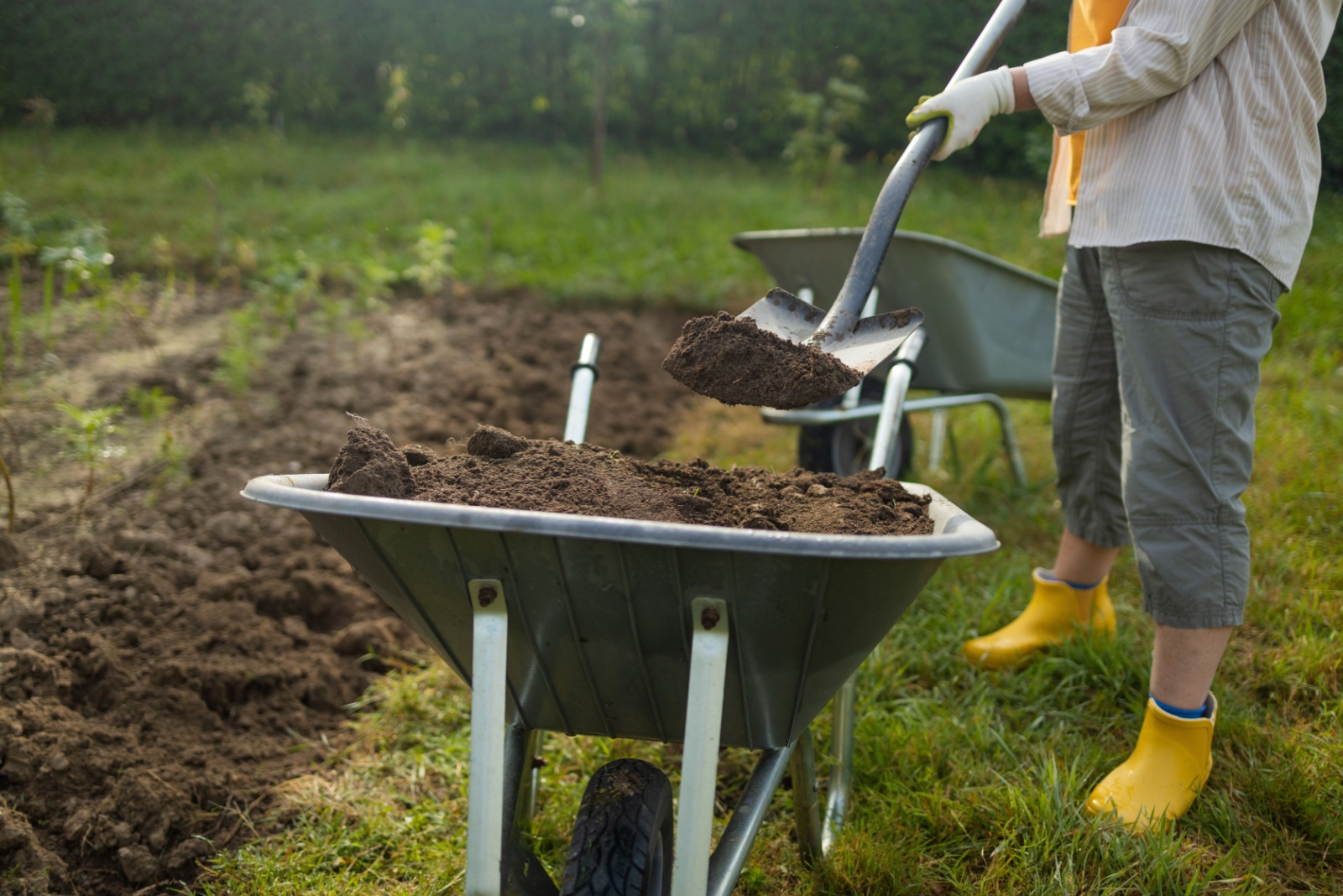
Alabama gardens rarely sleep, even when winter cools the soil.
Savvy growers act early, knowing timing makes or breaks a season.
Compost goes down now, not later, because patience pays dividends.
Warm spells, mild freezes, and steady rain work together to pull nutrients deep into the ground.
By spring, beds feel richer and easier to work.
Weeds lose advantage, roots find comfort, and microbes get busy out of sight.
This quiet move saves time during the rush of planting days.
It also protects soil from erosion and temperature swings that steal strength.
Gardeners who wait until spring often scramble and miss this window.
Those who plan ahead enjoy smoother starts and stronger growth.
Alabama weather rewards readiness and punishes delay.
A wheelbarrow today prevents headaches tomorrow.
When planting season arrives, these beds stand ready, dark, crumbly, and full of promise, proof that smart work done early always shows up later.
1. Microbial Activity Continues Through Mild Winters
Alabama’s mild winters give gardeners an advantage many colder regions never see.
While northern soil shuts down, local ground stays active.
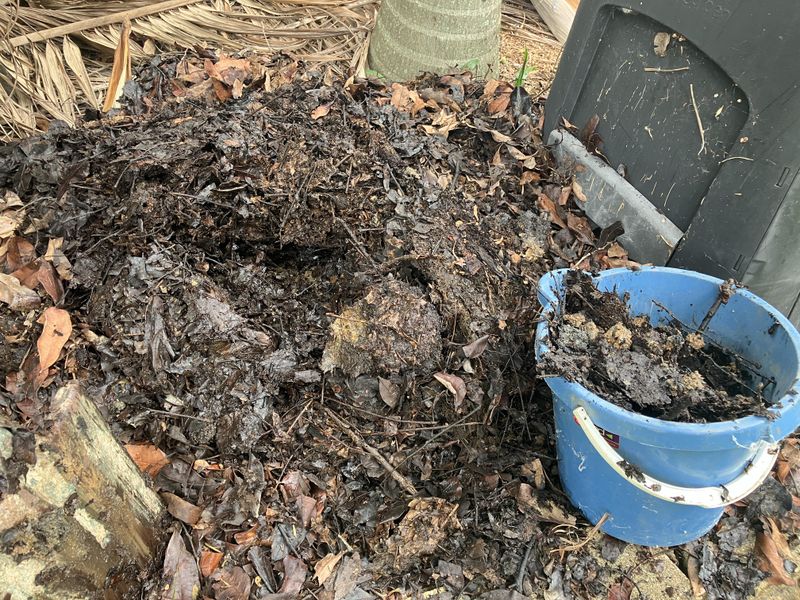
Soil microbes continue their work beneath the surface, even when frost dusts the lawn.
These tiny workers never fully clock out, and compost gives them plenty to chew on.
Adding organic matter now puts time on your side.
Microbes spend months breaking materials down into nutrients roots can absorb right away.
Nitrogen stabilizes, carbon balances out, and soil structure improves quietly while beds appear still.
By the time spring arrives, the groundwork already stands finished.
Plants step into a buffet instead of waiting on leftovers.
Hold off until warm weather and the process starts late.
Nutrients stay locked up just when seedlings need them most.
That delay forces extra feeding, more watering, and added effort during a busy season.
In Alabama, early compost rewards patience with momentum.
When planting time hits, soil feels alive, balanced, and ready to support fast, healthy growth without hesitation or catch-up work.
2. Rain Does The Hard Work For You
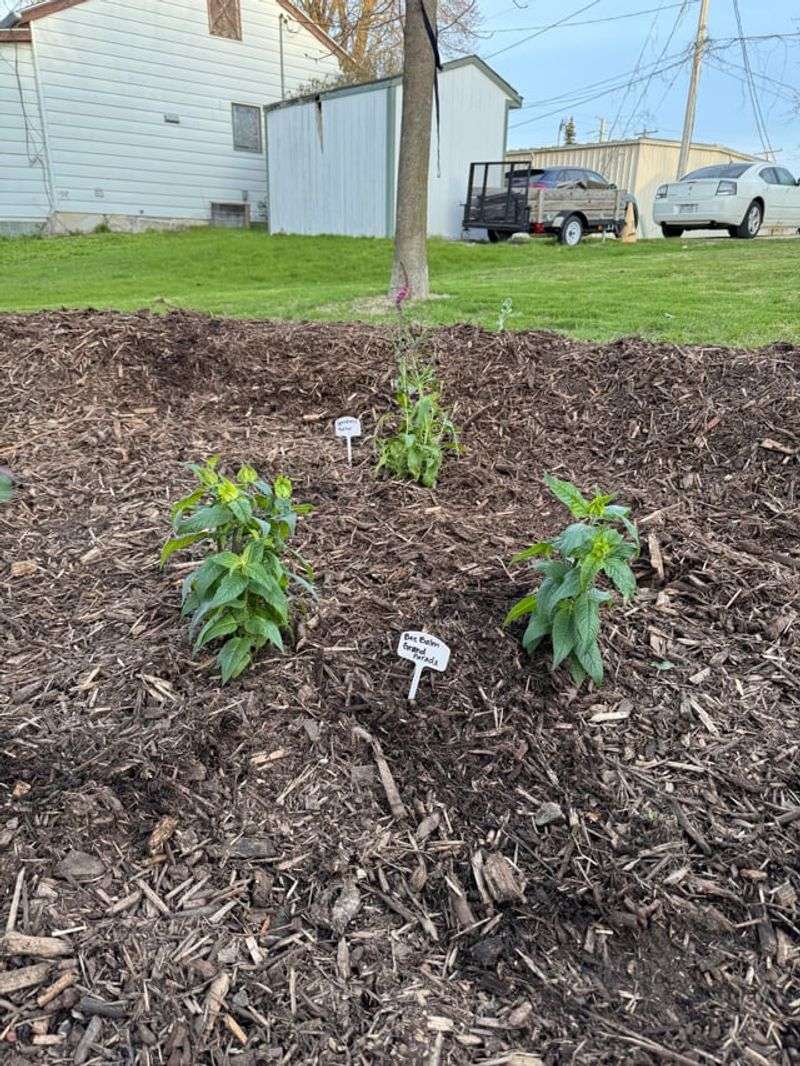
Winter rainfall in Alabama does more than fill ditches and darken the soil.
It quietly turns compost into a slow-release gift.
Each steady storm pulls nutrients downward, guiding them into deeper layers where future roots will stretch and feed.
Gravity and moisture do the heavy lifting, no shovel or hose required.
This natural soak saves real effort once spring arrives.
Beds that received compost earlier need less mixing, fewer amendments, and far less watering during planting time.
The soil already holds moisture evenly, which helps young plants settle in faster.
Cold, damp conditions also wake up decomposers at a measured pace.
Organic matter breaks down steadily, converting kitchen scraps and yard waste into forms plants can actually use.
Spring rain arrives fast and often runs off the surface.
It cannot match months of gentle winter absorption.
By the time warm weather returns, compost added early becomes part of the soil itself.
What looked like preparation turns into progress, and gardens respond with stronger roots, smoother starts, and healthier growth from the ground up.
3. Weed Seeds Get Smothered Before Spring
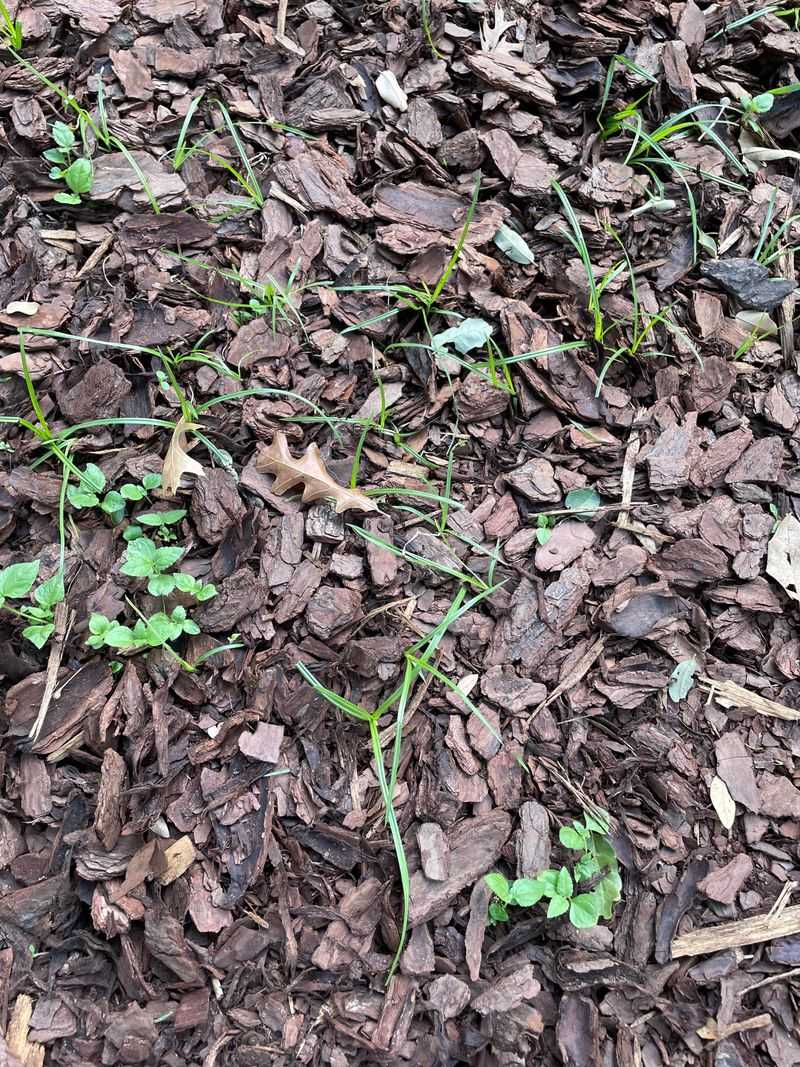
Spreading compost now creates a thick blanket that prevents weed seeds from germinating during warm spells.
Alabama’s unpredictable winter weather often triggers early weed growth, but a compost layer blocks sunlight these invaders need.
This head start means less weeding when gardening season kicks into high gear.
You’ll spend more time enjoying your plants and less time pulling unwanted volunteers.
Spring applications can’t offer this preventive advantage against persistent Southern weeds.
4. Soil Structure Improves Over Time
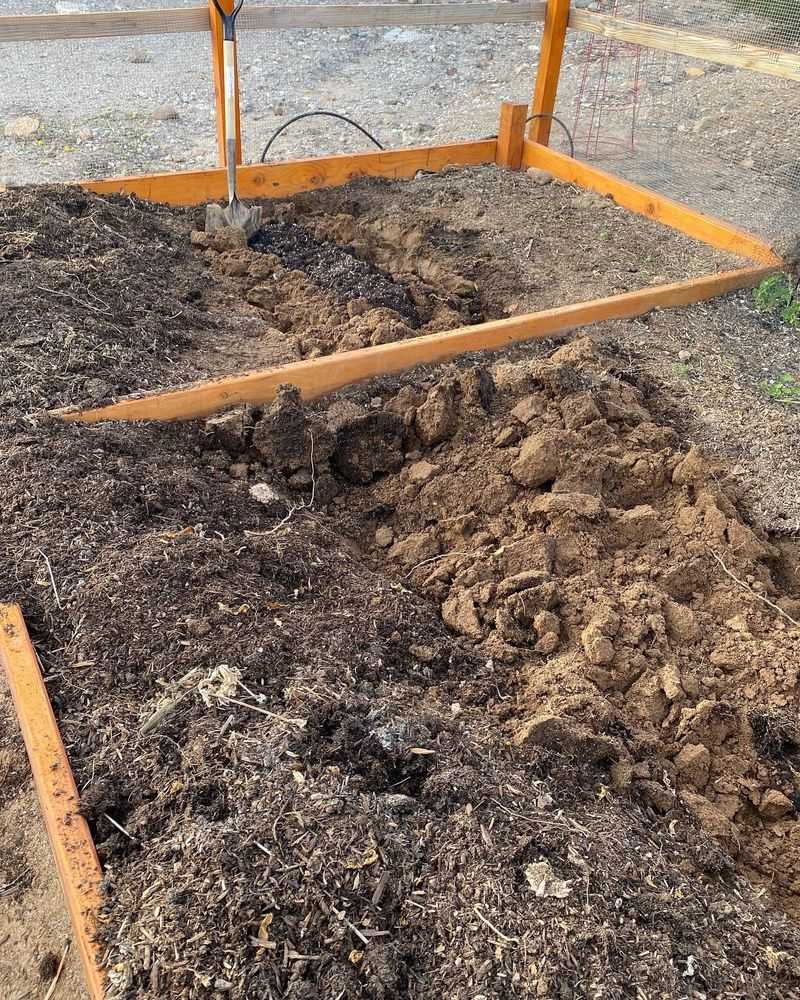
Clay-heavy soil challenges many Alabama gardens, yet time and compost tip the balance.
Dense earth resists roots, holds water too long, and hardens fast after rain.
Months of compost contact change that story.
Organic matter works its way in slowly, easing compaction and opening tiny air pockets that invite roots to spread with confidence.
This transformation demands patience.
Fall and winter offer the long runway clay needs to soften and shift.
Cool temperatures, steady moisture, and natural settling allow compost to blend in rather than sit on top.
By spring, soil drains better during heavy storms and stays workable instead of sticky or brick hard.
Roots push deeper, nutrients move freely, and plants establish faster.
Spring-only amendments rush the process.
There simply is not enough time for structure to change before planting begins.
Compost added early becomes part of the soil itself, not a surface fix.
For Alabama gardeners dealing with stubborn clay, winter prep turns frustration into fertile ground and sets the stage for healthier harvests.
5. Nutrients Stabilize At Perfect Levels

Fresh compost carries a lot of energy, and that intensity can overwhelm young plants.
Tender seedlings and new transplants need balance, not a shock to the system.
In Alabama soil, time acts as a natural buffer. Several cool months allow compost to mellow, soften, and settle into a safer, steadier form.
During this waiting period, nitrogen levels even out, reducing the risk of leaf burn and excessive top growth.
Phosphorus and potassium shift into forms roots can absorb with ease.
Microbial activity smooths rough edges, turning raw organic matter into a supportive foundation rather than a challenge.
Compost added right before spring planting often lacks this refinement.
While intentions run high, nutrients may still sit in unstable forms that stress delicate roots.
That stress shows up as yellowing leaves, slow establishment, or stalled growth.
By giving compost time to mature in the soil, Alabama gardeners protect early plantings and create conditions that encourage steady, confident development from the first warm days onward.
6. You Beat The Spring Rush
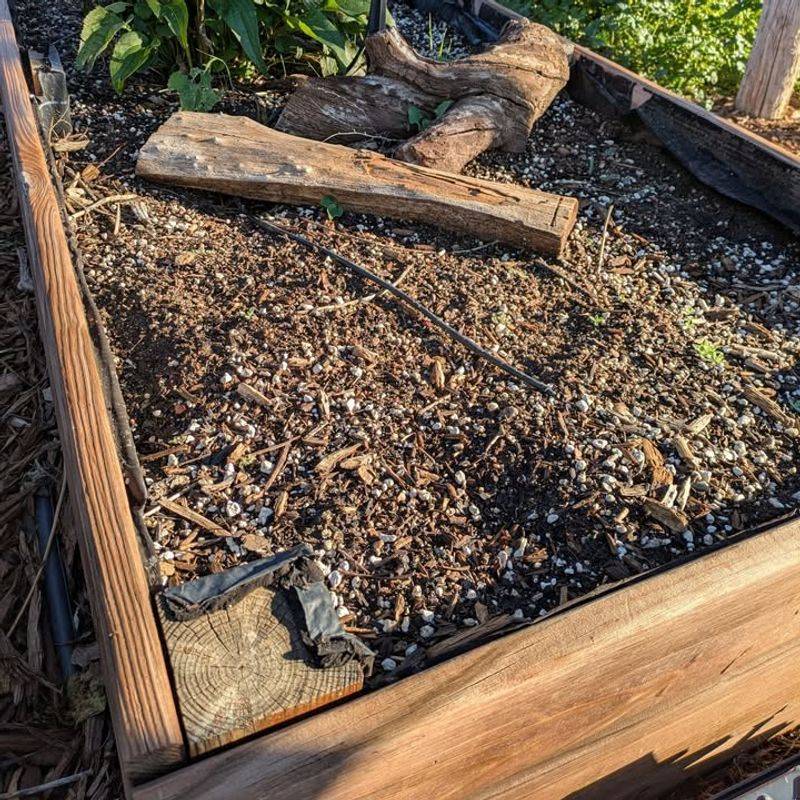
Seasoned Alabama gardeners know spring brings more than sunshine and planting plans. It also brings crowded garden centers, empty compost bins, and prices that creep up fast.
Once warm weather hits, everyone wants soil amendments at the same time, and supply rarely keeps pace with demand.
Buying and applying compost ahead of that rush sidesteps the chaos entirely.
Shelves stay stocked, staff have time to help, and pricing stays reasonable.
Beds get prepared without pressure, schedules stay flexible, and last-minute compromises disappear.
While others hunt for bags or wait on deliveries, your soil already stands finished.
This timing shift changes the whole rhythm of spring.
Energy goes toward planting, spacing, and care rather than hauling compost and racing daylight.
Seedlings settle into ready ground instead of half-amended beds.
Waiting until peak season means competing for limited inventory during the busiest weeks of the year.
Planning ahead turns preparation into progress and makes spring feel productive instead of frantic.
7. Cover Crops And Compost Work Together
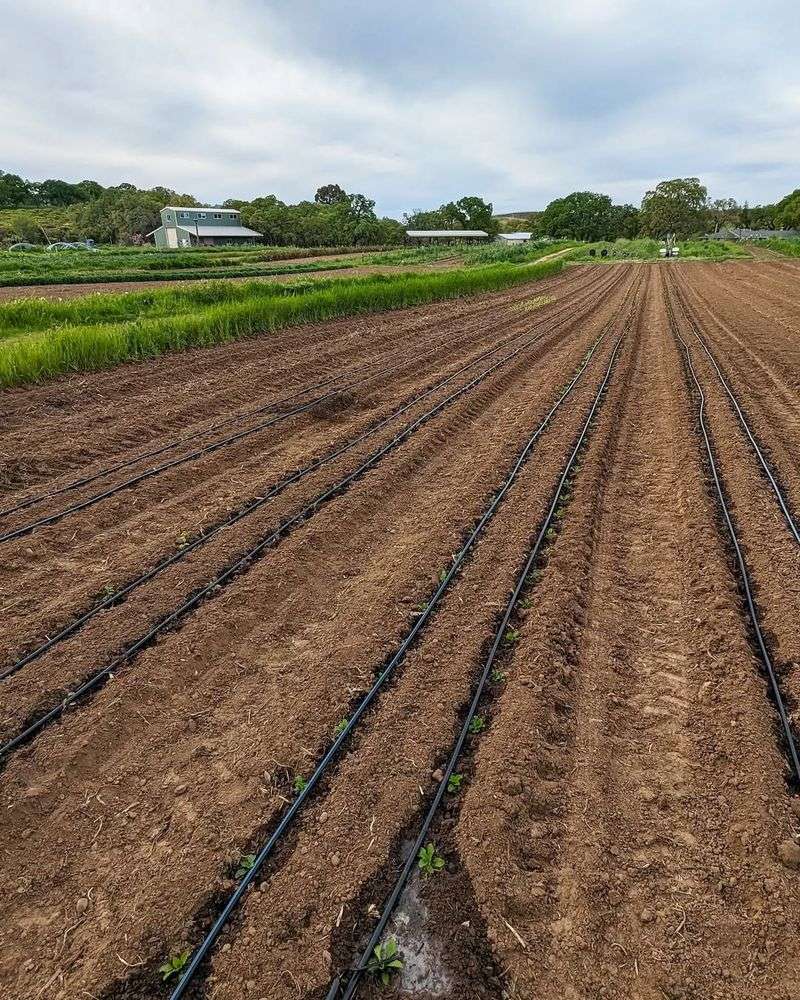
Many Alabama gardeners put winter cover crops to work while beds rest, choosing options like crimson clover or winter rye to protect and rebuild soil.
When compost joins these plantings, the payoff multiplies.
Compost feeds the soil food web, while cover crops draw nutrients up and share them through their roots.
Those roots act like living tools.
They pull compost deeper into the ground, open channels for air and water, and hold everything in place during heavy winter rains.
Soil stays covered, erosion stays low, and nutrients remain where they belong.
Above ground, growth shields beds from compaction and temperature swings.
Come spring, turning everything under delivers a powerful boost.
Decomposed roots and compost combine into a rich, crumbly mix that improves structure and fertility at the same time. This result does not happen by accident.
It depends on cool-season timing and early preparation.
Alabama gardeners who plan ahead gain soil that feels lighter, drains better, and supports strong growth long before the first seeds go in.
8. Pests Stay Dormant During Application
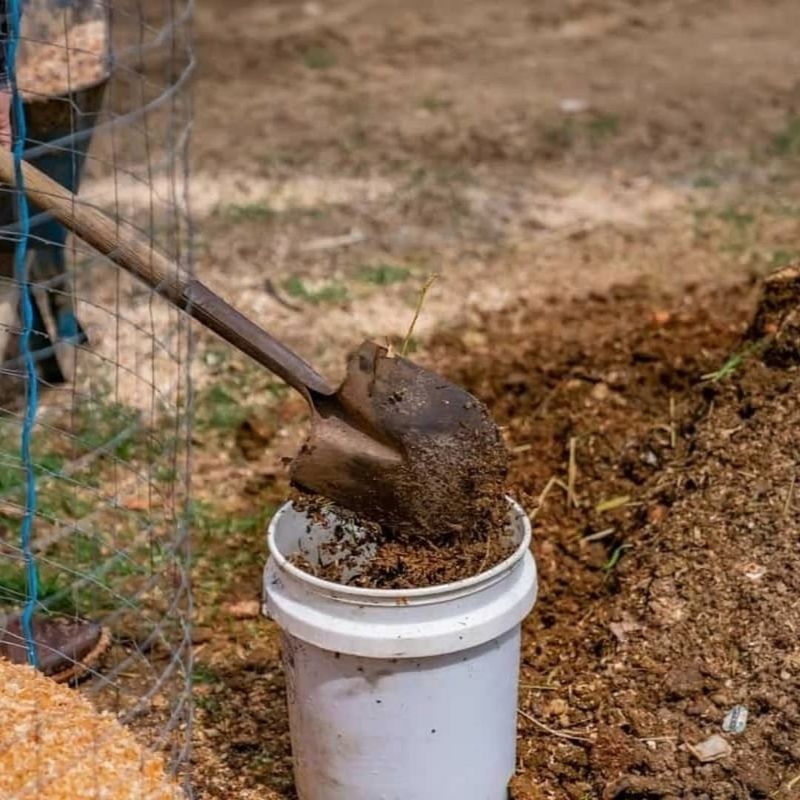
Winter offers Alabama gardeners a rare advantage that often goes overlooked.
As temperatures dip, insect activity drops off sharply.
Fire ants retreat, grubs slow down, and many pests go dormant.
That lull makes winter the safest season to spread compost without turning beds into an open invitation.
Fresh organic matter can act like a dinner bell once warmth returns.
Spring applications attract insects eager for food and nesting spots, often right when young plants need calm conditions to establish roots.
That timing creates unnecessary pressure on seedlings and increases the chance of infestations.
By adding compost during cooler months, amendments settle quietly into the soil.
Nutrients disperse, structure improves, and microbes take the lead without competition from pests.
When spring arrives, beds already feel stable and balanced, not freshly disturbed.
This head start keeps unwanted guests at bay and shifts focus back to plant growth.
Alabama’s mild winters create a narrow but valuable window.
Use it well, and soil improves without extra battles, chemicals, or frustration once the growing season kicks into gear.