Why Alabama Gardeners Lift Their Planters This December
Cold snaps arrive fast, and containers face a challenge that often escapes notice until damage appears.
Moist soil turns heavy, pots sit flat on cold ground, and sudden frost grips the base with force that can split, crack, or trap roots.
Gardeners who stay ahead of the season raise each planter by a few inches to allow air to flow, moisture to drain, and fragile roots to avoid direct contact with frigid surfaces.
This small shift prevents rot, reduces stress, and protects prized arrangements through sharp temperature swings.
A simple lift often decides the difference between a healthy display and a costly setback.
Preventing Frost Damage To Roots
Cold December nights in Alabama can drop temperatures low enough to freeze the soil inside planters sitting directly on concrete or stone surfaces.
When planters touch cold surfaces, the chill transfers quickly through the container walls and damages delicate root systems.
Roots are the lifeline of any plant, and frozen roots often lead to plant death even if the leaves look fine.
Lifting planters creates an air gap that acts like insulation between the cold ground and your container.
This small space traps warmer air and slows down heat loss from the soil.
Even raising your pots just an inch or two makes a noticeable difference in root temperature.
Alabama gardeners use pot feet, bricks, or wooden blocks to elevate their containers.
The investment is minimal but the protection is substantial.
Your plants will thank you with healthier growth when spring arrives, and you will save money by not having to replace frost-damaged plants.
Improving Drainage During Rainy Winters
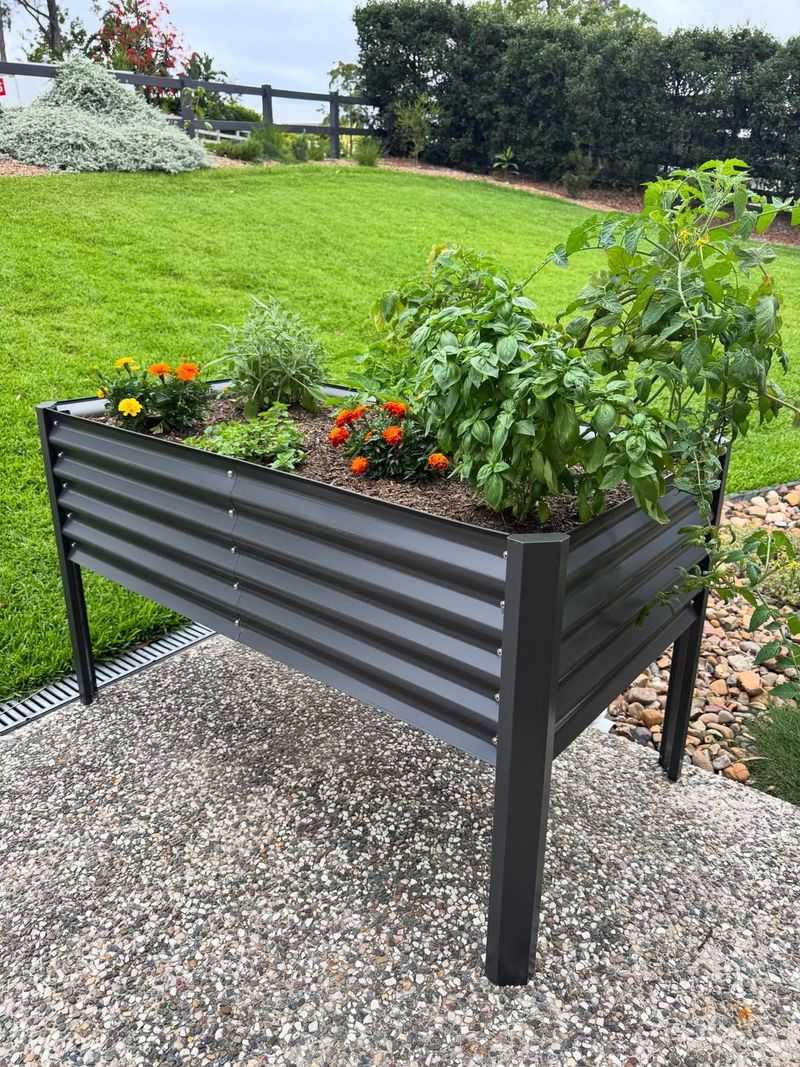
Alabama winters bring plenty of rainfall, and December can be especially wet in many parts of the state.
When planters sit flat on patios or decks, water cannot escape properly from drainage holes.
Excess moisture accumulates in the soil, creating soggy conditions that suffocate roots and encourage harmful fungi.
Waterlogged soil becomes a breeding ground for root rot, which destroys plants faster than cold temperatures ever could.
Plants need oxygen at their roots to survive, and standing water blocks this essential element.
Lifting planters allows gravity to pull excess water away quickly and efficiently.
Elevating containers ensures that drainage holes remain clear and functional throughout the rainy season.
Air can circulate underneath, helping soil dry out between waterings.
This simple adjustment keeps your plants healthy and prevents the mushiness that signals trouble.
Good drainage is one of the most important factors in successful container gardening during Alabama’s unpredictable winter weather patterns.
Avoiding Stains On Patios And Decks
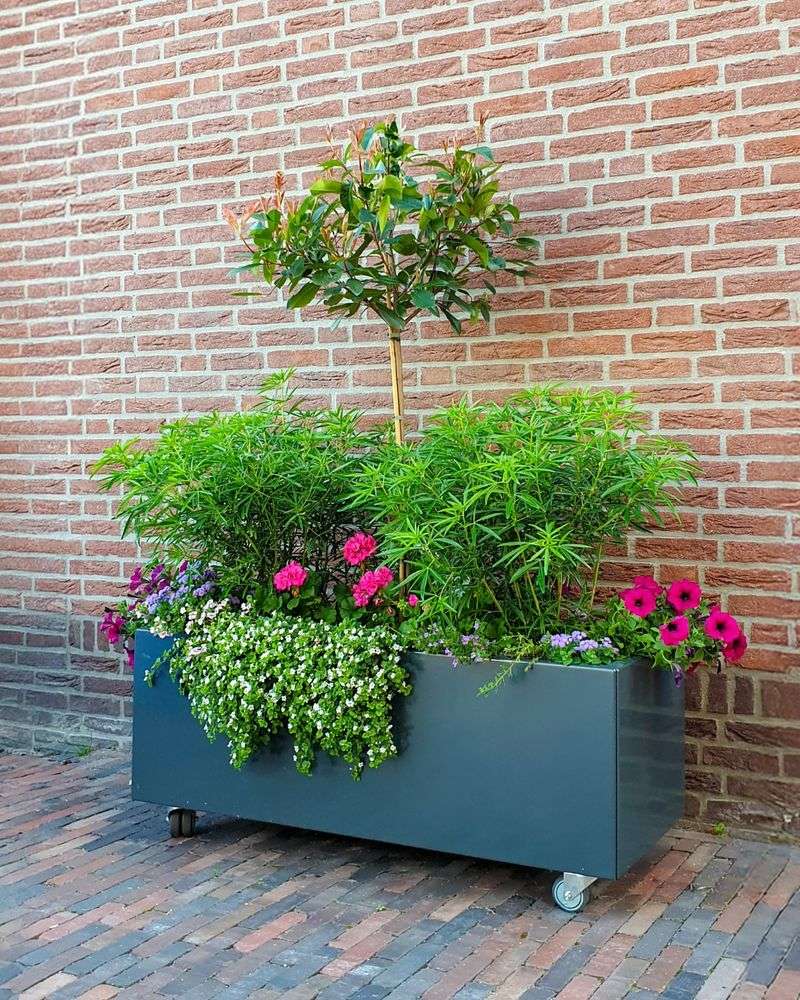
Have you ever moved a planter after months on your deck and discovered an ugly rust-colored ring or dark stain?
Moisture trapped between the pot bottom and your patio surface creates these stubborn marks that are difficult or impossible to remove.
The constant dampness also promotes mildew growth that discolors concrete, stone, and wood surfaces.
Lifting planters allows air to circulate freely underneath, keeping both the container bottom and your outdoor flooring dry.
This airflow prevents the moisture buildup that causes staining and deterioration.
Your deck or patio stays cleaner and maintains its attractive appearance much longer.
Homeowners who lift their planters protect their investment in outdoor living spaces.
Replacing stained decking or damaged patio stones costs far more than a few pot risers.
The small effort of elevating containers saves you from expensive repairs and keeps your outdoor areas looking fresh and welcoming throughout the winter months and beyond.
Protecting Containers From Cracking
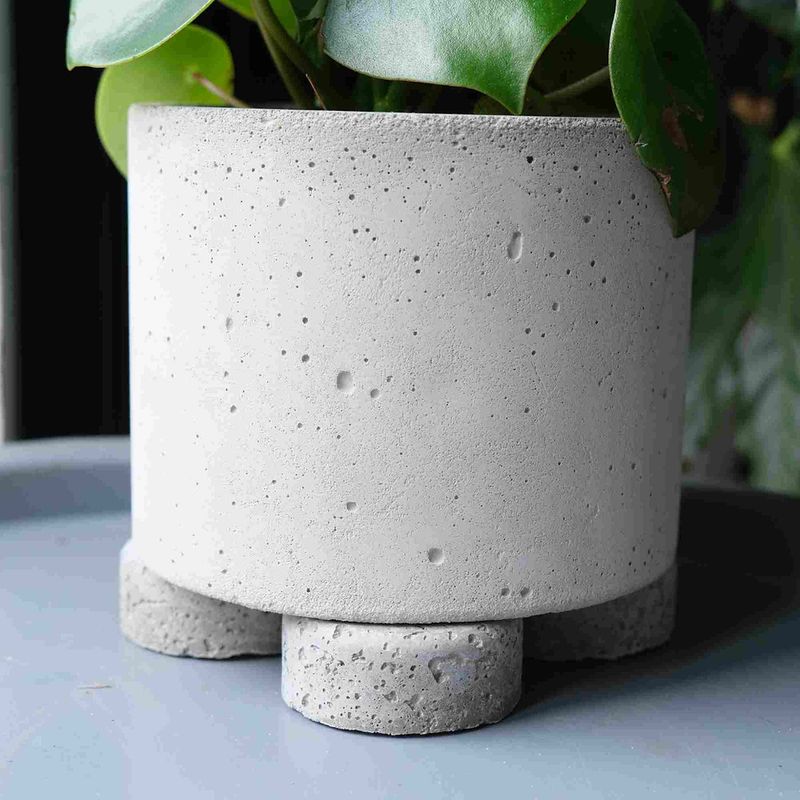
Terracotta and ceramic pots are beautiful but surprisingly fragile when temperatures fluctuate.
Water seeps into the tiny pores of these materials, and when that moisture freezes, it expands with incredible force.
This expansion creates cracks that can split your favorite containers right down the middle, ruining pots that may have cost considerable money.
Lifting planters off cold surfaces reduces the freeze-thaw cycles that destroy containers.
The air gap underneath keeps pots slightly warmer and prevents the extreme temperature swings that cause cracking.
Even inexpensive plastic containers benefit from elevation because it reduces stress on the material.
Alabama gardeners know that December weather can swing from mild to freezing within hours.
Protecting your container investment makes practical sense.
A cracked pot cannot be repaired and must be replaced, but prevention costs almost nothing.
Simple pot feet or improvised risers extend the life of your planters by years, making this one of the smartest moves any container gardener can make.
Keeping Pests Away From Plants
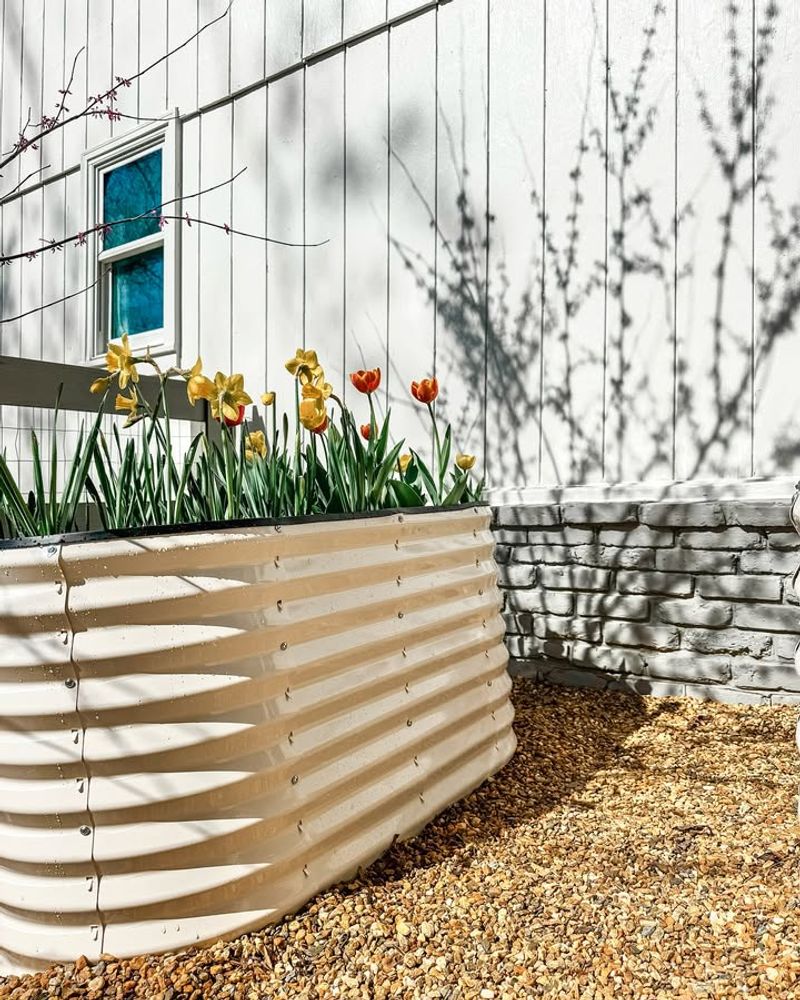
Slugs, snails, and various insects love to hide in the dark, damp space between planters and the ground.
These creatures emerge at night to feast on your plant leaves and stems, causing significant damage.
Ground-dwelling pests find it incredibly easy to crawl into pots that sit directly on soil or pavement.
Raising containers creates a barrier that makes it harder for crawling pests to reach your plants.
Many insects prefer easy access and will move on to simpler targets when faced with an elevated obstacle.
The improved air circulation also creates a drier environment that pests find less attractive for hiding and breeding.
Winter in Alabama does not eliminate all garden pests, as mild spells can keep them active.
Sowbugs, earwigs, and other critters continue seeking shelter and food even in December.
Lifted planters give you a tactical advantage in the ongoing battle against plant damage.
Your containers become mini fortresses that protect vulnerable plants from ground-level invaders throughout the cooler months.
Extending The Growing Season
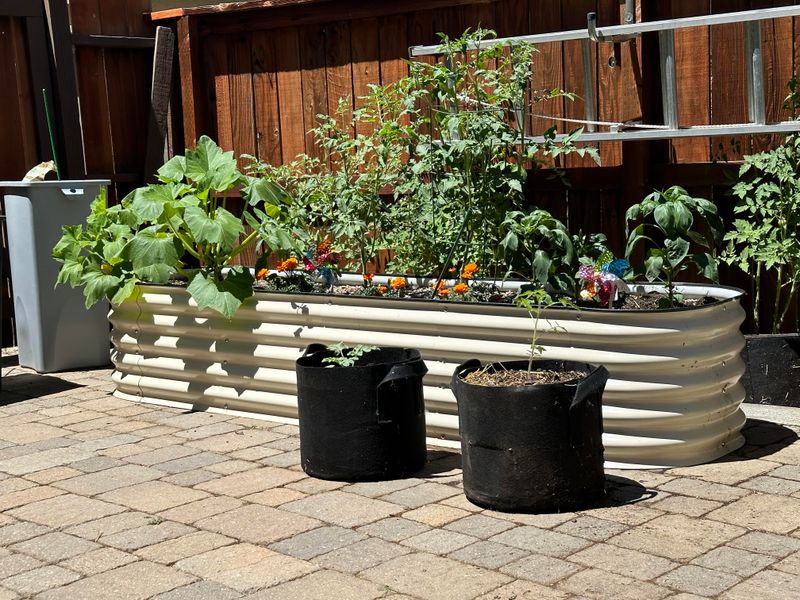
Smart Alabama gardeners know that lifted planters stay warmer longer into the winter season.
The air circulation underneath prevents cold from settling in and allows solar warmth from daytime sun to linger in the soil.
This temperature advantage can add several weeks to your growing season for cold-hardy vegetables and herbs.
Lettuce, kale, and spinach thrive in cool weather but struggle when soil temperatures drop too low.
Elevated containers maintain slightly higher soil temperatures that keep these crops producing fresh greens well into December.
The difference of just a few degrees can mean the difference between thriving plants and stunted growth.
Gardeners who lift their planters enjoy fresh harvests while neighbors have already given up on their gardens.
The technique works especially well for herbs like parsley and cilantro that tolerate cold but need their roots protected.
This simple adjustment maximizes your garden productivity and provides homegrown food during months when most people rely entirely on grocery stores for fresh produce.
Making Planters Easier To Move
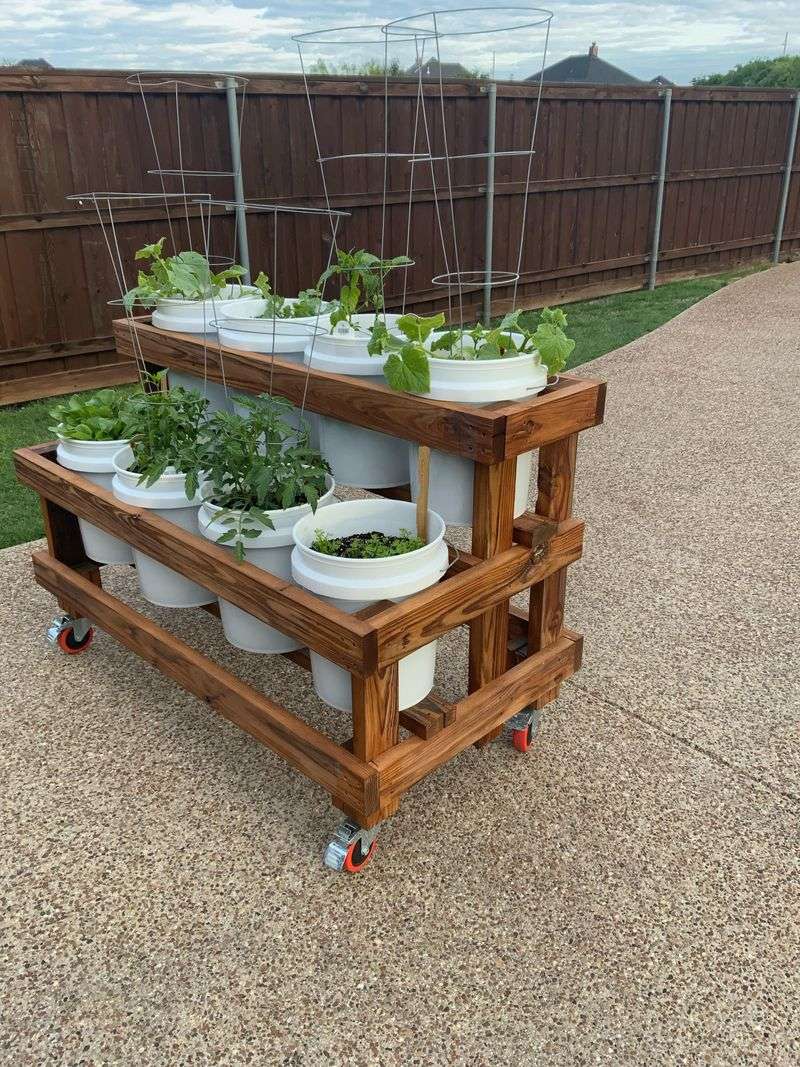
Planters sitting directly on surfaces often stick due to moisture, algae growth, or simple weight distribution.
When you need to move them for cleaning, rearranging, or protecting from severe weather, they become frustratingly difficult to budge.
Lifting planters on wheels or smooth risers makes repositioning effortless and protects your back from strain.
December weather in Alabama can be unpredictable, with occasional severe severe storms requiring quick action.
Mobile planters let you relocate containers to sheltered areas within minutes rather than struggling with heavy, stuck pots.
This flexibility proves invaluable when protecting tender plants from unexpected freezes or high winds.
Wheeled plant caddies are particularly popular because they combine elevation with maximum mobility.
You can roll even large, heavy planters across patios and decks without lifting.
This convenience encourages better plant care because you are more likely to move containers to optimal sun exposure or bring them closer to water sources.
Easier movement means better plant maintenance and healthier gardens overall.
Reducing Mold And Mildew Growth
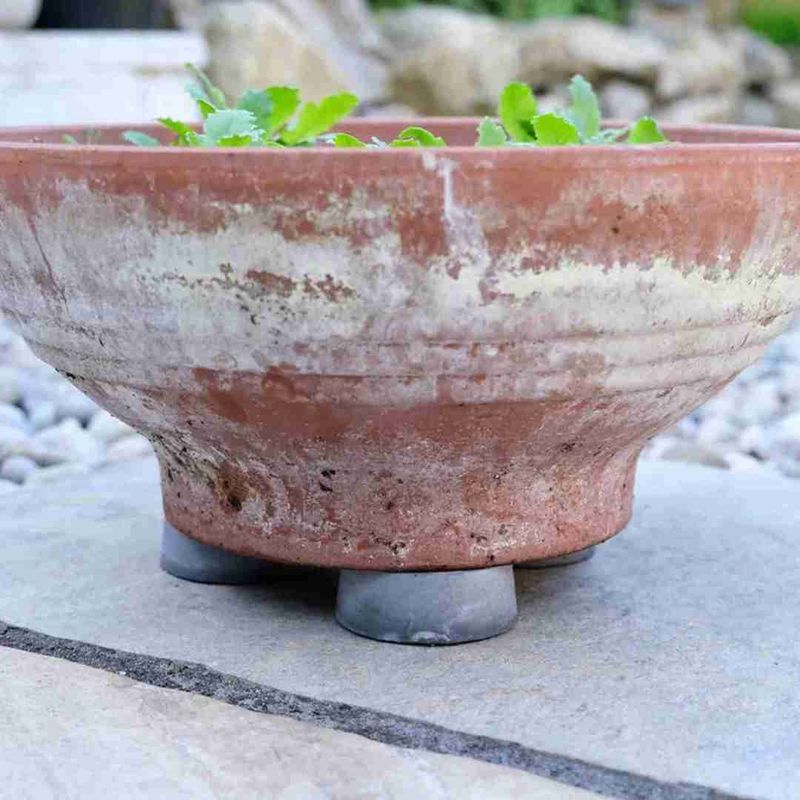
Alabama’s humidity does not disappear just because temperatures drop in December.
Moisture trapped between planters and surfaces creates perfect conditions for mold and mildew to flourish.
These fungi not only look unsightly but can also spread to plants and cause health problems for people with allergies or respiratory sensitivities.
Elevation promotes air movement that keeps surfaces dry and discourages fungal growth.
The space underneath planters allows moisture to evaporate quickly rather than lingering in damp pockets.
This improved ventilation benefits both your containers and the surfaces they rest on, creating a healthier environment all around.
Mold spores thrive in still, damp conditions but struggle when air circulates freely.
Lifting planters disrupts the stagnant environment that fungi need to establish colonies.
Your outdoor living spaces stay cleaner and more pleasant, and you avoid the musty odors associated with mildew growth.
This benefit extends beyond plant health to improve the overall enjoyment of your patio or deck during the winter months when you still want to spend time outdoors.
Showcasing Plants At Better Heights
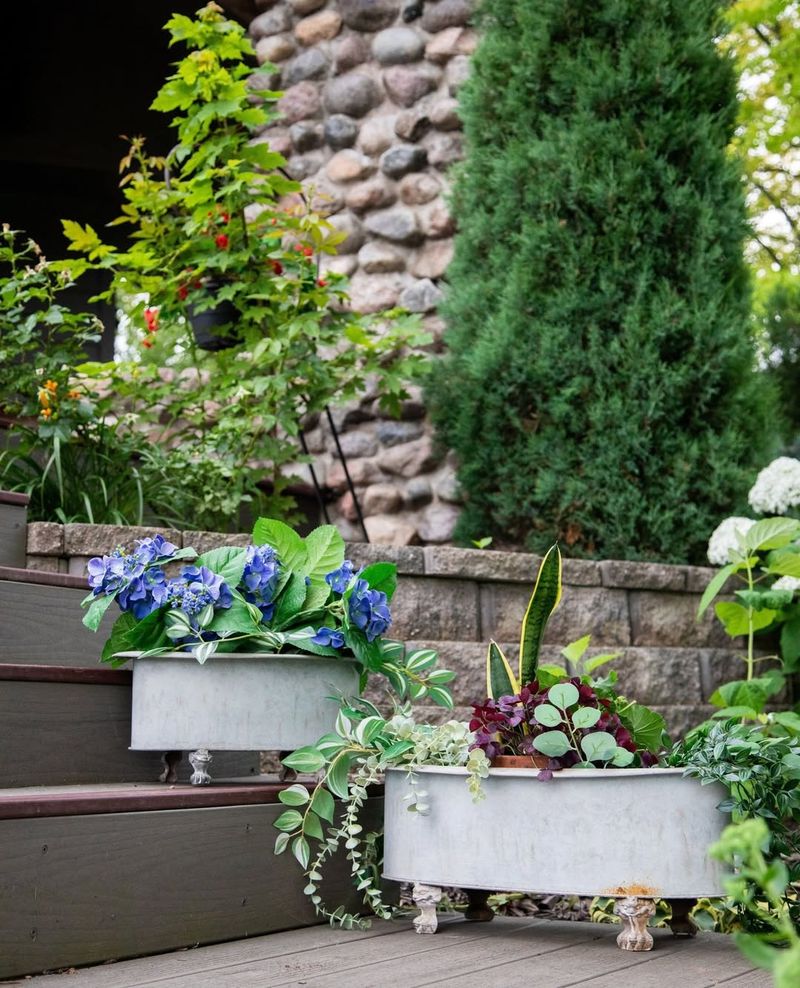
Garden design improves dramatically when plants sit at different levels rather than all resting flat on the ground.
Lifting planters creates visual interest and allows trailing plants to cascade gracefully over container edges.
This vertical dimension transforms ordinary collections of pots into eye-catching displays that enhance your outdoor spaces.
December gardens can look bare and uninviting, but strategically elevated planters add structure and beauty during dormant months.
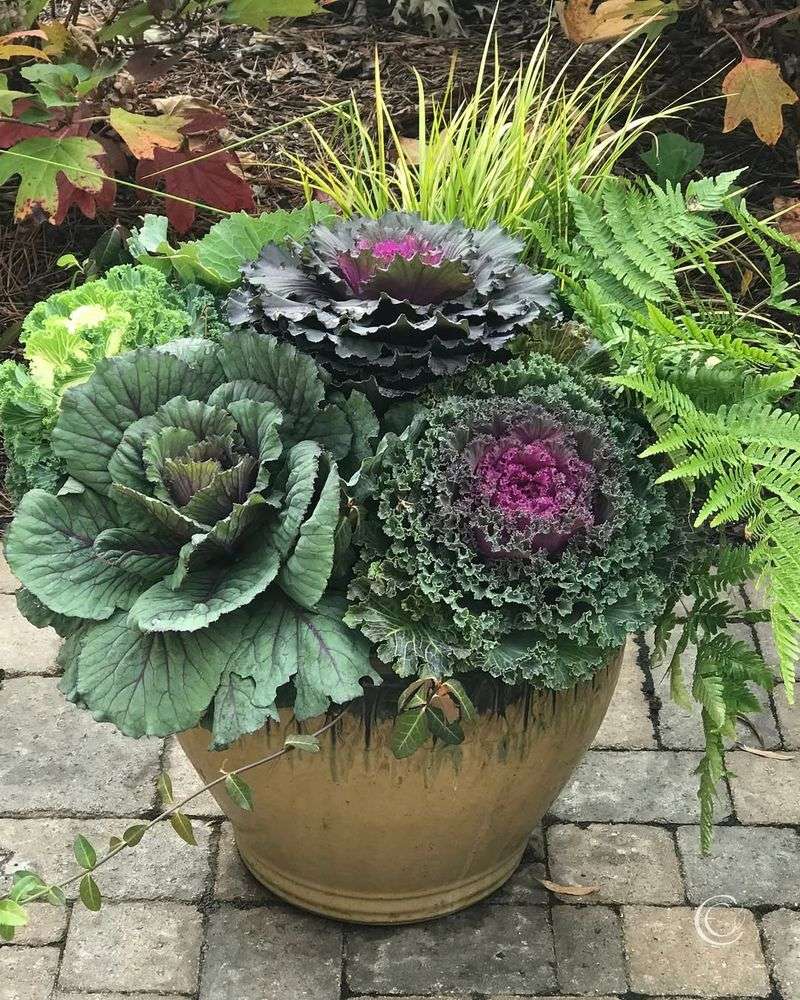
Evergreen plants, ornamental cabbages, and winter pansies become focal points when raised to more prominent positions.
The varied heights create depth and draw the eye through your garden space.
Visitors notice and appreciate gardens with thoughtful design, and elevation is a simple way to achieve professional-looking results.
Taller displays also bring plants closer to eye level, making them easier to admire and maintain.
You will find yourself enjoying your winter garden more when plants are positioned where you can truly appreciate their beauty without bending down or overlooking them entirely.
Saving Money On Plant Replacement
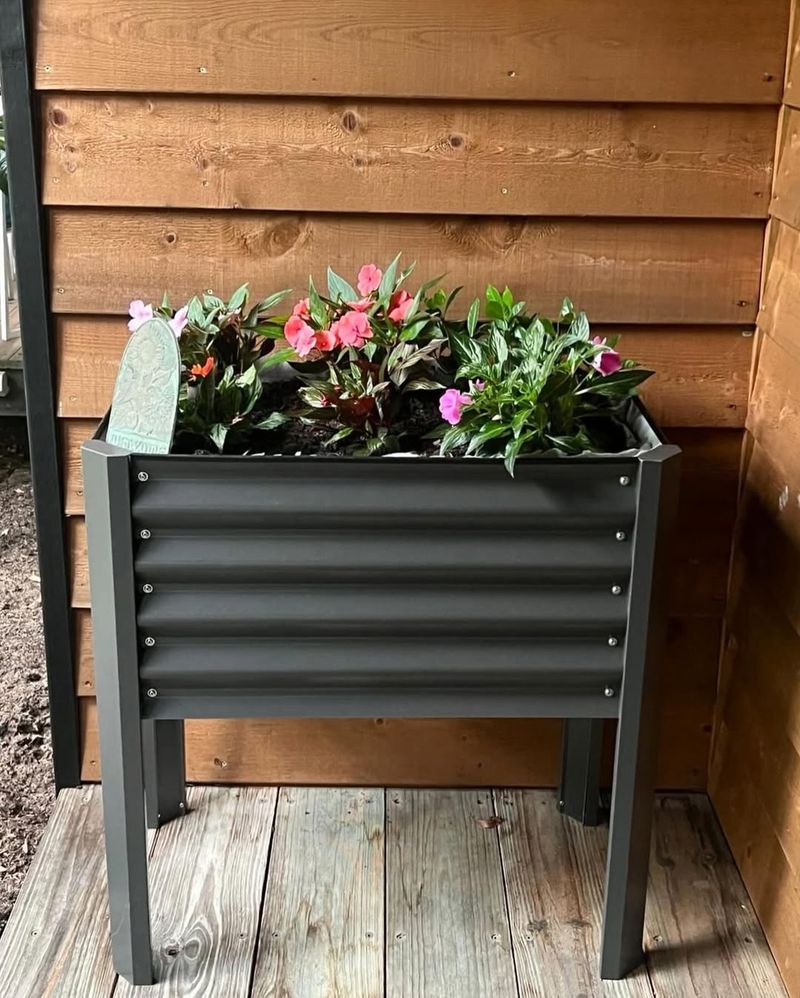
Replacing plants that die from preventable winter damage adds up quickly, especially if you invest in quality specimens or specialty varieties.
A single perennial can cost fifteen to thirty dollars, and losing several plants to frost damage or poor drainage becomes an expensive lesson.
Lifting planters costs just a few dollars but protects plants worth many times that investment.
Alabama gardeners who take preventive measures save substantially over those who ignore winter plant care.
The small expense of pot feet, bricks, or plant caddies pays for itself the first time it saves a valuable plant from death.
Your garden budget stretches further when you protect existing plants rather than constantly buying replacements.
Beyond the direct cost of new plants, consider the time and effort invested in establishing healthy container gardens.
Mature plants that have been growing for months or years cannot be instantly replaced with the same size and beauty.
Protecting your plant investments through simple elevation makes financial sense and preserves the garden you have worked hard to create and maintain throughout the year.