Why Alabama Lawns Turn Yellow After A Freeze And March Mistakes To Avoid
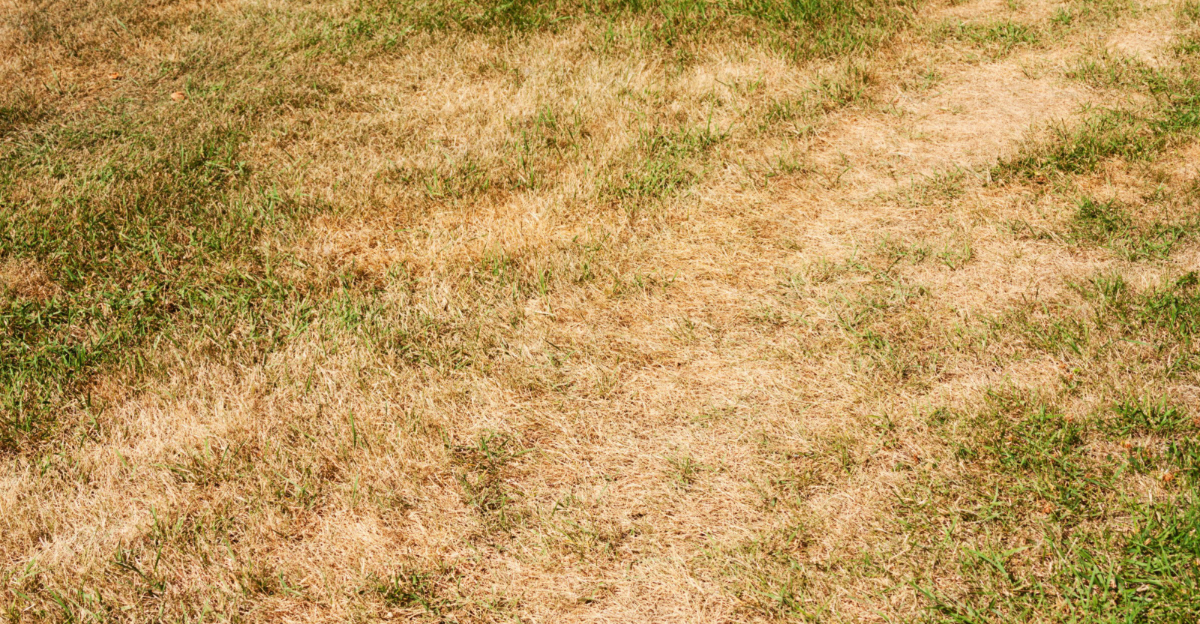
March in Alabama is like a rollercoaster your lawn never signed up for. If you don’t understand what’s happening beneath the surface, those yellow patches could stick around far longer than you’d like.
One day the sun is shining and your grass looks ready for spring, and the next morning a surprise frost leaves it pale, stressed, and suddenly struggling.
If you’ve noticed your once-green lawn turning yellow, don’t panic just yet. Alabama’s unpredictable March weather with swings between warm afternoons and chilly mornings plays a major role in how your grass looks this time of year.
When temperatures rise, your lawn begins to wake up from winter dormancy. But a sudden cold snap can shock tender new growth, especially warm-season grasses common across Alabama.
Frost damages the grass blades, disrupting chlorophyll production and temporarily draining that vibrant green color. The result?
Yellow or straw-like patches that look worse than they often are.
Mowing Too Early When Grass Looks Yellow
Grabbing your mower the first warm weekend in March might feel productive, but it’s one of the worst things you can do to freeze-damaged grass. Your lawn needs every bit of its blade length to photosynthesize and recover from cold stress.
When grass turns yellow after a freeze, those blades are working overtime to produce energy for root recovery. Cutting them too short removes the plant’s ability to generate the nutrients it desperately needs.
Alabama’s warm-season grasses like Bermuda and zoysia are particularly vulnerable during this recovery phase. Wait until nighttime temperatures consistently stay above 65 degrees before your first mow of the season.
Even then, only remove the top third of the grass blade to avoid shocking the plant. Your mower blades should be sharp to prevent tearing, which creates entry points for disease.
If your lawn looks shaggy and unkempt, resist the urge to scalp it back to perfection. Patience during March pays dividends in April and May when your neighbors are still dealing with thin, struggling turf.
The yellow color will fade naturally as temperatures stabilize and growth resumes without your intervention.
Applying Fertilizer Before The Last Freeze
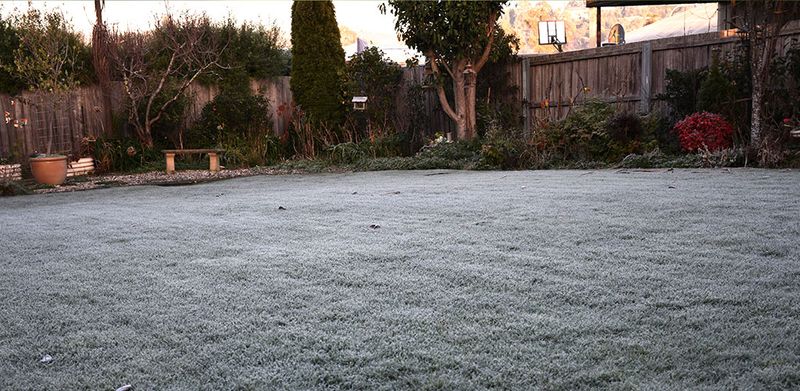
February hits and fertilizer ads start tempting Alabama homeowners to begin lawn care early. Applying nitrogen-rich fertilizer before the final freeze date is like inviting disaster to your doorstep.
When you fertilize too early, you encourage new green growth that has zero cold tolerance. That tender new tissue will be the first casualty when temperatures drop again, turning yellow or brown overnight.
You’ve essentially wasted money and stressed your grass for nothing.
Alabama’s last freeze typically occurs in mid to late March in the northern regions and early March in southern counties. Wait at least two weeks after the last expected frost before applying any fertilizer.
Your soil temperature should reach 65 degrees consistently before warm-season grasses can effectively use nutrients.
If you’re anxious to do something productive, focus on soil testing instead of feeding. Understanding your soil’s pH and nutrient levels will help you make informed decisions when the time is right.
A soil test from your local extension office costs less than a bag of fertilizer and provides infinitely more value for your lawn’s long-term health.
Overwatering Yellow Patches Thinking They’re Dry
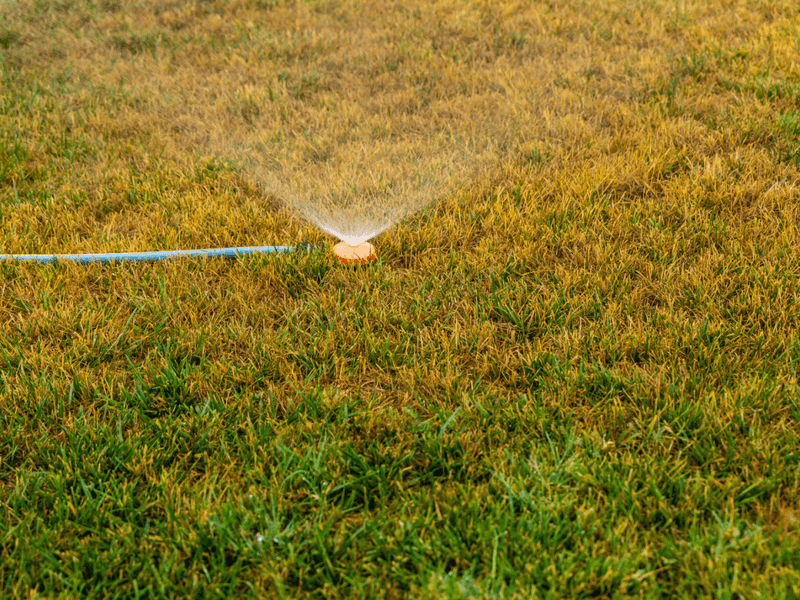
Yellow grass after a freeze grabs your attention and your first instinct is probably to reach for the hose. This reaction actually compounds the problem rather than solving it.
Freeze-damaged grass has compromised root systems that can’t absorb water efficiently. Adding excess moisture to already stressed roots creates the perfect environment for fungal diseases.
Alabama’s clay-heavy soils retain water naturally, making overwatering even more problematic during the cool, wet conditions typical of March.
Your lawn needs far less water in March than it will in June or July. Warm-season grasses are barely growing at soil temperatures below 60 degrees, so they’re using minimal water.
One inch of water per week, including rainfall, is plenty during this transitional period.
Check soil moisture before watering by pushing a screwdriver into the ground. If it penetrates easily to six inches, your lawn has adequate moisture.
Focus on proper drainage instead of adding water to yellow areas. Poor drainage combined with freeze damage creates the perfect storm for root rot and fungal issues that persist throughout the growing season.
Walking On Frozen Or Thawing Grass Repeatedly
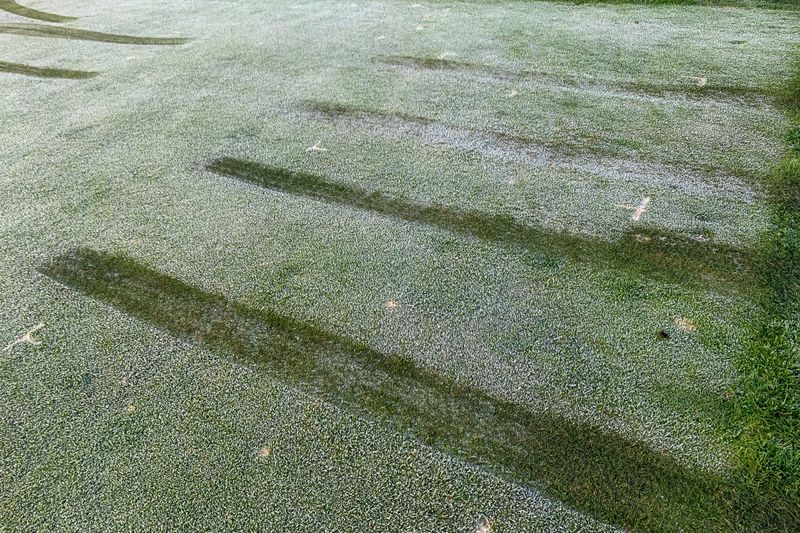
Don’t let those warm Alabama afternoons fool you. March mornings often bring frost, and the grass beneath your feet can be surprisingly fragile.
When grass blades freeze, the water inside their cells forms ice crystals that can rupture cell walls. Walking on frozen turf crushes these already-compromised structures, leaving brown footprint trails that persist for weeks.
The damage becomes even more apparent as the grass tries to green up in April.
Thawing grass is equally vulnerable because the soil beneath becomes soft and compacted easily. Your weight compresses the soil, squeezing out oxygen that roots desperately need for recovery.
Compacted soil also prevents water infiltration and root growth, creating long-term problems beyond the initial yellowing.
Create designated pathways if you must cross your lawn during early morning hours. Consider installing stepping stones or temporary walkways in high-traffic areas until temperatures stabilize.
Your kids, pets, and mail carrier can all contribute to cumulative damage without realizing it. Educate everyone in your household about avoiding the lawn during frosty mornings to give your grass the best chance at recovery.
Using Weed Control On Stressed Yellow Turf
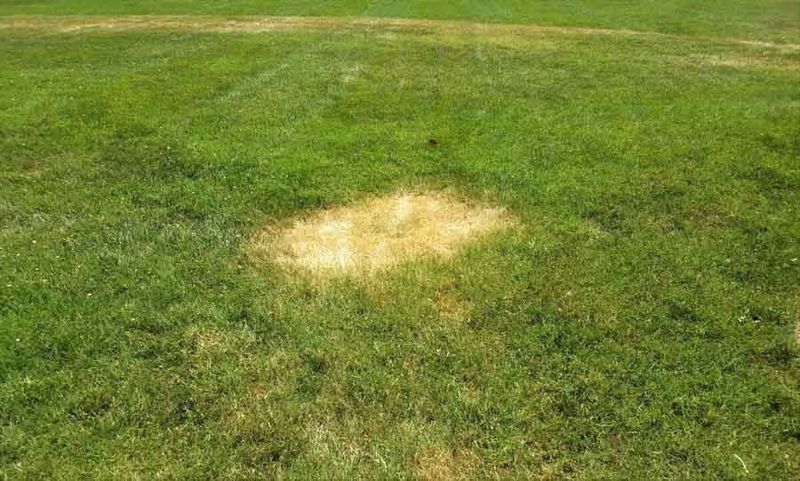
Weeds seem to mock homeowners by staying green while desirable grass turns yellow after freezes. The temptation to spray herbicides and gain the upper hand feels overwhelming, but timing is everything with weed control.
When you spray stressed, freeze-damaged grass, you’re attacking an already weakened opponent.
When grass isn’t actively growing, herbicides can do more harm than good, leading to yellowing and thinning. Alabama’s warm-season grasses won’t be actively growing until soil temperatures consistently reach 70 degrees, usually in mid to late April.
Hand-pulling individual weeds is safer than broadcast spraying during March. If winter weeds are overwhelming, focus on pre-emergent applications that prevent new weed seeds from germinating rather than post-emergent sprays.
Your grass will naturally outcompete many weeds once it begins vigorous growth, making patience your most effective weed control strategy during this vulnerable period.
Dethatching Or Aerating Before Growth Resumes
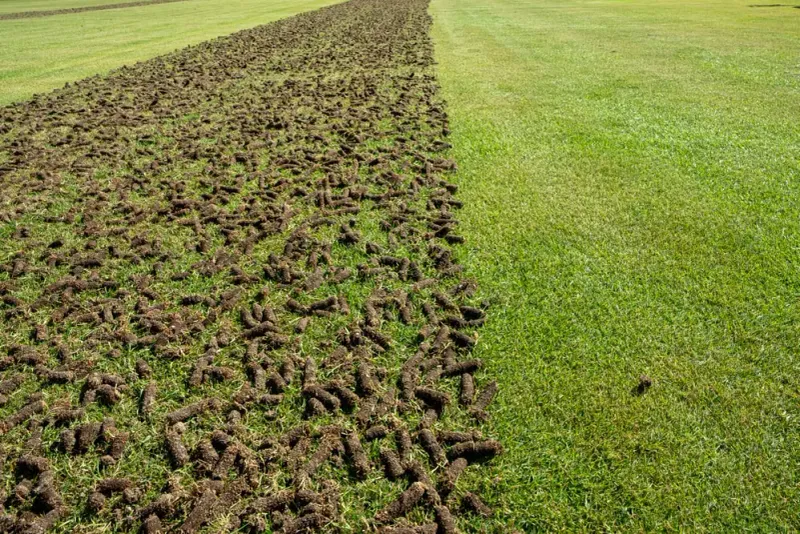
Seeing brown, patchy grass makes anyone want to start a lawn makeover but March isn’t the month for aggressive renovations.
Both dethatching and aerating physically wound the grass and disturb the soil. Grass needs active growth to bounce back quickly from these intentional injuries.
If you perform these tasks too early, on dormant or barely growing grass, those tiny wounds become open invitations for disease, insects, and weeds.
Alabama’s March weather only adds to the risk. One day it’s 75°F and feels like spring, and two nights later temperatures drop into the 30s.
These swings can shock stressed grass and turn well-intentioned renovation into a setback.
Patience pays off. Wait until late April or May, when your grass is actively growing and soil temperatures stay warm.
You’ll know it’s time when you’re mowing weekly and your lawn is rich, vibrant green.
At that point, aeration and dethatching actually work with your lawn. Grass quickly grows into the aeration holes, bare spots fill in, and removing thatch leaves your lawn thicker, healthier, and ready to thrive.
Don’t rush because your spring lawn makeover is worth the wait.
Ignoring Soil Testing And PH Problems
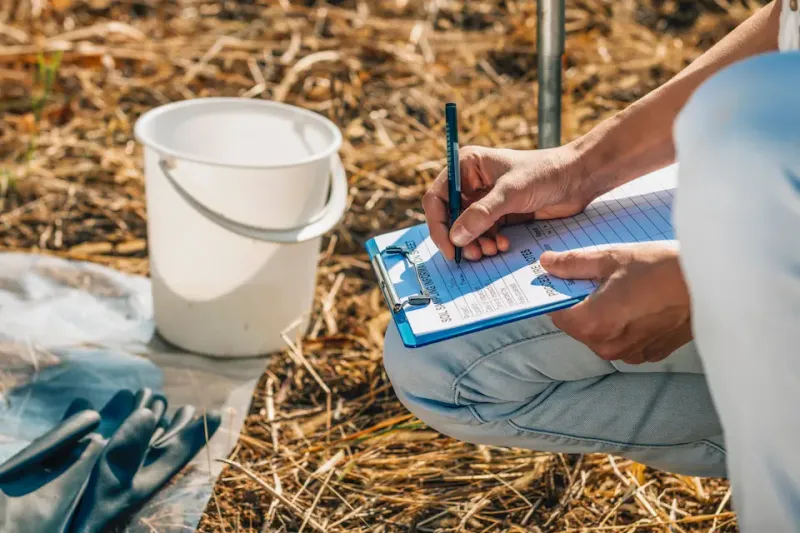
Yellow grass after a freeze might not be entirely about cold damage. Alabama soils naturally tend toward acidity, and pH imbalances prevent grass from accessing nutrients regardless of temperature.
When soil pH drops below 6.0, essential nutrients become chemically locked in the soil where grass roots can’t absorb them. Your lawn essentially starves even when nutrients are present.
This nutrient deficiency shows up as yellowing that homeowners mistakenly attribute to freeze damage.
March is the perfect time for soil testing because you’ll have results back before the optimal fertilization window arrives. Your local Alabama Cooperative Extension office provides affordable testing that reveals pH levels.
The investment of $10-15 can save you hundreds in wasted fertilizer and treatments.
If testing reveals pH problems, lime application should happen immediately. Lime takes several months to alter soil pH, so early March application allows time for adjustment before peak growing season.
Don’t guess at lime amounts based on what your neighbor used or what the bag recommends. Soil test results provide precise application rates based on your specific soil chemistry and grass type.
Planting New Grass Seed Too Early
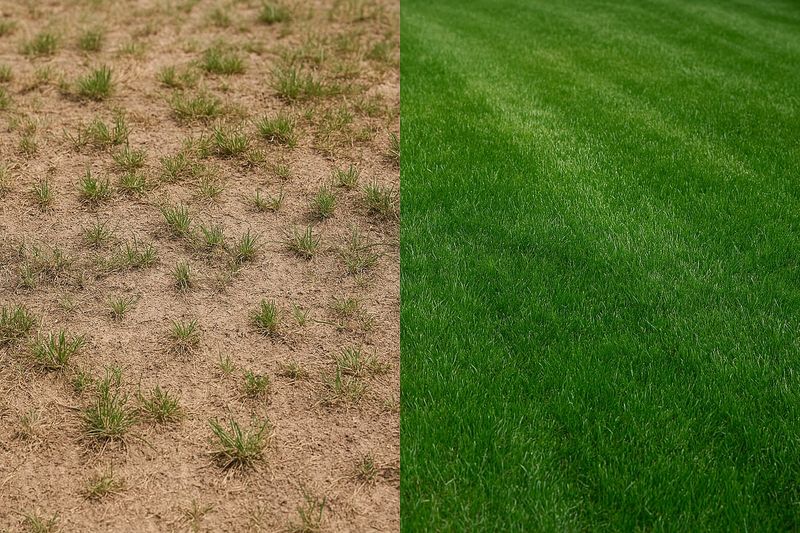
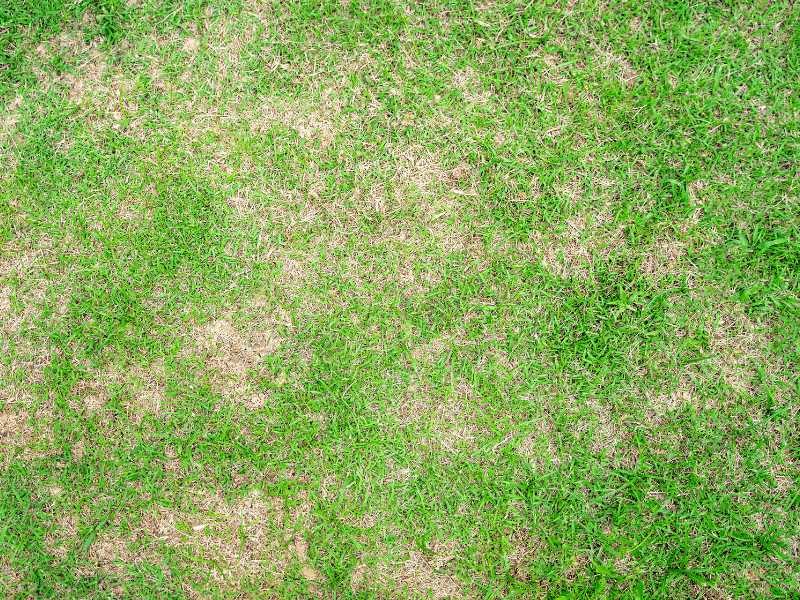
Look at that contrast! From brown, patchy spots to a lush green lawn.
It feels tempting to fix those yellow patches right now. Grass seed seems like the obvious hero.
But seeding in March is often a wasted effort.
Warm-season grasses need soil temps around 65–70°F to really take off. A few sunny March days might fool you into thinking seeds are sprouting but the next cold snap can wipe out those tender little shoots before they even get started.
Wait for consistent warmth. Your patience pays off when the grass finally thrives instead of struggling.
You’ll find yourself reseeding the same areas in April or May anyway.
Birds, insects, and disease organisms are far more active than your grass seeds during cool March weather. Unprotected seeds become easy meals for wildlife or rot in cool, damp soil before germination occurs.
The money you spend on seed would be better invested in proper soil preparation and waiting for ideal conditions.
If you absolutely must address bare spots, consider sod installation instead of seeding. Sod establishes faster and provides instant coverage, though it still requires warm soil temperatures for root development.
Better yet, mark problem areas and wait until late April or May when soil temperatures consistently support germination and establishment. Your success rate will skyrocket, and you’ll avoid the frustration of failed seeding attempts.
Assuming All Yellow Grass Is Freeze Damage
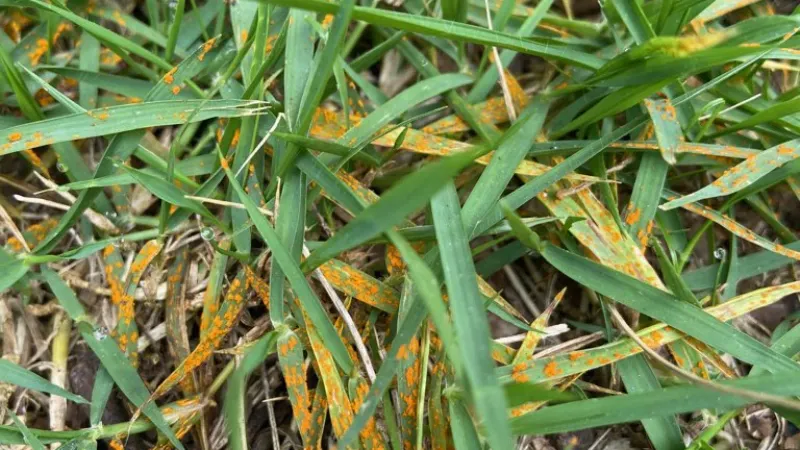
Freeze? Maybe.
March’s yellow grass often has more than one villain. Jumping to conclusions prevents proper diagnosis and treatment.
Fungal diseases like large patch and spring dead spot thrive in the cool, wet conditions typical of Alabama’s March weather. These diseases create circular yellow or brown patches that expand over time, often mistaken for freeze injury.
Grubs and other soil insects that survived winter become active as soil warms, feeding on grass roots and causing yellowing from below.
Compaction from winter foot traffic can cause yellowing that coincides with freeze events. Chemical spills from winter equipment maintenance or herbicide drift from neighboring properties might only become visible as grass tries to green up.
Pull up some grass from yellow areas and examine the roots and crowns carefully. Healthy roots appear white or cream-colored, while diseased roots look dark and mushy.
Check for insects by cutting away a small section of turf and inspecting the soil beneath. Contact your local extension office if you’re uncertain about the cause.
Treating the wrong problem wastes time and money while the real issue continues damaging your lawn.
Giving Up On Recovery Too Soon
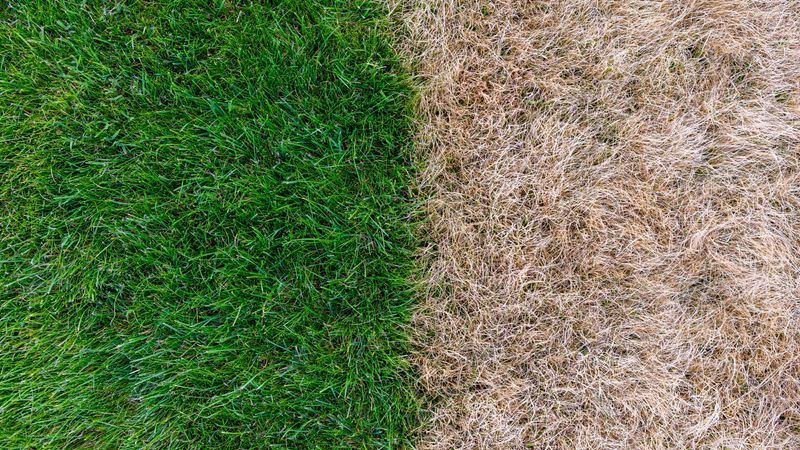
Yellow grass in March tests every homeowner’s patience. The urge to rip everything out and start over becomes overwhelming when your lawn looks terrible week after week.
Warm-season grasses possess remarkable recovery abilities that aren’t apparent during March weather. What looks yellow often contains viable roots that will produce new growth once temperatures stabilize.
Many homeowners have unnecessarily replaced lawns that would have recovered naturally with proper care and patience.
Alabama’s warm-season grasses don’t truly wake up until April or May when soil temperatures consistently reach 70 degrees. March is still too early to assess permanent damage accurately.
Give your lawn until late May before making drastic decisions about replacement or renovation.
Focus on supporting recovery rather than forcing it. Avoid all the mistakes listed above, maintain proper mowing height once growth resumes, and provide adequate water without overdoing it.
Keep foot traffic minimal and resist the urge to apply products that promise quick greening. Most Alabama lawns that look terrible in March transform into beautiful green carpets by June with nothing more than patience and basic care.
Trust the process and give your grass the time it needs to demonstrate its natural resilience.