Why Amaryllis Leaves Lose Color In Virginia Homes During Winter
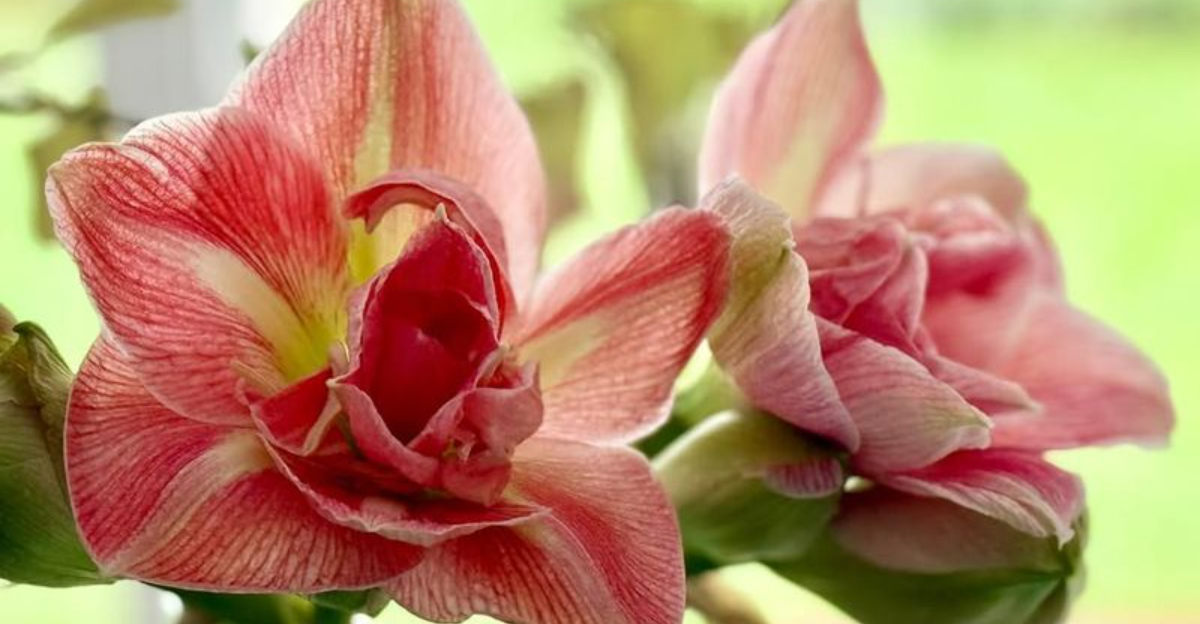
An amaryllis should look bold and confident, yet in many Virginia homes, its leaves start to fade once winter settles in.
What begins as rich green slowly turns pale, leaving the plant looking tired instead of proud.
It can feel like something went wrong overnight, even when care routines stay the same.
Winter brings big changes indoors.
Shorter days cut back on natural light, heaters dry the air, and room temperatures rise and fall more than plants prefer.
Amaryllis reacts quickly to these shifts.
When light drops or roots stay too wet, the plant redirects energy and leaf color suffers.
This quiet stress shows up in the leaves long before blooms are affected.
Virginia’s mild winters can be misleading, making it easy to overlook how indoor conditions change.
A plant that thrived in fall may struggle once winter routines take over.
Understanding why leaf color fades helps homeowners adjust care before damage spreads.
With a few simple changes, amaryllis can regain strength and hold onto its color, keeping it healthy and ready for its next round of growth.
1. Insufficient Natural Light Exposure
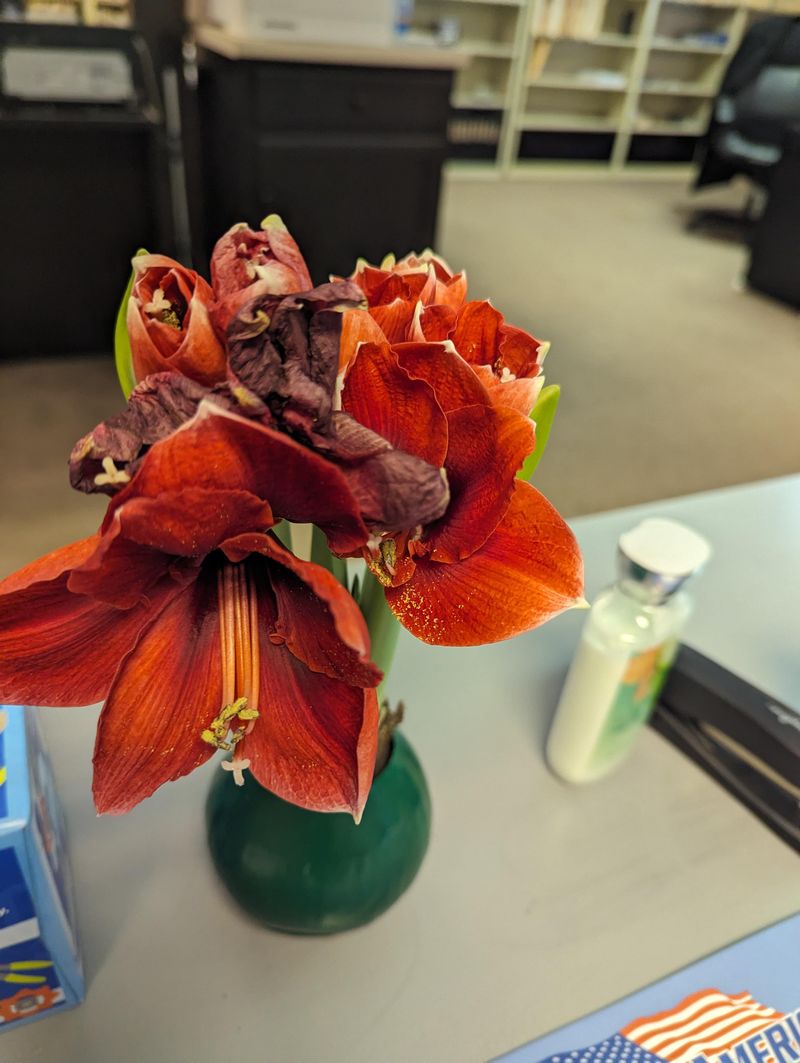
Winter days in Virginia are noticeably shorter, which means your amaryllis gets fewer hours of sunlight than it needs to stay healthy.
Plants use light to create energy through photosynthesis, and when they don’t get enough, their leaves start losing chlorophyll, the green pigment that gives them color.
Your amaryllis might sit in a spot that seemed perfect during summer but now barely gets any direct sunlight because of the sun’s lower angle in winter.
Most amaryllis plants need at least six hours of bright, indirect light each day to maintain their vibrant green leaves.
When they receive less than this, the leaves gradually fade to pale green, yellow, or even white.
Virginia’s cloudy winter weather makes this problem worse, as overcast days provide even less light than usual.
Moving your plant closer to a south-facing window can help tremendously.
South-facing windows receive the most consistent light during winter months in Virginia.
If you don’t have a suitable window, consider using a grow light designed for indoor plants.
Grow lights can supplement natural sunlight and keep your amaryllis leaves looking their best.
Position the light about 6 to 12 inches above the plant and leave it on for 12 to 14 hours daily.
This mimics longer summer days and gives your plant the energy it needs.
Rotating your amaryllis every few days ensures all sides receive equal light exposure.
This prevents one side from becoming pale while the other stays green.
Regular rotation also encourages more balanced growth and prevents the plant from leaning heavily toward the light source.
2. Excessive Indoor Heating And Low Humidity
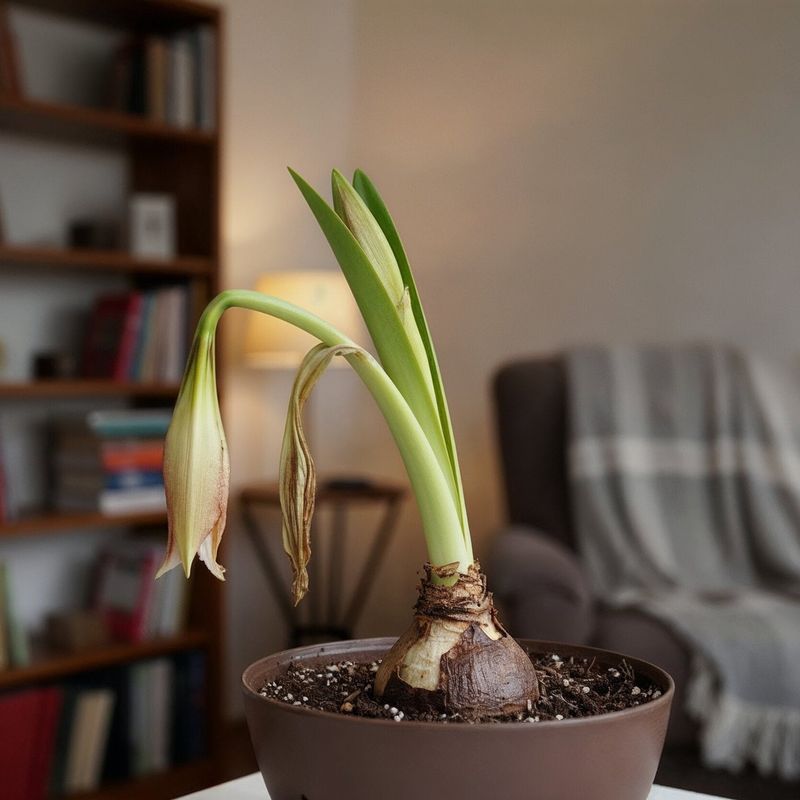
Heating systems work overtime during Virginia winters, keeping homes cozy but creating desert-like conditions for your amaryllis.
Furnaces and space heaters pull moisture from the air, dropping humidity levels to 10 or 20 percent, while amaryllis plants prefer humidity around 40 to 50 percent.
When the air becomes too dry, amaryllis leaves lose moisture faster than the roots can replace it, causing them to turn yellow or brown at the tips and edges.
Direct heat from vents or radiators makes the problem even worse.
If your amaryllis sits near a heat source, the warm air constantly blowing on it dries out the leaves rapidly.
You might notice the leaves closest to the heat source fading first, while those farther away maintain better color.
Moving your plant away from heating vents is a simple but effective solution.
Find a location where your amaryllis can enjoy stable temperatures without direct exposure to hot, dry air.
Ideal room temperatures for amaryllis range between 60 and 70 degrees Fahrenheit.
Increasing humidity around your plant helps restore leaf color and overall health.
Place a shallow tray filled with pebbles and water beneath the pot, making sure the pot sits on the pebbles above the water line.
As water evaporates, it creates a humid microclimate around your amaryllis.
Grouping several houseplants together also raises humidity levels naturally.
Plants release moisture through their leaves in a process called transpiration, and when several plants sit close together, they create a more humid environment for each other.
Misting your amaryllis leaves once or twice daily provides temporary relief but isn’t as effective as other methods.
3. Improper Watering Practices
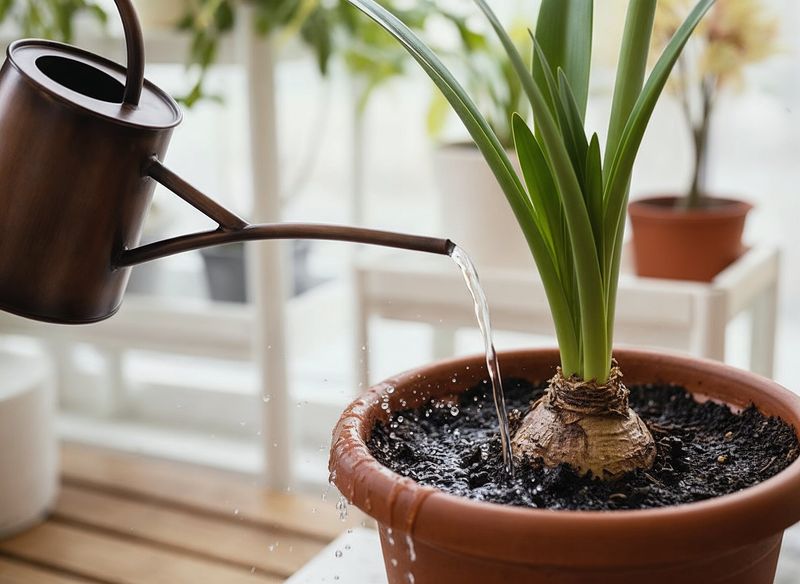
Watering mistakes rank among the most common reasons amaryllis leaves lose their vibrant color during Virginia winters.
Many people continue their summer watering schedule without adjusting for winter’s slower growth period.
Amaryllis plants need less water when they’re not actively blooming or growing, and overwatering leads to root problems that show up as yellowing or pale leaves.
Waterlogged soil prevents roots from getting oxygen, causing them to become weak and unable to absorb nutrients properly.
When roots can’t function well, leaves suffer first, turning yellow from the bottom up.
Soggy soil also encourages fungal growth and root rot, which further damages the plant’s ability to maintain healthy foliage.
On the flip side, letting your amaryllis get too dry causes similar color loss problems.
Underwatered plants can’t transport nutrients from the soil to the leaves, resulting in fading color and wilting.
Virginia’s dry indoor air during winter makes soil dry out faster than you might expect, so checking soil moisture regularly is essential.
The best approach is to water your amaryllis only when the top inch or two of soil feels dry to the touch.
Stick your finger into the soil to test it rather than following a rigid schedule.
When you do water, add enough so that water drains from the bottom of the pot, then empty the drainage tray so the plant doesn’t sit in standing water.
Using room-temperature water prevents shocking the roots, which can stress the plant and contribute to color loss.
Cold water straight from the tap can damage sensitive roots, especially during winter when the plant is already dealing with environmental challenges.
4. Nutrient Deficiencies In Potting Soil
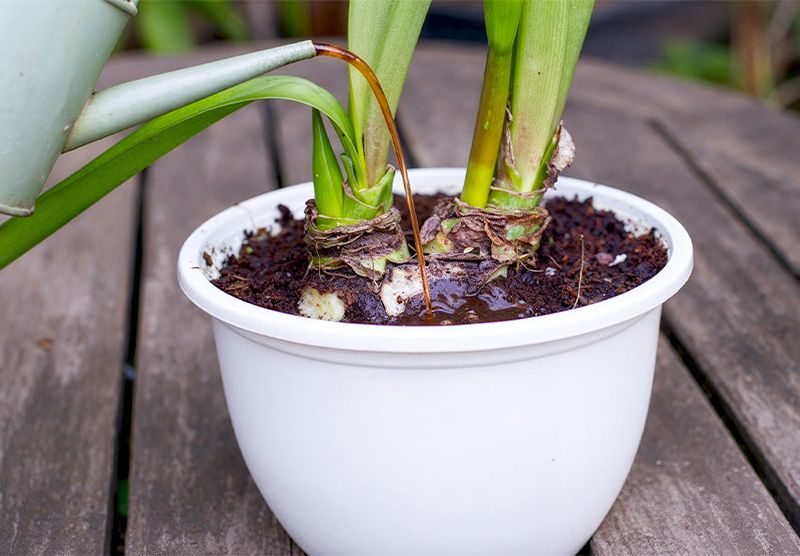
Your amaryllis might be losing color simply because it’s hungry.
Plants growing in containers have limited access to nutrients compared to those in garden soil, and over time, the potting mix becomes depleted.
Nitrogen deficiency is particularly common and causes leaves to turn pale yellow or light green, starting with the older, lower leaves first.
Amaryllis plants that bloomed earlier in winter used up significant energy and nutrients to produce those spectacular flowers.
If you haven’t replenished those nutrients through fertilization, the leaves show the effects.
Winter is also when many Virginia gardeners forget about feeding their indoor plants, assuming they don’t need food during the dormant season.
Other nutrient deficiencies can also cause color problems.
Iron deficiency makes new leaves turn yellow while the veins stay green, creating a striped appearance.
Magnesium deficiency causes yellowing between the leaf veins on older leaves.
Both conditions result from either depleted soil or pH imbalances that prevent nutrient absorption.
Feeding your amaryllis with a balanced, water-soluble fertilizer every two to three weeks during winter helps maintain leaf color.
Choose a fertilizer with equal parts nitrogen, phosphorus, and potassium, such as a 10-10-10 or 20-20-20 formula.
Dilute it to half the recommended strength to avoid over-fertilizing, which can burn roots and cause more problems.
If your amaryllis hasn’t been repotted in several years, the soil may be completely exhausted.
Consider refreshing the potting mix with nutrient-rich soil specifically formulated for bulbs or houseplants.
Fresh soil provides a new supply of essential nutrients and improves drainage, giving your amaryllis the foundation it needs for healthy, colorful leaves throughout Virginia’s long winter season.
5. Temperature Fluctuations And Cold Drafts
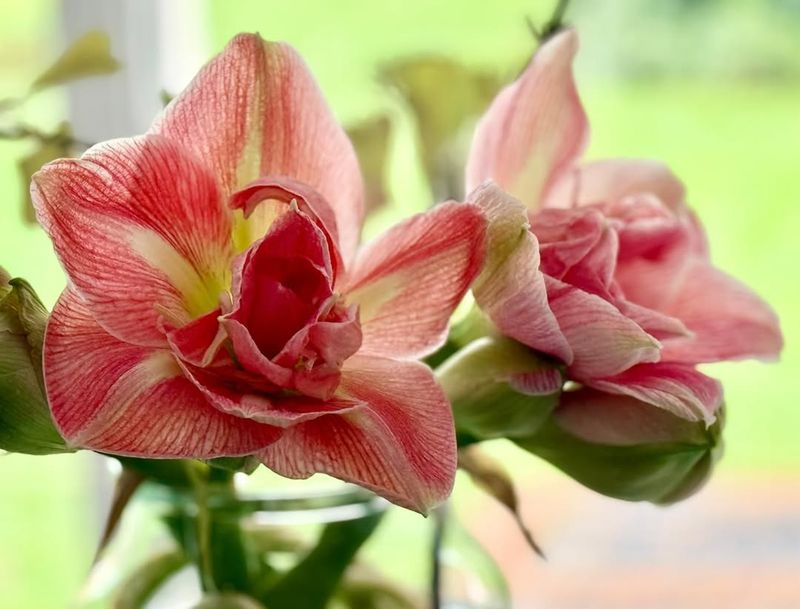
Amaryllis plants are sensitive to temperature changes, and Virginia winters create plenty of opportunities for unwanted temperature swings.
Cold drafts from poorly sealed windows and doors can damage amaryllis leaves, causing them to turn yellow, pale, or develop brown spots.
Even brief exposure to temperatures below 50 degrees Fahrenheit stresses the plant and affects its ability to maintain healthy leaf color.
Many people place their amaryllis near windows to maximize light exposure, but windows are often the coldest spots in a home during winter.
At night, temperatures near windows can drop significantly, especially during Virginia’s coldest months of January and February.
The glass radiates cold into the room, creating a chilly microclimate that your amaryllis doesn’t appreciate.
Doorways that open frequently also expose plants to blasts of cold outdoor air.
Each time someone enters or exits, your amaryllis experiences a sudden temperature drop that shocks its system.
Repeated exposure to these temperature fluctuations weakens the plant over time, making leaves lose color and vitality.
Check for drafts by holding your hand near windows and doors where your amaryllis sits.
If you feel cold air, that spot isn’t ideal for your plant during winter.
Move your amaryllis to a location with more stable temperatures, away from exterior walls and frequently opened doors.
If you must keep your plant near a window for light, create a barrier between the glass and the plant at night.
A sheer curtain provides some insulation without blocking too much light during the day.
You can also move the plant a few feet back from the window at night and return it during daylight hours.
Maintaining consistent temperatures between 60 and 70 degrees Fahrenheit helps your amaryllis keep its leaves green and healthy throughout winter in Virginia.
6. Natural Aging Process Of Older Leaves
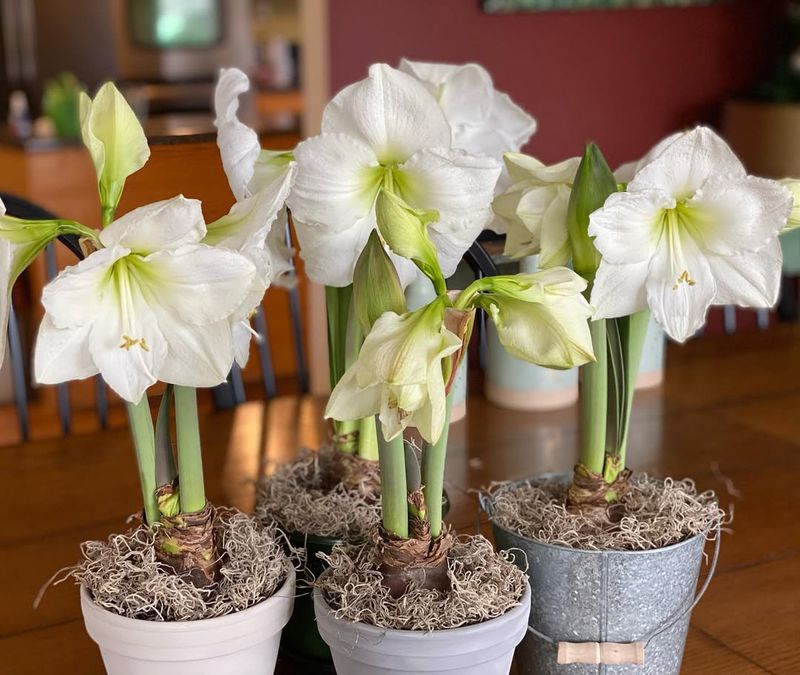
Sometimes leaf color loss isn’t a problem at all but rather a completely normal part of your amaryllis’s life cycle.
Older leaves naturally turn yellow and fade as the plant redirects energy to newer growth.
This process happens year-round but becomes more noticeable during winter when other stress factors might be present.
Understanding the difference between natural aging and actual problems helps you avoid unnecessary worry and treatment.
Natural aging typically affects the oldest leaves first, which are usually the lowest ones on the plant.
These leaves turn yellow gradually, starting from the tips and working toward the base, while the newer leaves at the top remain vibrant and green.
If only one or two bottom leaves are yellowing and the rest of the plant looks healthy, you’re probably witnessing normal aging rather than a health issue.
Amaryllis plants shed old leaves to make room for new growth and to conserve resources.
During winter, when growth naturally slows, the plant may decide certain leaves aren’t worth maintaining anymore.
This is especially true after blooming, when the plant has used considerable energy to produce flowers and needs to prioritize what it keeps.
Allow naturally aging leaves to yellow completely before removing them.
The plant reabsorbs nutrients from dry leaves, so cutting them off too early wastes those resources.
Once a leaf is completely yellow or brown and comes off easily with a gentle tug, it’s ready to be removed.
Don’t confuse this natural process with problems that need fixing.
If multiple leaves are yellowing at once, if new leaves are pale, or if yellowing starts from the tips and edges rather than progressing naturally, something else is wrong.
Natural aging in Virginia-grown amaryllis happens gradually and affects only one or two leaves at a time, leaving the rest of the plant looking healthy and strong.
7. Pest Infestations Weakening The Plant
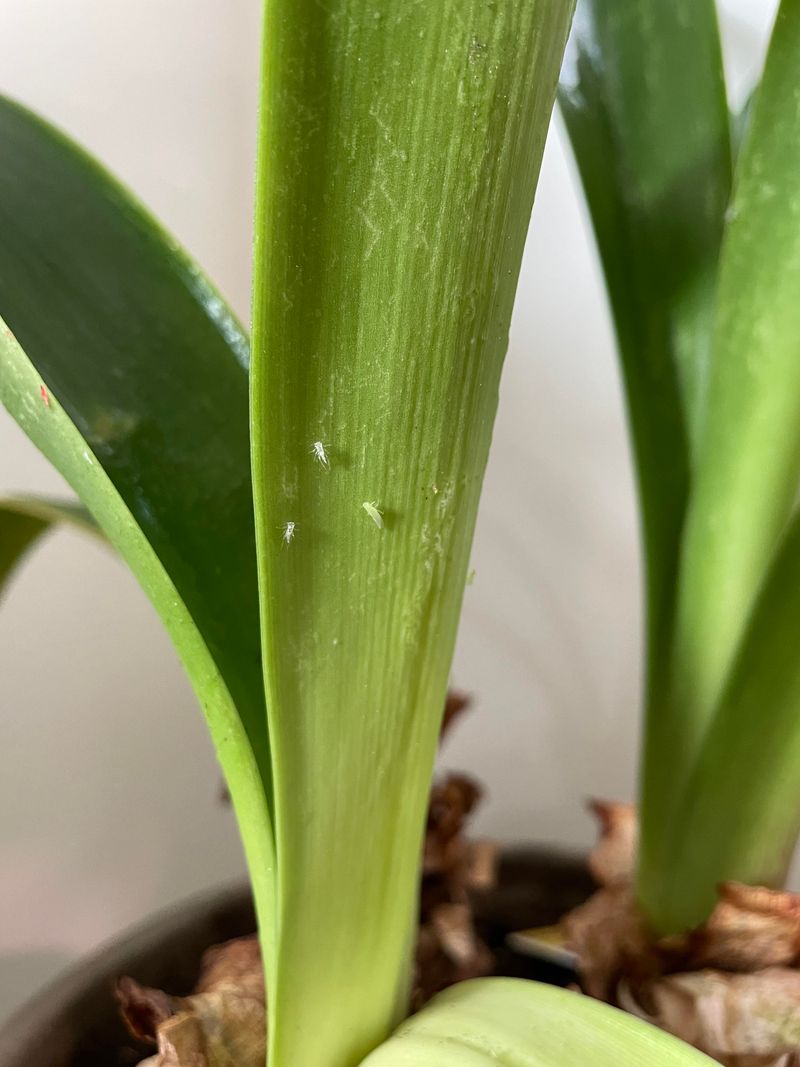
Pests might be secretly draining the life from your amaryllis, causing leaves to lose color and vitality.
Spider mites, aphids, and mealybugs love the warm, dry conditions inside Virginia homes during winter, and they feed on plant sap, weakening your amaryllis and causing leaves to turn pale yellow or develop stippled, faded areas.
These tiny creatures are easy to miss until the damage becomes obvious.
Spider mites are especially problematic in heated homes with low humidity.
These microscopic pests create fine webbing on leaf undersides and between leaves and stems.
Their feeding causes tiny yellow or white dots on leaves that eventually merge into larger pale areas.
Heavy infestations can make entire leaves lose their green color and take on a dusty, unhealthy appearance.
Aphids cluster on new growth and flower stalks, sucking sap and leaving behind sticky honeydew that can lead to sooty mold.
Infested leaves become distorted and pale, unable to perform photosynthesis properly.
Mealybugs look like small white cotton balls on stems and leaf bases, and they cause similar damage, weakening the plant’s overall health.
Inspect your amaryllis regularly, especially the undersides of leaves and where leaves meet the stem.
Use a magnifying glass if needed to spot tiny pests.
If you find any, isolate the affected plant immediately to prevent pests from spreading to other houseplants in your Virginia home.
Treat infestations with insecticidal soap or neem oil, which are safe for indoor use.
Spray thoroughly, covering all leaf surfaces, and repeat the treatment every five to seven days until pests are gone.
Increasing humidity around your amaryllis also discourages spider mites.
Wiping leaves with a damp cloth removes pests and their eggs while also cleaning dust that can interfere with photosynthesis and make leaves look duller than they should be.